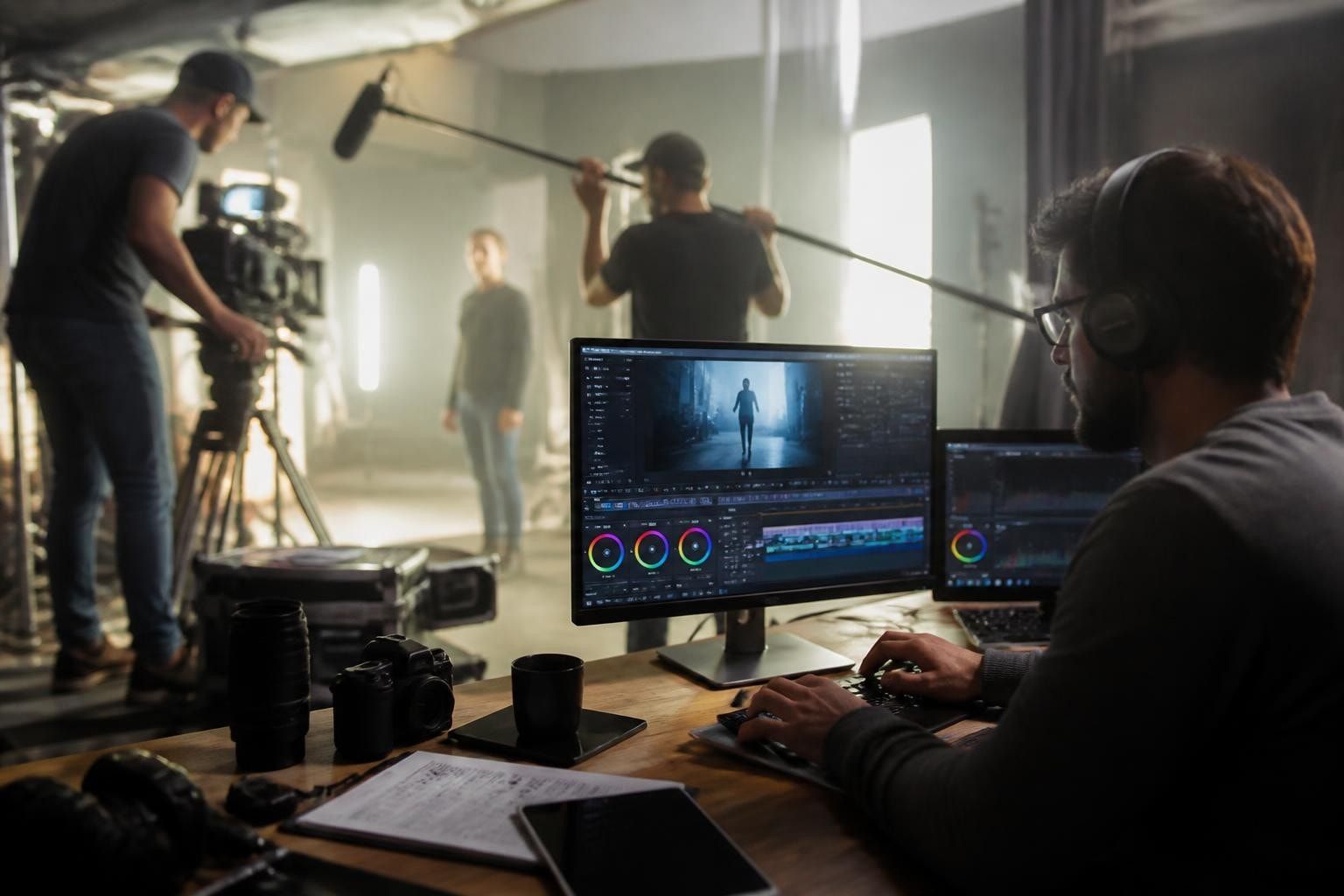


Modern consumers demand visual proof before making purchase decisions. Product videos have become essential assets for brands competing in crowded digital marketplaces, with studies consistently showing that high-quality video content drives conversion rates significantly higher than static images alone. A product video production company specializes in transforming technical specifications and features into compelling visual narratives that educate, engage, and convert prospects into customers. Whether you're launching a new gadget, showcasing software capabilities, or highlighting fashion collections, professional production expertise ensures your message resonates with your target audience while delivering measurable business outcomes.
Understanding What a Product Video Production Company Does
A product video production company handles every aspect of creating commercial video content specifically designed to showcase products and drive sales. These specialized agencies combine creative storytelling with technical expertise to produce videos that highlight product benefits, demonstrate functionality, and address customer pain points.
Core Services and Deliverables
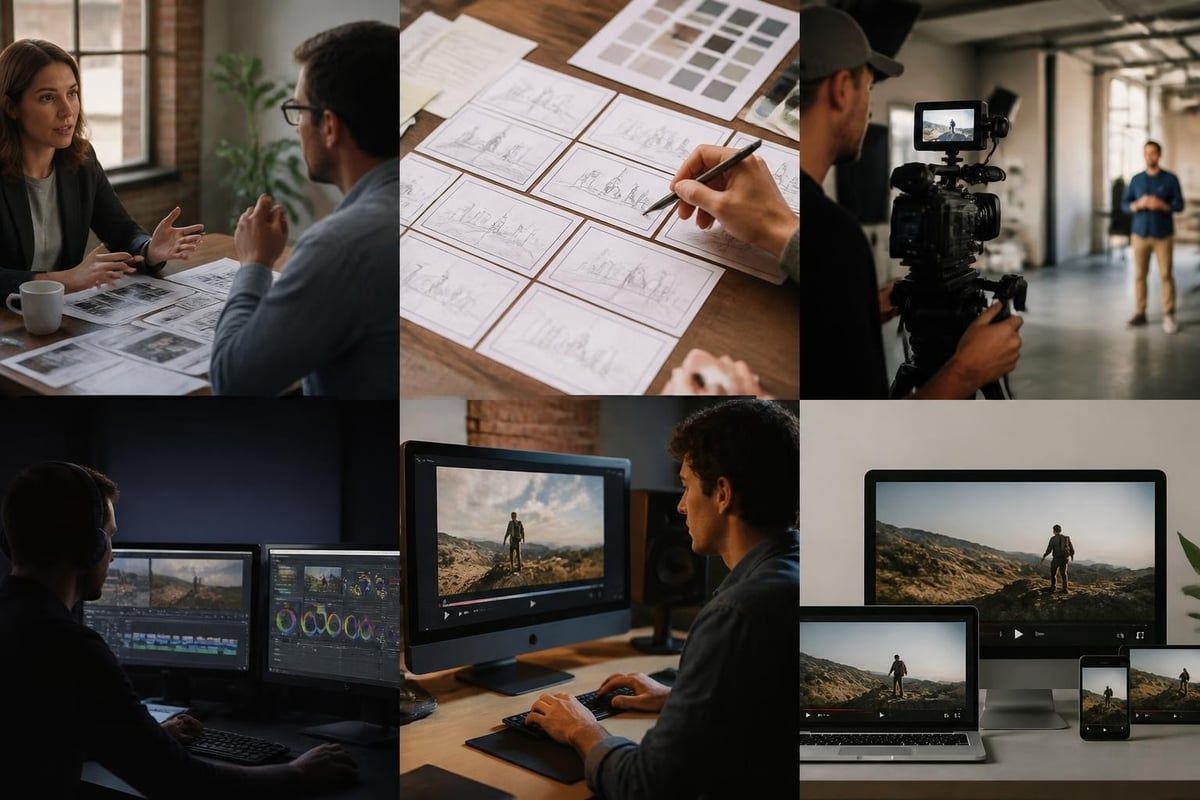
Professional product video companies offer comprehensive services that extend well beyond simply pointing a camera at your merchandise. These teams provide strategic consultation, scriptwriting, storyboarding, professional filming, post-production editing, color grading, motion graphics, and distribution optimization.
The production process typically includes:
- Discovery sessions to understand product features and target audience
- Creative concept development aligned with brand identity
- Technical planning for lighting, equipment, and shooting environments
- Professional filming with cinema-grade cameras and audio equipment
- Post-production editing with visual effects and sound design
- Format optimization for different platforms and devices
When working with a professional video production team, brands gain access to specialized equipment that would be prohibitively expensive to purchase independently. High-end cameras, professional lighting rigs, stabilization systems, and advanced editing software represent significant investments that production companies amortize across multiple client projects.
Different Types of Product Videos
Product video production companies create various video formats, each serving distinct marketing objectives. Product demonstrations show items in action, highlighting key features and benefits. Explainer videos break down complex products into digestible concepts, particularly valuable for technical or innovative offerings. Unboxing videos leverage the excitement of discovery to build anticipation and showcase packaging quality.
How-to tutorials represent another powerful format, as effective instructional content helps consumers understand product applications while reducing post-purchase support inquiries. Lifestyle videos position products within aspirational contexts, connecting emotional resonance with practical functionality. Comparison videos address competitive concerns directly, demonstrating why your product outperforms alternatives.
Strategic Benefits of Partnering with Production Specialists
Investing in professional production services delivers returns that extend far beyond aesthetically pleasing content. A product video production company brings specialized knowledge about what actually converts viewers into customers, informed by years of testing and optimization across diverse industries.
Technical Excellence Drives Performance
Professional production teams understand the technical requirements that separate mediocre videos from high-performing assets. According to product video best practices, factors like page load speed, mobile optimization, and viewer experience dramatically impact conversion rates.
| Technical Factor | Impact on Performance | Professional Solution |
|---|---|---|
| Video Length | Shorter videos (30-90 seconds) maintain attention | Strategic editing and pacing |
| File Size | Large files slow page loads, reducing conversions | Compression without quality loss |
| Mobile Responsiveness | 70%+ of video views occur on mobile | Adaptive formatting and testing |
| Audio Quality | Poor audio destroys credibility | Professional recording equipment |
Production companies also ensure visual consistency across your video library, maintaining brand guidelines while adapting content for different platforms. This consistency builds recognition and trust over time, transforming individual videos into cohesive brand experiences.
Strategic Storytelling That Converts
Beyond technical execution, experienced production companies excel at crafting narratives that guide viewers through carefully designed conversion funnels. Creating effective business videos requires understanding how to balance information delivery with emotional engagement.
Effective product videos address:
- The specific problem your product solves
- Why your solution outperforms alternatives
- How simple implementation or usage actually is
- What results customers can realistically expect
- Why taking action now makes sense
Professional scriptwriters structure these elements into compelling narratives that feel natural rather than promotional. They understand pacing, knowing exactly when to introduce product features versus emotional benefits, and how to maintain momentum throughout the viewing experience.
Production Process: From Concept to Completion
Understanding the production timeline helps brands plan launches and allocate resources effectively. A product video production company follows structured workflows designed to deliver predictable results while maintaining creative flexibility.
Pre-Production Planning
The foundation of successful product videos gets laid during pre-production. This phase typically consumes 30-40% of total project time but determines whether the final output achieves its objectives.
Discovery and strategy sessions establish clear goals, target audiences, and key messages. Production teams conduct competitive research, analyzing what's working in your industry and identifying differentiation opportunities. Commercial video production requires understanding not just what you're selling, but who's buying and why they should care.
Scriptwriting and storyboarding translate strategic insights into concrete visual plans. Professional writers craft scripts that sound conversational while hitting specific talking points. Storyboards map each scene visually, ensuring everyone understands the creative direction before cameras start rolling.
Location scouting and casting determine where filming occurs and who appears on camera. Some products shine in studio environments with controlled lighting, while others demand real-world settings that demonstrate practical applications. Casting decisions similarly depend on product type and target demographic.
Production Day Execution
Filming days represent the most visible phase of production, where planning transforms into tangible footage. Professional crews typically include directors, camera operators, lighting technicians, audio engineers, and production assistants working in coordinated teams.
Lighting setup often consumes significant time during production days. Different products require different lighting approaches-jewelry demands precision lighting that reveals sparkle, while software demonstrations need even illumination that doesn't distract from screen content. Best practices for shooting product videos emphasize that lighting quality separates amateur from professional results.
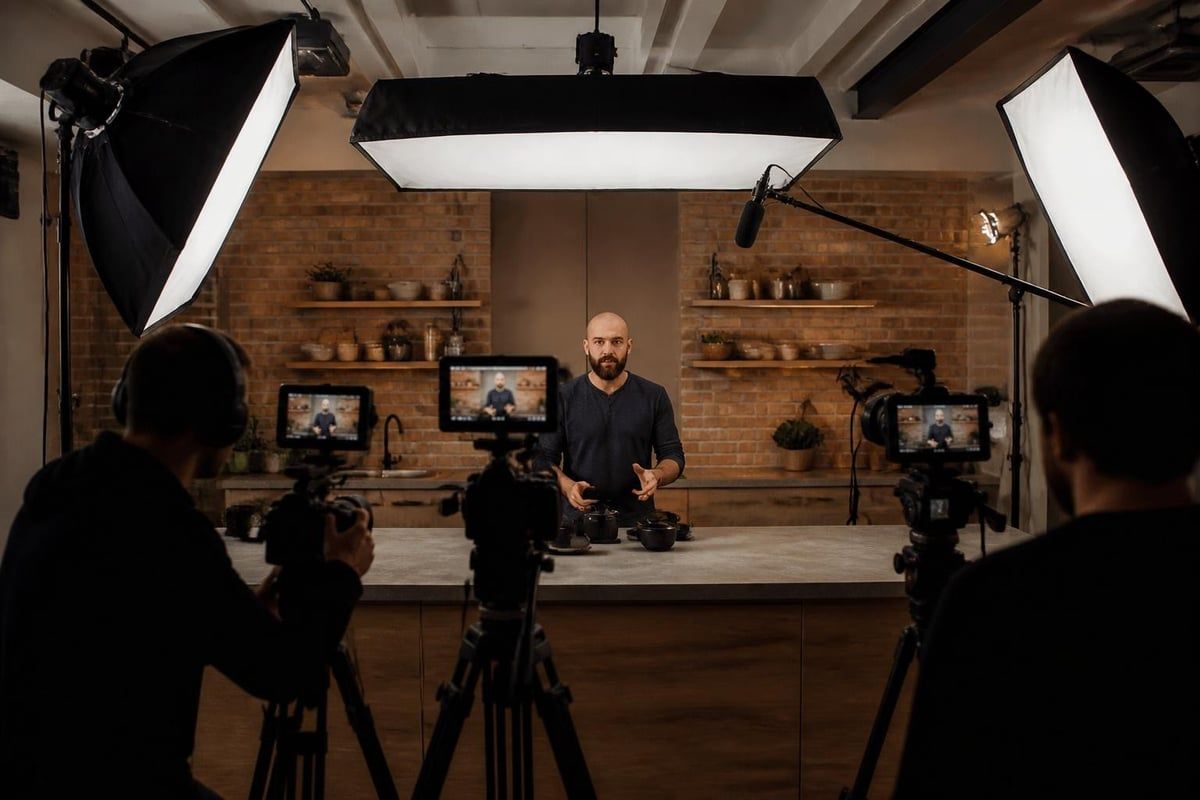
Camera work varies based on product characteristics. Small items benefit from macro photography that reveals fine details, while larger products require wider shots that establish context. Multiple camera angles provide editing flexibility, ensuring the final video maintains visual interest throughout.
Post-Production Polish
Post-production transforms raw footage into polished final products. Editors review all captured material, selecting the strongest takes and assembling them into coherent narratives that match the approved script.
Color grading ensures visual consistency and enhances mood. Professional colorists adjust tones, saturation, and contrast to match brand guidelines while making products look their absolute best. Motion graphics add dynamic elements like text overlays, product specifications, call-to-action buttons, and animated transitions that reinforce key messages.
Sound design often gets overlooked by brands attempting in-house production, but professional audio separates credible content from amateur efforts. This includes dialogue cleanup, music selection and licensing, sound effects that enhance visual elements, and final mixing that balances all audio components.
Maximizing ROI Through Strategic Distribution
Creating exceptional product videos represents only half the equation. A product video production company helps brands maximize return on investment through strategic distribution across appropriate channels.
Platform-Specific Optimization
Different platforms demand different approaches. E-commerce product pages benefit from concise videos (30-60 seconds) that highlight core features and address common objections. According to product demo video best practices, the most effective demos follow a 60-second formula that respects viewer attention spans while delivering essential information.
Social media platforms require content tailored to specific user behaviors and technical specifications:
- Instagram and TikTok: Vertical format (9:16), maximum 60-90 seconds, captions for sound-off viewing
- YouTube: Horizontal format (16:9), longer content acceptable (2-5 minutes), searchable titles and descriptions
- LinkedIn: Professional tone, business-focused messaging, 30-90 seconds optimal
- Facebook: Square format (1:1) performs well, native uploads outperform links, 60 seconds or less recommended
Production companies create master files that can be efficiently reformatted for each platform, maintaining quality while adapting to technical requirements. This approach proves more cost-effective than producing separate videos for each channel.
Performance Tracking and Iteration
Professional production partners help brands establish meaningful metrics beyond vanity numbers like view counts. Engagement rates (watch time percentage) indicate whether content resonates with audiences. Click-through rates measure how effectively videos drive desired actions. Conversion rates tie video performance directly to business outcomes.
Leading product video production companies conduct A/B testing with different versions, comparing how variations in messaging, length, or visual style impact results. This data-driven approach enables continuous improvement, with each new video informed by learnings from previous productions.
Selecting the Right Production Partner
Not all product video production companies deliver equivalent value. Brands should evaluate potential partners across multiple dimensions to ensure alignment with business objectives and working styles.
Portfolio Assessment and Specialization
Review potential partners' previous work critically, looking beyond aesthetic appeal to strategic effectiveness. Industry experience matters-production companies familiar with your sector understand customer expectations, competitive dynamics, and regulatory considerations that shape effective messaging.
Ask specific questions about past projects:
- What business objectives did this video address?
- How did you measure success?
- What challenges emerged during production?
- What would you do differently with more resources or time?
Strong production companies articulate clear strategic rationales for creative decisions, demonstrating they think about business outcomes rather than simply creating pretty visuals. When evaluating video production companies, prioritize partners who ask probing questions about your business before pitching creative concepts.
Process Transparency and Communication
Production timelines often slip when communication breaks down. Establish expectations upfront regarding revision rounds, approval processes, and timeline milestones. Professional companies provide detailed production schedules with specific deliverable dates and clear revision policies.
Warning signs to watch for include:
- Vague timelines without specific milestones
- Unclear pricing with potential hidden fees
- Limited revision allowances buried in contracts
- Poor responsiveness during initial consultations
- Reluctance to provide client references
The best partnerships feel collaborative rather than transactional. Production companies should position themselves as strategic advisors who enhance your marketing capabilities, not simply vendors executing your instructions.
Budget Considerations and Value
Product video costs vary dramatically based on scope, complexity, and production values. Simple studio shoots with basic editing might cost $3,000-$8,000, while elaborate productions with location shooting, talent, and advanced post-production can exceed $25,000-$50,000.
Rather than fixating on absolute costs, evaluate pricing relative to expected returns. A $15,000 video that increases conversion rates by 2% delivers vastly superior ROI compared to a $5,000 video that underperforms. Understanding video production ROI requires looking beyond production costs to lifetime value of acquired customers.
| Investment Level | Typical Deliverables | Best Applications |
|---|---|---|
| $3,000-$8,000 | Single product demo, studio shooting, basic editing | Simple products, tight budgets, testing video content |
| $8,000-$18,000 | Multiple scenes, location shooting, professional talent, motion graphics | Standard product launches, competitive markets |
| $18,000-$35,000 | Multiple products, extensive post-production, custom animations | Premium products, major launches, high-value items |
| $35,000+ | Campaign-level production, multiple versions, extensive creative development | Brand-defining products, national campaigns |
Emerging Trends Shaping Product Video Production
The product video landscape continues evolving as technology advances and consumer expectations shift. Forward-thinking product video production companies stay ahead of these trends, incorporating innovations that enhance effectiveness.
Interactive and Shoppable Video
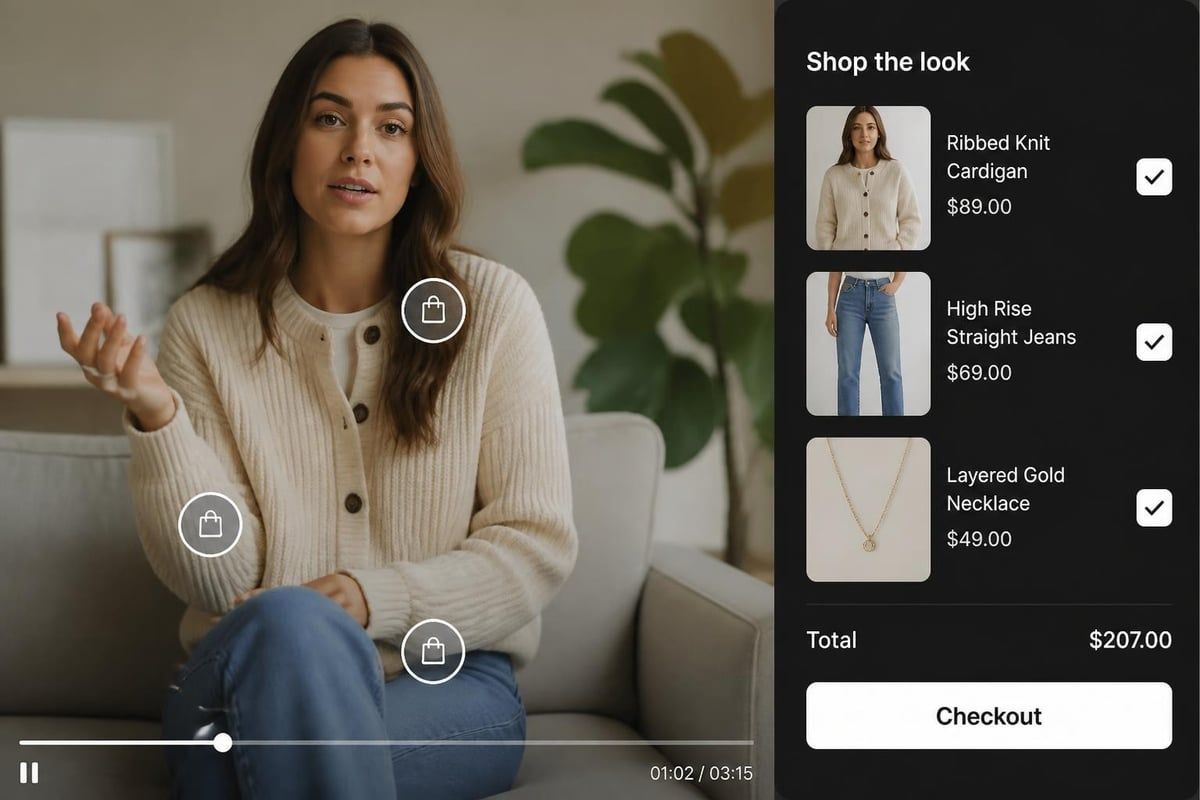
Interactive elements transform passive viewing into active engagement. Clickable hotspots allow viewers to explore specific features in depth, while integrated purchase buttons reduce friction between interest and transaction. Effective product videos increasingly incorporate these interactive elements to drive direct conversions.
Shoppable video technology enables viewers to click products featured in videos and complete purchases without leaving the video player. This seamless integration proves particularly effective for fashion, home decor, and beauty products where visual presentation drives purchase decisions.
User-Generated and Authentic Content
While professional production maintains importance for flagship product videos, brands increasingly supplement polished content with authentic user-generated material. Smart production companies help brands develop hybrid strategies that balance professional credibility with relatable authenticity.
Testimonial integration combines professional production quality with genuine customer experiences. Production teams film real customers using products in natural environments, maintaining authentic reactions while ensuring technical quality meets platform requirements.
AI-Enhanced Personalization
Artificial intelligence enables personalized video experiences at scale. Production companies create modular video components that AI systems dynamically assemble based on viewer characteristics, browsing history, or demographic data. A viewer interested in technical specifications sees feature-focused content, while design-oriented consumers receive visually-driven messaging.
Automated versioning allows brands to efficiently create dozens of video variations from single shoots. Production companies capture core content once, then AI tools generate versions optimized for different audiences, platforms, or campaign objectives. This approach dramatically improves ROI by maximizing asset utility.
Technical Specifications That Matter
Understanding technical requirements helps brands make informed decisions when working with production companies and evaluating deliverables. Key specifications directly impact video performance across different platforms and use cases.
Resolution and Format Standards
4K resolution (3840x2160 pixels) has become the professional standard for product videos in 2026, even though many distribution platforms compress files to lower resolutions. Shooting in 4K provides flexibility for cropping, zooming, and future-proofing as display technology continues improving.
Frame rates typically range from 24fps (cinematic look) to 60fps (smooth motion for action products). Most product videos use 30fps as a balanced standard that looks professional while maintaining manageable file sizes.
Aspect ratios must align with distribution channels. Horizontal 16:9 remains standard for YouTube and websites, while vertical 9:16 dominates Instagram Stories and TikTok. Square 1:1 provides compromise formatting that works across multiple social platforms.
Compression and Loading Speed
File size directly impacts page performance and user experience. Professional production companies employ advanced compression techniques that maintain visual quality while minimizing bandwidth requirements. Following technical best practices for product videos ensures videos load quickly without sacrificing quality.
Adaptive bitrate streaming serves different quality levels based on viewer connection speeds, ensuring smooth playback for all users. Production companies deliver multiple file versions optimized for various scenarios-high-quality files for broadband connections, compressed versions for mobile networks, and lightweight alternatives for slow connections.
Accessibility Considerations
Professional product videos include accessibility features that expand audience reach while improving SEO performance. Closed captions serve viewers watching without sound (common on social media) while making content accessible to hearing-impaired audiences. Transcripts provide text versions that search engines index, improving discoverability.
Audio descriptions narrate visual elements for visually impaired viewers, though this remains less common for product videos than for narrative content. Production companies familiar with accessibility standards ensure compliance with relevant regulations while enhancing overall user experience.
Measuring Success Beyond View Counts
Sophisticated brands evaluate product video performance through metrics tied directly to business objectives rather than vanity measurements that don't correlate with revenue.
Engagement Metrics That Matter
Average watch time reveals whether content maintains viewer attention. Videos with 70%+ completion rates indicate compelling content, while significant drop-offs at specific timestamps highlight sections needing improvement. Production companies analyze these patterns to refine future projects.
Interaction rates measure clicks on embedded links, expansion of product details, or engagement with interactive elements. High interaction rates demonstrate that videos successfully drive desired behaviors beyond passive viewing.
Heatmaps show exactly where viewers pause, rewind, or rewatch content. These insights inform which product features resonate most strongly, guiding both video optimization and broader marketing messaging.
Conversion and Revenue Attribution
Ultimately, product videos should drive measurable business outcomes. Direct conversion tracking monitors how many viewers complete purchases after watching videos. Assisted conversions credit videos that influence purchase decisions without being the final touchpoint before transaction.
Revenue attribution calculates total sales generated through video content, providing clear ROI calculations. When properly tracked, product videos become quantifiable marketing investments rather than speculative creative expenses. Understanding these business benefits of video production helps justify continued investment in professional content.
Customer Lifetime Value Impact
Sophisticated measurement extends beyond immediate conversions to long-term customer value. Product videos that set accurate expectations and thoroughly educate customers reduce return rates, support inquiries, and buyer's remorse-all factors that impact profitability.
Retention analysis examines whether customers who engaged with product videos before purchase demonstrate higher lifetime value through repeat purchases, referrals, or brand advocacy. These insights position video content as strategic assets contributing to sustainable growth rather than tactical conversion tools.
Professional product video production combines technical expertise, creative storytelling, and strategic distribution to create assets that drive measurable business results. By partnering with experienced specialists who understand both the art and science of visual content, brands gain competitive advantages in increasingly crowded digital marketplaces. Viva Media brings Toronto-based production excellence to forward-thinking brands ready to transform product messaging into high-performance video content that delivers real ROI across every stage of the customer journey.