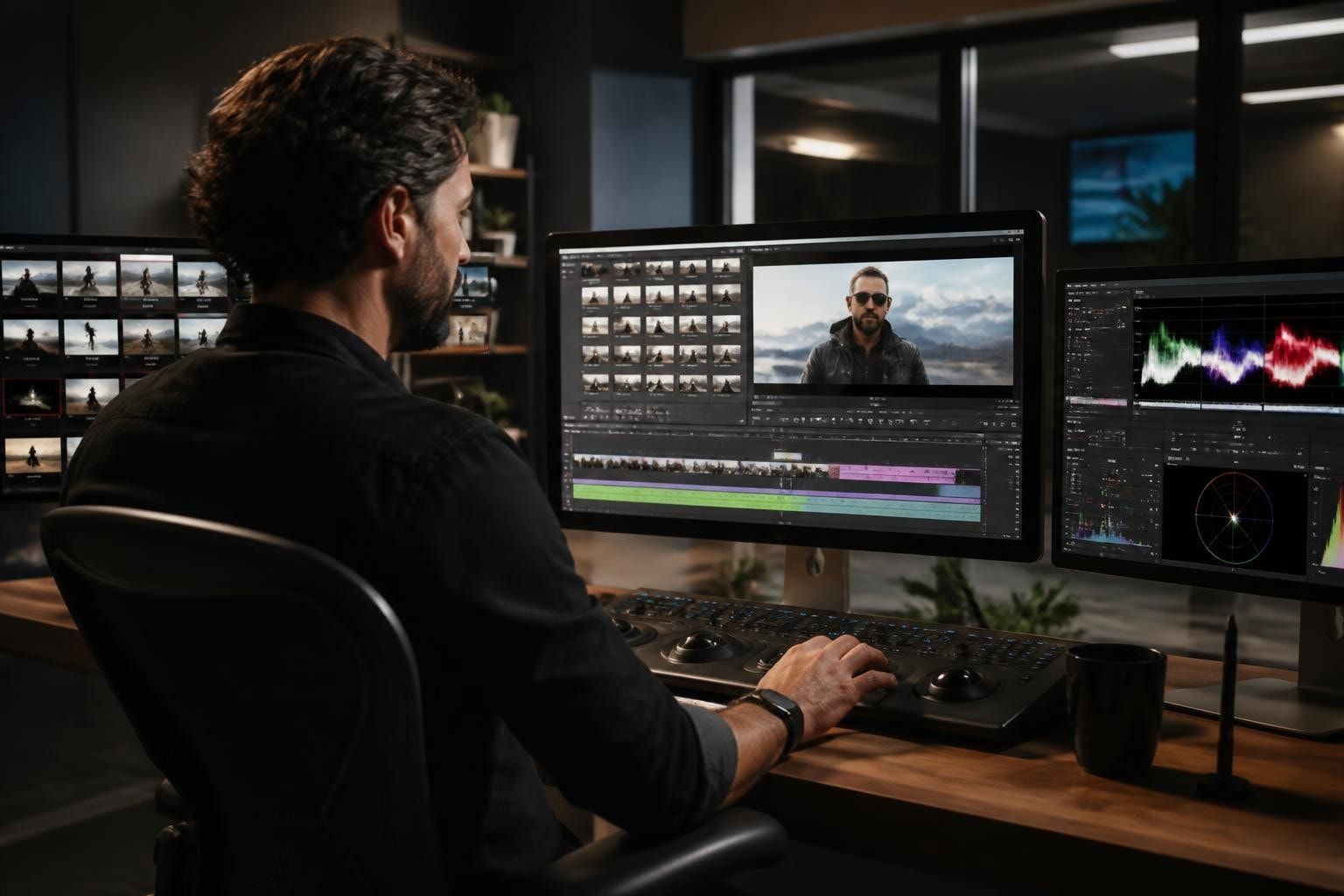


Business video content has become the cornerstone of modern marketing strategies, with companies across industries recognizing its unmatched ability to engage audiences and drive conversions. When you create video for business, you're investing in a medium that delivers measurable returns through increased brand awareness, enhanced customer trust, and improved sales performance. The landscape of business video production has evolved significantly, with new technologies and platforms reshaping how companies approach content creation. Understanding the strategic framework behind effective business videos-from initial planning to final distribution-empowers organizations to maximize their investment and achieve tangible results in an increasingly competitive marketplace.
Strategic Planning: The Foundation of Business Video Success
Before you create video for business, establishing clear objectives determines the entire direction of your project. Successful video campaigns begin with specific, measurable goals that align with broader business outcomes.
Your planning phase should address these critical elements:
- Target audience identification and detailed persona development
- Key performance indicators that measure success
- Budget allocation across production, distribution, and promotion
- Timeline development with realistic milestones
- Distribution channel selection based on audience behavior
Research shows that businesses are increasingly leveraging data to inform video strategies, with top-performing companies creating more video content than ever before. This trend underscores the importance of systematic planning.
Defining Your Video's Purpose
Every business video serves a specific function within the customer journey. Awareness-stage videos introduce prospects to your brand, while consideration-stage content addresses specific pain points and solutions. Decision-stage videos provide the final push toward conversion through testimonials, product demonstrations, or compelling calls to action.
The best practices for creating high-quality corporate videos emphasize the importance of clear messaging that resonates with your target demographic. When planning your video content, consider how each piece fits into the broader narrative of your brand story.
| Video Type | Primary Purpose | Ideal Length | Distribution Channel |
|---|---|---|---|
| Explainer | Product education | 60-90 seconds | Website, social media |
| Testimonial | Build credibility | 90-120 seconds | Landing pages, email |
| Brand Story | Emotional connection | 2-3 minutes | Social media, paid ads |
| Product Demo | Feature showcase | 3-5 minutes | Website, sales presentations |

Production Excellence: Technical and Creative Considerations
When you create video for business, production quality directly impacts audience perception of your brand. Professional-grade content requires attention to both technical specifications and creative storytelling elements.
Essential Production Components
High-quality business videos depend on several fundamental technical factors. Lighting establishes mood and ensures visual clarity, while audio quality often proves more critical than visual fidelity-poor sound drives viewers away faster than imperfect imagery.
Camera selection and composition techniques vary based on video purpose. Corporate interviews benefit from stable, professional setups with multiple camera angles. Social media content often succeeds with more dynamic, mobile-friendly approaches. Services offered by professional production companies typically include comprehensive equipment packages and experienced crews who understand these nuances.
Consider these production best practices:
- Scout locations thoroughly before filming day
- Conduct technical rehearsals to identify potential issues
- Secure backup equipment for critical shoots
- Plan for audio challenges in advance
- Allow extra time for unexpected complications
The rise of artificial intelligence is transforming production workflows. Nearly 90 percent of advertisers are using or planning to use generative AI to build video ads, demonstrating how technology accelerates content creation while maintaining quality standards.
Storytelling That Drives Results
Technical excellence means nothing without compelling narratives. The most effective business videos create emotional connections through authentic storytelling that highlights real customer experiences, genuine challenges, and meaningful solutions.
Strong narratives follow proven structures: establish context, introduce conflict or challenge, present your solution, and demonstrate transformation. This framework works across video types, from corporate video production to social media content.
Content Optimization for Multiple Platforms
Different platforms require distinct approaches when you create video for business. A single video rarely performs optimally across all channels without platform-specific optimization.
Platform-Specific Requirements
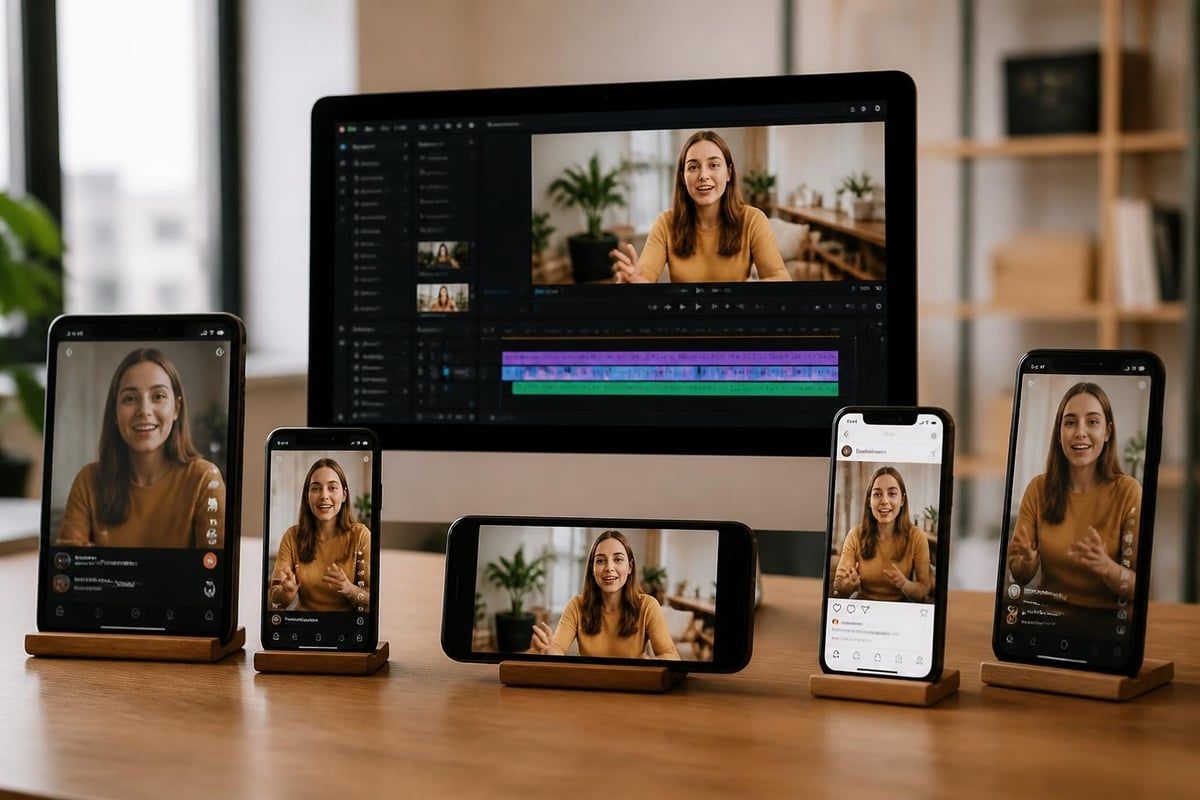
Social media platforms each have unique technical specifications and audience expectations. Instagram Reels demand vertical 9:16 format with quick cuts and trending audio. LinkedIn favors professional, horizontal content with captions for silent viewing. YouTube supports longer-form content where depth and detail drive engagement.
Creating corporate videos that perform well on social media requires understanding platform algorithms and user behavior patterns. Videos optimized for mobile viewing with strong opening hooks and clear value propositions generate higher engagement rates.
| Platform | Optimal Length | Aspect Ratio | Key Features |
|---|---|---|---|
| Instagram Reels | 15-60 seconds | 9:16 | Trending audio, quick cuts |
| 30-90 seconds | 16:9 or 1:1 | Captions, professional tone | |
| YouTube | 7-15 minutes | 16:9 | Deep content, SEO optimization |
| TikTok | 15-60 seconds | 9:16 | Authentic, trend-driven |
| 60-90 seconds | 1:1 or 16:9 | Native uploads, captions |
Silent Viewing Optimization
Approximately 85% of social media videos are watched without sound. This reality demands best practices for video content that include clear on-screen text, dynamic graphics, and visual storytelling that communicates core messages without audio dependence.
Adding accurate captions serves dual purposes: accessibility for hearing-impaired viewers and engagement for sound-off scrollers. Professional social media video production services incorporate these elements during post-production.
Post-Production: Editing and Enhancement Techniques
The editing phase transforms raw footage into polished business content. When you create video for business, post-production decisions significantly impact final effectiveness.
Essential Editing Elements
Professional editing encompasses multiple layers of refinement. Color grading establishes consistent brand aesthetics across all video content. Audio mixing balances dialogue, music, and sound effects for optimal clarity. Motion graphics and text overlays reinforce key messages and maintain viewer attention.
Pacing determines viewer retention. Business videos should maintain momentum through strategic cuts, transitions, and visual variety. Remove unnecessary content ruthlessly-every second should serve your core objective.
Modern editing workflows increasingly incorporate automation and AI assistance for routine tasks like transcription, color correction, and basic assembly. This technology allows editors to focus creative energy on storytelling and refinement.
Brand Consistency Across Video Content
Maintaining visual and tonal consistency strengthens brand recognition. Establish clear guidelines for color palettes, typography, logo placement, and musical themes. These elements should remain consistent whether you're producing commercial video content or internal communications.
Video content creation best practices emphasize the importance of comprehensive brand guidelines that inform every production decision. This systematic approach ensures all videos, regardless of specific purpose, contribute to cohesive brand identity.
Distribution Strategies That Maximize Reach
Creating exceptional content represents only half the equation. Strategic distribution determines whether your target audience actually sees your video when you create video for business.
Owned, Earned, and Paid Distribution
Effective distribution strategies combine three channels:
- Owned media: Your website, email lists, and social profiles
- Earned media: Shares, mentions, and organic coverage
- Paid media: Sponsored posts, pre-roll ads, and promoted content
Comprehensive video marketing strategies leverage all three channels simultaneously, with paid distribution amplifying owned content to generate earned reach through engagement and sharing.
Your website serves as the hub for video content. Embedding videos on key landing pages improves SEO performance, increases time on site, and boosts conversion rates. Product pages with video content see conversion increases of up to 80% compared to text-only pages.
Email Integration
Video in email marketing drives exceptional engagement. Simply including the word "video" in subject lines increases open rates by 19%. Embed video thumbnails that link to landing pages rather than attempting to embed actual video files, which most email clients don't support properly.
Segment your email list based on engagement history and interests to deliver relevant video content. Personalized video messages for high-value prospects or existing customers demonstrate commitment and strengthen relationships.
Measuring Performance and Iterating
Data-driven optimization separates successful video programs from wasted investments. When you create video for business, establishing measurement frameworks before launch enables meaningful performance analysis.
Key Performance Metrics
Track metrics aligned with your original objectives:
- View count and watch time indicate reach and engagement
- Engagement rate (likes, comments, shares) reveals content resonance
- Click-through rate measures call-to-action effectiveness
- Conversion rate tracks business impact
- Cost per view or cost per acquisition evaluates ROI
Current video marketing statistics demonstrate strong returns across industries, with video marketers reporting 66% more qualified leads per year compared to those not using video.

Platform analytics provide granular insights into audience behavior. YouTube Analytics reveals precise drop-off points where viewers lose interest. Facebook Insights shows demographic breakdowns and engagement patterns. LinkedIn analytics highlights professional characteristics of engaged viewers.
Continuous Improvement Through Testing
Apply A/B testing methodologies to optimize video performance. Test different thumbnails, titles, video lengths, calls-to-action, and distribution times. Small improvements compound over time, significantly enhancing overall program effectiveness.
Professional video production companies often include performance analysis as part of comprehensive service packages, helping clients interpret data and implement improvements for future projects.
B2B Video Marketing Approaches
Business-to-business video content requires distinct approaches compared to consumer-focused material. When you create video for business targeting other businesses, credibility and expertise take precedence over entertainment value.
Educational Content That Establishes Authority
B2B buyers conduct extensive research before making purchasing decisions. Educational videos that address industry challenges, explain complex concepts, or demonstrate thought leadership build trust throughout extended sales cycles.
Creating effective B2B marketing videos involves deep understanding of buyer personas, pain points, and decision-making processes. Case studies showcasing measurable results prove particularly effective, as they provide concrete evidence of value delivery.
Webinars and virtual events extend video's educational capacity. These formats allow for deeper exploration of topics while facilitating direct interaction with prospects. Recording and repurposing webinar content creates additional assets for ongoing marketing efforts.
Sales Enablement Through Video
Equip sales teams with video assets that support their efforts throughout the buyer journey. Personalized video messages from sales representatives create memorable touchpoints that differentiate your approach. Product demonstration videos allow prospects to explore solutions at their own pace.
Organizations increasingly use video for internal communications as well. Training videos, company updates, and cultural content help maintain alignment and engagement across distributed teams. The benefits of corporate video production extend well beyond external marketing applications.
Budget Considerations and Resource Allocation
Financial planning determines the scope and scale of video initiatives. When you create video for business, understanding cost structures helps allocate resources effectively across production and distribution.
Production Cost Variables
Multiple factors influence production budgets:
- Crew size and expertise level
- Equipment requirements and rental needs
- Location costs and permit fees
- Talent fees for on-screen presenters or voiceover artists
- Post-production complexity including effects and animation
- Project timeline and scheduling considerations
| Production Level | Typical Cost Range | Best Use Cases |
|---|---|---|
| DIY/Internal | $500-$2,000 | Social updates, behind-the-scenes |
| Semi-Professional | $2,000-$10,000 | Product demos, testimonials |
| Professional | $10,000-$50,000 | Brand campaigns, commercials |
| Premium | $50,000+ | Major campaigns, broadcast quality |
Many businesses benefit from exploring transparent pricing structures that clearly outline what's included at different investment levels, helping them make informed decisions aligned with objectives and constraints.
In-House vs. Agency Production
Building internal video capabilities offers long-term cost advantages for organizations with consistent content needs. Initial equipment investments and training costs eventually yield lower per-video expenses. However, this approach requires ongoing commitment to skill development and equipment maintenance.
Partnering with professional agencies provides immediate access to expertise, equipment, and creative talent without capital investment. This model works particularly well for businesses requiring occasional high-quality content or specialized production capabilities. Working effectively with a video production company requires clear communication and mutual understanding of objectives.
Emerging Technologies and Future Trends
The video production landscape continues evolving rapidly. Staying informed about emerging technologies helps you create video for business that remains competitive and engaging.
Artificial Intelligence Integration
AI tools now assist with scriptwriting, editing, color grading, and even basic animation. While these technologies increase efficiency, human creativity and strategic thinking remain irreplaceable. The most effective approaches combine AI assistance for routine tasks with human expertise for creative decisions and brand alignment.
Virtual production techniques using LED walls and real-time rendering democratize previously expensive effects. These technologies enable smaller budgets to achieve results that once required massive resources.
Interactive and Personalized Video
Interactive video elements allow viewers to make choices that influence content flow, creating engaging experiences particularly effective for product exploration and training applications. Personalized video uses data to customize content for individual viewers, dramatically improving relevance and conversion rates.
Short-Form Content Dominance
Short-form video continues gaining prominence across platforms. This trend reflects decreasing attention spans and increasing content consumption on mobile devices. Brands must master the art of conveying complete messages in 60 seconds or less while maintaining production quality and strategic alignment.
Plan where each video will appear, which page it will link to and who owns publishing. Confirm which website, social, media-buying and reporting tasks are included in the agreed scope, and identify any additional work separately.
Content Repurposing for Maximum Value
Extract maximum value from each production by strategically repurposing content across multiple formats and platforms. When you create video for business, plan for repurposing from the initial concept stage.
Multi-Format Content Strategy
A single well-produced video generates numerous derivative assets:
- Extract short clips for social media posts
- Create GIFs highlighting key moments
- Develop image quotes from compelling statements
- Transcribe content for blog posts and articles
- Generate audio podcasts from interview footage
- Design infographics based on data presented
This approach maximizes production ROI while maintaining consistent messaging across channels. Reviewing successful examples from experienced production companies provides inspiration for creative repurposing strategies.
Long-form content particularly lends itself to repurposing. A comprehensive product tutorial can become dozens of short tips, while a panel discussion yields multiple standalone segments addressing specific topics.
Creating effective video content requires strategic planning, production excellence, and data-driven optimization across every stage of development and distribution. Whether you're producing your first business video or refining an established content strategy, partnering with experienced professionals ensures your investment delivers measurable results. Viva Media specializes in creating high-performance video content engineered to capture attention and drive business outcomes for forward-thinking brands throughout the Greater Toronto Area, combining creative expertise with strategic insight to transform your vision into compelling visual stories that resonate with your audience and achieve your business objectives.