
Professional video making has evolved dramatically in 2026, transforming from a specialized craft into a critical business asset that drives measurable results across industries. Today's brands demand more than visually appealing content; they require strategic video production that captures attention, communicates value, and converts viewers into customers. For businesses in the Greater Toronto Area and beyond, understanding the technical requirements, creative processes, and strategic frameworks behind professional video making separates companies that generate authentic engagement from those producing forgettable content.
Essential Equipment for Professional Video Making
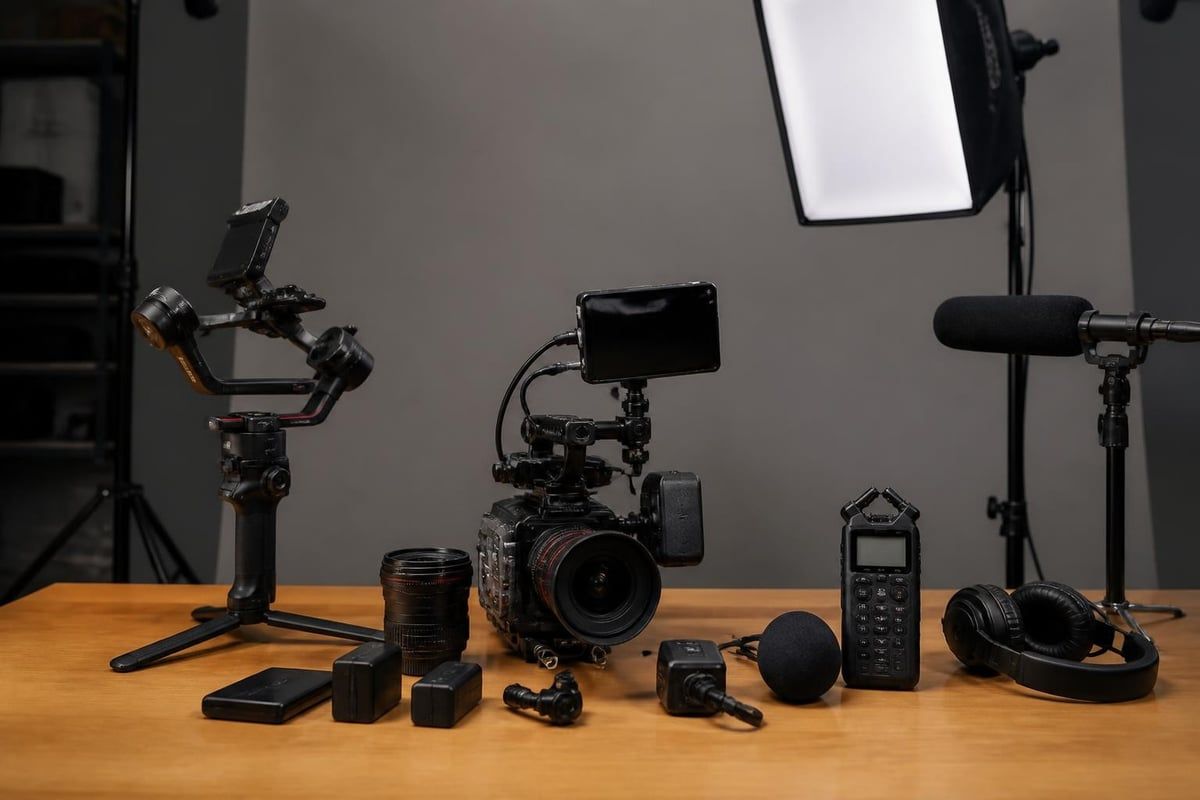
The foundation of professional video making starts with selecting appropriate equipment that matches project requirements and budget constraints. While technology continues advancing rapidly, certain core components remain essential for producing broadcast-quality content.
Camera Systems and Lens Selection
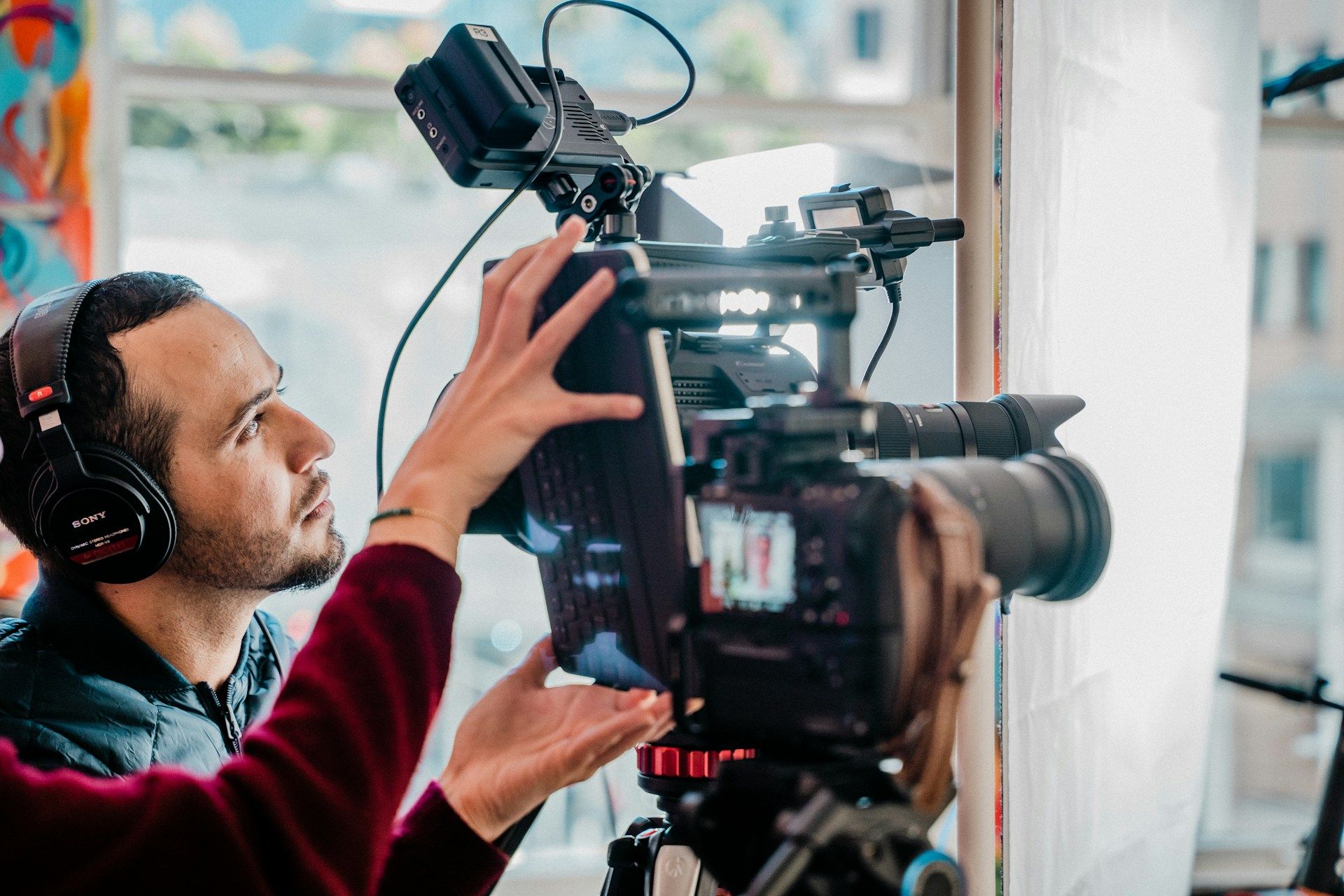
Modern DSLR and mirrorless camera systems offer exceptional capabilities for professional video production. The best DSLR cameras for video production in 2026 provide 4K and 8K recording options, superior low-light performance, and extensive codec flexibility. Professional videographers prioritize cameras with robust autofocus systems, proper heat management for extended recording sessions, and comprehensive manual controls.
Lens selection significantly impacts visual storytelling effectiveness. Prime lenses deliver superior sharpness and low-light performance, while zoom lenses offer versatility during fast-paced shoots. Cinema lenses provide consistent aperture throughout the zoom range and smooth focus pulls essential for professional productions.
| Equipment Category | Professional Tier | Investment Range |
|---|---|---|
| Camera Body | Full-frame mirrorless or cinema camera | $3,000 - $15,000+ |
| Lens Kit | Prime and zoom cinema lenses | $2,000 - $20,000+ |
| Audio System | Wireless lavalier and shotgun mics | $1,500 - $5,000 |
| Lighting Package | LED panels and softboxes | $2,000 - $10,000 |
| Support Gear | Tripods, gimbals, sliders | $1,500 - $8,000 |
Audio Equipment Requirements
Sound quality separates amateur productions from professional work. Professional video production audio equipment includes wireless lavalier microphones for interviews, shotgun microphones for directional audio capture, and boom poles for optimal microphone positioning. Audio recorders with 32-bit float recording eliminate clipping concerns while providing maximum dynamic range.
Pre-Production Planning Processes
Successful professional video making depends on thorough pre-production planning that establishes clear objectives, defines target audiences, and creates detailed production roadmaps.
Strategic Concept Development
Every professional video project begins with understanding business objectives. Commercial video advertising requires different strategic approaches than internal corporate communications. Define specific key performance indicators (KPIs) before production begins, whether measuring view completion rates, conversion metrics, or brand awareness lift.
Concept development sessions should include:
- Target audience analysis and persona definition
- Competitive landscape review
- Core messaging hierarchy development
- Visual style and tone establishment
- Distribution channel planning
Script and Storyboard Creation
Professional scripts balance verbal communication with visual storytelling. Write for the ear rather than the eye, using conversational language that sounds natural when spoken. Storyboards translate scripts into visual sequences, establishing camera angles, shot composition, and scene transitions before production begins.
Research on structured approaches for video production demonstrates that systematic pre-production planning significantly improves final output quality while reducing production time and costs. This structured methodology proves especially valuable for corporate video production where multiple stakeholders require clear visualization of final deliverables.
Location Scouting and Logistics
Location selection dramatically impacts production value and viewer perception. Scout locations during the same time of day as planned shoots to assess natural lighting conditions, background noise levels, and logistical considerations. Secure necessary permits, parking arrangements, and backup locations well before production dates.
Production Execution Strategies
On-set execution transforms pre-production planning into tangible footage. Professional video making requires technical expertise, creative vision, and efficient workflow management.
Cinematography and Lighting Techniques
Proper lighting creates dimension, mood, and visual interest. Three-point lighting remains fundamental, but modern professional video making incorporates natural light whenever possible, supplemented with artificial sources for fill and accent. LED lighting technology in 2026 offers unprecedented control over color temperature, intensity, and beam angle.
Cinematography choices communicate subconscious messages. Wide shots establish context and scale. Medium shots build connection with subjects. Close-ups reveal emotion and detail. Movement adds energy-whether through camera motion, subject movement, or both. Gimbal stabilizers, sliders, and drones expand creative possibilities while maintaining professional polish.
- Establish your lighting setup before subjects arrive
- White balance cameras to current lighting conditions
- Record test footage to verify exposure and focus
- Monitor audio levels continuously throughout recording
- Capture B-roll coverage for editorial flexibility
- Document settings and takes for efficient post-production
Directing Talent and Managing Productions
Working with on-camera talent requires clear communication and confidence-building techniques. Provide specific direction rather than vague feedback. Demonstrate desired delivery when necessary. Create comfortable environments where subjects feel relaxed and authentic.
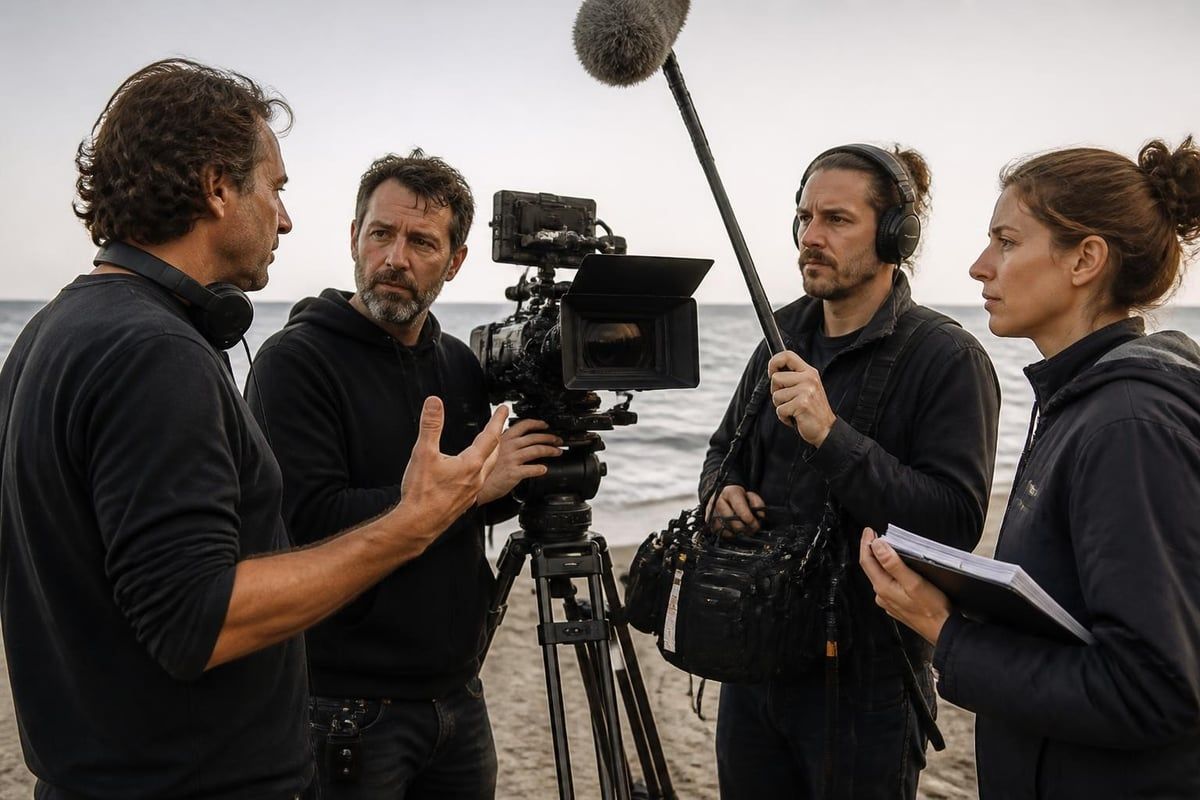
Professional video production setups require coordinated crews with clearly defined roles. Directors focus on creative vision and performance. Directors of photography manage camera and lighting departments. Audio technicians ensure clean sound capture. Production coordinators maintain schedules and handle logistics.
Post-Production Workflows and Techniques
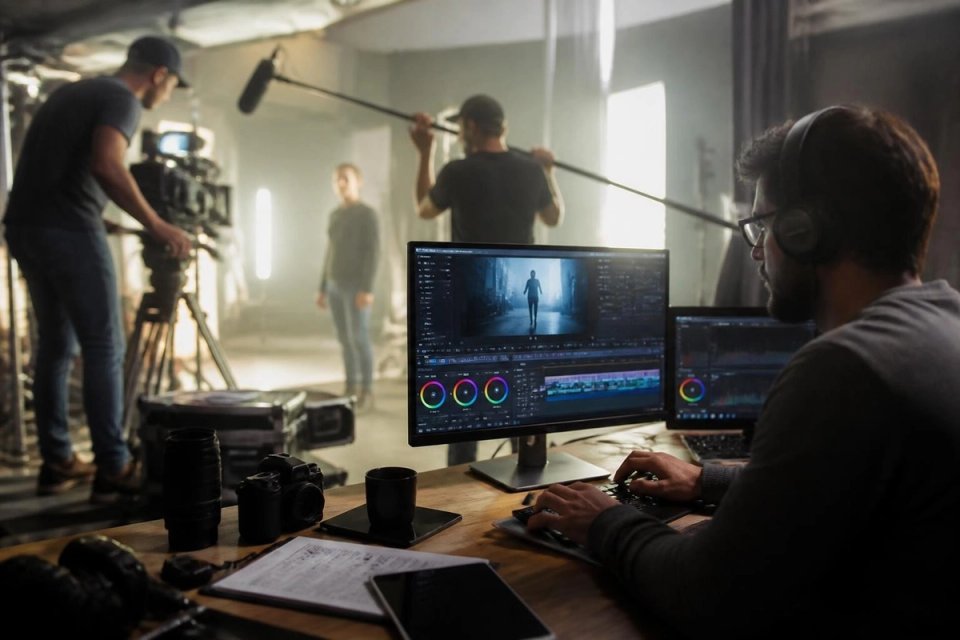
Post-production transforms raw footage into polished, strategic content. Professional video making extends far beyond basic editing, incorporating color grading, sound design, motion graphics, and strategic pacing.
Editorial Processes and Story Structure
Begin post-production by reviewing all footage and creating organized bins for different scene categories, shot types, and quality tiers. Build rough assemblies that establish basic story structure before refining timing and transitions. Professional editors prioritize story flow over technical perfection during initial assembly stages.
Advanced editing techniques include:
- J-cuts and L-cuts for seamless audio transitions
- Parallel editing to compare contrasting situations
- Match cuts to create visual connections
- Pacing variation to maintain viewer engagement
- Strategic silence for emotional impact
Color Grading and Visual Enhancement
Color grading separates adequate video from professional productions. Beyond basic color correction, grading establishes mood, directs viewer attention, and creates visual consistency across shots captured under varying conditions. Modern color grading workflows utilize node-based systems offering precise control over specific color ranges, luminance values, and spatial zones.
Insights into professional video production tools and workflows emphasize the combination of technical skills and creative vision required for effective post-production. Invest time in developing custom look-up tables (LUTs) that reflect brand guidelines and maintain visual consistency across video campaigns.
Audio Post-Production and Sound Design
Professional audio post-production involves multiple layers. Clean dialogue tracks through noise reduction and equalization. Add ambient sound beds that establish environment without overwhelming narration. Incorporate sound effects that enhance realism and emphasize key moments. Mix music tracks at appropriate levels that support without distracting.
| Audio Element | Purpose | Mix Level |
|---|---|---|
| Dialogue/Narration | Primary information delivery | -6dB to -3dB |
| Sound Effects | Environmental realism | -18dB to -12dB |
| Music Beds | Emotional tone | -20dB to -15dB |
| Ambient Sound | Scene establishment | -24dB to -18dB |
Understanding video production ROI blind spots helps optimize post-production decisions. Every editing choice should serve strategic objectives rather than purely aesthetic preferences.
Advanced Production Techniques
Professional video making in 2026 incorporates emerging technologies and creative approaches that expand storytelling possibilities while maintaining production efficiency.
Motion Graphics and Animation Integration
Animated corporate video production offers unique advantages for explaining complex concepts, visualizing abstract ideas, and maintaining brand consistency. Motion graphics integrate seamlessly with live-action footage, adding information layers, visual interest, and professional polish.
Contemporary motion design emphasizes minimal, purposeful animation over excessive effects. Typography animation reveals key points with precise timing. Data visualization transforms statistics into compelling visual stories. Logo animation reinforces brand identity through subtle, professional movement.
Multi-Camera Production Coordination
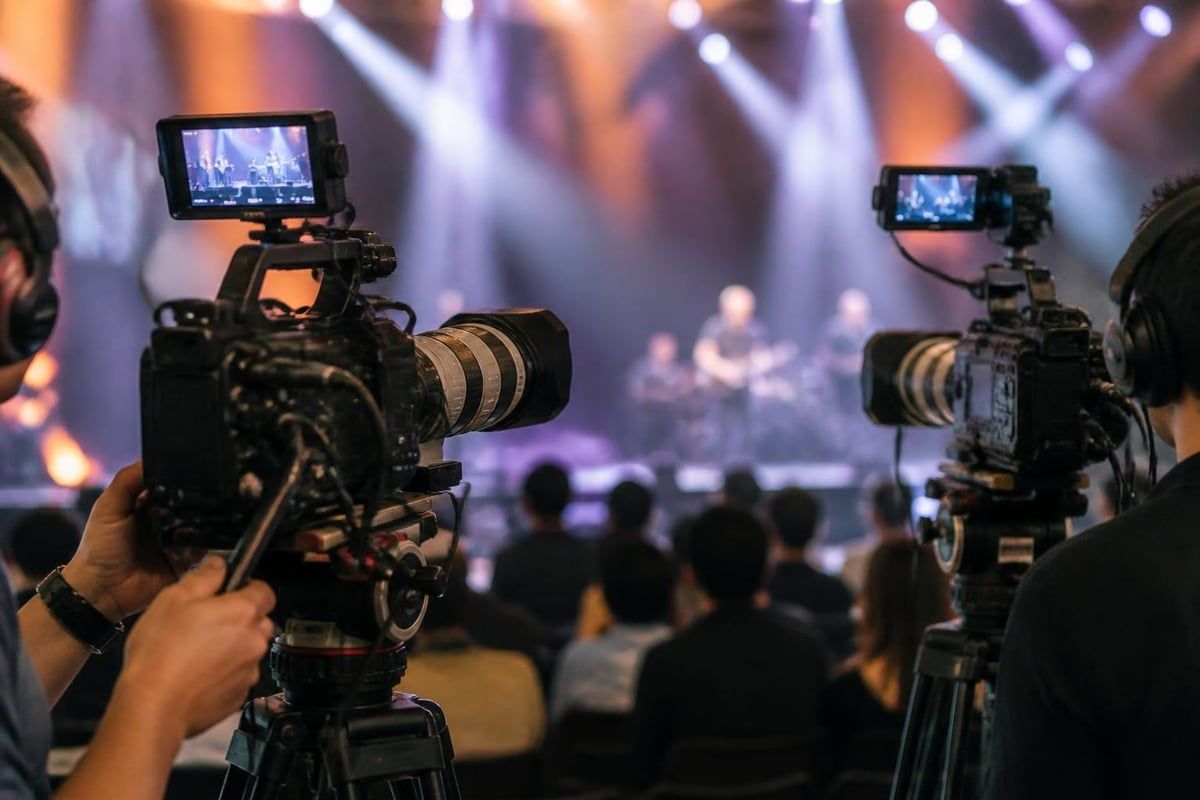
Multi-camera setups capture events, interviews, and performances with expanded coverage and editorial flexibility. Professional multi-camera productions require synchronized timecode across all cameras, matching white balance and exposure settings, and coordinated camera operators who understand coverage patterns and complementary framing.
The NAB Show's CineCentral integration of tools and techniques demonstrates how professional video making continues evolving through technological advancement paired with fundamental storytelling principles. Success requires mastering both domains simultaneously.
Intelligent Editing Systems and Automation
Advanced post-production techniques using intelligent cinematography frameworks demonstrate how artificial intelligence assists professional editors while preserving creative control. These systems analyze footage for optimal cut points, suggest scene transitions based on content analysis, and automate repetitive tasks like multi-camera synchronization.
Professional editors leverage automation for technical tasks while maintaining human judgment for creative decisions. Batch processing handles color correction across similar scenes. Template-based workflows accelerate delivery for series content. Collaborative cloud platforms enable remote teams to work efficiently on shared projects.
Distribution Strategy and Platform Optimization
Creating exceptional content represents only half the professional video making equation. Strategic distribution ensures videos reach target audiences through appropriate channels with optimized formatting.
Platform-Specific Optimization
Each distribution platform demands unique technical specifications and content strategies. YouTube prioritizes longer-form content with strong opening hooks and sustained engagement. Instagram emphasizes vertical formats and immediate visual impact. LinkedIn favors professional tone and valuable business insights.
Platform optimization requirements:
- Aspect ratios: Square (1:1) for social feeds, vertical (9:16) for stories, widescreen (16:9) for YouTube and websites
- Video length: 6-15 seconds for ads, 60-90 seconds for social posts, 2-5 minutes for educational content
- Captions: Essential for silent autoplay environments across all platforms
- Thumbnail design: Custom thumbnails with clear text and compelling visuals
- SEO metadata: Strategic titles, descriptions, and tags for discoverability
Performance Analytics and Iteration
Professional video making extends beyond delivery. Monitor performance metrics to understand what resonates with audiences. View duration reveals where viewers lose interest. Click-through rates measure thumbnail and title effectiveness. Conversion tracking connects video views to business outcomes.
Use performance data to refine future productions. Identify successful content patterns and replicate winning formulas. Test variables systematically-different opening sequences, call-to-action placements, or presentation styles-to optimize results continuously.
Budget Management and Resource Allocation
Understanding video pricing structures enables realistic budget planning and strategic resource allocation. Professional video making requires balancing creative ambitions with financial constraints while maintaining quality standards.
Cost Factor Analysis
Production budgets distribute across pre-production planning, production execution, post-production refinement, and distribution activities. Typical professional productions allocate approximately 20% to pre-production, 40% to production, 30% to post-production, and 10% to distribution and promotion.
Equipment rental versus ownership calculations depend on production frequency. Companies producing monthly content benefit from equipment ownership. Organizations requiring quarterly videos often achieve better value through rental arrangements with professional production companies.
Value Optimization Strategies
Maximize production value through strategic planning. Batch multiple video projects during single production days to amortize setup costs. Develop modular content that serves multiple distribution channels with minor modifications. Invest in evergreen content that maintains relevance beyond immediate campaigns.
When working with video production companies, clear communication about objectives, constraints, and expectations ensures alignment and prevents costly revisions. Professional partnerships deliver superior results compared to purely transactional vendor relationships.
Quality Control and Professional Standards
Maintaining consistent quality across all productions establishes credibility and reinforces brand perception. Professional video making requires systematic quality control processes at every production stage.
Technical Quality Benchmarks
Establish minimum technical standards for all delivered content. Resolution should match distribution requirements-4K for premium placements, 1080p as universal standard. Frame rates depend on content type: 24fps for cinematic feel, 30fps for standard video, 60fps for slow-motion capabilities.
Audio quality standards include:
- Dialogue intelligibility above -12 LUFS
- Background noise reduction below -40dB
- Consistent volume levels across all segments
- Professional mix balancing all audio elements
- Clean delivery without clipping or distortion
Brand Consistency and Style Guides
Professional organizations develop comprehensive video style guides documenting color palettes, typography choices, animation styles, music preferences, and tone guidelines. Consistency across video content strengthens brand recognition and professional perception.
Social media video production particularly benefits from established style frameworks that enable rapid content creation while maintaining brand integrity. Templates, preset color grades, and approved music libraries accelerate production without sacrificing quality.
Professional video making in 2026 demands technical expertise, creative vision, and strategic thinking that transforms concepts into content driving measurable business results. By mastering equipment selection, production workflows, post-production techniques, and distribution strategies, organizations create video assets that capture attention, communicate value, and generate authentic engagement. Viva Media partners with forward-thinking Toronto brands to engineer these attention-grabbing video experiences, combining technical excellence with strategic insight to deliver content that moves metrics and achieves business objectives.