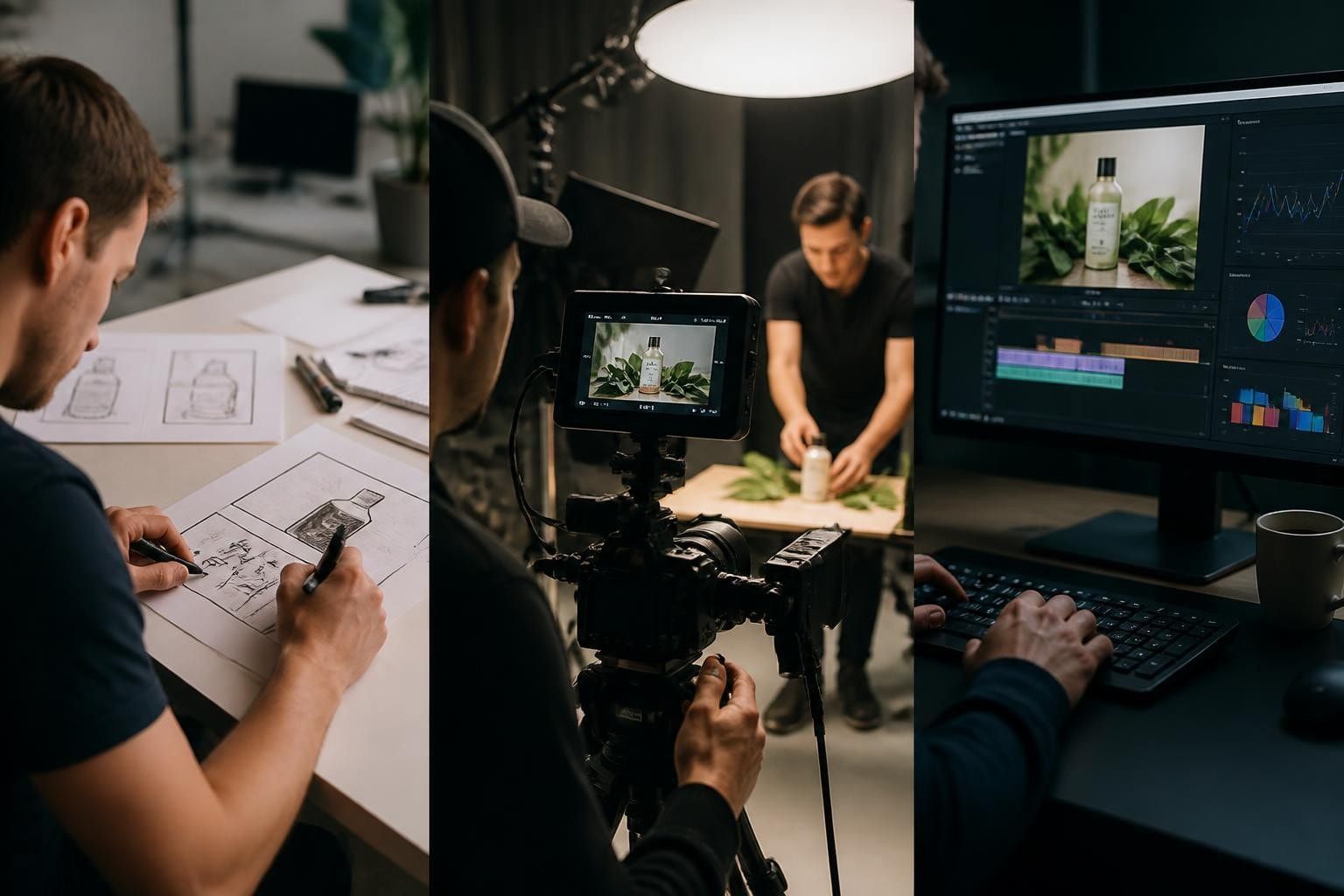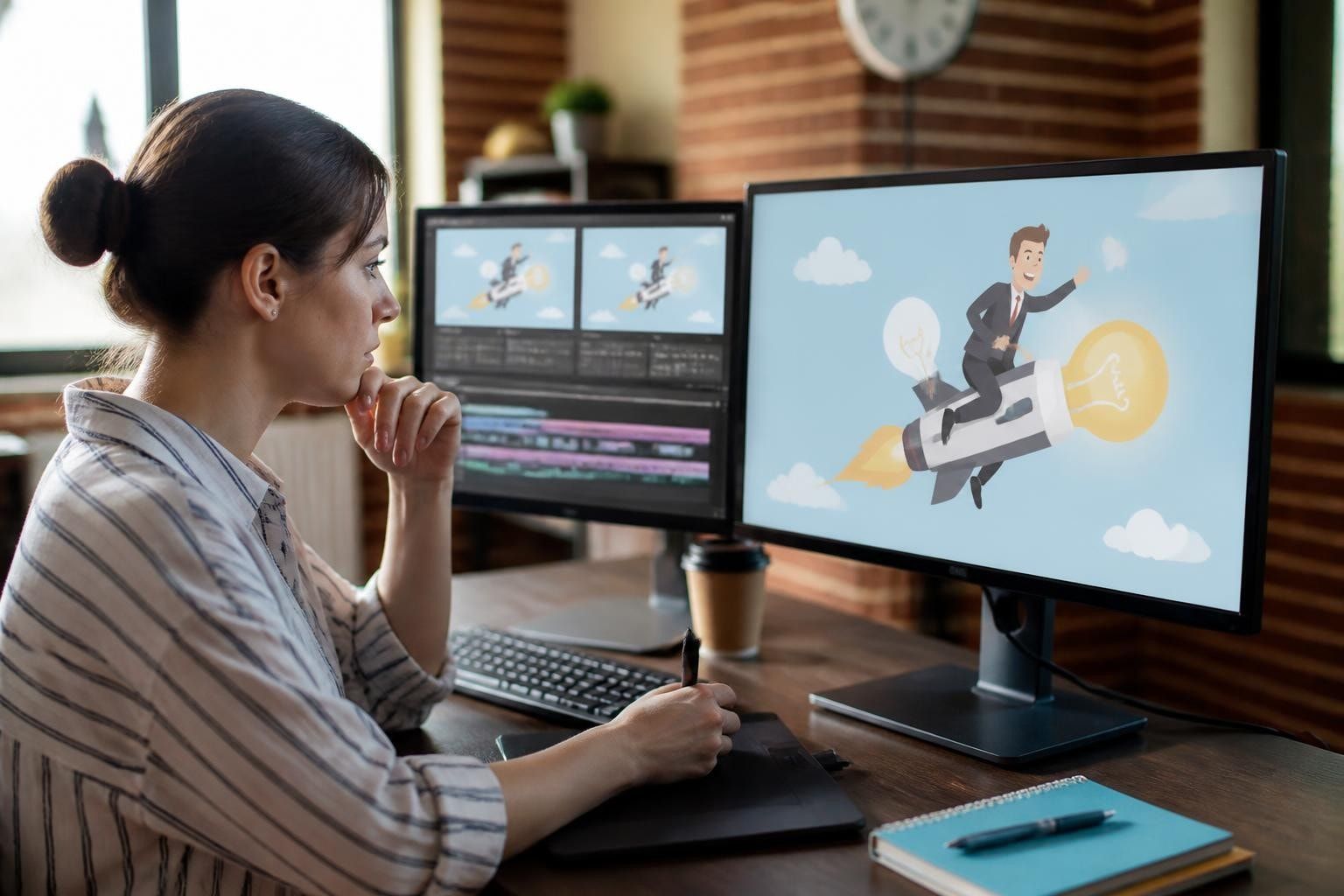

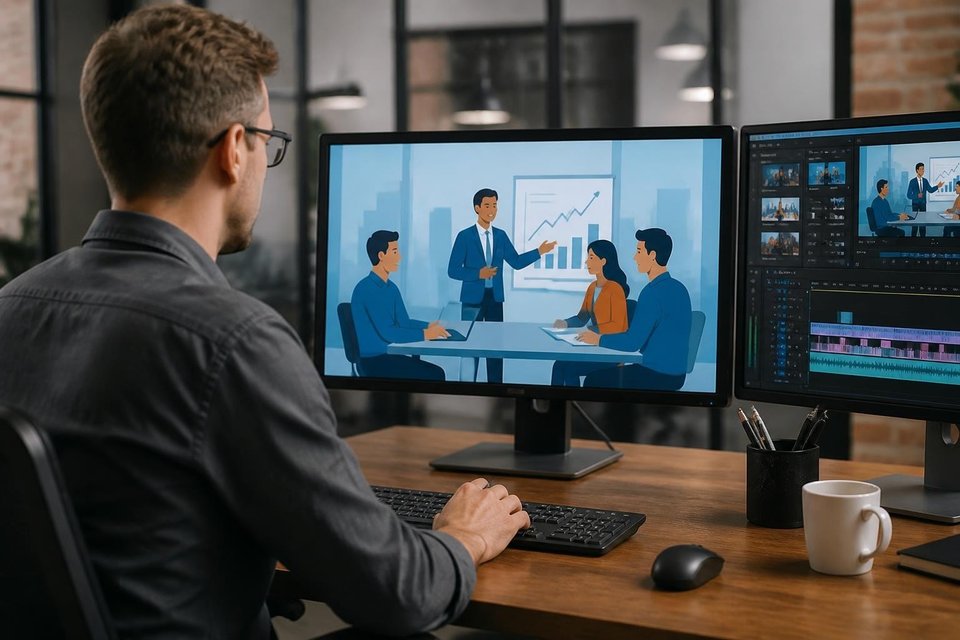
Businesses across North America are discovering that animated corporate video production offers a powerful competitive advantage in 2026. Unlike traditional live-action filming, animation provides unprecedented flexibility to communicate complex ideas, maintain brand consistency, and deliver messages that resonate with diverse audiences. Companies seeking measurable business outcomes increasingly turn to professional animation services that combine creative storytelling with strategic planning. The evolution of animation technology has transformed what was once a luxury into an accessible, ROI-generating asset for organizations of all sizes.
Strategic Benefits of Animation for Business Communication
Animated corporate video production delivers distinct advantages that live-action simply cannot match. Animation transcends language barriers, simplifies abstract concepts, and maintains perfect brand consistency across every frame.
The advantages of using animations in corporate training include improved knowledge retention and engagement rates that exceed traditional presentation formats. Research consistently shows that visual learning accelerates comprehension by up to 400% compared to text-based materials.
Key strategic advantages include:
- Complete control over visual branding and messaging
- Ability to visualize abstract concepts and data
- No geographical or physical production constraints
- Simplified updates and version control
- Enhanced shareability across digital platforms
Animation eliminates many logistical challenges inherent in live-action production. There are no scheduling conflicts with talent, weather delays, or location permits required. This streamlined approach often results in faster turnaround times and more predictable budgets, making it an attractive option for businesses managing multiple video projects simultaneously.

Measuring Performance and Business Impact
Modern animated corporate video production must deliver quantifiable results. Forward-thinking companies establish clear metrics before production begins, tracking everything from view completion rates to conversion actions.
Analytics platforms now provide granular insights into viewer behavior. Businesses can identify exactly where audiences disengage, which messages resonate strongest, and how video content influences purchasing decisions. Understanding common video production ROI blind spots helps organizations avoid costly mistakes and maximize return on investment.
| Metric Category | Key Performance Indicators | Target Benchmark |
|---|---|---|
| Engagement | View completion rate, average watch time | 60-75% completion |
| Conversion | Click-through rate, form submissions | 3-5% CTR |
| Brand Impact | Brand recall, message retention | 70%+ recall |
| Distribution | Share rate, organic reach | 5-10% share rate |
Production Process and Timeline Management
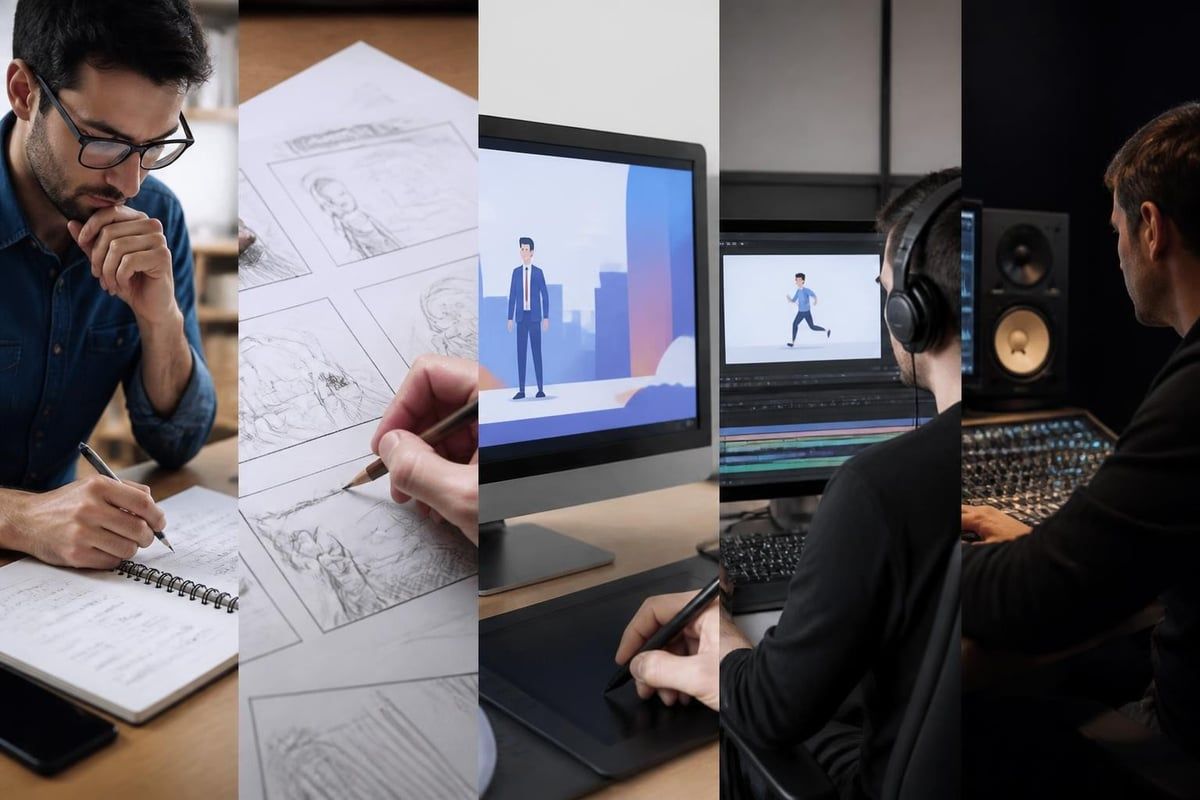
The animated corporate video production process follows a structured workflow that ensures quality while maintaining efficiency. Understanding each phase helps businesses allocate resources appropriately and set realistic expectations.
Professional production typically spans four to eight weeks, depending on complexity and revision cycles. The corporate animated video production process requires careful coordination between creative teams, stakeholders, and technical specialists.
Discovery and Strategic Planning
Every successful animation project begins with thorough discovery. Production teams conduct stakeholder interviews, analyze target audiences, and define specific business objectives. This foundation prevents costly revisions later in the process.
Strategic planning establishes the creative direction, messaging hierarchy, and visual style. Teams develop detailed creative briefs that align animation choices with broader marketing strategies. This phase typically consumes 10-15% of the total project timeline but dramatically impacts final effectiveness.
Essential discovery elements:
- Audience persona development and pain point analysis
- Competitive landscape review and differentiation strategy
- Key message prioritization and call-to-action definition
- Style reference gathering and brand guideline alignment
- Success metric establishment and tracking methodology
Scriptwriting and Narrative Development
Script development transforms strategic objectives into compelling narratives. Professional scriptwriters balance information delivery with engagement, ensuring content maintains viewer attention while communicating essential messages. Following best practices for creating videos for business ensures scripts resonate with target audiences.
Effective scripts typically aim for 150 words per finished minute, though pacing varies based on content complexity. Technical subjects may require slower pacing, while promotional content benefits from dynamic, energetic delivery.
Visual Development and Storyboarding
Storyboarding bridges the gap between written script and finished animation. This critical phase visualizes scene composition, character actions, and transitions before any animation work begins.
Detailed storyboards serve as production blueprints, enabling stakeholders to provide feedback while changes remain inexpensive. Professional teams create frame-by-frame illustrations showing camera angles, character positions, and on-screen text placement.
Style Selection and Brand Integration
Animation style profoundly impacts viewer perception and message effectiveness. The dos and don'ts of animated corporate video production emphasize selecting styles that align with brand personality rather than following temporary trends.
Popular animation styles include:
- Motion graphics: Clean, modern approach ideal for data visualization and technical content
- Character animation: Engaging format that humanizes brands and builds emotional connections
- Whiteboard animation: Educational style that simplifies complex processes and maintains attention
- Isometric illustration: Contemporary aesthetic that showcases systems, workflows, and spatial relationships
- Mixed media: Hybrid approach combining animation with live-action footage or photography
Brand consistency requires meticulous attention to color palettes, typography, and visual elements. Professional teams reference existing brand guidelines while adapting them for motion, ensuring animated content feels cohesive with other marketing materials.
Animation Production and Technical Execution
The animation phase brings storyboards to life through frame-by-frame motion design. Professional animators work in specialized software, creating smooth transitions, dynamic typography, and engaging visual effects.
Production complexity varies significantly based on style choices and content requirements. Simple motion graphics may require 40-60 hours of animation work, while character-driven narratives can demand 100+ hours for a two-minute video. Understanding these proven corporate video production strategies helps businesses budget appropriately.
Sound Design and Voice-Over Integration
Audio quality separates professional productions from amateur efforts. Sound design includes voice-over recording, music selection, and sound effects that enhance visual storytelling without overwhelming the message.
Agree on the voice-over's tone and pacing before recording. If multiple language versions are needed, identify the scripts, speakers and people who will check pronunciation and translations.
| Production Element | Quality Standard | Impact on Viewer Perception |
|---|---|---|
| Voice-over clarity | Broadcast quality, minimal noise | High credibility, professional perception |
| Music integration | Licensed tracks, proper mixing | Emotional engagement, brand alignment |
| Sound effects | Subtle enhancement, natural timing | Improved retention, polished feel |
Distribution Strategy and Platform Optimization
Creating exceptional animated content represents only half the equation. Strategic distribution ensures videos reach target audiences where they consume content most actively. Understanding commercial video advertising strategies helps maximize visibility and engagement.
Platform-specific optimization requires technical adjustments to aspect ratios, file sizes, and encoding specifications. A video optimized for LinkedIn performs differently than one designed for Instagram Stories or YouTube pre-roll advertising.
Multi-Channel Deployment Tactics
Successful campaigns deploy animated content across multiple touchpoints simultaneously. This integrated approach reinforces messaging while accommodating diverse viewer preferences and consumption habits.
Effective distribution channels include:
- Corporate websites and landing pages with embedded players
- Email marketing campaigns featuring video thumbnails
- Social media platforms with native uploads
- Sales presentations and pitch decks
- Trade show displays and conference presentations
- Internal communication portals and training systems
Analytics tracking across channels provides comparative performance data, revealing which platforms generate highest engagement and conversion rates. This intelligence informs future content strategy and budget allocation decisions.
Repurposing Content for Maximum Value
Smart businesses extract maximum value from animated corporate video production by repurposing assets across formats. A single three-minute animation can generate dozens of derivative content pieces.
Repurposing strategies extend content lifespan while reducing per-asset production costs. Clips become social media posts, GIFs enhance email campaigns, and still frames populate blog articles. This approach aligns with comprehensive animation production strategies that maximize creative investment.
Budget Planning and Resource Allocation
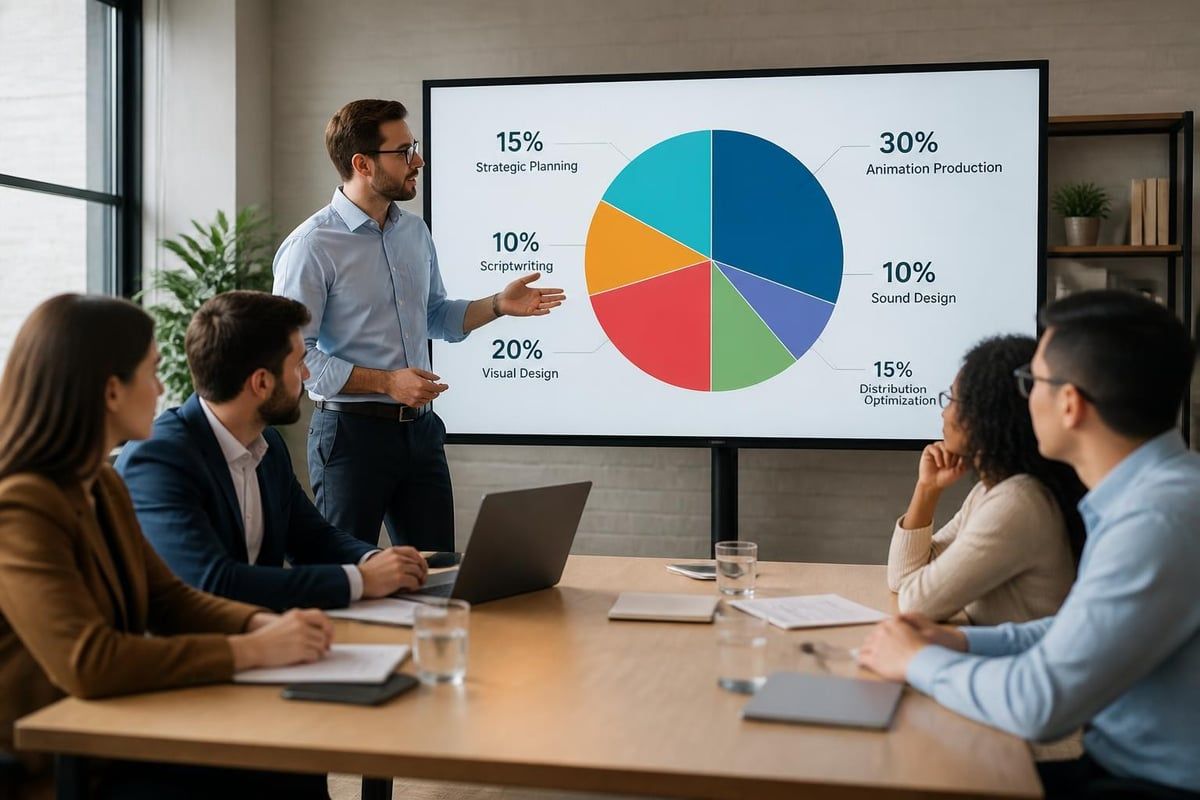
Animated corporate video production costs vary dramatically based on style complexity, duration, and revision requirements. Understanding cost drivers helps businesses allocate budgets effectively and select appropriate production partners.
Professional production typically ranges from $3,000 for basic motion graphics to $25,000+ for complex character animation with custom illustration. The comprehensive guide to corporate animation provides detailed budgeting frameworks for enterprise teams.
Cost Factors and Investment Considerations
Multiple variables influence final production costs. Transparent conversations with production partners during initial consultations prevent budget surprises and ensure realistic expectation setting.
Primary cost drivers include:
- Video duration and scene complexity
- Animation style and illustration requirements
- Custom character design versus stock assets
- Revision rounds and stakeholder approval processes
- Voice-over talent and music licensing
- Delivery format variations and platform optimization
Businesses should view animation as long-term assets rather than disposable content. Quality productions remain relevant for years, delivering ongoing value that far exceeds initial investment. Reviewing video production pricing models helps establish realistic budget parameters.
Quality Assurance and Revision Management
Professional animated corporate video production includes structured revision processes that balance creative refinement with schedule adherence. Most production agreements specify 2-3 revision rounds at key milestones: script approval, storyboard review, and final animation.
Clear feedback protocols expedite revisions while minimizing misunderstandings. Stakeholders should consolidate comments, prioritize concerns, and provide specific, actionable direction rather than subjective preferences.
Technical Standards and Deliverable Specifications
Final deliverables must meet technical specifications for intended distribution channels. Professional production teams provide multiple file formats, resolutions, and aspect ratios optimized for specific platforms.
Standard deliverable packages typically include:
| Format Type | Specifications | Primary Use Case |
|---|---|---|
| Master file | ProRes 422, highest resolution | Archive and future editing |
| Web optimized | H.264, 1080p, moderate compression | Website embedding, presentations |
| Social media | Platform-specific ratios, optimized compression | LinkedIn, Instagram, Facebook |
| Mobile formats | Vertical and square variants | Stories, mobile-first campaigns |
Case studies like AstraZeneca's digital transformation video demonstrate how attention to technical quality enhances message effectiveness and viewer engagement.
Emerging Trends and Future Considerations
Animated corporate video production continues evolving as technology advances and viewer expectations shift. Businesses that anticipate trends position themselves advantageously in competitive markets.
Interactive animation represents a significant growth area, enabling viewer choice within video experiences. Branching narratives allow audiences to explore content paths matching their specific interests or knowledge levels.
Artificial Intelligence and Production Efficiency
AI-powered tools are transforming production workflows without replacing human creativity. Automated lip-syncing, background generation, and initial animation passes reduce production time while maintaining quality standards.
However, strategic thinking, narrative development, and brand alignment remain distinctly human skills. The most effective productions combine AI efficiency with experienced creative direction, balancing technology with artistic judgment.
Emerging technologies impacting production:
- Real-time rendering engines accelerating review cycles
- Machine learning tools enhancing motion smoothness
- Automated translation and localization systems
- Personalized video generation for account-based marketing
- Augmented reality integration for immersive experiences
Businesses exploring corporate video production services in Toronto should partner with teams that invest in emerging technologies while maintaining creative excellence.
Vendor Selection and Partnership Criteria
Choosing the right animated corporate video production partner significantly impacts project outcomes. Beyond reviewing portfolios and comparing prices, businesses should evaluate strategic capabilities and collaborative approaches.
Common questions when selecting video production companies include turnaround expectations, revision policies, and ownership rights. Transparent discussions during initial consultations reveal whether partnerships will thrive or struggle.
Evaluation Framework for Production Partners
Systematic evaluation ensures businesses select partners aligned with their objectives, timelines, and budgets. References from similar industries provide valuable insights into working relationships and deliverable quality.
Critical selection criteria:
- Portfolio demonstrating relevant industry experience and style versatility
- Clear production process documentation and milestone definitions
- Transparent pricing structures without hidden fees
- Responsive communication and proactive project management
- Technical capabilities matching distribution requirements
- Strategic thinking beyond pure execution
Understanding what to expect when hiring video production companies helps businesses navigate partnership selection with confidence.
Integration with Broader Marketing Strategies
Animated corporate video production delivers maximum impact when integrated within comprehensive marketing ecosystems. Isolated videos rarely achieve business objectives; strategic deployment across coordinated campaigns multiplies effectiveness.
Successful integration requires alignment between video content, website experiences, social media campaigns, and sales enablement materials. Consistent messaging across touchpoints reinforces brand positioning while guiding prospects through buyer journeys.
The complete guide from concept to delivery emphasizes how production decisions should reflect broader strategic objectives rather than existing in creative isolation.
Marketing teams should involve video production partners early in campaign planning, ensuring animation supports rather than duplicates other content initiatives. This collaborative approach identifies unique value propositions for video content while preventing redundant messaging.
Animated corporate video production represents a strategic investment that delivers measurable returns when executed with clear objectives, professional expertise, and thoughtful distribution planning. The combination of creative storytelling, technical excellence, and strategic deployment transforms animation from simple content into business-driving assets. If you're ready to leverage animation's power to achieve your business goals, Viva Media brings Toronto-based expertise in creating high-performance video content that generates real results. Our team engineers attention-grabbing animated experiences tailored to your specific objectives and audience.