
The landscape of digital content has transformed dramatically, and visuals videos now represent the primary medium through which brands communicate value, build trust, and drive conversions. In 2026, businesses that understand how to leverage high-quality visual storytelling consistently outperform competitors who rely on text-based content alone. The strategic integration of motion graphics, cinematography, and intentional design elements creates experiences that capture attention in increasingly crowded digital spaces. For companies operating in competitive markets like Toronto, mastering the art and science of visuals videos isn't optional-it's essential for survival and growth.
The Strategic Foundation of Effective Visuals Videos
Creating impactful visuals videos requires more than pointing a camera and pressing record. Every frame must serve a strategic purpose aligned with business objectives. Production value directly correlates with perceived brand authority, making investment in professional-grade equipment, lighting, and post-production essential for companies serious about results.
The foundation begins with understanding your audience's visual preferences and consumption patterns. Research consistently demonstrates that viewers form impressions within the first three seconds of video content. This brief window demands exceptional visual hooks-compelling opening shots, dynamic motion, or striking color palettes that immediately signal value and professionalism.
Core Elements That Define Quality
High-performance visuals videos integrate multiple technical and creative components:
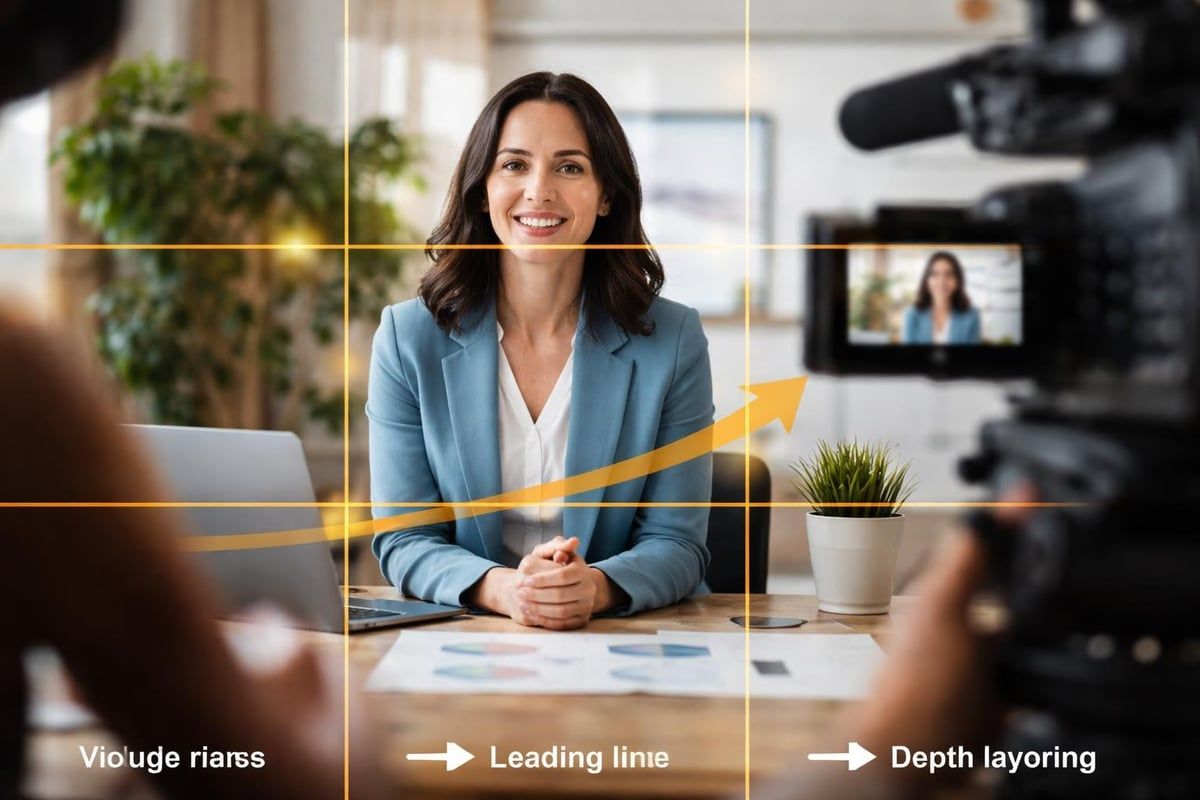
- Composition and framing that guides viewer attention to key information
- Lighting design that establishes mood while ensuring clarity
- Color grading that reinforces brand identity and emotional resonance
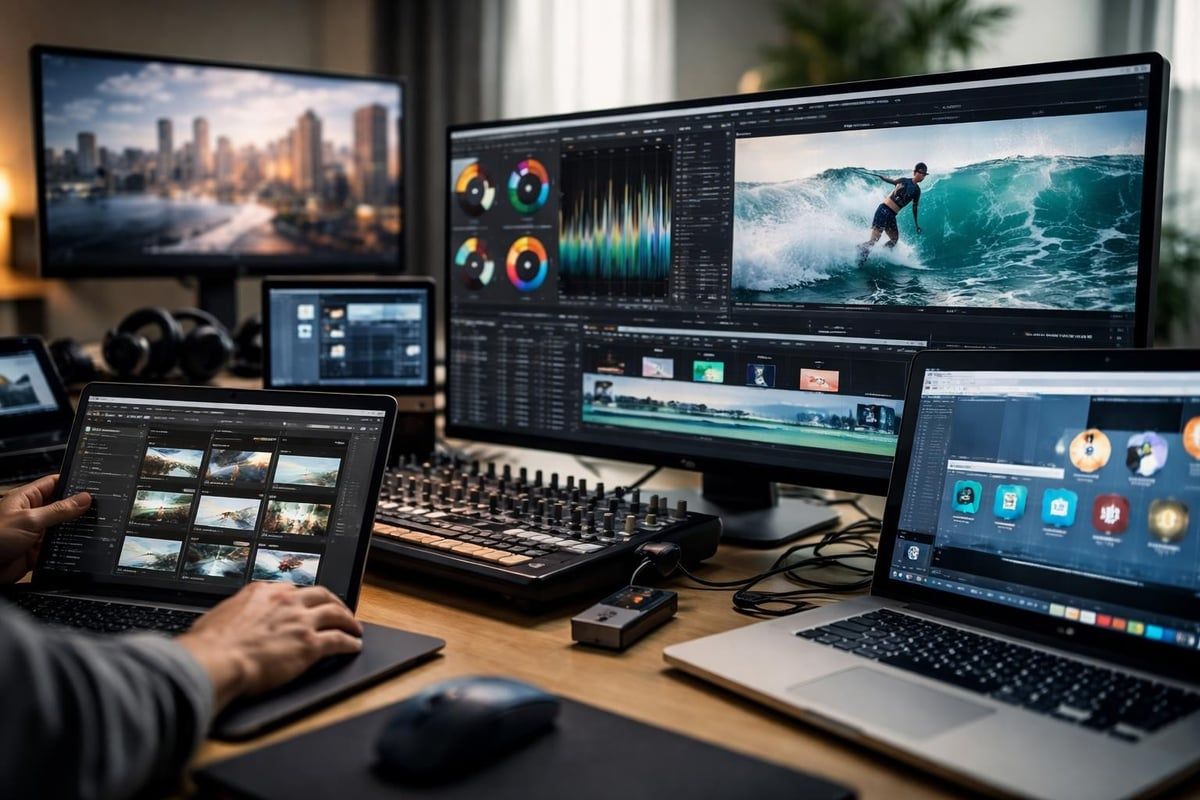
- Motion graphics that simplify complex concepts and maintain engagement
- Audio design that complements visual elements without overwhelming them
Professional corporate video production services understand how these elements work synergistically to create cohesive narratives.
Production Strategies for Maximum Visual Impact
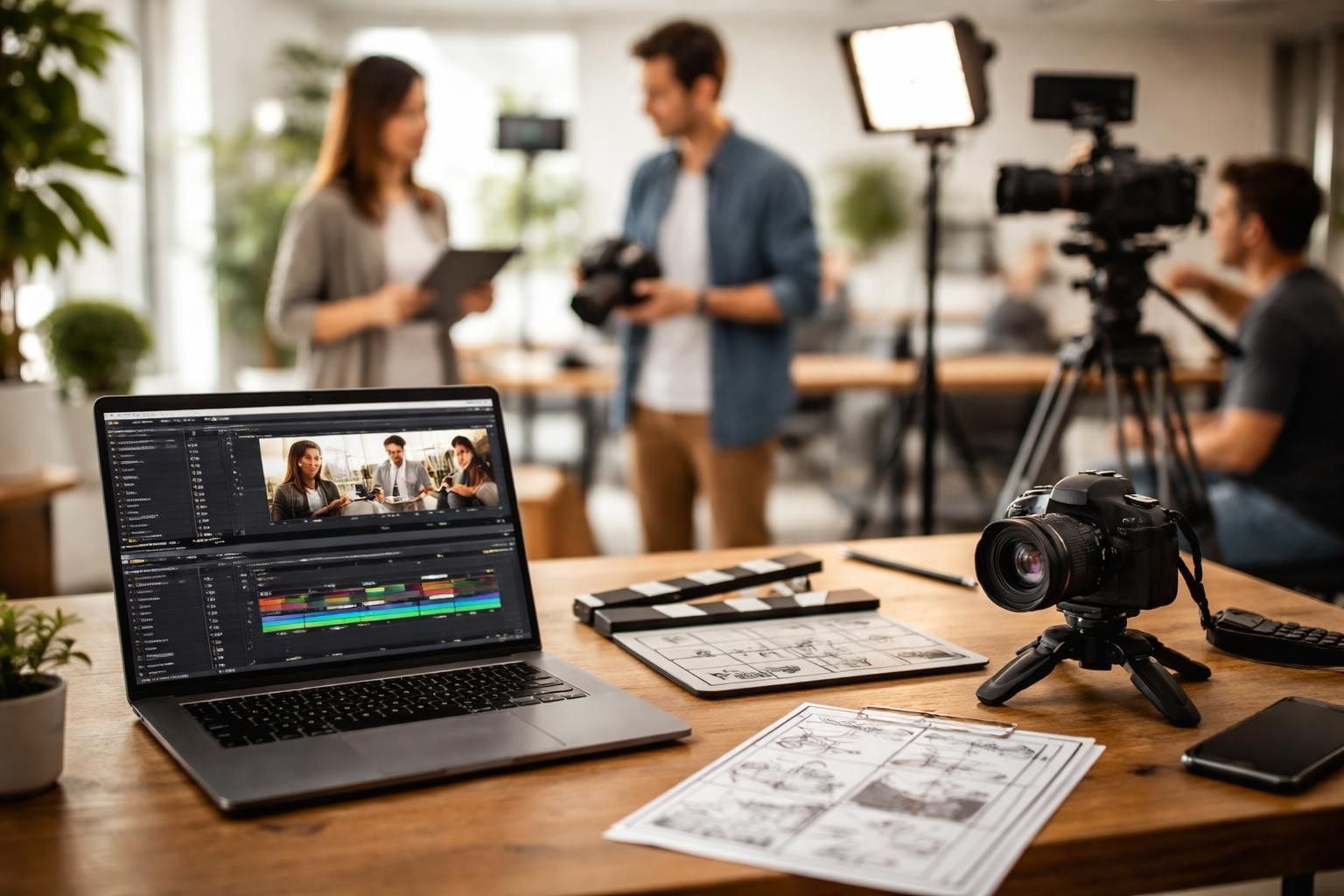
The gap between amateur and professional visuals videos often comes down to pre-production planning. Detailed storyboarding, shot lists, and technical specifications ensure every production day maximizes resources and delivers footage that serves the final edit. Best practices for video content creation emphasize thorough planning as the differentiator between good and exceptional results.
Pre-Production Planning Framework
Successful projects follow a systematic approach:
- Define specific visual objectives aligned with campaign goals
- Develop comprehensive shot lists that capture all required footage
- Scout locations to identify optimal lighting conditions and backgrounds
- Create mood boards that establish visual tone and style references
- Plan equipment needs based on technical requirements and creative vision
This structured methodology eliminates costly reshoots and ensures efficient use of production budgets. According to industry data on video pricing trends, proper planning can reduce overall costs by 30-40% while improving final quality.
Camera Techniques and Movement
Static shots have their place, but dynamic camera movement elevates visuals videos from functional to memorable. Professional cinematographers employ various techniques to add visual interest:
| Technique | Purpose | Best Use Cases |
|---|---|---|
| Tracking shots | Create immersion and follow action | Product demonstrations, facility tours |
| Dolly movements | Add depth and dimensionality | Interviews, reveal shots |
| Crane/jib shots | Establish scale and context | Opening sequences, transitions |
| Handheld motion | Convey authenticity and energy | Behind-the-scenes, testimonials |
| Gimbal stabilization | Smooth dynamic movement | Active scenes, sports content |
Each movement style communicates different emotional undertones and serves specific narrative functions within your visuals videos.
Design Principles for Visual Excellence
Understanding fundamental design theory transforms good footage into exceptional visuals videos. Color psychology, typography integration, and spatial relationships all influence how viewers process and respond to your content. The importance of high-quality visuals extends beyond aesthetics to directly impact engagement metrics and conversion rates.
Color Theory in Video Production
Color choices communicate subconscious messages that influence viewer perception and emotional response. Strategic color palettes reinforce brand identity while guiding emotional journeys throughout your narrative arc.
Warm tones (reds, oranges, yellows) create feelings of energy, urgency, and excitement-ideal for promotional content and product launches. Cool tones (blues, greens, purples) convey professionalism, trust, and calm-perfect for corporate video services and educational content. Neutral tones provide versatility and allow other elements to dominate viewer attention.
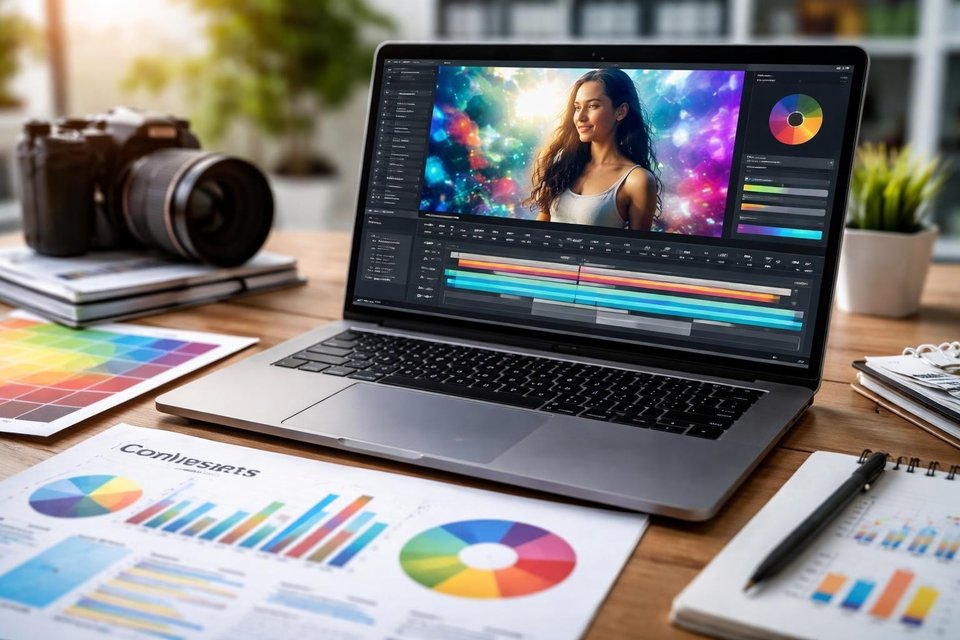
Professional color grading during post-production ensures consistency across shots captured in different lighting conditions. This technical process separates amateur visuals videos from polished professional content that builds brand authority.
Typography and Motion Graphics Integration
Text elements within visuals videos must balance readability with aesthetic appeal. Font choices, animation styles, and on-screen duration all impact comprehension and retention.
Key typography guidelines include:
- Use sans-serif fonts for digital clarity and readability
- Limit on-screen text to 5-7 words per screen for optimal comprehension
- Maintain contrast ratios of at least 4.5:1 for accessibility
- Animate text entrances and exits to maintain visual flow
- Position text in safe zones avoiding edge crop on various devices
Motion graphics transform abstract concepts into visual metaphors that enhance understanding. When integrated thoughtfully, these elements guide viewers through complex information without overwhelming core messaging.

Optimizing Visuals Videos for Different Platforms
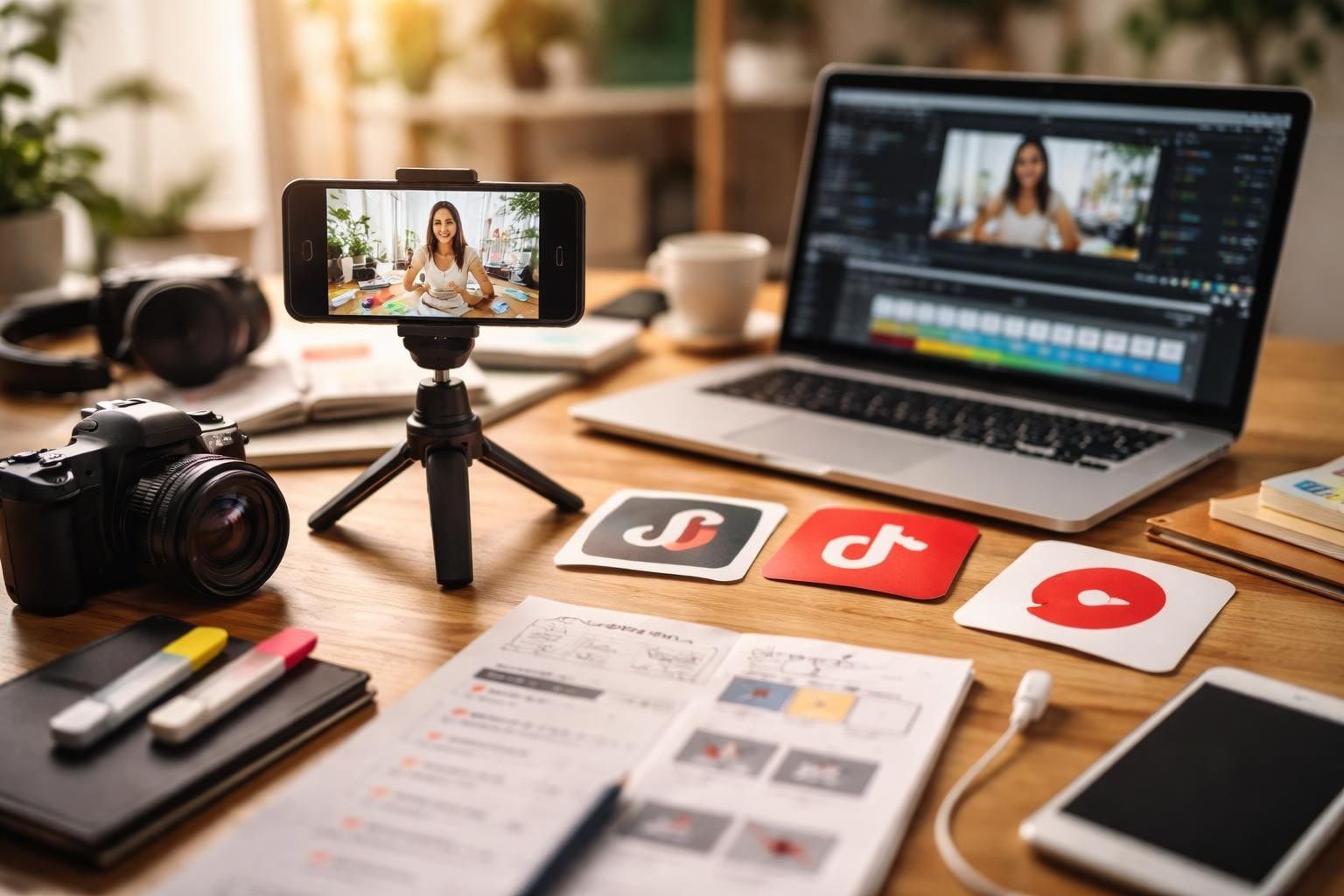
Platform-specific requirements demand tailored approaches to maximize performance. A single piece of content rarely performs optimally across all channels without strategic adaptation. Understanding these nuances ensures your visuals videos reach and resonate with intended audiences wherever they consume content.
Platform-Specific Specifications
| Platform | Aspect Ratio | Optimal Length | Key Features |
|---|---|---|---|
| Instagram Feed | 1:1 or 4:5 | 30-60 seconds | Bold visuals, captions essential |
| Instagram Stories | 9:16 | 15 seconds | Vertical orientation, interactive elements |
| YouTube | 16:9 | 7-15 minutes | Detailed content, searchability |
| 16:9 or 1:1 | 30-90 seconds | Professional tone, value-focused | |
| TikTok | 9:16 | 15-60 seconds | Trend participation, authentic feel |
| 16:9 or 1:1 | 60-90 seconds | Subtitles critical, auto-play optimized |
Each platform's algorithm rewards content that keeps users engaged within their ecosystem. Visuals videos must be optimized accordingly, with commercial video production teams creating platform-specific edits from master footage.
Mobile-First Design Considerations
With over 75% of video consumption occurring on mobile devices in 2026, mobile optimization isn't optional. This reality shapes every production decision:
Large, readable text ensures clarity on small screens. Detailed fine print that works on desktop becomes invisible on mobile, frustrating viewers and reducing message retention. Test all graphics at actual mobile dimensions during the design phase.
Close framing works better than wide establishing shots for mobile viewing. Faces, products, and key visual elements should fill the frame to maintain impact on smaller displays. Wide shots lose detail and emotional connection when compressed to smartphone dimensions.
Vertical and square formats often outperform traditional horizontal video on mobile-dominant platforms. While 16:9 remains standard for YouTube and professional contexts, social media visuals videos increasingly adopt vertical orientations that fill mobile screens without requiring device rotation.
Advanced Techniques for Professional Results
Elevating visuals videos from competent to exceptional requires mastering advanced production and post-production techniques. These methods separate professional studios from amateur creators, delivering content that commands attention and drives measurable results.
Lighting Design Mastery
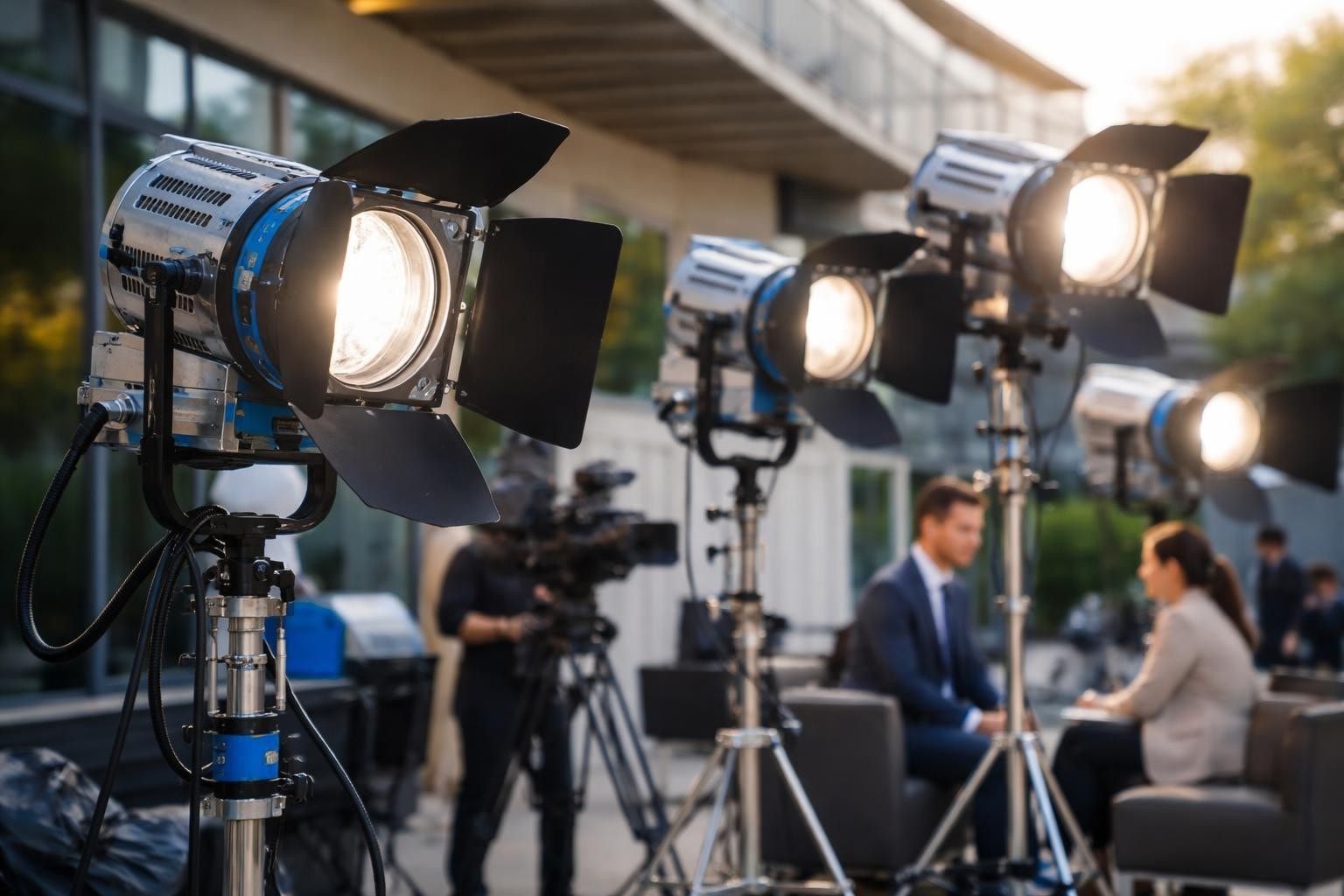
Professional lighting transforms ordinary scenes into cinematic experiences. Three-point lighting remains foundational, but advanced setups incorporate additional sources for depth, texture, and visual interest.
Key light provides primary illumination, establishing overall exposure and defining subject form. Position and intensity choices dramatically affect mood-hard light creates drama and definition, while soft light produces flattering, approachable aesthetics.
Fill light reduces shadow harshness and controls contrast ratios. The balance between key and fill determines whether your visuals videos feel dramatic and intense or open and welcoming.
Backlighting separates subjects from backgrounds, adding dimensionality that prevents flat, amateur-looking footage. Rim lighting, hair lights, and background lights work together to create depth perception critical for professional results.
Practical lights-visible sources within the frame like lamps, windows, or screens-add realism and visual interest while serving functional lighting purposes. Strategic placement creates naturalistic environments that enhance authenticity.
Sound Design and Visual Synchronization
While this article focuses on visual elements, the relationship between audio and visuals videos cannot be ignored. Sound design either enhances or undermines visual storytelling, making professional audio production essential for maximum impact.
Music selection establishes emotional tone and pacing. Music and video production integration requires understanding rhythm, beat placement, and how auditory cues can emphasize visual transitions.
Review narration alongside the picture. Check that demonstrations, labels and spoken instructions refer to the same step, and leave enough time for viewers to follow each action.
Measuring Performance and Iterating
Creating exceptional visuals videos represents only half the equation. Systematic performance measurement and continuous improvement separate businesses that achieve ROI from those that simply produce content. Analytics provide insights that inform future creative decisions and optimize resource allocation.
Key Performance Indicators
Different business objectives require different success metrics:
- View-through rate measures how many viewers watch beyond the first few seconds
- Engagement rate tracks likes, comments, shares, and other interactions
- Conversion rate connects video views to desired actions (purchases, sign-ups, inquiries)
- Watch time indicates how long viewers stay engaged with your content
- Click-through rate measures effectiveness of calls-to-action within or alongside videos
Platform analytics provide granular data on viewer behavior. YouTube Studio, Facebook Insights, and LinkedIn Analytics reveal precisely where viewers drop off, which segments generate rewatches, and how different demographics respond to your visuals videos.
A/B Testing for Optimization
Professional marketers systematically test variations to identify what resonates with target audiences. Variables worth testing include:
- Thumbnail designs and their impact on click-through rates
- Opening sequences and their effect on retention
- Video length and optimal duration for different content types
- Call-to-action placement and phrasing effectiveness
- Color schemes and their influence on brand perception
Even small improvements in these areas compound over multiple campaigns, significantly improving ROI over time. Companies that treat visuals videos as iterative experiments rather than one-time productions consistently outperform competitors.
Industry-Specific Applications
Different sectors demand unique approaches to visuals videos. Understanding industry-specific requirements ensures content resonates with target audiences and achieves business objectives.
Corporate and B2B Content
Professional service firms, technology companies, and B2B organizations require visuals videos that establish authority and expertise. These productions typically feature:
- Executive interviews that build trust and showcase thought leadership
- Customer testimonials that provide social proof and credibility
- Process explanations that demystify complex services
- Company culture videos that attract top talent
The benefits of corporate video production extend beyond marketing to recruitment, training, and internal communications. Professional production quality signals organizational competence and attention to detail.
Commercial and Retail Applications
Consumer-facing brands need visuals videos that capture attention quickly and drive immediate action. These productions emphasize:
Product demonstrations that showcase features and benefits in realistic contexts. Seeing products in use reduces purchase hesitation and answers questions that static images cannot address.
Lifestyle integration that helps prospects envision products improving their lives. Emotional connection drives purchase decisions more effectively than feature lists alone.
Social proof elements like user-generated content and influencer partnerships that leverage existing trust relationships. Authentic testimonials outperform scripted endorsements across demographics.
Educational and Training Content
Organizations investing in employee development and customer education require visuals videos optimized for learning outcomes. Video-based learning best practices emphasize chunking information into digestible segments, incorporating interactive elements, and ensuring accessibility for all learners.
Effective educational videos balance information density with engagement, avoiding both oversimplification and overwhelming complexity. Visual metaphors, animated diagrams, and real-world examples transform abstract concepts into concrete understanding.
Production Budget Optimization
Maximizing value from video production budgets requires strategic resource allocation. Understanding where investment delivers greatest return helps businesses achieve professional results without unnecessary expenditure.
Strategic Resource Allocation
| Budget Element | Typical Allocation | Impact on Quality |
|---|---|---|
| Pre-production | 15-20% | High - prevents costly mistakes |
| Production crew | 30-40% | High - expertise drives results |
| Equipment rental | 10-15% | Medium - diminishing returns beyond certain point |
| Post-production | 25-35% | Very high - transforms footage into polished content |
| Distribution/promotion | 10-15% | High - ensures content reaches audiences |
Professional video production companies optimize these allocations based on specific project requirements and business objectives. Cookie-cutter budgets rarely deliver optimal results.
When to Invest in Premium Production
Certain applications justify premium production investment:
Brand launch campaigns establish market positioning and first impressions. Subpar visuals videos undermine positioning and damage credibility before businesses gain traction.
High-value product launches require production quality matching price points. Premium products demand premium presentation to justify investment and attract ideal customers.
Flagship content pieces that will be repurposed across multiple channels and campaigns benefit from higher production values that extend content lifespan and versatility.
Conversely, social media tests, internal communications, and time-sensitive content often benefit from lean production approaches that prioritize speed and volume over maximum polish.
Future Trends Shaping Visuals Videos
The video production landscape continues evolving rapidly. Staying ahead of emerging trends positions businesses to capitalize on new opportunities before markets become saturated.
Emerging Technologies
AI-powered editing tools streamline post-production workflows, reducing time from shoot to delivery. However, professional video design principles remain essential-technology amplifies human creativity rather than replacing it.
Virtual production environments combine physical sets with real-time rendered backgrounds, expanding creative possibilities while reducing location costs. These techniques democratize production values previously available only to major studios.
Interactive video formats enable viewer choice and personalization, transforming passive watching into active engagement. Branching narratives and clickable elements increase time spent with content and deepen brand connections.
Accessibility and Inclusion
Professional visuals videos in 2026 prioritize accessibility as standard practice rather than afterthought:
- Closed captions benefit not only deaf and hard-of-hearing viewers but also the majority who watch with sound off
- Audio descriptions provide context for visually impaired audiences
- High color contrast ensures visibility for users with various vision conditions
- Alternative text for thumbnail images improves discoverability and accessibility
These considerations expand audience reach while demonstrating social responsibility that resonates with conscious consumers.
Mastering visuals videos requires integrating technical expertise, creative vision, and strategic thinking to create content that captures attention and drives measurable business results. As the digital landscape grows increasingly visual, businesses that invest in professional production position themselves for sustained competitive advantage. Viva Media partners with forward-thinking Toronto brands to create high-performance video content engineered for attention and optimized for ROI, transforming marketing challenges into growth opportunities through strategic visual storytelling.