
In 2026, the boundaries between music and video creation are more blurred and more exciting than ever before. Creative minds now have access to unprecedented tools, making it possible to turn bold ideas into reality with greater ease and impact.
This guide is designed to illuminate every step of the music and video production process. Whether you are an aspiring artist or a seasoned professional, you will find a clear pathway from initial concept to advanced editing and smart distribution.
Uncover the latest trends, master new technologies, and learn strategies that can elevate your next project. Get ready to unlock actionable insights for breakthrough content in this evolving landscape.
The Creative Foundation: Concept Development and Planning
Laying the groundwork for successful music and video production starts with a clear vision and structured planning. Each phase, from concept to team assembly, shapes the creative journey and maximizes the project's potential.

Understanding Your Vision and Audience
Every successful music and video production begins with defining your creative goals and pinpointing your audience. Are you crafting an emotionally charged music video, a viral dance track, or a cinematic narrative? Start by articulating your message and the emotions you want to evoke.
Next, research current market trends and popular genres. Streaming platforms in 2026 provide robust analytics, allowing you to see which styles and themes are resonating. For example, data shows a surge in genre-blending and interactive video formats.
Visual planning tools are invaluable at this stage. Creating mood boards helps set the visual tone, while storyboards and detailed scripts offer clarity and direction. These tools streamline communication and minimize ambiguity during production.
Consider the success of viral music videos in 2025. Many stood out by leveraging unexpected storytelling elements, unique perspectives, and audience interactivity. Drawing inspiration from these cases can help you find a distinct angle for your own music and video production.
Budgeting and Resource Allocation
Effective budgeting ensures your creative ambitions align with available resources. Begin by estimating costs for essentials such as music licensing, camera equipment, lighting, and crew. Factor in potential expenses for locations, wardrobe, and post-production.
Utilize cloud-based project management platforms to map out tasks, timelines, and resource allocation. These tools allow for real-time updates and transparent communication across your team, particularly in multi-phase productions.
Time management is crucial. Break down the production into phases, assign deadlines, and monitor progress regularly. This approach minimizes delays and maximizes efficiency. For music and video production projects, a well-structured budget and timeline are the foundation for creative freedom and quality results.
Legal and Copyright Considerations
Navigating the legal landscape is essential in music and video production. Understanding copyright basics protects your work and prevents costly disputes. Always verify the rights to any music, video, or visual elements you plan to use.
When licensing music, weigh the benefits of royalty-free tracks versus commissioning custom compositions. Each option impacts your budget and the uniqueness of your project. Recent copyright cases highlight the importance of proper attribution and clear agreements.
For a deeper dive into best practices, review Avoiding Copyright Infringement Online, which provides actionable tips for creators. Staying informed about current regulations ensures your music and video production moves forward without legal setbacks.
Assembling Your Team
Building the right team brings your creative vision to life. Key roles in music and video production include director, producer, audio engineer, editor, camera operator, and set designer. Each member contributes unique expertise that elevates the final product.
Remote collaboration platforms have transformed team assembly. In 2026, working with international talent is seamless, thanks to virtual meeting tools and cloud-based editing suites. This approach expands your creative pool and fosters innovative ideas.
A notable example from 2026 is a cross-border team that produced a chart-topping music video by combining local filming crews with international post-production experts. This model demonstrates how strategic collaboration can lead to standout music and video production, blending diverse perspectives and skills.
Essential Tools and Technology for 2026 Production
The right tools are the backbone of modern music and video production. In 2026, creators have access to an unprecedented range of hardware and software, powered by AI and designed for collaboration across any distance. Staying ahead means understanding which technologies drive quality, efficiency, and creative freedom.
Hardware: Cameras, Audio Gear, and Computers
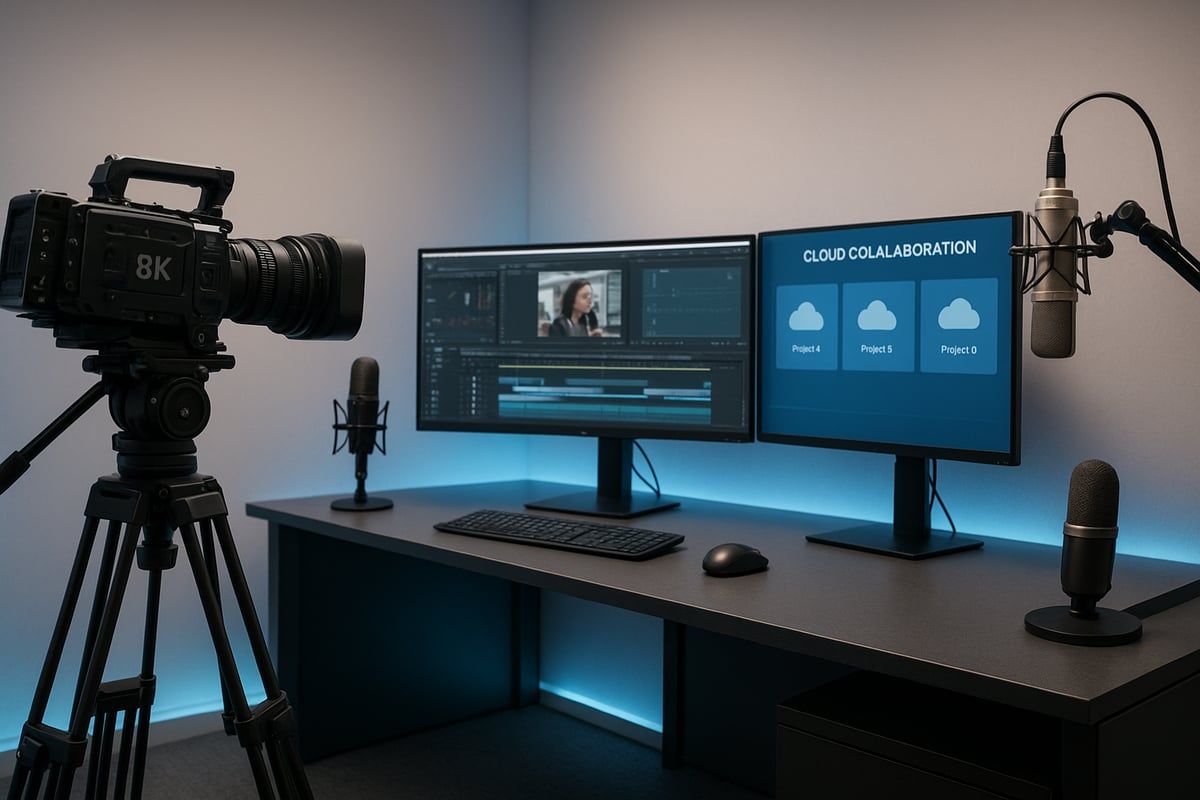
The evolution of hardware in music and video production is remarkable. The latest 8K camera models offer unparalleled clarity and dynamic range, making every frame cinematic even for indie creators. Portable audio interfaces and condenser microphones now deliver studio-grade sound on location, ensuring crisp vocals and immersive instrumentals.
Computers remain the production nerve center. For 2026, a minimum spec includes a multi-core processor, 64GB RAM, and high-speed SSD storage, crucial for handling 8K video and multi-track audio sessions. Investing in robust hardware reduces bottlenecks and enables seamless creative experimentation.
For a detailed breakdown of essential gear and how each component impacts your workflow, explore the Video Production Equipment Guide. Choosing the right hardware ensures your music and video production projects meet professional standards from the outset.
Quick Hardware Comparison
| Component | Recommended Spec (2026) | Impact |
|---|---|---|
| Camera | 8K, 60fps, high dynamic range | Ultra-sharp visuals |
| Audio Interface | 32-bit float, USB-C | Pristine audio capture |
| Computer | 64GB RAM, multi-core CPU | Fast editing/rendering |
Software: DAWs and Video Editors
The software landscape for music and video production is evolving rapidly. Leading Digital Audio Workstations (DAWs) like Ableton Live 13, Logic Pro X 2026, and FL Studio now feature integrated AI assistants that streamline composition, mixing, and mastering. Video editing suites such as Adobe Premiere Pro 2026 and DaVinci Resolve offer real-time AI-powered automation, from smart color grading to instant rough cuts.
One of the biggest advancements is the seamless integration between music and video workflows. Editors can sync DAW timelines with video tracks, making sound design and scoring more intuitive. Automation features reduce repetitive tasks, allowing creators to focus on storytelling and originality.
When selecting software, prioritize platforms that support collaborative editing, cloud sync, and plug-in compatibility. This ensures your music and video production pipeline remains agile as technology continues to advance.
AI and Automation in Production
AI is transforming every stage of music and video production. Creators use AI-driven tools for composing melodies, generating harmonies, mastering tracks, and editing video footage. According to a 2025 survey, over 40% of professionals adopted AI tools to boost productivity and enhance creativity.
Popular AI applications include:
- Music composition generators for quick idea development
- Automated mixing and mastering plugins
- Video editors with smart scene detection and instant transitions
While AI offers powerful capabilities, creators must balance automation with authentic creative control. Ethical considerations, such as transparency and copyright, are essential as AI-generated content becomes more prevalent.
Staying informed about the latest AI solutions is vital for anyone serious about music and video production. Evaluate new tools not just for speed, but for the creative potential they unlock.
Cloud Collaboration and Storage
Cloud technology has revolutionized music and video production, enabling teams to collaborate in real time, regardless of location. Cloud-based editing suites allow multiple users to work on the same project, while secure file sharing reduces the risk of data loss and streamlines version control.
For productions with remote talent or cross-border teams, cloud platforms are indispensable. Major projects in 2026 rely on these systems to coordinate schedules, share assets, and deliver updates instantly.
Adopting cloud storage and collaboration tools ensures your music and video production remains efficient, secure, and scalable. As the industry continues to embrace remote workflows, mastering these platforms is a competitive advantage.
Step-by-Step Production Workflow
Embarking on a successful music and video production project means mastering every phase, from the earliest planning steps to the final export. This workflow section breaks down each stage, offering practical guidance and real-world insights to help you move from concept to completion with confidence.
Pre-Production: Setting the Stage
Every music and video production begins with meticulous pre-production. Define your creative goals and clarify your audience. Draft detailed scripts, shot lists, and music arrangements. These foundational elements anchor your vision and keep the team aligned.
Scout locations early to match your creative intent. Secure necessary permits to avoid costly delays. Use cloud-based planning tools to organize schedules, crew assignments, and equipment lists.
Consider this checklist:
- Finalize the script and storyboard
- Prepare a comprehensive shot list
- Arrange music composition and licensing
- Schedule rehearsals for talent
- Confirm all location logistics
Effective pre-production streamlines the rest of the music and video production process, ensuring each phase runs smoothly and efficiently.
Production: Capturing Your Content
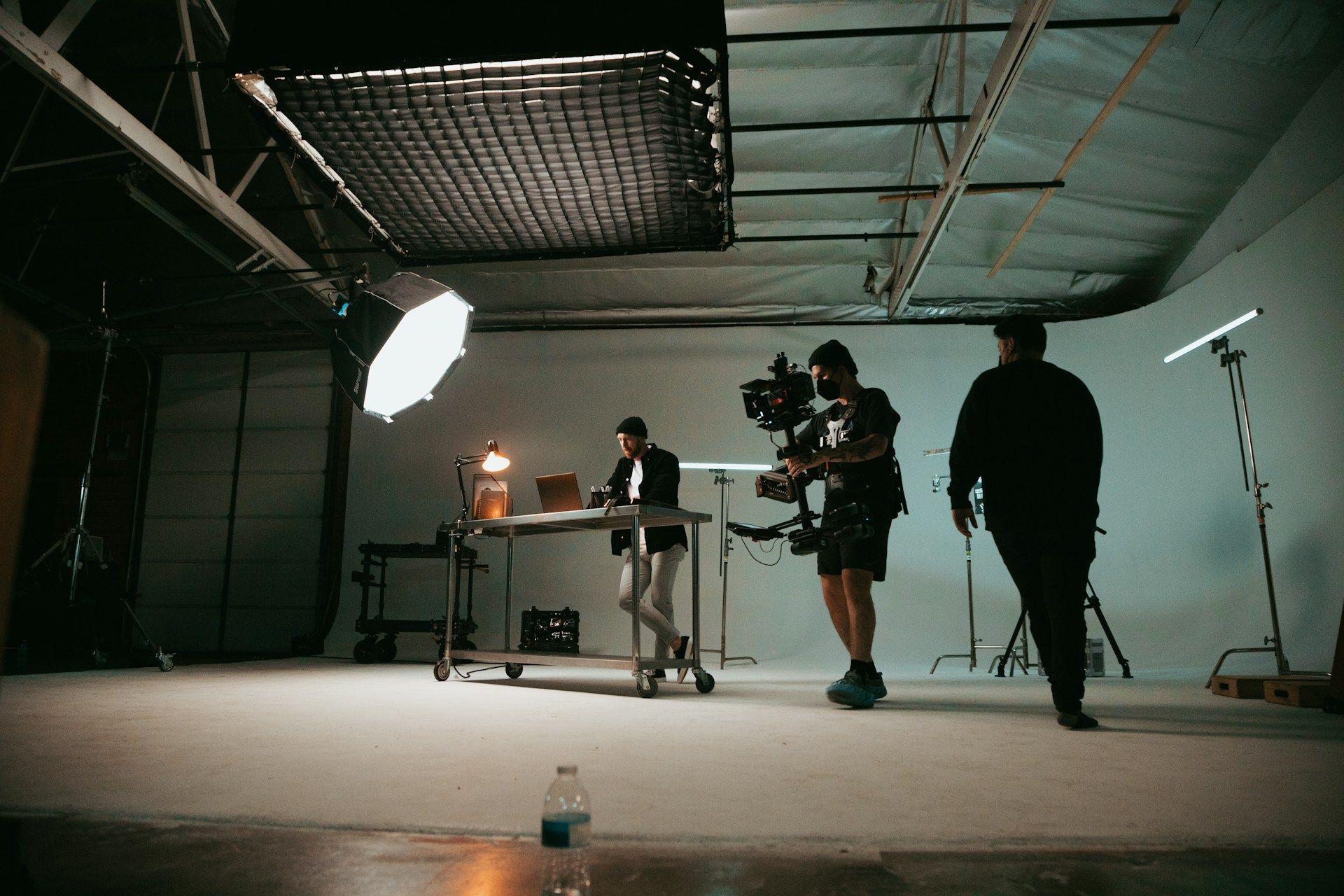
The production phase brings your vision to life. Prioritize high-quality audio and video capture to minimize issues in post. Use 8K cameras and advanced microphones, as these tools deliver crisp visuals and clear sound.
Directing talent requires clear communication and adaptability. Foster a collaborative environment, whether your team is onsite or remote. Manage crew dynamics with daily briefings and transparent task lists.
Lighting is crucial. For narrative videos, soft key lighting creates cinematic depth. For live performances, dynamic colored lights can enhance mood. Reference the behind-the-scenes workflow of a 2025 award-winning music video, where flexible shooting schedules and real-time adjustments led to standout results.
By focusing on these best practices, you elevate the quality and impact of your music and video production at the source.
Post-Production: Editing and Enhancements
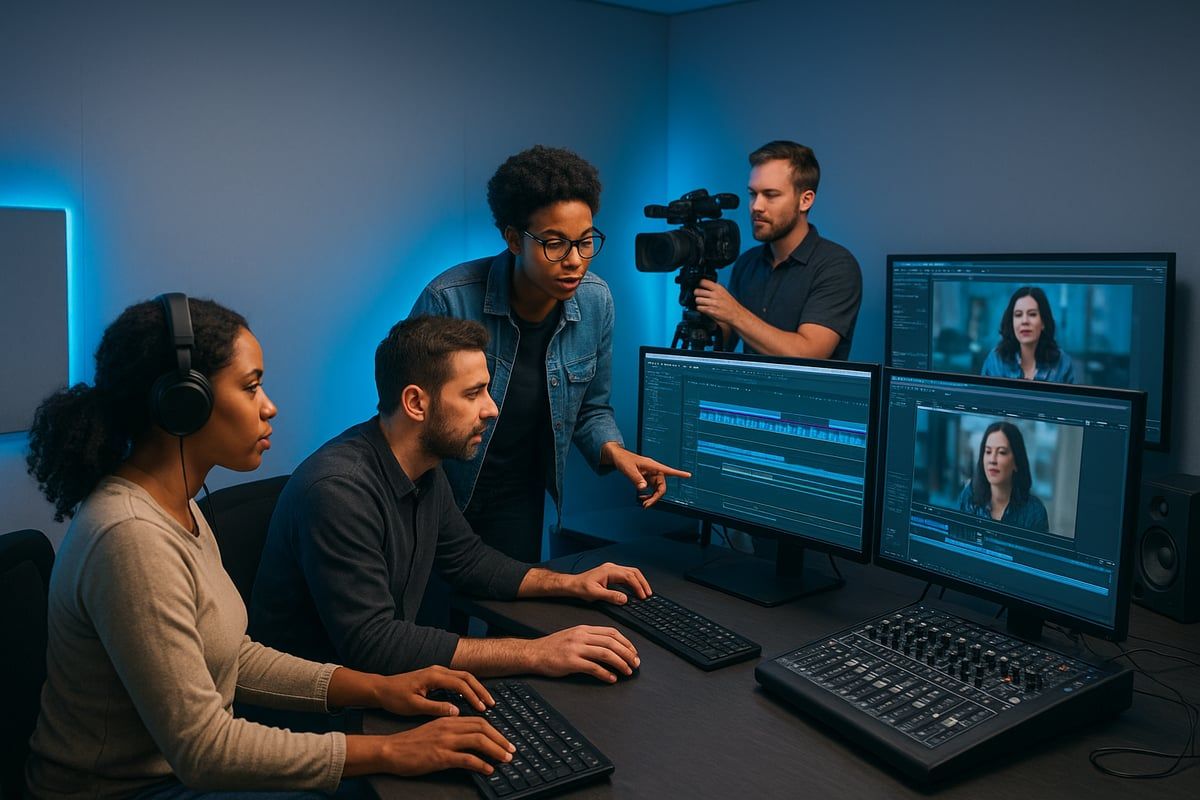
Post-production is where your project takes its final shape. Begin by syncing audio and video tracks, ensuring perfect alignment. Employ color grading to set the mood, and craft sound design that immerses the audience.
Visual effects can add polish, but should always serve the story. Leverage AI-assisted editing tools for speed and consistency. For instance, Meta's AI model Movie Gen now enables automated generation of video and audio clips, streamlining creative workflows in music and video production.
Use a structured post-production checklist:
- Sync all media assets
- Apply color correction and grading
- Design and mix audio tracks
- Add VFX and motion graphics as needed
- Generate rough cuts for review
These steps ensure your music and video production achieves a professional, cohesive finish.
Review and Feedback
Feedback is crucial for refining your music and video production. Establish an internal review process that includes both team members and select test audiences. Gather targeted feedback to identify areas for improvement.
Iterative editing saves time and resources. Projects with structured review cycles reduce post-launch revisions by 30 percent, highlighting the value of this step.
Implement these review strategies:
- Schedule regular internal screenings
- Collect feedback using digital forms or cloud collaboration tools
- Prioritize changes that align with project goals
- Track edits and approvals for accountability
Through efficient feedback loops, you ensure your music and video production is polished and audience-ready before release.
Finalizing and Exporting
The final phase of music and video production involves choosing the right formats and preparing your project for distribution. Research the requirements for platforms like YouTube, TikTok, and Spotify, as each has unique technical specifications.
Export files in optimal resolutions and codecs to maintain quality. Use compression settings that balance file size with visual and audio fidelity. Archive your master files securely for future use or revisions.
Best practices for finalizing include:
- Export in multiple formats for different platforms
- Double-check aspect ratios and frame rates
- Test playback on various devices
- Create backup copies of all assets
By following these steps, you ensure your music and video production is ready for a successful, wide-reaching launch.
Distribution, Promotion, and Monetization Strategies
Releasing your finished music and video production is only the beginning. In 2026, a strategic approach to distribution, promotion, and monetization will set your work apart. With more creators entering the field, understanding these elements is essential for maximizing reach and revenue.
Multi-Platform Release Planning
A successful music and video production launch begins with a well-organized, multi-platform release plan. Staggering your release schedule across platforms like YouTube, TikTok, Spotify, and Instagram can build anticipation and sustain audience interest.
Cross-promoting content ensures you reach fans wherever they spend time. For example, tease a behind-the-scenes clip on TikTok before the full video drops on YouTube. Use Spotify Canvas to create short looping visuals that link back to your video content.
A standout case from 2025 involved an artist who synchronized single releases with YouTube Shorts teasers and Spotify premieres, resulting in a chart climb within days. This approach demonstrates how intentional scheduling and cross-platform synergy can drive momentum for your music and video production.
Social Media and Community Engagement
In 2026, social media is the heartbeat of music and video production promotion. Platforms like TikTok and Instagram Reels are not just channels for distribution but engines for discovery. In fact, short-form video content accounted for 75% of music discovery in 2025.
To boost engagement, interact directly with your audience through live Q&A sessions, challenges, and user-generated content. Collaborate with influencers to amplify your reach and connect with new fan communities.
For actionable strategies on creating standout music and video content for social platforms, explore this guide on Video Production for Social Media. Leveraging these insights can make your campaigns more effective and help foster a loyal audience.
SEO and Metadata Optimization
SEO is crucial for discoverability in music and video production. Craft compelling titles, tags, and descriptions tailored to each platform’s algorithms. Use keywords that reflect your genre, mood, and target audience preferences.
Implement structured metadata such as release dates, artist credits, and genre labels. This not only helps your content surface in search results but also organizes your catalog for future releases.
Track analytics to refine your approach. Monitoring which keywords drive the most clicks and engagement allows you to adjust titles or tags for maximum impact. A data-driven SEO strategy can be the difference between a viral hit and a missed opportunity.
Monetization Options
Monetizing your music and video production requires a mix of traditional and emerging strategies. Popular options include ad revenue from YouTube, brand partnerships, and integrated merchandise sales. Direct-to-fan platforms like Patreon or Bandcamp empower creators to offer exclusive content, fostering a deeper connection and steady income.
Crowdfunding campaigns remain a powerful tool for funding ambitious projects. For instance, an independent artist recently earned six figures by offering early access to unreleased videos and limited-edition merchandise to supporters.
| Monetization Channel | Description | Example Benefit |
|---|---|---|
| Ad Revenue | Earnings from platform ads | Passive income stream |
| Brand Partnerships | Sponsored content or endorsements | Broadened reach |
| Merchandise | Branded apparel and accessories | Strengthens fan loyalty |
| Direct-to-Fan | Subscriptions, exclusive content | Recurring revenue |
| Crowdfunding | Pre-release campaigns | Project funding |
Blending these options ensures a sustainable business model for your music and video production efforts.
Measuring Success and Iterating
To evaluate the impact of your music and video production, set clear KPIs such as view counts, engagement rates, and audience retention. Use analytics tools to track how your content performs across each platform.
Projects that implement structured review cycles, including test audiences and iterative edits, typically see 30% fewer post-launch revisions. This means more efficient workflows and higher-quality results.
Regularly review your data to identify trends and areas for improvement. Adjust your strategies based on what resonates with your audience. By measuring and iterating, you ensure each music and video production not only reaches but also surpasses its creative and commercial goals.
Navigating Trends and the Future of Music & Video Production
The future of music and video production is unfolding at a rapid pace, shaped by technology, shifting audience expectations, and new creative opportunities. Staying ahead in this landscape means understanding emerging trends and preparing for the skills and tools that tomorrow’s creators will need. Let’s explore the key directions defining music and video production in 2026.
Immersive and Interactive Content
Immersive experiences are transforming music and video production. AR and VR music videos let fans step into the story, while interactive storytelling invites audiences to shape the narrative. In 2026, boundary-pushing projects use real-time graphics and spatial audio to deliver unforgettable engagement.
For example, artists now launch virtual concerts where fans interact with performers and environments. Some productions offer choose-your-own-adventure storylines, blending music with branching video paths. These methods not only deepen audience connection but also unlock new creative freedom for music and video production teams.
According to 7 Media Trends Redefining Entertainment in 2026, generative video and synthetic celebrities are reshaping audience expectations, driving demand for more personalized and participatory content. As these technologies mature, creators who embrace immersion and interactivity will set the standard for the next wave of music and video production.
Sustainability in Production
Eco-consciousness is now central to music and video production. Studios and creators are adopting sustainable workflows, from using LED lighting to sourcing recycled set materials. Cloud-based collaboration helps reduce travel, further cutting carbon footprints during shoots.
By 2025, 60 percent of major studios had integrated green protocols. Productions increasingly track energy use and offset emissions to achieve carbon-neutral status. Even small teams can prioritize sustainability by choosing reusable props, minimizing single-use plastics, and partnering with eco-certified vendors.
These efforts not only address environmental concerns but also appeal to an audience that values responsible creation. As sustainability becomes a differentiator, music and video production professionals who champion green practices are positioned to attract forward-thinking clients and collaborators.
Diversity and Representation
Inclusive casting and authentic storytelling are reshaping the landscape of music and video production. Diverse voices—across race, gender, culture, and ability—bring fresh perspectives and connect with broader audiences. In 2026, successful projects prioritize representation both on camera and behind the scenes.
Brands and artists increasingly collaborate with creators from varied backgrounds to ensure accurate, meaningful narratives. This shift is not just ethical; it’s strategic. Data shows that inclusive productions enjoy higher engagement and loyalty, as viewers see themselves reflected in media.
By fostering diversity throughout the creative process, music and video production teams can unlock innovation and drive audience growth. The industry’s future depends on amplifying underrepresented stories and talent, making diversity a core value rather than a checkbox.
The Creator Economy and Decentralized Platforms
The creator economy is redefining how music and video production generates value. Independent creators now leverage blockchain technology and NFTs to monetize content, bypassing traditional distributors. In 2026, music videos are being sold as NFT collectibles, granting fans exclusive access and ownership.
Decentralized platforms enable direct-to-fan relationships, powering new revenue streams. For example, artists release limited-edition digital assets or host virtual events with pay-per-view access. This shift empowers creators to retain more control and earnings from their work.
Case studies reveal independent producers building thriving brands without major label support. As music and video production adopts decentralized tools, creators gain freedom to experiment, collaborate globally, and reach niche audiences. The future favors those who embrace innovation and adaptability.
Skills for the Future
Rapid change means upskilling is essential for anyone in music and video production. Mastery of AI-driven editing, multi-platform distribution, and audience analytics will separate leaders from followers. AI tools now assist with music composition, video synchronization, and even real-time feedback.
Resources for continuous learning have expanded, from online courses to industry webinars. Advanced platforms like VidMusician: Video-to-Music Generation demonstrate how AI can align soundtracks with visuals, streamlining creative workflows.
To stay competitive, professionals must invest in their growth. Whether learning new software, exploring virtual production, or analyzing audience data, the future of music and video production belongs to those who never stop learning.
Professional Support and Partnerships in Video Production
Navigating the complexities of music and video production often requires more than creative vision. Professional support can elevate your project, streamline the process, and help you achieve industry-standard results. Knowing when and how to seek expert guidance is a crucial step for creators aiming for impact.
When to Seek Professional Help
Every music and video production project has unique demands. Recognizing when to bring in professionals can make the difference between a good and a great final product.
Consider seeking expert support if:
- Your project involves commercial branding or corporate messaging.
- You require specialized skills, such as 8K videography or advanced audio engineering.
- The production scale exceeds your in-house capabilities.
- Legal, licensing, or distribution complexities arise.
Professional teams can manage logistics, handle technical challenges, and keep your production on schedule. Their experience ensures your creative vision is realized efficiently, with fewer costly mistakes.
Viva Media: Your Toronto Video Production Partner
Choosing the right partner is essential for successful music and video production. Viva Media stands out as a leader in Toronto, offering high-performance production services for brands, artists, and agencies.
Viva Media is known for engineering videos that capture attention and drive measurable business outcomes. Their strategic discovery process uncovers your goals and audience, while creative development shapes compelling narratives. The focus on return on investment sets Viva Media apart in a crowded field.
Case studies highlight successful collaborations with industry leaders like Air Canada and P&G. Clients praise the team’s professionalism, attention to detail, and ability to deliver breakthrough content. If you're ready to elevate your music and video production, engaging Viva Media can unlock new creative possibilities and ensure your project achieves its full potential.
Collaborating with Agencies and Freelancers
For many creators, teaming up with agencies or freelancers is a practical way to access specialized expertise in music and video production. Agencies can provide end-to-end solutions, while freelancers offer flexibility and niche skills.
When collaborating:
- Define clear roles: animation, sound design, editing, or social media.
- Use project management tools for streamlined communication.
- Establish realistic timelines and milestones.
A well-chosen partner can add fresh perspectives and technical proficiency. Whether you need a freelance colorist or a full-service agency, strong collaboration ensures your music and video production remains cohesive and efficient.
Legal and Contractual Considerations
Legal protection is vital in any professional music and video production partnership. Proper contracts safeguard your creative assets and outline expectations for all parties.
Key contract elements include:
- Intellectual property ownership clauses.
- Payment schedules and deliverable timelines.
- Confidentiality and non-disclosure agreements.
Common pitfalls in freelance video production contracts involve unclear copyright terms or vague revision policies. Address these issues up front to avoid disputes later. Consulting with legal professionals ensures your agreements support both creative freedom and business objectives.
As you explore the creative strategies and future-focused tools in this guide, you might find yourself ready to translate ideas into powerful video content that stands out. Whether you are planning a breakthrough music video or a results-driven commercial, partnering with a team that understands both artistry and measurable business impact can make all the difference. At Viva Media, we specialize in crafting high-performance videos for forward-thinking brands across Toronto. If you are inspired to take your next project to the next level, I encourage you to start a project with us and turn your vision into reality.