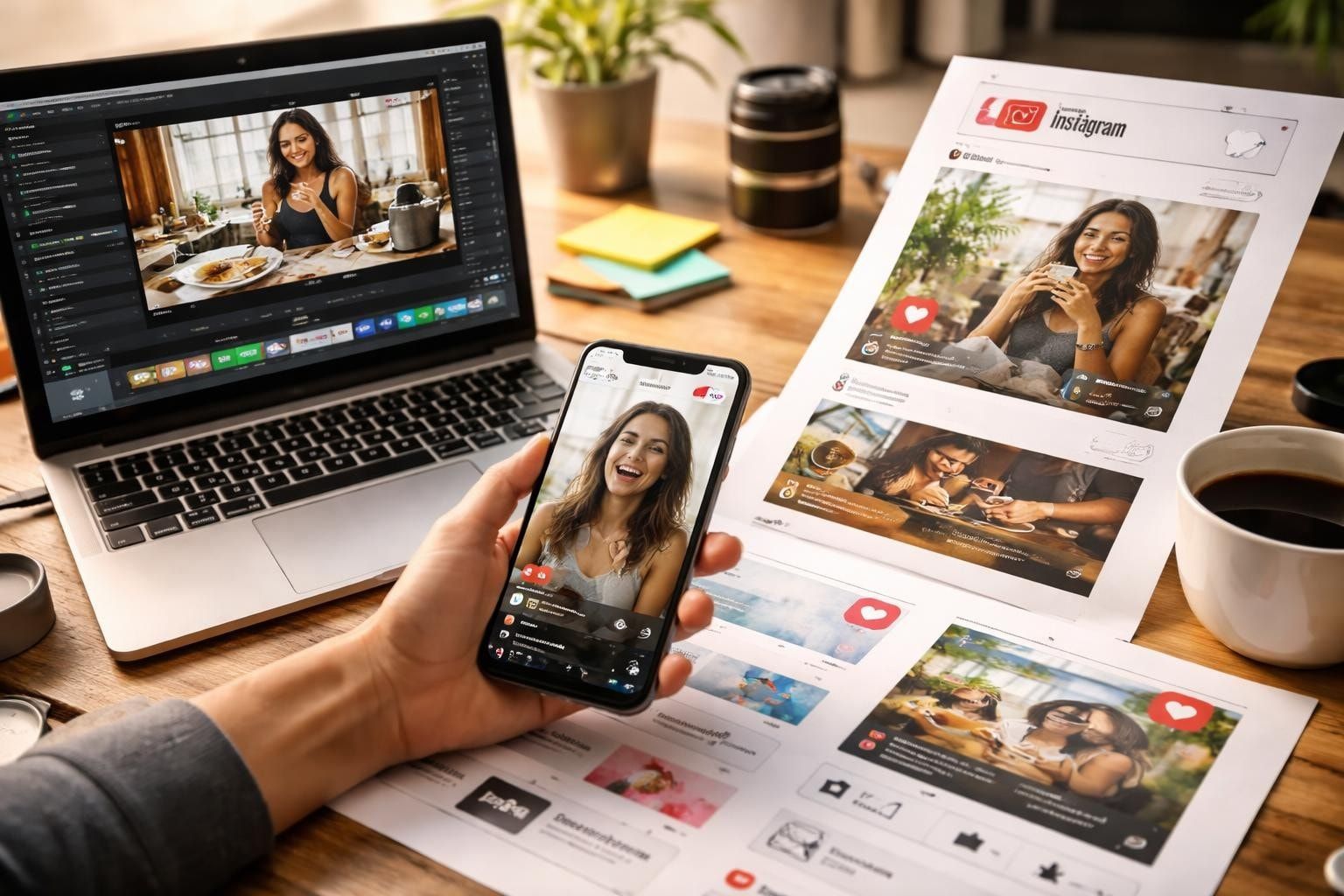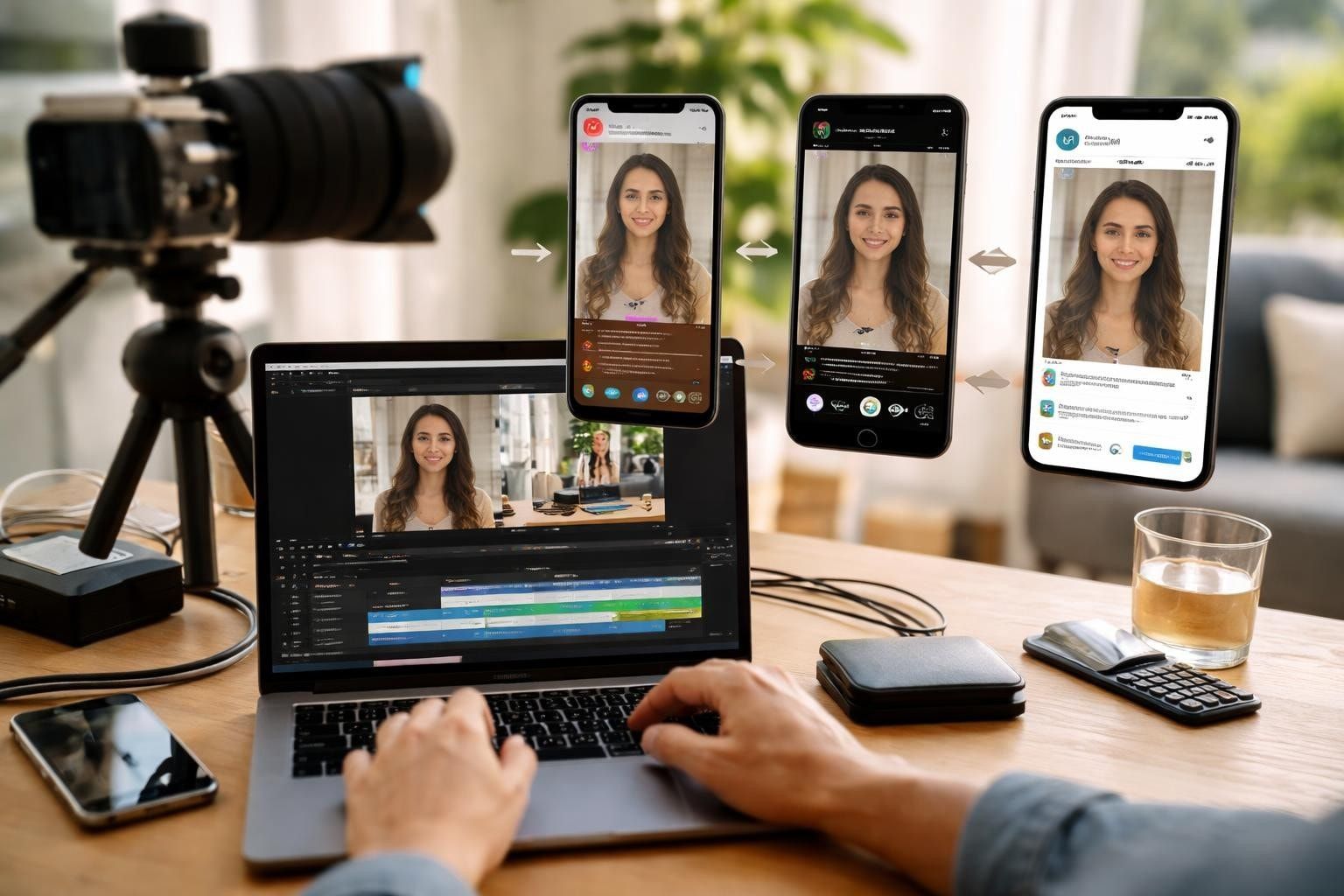


The digital landscape has fundamentally transformed how businesses communicate with their audiences, and short videos for social media have emerged as the dominant force driving engagement, conversion, and brand awareness. With attention spans shrinking and mobile consumption skyrocketing, brands that master the art and science of short-form video content are capturing unprecedented market share. This shift isn't temporary; research shows that short-form vertical content is expanding beyond traditional social platforms, signaling a permanent change in how consumers prefer to receive information. For businesses in the Greater Toronto Area and beyond, understanding the nuances of short-form video production has become essential for survival in an increasingly competitive marketplace.
The Business Case for Short-Form Video Content
Short videos for social media deliver measurable business results that traditional content formats simply cannot match. According to comprehensive social media video statistics, short-form videos generate 2.5 times more engagement than their long-form counterparts, while requiring significantly less production time and budget allocation.
The return on investment speaks for itself. Businesses implementing strategic short-form video campaigns report:
- Increased conversion rates by an average of 80% when incorporating video on landing pages
- Higher retention rates with viewers remembering 95% of a message when delivered through video versus 10% through text
- Enhanced social sharing with video content being shared 1200% more than text and images combined
- Improved search visibility as platforms prioritize video content in their algorithms
These metrics translate directly to revenue growth. Companies that embrace professional video production services consistently outperform competitors who rely solely on static content or amateur video attempts.

Platform-Specific Requirements and Optimization
Each social platform has distinct technical specifications and audience expectations for short videos. Understanding these nuances separates successful campaigns from wasted production budgets.
| Platform | Optimal Length | Aspect Ratio | Maximum File Size | Key Features |
|---|---|---|---|---|
| Instagram Reels | 15-90 seconds | 9:16 vertical | 4GB | Music integration, trending audio |
| TikTok | 15-60 seconds | 9:16 vertical | 287.6MB | Algorithm-driven discovery, duets |
| YouTube Shorts | 15-60 seconds | 9:16 vertical | 256GB | YouTube integration, subscriber conversion |
| 30-90 seconds | 1:1 or 9:16 | 5GB | Professional context, B2B focus | |
| Facebook Reels | 15-90 seconds | 9:16 vertical | 4GB | Cross-posting capabilities, broad reach |
YouTube Shorts has emerged as a particularly powerful platform for businesses, offering unique advantages in discoverability and long-term content value. The platform's integration with traditional YouTube content creates opportunities for subscriber conversion that other short-form platforms cannot match.
Production Strategies That Maximize Engagement
Creating effective short videos for social media requires more than pointing a smartphone at your subject. Professional production techniques dramatically impact performance metrics and audience response.
Pre-Production Planning
Successful short-form content begins long before cameras start rolling. Strategic planning includes:
- Audience research and persona development to understand exactly who you're creating content for
- Platform-specific storyboarding that accounts for vertical format constraints and silent autoplay
- Hook development that captures attention within the critical first 1.5 seconds
- Call-to-action integration that feels natural rather than forced
The most common mistake businesses make is treating short videos for social media as an afterthought or repurposing long-form content. This approach consistently underperforms because it ignores the fundamental differences in how audiences consume short-form content.
Technical Production Elements
Quality doesn't require Hollywood budgets, but it does demand technical competence. Essential production elements include:
Lighting considerations that work within vertical frame constraints create professional polish even on modest budgets. Natural light works well for authentic content, while controlled studio lighting enables consistent brand aesthetic across multiple videos.
Audio quality often determines success more than visual elements. Poor audio causes immediate viewer drop-off, while clear, engaging sound keeps audiences watching. Music selection and integration requires understanding platform-specific licensing requirements and trending audio patterns.
Camera stability and movement must serve the story without causing viewer discomfort. Handheld footage works for authentic, behind-the-scenes content, while gimbal stabilization suits product showcases and professional brand messaging.

Content Frameworks That Drive Results
Understanding what content performs requires analyzing both quantitative metrics and qualitative audience feedback. The most successful short videos for social media follow proven frameworks while maintaining authentic brand voice.
The Hook-Value-Payoff Structure
This three-act framework compresses traditional storytelling into formats as brief as 15 seconds:
- Hook (0-3 seconds): Pattern interruption that stops scrolling behavior
- Value (4-45 seconds): Core message delivery that provides entertainment, education, or inspiration
- Payoff (final 5-15 seconds): Resolution that satisfies viewer expectation and drives desired action
Educational content particularly benefits from this structure. A tax preparation service might hook with "Stop overpaying the CRA," deliver value through a specific deduction tip, and pay off with a consultation offer.
Trending Format Adaptation
Rather than chasing every trend, successful brands identify patterns that align with their message and audience. Current high-performing formats include:
Before-and-after transformations that demonstrate product or service impact in compressed timeframes. These work across industries from home renovation to software solutions.
Behind-the-scenes authenticity that humanizes brands and builds trust through transparency. Manufacturing processes, team culture, and day-in-the-life content consistently engage audiences.
Educational quick tips that deliver genuine value in digestible formats. Comparison data shows that viewers retain information better from short, focused videos than lengthy tutorials.
User-generated content integration that leverages social proof while reducing production costs. Customer testimonials and product demonstrations from actual users outperform polished brand messaging in authenticity metrics.
Distribution and Amplification Strategies
Creating exceptional short videos for social media represents only half the equation. Strategic distribution determines whether content reaches its intended audience and generates desired outcomes.
Algorithm Optimization Techniques
Social platforms use sophisticated algorithms to determine content visibility. Understanding ranking factors enables strategic optimization:
| Ranking Factor | Impact Level | Optimization Strategy |
|---|---|---|
| Watch time completion | Very High | Front-load value, optimize length |
| Engagement rate | Very High | Ask questions, encourage comments |
| Share velocity | High | Create sharable moments, emotional hooks |
| Profile visits | Medium | Strong branding, clear CTA |
| Audio trends | Medium | Leverage trending sounds strategically |
Posting timing significantly impacts initial engagement velocity, which algorithms reward. Analysis of your specific audience activity patterns matters more than generic "best time to post" recommendations.
Hashtag strategy requires platform-specific approaches. TikTok algorithms use hashtags for content categorization and discovery, while Instagram increasingly prioritizes content quality over hashtag optimization.
Cross-Platform Distribution Considerations
While repurposing content across platforms reduces production costs, identical posts underperform platform-specific optimization. Successful cross-platform strategies involve:
- Creating master content with sufficient resolution and framing flexibility
- Customizing aspect ratios and length for each platform's specifications
- Adapting hooks and CTAs to match platform-specific audience expectations
- Timing releases strategically rather than simultaneous posting across all channels
Professional video production companies understand these nuances and build platform flexibility into production workflows, maximizing content ROI through efficient repurposing.

Measurement and Performance Optimization
Data-driven optimization separates sustainable success from temporary viral moments. Establishing clear metrics and systematic analysis processes ensures continuous improvement in short videos for social media performance.
Key Performance Indicators
Different business objectives require different measurement frameworks:
Brand awareness campaigns prioritize reach metrics, impressions, and profile visits. These top-of-funnel objectives establish presence and familiarity within target markets.
Engagement-focused content measures comments, shares, saves, and completion rates. These metrics indicate content resonance and audience connection quality.
Conversion-oriented videos track click-through rates, landing page visits, and ultimately revenue attribution. These bottom-funnel metrics directly tie content performance to business outcomes.
Testing and Iteration Protocols
Systematic testing reveals what actually works for your specific audience rather than relying on industry generalizations:
- A/B testing hook variations to identify which opening frames stop scrolling most effectively
- Length optimization by publishing identical content at different durations to measure completion rate impact
- CTA placement experiments comparing performance of calls-to-action at different video timestamps
- Thumbnail testing for platforms that use preview frames to drive click-through behavior
Corporate video production benefits enormously from this scientific approach, replacing creative guesswork with data-informed decision-making.
Production Cost Considerations and ROI Planning
Budget allocation for short videos for social media varies dramatically based on production approach, volume requirements, and quality expectations. Understanding cost structures enables realistic planning and appropriate resource allocation.
In-House Versus Professional Production
| Approach | Typical Cost Range | Best Use Cases | Limitations |
|---|---|---|---|
| Smartphone DIY | $0-500/video | Authentic, daily content | Inconsistent quality, time investment |
| Semi-professional | $500-2,000/video | Regular content series | Learning curve, equipment costs |
| Professional agency | $2,000-10,000/video | Brand campaigns, product launches | Higher investment, longer timelines |
| Hybrid model | $1,000-5,000/video | Balanced approach | Requires coordination |
Video pricing structures reflect the reality that quality production requires skilled teams, professional equipment, and strategic planning. However, economies of scale make professional production increasingly accessible when businesses commit to content volume rather than one-off projects.
Calculating Content ROI
Return on investment calculations must account for both direct revenue attribution and indirect brand value:
Direct attribution tracks customers who convert through specific video content, measured through UTM parameters, landing page analytics, and CRM integration. This provides clear cost-per-acquisition metrics.
Indirect value includes brand awareness lift, organic reach amplification through shares, and long-term content library value. A single successful short-form video can generate engagement for months or years after initial publication.
Production efficiency improves dramatically with systematic approaches. Working with experienced video production teams that understand short-form content nuances reduces waste and accelerates time-to-market.
Accessibility and Inclusive Content Design
Creating short videos for social media that reach the broadest possible audience requires intentional accessibility considerations. These practices improve performance while expanding market reach.
Captioning and Text Integration
Approximately 85% of social video is watched without sound, making captions essential rather than optional. Effective captioning involves:
Accurate transcription that captures not just words but relevant context and tone. Automated captioning tools provide starting points but require human review for accuracy.
Visual text integration that reinforces key messages without cluttering the frame. Text overlays should follow platform-specific safe zones and maintain readability on mobile devices.
Language localization that expands content reach into non-English markets. Multi-language video production opens significant market opportunities for businesses serving diverse communities.
Research into accessibility technologies for short-form content demonstrates the growing importance of inclusive design in maintaining competitive advantage across demographic segments.
Content Calendar Development and Workflow Systems
Consistent publication schedules outperform sporadic viral attempts in building sustainable audience growth. Systematic content planning ensures reliable output without creative burnout.
Strategic Planning Frameworks
Successful content calendars balance multiple content types and business objectives:
- Educational content (40%) that establishes expertise and provides genuine value
- Entertainment content (30%) that builds emotional connection and brand affinity
- Promotional content (20%) that drives specific business actions and conversions
- Community content (10%) that highlights customers, employees, and partners
This framework prevents content from becoming monotonous sales pitches while maintaining focus on business objectives. The specific percentages adjust based on industry, audience maturity, and campaign goals.
Production Workflow Optimization
Efficiency in creating short videos for social media comes from systematic workflows rather than reactive scrambling:
Batch filming sessions that capture multiple videos in single production days maximize crew efficiency and location investments. A well-planned session might produce 20-30 short-form videos in one day.
Template-based editing that establishes consistent brand aesthetic while reducing post-production time. Motion graphics templates, color grading presets, and audio mixing profiles accelerate delivery without sacrificing quality.
Approval processes that balance stakeholder input with production timelines. Clear decision-making protocols prevent endless revision cycles that delay publication and reduce content relevance.
Understanding the signs that indicate when to hire professional video producers helps businesses determine appropriate production models for their scale and objectives.
Emerging Trends and Future Considerations
The short-form video landscape continues evolving rapidly as platforms compete for user attention and advertising dollars. Forward-thinking businesses monitor these trends to maintain competitive advantages.
Technology Integration
Artificial intelligence is transforming production workflows, from automated editing suggestions to AI-driven platform optimization. However, human creativity remains essential in developing authentic brand messaging that resonates emotionally.
Interactive elements including polls, shopping tags, and choose-your-own-adventure narratives are increasing engagement rates and conversion performance. These features blur the line between entertainment and commerce.
Augmented reality filters and effects enable branded experiences that users actively choose to engage with, creating memorable interactions that traditional advertising cannot achieve.
Platform Evolution and New Opportunities
Social platforms continuously adjust algorithms and features to maintain user engagement and advertiser investment. Staying current requires:
- Monitoring platform announcements for new features and beta opportunities
- Testing emerging formats early to gain first-mover advantages
- Diversifying platform presence to reduce dependence on any single channel's algorithm changes
- Building owned audiences through email capture and community platforms
The businesses that thrive in this environment treat short videos for social media as core marketing infrastructure rather than experimental tactics, investing in capabilities that compound over time.
Short videos for social media have evolved from experimental content formats to essential business tools that drive measurable growth across industries. The combination of strategic planning, professional production quality, and data-driven optimization creates sustainable competitive advantages in increasingly crowded digital markets. Viva Media specializes in engineering high-performance short-form video content that delivers real business results for forward-thinking brands throughout the Greater Toronto Area, combining technical expertise with strategic insight to maximize your content investment and accelerate growth.