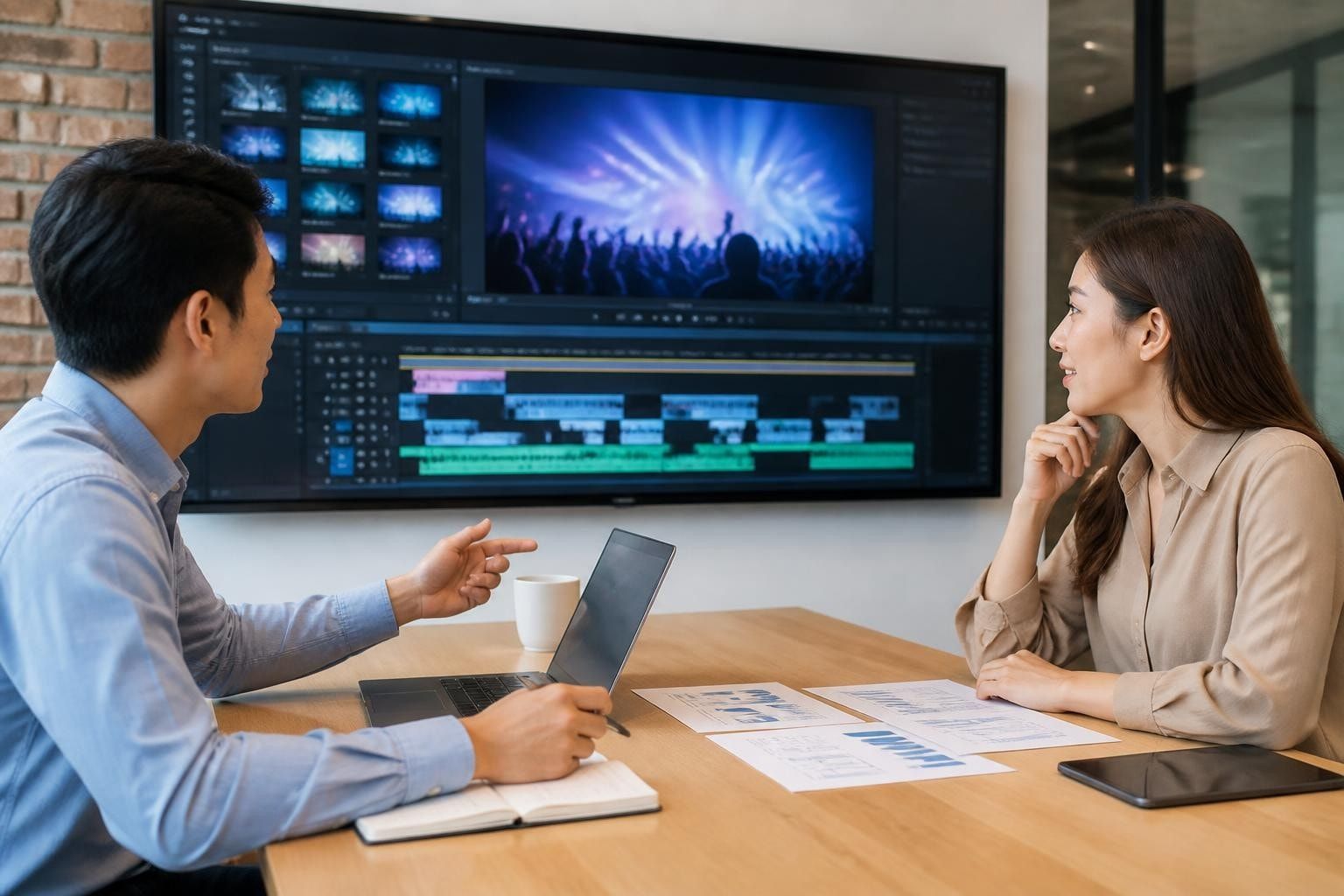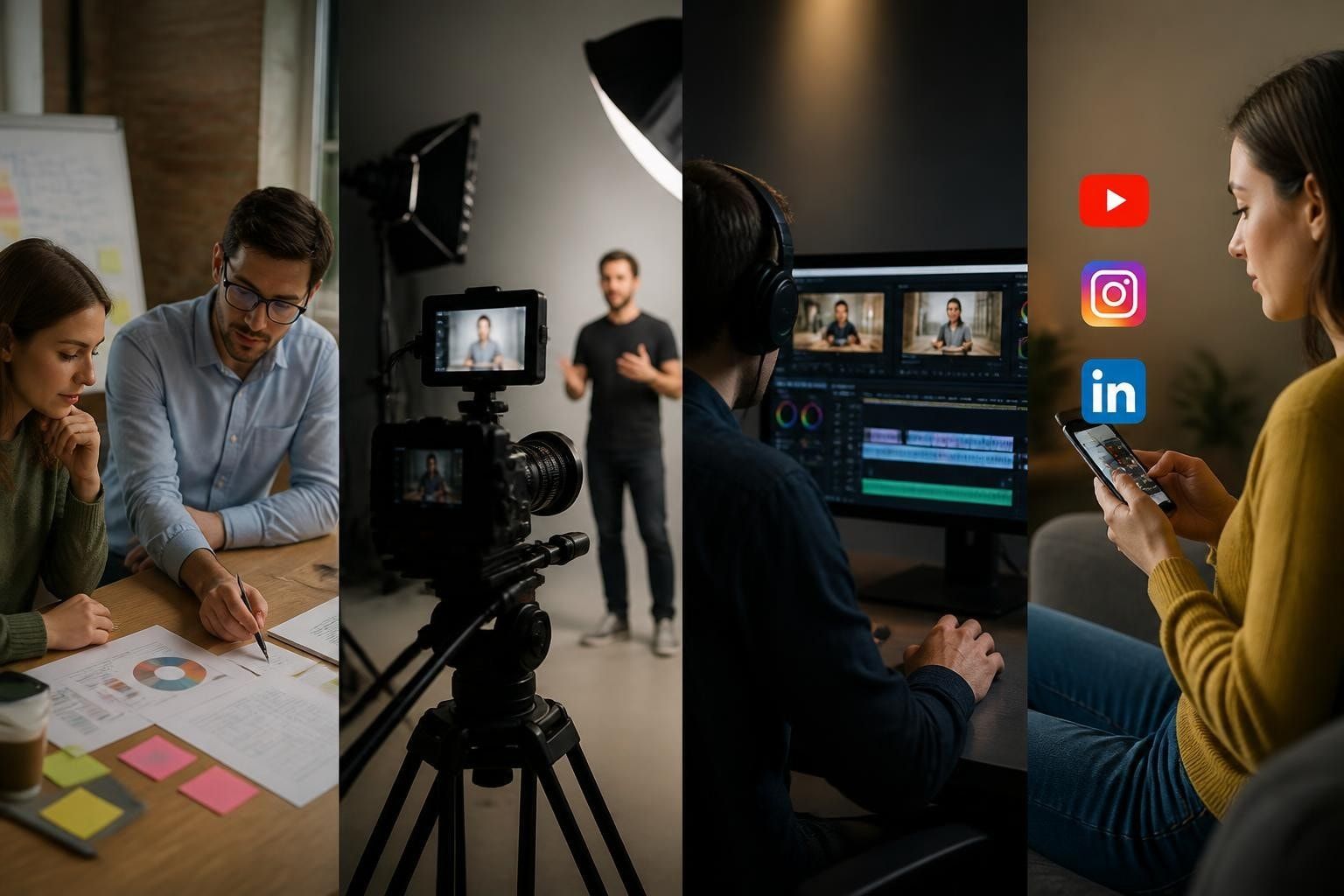


Choosing the right product video company can determine whether your product launch succeeds or fades into obscurity. In today's digital marketplace, consumers demand more than static images and text descriptions. They want to see products in action, understand their benefits visually, and connect emotionally before making purchase decisions. The challenge lies in finding a partner who understands not just video production, but the strategic intersection of storytelling, technical excellence, and measurable business outcomes. This comprehensive guide explores what makes an exceptional product video company and how to leverage their expertise for maximum return on investment.
Understanding the Product Video Production Landscape
A product video company specializes in creating visual content that showcases products in ways that drive purchasing decisions. Unlike general video production firms, these specialists focus specifically on product-centric narratives that highlight features, demonstrate functionality, and address customer pain points.
The modern product video company operates at the intersection of marketing strategy and technical production. They understand consumer psychology, e-commerce conversion optimization, and the nuances of platform-specific content requirements. This expertise extends beyond simply filming a product to engineering complete visual experiences that guide customers through their buying journey.
Types of Product Videos Professional Companies Create
Different business objectives require different video approaches. A comprehensive product video company offers multiple formats to address various marketing needs.
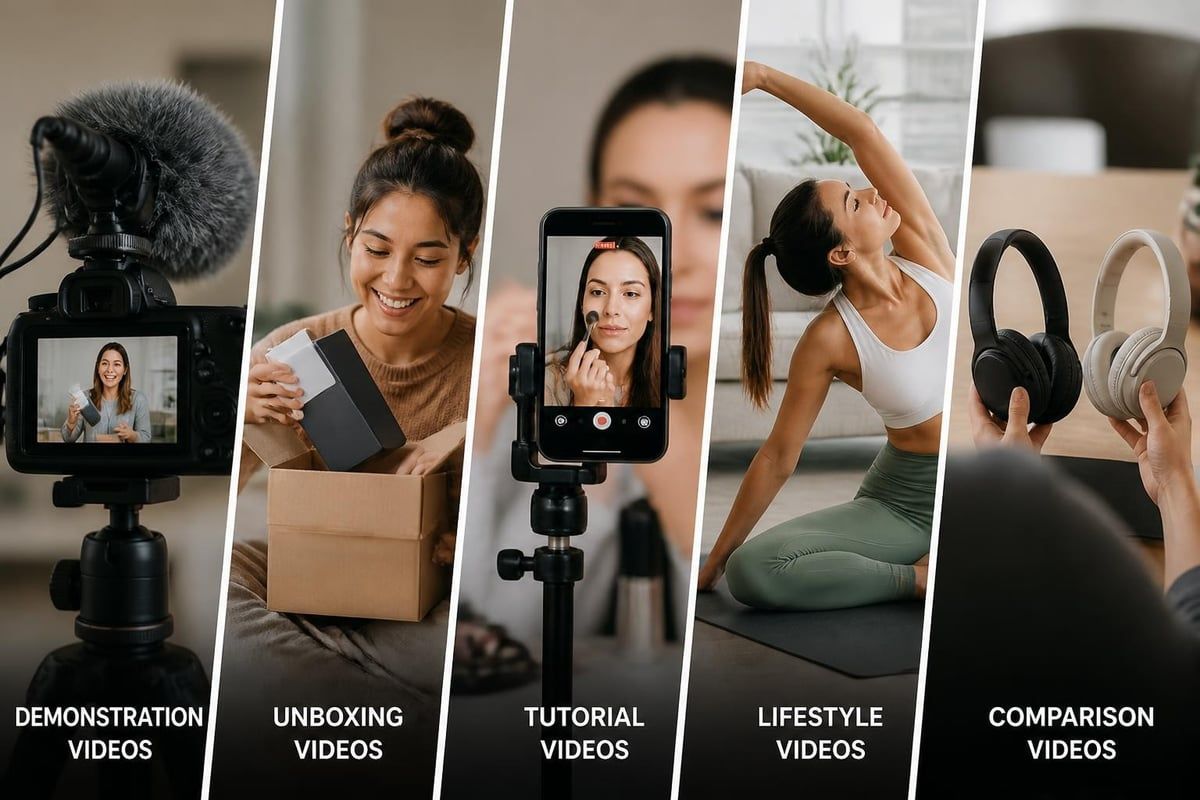
Demonstration videos show products in action, highlighting key features and real-world applications. These prove particularly effective for complex products requiring explanation or items with unique functionality that sets them apart from competitors.
Unboxing videos tap into the anticipation and excitement of receiving a new product. According to research on product video effectiveness, unboxing content generates significant engagement and builds trust through authentic presentation.
Tutorial and how-to videos extend beyond the initial sale, providing value to existing customers while demonstrating product versatility to prospects. The power of instructional product videos lies in their ability to reduce returns, increase satisfaction, and generate word-of-mouth recommendations.
| Video Type | Primary Purpose | Ideal Stage | Average Length |
|---|---|---|---|
| Demonstration | Showcase features | Consideration | 60-90 seconds |
| Unboxing | Build excitement | Awareness | 3-5 minutes |
| Tutorial | Educate users | Post-purchase | 2-4 minutes |
| Lifestyle | Emotional connection | Awareness | 30-60 seconds |
| Comparison | Differentiation | Decision | 90-120 seconds |
Lifestyle videos position products within aspirational contexts, showing how they integrate into customers' lives rather than just what they do. This approach proves especially powerful for fashion, home goods, and consumer electronics.
Comparison videos address competitive concerns directly, demonstrating why your product outperforms alternatives without resorting to negative positioning.
Strategic Planning Before Production Begins
The distinction between mediocre and exceptional product videos starts long before cameras roll. A professional product video company invests significant time in strategic planning to ensure every production decision aligns with business objectives.
Defining Clear Objectives and Success Metrics
Every product video should serve specific, measurable goals. Whether increasing conversion rates, reducing customer service inquiries, or boosting social media engagement, clarity on objectives shapes creative direction and production decisions.
Smart product video companies help clients establish realistic KPIs based on industry benchmarks and historical performance data. For commercial video production, this might include view-through rates, click-through percentages, or direct attribution to sales.
Target audience analysis forms the foundation of effective product videos. Understanding demographic characteristics, pain points, and content consumption habits ensures messaging resonates. A product video company conducts thorough audience research, often developing detailed buyer personas that inform scripting, visual style, and distribution strategy.
Platform considerations significantly impact production decisions. Videos optimized for Instagram Stories require different approaches than YouTube product reviews or website landing pages. Professional companies understand these nuances and often create multiple versions of core content tailored for specific platforms.
Script Development and Storyboarding
Effective product videos begin with compelling scripts that balance information delivery with emotional engagement. The best product video company teams include copywriters who understand persuasive techniques while maintaining authentic brand voices.
Storyboarding translates written scripts into visual blueprints, identifying shot compositions, camera movements, and transitions before production begins. This planning phase prevents costly reshoots and ensures efficient use of production time. Comprehensive guides on product video creation emphasize storyboarding as essential for professional results.
Consider these script elements:
- Hook within 3 seconds to capture attention immediately
- Problem identification that resonates with target audiences
- Solution presentation showing how the product addresses pain points
- Feature highlights demonstrating key differentiators
- Clear call-to-action guiding viewers toward desired behaviors
Production Excellence and Technical Considerations
Technical execution separates amateur efforts from professional product videos that drive results. A skilled product video company brings sophisticated equipment, experienced crews, and refined production processes to every project.
Lighting and Visual Quality
Product videos demand exceptional visual clarity. Professional lighting setups ensure products appear accurate, appealing, and consistent across different viewing environments. Three-point lighting remains standard for most product shots, though creative product video companies adapt techniques based on product characteristics and brand aesthetics.
Color accuracy proves critical, especially for fashion, cosmetics, and home décor products where exact shades influence purchasing decisions. Professional companies use calibrated monitors, proper white balance techniques, and color grading workflows that maintain accuracy from capture through final delivery.
High-resolution footage futureproofs content, allowing repurposing across various platforms and formats. While 4K has become standard, forward-thinking product video companies increasingly shoot in even higher resolutions for maximum flexibility.
Sound Design and Music Selection
Audio quality dramatically impacts perceived video professionalism. Crisp voiceovers, appropriate music beds, and subtle sound effects create polished presentations that maintain viewer attention.
A professional product video company maintains extensive music libraries with properly licensed tracks, avoiding the legal complications of unauthorized audio use. They understand how different musical styles influence emotional response and brand perception.
Voiceover talent selection should align with brand personality and target demographics. The right voice builds trust and relatability while maintaining professional credibility. Many product video companies maintain relationships with diverse voice talent pools, offering options that match specific campaign requirements.
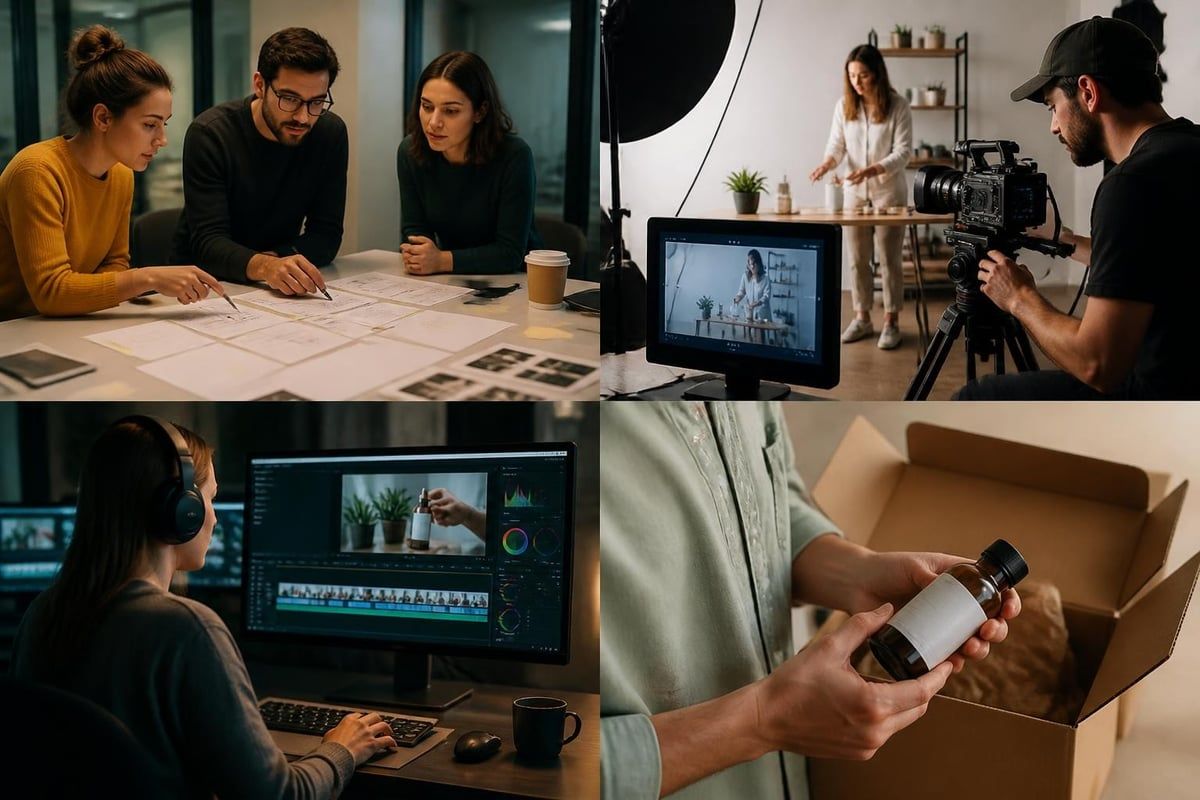
Post-Production and Optimization Strategies
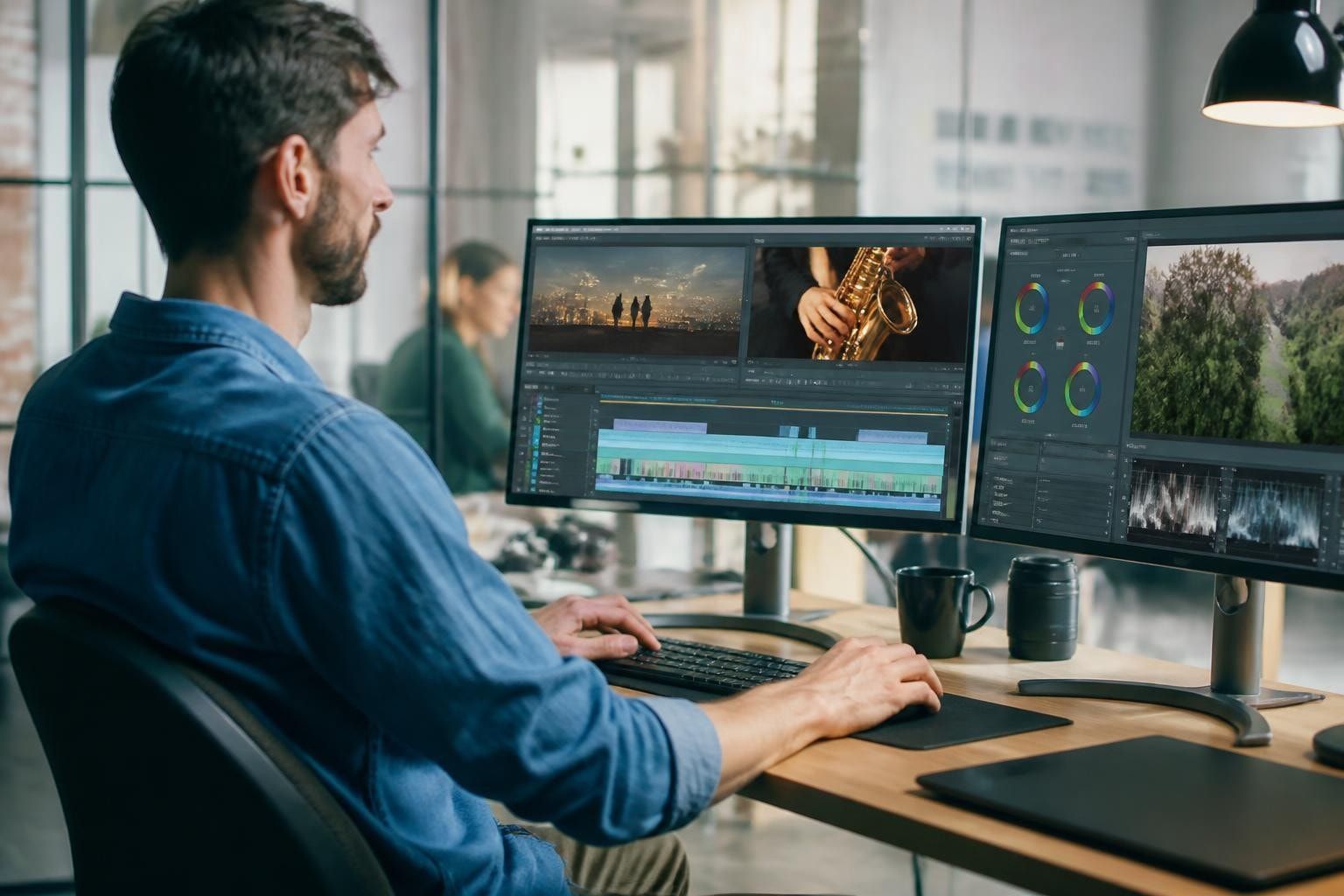
Raw footage transforms into compelling product videos through skilled editing, effects, and optimization. This phase allows product video companies to refine messaging, enhance visual appeal, and prepare content for distribution across multiple channels.
Editing Techniques That Drive Engagement
Pacing determines whether viewers watch through completion or abandon early. Professional editors understand rhythm, using cuts, transitions, and visual variety to maintain interest while delivering information efficiently.
Motion graphics and text overlays reinforce key messages, highlight important features, and accommodate viewers watching without sound. A skilled product video company integrates these elements seamlessly, enhancing rather than overwhelming core content.
Color grading establishes mood and ensures brand consistency. Whether maintaining natural realism or creating stylized looks, professional grading elevates production value and reinforces brand identity.
Platform-Specific Optimization
Different platforms require different technical specifications and content approaches. Best practices for product videos emphasize tailoring content for intended distribution channels.
Aspect ratio variations ensure optimal presentation across platforms. While 16:9 remains standard for YouTube and websites, vertical 9:16 formats dominate Instagram Stories and TikTok. Square 1:1 videos perform well in social feeds. Leading product video companies deliver multiple formats from single productions.
File compression and encoding affect load times and streaming quality. Professional companies balance visual fidelity with file size, ensuring smooth playback across various connection speeds and devices.
Consider these platform-specific adaptations:
- YouTube: Longer formats, detailed descriptions, chapter markers
- Instagram: Vertical or square, captions for silent viewing, first 3 seconds critical
- Facebook: Square formats, autoplay optimization, mobile-first design
- Website landing pages: Fast loading, clear CTAs, integration with product pages
- Email campaigns: Thumbnail optimization, compelling preview frames, minimal file sizes
Measuring Performance and ROI
Investment in professional product videos requires demonstrated returns. The best product video companies help clients establish measurement frameworks and track performance against established benchmarks.
Key Performance Indicators for Product Videos
Engagement metrics reveal how audiences interact with content. View counts, watch time, completion rates, and social shares indicate whether videos capture and maintain attention. For social media video production, these metrics directly correlate with algorithm favorability and organic reach.
Conversion tracking connects video views to specific business outcomes. Embedding videos on product pages typically increases conversion rates, but sophisticated tracking reveals which videos drive the most purchases and highest average order values.
Customer feedback provides qualitative insights beyond quantitative metrics. Comments, questions, and direct responses help refine future video strategies and identify content gaps.
| Metric Category | Specific Measurements | Business Impact |
|---|---|---|
| Engagement | Views, watch time, completion rate | Audience interest |
| Conversion | Click-through rate, add-to-cart, purchases | Revenue generation |
| Brand | Sentiment, shares, brand recall | Long-term value |
| Efficiency | Cost per view, cost per conversion | Budget optimization |
A/B Testing and Continuous Improvement
Leading product video companies embrace iterative improvement through systematic testing. Comparing different video versions reveals which approaches resonate most effectively with target audiences.
Thumbnail testing can dramatically impact click-through rates. Simple variations in imagery, text overlays, or visual composition often produce significant performance differences.
Video length optimization balances comprehensive information delivery with viewer attention spans. Common mistakes with e-commerce product videos often include excessive length that fails to match platform expectations or viewer patience.

Selecting the Right Product Video Company Partner
Finding an ideal product video company requires evaluating capabilities, experience, and cultural fit. The right partner brings technical excellence, strategic thinking, and collaborative approaches that amplify your marketing efforts.
Portfolio Assessment and Industry Experience
Review previous work critically, looking beyond visual appeal to strategic effectiveness. Strong portfolios demonstrate versatility across product categories, video styles, and business objectives.
Industry-specific experience matters, particularly for technical products, regulated industries, or niche markets requiring specialized knowledge. A product video company with relevant background understands unique challenges and opportunities without extensive education.
Client testimonials and case studies reveal working relationships and measurable outcomes. Look for specific results rather than vague praise. Questions to explore include project timelines, communication effectiveness, and post-production support.
Production Capabilities and Resources
Technical capabilities determine what's possible within your project scope. Evaluate equipment inventories, studio facilities, and crew expertise to ensure alignment with production ambitions.
Scalability becomes important for brands planning ongoing content needs. Can the product video company handle single projects and sustained partnerships equally well? Do they maintain capacity for rush projects or seasonal demand spikes?
Geographic considerations affect logistics and costs. While remote production coordination has improved dramatically, local product video companies offer advantages for hands-on collaboration, location scouting, and talent coordination. For Toronto-based businesses, partnering with video production companies in the Greater Toronto Area streamlines coordination and reduces travel expenses.
Creative Approach and Strategic Thinking
The best product video companies function as strategic partners rather than simple execution vendors. They ask probing questions about business objectives, challenge assumptions constructively, and propose creative solutions aligned with measurable goals.
Communication style impacts project experiences significantly. Prefer partners who explain processes clearly, provide regular updates, and welcome client input while maintaining professional creative direction.
Budget transparency and flexible pricing models accommodate various project scopes. Whether project-based pricing, retainer arrangements, or à la carte services, clear pricing structures prevent misunderstandings and enable informed decision-making. Reviewing pricing approaches helps set realistic expectations.
Integration with Broader Marketing Strategies
Product videos deliver maximum value when integrated strategically across marketing channels rather than functioning as isolated assets. A sophisticated product video company helps clients develop comprehensive distribution and repurposing strategies.
Multi-Channel Distribution Planning
Email marketing integration increases open rates, click-through rates, and conversions. Product videos in email campaigns must balance visual appeal with file size constraints, often using animated thumbnails linking to hosted content.
Paid advertising campaigns benefit enormously from compelling product videos. Platforms like Facebook, Instagram, and YouTube offer sophisticated targeting capabilities that connect relevant videos with high-intent audiences. Advertising video production requires understanding platform-specific best practices and optimization techniques.
SEO benefits from video content extend beyond YouTube. Embedding product videos on website pages increases dwell time, reduces bounce rates, and provides additional ranking opportunities through video search results.
Consider these distribution channels:
- Product detail pages for conversion optimization
- Social media platforms for awareness and engagement
- Email campaigns for nurturing and retention
- Paid advertising for targeted acquisition
- Retail partner websites for broader distribution
- Trade shows and sales presentations for B2B applications
Content Repurposing and Asset Maximization
Single productions can generate multiple content assets through strategic repurposing. A comprehensive product video company plans for this multiplicity from initial concept development.
Short-form clips extracted from longer videos serve different platforms and purposes. A three-minute product demonstration can yield dozens of 15-second social clips, each highlighting specific features or benefits.
Behind-the-scenes content from production days provides authentic glimpses into brand operations while extending content calendars. Many audiences appreciate transparency and process documentation as much as polished final products.
Static assets derived from video footage include product photography, infographics, and social media graphics. This approach maximizes production investment while maintaining visual consistency across marketing materials.
Emerging Trends in Product Video Production
The product video landscape evolves continuously as technologies advance and consumer preferences shift. Forward-thinking product video companies monitor trends and help clients adopt innovations strategically rather than reactively.
Interactive and Shoppable Videos
Interactive elements transform passive viewing into active engagement. Clickable hotspots, branching narratives, and embedded purchasing options blur lines between content and commerce.
Shoppable video technology enables direct purchases without leaving video players. This seamless integration reduces friction in customer journeys while providing granular data on which products generate most interest. Utilizing product videos effectively in marketing campaigns increasingly means incorporating interactive elements.
Augmented reality integrations allow customers to visualize products in their own environments before purchasing. While still emerging, AR product videos offer compelling differentiation for furniture, home décor, and fashion categories.
User-Generated Content and Authenticity
Polished professional videos maintain importance, but user-generated content (UGC) resonates powerfully with audiences seeking authentic perspectives. Smart product video companies help brands collect, curate, and repurpose customer-created content.
Influencer partnerships blend professional production quality with relatable personalities and established audiences. Strategic collaborations extend reach while maintaining brand control through creative direction and approval processes.
Testimonial videos featuring real customers provide social proof more convincing than any branded message. A skilled product video company captures authentic reactions and stories while maintaining production quality that reflects well on brands.
Personalization and Dynamic Content
Technology enables personalized video experiences tailored to individual viewer characteristics, behaviors, or preferences. Dynamic video assembly creates custom versions from modular components based on viewer data.
Localized content adapts messaging, visuals, and offers to geographic markets without requiring complete reproductions. This efficiency proves particularly valuable for brands operating across multiple regions or countries.
AI-assisted editing tools accelerate post-production while maintaining creative control. Leading product video companies adopt these technologies strategically, using automation for efficiency while preserving human creativity for strategic decisions.
Selecting the right product video company transforms how audiences perceive, understand, and ultimately purchase your products. The strategic partnership between brands and experienced video production specialists creates visual content that drives measurable business results while building lasting customer relationships. Viva Media brings Toronto-based expertise in crafting high-performance product videos engineered for attention and optimized for conversion, helping forward-thinking brands achieve their ambitious growth objectives through strategic visual storytelling.