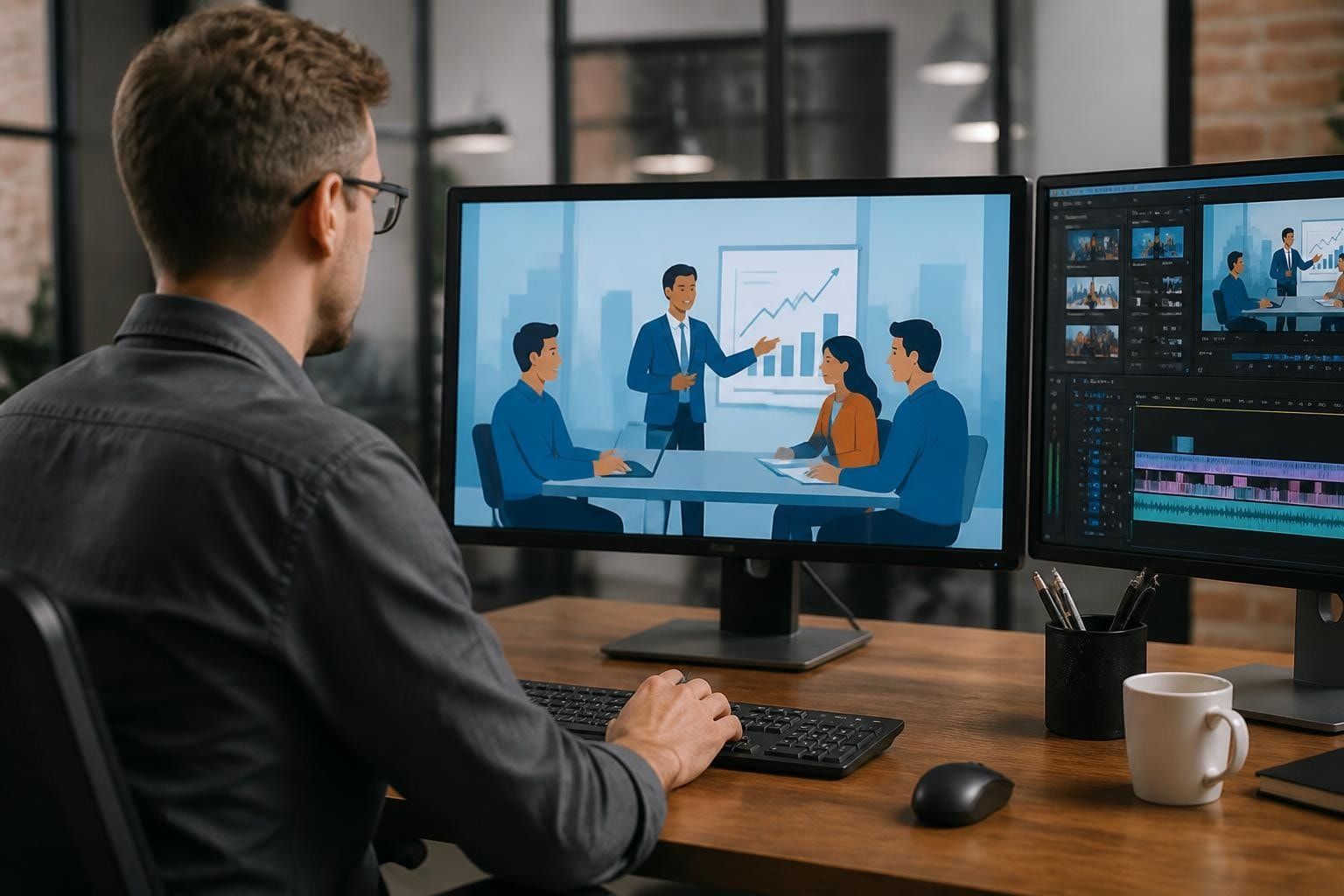

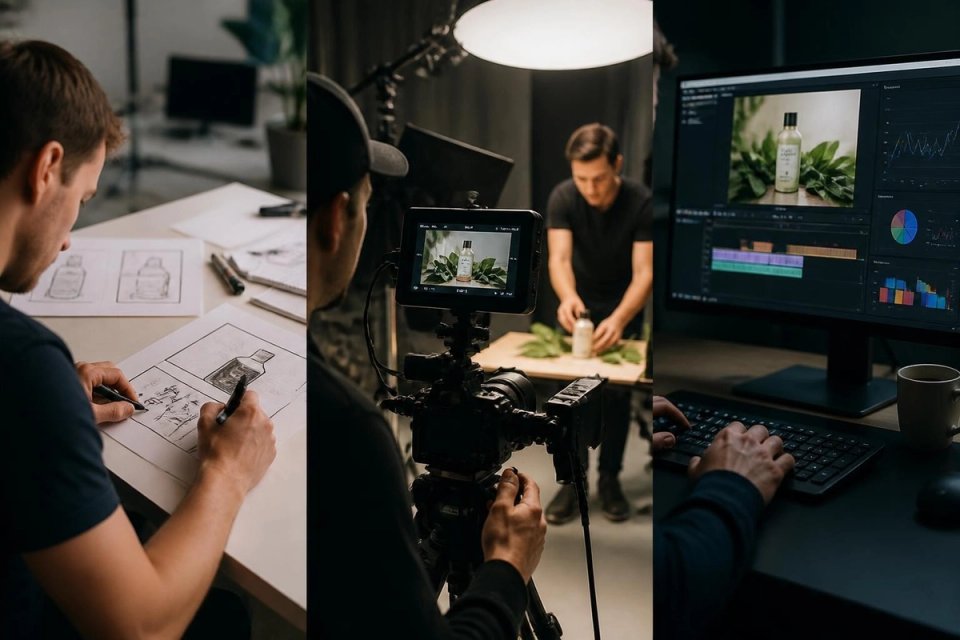
Product videos have become essential tools for brands looking to showcase their offerings in compelling, digestible formats. Whether you're launching a new item, building an e-commerce presence, or strengthening your brand identity, knowing how to make a product video effectively can transform your marketing strategy. Choose the product question the video needs to answer and the action you want viewers to take.
Understanding Your Product Video Objectives
Before picking up a camera, you need clarity on what your video should accomplish. Different objectives require different approaches, and this foundational decision shapes every subsequent choice in production.
Defining Success Metrics
Product videos serve multiple purposes across the customer journey. Some videos drive awareness by introducing innovations to cold audiences, while others nurture consideration by demonstrating features in action. Conversion-focused videos address objections and create urgency at the purchase decision point.
Key performance indicators to track:
- View-through rates and engagement duration
- Click-through rates to product pages
- Conversion rates and revenue attribution
- Social shares and comment sentiment
- Return on ad spend for promoted videos
Your measurement framework should align with placement strategy. A 15-second Instagram Reel demands different success criteria than a comprehensive YouTube tutorial. When you create video for business applications, matching format to platform maximizes impact.
Identifying Your Target Audience
Understanding who watches determines how you communicate. B2B audiences expect different information density and pacing than B2C consumers. Technical buyers want specifications and integration details, while retail customers respond to lifestyle positioning and emotional resonance.
Demographic research reveals viewing preferences that inform creative decisions. Younger audiences tolerate faster cuts and trendy aesthetics, while mature demographics prefer clarity and straightforward presentations. Geographic considerations matter too-Toronto audiences may respond differently to cultural references than viewers in other markets.

Pre-Production Planning Essentials
The planning phase determines whether your final product achieves its goals or falls flat. Skipping pre-production almost guarantees budget overruns and disappointing results.
Scriptwriting and Storyboarding
Professional scripts follow proven structures that maintain viewer attention. MotionCue outlines best practices for creating product demo videos, emphasizing the importance of clear scripting that balances information delivery with entertainment value.
Start by showing the product question or task clearly, then test whether viewers continue watching. Address the viewer's problem or desire immediately, then position your product as the solution. Structure your narrative arc to build interest progressively rather than frontloading all features.
| Script Section | Duration | Purpose |
|---|---|---|
| Hook | 0-5 seconds | Capture attention, establish relevance |
| Problem | 5-15 seconds | Articulate viewer pain point |
| Solution | 15-45 seconds | Demonstrate product solving problem |
| Benefits | 45-75 seconds | Highlight key features and advantages |
| Call-to-Action | 75-90 seconds | Direct next steps, create urgency |
Storyboards transform scripts into visual blueprints. Even rough sketches help teams align on shot composition, camera movement, and transitions before expensive production days begin. This visualization process often reveals logical gaps or pacing issues that scripts alone miss.
Equipment and Location Selection
Production quality directly impacts perceived product value. When you make a product video with professional equipment, the visual polish signals brand credibility. However, equipment choices should match distribution platforms-overproducing for mobile-first content wastes resources.
Essential equipment considerations:
- Camera selection: Mirrorless cameras offer cinema-quality footage in compact packages, while smartphones suffice for authentic social content
- Lighting kits: Three-point lighting setups create dimensional, professional looks that flatter products
- Audio equipment: Lavalier mics for talent and directional mics for ambient sound ensure clear communication
- Stabilization: Gimbals and sliders add production value through smooth, cinematic movement
Location scouting prevents unpleasant surprises during production. Evaluate natural light patterns throughout the day, assess ambient noise levels, and ensure adequate power access. Studio environments offer control, while real-world settings provide authenticity-choose based on messaging strategy.
Production Techniques That Showcase Products
The filming phase brings planning to life. Execution quality separates amateur content from videos that drive measurable business results.
Lighting Strategies for Product Videos
Proper lighting reveals product details while creating mood and dimension. ReelMind provides essential tips for shooting high-quality product videos, including specific lighting setups that enhance various product categories.
Soft, diffused lighting works beautifully for beauty products, apparel, and food items where you want to minimize harsh shadows. Hard lighting creates drama and emphasizes texture, making it ideal for industrial products, electronics, and architectural elements.
Consider color temperature carefully. Daylight-balanced lighting (5600K) appears neutral and clean, while warmer temperatures (3200K) create inviting, comfortable atmospheres. Consistency matters-mixed color temperatures create unnatural looks that distract from products.
Camera Angles and Movement
Strategic camera placement tells visual stories that static shots cannot. Comprehensive guides on how to create product videos detail shooting techniques that showcase products from compelling perspectives.
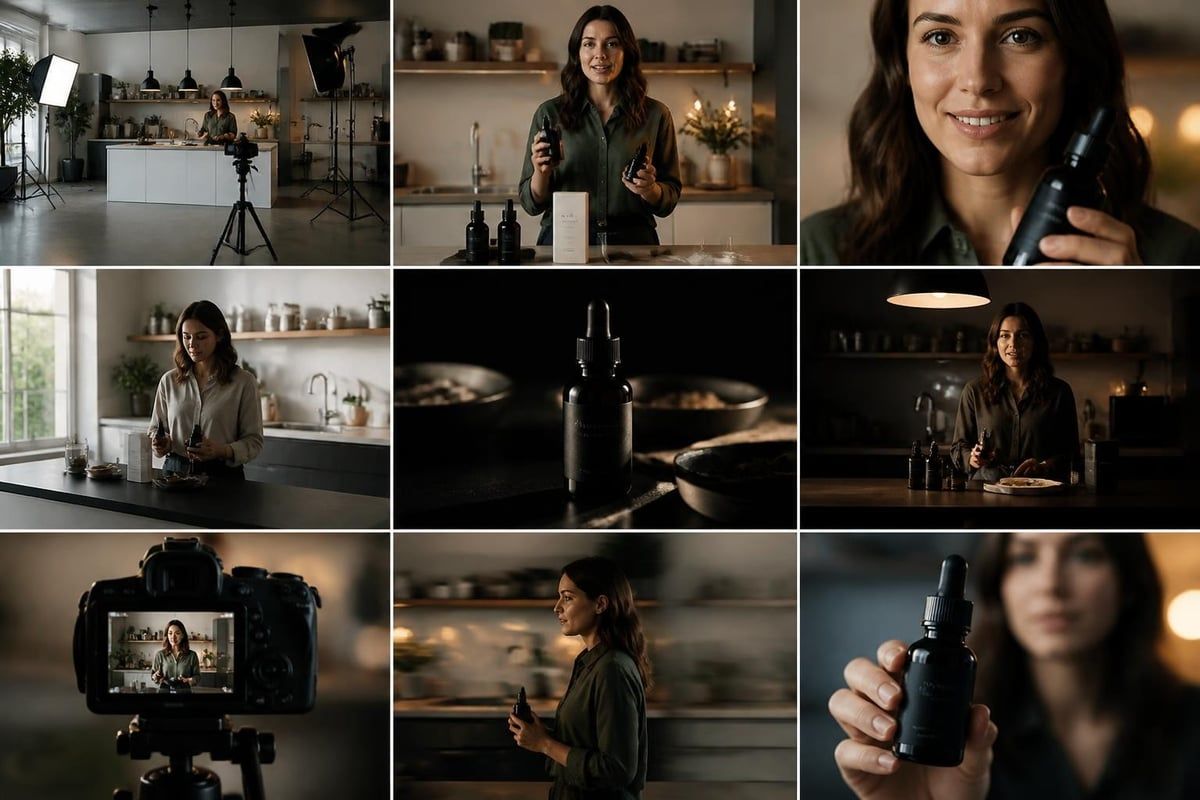
Wide establishing shots provide context, showing products in typical use environments. Medium shots focus attention on the product while including enough surroundings to maintain orientation. Close-ups reveal craftsmanship, materials, and details that justify premium pricing.
Movement adds energy and guides viewer attention. Slow push-ins create intimacy and emphasis, while pull-backs reveal surprising scale or context. Lateral tracking shots showcase products from multiple angles in single, flowing takes that feel dynamic without being distracting.
When planning commercial video production work, varied shot selection maintains engagement across longer formats while quick cuts between angles sustain energy in short-form content.
Post-Production Excellence
Editing transforms raw footage into polished, persuasive content. This phase offers opportunities to enhance messaging, correct issues, and optimize for specific platforms.
Editing Workflow and Pacing
Professional editing follows non-linear workflows that allow experimentation and refinement. Begin with rough cuts that establish narrative structure and pacing, then refine with precision cuts that remove dead air and tighten transitions.
Pacing determines viewer retention. E-commerce product videos benefit from brisk pacing that respects viewer time, typically covering key points within 60-90 seconds. Volusion's best practices for creating compelling e-commerce product videos emphasize brevity while ensuring comprehensive product coverage.
Editing timeline phases:
- Assembly edit: Organize footage chronologically, identify best takes
- Rough cut: Build narrative structure, establish pacing rhythm
- Fine cut: Refine transitions, synchronize audio, adjust timing
- Picture lock: Finalize visual edits before color and sound work
- Final delivery: Export optimized versions for each distribution channel
Color grading establishes mood and ensures visual consistency across shots filmed under varying conditions. Subtle corrections enhance product colors to match real-world appearance, while creative grades reinforce brand identity through distinctive looks.
Sound Design and Music Selection
Audio quality dramatically impacts perceived professionalism. Viewers forgive minor visual imperfections far more readily than poor audio, making sound design critical when you make a product video.
Dialogue and voiceover require clean, intelligible recording free from background noise and frequency imbalances. Professional voiceover talent brings personality and credibility, though authentic founder voices can strengthen brand connection for certain audiences.
Music establishes emotional tone and maintains energy. Upbeat tracks suggest innovation and excitement, while minimalist scores communicate sophistication and focus. Ensure proper licensing for all music-platforms increasingly detect and penalize copyright violations.
| Audio Element | Function | Best Practices |
|---|---|---|
| Voiceover | Information delivery | Clear diction, appropriate pacing, brand-aligned tone |
| Music | Emotional tone | Licensed tracks, mix below dialogue, genre-appropriate |
| Sound Effects | Emphasis and realism | Subtle enhancement, synchronized to action |
| Ambient Sound | Authenticity | Natural room tone, environmental context |
Optimization for Different Platforms
Distribution platforms have unique technical specifications and audience expectations. Optimizing content for each channel maximizes reach and engagement.
Technical Specifications by Platform
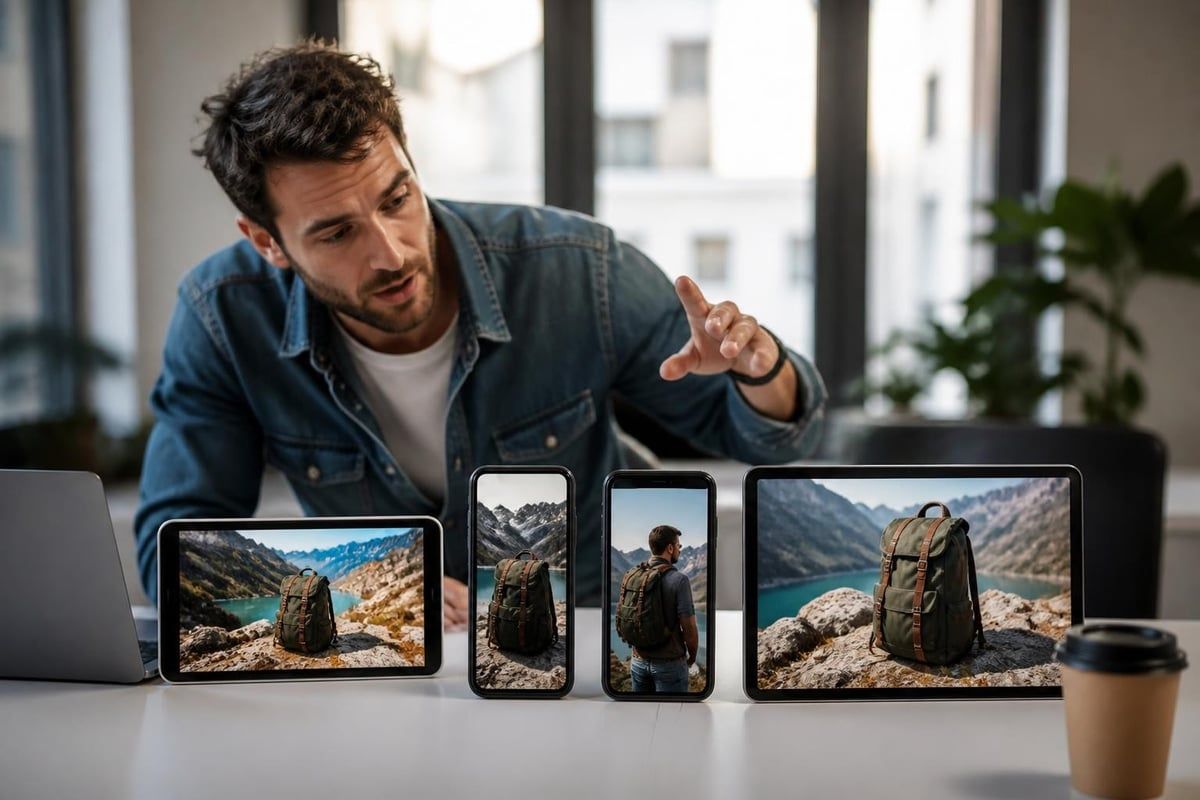
When you make a product video for multiple platforms, creating channel-specific versions outperforms a one-size-fits-all approach. Aspect ratios, duration limits, and file size restrictions vary significantly.
Confirm the exact placement before choosing an aspect ratio or duration. A platform can offer several video placements with different requirements. Record the current export specifications, captions and safe areas for each version.
Swarmify discusses product video best practices focusing on technical optimization that enhances conversions without compromising page performance-crucial considerations for e-commerce implementations.
Use a version matrix to record those delivery requirements and who will check each upload. Test the exported file in the intended placement before release.
Platform-Specific Content Strategies
Beyond technical specs, each platform cultivates distinct audience expectations. YouTube viewers tolerate longer formats and seek comprehensive information. Instagram users expect polished aesthetics and quick entertainment. LinkedIn audiences value professional insights and business applications.
Adapt messaging to match platform context. Behind-the-scenes content performs well on Instagram Stories, building authenticity and connection. Feature demonstrations thrive on YouTube where viewers actively seek solutions. Quick benefit highlights work on TikTok where discovery drives viewing.
Consider adding captions and text overlays-most social videos play initially without sound. Visual text ensures key messages land even when audio doesn't play. This accessibility consideration also serves hearing-impaired audiences and improves SEO through closed caption indexing.
Measuring Performance and Iterating
Data-driven optimization separates effective product videos from vanity projects. Systematic measurement reveals what resonates and guides continuous improvement.
Analytics That Matter
Vanity metrics like view counts provide limited insight without context. Focus instead on engagement depth, conversion correlation, and revenue attribution. Watch time percentages reveal where viewers disengage, highlighting opportunities to strengthen weak sections.
Platform analytics tools offer varying sophistication. YouTube Studio provides detailed audience retention graphs showing second-by-second drop-off. Instagram Insights tracks saves and shares-stronger engagement indicators than likes. Google Analytics connects video interactions to website behavior and conversions when properly configured.
A/B testing different video versions isolates performance variables. Test alternative hooks, calls-to-action, and durations to identify optimization opportunities. Even thumbnail variations significantly impact click-through rates on platforms like YouTube.
Continuous Improvement Strategies
Successful brands treat video content as living assets requiring ongoing refinement. Seasonal updates keep content fresh and relevant. Performance data from initial releases informs subsequent productions, creating virtuous cycles of improvement.
Audience feedback through comments and messages provides qualitative insights that complement quantitative analytics. Common questions reveal content gaps that follow-up videos can address. Enthusiastic responses to specific features guide emphasis in future productions.
When working with professional teams for corporate video production, establishing ongoing relationships enables faster iterations and better results as teams develop deeper product and brand knowledge.
Budget Considerations and ROI
Product video investments span wide ranges, from DIY smartphone content to high-end commercial productions. Understanding cost drivers and expected returns helps allocate resources effectively.
Production Cost Variables
Budget from the brief: the product preparation, shoot, crew, talent, locations, edit and delivery versions. Use the quote-comparison guide to check inclusions and exclusions against the same scope.
Major cost components:
- Creative development and scripting
- Production crew and equipment
- Talent and voice-over
- Post-production and editing
- Music licensing and sound design
DIY approaches reduce upfront costs but require significant time investments and often produce lower-quality results. The planning and scripting considerations outlined by Motion The Agency apply regardless of budget level, though execution quality varies with resources.
Calculating Return on Investment
To test whether adding a product video affects purchases, define the conversion, comparison and reporting period before launch. Record other changes to the page, offer and audience that could explain a difference.
If support enquiries or returns are part of the objective, record a baseline and examine the reasons behind any change. Do not infer a business result or a search-ranking improvement from video views alone.
Use the post-launch ROI evidence checklist to agree the financial benefit, costs and comparison with Finance. Revenue is not profit, and attributed sales alone do not show what the video caused. Include production, promotion and other relevant costs before reporting a return.
Working with Professional Production Companies
While some businesses successfully produce videos in-house, professional partnerships often deliver superior results with less organizational stress. Understanding how to evaluate and collaborate with video production companies maximizes these investments.
Selecting the Right Production Partner
Experience in your specific industry or product category provides valuable shortcuts. Companies familiar with your sector understand customer psychology, competitive positioning, and technical requirements without extensive onboarding.
Review portfolios critically, looking beyond aesthetic appeal to strategic effectiveness. Do their videos clearly communicate value propositions? Does the pacing maintain engagement? Are calls-to-action compelling and clear?
Questions to ask before hiring a video production company help vet potential partners thoroughly. Discuss their creative process, timeline expectations, revision policies, and deliverable specifications upfront to prevent misunderstandings.
Maximizing Production Partnerships
Clear briefs accelerate production and improve results. Document objectives, target audiences, key messages, brand guidelines, and competitive context before kickoff. Share existing marketing materials, customer research, and performance data that inform creative decisions.
Collaborative partnerships yield better results than transactional relationships. When you make a product video with teams who understand your broader business goals, they contribute strategic insights beyond technical execution. Regular communication throughout production prevents surprises and enables course corrections before issues become costly.
Establish ownership and usage rights clearly in contracts. Ensure you retain necessary rights for multi-platform distribution, future edits, and promotional use. Clarify what deliverables you'll receive-raw footage, project files, or only final rendered videos-as these impact flexibility for future updates.
Advanced Techniques for Product Videos
Once you master fundamentals, advanced techniques differentiate your content and create memorable brand experiences that command premium positioning.
Animation and Motion Graphics
Animated elements explain complex features, highlight invisible benefits, and add visual interest to physical products. Motion graphics direct attention to specific features, annotate demonstrations with callouts and labels, and visualize abstract concepts like software functionality or scientific processes.
Full animation works particularly well for products that are difficult to film effectively-software interfaces, microscopic components, or items still in development. Animation video production combines creative flexibility with technical precision, enabling impossible camera angles and idealized product representations.
Hybrid approaches blend live-action footage with animated overlays, combining authenticity with explanatory power. This technique works beautifully when you make a product video showcasing physical items with digital components or invisible features like wireless connectivity.
Interactive Video Elements
Interactive features transform passive viewing into engaging experiences. Clickable hotspots allow viewers to explore products at their own pace, branching narratives adapt content based on viewer choices, and embedded purchase links reduce friction between interest and transaction.
Shoppable videos integrate e-commerce functionality directly into content, enabling purchases without leaving the video player. This seamless experience significantly improves conversion rates for impulse purchases and limited-time offers.
360-degree videos and virtual reality experiences create immersive product exploration, particularly valuable for real estate, automotive, and large product categories where spatial understanding drives purchase confidence.
Content Series and Sequencing
Single videos rarely tell complete product stories. Strategic content series build comprehensive narratives while providing multiple touchpoints across the customer journey.
Building Video Funnels
Awareness-stage videos introduce problems and position your product category as the solution without heavy selling. These educational pieces build trust and authority. Consideration-stage content directly showcases your specific product, highlighting differentiators and addressing comparison questions.
Decision-stage videos overcome final objections with social proof, detailed specifications, and limited-time incentives. Post-purchase videos ensure successful product adoption through tutorials, care instructions, and accessory recommendations that build loyalty and repeat purchases.
This sequential approach matches content sophistication to viewer readiness. Creating video content for business applications requires mapping content to customer journey stages rather than creating isolated pieces.
Maintaining Content Consistency
Visual consistency across video series reinforces brand recognition and professional polish. Establish templates for intros, outros, lower thirds, and transitions that create cohesive branded experiences.
Tonal consistency matters equally-whether educational, entertaining, or inspirational, maintain consistent personality throughout your video library. This coherence builds brand affinity as audiences develop comfort with your communication style.
Regular publication schedules train audiences to anticipate new content. Weekly or monthly release rhythms build habitual viewing and strengthen customer relationships beyond individual transactions.
Creating effective product videos requires strategic planning, technical skill, and deep understanding of how visual storytelling drives business results. From initial concept through final optimization, each production phase presents opportunities to strengthen messaging and maximize return on investment. Whether you choose to build in-house capabilities or partner with experienced professionals, the principles outlined above provide frameworks for creating content that converts viewers into customers. Viva Media specializes in engineering product videos that deliver measurable business results for forward-thinking Toronto brands, combining creative excellence with performance-focused production that generates real ROI.