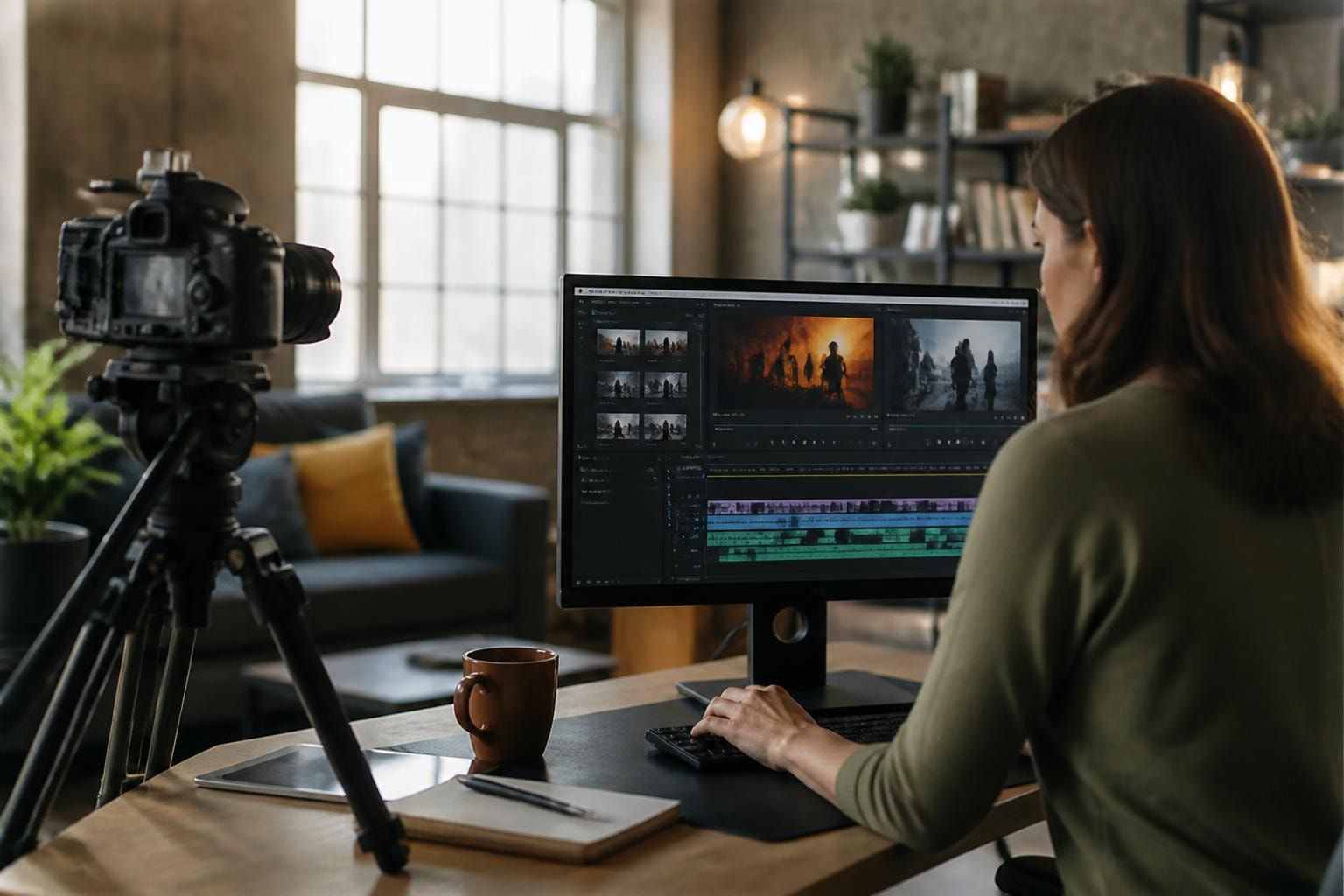


A company advertisement video represents one of the most powerful marketing tools available to businesses in 2026, combining visual storytelling with strategic messaging to capture audience attention and drive measurable results. Whether you're launching a new product, building brand awareness, or targeting specific customer segments, video advertising delivers engagement rates that static content simply cannot match. The investment in professional video production pays dividends when executed with clear objectives, compelling creative direction, and distribution strategies tailored to your target market.
Strategic Planning for Advertisement Videos
Before production begins, successful companies establish clear objectives that guide every creative decision. A well-defined strategy separates effective advertisement videos from forgettable content that fails to connect with viewers or generate return on investment.
Defining Your Core Message
Every company advertisement video should communicate one primary message that resonates with your target audience. Attempting to cover multiple concepts in a single video dilutes impact and confuses viewers about the intended action they should take.
Start by identifying the single most important thing you want viewers to understand or feel after watching. This core message becomes the foundation for scripting, visual design, and call-to-action elements. For product launches, focus on the transformative benefit rather than listing features. For brand awareness campaigns, emphasize the values and experiences that differentiate your company from competitors.
Key considerations when defining your message:
- What problem does your product or service solve?
- Why should viewers choose your company over alternatives?
- What emotional response will drive action?
- How does this message align with broader marketing initiatives?
Audience Research and Segmentation
Understanding who will watch your company advertisement video determines everything from tone and pacing to platform selection and media buying strategies. Detailed audience research reveals preferences, pain points, and consumption habits that inform creative decisions.
Demographic data provides the starting point, but psychographic insights reveal the motivations that drive purchasing decisions. Companies achieving the highest ROI from video advertising invest time understanding their audience's daily routines, media consumption patterns, and the specific moments when they're most receptive to marketing messages.

Create detailed viewer personas that include age ranges, geographic locations, income levels, professional roles, interests, challenges, and preferred content formats. This documentation ensures everyone involved in production maintains focus on the intended audience rather than creating content that appeals primarily to internal stakeholders.
Production Elements That Drive Performance
The technical and creative execution of your company advertisement video directly impacts viewer engagement and conversion rates. Professional production values signal credibility while amateur execution undermines even the strongest messaging.
Scripting for Maximum Impact
Use the script to work through the message, pacing and planned visuals before production. Read it aloud, check that each point has a clear purpose and identify the shots needed to support it.
Opening seconds determine whether viewers continue watching or scroll past your content. Start with a hook that immediately addresses viewer needs or curiosity rather than company background or broad context. The most effective advertisement videos present the problem or opportunity within the first three seconds.
| Script Element | Recommended Approach | Common Mistake |
|---|---|---|
| Opening Hook | Lead with problem or benefit | Starting with company history |
| Main Message | Focus on one core idea | Covering multiple concepts |
| Pacing | Match platform expectations | One-size-fits-all timing |
| Call-to-Action | Clear, specific next step | Vague or missing CTA |
Structure your script with viewer attention spans in mind. For social media platforms, deliver complete value within 15-30 seconds. For commercial video production intended for television or pre-roll advertising, you have slightly more flexibility but should still front-load the most compelling content.
Visual Storytelling Techniques
The visual components of your company advertisement video communicate as much as the spoken or written words. Strategic use of imagery, motion, color, and composition creates emotional resonance that text alone cannot achieve.
Show rather than tell whenever possible. If your product saves time, demonstrate the frustration of the old way followed by the ease of your solution. If your service provides peace of mind, show the visual contrast between stress and relief through facial expressions, body language, and environment.
Essential visual storytelling principles:
- Consistency with brand identity through color palettes, typography, and design elements
- Dynamic composition that guides viewer attention to important details
- Authentic representation of your target audience in casting and scenarios
- Strategic pacing that matches emotional beats to visual transitions
- Professional lighting and cinematography that elevates production value
Consider how different platforms display video content when planning shots. Vertical formats dominate mobile social platforms while horizontal remains standard for desktop viewing and television. Creating content optimized for each platform maximizes engagement by meeting viewers where they consume content.
Audio Design and Music Selection
Sound design differentiates professional company advertisement videos from amateur productions. Strategic use of music, sound effects, and voice-over creates emotional depth and reinforces messaging through auditory cues.
Music selection should align with brand personality and target audience preferences. Fast-paced, energetic tracks work well for youth-oriented products while understated instrumental pieces suit professional services targeting executive decision-makers. Licensed music from reputable libraries ensures legal compliance while providing production quality that elevates the overall viewing experience.
Voice-over talent brings scripts to life with appropriate tone, pacing, and emphasis. The right voice becomes associated with your brand, building recognition across multiple campaigns. Consider whether your message benefits from conversational delivery, authoritative narration, or character-driven performance when selecting talent.
Distribution Strategies That Maximize Reach
Creating an outstanding company advertisement video represents only half the equation. Strategic distribution ensures your content reaches the right audiences at the right moments with frequency sufficient to drive results.
Platform-Specific Optimization
Each advertising platform has unique technical specifications, audience behaviors, and engagement patterns that require tailored approaches. What performs exceptionally on LinkedIn may fail on TikTok and vice versa.
Platform considerations for 2026:
- YouTube: Longer formats (60-90 seconds) perform well with detailed storytelling
- Facebook/Instagram: First three seconds critical; optimize for silent viewing with captions
- LinkedIn: Professional tone; focus on business value and industry expertise
- TikTok: Authentic, trend-aligned content; less polished aesthetics acceptable
- Television: Traditional commercial formats; regional targeting available
Social media video production requires understanding the algorithms that determine content visibility. Platforms prioritize videos that generate immediate engagement through likes, comments, and shares. Craft content that encourages interaction rather than passive viewing.
Upload native video files directly to each platform rather than sharing links to external hosting. Native uploads receive preferential treatment in algorithmic distribution compared to linked content from other sources.
Paid Media Integration
Organic reach continues declining across social platforms, making paid media essential for most company advertisement video campaigns. Strategic media buying ensures your content reaches target audiences with efficiency and scale.
Define your campaign objectives before setting budgets and selecting placement options. Awareness campaigns prioritize impressions and reach while conversion-focused campaigns optimize for specific actions like website visits, form completions, or purchases.
| Campaign Objective | Primary Metric | Recommended Platforms | Budget Approach |
|---|---|---|---|
| Brand Awareness | Impressions, Reach | YouTube, Facebook, TV | CPM (cost per thousand) |
| Consideration | Views, Engagement | Instagram, LinkedIn | CPV (cost per view) |
| Conversion | Clicks, Actions | Google Ads, Facebook | CPA (cost per action) |
| Retargeting | Conversion Rate | Multi-platform | ROAS (return on ad spend) |

Test multiple versions of your company advertisement video with different hooks, lengths, and calls-to-action. A/B testing reveals which variations resonate most effectively with specific audience segments, allowing you to optimize media spend toward highest-performing content.
Measurement and Optimization
Tracking performance metrics provides the insights necessary to refine campaigns and improve return on investment. Establish baseline benchmarks before launch and monitor performance against these standards throughout the campaign.
Essential metrics to track:
- View rate: Percentage of impressions resulting in video plays
- Completion rate: Viewers who watch to the end
- Engagement rate: Likes, comments, shares per view
- Click-through rate: Viewers who take the intended action
- Cost per result: Investment required to achieve campaign objectives
- Return on ad spend: Revenue generated relative to campaign costs
Modern analytics platforms provide granular data about viewer behavior, revealing exactly when audiences lose interest or what prompts them to skip. Use these insights to refine future productions, addressing weak points in pacing, messaging, or visual execution.
Production Best Practices for 2026
The company advertisement video landscape evolves rapidly as technology advances and viewer expectations shift. Staying current with production trends and technical capabilities ensures your content remains competitive and effective.
Embracing Authenticity Over Polish
While professional production values remain important, audiences increasingly respond to authentic, relatable content over perfectly staged scenarios. The most successful corporate video production in 2026 balances technical excellence with genuine human connection.
Feature real customers sharing actual experiences rather than actors delivering scripted testimonials. Show behind-the-scenes footage of your team and processes to build trust and transparency. Audiences connect with imperfection that feels honest more than flawless presentations that feel manufactured.
This doesn't mean abandoning production standards. Lighting, audio quality, and editing remain critical. The shift involves content approach rather than technical execution, prioritizing relatability alongside professional presentation.
Mobile-First Design Philosophy
With the majority of video consumption happening on mobile devices, designing for smaller screens determines success or failure. Text must be large enough to read on phones, important visual elements should occupy central frame positions, and pacing should accommodate distracted viewing environments.
Vertical and square formats outperform horizontal on mobile platforms. While this contradicts traditional video production conventions, adapting to viewer preferences generates better results than forcing audience behavior to match legacy formats.
Test your company advertisement video on actual mobile devices before finalizing production. What appears clear on a desktop monitor may become illegible or visually cluttered on a smartphone screen.
Sustainable Production Approaches
Forward-thinking companies recognize the environmental impact of video production and seek sustainable alternatives without compromising quality. Efficient production planning reduces waste while demonstrating corporate values that resonate with environmentally conscious consumers.
Sustainable production practices:
- Digital distribution eliminates physical media waste
- Efficient shoot scheduling minimizes travel and energy consumption
- LED lighting reduces power requirements compared to traditional equipment
- Modular content creation allows repurposing footage across multiple campaigns
- Remote collaboration tools reduce transportation needs
Creating multiple video variations from single shoot days maximizes production efficiency. Plan scripts and shot lists that allow capturing content for several campaigns during one production session rather than organizing separate shoots for each video.
Working With Professional Production Teams
Partnering with experienced video production companies accelerates results and ensures technical execution meets professional standards. Understanding how to collaborate effectively with production teams streamlines the process and produces superior outcomes.
Selecting the Right Production Partner
Not all video production companies specialize in advertisement creation. Look for partners with demonstrated expertise in commercial work and proven track records generating measurable business results rather than just visually appealing content.
Review portfolios specifically for company advertisement video examples similar to your needs. A production company excelling at corporate training videos may lack the creative approach required for consumer-facing advertising. Case studies showing actual campaign performance provide more valuable insights than awards or creative recognition alone.
Ask potential partners about their strategic approach to video advertising. The best production companies function as strategic partners who challenge assumptions and recommend approaches based on data rather than simply executing your vision without input.
Budget Considerations and ROI
Company advertisement video production costs vary dramatically based on complexity, length, and production requirements. Understanding video pricing helps establish realistic budgets that balance quality with financial constraints.
Typical cost factors include:
- Pre-production planning and scriptwriting
- On-location filming versus studio production
- Talent fees for actors or voice-over artists
- Equipment and crew requirements
- Post-production editing and effects
- Music licensing and sound design
- Revisions and approval cycles
Rather than focusing solely on production costs, evaluate potential return on investment. A $15,000 video generating $200,000 in new business delivers exceptional value while a $3,000 video producing zero results wastes resources regardless of lower price point.
Request detailed proposals that break down costs by category, allowing you to understand exactly where budget goes and make informed decisions about which elements justify investment versus where economies make sense.
Timeline Expectations
Professional company advertisement video production requires adequate time for planning, production, and post-production phases. Rushing any stage compromises quality and limits the strategic thinking that separates effective advertising from forgettable content.
| Production Phase | Typical Timeline | Key Activities |
|---|---|---|
| Pre-production | 2-4 weeks | Strategy, scripting, storyboarding, casting |
| Production | 1-3 days | Filming, directing, capturing footage |
| Post-production | 2-3 weeks | Editing, color grading, sound design, revisions |
| Delivery | 1 week | Final approvals, formatting, distribution prep |
Build buffer time into your schedule for unexpected delays or additional revision rounds. Successful video promotion requires coordination with broader marketing campaigns, making timeline predictability essential for launch coordination.
Emerging Trends Shaping Advertisement Video
Staying ahead of industry evolution positions your company advertisement video content for maximum impact. Several significant trends are reshaping how businesses approach video advertising in 2026.
Interactive and Shoppable Video
Technology now enables viewers to interact directly with video content, clicking on products to view details or complete purchases without leaving the viewing experience. Interactive elements transform passive viewing into active engagement, reducing friction in the customer journey.
Shoppable video advertisements allow viewers to purchase featured products instantly through integrated commerce functionality. This seamless connection between inspiration and transaction significantly improves conversion rates compared to traditional advertising that requires multiple steps before purchase.
Consider how interactive elements might enhance your company advertisement video strategy. Product demonstrations become more compelling when viewers can access detailed specifications or pricing information through clickable hotspots embedded in the video itself.
Personalization at Scale
Advanced targeting capabilities allow delivering customized versions of company advertisement videos to different audience segments. A single campaign can feature multiple variations addressing specific demographics, interests, or behaviors without producing entirely separate videos.
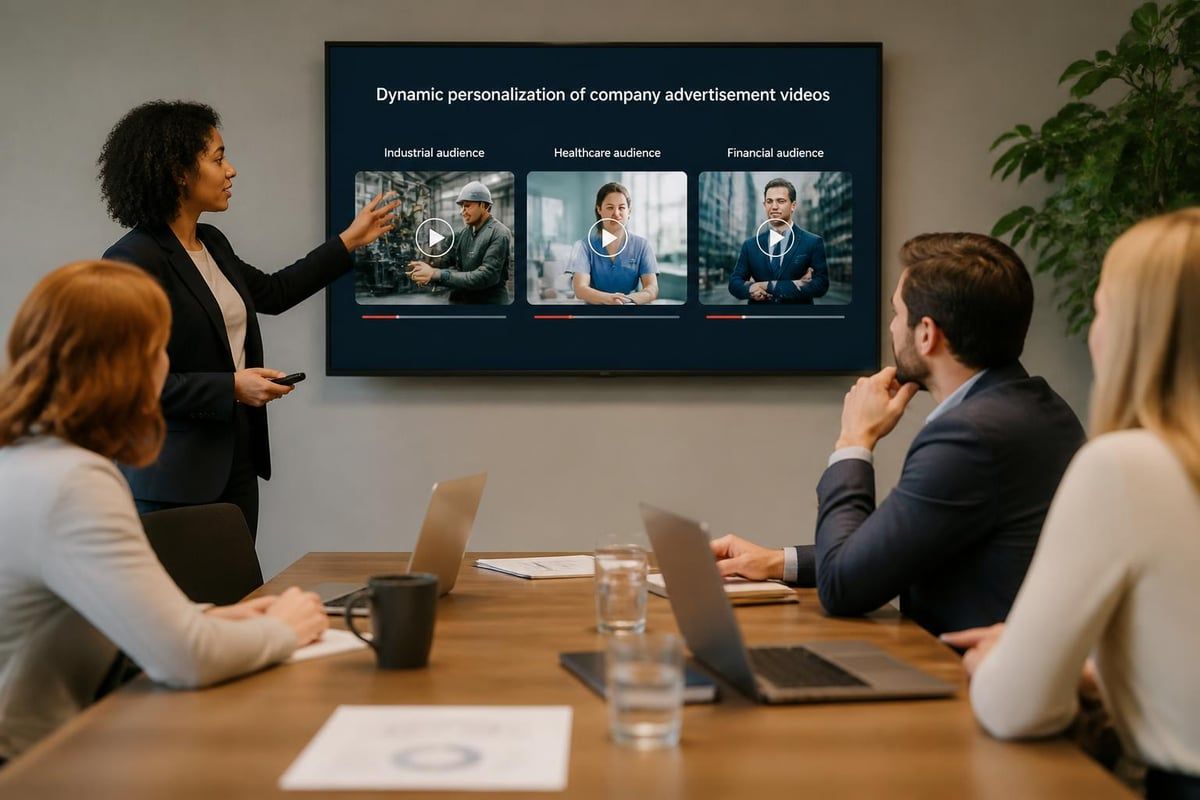
Dynamic creative optimization automatically tests different combinations of video elements, identifying which variations perform best with each audience segment. This data-driven approach continuously improves campaign performance throughout the run.
Personalization extends beyond just changing calls-to-action. Advanced productions film multiple scenarios, allowing the platform to serve versions featuring demographics matching the viewer or examples relevant to their industry.
Short-Form Dominance
While longer-form content maintains importance for certain objectives, short-form video continues gaining influence across all platforms. The success of TikTok and Instagram Reels demonstrates audience appetite for quick, engaging content that delivers value in under 30 seconds.
Effective short-form company advertisement videos require ruthless editing and focus. Every frame must contribute to the core message with no extraneous content. This constraint forces creative thinking that often produces more memorable content than traditional longer formats allow.
Don't abandon longer content entirely, but recognize that multiple short videos often outperform single longer productions in terms of total reach and engagement. Viral video elements increasingly influence even traditional commercial production.
Legal and Compliance Considerations
Professional company advertisement video production requires attention to legal requirements that protect both your business and the individuals appearing in your content. Neglecting these considerations creates liability that can undermine campaign success.
Rights and Permissions
Secure written releases from anyone appearing in your video, whether paid talent or employees volunteering for the project. These releases grant permission to use their likeness in advertising and specify any limitations on usage.
Music licensing represents another critical legal consideration. Never use copyrighted music without proper licensing agreements. Avoiding copyright infringement protects against costly legal disputes and platform takedowns that interrupt campaign performance.
Location permissions matter when filming on private property or recognizable businesses. Secure written permission from property owners before filming, clearly communicating how the footage will be used in advertising.
Advertising Standards and Disclosures
Truth in advertising regulations require that claims made in company advertisement videos be substantiated with evidence. Avoid exaggerated or unverifiable statements that could trigger regulatory scrutiny or consumer complaints.
Sponsored content and influencer partnerships require clear disclosure when third parties receive compensation for featuring your products or services. Federal Trade Commission guidelines mandate transparent disclosure of material relationships between brands and endorsers.
Industry-specific regulations may impose additional requirements. Financial services, healthcare, and children's products face particularly stringent advertising standards that govern everything from claim substantiation to mandatory disclosures.
Mastering company advertisement video production requires balancing creative excellence with strategic planning, technical proficiency, and data-driven optimization. The most successful campaigns integrate compelling storytelling with clear business objectives, professional production values with authentic human connection, and broad distribution reach with precise audience targeting. When you're ready to create advertisement videos that deliver measurable business results, Viva Media brings the strategic expertise and production excellence that transforms creative concepts into high-performance video content engineered for the Greater Toronto Area market and beyond.