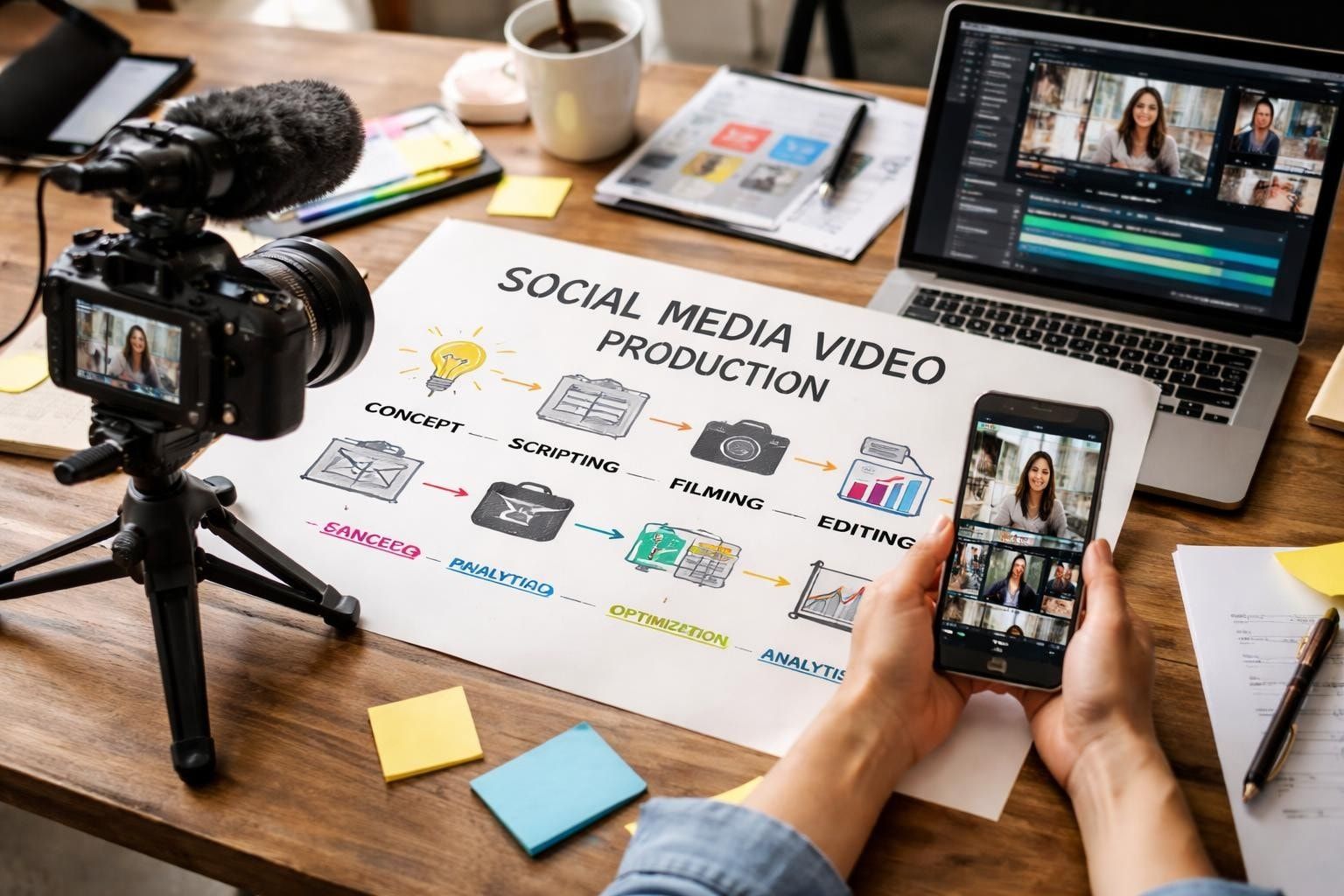


The digital landscape in 2026 demands more than just video content. Brands now require strategic partners who understand the intricate relationship between visual storytelling and measurable business outcomes. A social media video agency serves as this critical bridge, transforming marketing objectives into engagement metrics, conversions, and revenue. With social video platforms now accounting for 20% of all TV viewing time, businesses across the Greater Toronto Area and beyond are recognizing that professional video expertise isn't optional anymore. It's the competitive advantage that separates market leaders from those struggling to capture attention in an increasingly crowded digital space.
The Evolution of Video-First Marketing Strategies
Social media platforms have fundamentally restructured how audiences consume content. The algorithms prioritizing video across Instagram, TikTok, LinkedIn, and Facebook have created an ecosystem where brands either invest in professional video production or become invisible to their target markets.
Why Platform-Native Expertise Matters
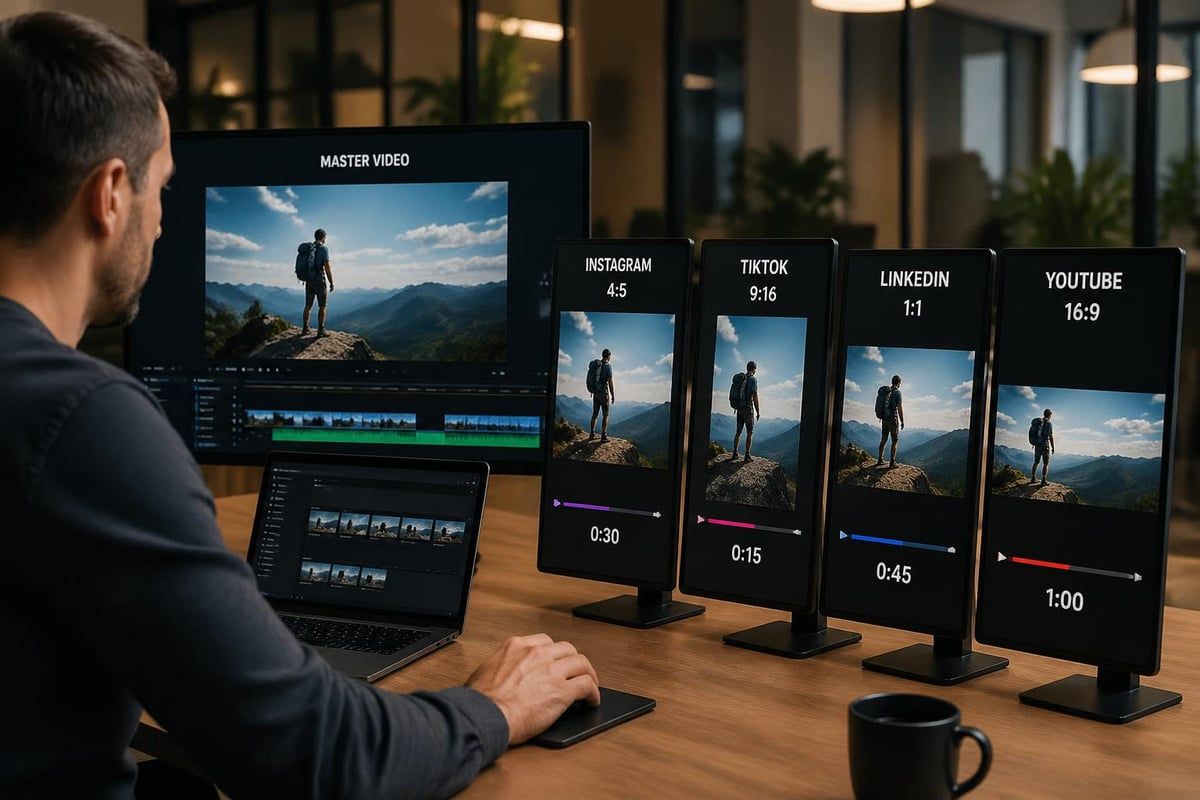
Each social platform operates with distinct technical specifications, audience behaviors, and engagement patterns. A social media video agency brings specialized knowledge that goes far beyond basic video creation. Understanding platform-specific video specifications ensures content displays correctly, loads quickly, and maximizes algorithmic distribution.
Key platform differentiators include:
- Aspect ratio requirements (vertical 9:16 for Stories, square 1:1 for feeds, horizontal 16:9 for YouTube)
- File size limitations affecting upload quality and processing speed
- Duration sweet spots that align with platform algorithms
- Caption placement zones that avoid interface elements
- Audio considerations for sound-on versus sound-off viewing
The technical precision required across platforms highlights why businesses partner with specialized agencies rather than attempting in-house production without dedicated expertise.
Data-Driven Content Creation
Professional agencies distinguish themselves through their analytical approach to content development. Rather than creating videos based on creative intuition alone, they leverage performance metrics, audience insights, and competitive analysis to inform every production decision.
Modern video strategy begins with understanding viewer behavior patterns. Statistics show that social media video consumption continues accelerating, with audiences increasingly favoring short-form content that delivers value within the first three seconds. This data shapes everything from script development to editing rhythm.
| Metric Category | Strategic Application | Business Impact |
|---|---|---|
| Watch time duration | Optimal video length determination | Higher completion rates |
| Click-through rate | CTA placement and messaging | Improved conversion paths |
| Engagement velocity | Content topic validation | Better organic reach |
| Audience retention curves | Identifying drop-off points | Enhanced storytelling structure |
Services That Define Modern Video Agencies
A comprehensive social media video agency offers integrated services that address the entire content lifecycle. This holistic approach ensures consistency, efficiency, and measurable results across all video marketing initiatives.
Strategic Planning and Concept Development
Before cameras roll, successful projects begin with strategic foundations. Agencies collaborate with clients to define objectives, identify target audiences, and establish key performance indicators that align with broader business goals. This planning phase determines creative direction, messaging frameworks, and distribution strategies that maximize ROI.
The commercial video production process involves market research, competitive analysis, and audience persona development. These inputs inform creative concepts that resonate with specific demographic segments while supporting brand positioning objectives.
Strategic deliverables typically include:
- Audience analysis reports identifying psychographic and demographic targets
- Competitive content audits revealing market gaps and opportunities
- Platform selection matrices matching content types to channel strengths
- Content calendar frameworks ensuring consistent publishing cadence
- Success metric definitions establishing clear performance benchmarks
Production Execution and Quality Control
The production phase transforms strategic concepts into polished video assets. Professional agencies maintain equipment inventories, crew relationships, and location resources that enable high-quality execution regardless of project scale or complexity.
Quality production values directly impact audience perception and engagement rates. Viewers make instant judgments about brand credibility based on video production quality, lighting consistency, audio clarity, and visual composition. These elements communicate professionalism and attention to detail that transfer to brand perception.
Toronto-based agencies offer particular advantages for local businesses seeking corporate video production services. Geographic proximity enables in-person collaboration, location scouting familiarity, and cultural understanding that enhances creative authenticity.
Post-Production and Optimization
Editing represents where good footage becomes great content. Post-production specialists craft pacing, enhance visual appeal, integrate graphics, and optimize technical specifications for platform requirements. This phase determines whether content captures attention or gets scrolled past.

Modern post-production extends beyond basic editing to include:
- Color grading that establishes visual consistency and mood
- Sound design incorporating music, effects, and audio mixing
- Motion graphics adding branded elements and information overlays
- Captioning for accessibility and sound-off viewing scenarios
- Multiple format exports optimized for specific platform requirements
The technical expertise required for professional post-production justifies agency partnerships, particularly when considering the pricing considerations involved in building comparable in-house capabilities.
Content Formats Driving Engagement in 2026
The social media video landscape continues fragmenting into specialized content formats, each serving distinct audience needs and platform strengths. Understanding these formats enables strategic content portfolio development that addresses multiple stages of the customer journey.
Short-Form Vertical Video
Vertical video dominates mobile-first platforms where audiences consume content in portrait orientation. Short-form content is moving beyond social media, creating opportunities for brands to reach audiences across expanding distribution channels.
This format excels at capturing attention quickly, delivering single-message content, and encouraging immediate action. The constraints of short duration force creative discipline that often produces more engaging content than longer formats allow.
Optimal use cases include:
- Product demonstrations showcasing single features or benefits
- Behind-the-scenes content humanizing brand personalities
- Tips and tutorials delivering quick-win value propositions
- User-generated content campaigns encouraging participation
- Teaser content driving traffic to longer-form assets
Educational and Tutorial Content
Informational content builds authority, addresses customer questions, and supports decision-making processes. Tutorial videos perform particularly well on platforms like LinkedIn and YouTube, where audiences actively seek solutions to specific challenges.
A social media video agency helps businesses identify educational content opportunities by analyzing customer service inquiries, sales objections, and search behavior patterns. These insights reveal topics where video explanations provide superior value compared to text-based content.
The best practices for creating engaging social media videos emphasize clear structure, visual demonstrations, and actionable takeaways that viewers can immediately implement.
Behind-the-Scenes and Culture Content
Authenticity drives connection in 2026's social landscape. Audiences increasingly value transparency and human connection over polished corporate messaging. Behind-the-scenes content satisfies this demand while differentiating brands through unique perspectives and personalities.
Culture videos showcase company values, team dynamics, and operational processes that build trust and emotional connections with audiences. This content type proves particularly effective for recruitment marketing, employer branding, and community building initiatives.
| Content Format | Primary Objective | Ideal Platforms | Average Production Cost |
|---|---|---|---|
| Short-form vertical | Awareness, engagement | Instagram, TikTok | Low to moderate |
| Educational tutorials | Authority, consideration | YouTube, LinkedIn | Moderate |
| Product demonstrations | Conversion, retention | All platforms | Moderate to high |
| Behind-the-scenes | Brand affinity, culture | Instagram, LinkedIn | Low to moderate |
| Customer testimonials | Trust, social proof | Website, all platforms | Moderate |
Measuring Success Beyond Vanity Metrics
Professional video agencies distinguish themselves through their commitment to meaningful measurement frameworks. While views and likes provide surface-level feedback, genuine business impact requires deeper analysis connecting video performance to revenue outcomes.
Attribution Modeling for Video Content
Understanding how video content influences customer journeys demands sophisticated tracking implementations. Attribution modeling reveals which videos contribute to conversions, even when viewers don't immediately take action after watching.
A data-driven social media video agency implements tracking pixels, UTM parameters, and conversion events that connect video exposure to downstream actions. This infrastructure enables accurate ROI calculation and informs budget allocation decisions across content types and platforms.
Critical metrics for ROI assessment:
- Cost per completed view: Efficiency measure comparing production investment to audience delivery
- Engagement rate: Interaction quality indicating content resonance beyond passive viewing
- Click-through rate: Direct response metric measuring call-to-action effectiveness
- Conversion rate: Ultimate business outcome connecting views to purchases, leads, or sign-ups
- Customer acquisition cost: Holistic measure including video production and promotion expenses
Iterative Optimization Strategies
Performance data becomes valuable only when applied to continuous improvement processes. Leading agencies establish testing frameworks that systematically refine content approaches based on empirical results rather than assumptions.
A/B testing different creative approaches, messaging variations, and format experiments reveal what resonates with specific audience segments. This iterative methodology improves performance over time while building institutional knowledge about audience preferences and platform dynamics.

If you publish videos on your own website, ask the web team to review Google's video SEO guidance on crawlable embeds, accessible thumbnails and accurate metadata. Meeting technical requirements does not guarantee indexing or traffic.
Integration with Broader Marketing Ecosystems
Video content rarely exists in isolation. The most effective social media video agency partnerships recognize how video assets support and enhance broader marketing strategies across channels, campaigns, and customer touchpoints.
Multi-Channel Content Repurposing
Maximizing video investment requires strategic repurposing that adapts core content across multiple distribution channels. A single production shoot can generate dozens of content assets when approached with multi-format planning.
Professional agencies structure production workflows to capture content variations during initial filming. This efficiency reduces per-asset costs while maintaining consistent messaging across channels. Repurposing extends content lifespan and ensures audiences encounter brand messages regardless of their preferred platforms.
Repurposing opportunities include:
- Extracting audio for podcast distribution
- Creating blog content with embedded video and transcription
- Developing presentation materials featuring video segments
- Generating social media quote graphics from key statements
- Producing email newsletter content linking to video assets
Sales Enablement and Internal Communications
Video content serves audiences beyond external marketing targets. Sales teams benefit from video assets that explain complex products, demonstrate use cases, and address common objections. Internal communications leverage video for training, announcements, and culture building.
Forward-thinking businesses recognize that social media video production capabilities support both external marketing and internal organizational needs. This dual application increases ROI while ensuring consistent messaging across all stakeholder groups.
Selection Criteria for Agency Partnerships
Choosing the right social media video agency determines campaign success and long-term marketing effectiveness. The selection process should evaluate capabilities, cultural fit, and strategic alignment beyond basic production competencies.
Portfolio Assessment and Case Studies
Agency portfolios reveal creative capabilities, production quality standards, and industry experience. Reviewing previous work helps identify stylistic approaches, technical proficiency, and whether the agency has successfully served similar business categories.
Case studies provide deeper insights into strategic thinking and measurable outcomes. Strong agencies document how they addressed client challenges, the solutions they implemented, and the business results they achieved. This transparency demonstrates accountability and results orientation.
When evaluating Toronto-based agencies, consider reviewing their work portfolio to assess quality standards and creative range across different project types and industries.
Process Transparency and Communication
Production workflows impact project efficiency, budget predictability, and final deliverable quality. Understanding an agency's process before engagement prevents misalignment and establishes clear expectations for collaboration.
Essential process elements to clarify:
- Discovery and planning methodologies
- Timeline development and milestone scheduling
- Revision policies and feedback incorporation procedures
- Asset delivery formats and usage rights
- Performance reporting frequency and metric tracking
Communication patterns during the sales process often predict collaboration quality during production. Responsive agencies that ask thoughtful questions and demonstrate understanding of business objectives typically deliver superior partnership experiences.
Technology and Innovation Adoption
The video production landscape evolves rapidly with new technologies, platforms, and creative techniques emerging constantly. Agencies that invest in innovation deliver competitive advantages through early adoption of effective new approaches.
Generative AI is transforming video ad creation, with nearly 90% of advertisers planning to incorporate these tools. Leading agencies balance technological innovation with human creativity, using AI for efficiency while maintaining the authentic storytelling that resonates with audiences.
Industry-Specific Applications and Considerations
Different industries face unique challenges and opportunities when developing social media video strategies. A versatile social media video agency tailors approaches to sector-specific requirements while maintaining best practices across all clients.
B2B Professional Services
Business-to-business marketing leverages video differently than consumer-focused campaigns. Decision-making processes involve multiple stakeholders, longer consideration periods, and higher emphasis on expertise demonstration and trust building.
B2B video content emphasizes thought leadership, complex problem-solving, and detailed explanations that support informed decision-making. LinkedIn serves as a primary distribution platform, with content formats including executive interviews, webinar promotions, and educational series.
E-Commerce and Retail
Product-focused businesses require video content that showcases items, demonstrates usage, and addresses purchase objections. E-commerce video strategies emphasize conversion optimization, with content designed to move viewers directly from discovery to purchase.
Effective e-commerce video types:
- Product demonstrations highlighting key features and benefits
- Unboxing videos building anticipation and purchase confidence
- Customer testimonial compilations providing social proof
- How-to guides expanding perceived product value
- Comparison videos positioning offerings against alternatives
Hospitality and Real Estate
Location-based businesses leverage video to transport viewers into experiences they're considering purchasing. Virtual tours, ambient footage, and testimonial content help audiences visualize themselves utilizing services or properties.
The benefits of creative video production become particularly apparent in industries where experience quality drives purchase decisions. High-quality video production communicates attention to detail and service standards that influence booking and purchase behaviors.
Emerging Trends Shaping 2026 Strategies
Staying ahead of industry developments ensures video strategies remain effective as platforms, technologies, and audience preferences evolve. A forward-thinking social media video agency monitors trends and adapts approaches to maintain competitive positioning.
Interactive and Shoppable Video
Platform features increasingly enable direct commerce within video experiences. Shoppable video integrates product tagging, purchase links, and checkout functionality directly into content, reducing friction between discovery and conversion.
This trend reflects broader movement toward seamless social commerce experiences where entertainment, education, and purchasing merge into unified interactions. Brands implementing shoppable video see improved conversion rates by eliminating navigation steps between content and checkout.
Personalization at Scale
Advanced targeting capabilities enable customized video experiences for different audience segments. Dynamic video technologies insert personalized elements based on viewer characteristics, creating relevant content variations without producing entirely separate assets.
For digital products, identify which audience each video version serves and what it needs to explain. Keep the product claims and call to action consistent with the destination page.
Live and Real-Time Content
Authenticity demands have elevated live streaming from experimental tactic to mainstream strategy. Live video creates urgency, encourages participation, and demonstrates transparency that polished pre-produced content cannot match.
Q&A sessions, product launches, behind-the-scenes tours, and event coverage leverage live streaming to build community and immediate engagement. The ephemeral nature of live content drives attendance and participation through fear of missing out.
Budget Optimization and Investment Planning
Video marketing budgets must balance quality standards, content volume, and performance expectations. Strategic investment planning ensures resources align with priorities while maintaining production values that support brand positioning.
Cost Structures and Pricing Models
Social media video agency pricing varies based on project scope, production complexity, and deliverable requirements. Understanding common pricing structures helps businesses budget appropriately and evaluate proposals effectively.
Typical pricing models include:
| Model | Best For | Advantages | Considerations |
|---|---|---|---|
| Per-project | One-time campaigns | Clear scope, fixed cost | Limited flexibility |
| Monthly retainer | Ongoing content needs | Predictable budgeting, priority access | Minimum commitments |
| Day rate | Specific production shoots | Flexible scheduling | Variable final costs |
| Performance-based | Direct response campaigns | Aligned incentives | Requires tracking infrastructure |
Businesses exploring video production pricing should consider total cost of ownership including strategy, production, distribution, and measurement components rather than production expenses alone.
Resource Allocation Strategies
Effective budget deployment balances hero content requiring significant investment with regular content maintaining consistent presence. The 70-20-10 framework provides useful guidance: allocate 70% to proven content types, 20% to emerging approaches, and 10% to experimental formats.
This distribution ensures reliable performance while funding innovation that may unlock new opportunities. Regular performance review enables reallocation based on empirical results rather than predetermined assumptions.
Selecting the right social media video agency transforms marketing from expense to investment, delivering measurable business outcomes through strategic content that resonates with target audiences. Whether you're launching your first video campaign or scaling existing efforts, partnering with specialists who understand both creative storytelling and performance analytics ensures your video investments drive real returns. Viva Media brings this expertise to forward-thinking brands throughout the Greater Toronto Area, engineering attention-grabbing video experiences that generate measurable business results. Contact us to discover how strategic video content can accelerate your growth objectives.