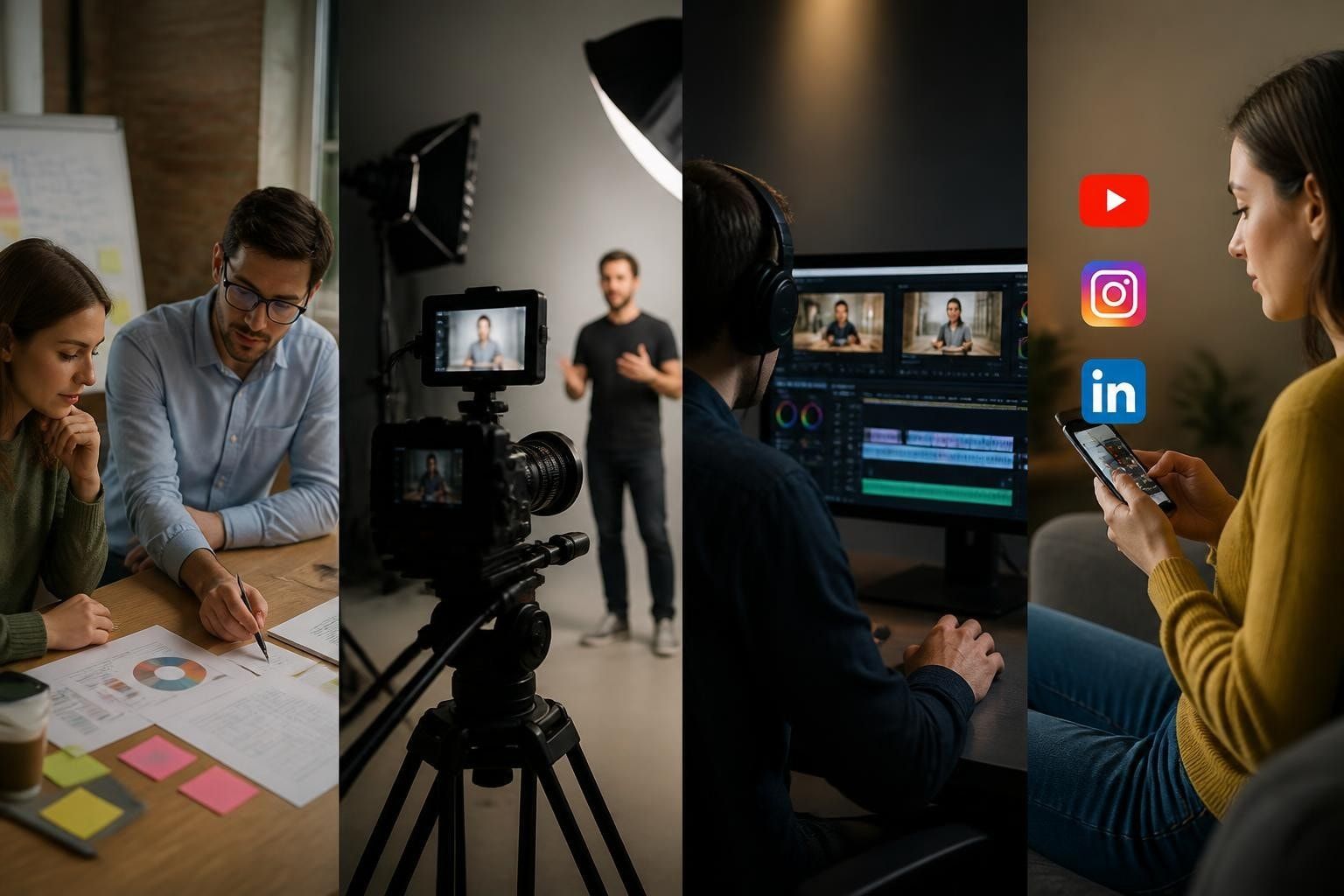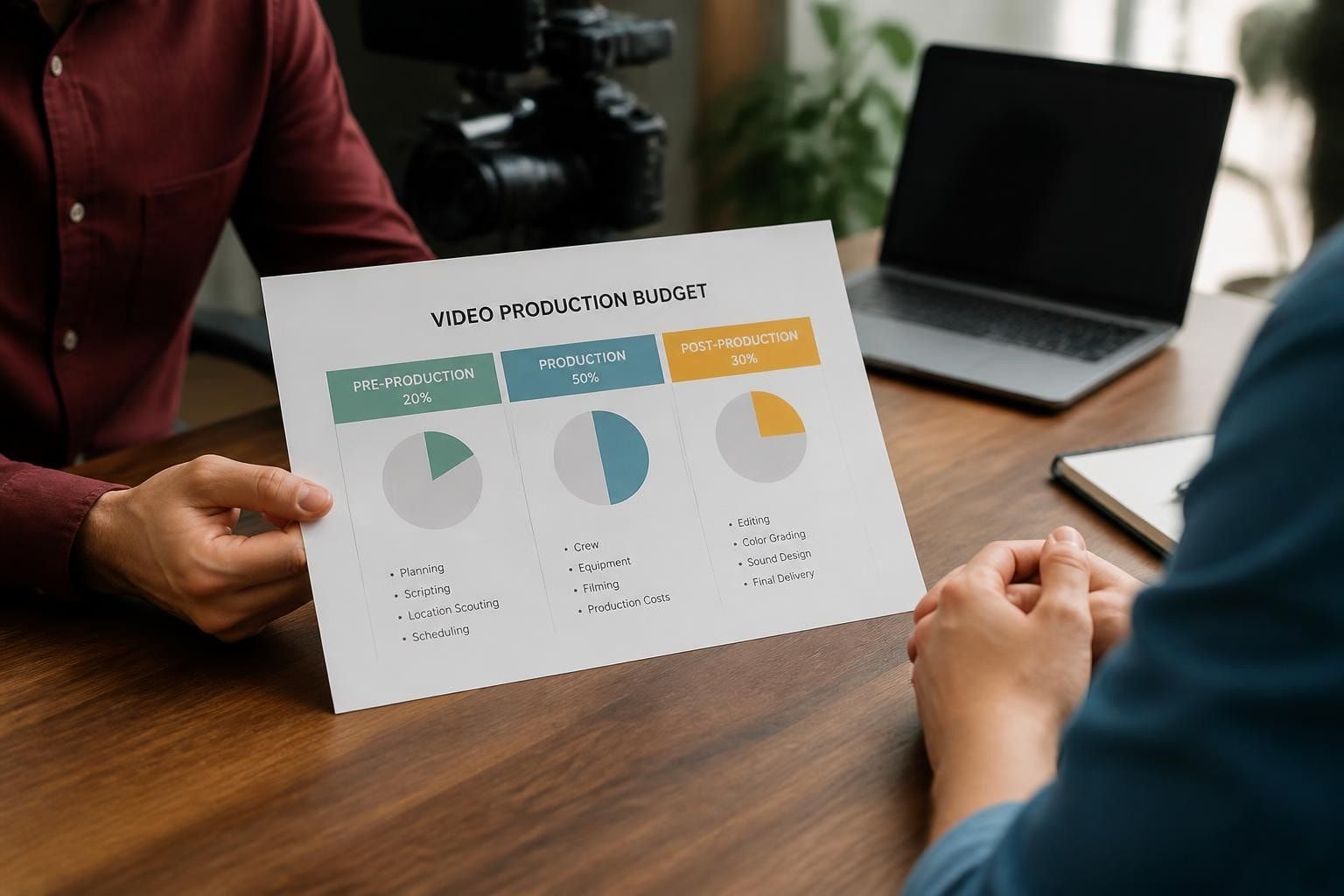


In today's attention-driven marketplace, video for business has evolved from a nice-to-have marketing asset to an essential growth engine. Companies across industries are discovering that strategic video content delivers measurable results that other mediums simply cannot match. Whether you're looking to increase brand awareness, generate qualified leads, or drive conversions, video has become the most effective way to communicate your value proposition and connect with your target audience.
The Current State of Video for Business
The landscape of video for business has transformed dramatically over the past few years. Companies that once hesitated to invest in video production are now making it a cornerstone of their marketing strategies. Recent video marketing statistics reveal compelling data about why this shift is happening and how businesses are benefiting from well-executed video campaigns.
Consumer behavior has fundamentally changed. Video consumption continues to accelerate across all demographics, with professionals increasingly preferring video content for learning about products and services. This shift isn't just about entertainment; it's about how decision-makers gather information and evaluate solutions.
The return on investment for video for business is becoming increasingly measurable. Companies can now track engagement metrics, conversion rates, and revenue attribution with unprecedented accuracy. This data-driven approach allows organizations to optimize their video strategies continuously and demonstrate clear value to stakeholders.
Why Video Outperforms Other Content Formats
Several factors contribute to video's superior performance:
- Information retention: Viewers retain 95% of a message when watching video compared to 10% when reading text
- Emotional connection: Video combines visual storytelling, sound, and motion to create powerful emotional responses
- Search visibility: Video content ranks higher in search results and increases time on page
- Mobile optimization: Video is perfectly suited for mobile consumption, where most business research now happens

Strategic Applications of Video for Business
Different business objectives require different video approaches. Understanding which type of video serves which purpose is critical for maximizing your investment and achieving specific outcomes.
Commercial Video Production
Commercial video production focuses on driving immediate action and revenue. These videos are designed to showcase products or services in ways that compel viewers to take the next step in the buying journey. The most effective commercial videos balance creativity with clear messaging, ensuring that brand storytelling never overshadows the call to action.
Successful commercial videos share common characteristics. They identify a specific pain point, demonstrate the solution clearly, and provide an easy path to purchase or inquiry. Length matters significantly; most commercial videos perform best between 30 and 90 seconds, though this varies by platform and audience.
| Video Type | Optimal Length | Primary Goal | Best Platforms |
|---|---|---|---|
| Product Demo | 60-90 seconds | Education & Conversion | Website, YouTube, LinkedIn |
| Brand Story | 90-120 seconds | Awareness & Trust | Social Media, Website |
| Customer Testimonial | 45-60 seconds | Social Proof | All Platforms |
| Explainer Video | 60-90 seconds | Understanding & Interest | Website, Email |
Corporate Video Services
Corporate video production serves internal and external stakeholders with content that builds trust, communicates values, and demonstrates expertise. These videos range from leadership messages and training materials to recruitment content and investor relations communications.
The challenge with corporate video is maintaining authenticity while presenting a polished professional image. Viewers can detect insincerity instantly, which is why the most effective corporate videos feature real employees, genuine stories, and transparent communication about both successes and challenges.
Training and internal communications represent one of the highest-value applications of video for business. Companies report significant improvements in employee engagement, knowledge retention, and operational efficiency when they replace text-based training materials with well-produced video content.
Social Media Video Strategy
Social media video production requires a fundamentally different approach than traditional video marketing. Each platform has unique audience expectations, technical requirements, and content formats that perform best. According to Forbes Agency Council experts, customizing videos for different channels is essential for maximizing reach and engagement.
Short-form video continues to dominate social media, with platforms prioritizing content that captures attention within the first three seconds. This doesn't mean every video for business must be under 60 seconds, but it does mean that every video must earn viewer attention immediately and continuously.
Technology Trends Reshaping Video for Business
The video production landscape is experiencing rapid technological advancement. Understanding these trends helps businesses make smarter investment decisions and stay competitive in an increasingly video-first marketplace.
Artificial Intelligence in Video Production
AI is fundamentally changing how companies create video for business. The surge in business demand for AI video creation reflects growing recognition that AI tools can dramatically reduce production time and costs while maintaining quality standards. Research shows that AI usage in video production more than doubled over the past year, indicating mainstream adoption across industries.
However, AI should augment rather than replace human creativity and strategic thinking. The most successful implementations use AI for time-consuming tasks like editing, color correction, and basic animations while reserving conceptual development and storytelling for experienced professionals.
Current AI applications in video for business include:
- Automated video editing and assembly
- Script generation and optimization
- Voiceover synthesis for multiple languages
- Dynamic personalization at scale
- Performance prediction and optimization

Platform Evolution and Distribution
Video distribution strategies must evolve as platforms change their algorithms and user behaviors shift. What worked for video for business in 2024 may not deliver the same results in 2026. Successful companies monitor platform changes closely and adapt their strategies accordingly.
YouTube remains the second-largest search engine, making it essential for long-term content strategies. LinkedIn has emerged as a critical platform for B2B video, with native video posts generating significantly higher engagement than external links. Instagram and TikTok continue to drive brand awareness through short-form content, while emerging platforms present new opportunities for early adopters.
Production Quality and Business Results
The relationship between production quality and business results is more nuanced than many companies realize. While high production values can enhance credibility and engagement, they don't guarantee success. The most important factor is alignment between your video content and your business objectives.
When to Invest in Professional Production
Certain video types demand professional production to achieve their intended impact. Brand videos, commercial advertisements, and high-stakes corporate communications benefit significantly from professional video production services that ensure every element supports your strategic goals.
Consider professional production when:
- The video represents your brand to high-value prospects or stakeholders
- Technical complexity requires specialized equipment or expertise
- The content will have a long shelf life and extensive distribution
- Your competitors are setting a high production standard
- The ROI justifies the investment based on your specific business metrics
Balancing Quality with Agility
Modern video for business strategies require both polished flagship content and agile, responsive content creation capabilities. Companies need the ability to produce timely, relevant videos quickly while maintaining brand consistency and acceptable quality standards.
This often means developing internal capabilities for certain content types while partnering with experienced video production companies for high-priority projects. The key is understanding which videos drive which business outcomes and allocating resources accordingly.
Measuring Video Performance and ROI
Video for business only delivers value when you can measure its impact and optimize based on data. Establishing clear metrics before production ensures that every video serves a specific business purpose and can be evaluated objectively.
Key Performance Indicators by Objective
Different business objectives require different measurement frameworks:
| Business Objective | Primary KPIs | Secondary KPIs |
|---|---|---|
| Brand Awareness | Views, Reach, Share Rate | Watch Time, Brand Lift |
| Lead Generation | Conversion Rate, Cost Per Lead | Click-Through Rate, Form Completions |
| Customer Education | Completion Rate, Time Watched | Support Ticket Reduction, Product Adoption |
| Sales Enablement | Deals Influenced, Revenue Impact | Sales Cycle Length, Win Rate |
Attribution modeling has become increasingly sophisticated, allowing businesses to understand how video content influences customer journeys. Multi-touch attribution reveals that video often plays multiple roles throughout the decision process, from initial awareness through final conversion.
Optimization Through Testing
Continuous improvement separates high-performing video strategies from those that plateau. Regular testing of video elements helps identify what resonates with your specific audience and what drives your particular business outcomes.
Test variables include:
- Video length and pacing
- Opening hooks and calls to action
- Messaging frameworks and value propositions
- Talent, voiceover, and presentation styles
- Visual treatments and production techniques

Building a Sustainable Video Strategy
Long-term success with video for business requires strategic planning, resource allocation, and organizational commitment. Companies that treat video as an isolated tactic rather than an integrated strategy typically see diminishing returns over time.
Content Planning and Production Schedules
Consistent video output delivers better results than sporadic campaigns. Developing an editorial calendar for your video for business initiatives ensures regular audience engagement and maximizes production efficiency. Batching production sessions, repurposing content across platforms, and planning seasonal themes all contribute to sustainable execution.
The most effective content calendars balance evergreen content that provides long-term value with timely content that captures current opportunities. This mix ensures consistent performance while allowing flexibility to respond to market changes or business priorities.
Team Structure and Partner Relationships
Organizations approach video production with various internal and external resource combinations. Some build full in-house capabilities, others outsource entirely, and many adopt hybrid models that leverage both approaches strategically. Understanding the benefits of using a professional video production company helps inform these decisions.
Internal capabilities typically handle:
- Quick-turnaround social content
- Regular series and ongoing programs
- Employee-generated content
- Behind-the-scenes and authentic moments
External partners typically manage:
- High-production flagship content
- Specialized technical requirements
- Major campaigns and launches
- Strategic creative development
Industry-Specific Applications
While core principles of effective video for business apply across sectors, each industry has unique opportunities and challenges that influence strategy and execution.
Professional Services
Law firms, consulting companies, and financial services organizations use video to demonstrate expertise, build trust, and simplify complex concepts. Thought leadership content, client testimonials, and educational series perform particularly well in these sectors. The challenge is balancing professionalism with approachability while navigating regulatory and compliance requirements.
Technology and SaaS
Software companies leverage video for product demonstrations, user onboarding, feature releases, and customer success stories. Screen recordings combined with clear narration help prospects understand functionality before committing to trials. Animation often plays a critical role in explaining abstract concepts or visualizing data flows.
Manufacturing and Industrial
Manufacturing companies use video to showcase capabilities, demonstrate processes, and build confidence in quality standards. Facility tours, production processes, and application examples help buyers understand technical specifications and manufacturing expertise. Animation video production effectively communicates how products work or solve specific problems.
Healthcare and Wellness
Healthcare organizations face unique challenges balancing patient privacy with the need to build trust and communicate expertise. Patient education videos, procedure explanations, and provider introductions help demystify healthcare experiences. Wellness brands use video to demonstrate techniques, share transformations, and build community.
Future Outlook for Video for Business
The trajectory for video in business communications points toward increased integration, personalization, and interactivity. Companies that position themselves to capitalize on these trends will gain significant competitive advantages in the coming years.
Interactive video is evolving beyond simple clickable elements to create truly personalized experiences that adapt based on viewer choices and behaviors. This technology enables businesses to deliver relevant content paths without creating separate videos for every scenario.
Virtual and augmented reality applications are moving from experimental to practical, particularly for training, product visualization, and immersive brand experiences. While mainstream adoption continues to develop, forward-thinking companies are exploring how these technologies can enhance their video strategies.
Personalization at scale represents perhaps the most significant opportunity for video for business. Combining data insights with efficient production workflows allows companies to create video content that speaks directly to individual viewer needs, preferences, and contexts. This level of relevance dramatically improves engagement and conversion rates.
Video for business has proven itself as an essential driver of growth, engagement, and measurable results across industries. The companies achieving the best outcomes approach video strategically, align production quality with business objectives, and continuously optimize based on performance data. Whether you're looking to enhance your existing video strategy or launch your first campaign, partnering with experienced professionals ensures your investment delivers maximum impact. Viva Media specializes in creating high-performance video content that generates real business results for forward-thinking brands throughout the Greater Toronto Area.