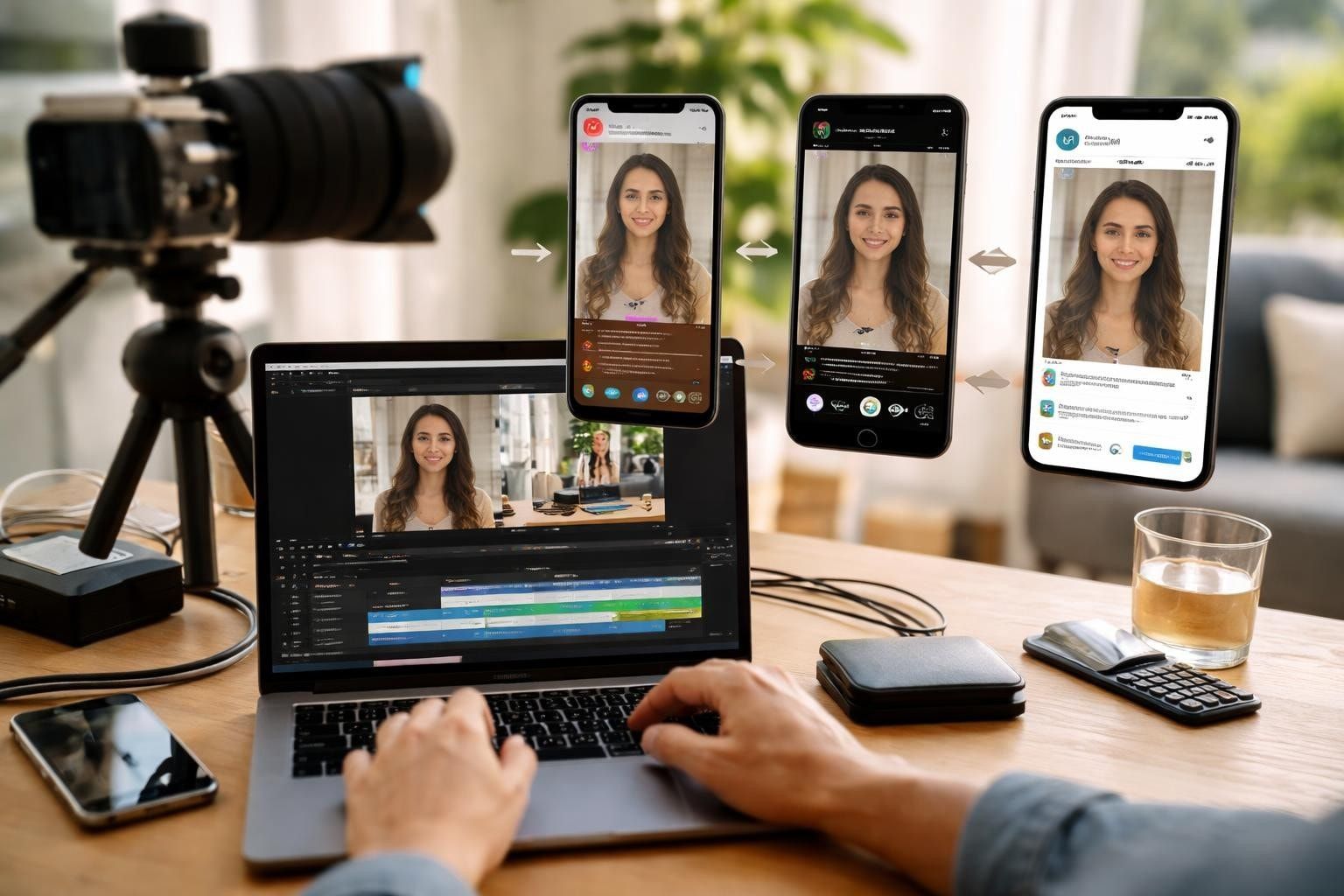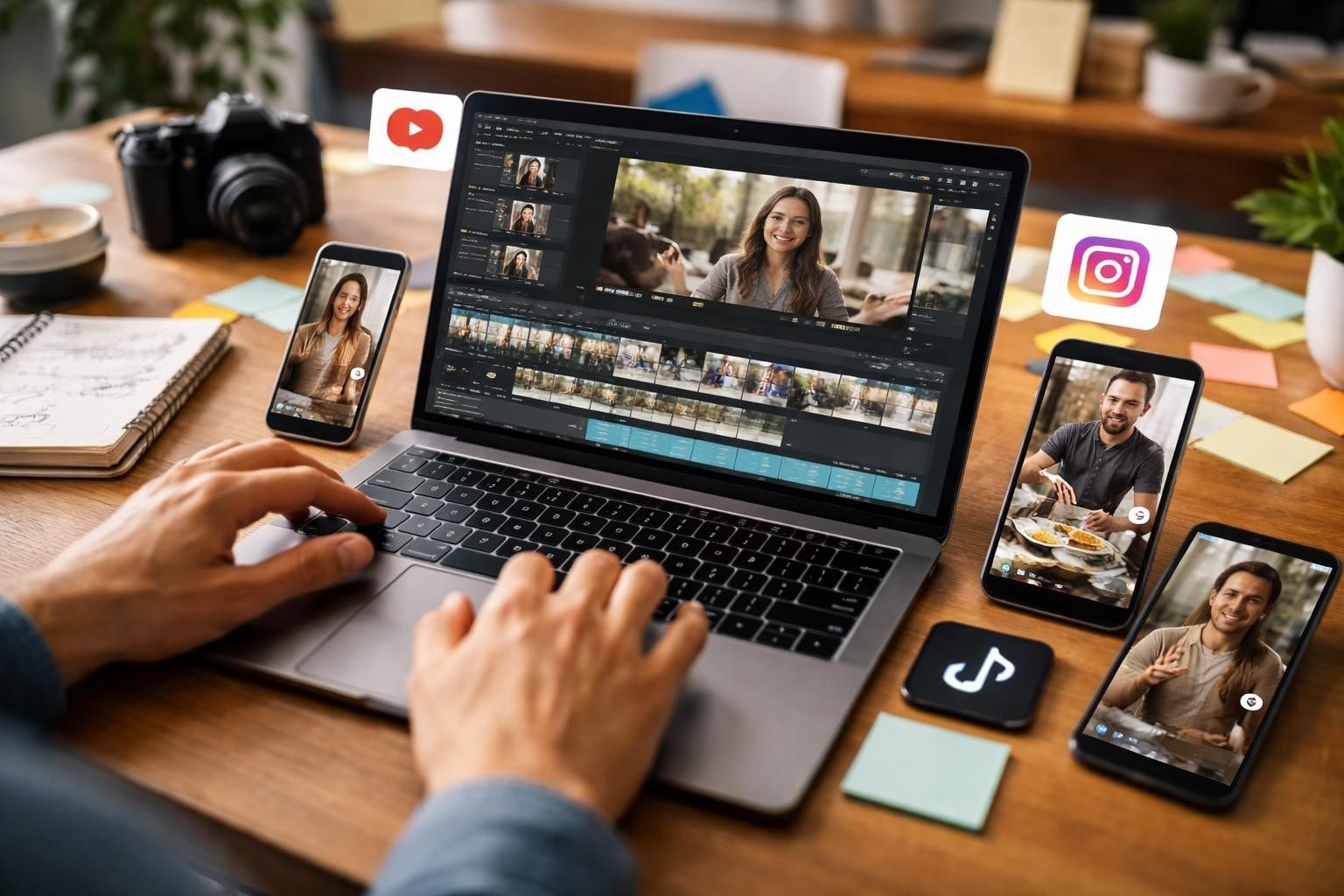

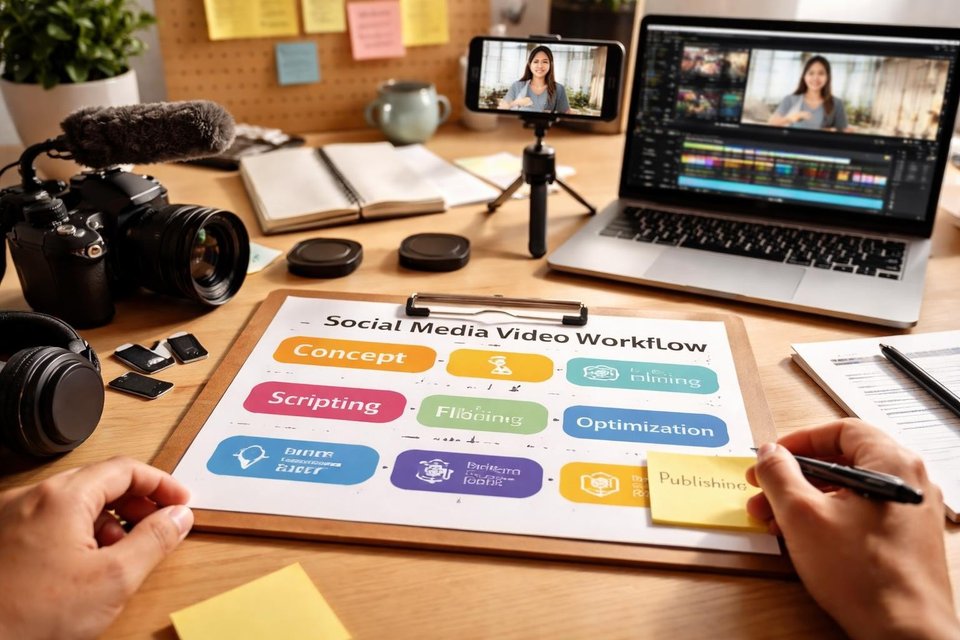
Social media videography has evolved from a nice-to-have marketing tactic into an essential business strategy that drives measurable results. With platforms prioritizing video content and audiences consuming more video than ever before, brands that master this discipline gain significant competitive advantages. The landscape has shifted dramatically, with short-form vertical video dominating feeds, algorithmic preferences favoring native content, and production quality expectations reaching new heights. Understanding how to create compelling video content that resonates across platforms while maintaining brand consistency requires both technical expertise and strategic thinking.
Understanding the Social Media Videography Landscape
The digital ecosystem in 2026 demands a sophisticated approach to video content creation. Each platform operates with distinct algorithms, audience behaviors, and content specifications that impact performance. TikTok continues to lead the short-form revolution with its addictive vertical feed, while Instagram Reels and YouTube Shorts compete aggressively for viewer attention. LinkedIn has emerged as a powerhouse for B2B video content, with professional audiences consuming educational and thought leadership videos at unprecedented rates.
Platform specifications change frequently, requiring videographers to stay current with technical requirements. Aspect ratios, maximum file sizes, caption requirements, and optimal video lengths vary significantly across channels. A 16:9 horizontal video that performs exceptionally on YouTube may fail completely on Instagram or TikTok without proper reformatting.

Strategic Content Planning
Successful social media videography begins long before cameras start rolling. Strategic planning involves understanding your audience's content consumption patterns, identifying platform-specific opportunities, and aligning video content with broader business objectives. Companies investing in corporate video production must consider how content will be adapted and distributed across multiple channels for maximum impact.
Content calendars should account for trending topics, seasonal opportunities, and platform-specific features. The most effective brands create modular content that can be repurposed efficiently. A single production day might yield multiple video assets: a long-form YouTube piece, several Instagram Reels, LinkedIn thought leadership clips, and TikTok engagement content.
Production Techniques for Maximum Engagement
Quality production values separate professional social media videography from amateur content. While smartphones have democratized video creation, understanding fundamental principles remains crucial. Lighting, composition, audio quality, and movement all contribute to viewer retention and engagement metrics.
Essential production considerations include:
- Lighting setup: Natural light works well for authentic content, but controlled artificial lighting ensures consistency
- Audio capture: Poor audio quality destroys credibility faster than any visual imperfection
- Stabilization: Handheld footage works for specific styles, but gimbal or tripod use signals professionalism
- Background selection: Environments should complement rather than distract from the message
- Framing: Rule of thirds, headroom, and look space apply regardless of platform
Mobile-First Production Strategies
The majority of social media consumption happens on mobile devices, making vertical video the default format. Optimizing content for mobile viewing requires thinking beyond simply rotating the camera 90 degrees. Text must be larger, compositions tighter, and pacing faster to maintain attention on smaller screens.
Native shooting in vertical format allows better framing decisions than cropping horizontal footage. However, smart producers shoot in 4K horizontal format with critical elements centered, enabling both horizontal and vertical exports from the same source material. This approach maximizes efficiency while maintaining quality across platforms.
| Production Approach | Advantages | Disadvantages | Best Use Case |
|---|---|---|---|
| Native Vertical | Optimized framing, mobile-first | Limited repurposing | Platform-specific campaigns |
| Safe Zone Horizontal | Multi-format flexibility | Composition compromises | Multi-channel distribution |
| Dual Camera Setup | Perfect framing both orientations | Higher production costs | Premium content |
| Post-Crop from 4K | Single shoot, multiple outputs | Quality reduction | Budget-conscious projects |
Storytelling for Short Attention Spans
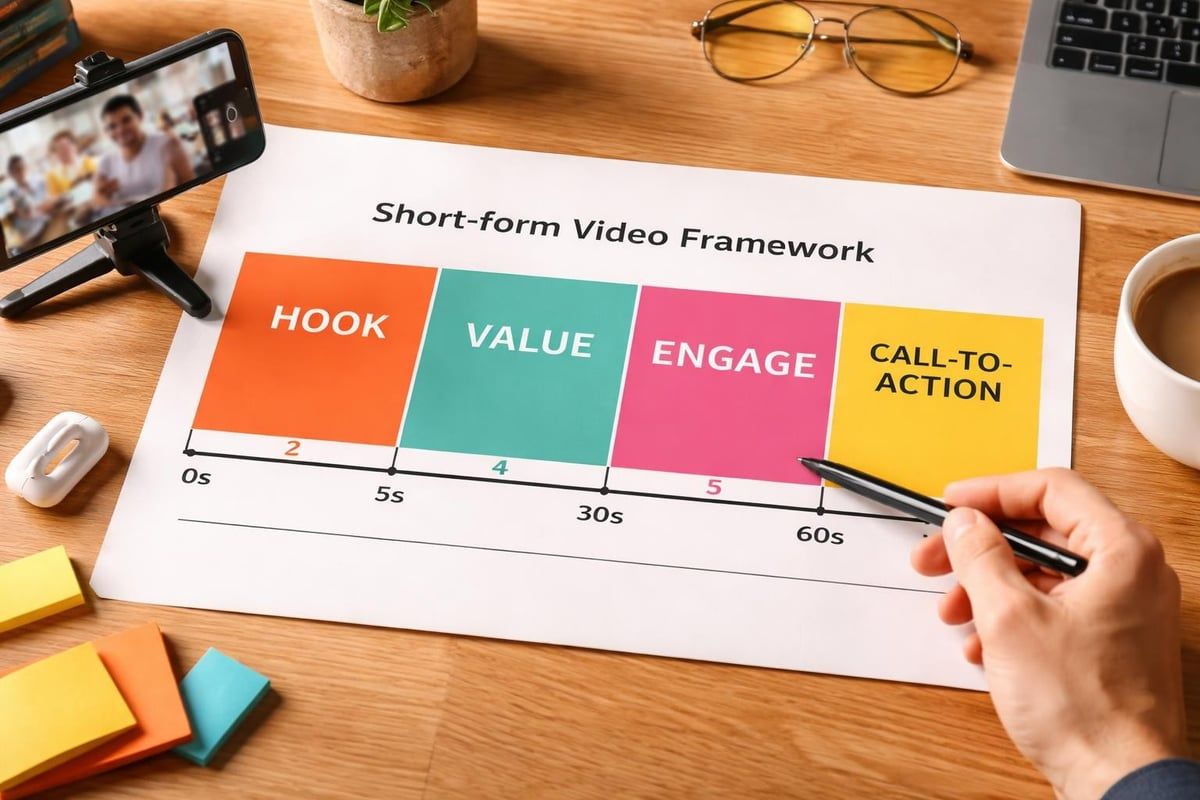
The first three seconds determine whether viewers continue watching or scroll past. Effective social media video production demands immediate hooks that stop the scroll. Visual intrigue, provocative questions, bold statements, or unexpected imagery can all serve this purpose.
Story structure must compress dramatically for social platforms. Traditional narrative arcs don't translate to 15-60 second videos. Instead, successful content employs pattern interrupts, rapid pacing, and clear payoffs. The most engaging videos deliver value quickly while maintaining curiosity throughout.
Emotional Resonance and Authenticity
Audiences have developed sophisticated filters for detecting inauthentic content. Creating viral social media videos requires genuine emotional connection rather than manufactured virality. Behind-the-scenes content, customer testimonials, and employee stories often outperform polished commercials in engagement metrics.
Vulnerability and transparency build trust with social audiences. Brands willing to show process, admit mistakes, or highlight team members create deeper connections than those maintaining perfect facades. This doesn't mean abandoning production quality-it means choosing appropriate quality levels for different content types.
Successful storytelling techniques include:
- Hook within three seconds to stop scrolling behavior
- Establish clear value proposition immediately after the hook
- Maintain visual variety through cuts, angles, or motion every 2-3 seconds
- Include human faces to trigger emotional engagement
- End with clear call-to-action directing desired behavior
Platform-Specific Optimization Strategies
Each social platform rewards different content characteristics. Understanding these nuances enables smarter production decisions and better resource allocation. What works brilliantly on TikTok may fail on LinkedIn, and vice versa.
TikTok and Instagram Reels
These platforms prioritize entertainment, trends, and cultural participation. Following a comprehensive production guide helps creators balance trend participation with brand authenticity. Audio selection significantly impacts discoverability, with trending sounds providing algorithmic advantages.
Vertical format is non-negotiable, with 9:16 aspect ratio standard. Videos perform best between 7-30 seconds, though platforms support longer content. Text overlays compensate for sound-off viewing, with captions appearing increasingly essential for accessibility and engagement.
YouTube Shorts
Despite the similar format to TikTok, YouTube Shorts attracts slightly different audience behaviors. Viewers often seek educational content, tutorials, or quick entertainment related to existing channel interests. Integration with long-form content creates powerful cross-promotion opportunities.
LinkedIn Video Content
Professional audiences consume LinkedIn video differently than entertainment platforms. Educational content, industry insights, and thought leadership perform strongest. Production quality expectations run higher, with polished editing and clear audio baseline requirements. Both horizontal and vertical formats work, though square (1:1) often performs well in feed.
Technical Excellence in Post-Production
Editing determines whether good footage becomes great content. Social media videography demands efficient workflows that maintain quality while meeting rapid publication schedules. Understanding platform compression algorithms helps editors preserve visual quality through the upload process.
Critical editing considerations:
- Pacing: Cuts every 2-4 seconds maintain attention
- Color grading: Consistent look across content builds brand recognition
- Sound design: Music, sound effects, and voice levels require careful balancing
- Caption placement: Text must remain within safe zones and maintain readability
- Export settings: Platform-specific encoding preserves quality and ensures compatibility
Closed Captions and Accessibility
Captions have transitioned from accessibility feature to engagement necessity. The majority of social video is consumed without sound, making text overlays and closed captions essential for message delivery. Automated captioning services provide starting points, but human review ensures accuracy and timing precision.
Strategic caption placement avoids covering important visual elements while maintaining readability across device sizes. Font selection, color contrast, and animation styles should align with brand guidelines while ensuring legibility.
Metrics, Analytics, and Continuous Improvement
Social media videography success requires data-driven decision making. Each platform provides analytics revealing what works and what doesn't. View-through rates, average watch time, engagement rates, and click-through rates tell different parts of the performance story.
| Metric | What It Reveals | Optimization Strategy |
|---|---|---|
| Hook Rate (3-sec views) | Effectiveness of opening | Test different hook styles |
| Average Watch Time | Content holding power | Adjust pacing and structure |
| Engagement Rate | Audience connection | Refine messaging and calls-to-action |
| Share Rate | Content value perception | Increase utility or entertainment value |
| Click-Through Rate | Call-to-action effectiveness | Test CTA placement and messaging |

A/B Testing for Performance Optimization
Systematic testing reveals audience preferences more accurately than assumptions. Thumbnail variations, hook alternatives, video lengths, and call-to-action approaches can all be tested. Even small performance improvements compound significantly across content libraries.
Documentation of testing results builds institutional knowledge. Understanding why certain approaches succeed enables replication across future content. Professional video production services incorporate this analytical rigor into their creative processes.
Content Series and Consistency Strategies
Isolated viral hits rarely translate to business results. Consistent content series build audience expectations and algorithmic favor. Establishing recognizable formats, posting schedules, and visual identities creates compound growth effects over time.
Series development considerations:
- Define clear content pillars aligned with business objectives
- Establish recognizable visual templates for quick audience recognition
- Maintain consistent posting schedules to train algorithms and audiences
- Plan content batching to maximize production efficiency
- Allow flexibility for trending topics and timely responses
Balancing Evergreen and Trending Content
The most effective social media videography strategies combine timeless content with timely trend participation. Evergreen videos continue delivering value months or years after publication, while trending content captures immediate attention. Understanding how to create content that gets attention requires balancing both approaches.
Resource allocation should reflect this balance. Trend participation enables rapid growth and visibility, while evergreen content provides sustained value and ongoing discovery opportunities. Production workflows should accommodate both content types efficiently.
Collaboration and Team Dynamics
Professional social media videography increasingly requires team collaboration. Videographers, editors, strategists, and account managers must coordinate effectively. Clear communication protocols, shared asset libraries, and standardized workflows prevent bottlenecks and ensure consistent output quality.
Many Toronto businesses discover that partnering with specialized video production companies provides expertise without requiring full in-house teams. This approach offers flexibility, specialized equipment access, and professional perspective while maintaining cost efficiency.
Building Efficient Production Workflows
Streamlined processes enable consistent output without sacrificing quality. Template systems, preset libraries, and standardized file structures reduce decision fatigue and accelerate production timelines. Understanding production costs and timelines helps businesses plan realistic content calendars and budget appropriately.
Batch filming multiple videos during single production days maximizes efficiency. Location setup, lighting configuration, and equipment preparation represent significant time investments. Capturing content for multiple videos during each session dramatically improves ROI on production resources.
Equipment and Technology Considerations
While high-end cameras produce superior results, social media videography success depends more on technique than equipment. Smartphones equipped with gimbal stabilizers, external microphones, and proper lighting can produce professional-quality content. However, understanding when premium equipment justifies its cost separates amateur from professional approaches.
Essential equipment categories:
- Camera systems: Smartphones, mirrorless cameras, or cinema cameras depending on quality requirements
- Stabilization: Gimbals, sliders, or tripods for smooth, professional movement
- Audio capture: Lavalier mics, shotgun mics, or boom poles for clear sound
- Lighting: LED panels, ring lights, or natural light modification tools
- Editing software: Mobile apps for quick edits or professional NLEs for complex projects
Investment decisions should align with content volume, quality expectations, and resource availability. Many successful social media videography programs start simple and scale equipment as proven results justify expansion.
Future Trends and Adaptation Strategies
The social media landscape evolves rapidly, with new platforms, features, and audience behaviors emerging constantly. Staying current requires active learning, experimentation, and willingness to adapt strategies. AI-powered editing tools, augmented reality filters, and interactive video formats represent emerging opportunities for forward-thinking brands.
Successful practitioners balance consistency with experimentation. Core content pillars provide stability while testing allocations explore new approaches. This dual strategy enables growth without abandoning proven methods. Keeping current with video marketing trends helps businesses maintain competitive advantages.
Platform diversification protects against algorithmic changes or platform decline. While concentrating efforts on primary channels makes sense, maintaining presence across multiple platforms provides insurance and reaches different audience segments. Cross-promotion between platforms amplifies reach and reinforces brand presence.
Mastering social media videography requires balancing creative excellence with strategic distribution, technical proficiency with audience understanding, and consistent execution with adaptive innovation. The brands achieving measurable results invest in quality production, data-driven optimization, and platform-specific expertise. Viva Media helps Toronto businesses transform their social media presence through high-performance video content engineered for engagement and ROI, partnering with forward-thinking brands to create attention-grabbing experiences that deliver real business results.