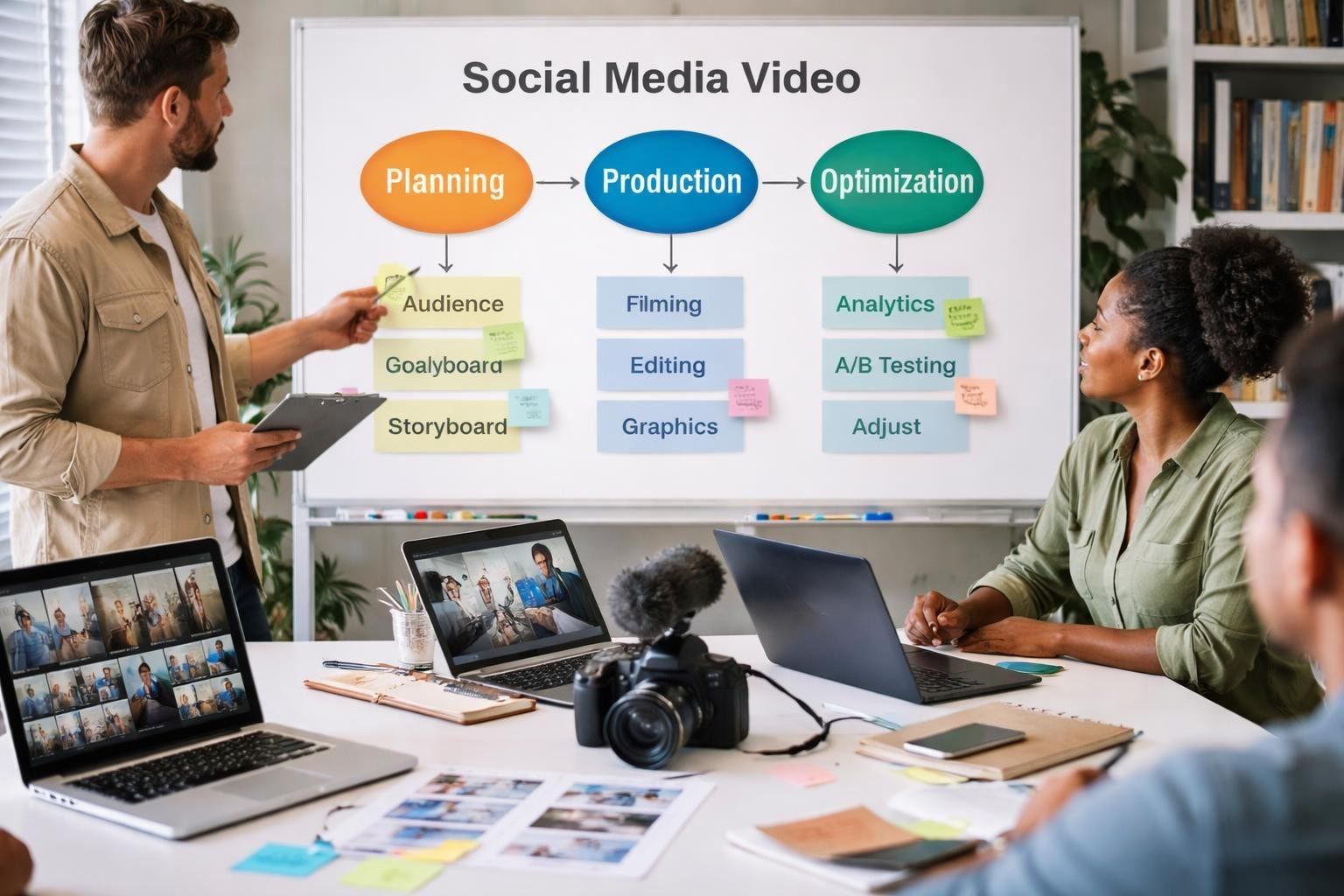


Social media video content has become the dominant force in digital marketing, with platforms prioritizing video in their algorithms and audiences demanding more visual storytelling. The ability to create videos for social media effectively separates businesses that thrive online from those struggling to capture attention. As we navigate 2026, video content accounts for over 82% of all internet traffic, making video production skills essential for brands seeking meaningful engagement with their target audiences.
Understanding Platform-Specific Video Requirements
Each social media platform operates with distinct technical specifications and audience expectations. When you create videos for social media, understanding these nuances determines whether your content performs or gets buried in endless feeds.
Format and Dimension Guidelines
Different platforms demand specific aspect ratios and video lengths. Instagram thrives on vertical 9:16 videos for Reels and Stories, while LinkedIn audiences engage more with horizontal 16:9 content. TikTok exclusively pushes vertical content, whereas YouTube accommodates multiple formats but favors traditional widescreen presentations.
| Platform | Optimal Aspect Ratio | Maximum Length | Recommended Duration |
|---|---|---|---|
| Instagram Reels | 9:16 (vertical) | 90 seconds | 15-30 seconds |
| TikTok | 9:16 (vertical) | 10 minutes | 21-34 seconds |
| Facebook Feed | 1:1 or 4:5 | 240 minutes | 60-90 seconds |
| 16:9 (horizontal) | 10 minutes | 30-90 seconds | |
| YouTube Shorts | 9:16 (vertical) | 60 seconds | 15-60 seconds |
Resolution standards have evolved significantly. Minimum specifications now require 1080p HD quality across all platforms, with many creators uploading in 4K to future-proof their content. When you create videos for social media in 2026, shooting at higher resolutions provides flexibility during editing and ensures crisp playback across devices.
Platform Algorithm Considerations
Algorithms favor content that keeps users engaged on their platforms. The U.S. Chamber of Commerce outlines four best practices for creating engaging social media videos, emphasizing retention metrics as critical ranking factors. Videos that hook viewers within the first three seconds and maintain watch time through to completion receive preferential distribution.

Native uploads consistently outperform shared links. Rather than posting a YouTube link to Instagram, smart creators upload directly to each platform. This strategy signals to algorithms that you're creating platform-specific content rather than simply cross-posting, resulting in better organic reach.
Essential Equipment and Software for Video Creation
Professional-quality results no longer require studio-grade equipment. The tools you need to create videos for social media have become remarkably accessible and affordable.
Camera and Audio Solutions
Modern smartphones capture stunning 4K footage suitable for social platforms. iPhone 15 Pro and Samsung Galaxy S24 Ultra models offer cinematic modes, advanced stabilization, and professional color profiles. However, investing in dedicated equipment elevates production value significantly.
For businesses serious about social content, mirrorless cameras like the Sony A7 IV or Canon EOS R6 Mark II deliver superior low-light performance and depth-of-field control. Professional video production equipment includes external microphones, which dramatically improve audio quality over built-in camera mics.
Consider these audio solutions:
- Lavalier microphones for interview-style content
- Shotgun mics for directional audio capture
- USB microphones for voiceover work
- Wireless systems for freedom of movement
Lighting transforms amateur footage into professional content. Ring lights work well for talking-head videos, while three-point lighting setups create dimensional, flattering illumination. LED panels with adjustable color temperature provide versatility across different shooting scenarios.
Editing Software Options
TechRadar reviews the best free video editing software of 2025, highlighting powerful options that don't require subscription fees. DaVinci Resolve offers professional-grade color correction and editing tools at no cost. CapCut has become the go-to mobile editor for quick social media edits with built-in trending effects.
Paid software provides advanced capabilities. Adobe Premiere Pro remains the industry standard for professional video editors, while Final Cut Pro dominates among Mac users. For beginners, user-friendly video editing software like CyberLink PowerDirector or Adobe Premiere Elements offers intuitive interfaces with powerful features.
When you create videos for social media regularly, workflow efficiency matters. Establishing templates for common video types, creating branded motion graphics packages, and organizing assets systematically saves countless hours across multiple projects.
Content Strategy and Planning
Strategic planning separates random video posts from cohesive content that builds audiences and drives business results. The most successful brands approach social video as an integrated marketing channel rather than an afterthought.
Audience Research and Personas
Understanding who watches your content shapes every creative decision. Analyze demographics, viewing habits, and engagement patterns through platform analytics. Instagram Insights, TikTok Analytics, and YouTube Studio provide detailed audience data including age ranges, geographic locations, and peak activity times.
Create detailed viewer personas representing your target segments:
- Demographics (age, location, income level)
- Pain points and challenges
- Content consumption preferences
- Platform usage patterns
- Buying behaviors and decision triggers
When you create videos for social media with specific personas in mind, messaging becomes more targeted and effective. A B2B software company targeting IT directors requires dramatically different content than a fitness brand reaching health-conscious millennials.
Content Pillars and Themes
Establish 3-5 content pillars that align with business objectives and audience interests. These pillars provide structure while maintaining variety. For example, Viva Media's approach to video marketing for small businesses emphasizes consistent themes that reinforce brand expertise.

| Content Pillar | Purpose | Example Topics | Posting Frequency |
|---|---|---|---|
| Educational | Build authority | How-to guides, industry insights | 2x weekly |
| Behind-the-Scenes | Humanize brand | Team spotlights, process videos | 1x weekly |
| Product/Service | Drive conversions | Features, testimonials, demos | 1x weekly |
| Entertainment | Increase reach | Trending formats, relatable humor | 3x weekly |
Balance educational content that establishes expertise with entertaining pieces that drive shares and discovery. The 80/20 rule applies well here: 80% value-driven content, 20% promotional messaging.
Production Techniques That Drive Engagement
Technical execution determines whether viewers watch through completion or scroll past within seconds. When you create videos for social media, specific production techniques consistently outperform generic approaches.
The Critical First Three Seconds
Hook viewers immediately with pattern interrupts. Start with the payoff rather than lengthy introductions. Bold text overlays stating the video's value proposition, striking visual moments, or provocative questions stop the scroll effectively.
Avoid these opening mistakes:
- Lengthy logo animations
- Slow fades from black
- Introductory small talk
- Generic establishing shots
Instead, deliver instant value. If creating a recipe video, show the finished dish before demonstrating preparation. For tutorial content, tease the end result immediately. Best practices for creating high-performing social media videos emphasize front-loading value to maximize retention.
Visual Storytelling Elements
Silent viewing represents the default on most platforms. Design videos to communicate effectively without audio through strategic use of:
- Bold, readable text overlays that convey key messages
- Captions and subtitles generated through platform tools or third-party services
- Visual demonstrations that show rather than tell
- Color psychology that evokes emotional responses
- Dynamic transitions that maintain visual interest
Motion captures attention more effectively than static shots. Incorporate camera movement, subject movement, or both. Simple techniques like slow zooms, pans across scenes, or handheld walking shots add energy without requiring complex equipment.
Pacing and Rhythm
Edit tightly to maintain momentum. Each shot should serve a purpose, advancing the story or providing new information. When you create videos for social media, aim for shot changes every 2-4 seconds to match platform viewing patterns.
Music selection profoundly impacts video performance. Trending audio on TikTok and Instagram Reels can exponentially increase reach as platforms push content using popular sounds. Rights-free music libraries like Epidemic Sound, Artlist, and Uppbeat provide legally safe options with searchable moods and genres.
Optimization and Distribution Strategies
Creating excellent content represents only half the equation. Strategic optimization and distribution maximize visibility and engagement.
Metadata and SEO for Video
Each platform indexes video content differently. Optimize titles, descriptions, and hashtags using relevant keywords that match search intent. When you create videos for social media, treat each upload as an SEO opportunity.
YouTube video optimization requires:
- Keyword-rich titles under 60 characters
- Detailed descriptions with timestamps
- Relevant tags using primary and secondary keywords
- Custom thumbnails with high click-through appeal
- Closed captions for accessibility and indexing
Instagram and TikTok prioritize caption engagement. Front-load important keywords in the first line, use line breaks for readability, and include 5-10 highly relevant hashtags rather than maxing out limits with generic tags.
Cross-Platform Adaptation
Repurposing content across platforms multiplies ROI without proportionally increasing production costs. A single video shoot can generate:
- Full-length YouTube video (educational cornerstone content)
- 60-second Instagram Reel (highlight key points)
- Multiple TikTok videos (individual tips from longer content)
- LinkedIn post (professional angle with industry context)
- Facebook video (community-focused messaging)
When you create videos for social media with repurposing in mind, shoot additional B-roll, capture multiple aspect ratios simultaneously, and structure content in modular segments. Covideo's comprehensive guide explores platform optimization strategies that maintain content quality while maximizing distribution efficiency.
Analytics and Performance Tracking
Measure what matters. Vanity metrics like view counts provide less value than engagement rates, watch time percentages, and conversion tracking. Establish clear KPIs aligned with business objectives before creating content.
| Metric | What It Measures | Success Benchmark |
|---|---|---|
| Watch Time % | Content retention strength | >50% average |
| Engagement Rate | Audience interaction level | >3% on Instagram |
| Click-Through Rate | Call-to-action effectiveness | >2% for promotional content |
| Share Rate | Content virality potential | >1% indicates strong resonance |
| Conversion Rate | Business impact | Varies by industry/goal |
Test different approaches systematically. A/B test thumbnails, opening hooks, video lengths, and posting times. When you create videos for social media consistently, pattern recognition emerges showing what resonates with specific audiences.

Advanced Techniques for 2026
Technology continues evolving the possibilities for video creation. Staying current with emerging tools and techniques provides competitive advantages.
AI-Powered Production Tools
Artificial intelligence has democratized video production capabilities previously requiring specialized skills. AI-powered video creation tools streamline editing workflows, generate captions automatically, and even create entire videos from text prompts.
AI applications for social video include:
- Automated caption generation with speaker identification
- Background removal without green screens
- Voice cloning for consistent voiceovers across content
- Script generation based on topic inputs
- Thumbnail creation optimized for click-through rates
Testing AI video generation tools reveals impressive capabilities for creating supplementary content, stock footage, and creative elements. While human creativity remains irreplaceable for strategic messaging, AI tools accelerate production timelines dramatically.
Mobile-First Production Approaches
The best video editing apps now rival desktop software in capability. CapCut, LumaFusion, and VN Video Editor enable end-to-end production entirely on smartphones. This mobility means content creators can shoot, edit, and publish from anywhere.
Mobile production advantages include:
- Immediate capture of trending moments
- Faster turnaround from concept to publication
- Lower barrier to consistent content creation
- Authentic, unpolished aesthetic that resonates with audiences
- Built-in platform integration for seamless publishing
When you create videos for social media using mobile workflows, maintain professional standards through external microphones, gimbal stabilizers, and adequate lighting. The device matters less than technique and strategic execution.
Interactive and Immersive Formats
Platforms increasingly support interactive elements that boost engagement. Instagram polls, questions, and sliders within Stories transform passive viewing into active participation. YouTube cards and end screens direct traffic to related content or conversion points.
360-degree video and augmented reality filters represent emerging opportunities. Brands creating custom AR effects gain visibility as users apply filters to their own content. While production complexity increases, corporate video production services increasingly offer these advanced capabilities.
Building Sustainable Content Systems
Consistency drives social media success more reliably than occasional viral hits. When you create videos for social media regularly, establishing efficient systems prevents burnout while maintaining quality.
Batch Production Workflows
Record multiple videos in single sessions to maximize setup time. Professional creators often film 4-8 videos in one day, then distribute releases across weeks. This approach requires planning but dramatically reduces per-video production time.
Batch production checklist:
- Prepare scripts or talking points for multiple videos
- Set up lighting and audio once for multiple recordings
- Capture various outfit changes for timeline variety
- Film B-roll footage usable across multiple projects
- Schedule editing sessions dedicated to processing batched content
Content Calendars and Planning Tools
Visual planning tools like Trello, Asana, or specialized platforms like Later and Planoly help visualize content distribution across platforms. When you create videos for social media strategically, calendars ensure balanced content mix, seasonal relevance, and consistent posting frequency.
Schedule content around:
- Industry events and conferences
- Seasonal trends and holidays
- Product launches or business milestones
- Trending topics with brand relevance
- Audience activity patterns from analytics
Team Collaboration and Delegation
Scaling video production requires distributing responsibilities. Even small businesses benefit from defining roles: concept development, filming, editing, copywriting, analytics tracking. Working with a video production company allows businesses to access specialized expertise without building in-house teams.
Clear creative briefs ensure alignment between stakeholders. Document goals, target audiences, key messages, style preferences, and deliverable specifications before production begins. This upfront clarity prevents costly revisions and miscommunication.
Monetization and ROI Measurement
Business video content should generate measurable returns. When you create videos for social media as a business strategy rather than creative exercise, tracking financial impact becomes essential.
Direct Revenue Attribution
Implement tracking mechanisms that connect video views to business outcomes. UTM parameters on links within video descriptions track traffic sources. Platform-native shopping features on Instagram and TikTok enable direct product tagging, attributing sales to specific videos.
Calculate video ROI using this framework:
ROI = (Revenue Generated - Production Costs) / Production Costs × 100
Production costs include:
- Equipment and software expenses
- Personnel time (internal or contractor rates)
- Paid promotion and boosting budgets
- Stock footage, music licensing, and other assets
Revenue tracking requires connecting analytics platforms with CRM systems. Google Analytics 4, when properly configured, traces user journeys from video views through website visits to final conversions.
Indirect Value Metrics
Not all video value translates to immediate sales. Brand awareness, audience growth, and customer education provide long-term benefits difficult to quantify precisely. Track leading indicators like:
- Follower growth rate correlating with video posting frequency
- Email list additions from video lead magnets
- Customer service time reduction through educational video content
- Sales cycle shortening when prospects consume explainer videos
Commercial video production focused on brand building establishes market presence that compounds over time. Viewing these investments with appropriate time horizons prevents premature abandonment of effective strategies.
Mastering how to create videos for social media requires balancing creative vision with platform-specific technical requirements, audience understanding, and business objectives. Success comes from consistent execution, data-driven optimization, and authentic storytelling that resonates with target viewers. Whether you're building in-house capabilities or partnering with professionals, Viva Media specializes in creating high-performance social video content that delivers measurable business results throughout the Greater Toronto Area and beyond.