
Creating compelling commercial video content has become essential for businesses looking to capture attention and drive measurable results in 2026. The landscape of video production has evolved significantly, with brands now requiring strategic, high-performance content that connects with audiences across multiple platforms. Whether you're planning your first commercial or refining your video marketing strategy, understanding the complete production process ensures your investment delivers maximum ROI and positions your brand for success in an increasingly visual marketplace.
Understanding Commercial Video Production Fundamentals
When you set out to create commercial video content, you're embarking on a strategic process that combines creative storytelling with business objectives. Commercial videos differ from other content types because they're designed specifically to promote products, services, or brand messages with conversion in mind.
The foundation of successful commercial video production starts with clear objectives. Before cameras roll, you need to define what success looks like: increased brand awareness, product sales, lead generation, or customer engagement. These goals shape every decision throughout the production process.
Key elements that define effective commercial videos include:
- Clear, concise messaging that resonates with target audiences
- Professional production quality that reflects brand standards
- Strategic pacing that maintains viewer attention
- Compelling calls-to-action that drive desired outcomes
- Platform-specific optimization for maximum reach
Understanding these fundamentals helps businesses approach commercial video production with realistic expectations and proper planning. The difference between amateur and professional commercial content often comes down to strategic planning and technical execution.

Pre-Production Planning and Strategy Development
The pre-production phase determines whether your commercial video will succeed or fall flat. This critical stage involves research, planning, and strategic decision-making that sets the foundation for everything that follows.
Audience Research and Message Development
Creating commercial videos that resonate starts with deep audience understanding. Demographics, psychographics, pain points, and viewing habits all influence how you craft your message. Toronto businesses working with marketing video services typically spend significant time in this phase to ensure alignment between content and audience expectations.
Your core message should be distillable into a single sentence. If you can't explain your commercial's purpose clearly and concisely, your audience won't understand it either. This clarity drives script development, visual choices, and editing decisions.
Budgeting and Resource Allocation
Commercial video production budgets vary widely based on scope, complexity, and quality requirements. Establishing a realistic budget early prevents scope creep and ensures proper resource allocation.
| Budget Component | Percentage Range | Key Considerations |
|---|---|---|
| Pre-Production | 15-20% | Scripting, planning, location scouting |
| Production | 40-50% | Crew, equipment, talent, locations |
| Post-Production | 25-30% | Editing, color grading, sound design |
| Distribution | 10-15% | Platform optimization, paid promotion |
These percentages provide a starting framework, though specific projects may require adjustments based on unique needs. Professional advertising video production typically requires investment across all these categories to ensure quality output.
Script Development and Storyboarding
Scripts provide the blueprint for your commercial video. Effective scripts balance creative storytelling with strategic messaging, keeping viewers engaged while communicating key points. Every word should serve a purpose, as commercial videos typically run between 15 and 90 seconds.
Storyboarding translates scripts into visual plans. These frame-by-frame illustrations help teams visualize shots, identify potential challenges, and ensure everyone shares the same creative vision before production begins. This step is particularly valuable when you create commercial video content with multiple stakeholders who need to approve creative direction.
Production Best Practices for Professional Results
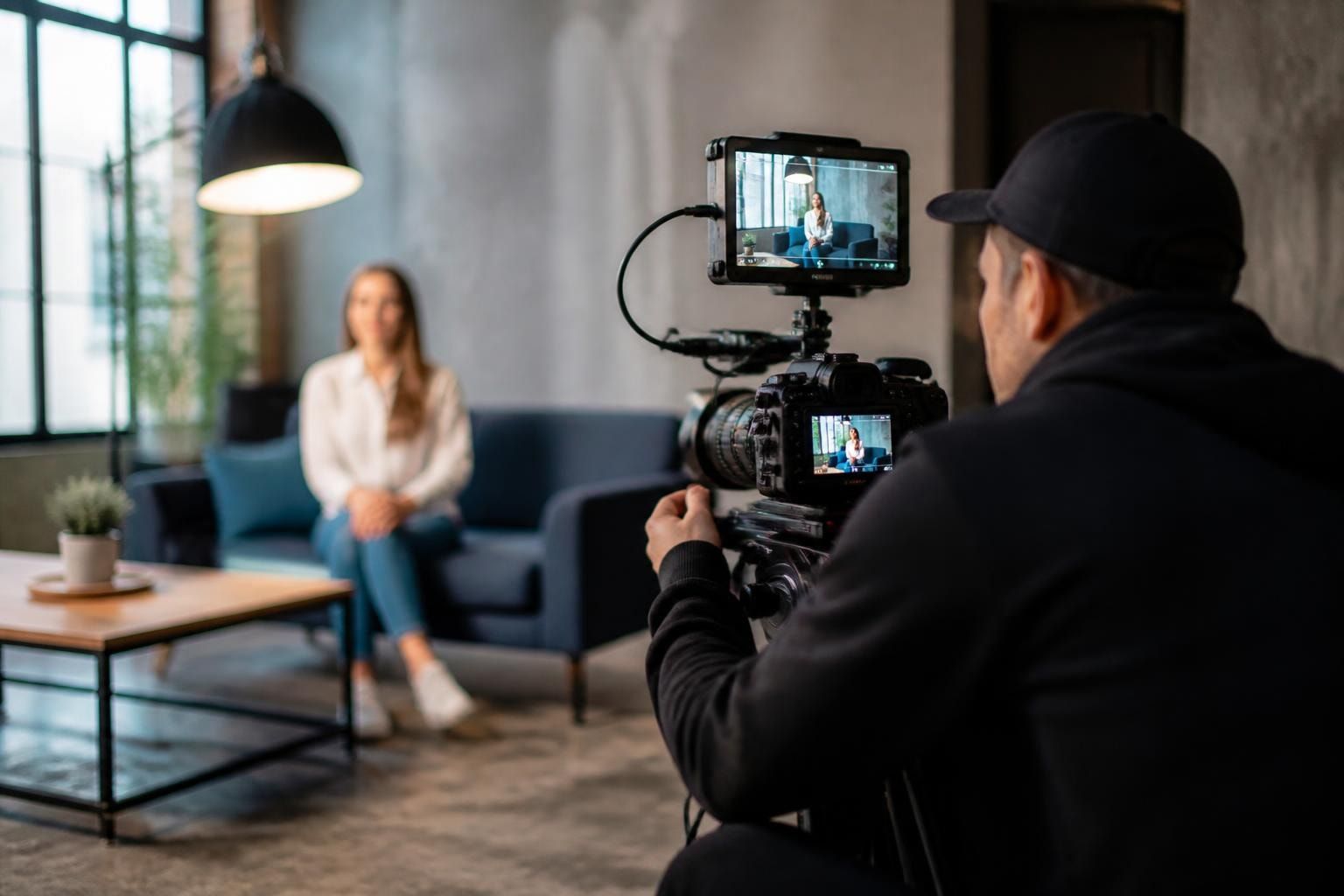
When production day arrives, preparation meets execution. The filming phase brings your commercial vision to life through careful attention to technical details and creative execution.
Professional production requires proper equipment, skilled crew members, and efficient workflows. Best practices for high-quality video production emphasize the importance of lighting, sound, and camera work as non-negotiable elements of professional output.
Technical Setup and Equipment Considerations
Camera selection impacts the final look of your commercial video significantly. In 2026, most professional productions use cinema cameras or high-end mirrorless systems that capture 4K or higher resolution footage. However, camera choice should align with distribution platforms and creative requirements.
Essential production equipment includes:
- Primary camera and backup body
- Multiple lenses for versatile shot options
- Professional lighting kit with modifiers
- Audio recording equipment and microphones
- Stabilization systems (tripods, sliders, gimbals)
- Monitoring equipment for real-time quality checks
Lighting shapes mood, directs attention, and ensures technical quality. Three-point lighting remains a foundational technique, though modern commercial productions often employ more complex setups to achieve specific creative looks.
Sound quality often distinguishes professional from amateur productions. Poor audio undermines even beautifully shot footage, making professional sound recording non-negotiable when you create commercial video content for business purposes.
Directing Talent and Capturing Performance
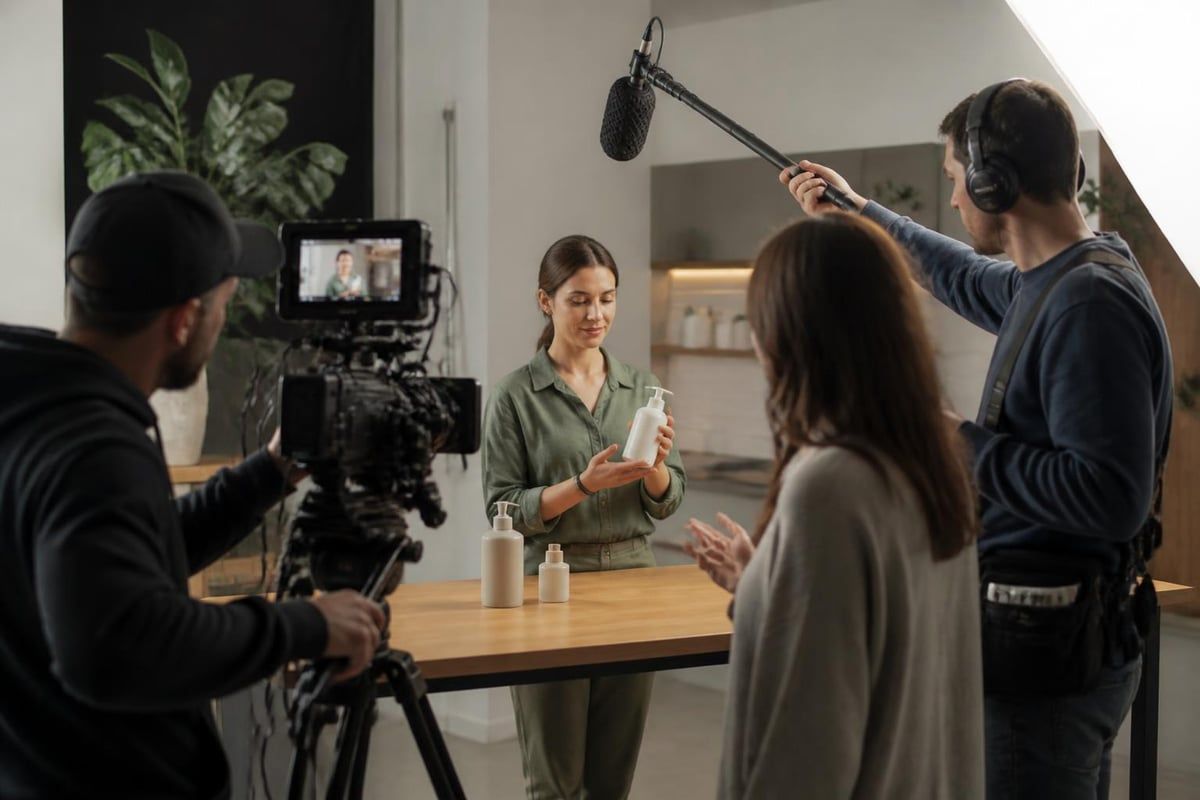
Working with on-camera talent requires clear communication and efficient direction. Whether using professional actors, company representatives, or real customers, directors must create comfortable environments that elicit authentic performances.
The step-by-step commercial video creation process emphasizes the importance of multiple takes and varied coverage. Capturing scenes from multiple angles provides editing flexibility and ensures you have quality footage to work with during post-production.
Post-Production and Editorial Process
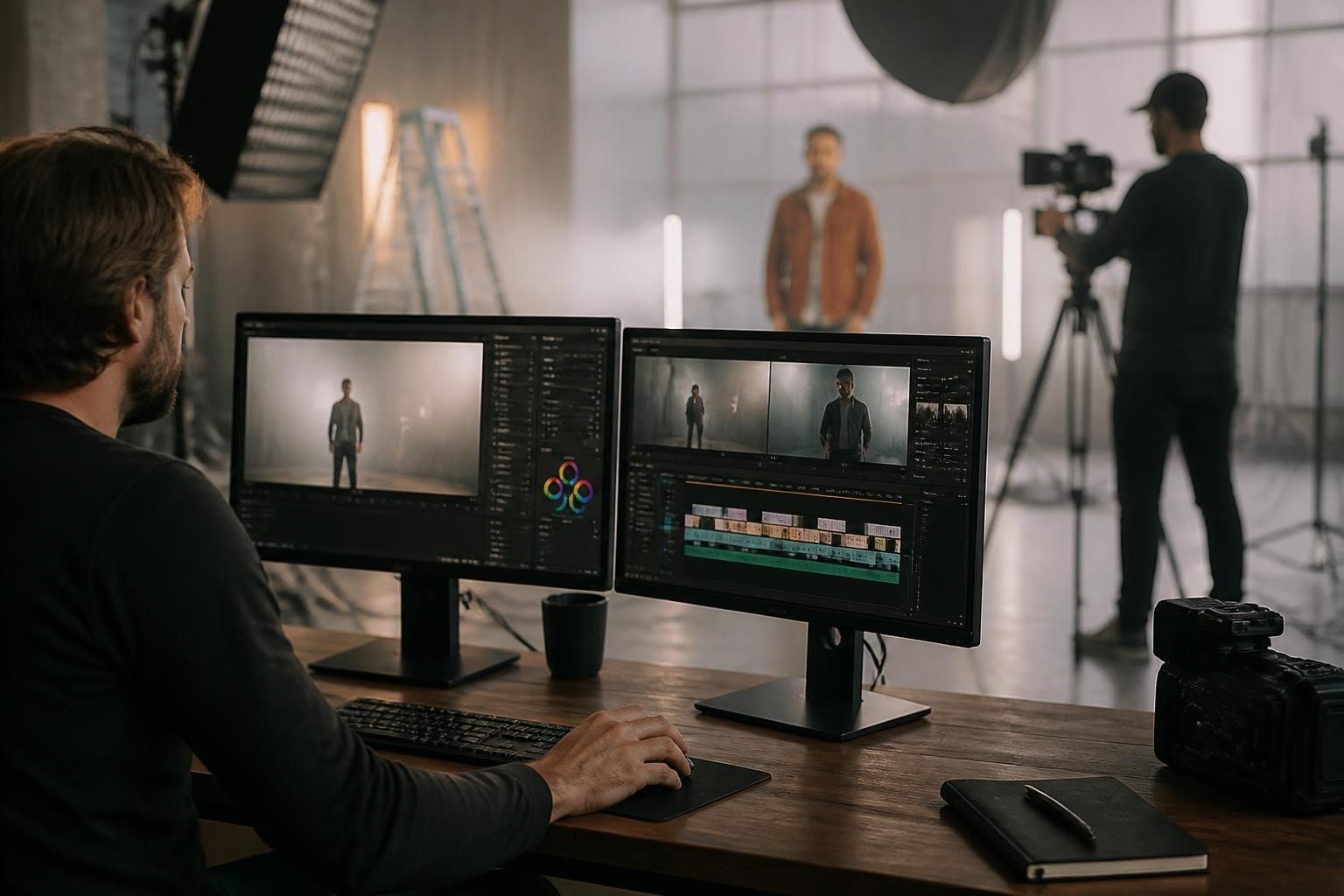
Post-production transforms raw footage into polished commercial content. This phase includes editing, color grading, sound design, and final output preparation, with each element contributing to the overall impact and professionalism of your video.
Editing Strategies for Maximum Impact
Video editing shapes pace, emotional tone, and message clarity. Editors assemble footage, trim unnecessary content, and create visual flow that guides viewers through your commercial narrative. The goal is seamless storytelling that feels natural despite being carefully constructed.
Modern editing software provides extensive capabilities, but technical tools mean nothing without strategic vision. Professional editors understand when to cut for impact, when to let moments breathe, and how pacing affects viewer engagement and message retention.
Effective commercial edits typically follow these principles:
- Opening hooks that capture attention within three seconds
- Clear narrative progression from problem to solution
- Strategic use of b-roll to support messaging
- Rhythm and pacing appropriate to content and platform
- Strong closing with clear call-to-action
Color Grading and Visual Polish
Color grading enhances mood, ensures brand consistency, and elevates production value. This process goes beyond basic color correction to create specific looks that support your commercial's creative vision and brand identity.
Professional colorists work with color science and creative intuition to make footage visually cohesive and emotionally resonant. The difference between amateur and professional commercial video often becomes apparent in color treatment, where subtle adjustments create significant perceptual impact.
Sound Design and Music Selection
Audio post-production includes dialogue editing, sound effects, music selection, and final mixing. These elements work together to create immersive experiences that support visual storytelling. Commercial video production tips consistently emphasize that audiences forgive visual imperfections more readily than poor audio quality.
Music selection carries legal and creative implications. Licensing proper music protects against copyright issues while supporting your commercial's emotional tone. Custom compositions offer unique sonic branding, while licensed tracks provide recognizable appeal.
Distribution and Platform Optimization
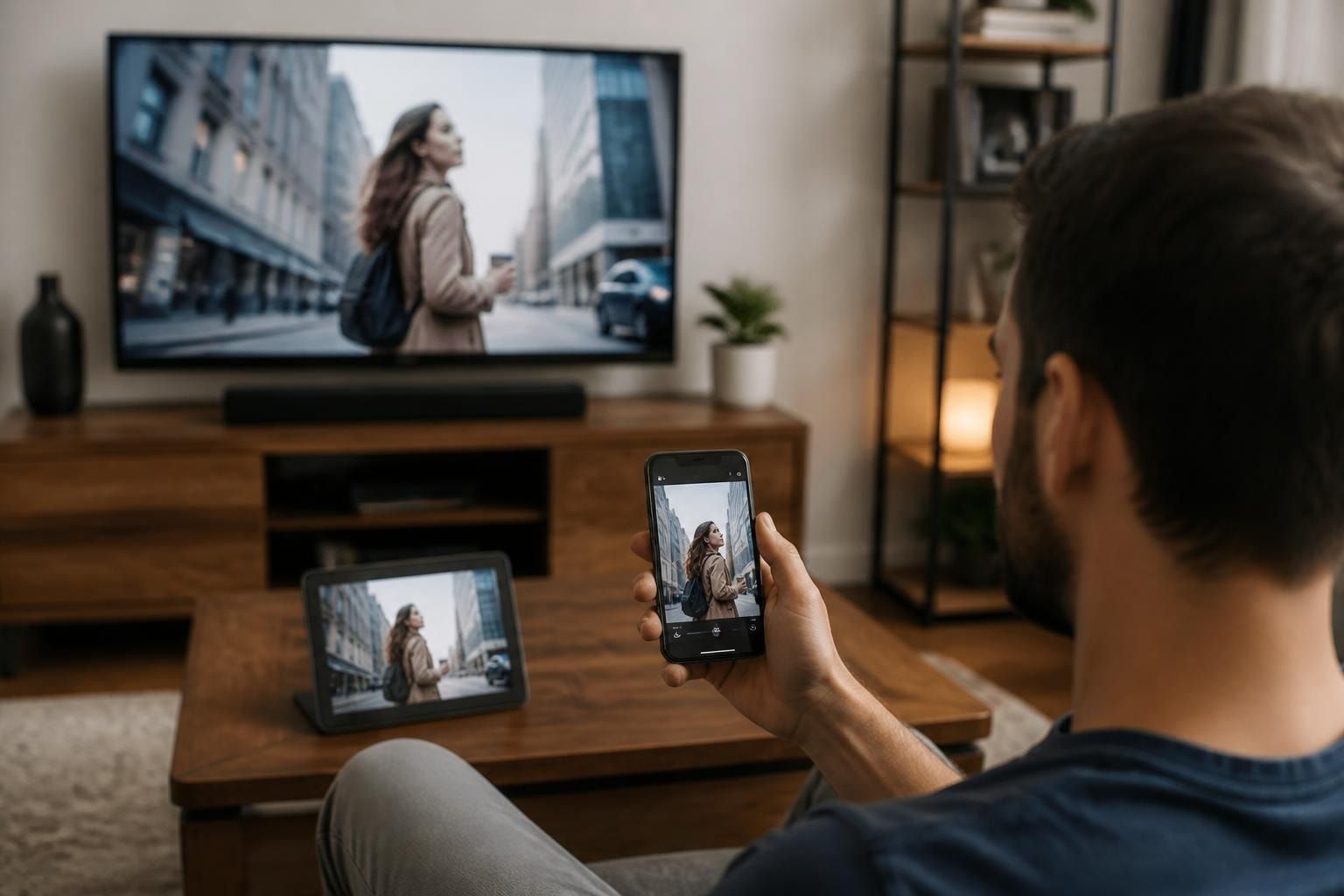
Creating exceptional commercial video content represents only half the battle. Strategic distribution ensures your investment reaches target audiences and generates intended results. In 2026, successful distribution requires platform-specific optimization and multi-channel strategies.
Platform-Specific Formatting Requirements
Different platforms demand different technical specifications and creative approaches. A commercial video optimized for television broadcast requires different formatting than one designed for Instagram Stories or YouTube pre-roll advertisements.
| Platform | Optimal Length | Aspect Ratio | Key Considerations |
|---|---|---|---|
| YouTube | 15-30 seconds | 16:9 | Skippable ads need 5-second hooks |
| Instagram Feed | 30-60 seconds | 1:1 or 4:5 | Mobile-first design, captions required |
| 15-30 seconds | 1:1 or 16:9 | Auto-play without sound considerations | |
| 30-90 seconds | 16:9 | Professional tone, B2B messaging | |
| TikTok | 9-15 seconds | 9:16 | Authentic, trend-aware content |
| Television | 15-30 seconds | 16:9 | Broadcast standards, closed captioning |
Understanding these platform requirements before you create commercial video content prevents expensive reformatting and ensures maximum effectiveness across channels. Many businesses working with commercial video production services request multiple versions optimized for different platforms.
Emerging Trends and Technology Integration
The commercial video landscape continues evolving rapidly. Trends in video commercial shooting highlight the increasing dominance of short-form content, AI-driven production tools, and audience demand for authentic, relatable content over polished perfection.
Artificial intelligence now assists with various production tasks, from script optimization to automated editing suggestions. However, human creativity and strategic thinking remain irreplaceable when you create commercial video campaigns that truly connect with audiences and drive business results.
Interactive video elements, shoppable content, and personalized variations represent additional trends shaping commercial video in 2026. These technologies enable more engaging experiences and better performance tracking, allowing brands to measure and optimize campaign effectiveness with unprecedented precision.
Measuring Performance and ROI
Commercial video investments require measurable returns. Establishing clear metrics and tracking systems ensures you understand what's working and where improvements are needed.
Key Performance Indicators for Commercial Video
Different campaign objectives require different success metrics. Brand awareness campaigns focus on reach and impressions, while direct response commercials prioritize clicks, conversions, and cost per acquisition.
Essential metrics for commercial video performance include:
- View count and completion rate
- Engagement metrics (likes, shares, comments)
- Click-through rate to landing pages
- Conversion rate and attribution
- Cost per view and cost per conversion
- Brand lift and message recall (via surveys)
Tracking these metrics across platforms provides comprehensive performance understanding. Modern scalable commercial video creation workflows integrate analytics from the beginning, allowing real-time optimization and data-driven decision making.
Testing and Optimization Strategies
Creating multiple commercial variations enables A/B testing that identifies what resonates most strongly with target audiences. Variables to test include messaging, visual styles, calls-to-action, length, and platform-specific adaptations.
Successful testing requires statistical discipline and sufficient sample sizes. Running tests for appropriate durations ensures results reflect genuine audience preferences rather than random variation. The insights gained inform not just current campaigns but future production strategies.

Working with Professional Production Teams
While some businesses choose to create commercial video content in-house, partnering with experienced production companies often delivers superior results with better resource efficiency. Professional teams bring specialized expertise, proven workflows, and creative perspective that elevates commercial quality.
Questions to Ask Potential Production Partners
Selecting the right production partner significantly impacts your commercial's success. Beyond reviewing portfolios and pricing, ask questions that reveal how teams approach strategy, collaboration, and problem-solving.
Critical questions include:
- How do you translate business objectives into creative concepts?
- What does your typical production timeline look like?
- How do you handle revisions and feedback?
- What metrics do you use to measure campaign success?
- Can you provide client references for similar projects?
These conversations reveal whether potential partners understand your industry, respect your budget, and share your commitment to measurable results. Companies offering corporate video production services should demonstrate clear processes and strategic thinking beyond just technical capabilities.
Collaborative Production Workflows
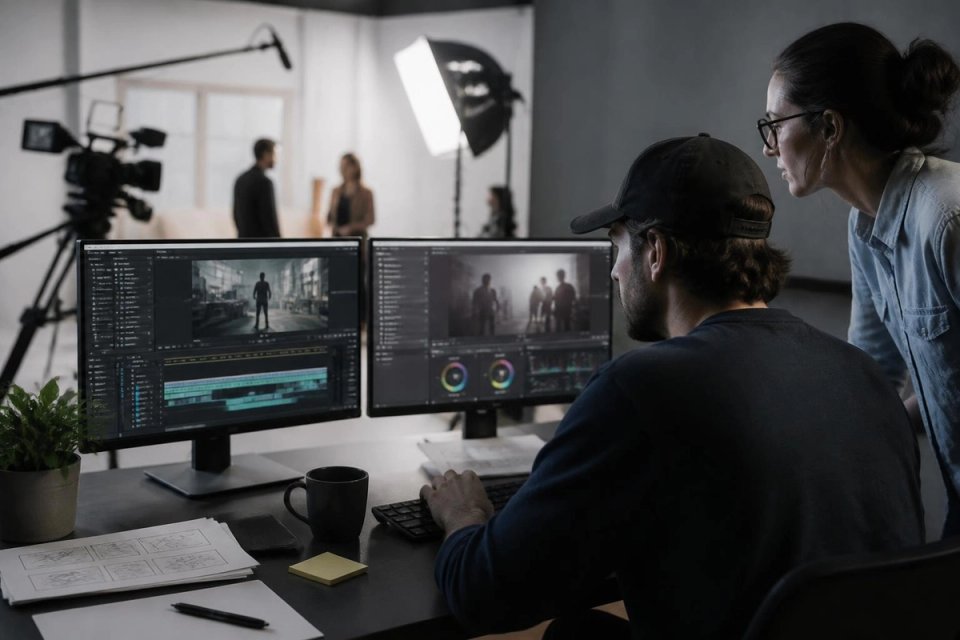
Successful commercial video production requires effective collaboration between clients and production teams. Clear communication, defined approval processes, and realistic timelines prevent misunderstandings and ensure projects stay on track.
Agree who will review each stage and where feedback will be collected. Use regular check-ins and a shared schedule to track decisions from the concept through final delivery.
Budget Considerations for Small and Medium Businesses
Not every business commands Fortune 500 budgets for commercial video production. Understanding how to maximize limited resources while maintaining quality standards enables smaller organizations to compete effectively in video-driven marketing landscapes.
Cost-Effective Production Strategies
Strategic compromises can reduce costs without sacrificing core quality. Simplified concepts, minimal locations, fewer shoot days, and streamlined post-production all impact budgets while still delivering professional results when executed thoughtfully.
Creating amateur commercial videos with business-level polish requires understanding where to invest and where to economize. Audio quality and clear messaging should never be compromised, while elaborate set designs or exotic locations often prove negotiable.
Repurposing content across multiple campaigns extends initial production investments. A well-planned shoot can yield footage for various commercials, social media content, and marketing video applications that serve different objectives throughout the year.
Building Long-Term Production Partnerships
Establishing ongoing relationships with production teams creates efficiencies that benefit both parties. Producers gain deeper brand understanding while clients enjoy streamlined workflows, better pricing, and consistent quality across multiple projects.
Long-term partnerships enable more strategic video marketing approaches. Rather than one-off commercials, businesses can develop comprehensive content strategies with connected campaigns that build on each other over time, creating stronger brand narratives and better overall performance.
Creating effective commercial video requires strategic planning, technical expertise, and creative execution across multiple production phases. By understanding the complete process from concept development through distribution and performance measurement, businesses can create content that captures attention, communicates clearly, and drives measurable results. Viva Media specializes in helping Toronto-area businesses navigate this complex landscape, delivering high-performance commercial video content engineered for maximum impact and ROI.