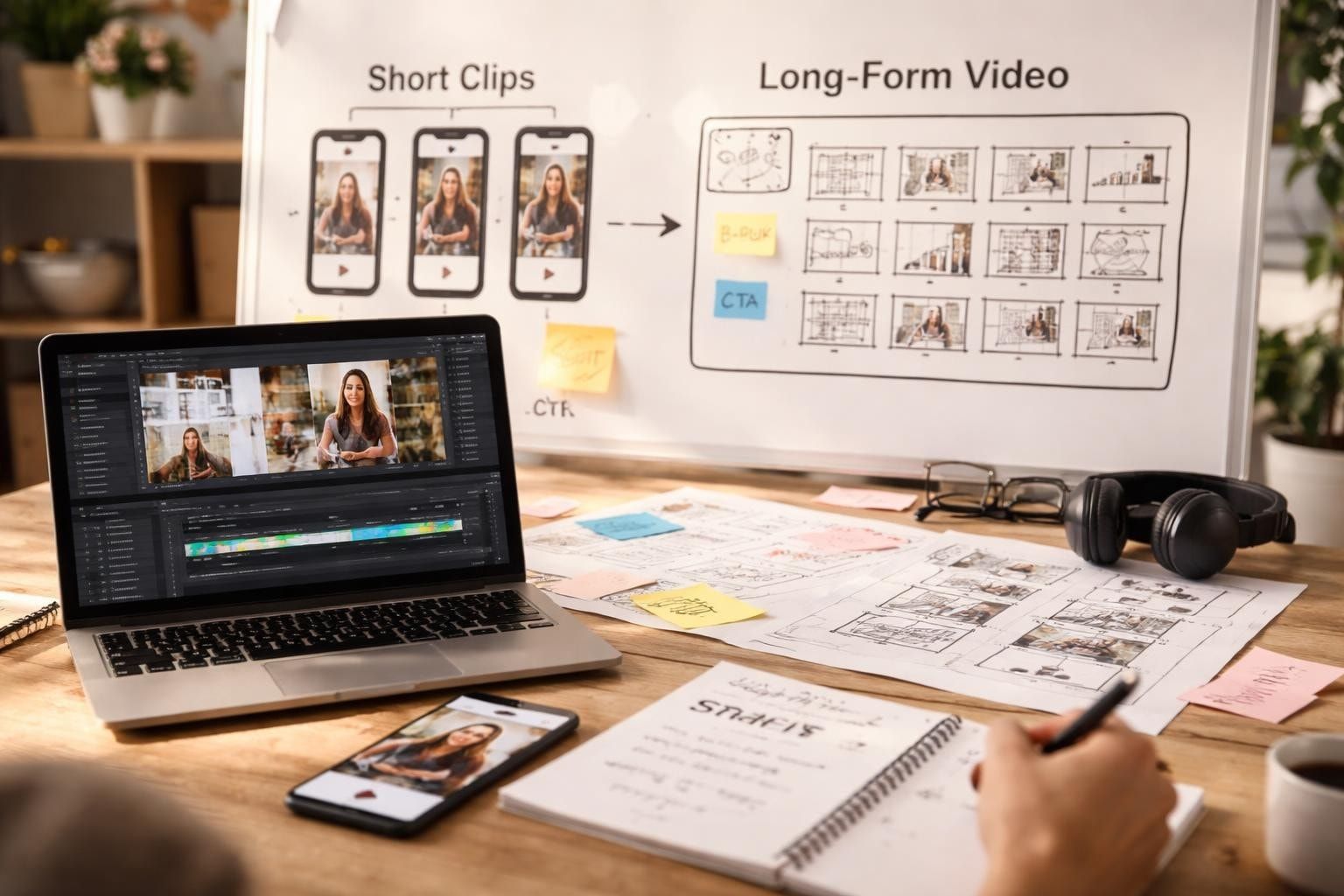

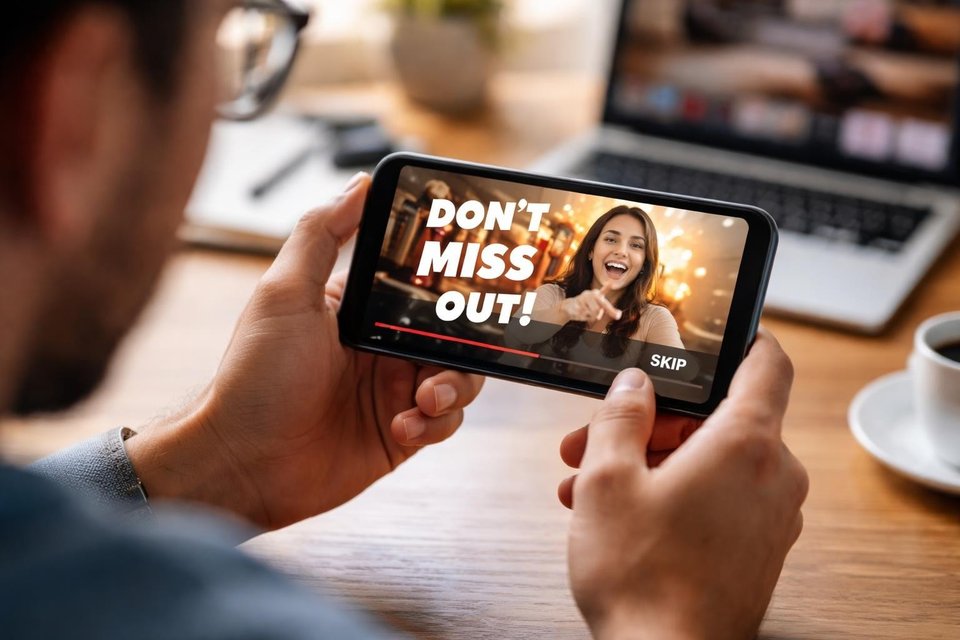
The first five seconds of your video determine whether viewers stay or scroll past. A professionally crafted videos intro serves as the gateway to your content, establishing brand identity while immediately communicating value to your audience. In 2026's attention economy, where viewers make split-second decisions about content consumption, the difference between a strategic introduction and a generic opener directly impacts your video's performance metrics. For businesses investing in professional video production, understanding how to engineer these critical opening moments transforms content from forgettable to unforgettable.
The Strategic Value of a Strong Videos Intro
A videos intro functions as more than decorative branding. It serves multiple strategic purposes that compound over time as your content library grows. When executed properly, introductions create instant recognition, establish professional credibility, and set viewer expectations for the content that follows.
Brand recognition accelerates when viewers encounter consistent visual and auditory elements across your video content. The human brain processes familiar patterns 60% faster than novel information, meaning a recognizable introduction helps audiences immediately connect with your brand before you've delivered a single message. This recognition becomes particularly valuable for businesses building content series or maintaining active social media channels where repeated exposure strengthens brand recall.
Professional production quality signals investment and expertise. According to Vimeo's analysis on video intros, audiences form quality judgments within the first three seconds of viewing. A polished introduction establishes credibility that carries through your entire message, particularly important for corporate video production where trust and authority directly influence business outcomes.
Measurable Impact on Performance Metrics
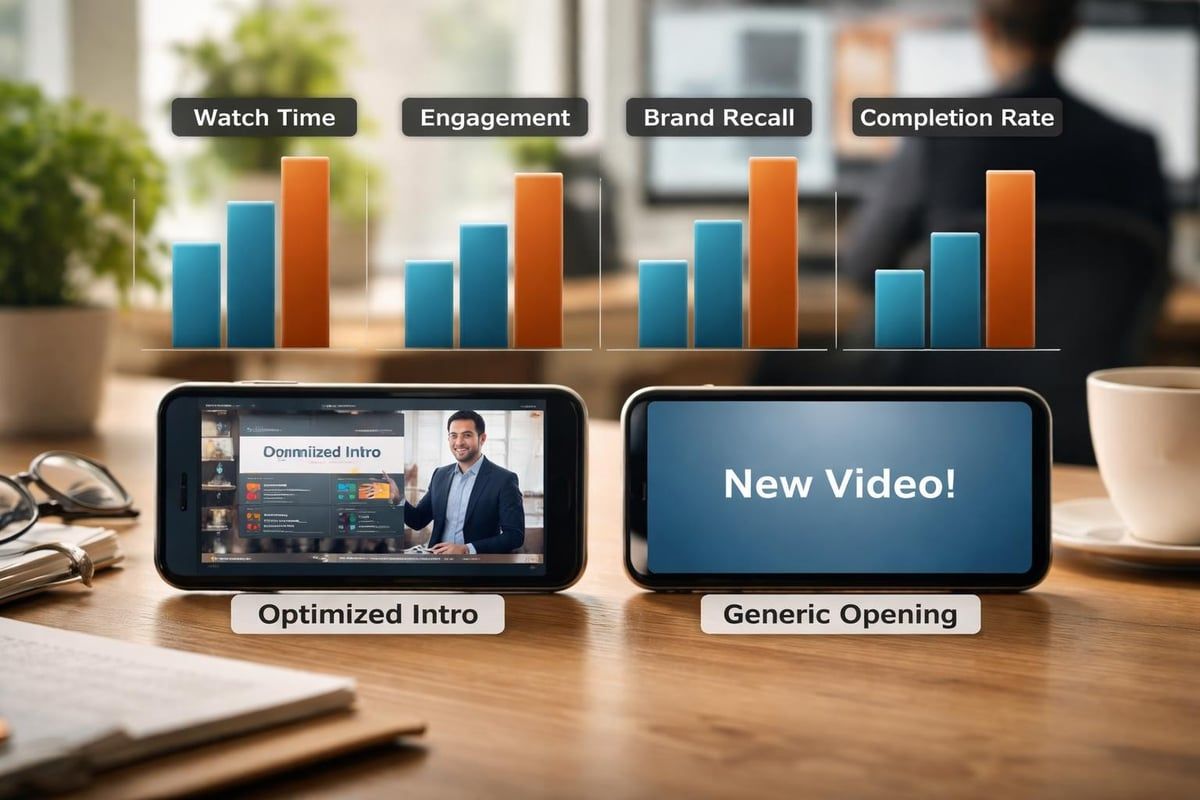
The connection between videos intro quality and performance metrics reveals clear patterns across platforms:
| Metric | Impact of Professional Intro | Comparison Point |
|---|---|---|
| Watch Time | 23% higher average duration | Videos without branded intros |
| Click-Through Rate | 18% improvement | Generic title cards |
| Brand Recall | 35% stronger after one week | Videos without consistent branding |
| Completion Rate | 15% higher finish rate | Extended intros over 8 seconds |
These numbers demonstrate why commercial video production emphasizes opening sequences as strategic investments rather than aesthetic choices.
Essential Elements Every Videos Intro Should Include
Successful introductions balance multiple components that work together to create immediate impact. Understanding these elements helps businesses make informed decisions when planning video content.
Brand Identity Components
Your visual signature needs immediate recognition. This includes your logo treatment, color palette, typography, and any signature animation style that becomes associated with your content. TechSmith's guide on creating effective intros emphasizes that brand elements should appear within the first two seconds to maximize recognition before viewer attention wavers.
Typography choices communicate tone before words are read. A technology company might use clean, modern sans-serif fonts suggesting innovation, while a luxury brand employs elegant serif typography conveying sophistication. These visual choices should align with your broader brand standards while optimizing for video playback at various resolutions.
Audio branding creates multisensory recognition. A brief audio signature, whether musical sting or sound design element, triggers memory associations independent of visual attention. Viewers scrolling social feeds with sound off still benefit from visual branding, while podcast-style content with minimal visuals leverages audio signatures for recognition.
Hook Mechanisms That Retain Attention
The most effective videos intro sequences incorporate immediate value signals. Rather than forcing viewers to wait through lengthy branding before reaching content, modern introductions blend brand elements with compelling hooks.
Consider these proven hook strategies:
- Problem statement hooks immediately identify a pain point your content addresses
- Question-based openings create curiosity gaps that demand resolution
- Startling statistics or unexpected facts that challenge assumptions
- Visual hooks showing your most compelling footage before formal introduction
- Testimonial snippets from recognizable voices lending credibility
Kicker Video's tips for perfect intros highlight how leading with value rather than brand vanity significantly improves retention rates. The goal isn't choosing between branding and content, but rather integrating both within a compressed timeframe.
Optimal Length and Pacing Strategies
Duration represents one of the most debated aspects of videos intro design. The answer varies by platform, content type, and audience expectations, but clear patterns emerge from performance data.
For social media content, particularly platforms like Instagram, TikTok, and YouTube Shorts, introductions should compress to 2-3 seconds maximum. Audiences on these platforms expect immediate content delivery, and extended branding sequences trigger immediate scrolling. As noted in vidIQ's analysis of YouTube intros, even traditional YouTube content now performs better with shorter introductions than the 5-7 second standard from previous years.
Long-form content allows slightly extended introductions, but rarely beyond 5 seconds. Educational content, documentaries, and episodic series can justify the additional time when the introduction becomes part of the viewing ritual audiences anticipate. Think of how television series use opening credit sequences that viewers rarely skip because they signal the beginning of an enjoyable experience.
Corporate and commercial video production typically benefits from the 3-5 second range. This provides sufficient time for clean brand presentation without testing viewer patience, particularly when videos serve specific business objectives requiring immediate message delivery.
Pacing Within Your Introduction
The internal rhythm matters as much as total duration. A 4-second introduction can feel rushed or perfectly paced depending on how visual and audio elements unfold.
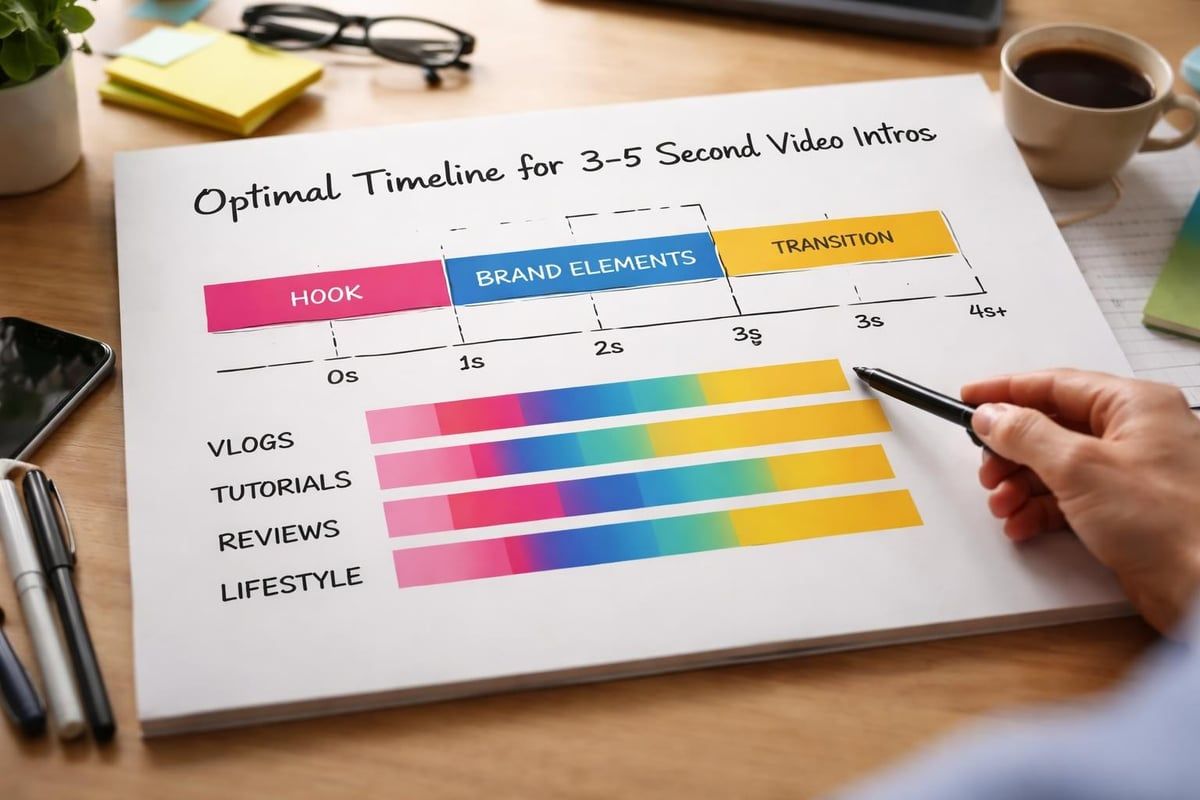
- Immediate visual interest (0-1 seconds): Motion, color, or compelling imagery before brand elements
- Brand presentation (1-2.5 seconds): Logo animation, company name, visual identity elements
- Transition to content (2.5-4 seconds): Smooth handoff to your opening message or scene
This structure, outlined in VideoStudio's intro guide, creates a natural flow that satisfies branding requirements while respecting viewer attention spans.
Platform-Specific Considerations
Each distribution platform presents unique technical and cultural requirements that should influence your videos intro strategy. A one-size-fits-all approach sacrifices performance in favor of convenience.
YouTube and Video Platforms
YouTube rewards watch time and audience retention above all other metrics. Your videos intro must balance branding with immediate content delivery to prevent early drop-off that damages algorithmic performance. Linearity's animated intro guide explains how successful YouTube channels often use pattern interrupts, where a brief content tease precedes formal introduction, capturing attention before branding appears.
Consider creating two versions of your introduction: a standard 4-5 second version for regular content and a compressed 2-second version for videos where immediate topic delivery proves critical. This flexibility allows optimization for specific content while maintaining brand consistency.
Social Media Platforms
Instagram, LinkedIn, and Facebook autoplay videos without sound, making visual impact paramount. Your videos intro must communicate brand and value through imagery alone, with text overlays compensating for absent audio. Many successful businesses create social-specific intro variations with prominent text elements that wouldn't appear in YouTube versions.
LinkedIn audiences, particularly those engaging with creative video agency content, expect professional production values but minimal flash. Introductions on this platform should emphasize credibility and expertise rather than entertainment value.
Design Principles for Maximum Impact
Visual design choices separate memorable introductions from forgettable ones. These principles apply whether you're creating motion graphics, live-action sequences, or hybrid approaches.
Contrast drives attention. Your introduction should feature high contrast between elements to ensure clarity at small screen sizes. Light backgrounds with dark text, or vice versa, perform better than mid-tone combinations that muddle together on mobile devices. Color theory suggests complementary color schemes create more visual pop than analogous palettes in compressed timeframes.
Motion serves purpose, not decoration. Every animated element should guide viewer attention or reinforce brand personality. Random motion creates visual noise that distracts from your message. Purposeful animation, whether subtle logo reveal or dynamic text treatment, enhances memorability without overwhelming.
Typography in Motion
Text elements within your videos intro require special consideration. Static text that works well in print often fails in video format where:
- Viewing duration is compressed, requiring instant readability
- Screen sizes vary from large displays to mobile devices
- Motion surrounds text elements, affecting legibility
- Background video may compete with foreground text
Sans-serif fonts generally outperform serif options for videos intro text, particularly at smaller sizes. Weight and spacing matter more than decorative elements. Bold, well-tracked typography ensures readability even when viewers glimpse content while scrolling.
| Typography Element | Recommended Approach | Why It Matters |
|---|---|---|
| Font Weight | Bold or Semi-Bold minimum | Ensures visibility against motion backgrounds |
| Letter Spacing | 5-10% wider than print standard | Prevents character collision in motion |
| Text Animation | Fade or wipe transitions | Maintains readability during movement |
| Outline/Shadow | Subtle contrast enhancement | Separates text from varied backgrounds |
Technical Production Considerations
The execution quality of your videos intro depends on technical decisions made during production and post-production. These choices impact both visual quality and file efficiency.
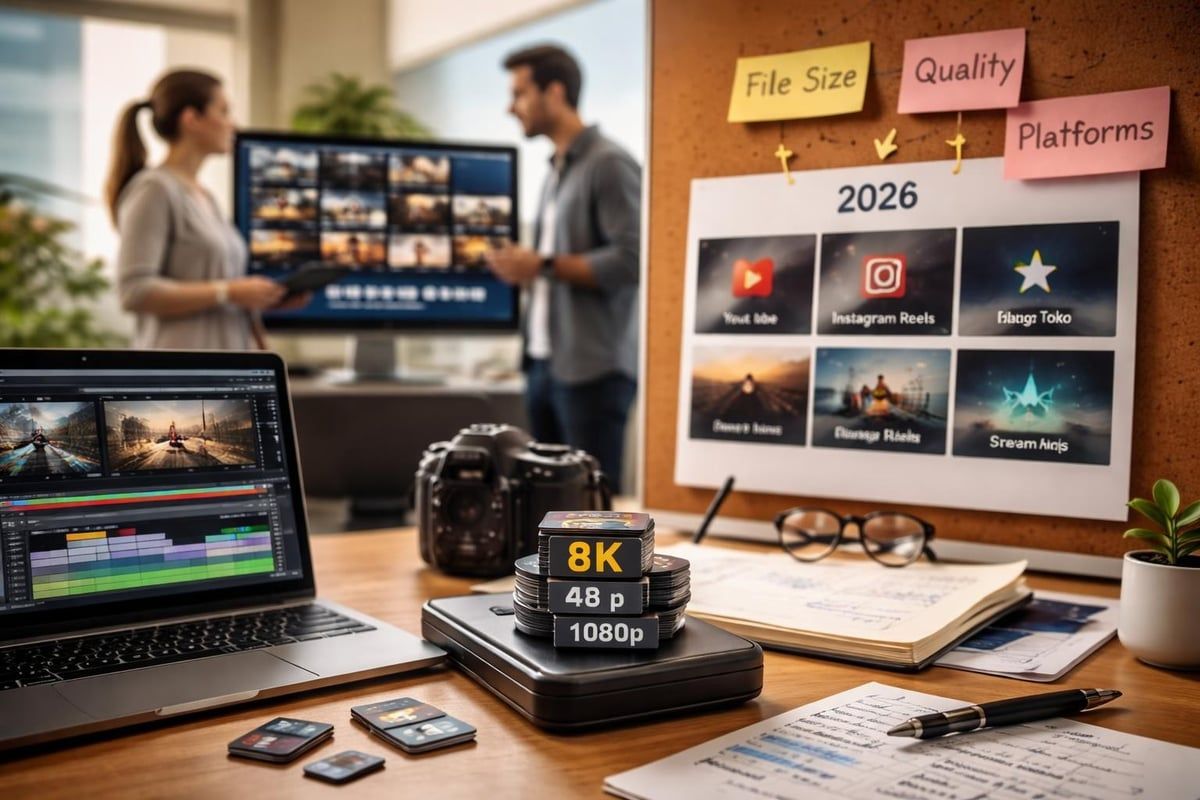
Resolution and aspect ratio planning prevents reformatting headaches. Creating introduction assets at 4K resolution provides flexibility for different output formats while ensuring quality in standard 1080p delivery. Design within safe zones that accommodate both 16:9 landscape and 9:16 vertical formats, recognizing that social media increasingly favors vertical video.
Audio mixing requires particular attention in brief introductions. Your audio signature or background music must reach appropriate levels without startling viewers or triggering auto-lowering on platforms with volume normalization. According to Vibbit's comprehensive guide on video intros, audio should peak around -6dB to -3dB, providing presence without harshness.
File Optimization
Your videos intro assets should load quickly and play smoothly across devices. This requires:
- Codec selection balancing quality with file size (H.264 remains the safe choice for broad compatibility)
- Bitrate optimization preventing unnecessary file bloat
- Keyframe placement ensuring smooth playback on varied internet connections
- Alpha channel options if overlaying introductions on different background content
Working with professional video production services ensures these technical elements receive proper attention during creation, preventing quality issues that emerge only after distribution begins.
Common Mistakes That Undermine Effectiveness
Even well-intentioned videos intro sequences fail when they incorporate these problematic elements. Awareness of these pitfalls helps businesses avoid wasting production resources on ineffective openings.
Excessive length remains the most common error. Despite abundant data showing viewer preference for brevity, many businesses cling to 8-10 second introductions that satisfied earlier web standards. In 2026's competitive attention landscape, these extended openings hemorrhage viewers before content begins. Pinnacle Studio's intro creation guide reinforces that even premium brand content benefits from compression.
Inconsistent branding creates confusion rather than recognition. When your introduction style varies dramatically between videos, audiences cannot develop the pattern recognition that drives brand recall. This doesn't mean every video needs identical introductions, but core visual and audio elements should remain consistent enough to create familiarity.
Audio Missteps
Sound design errors particularly damage videos intro effectiveness:
- Music that overwhelms dialogue or message in following content
- Audio levels mismatched with main content, forcing viewers to adjust volume
- Trendy music choices that quickly date content
- Absent audio consideration for sound-off viewing environments
- Complex audio signatures that compress poorly on mobile devices
Professional production teams balance these elements through proper mixing and platform-specific optimization, ensuring introductions enhance rather than detract from viewing experience.
Strategic Variations for Different Content Types
Not all content deserves identical introduction treatment. Strategic businesses develop introduction variations optimized for specific content categories while maintaining brand cohesion.
Episodic content benefits from consistent, recognizable introductions that become part of the viewing ritual. Think of how successful podcast video adaptations use reliable opening sequences that signal show beginning. This consistency creates anticipation and reinforces series branding across episodes.
One-off promotional content or commercial video production often performs better with abbreviated or contextual introductions. When distributing a product launch video, getting to product messaging quickly may outweigh extended brand presentation, particularly if paid promotion drives initial discovery.
Educational and Training Videos
Instructional content presents unique introduction challenges. Viewers seeking specific information demonstrate lower patience for branding that delays answers. Consider these approaches:
- Immediate topic identification before brand presentation
- Visual preview of outcomes viewers will achieve
- Compressed branding limited to logo and brief audio signature
- Value proposition stated within first three seconds
This structure respects viewer intent while maintaining professional production standards essential for corporate video production representing business credibility.
Building Your Introduction Asset Library
Professional organizations maintain libraries of introduction variations for deployment across content types. This systematic approach ensures consistency while enabling flexibility.
Your asset library should include:
- Master full-length version serving as the definitive brand representation
- Compressed social media variant optimized for platform-specific requirements
- Audio-only signature for podcast or audio-first content
- Silent version with text emphasis for sound-off environments
- Vertical format adaptation for mobile-first platforms
Each variant maintains core brand elements while optimizing for specific use cases. This library approach, similar to how creative agencies structure production workflows, prevents rushed last-minute creation that sacrifices quality.
Version Control and Updates
Brand evolution requires periodic introduction updates. Establish review schedules, typically annually, to assess whether your videos intro still represents current brand positioning and meets contemporary production standards. What impressed audiences in 2024 may appear dated by 2026 as motion design trends and platform preferences evolve.
Document version history and maintain master project files enabling efficient updates. When rebranding becomes necessary, having source files prevents complete recreation, allowing selective element updates while preserving effective components.
Measuring Introduction Effectiveness
Strategic video production demands measurable results. Your videos intro performance should face regular evaluation using platform analytics and audience feedback.
Watch time graphs reveal precisely where viewers drop off. If significant abandonment occurs during your introduction, duration or engagement may need adjustment. Compare retention rates between videos with different introduction approaches to identify what resonates with your specific audience.
Brand recall studies, though more resource-intensive, provide valuable data for businesses investing heavily in video marketing. Survey sample audiences about brand recognition after exposure to your content, comparing recall rates against competitors or industry benchmarks.
A/B Testing Strategies
Systematic testing refines introduction effectiveness:
- Duration tests comparing 3-second versus 5-second versions
- Hook position tests measuring whether content tease before or after branding improves retention
- Music variants assessing audio impact on brand perception
- Color scheme tests evaluating whether palette adjustments affect click-through rates
Document results systematically, building institutional knowledge about what works for your specific audience rather than relying on general best practices that may not apply to your niche.
Integration with Broader Content Strategy
Your videos intro doesn't exist in isolation. It functions as one component within comprehensive content strategy spanning video production across platforms and purposes.
Coordinate introduction development with overall brand guidelines ensuring visual consistency across all customer touchpoints. Your video introduction should feel like a natural extension of website design, social media presence, and other brand expressions rather than disconnected element.
Consider how introduction elements might extend into outros, lower thirds, transitions, and other motion graphics throughout your content. This holistic approach creates cohesive viewing experiences that reinforce brand identity at multiple touchpoints within each video.
A strategically designed videos intro represents far more than opening decoration-it functions as a high-performance brand asset delivering measurable returns through improved recognition, retention, and engagement. The principles outlined here provide frameworks for creating introductions that respect viewer attention while establishing professional credibility essential for business results. Whether you're launching new content series or refining existing video marketing efforts, Viva Media brings Toronto-based expertise in engineering video introductions that capture attention and drive measurable outcomes for forward-thinking brands throughout the Greater Toronto Area.