
The making of video has evolved from a simple DVD bonus feature into a powerful marketing tool that connects brands with their audiences on a deeper level. These behind-the-scenes glimpses transform the final polished product into a human story, revealing the creative process, technical expertise, and collaborative effort that brings ideas to life. For businesses in 2026, understanding how to craft compelling making of video content has become essential for building authenticity, demonstrating value, and differentiating themselves in an increasingly crowded marketplace.
Understanding the Strategic Value of Making of Videos
A well-executed making of video serves multiple business objectives simultaneously. These pieces of content provide transparency into your production process while establishing credibility through demonstrated expertise and attention to detail.
Primary Benefits for Business Growth:
- Trust building through authentic glimpses into your working methods
- Educational value that positions your brand as an industry authority
- Extended content lifecycle by creating additional assets from existing productions
- Team humanization that connects audiences with the people behind the brand
- Technical showcase demonstrating equipment, skills, and professional capabilities
The behind-the-scenes video production process involves deliberate planning and execution rather than simply turning on a camera during regular shooting. Forward-thinking companies recognize that making of video content requires its own production strategy, dedicated resources, and clear distribution plan.
Audience Psychology and Engagement Metrics
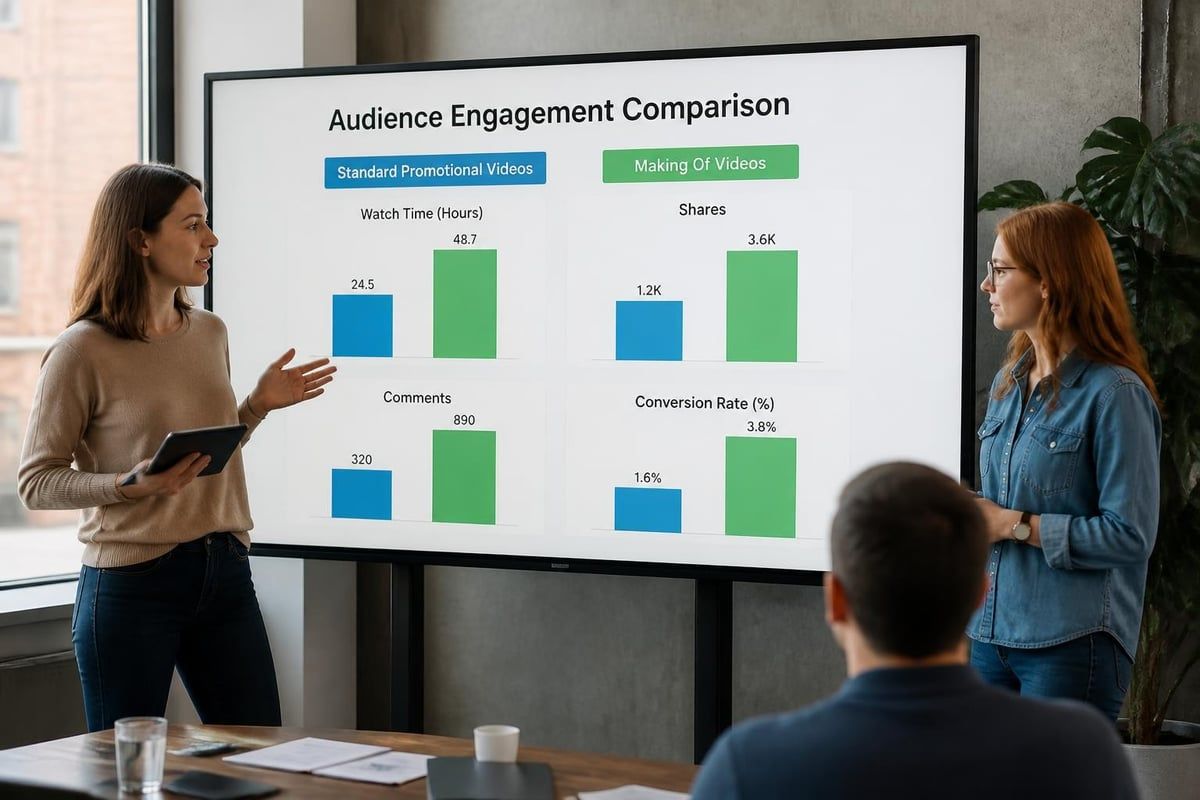
Today's consumers demand transparency and connection with the brands they support. A making of video satisfies this need by pulling back the curtain on how professional content gets created. Research consistently shows that behind-the-scenes content generates higher engagement rates than standard promotional material, with viewers spending more time watching and sharing this type of content across social platforms.
| Content Type | Average Watch Time | Share Rate | Audience Trust Score |
|---|---|---|---|
| Standard Commercial | 45 seconds | 2.3% | 6.2/10 |
| Making of Video | 2 minutes 15 seconds | 8.7% | 8.9/10 |
| Product Demo | 1 minute 10 seconds | 3.1% | 7.1/10 |
| Customer Testimonial | 1 minute 30 seconds | 4.5% | 8.2/10 |
The data demonstrates that investing in making of video production yields measurable returns through improved audience connection and engagement.
Planning Your Making of Video Production
Successful behind-the-scenes content doesn't happen by accident. It requires strategic planning before the primary shoot begins, ensuring you capture the right moments without disrupting the main production workflow.
Pre-Production Considerations
Start by defining clear objectives for your making of video. Determine whether you're creating content for marketing purposes, client deliverables, portfolio enhancement, or social media distribution. Each purpose requires different approaches to content capture and editing style.
Essential Planning Steps:
- Assign dedicated BTS crew separate from main production team
- Identify key moments to capture throughout the shooting schedule
- Secure necessary permissions from talent, crew, and location owners
- Coordinate with directors to minimize disruption during critical takes
- Prepare interview questions for talent and crew members
- Scout additional angles that won't interfere with primary cameras
When creating video for business, the making of video component should be factored into initial budgets and timelines. This ensures adequate resources are allocated without compromising the main production deliverables.
Equipment and Technical Requirements
A making of video doesn't necessarily require the same high-end equipment as your primary production. However, you need reliable tools that can operate efficiently in a fast-paced environment.
Modern smartphones equipped with stabilization gimbals can capture excellent behind-the-scenes footage. Alternatively, mirrorless cameras with compact zoom lenses offer professional quality without the bulk that might interfere with the main shoot. The key consideration is mobility and discretion.
Audio equipment deserves special attention. Wireless lavalier microphones allow you to capture clean interviews without tangled cables. Alternatively, shotgun microphones mounted on your camera provide decent ambient sound and can pick up conversations when positioned properly.
Capturing Compelling Behind-the-Scenes Content
The art of creating an effective making of video lies in knowing what to film and when to capture it. You're not simply documenting everything that happens; you're curating specific moments that tell a compelling story about the creative process.
Essential Shots and Sequences
Behind-the-scenes production work encompasses various elements that viewers find fascinating. Equipment setups, lighting adjustments, and crew coordination all provide valuable insights into professional production standards.
Critical Footage to Capture:
- Wide shots establishing the production environment and scale
- Close-ups of technical equipment being adjusted and operated
- Director communicating with talent and providing direction
- Crew members collaborating and problem-solving in real-time
- Talent preparing, rehearsing, and reviewing performances
- Reaction shots showing genuine moments between takes
- Time-lapse sequences of major setup transitions
The craft involved in production becomes evident through these carefully selected moments. Each shot should serve a purpose in building the narrative of how creative vision transforms into finished content.
Interview Integration
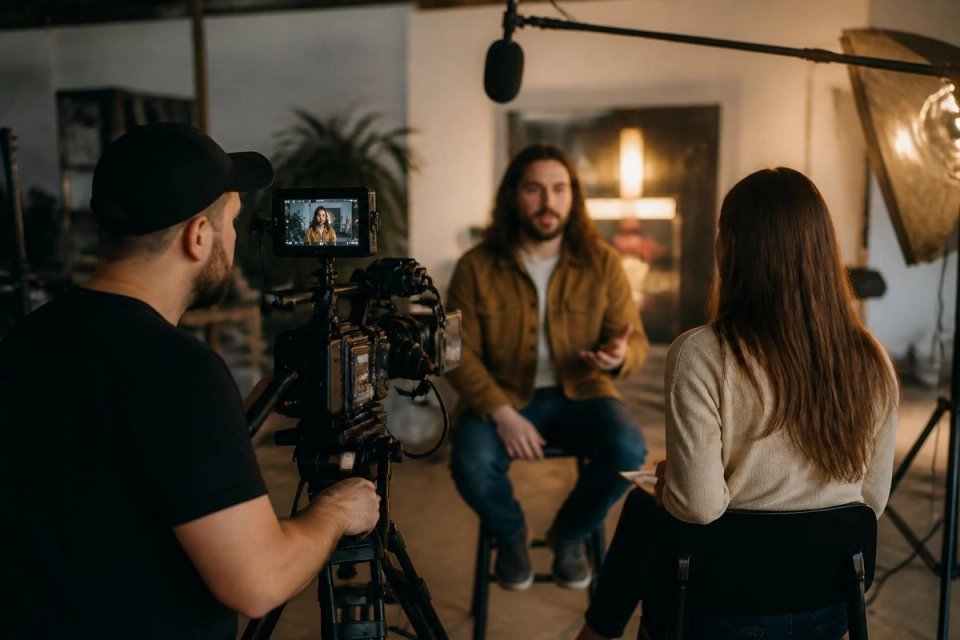
Interviews add crucial context and personality to your making of video. Brief conversations with directors, producers, talent, and key crew members explain the "why" behind creative decisions viewers see on screen.
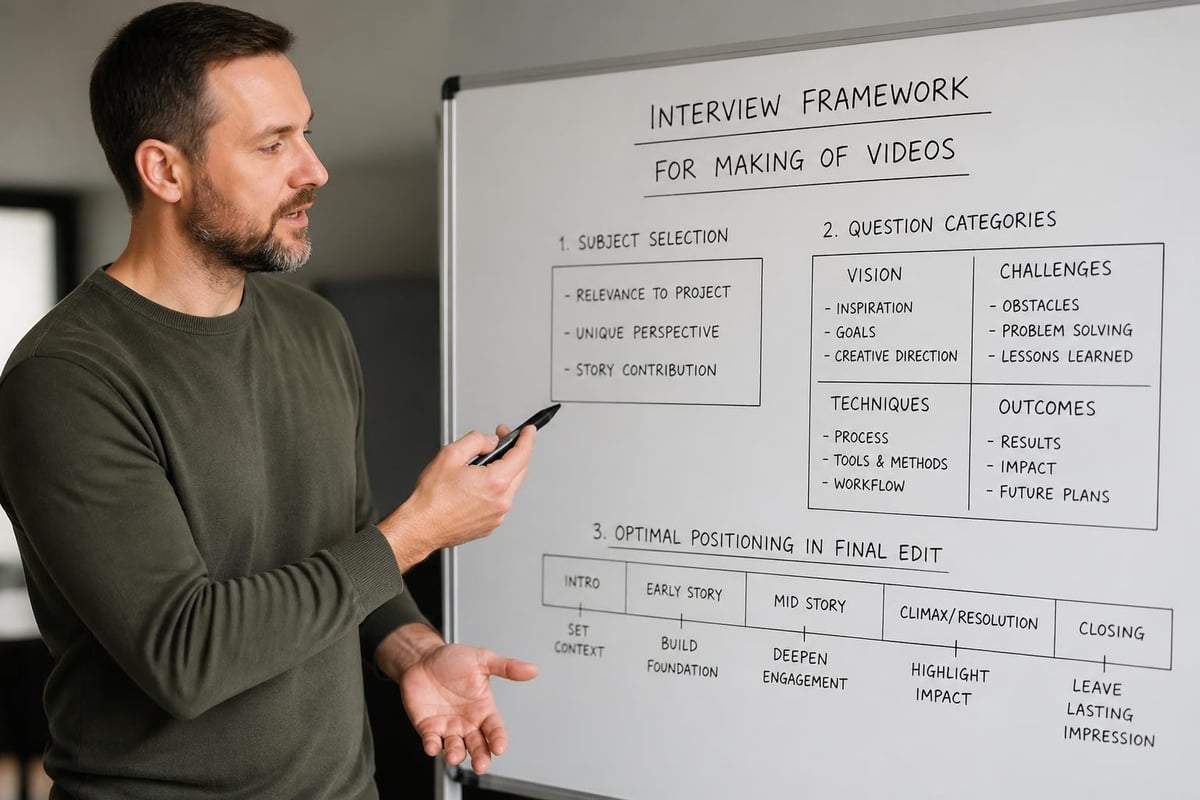
Keep interviews concise and focused. Ask open-ended questions that elicit stories rather than yes/no responses. Questions like "What was the biggest challenge in bringing this scene to life?" or "Can you walk us through your lighting approach for this setup?" generate engaging content that educates while entertaining.
Position your interview subject against interesting backgrounds that show production activity without being distractingly busy. Natural lighting from large windows or controlled artificial light sources creates professional-looking interview footage even in challenging on-set environments.
Structuring and Editing Your Making of Video
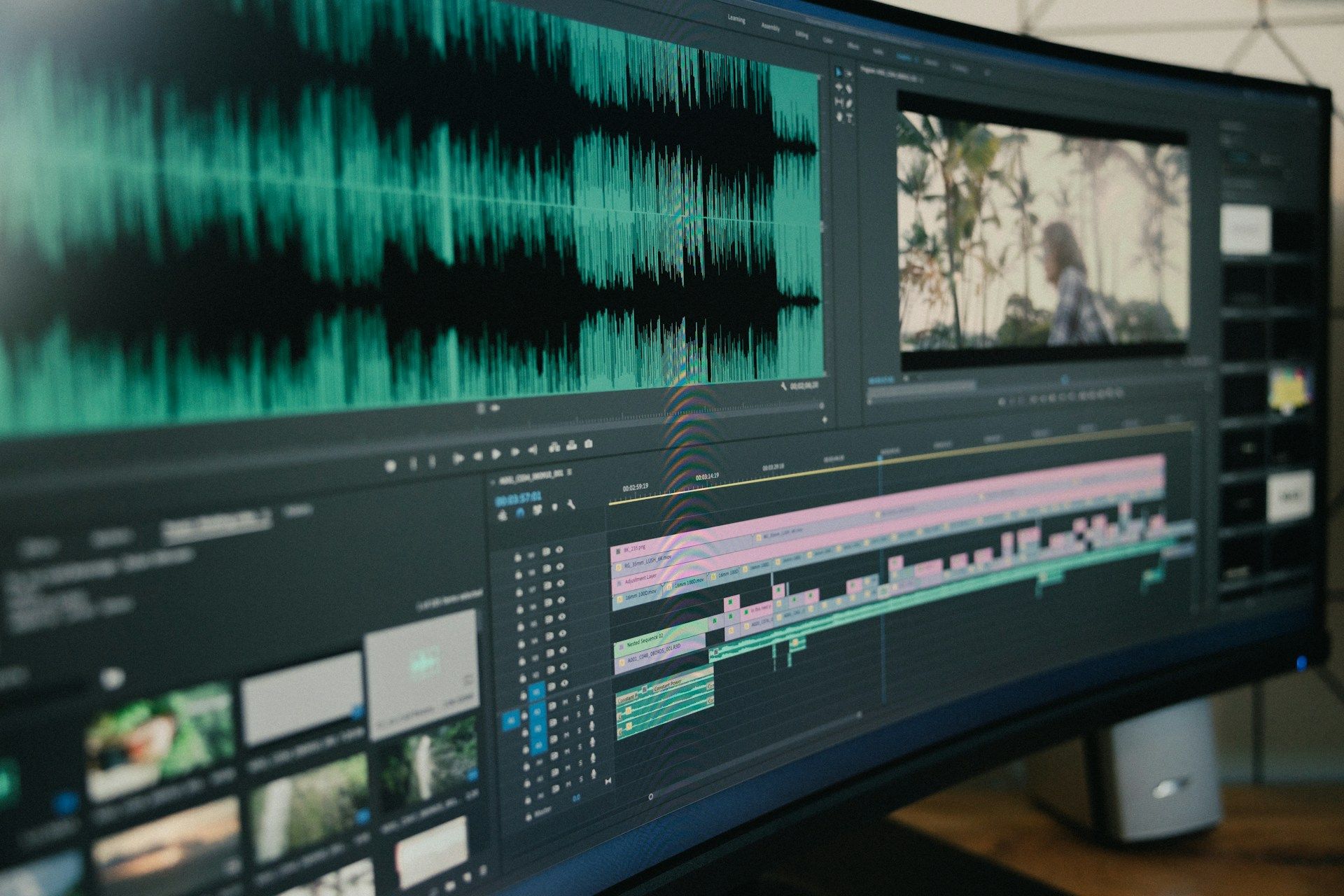
The editing phase transforms raw behind-the-scenes footage into a cohesive narrative that engages viewers while showcasing your production expertise. Your making of video structure should follow a logical progression that mirrors the actual production workflow or tells a compelling story about the creative journey.
Narrative Frameworks That Work
Several proven structures effectively organize making of video content. The chronological approach follows the production from concept through completion, giving viewers a comprehensive understanding of the entire process. Alternatively, a thematic structure organizes content around specific elements like casting, location scouting, visual effects, or performance preparation.
For commercial video production, consider opening with the finished product to establish context, then diving into how key moments were achieved. This approach immediately demonstrates value while building curiosity about the creative process.
Effective Editing Techniques:
- Parallel editing between main footage and BTS to show comparison
- Jump cuts for pacing and energy during extended sequences
- Graphics and text overlays explaining technical terminology or crew roles
- Music selection that complements tone without overwhelming dialogue
- Strategic silence during critical moments to emphasize concentration
- B-roll coverage smoothing transitions between different production phases
The importance of building audience trust through behind-the-scenes content cannot be overstated. Your editing choices should prioritize authenticity over excessive polish, allowing small imperfections and genuine moments to shine through.
Pacing and Duration Considerations
Length depends entirely on distribution platform and audience expectations. Social media making of video content performs best between 60 and 90 seconds, while YouTube audiences tolerate longer formats ranging from 3 to 8 minutes. Client deliverables or portfolio pieces might extend to 10-15 minutes if the content remains engaging throughout.
| Platform | Optimal Length | Key Focus Areas |
|---|---|---|
| Instagram/TikTok | 60-90 seconds | High-energy moments, quick cuts, trending audio |
| 2-3 minutes | Professional insights, technical expertise, team collaboration | |
| YouTube | 5-8 minutes | Comprehensive process, detailed explanations, extended sequences |
| Website Portfolio | 3-5 minutes | Highlight reel format, client-focused results, capabilities showcase |
Maintain momentum by varying shot types, incorporating movement, and changing scenes before viewer interest wanes. Even in longer formats, individual sequences should rarely exceed 20-30 seconds unless they're particularly captivating.
Maximizing ROI from Your Making of Video Assets
Creating behind-the-scenes content represents an investment of time and resources. Maximizing the return requires strategic distribution, repurposing, and integration with broader marketing initiatives. Understanding video production ROI considerations helps ensure your making of video efforts contribute meaningfully to business objectives.
Multi-Platform Distribution Strategy
A single making of video shoot can generate content for numerous platforms when approached strategically. Edit a master version containing all key moments, then create platform-specific cuts optimized for each channel's technical requirements and audience expectations.
Repurposing Opportunities:
- Extract 15-second clips for Instagram Stories and Reels
- Create square or vertical versions for mobile-first platforms
- Develop gif animations from memorable moments
- Compile photo galleries from video stills
- Generate quote graphics from interview soundbites
- Produce teaser content building anticipation before main release
Corporate video production services increasingly include making of video components as standard deliverables, recognizing their value in extending campaign reach and providing additional touchpoints with target audiences.
Client Relations and Portfolio Building
Making of video content serves dual purposes beyond public marketing. These assets strengthen client relationships by demonstrating the care and expertise invested in their projects. Sharing behind-the-scenes footage during production keeps clients engaged and excited about upcoming deliverables.
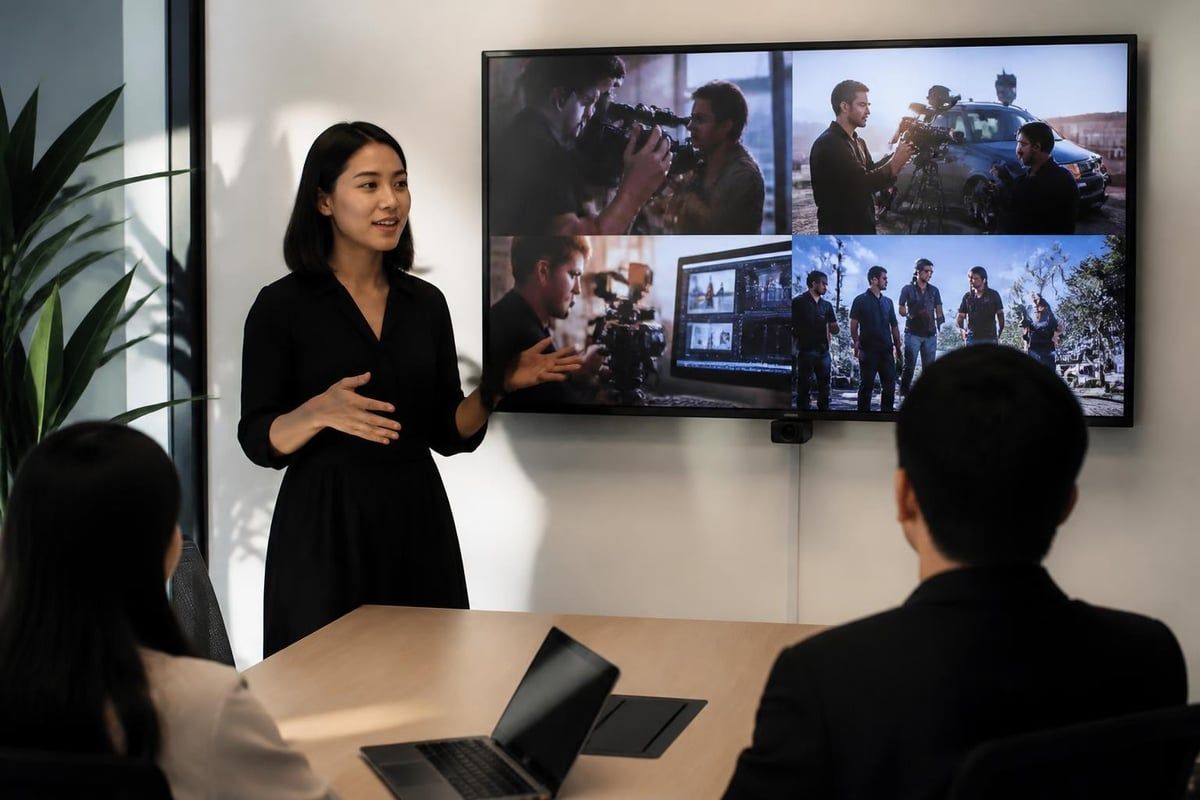
For portfolio purposes, making of video content provides context that finished commercials cannot. Potential clients see not just the end result but the strategic thinking, technical execution, and collaborative approach that produced it. This comprehensive view of production capabilities helps prospects understand what working with your team actually entails.
When presenting your work to potential clients, include relevant making of video segments that demonstrate experience with similar project types, challenges, or production scales. This approach builds confidence while differentiating your services from competitors who only showcase finished products.
Advanced Techniques for Professional Making of Videos
As your making of video production matures, incorporating advanced techniques elevates content quality and viewer engagement. These approaches require additional planning and resources but deliver significantly enhanced results.
Multi-Camera BTS Coverage
Deploying multiple cameras for behind-the-scenes capture provides editorial flexibility and creates more dynamic finished content. Position one camera for wide establishing shots, another for medium interview and interaction footage, and a third for close-up details and equipment operation.
This approach mirrors professional video production methodologies applied to the main shoot. The investment in additional coverage pays dividends during editing when you need varied angles to maintain visual interest and smooth transitions between sequences.
Strategic Camera Placement:
- Wide angle camera mounted high capturing overall production environment
- Roaming camera operator following key personnel and critical moments
- Fixed detail camera focused on technical equipment and hands-at-work shots
- Interview camera positioned for formal crew and talent conversations
Time-code synchronization across all cameras simplifies the editing process, allowing quick alignment of footage from different perspectives covering the same moments.
Interactive and Immersive Formats
The evolution of making of video content in 2026 includes interactive elements that transform passive viewing into active exploration. Clickable hotspots within videos allow viewers to dive deeper into specific aspects that interest them, while 360-degree behind-the-scenes footage provides immersive experiences that standard formats cannot match.
These advanced approaches work particularly well for high-profile productions or when targeting tech-savvy audiences who appreciate innovative presentation. The complete production perspective offered by immersive formats creates memorable experiences that strengthen brand recall and differentiation.
Measuring Success and Continuous Improvement
Effective making of video production requires measurement and refinement based on performance data. Tracking relevant metrics helps you understand what resonates with audiences and where to focus future efforts.
Key Performance Indicators
Beyond basic view counts, examine engagement metrics that reveal actual viewer behavior and interest levels. Watch-through rates indicate whether your pacing and content selection hold attention. Social shares demonstrate whether viewers find your content valuable enough to recommend to their networks.
Metrics Worth Tracking:
- Average percentage watched across different video lengths
- Engagement rate (likes, comments, shares) relative to view count
- Traffic sources revealing how audiences discover your content
- Conversion metrics if the making of video includes calls-to-action
- Audience retention graphs showing exactly where viewers drop off
- Comparative performance against your other video content types
Use these insights to refine your approach. If viewers consistently disengage at the three-minute mark, consider tightening edits or restructuring longer content into serialized episodes. When certain production elements generate disproportionate engagement, feature them more prominently in future projects.
Audience Feedback Integration
Direct feedback from viewers provides qualitative insights that complement quantitative metrics. Monitor comments for questions about specific techniques or requests for deeper dives into particular production aspects. This feedback guides future content creation while building community through responsive engagement.
Consider creating making of video content that directly addresses common questions or misconceptions about the production process. Educational approaches position your brand as an accessible authority while providing genuine value to aspiring creators and industry observers. The benefits of connecting with audiences through behind-the-scenes content extend beyond immediate business results to long-term brand building and industry influence.
Legal and Ethical Considerations
Creating making of video content requires attention to legal requirements and ethical considerations that protect all parties involved while maintaining professional standards.
Rights and Permissions
Secure explicit permission from everyone who appears identifiably in your making of video. Standard production releases should specifically address behind-the-scenes usage beyond the primary deliverables. Crew members, vendors, and clients all require appropriate consent before their likeness appears in publicly distributed content.
Music licensing deserves particular attention. The casual use of copyrighted music playing on set creates licensing complications for making of video distribution. Either use royalty-free music during production or plan to replace audio tracks in post-production to avoid rights conflicts.
Location agreements should explicitly permit behind-the-scenes filming and distribution. Some venues allow primary production but restrict promotional content showing their spaces, creating unexpected limitations on your making of video usage.
Essential Legal Protections:
- Updated talent releases covering all distribution channels
- Music licensing or royalty-free alternatives documented
- Location permissions explicitly addressing BTS content
- Client approval processes for content featuring their projects
- Intellectual property protection for proprietary techniques shown
Understanding working relationships with video production companies includes clarifying behind-the-scenes content ownership and usage rights from project inception.
Competitive Sensitivity
Balance transparency with competitive protection when showcasing your production process. A making of video should reveal enough to demonstrate expertise without exposing proprietary techniques, client strategies, or competitive advantages that differentiate your services.
Exercise judgment about what level of detail serves your business interests. General lighting setups and camera movements educate and engage without compromising unique methodologies. However, specific workflow tools, custom equipment modifications, or strategic approaches developed through years of experience might warrant protection rather than public disclosure.
Creating effective making of video content requires strategic planning, technical execution, and thoughtful distribution to maximize business value. These behind-the-scenes assets build audience trust, demonstrate professional capabilities, and extend the ROI of every production through multi-platform repurposing. When you're ready to produce compelling video content that includes comprehensive behind-the-scenes documentation, Viva Media delivers the expertise and strategic approach that transforms production processes into powerful marketing assets throughout the Greater Toronto Area.