
Social media has fundamentally transformed how businesses communicate with their audiences, and video content sits at the center of this revolution. In 2026, videography for social media represents far more than pointing a camera and hitting record. It's a strategic discipline that combines technical expertise, platform-specific knowledge, and storytelling prowess to create content that stops scrollers mid-swipe and drives measurable business outcomes. Whether you're representing a corporate brand, a startup, or a nonprofit organization, understanding the nuances of social media videography can be the difference between content that performs and content that disappears into the digital void.
Understanding Platform-Specific Requirements
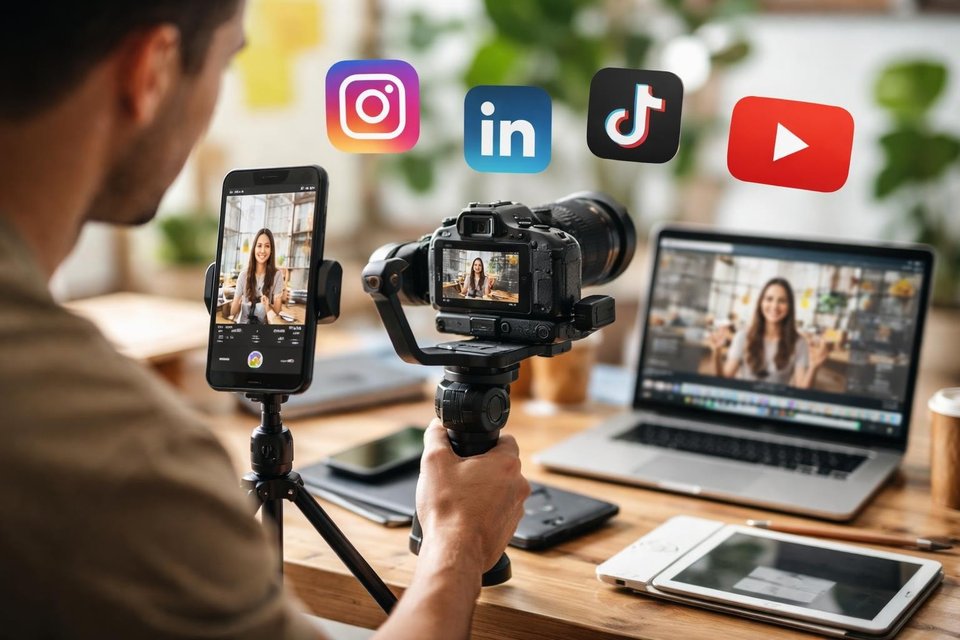
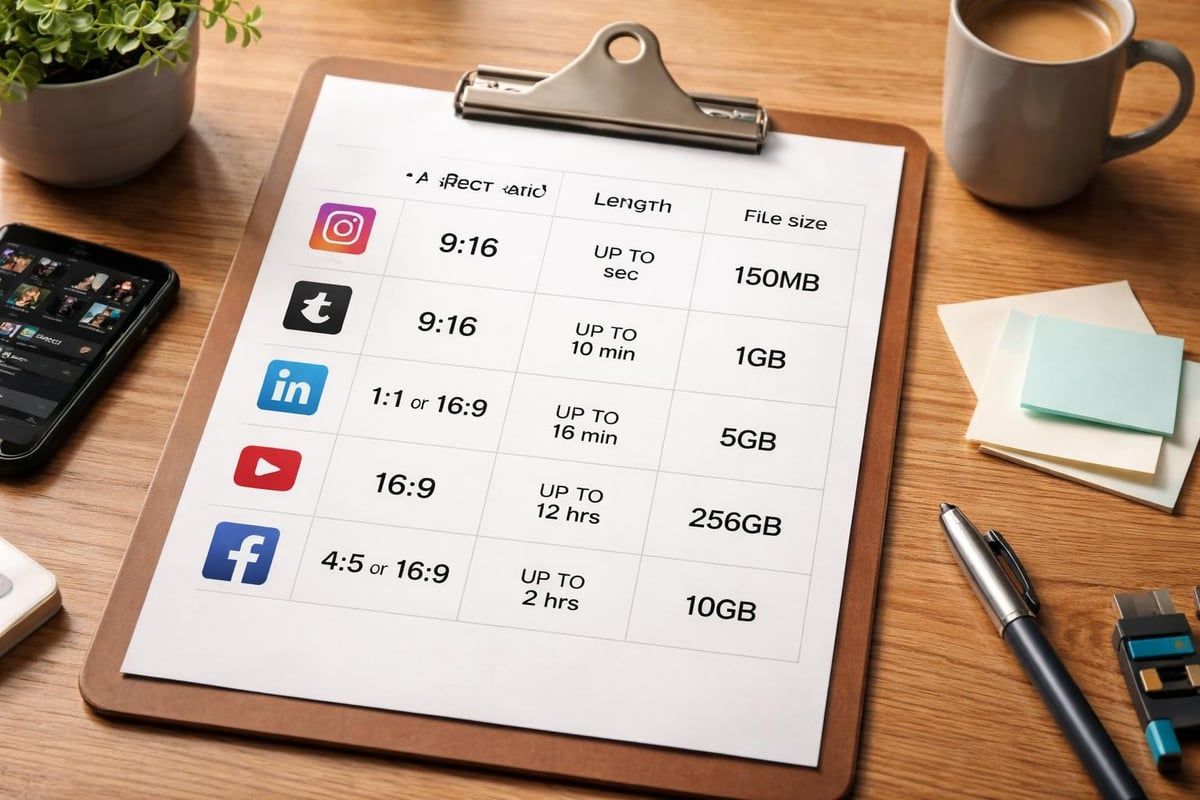
Each social media platform has unique technical specifications and audience expectations that directly impact video performance. Instagram favors vertical 9:16 content for Reels and Stories, while YouTube thrives on horizontal 16:9 formats for long-form content. TikTok's algorithm prioritizes authenticity and entertainment value, whereas LinkedIn audiences respond to professional, value-driven content.
The technical requirements extend beyond aspect ratios. File size limitations, maximum video lengths, and resolution standards vary significantly across platforms. Instagram Reels allow up to 90 seconds, TikTok extends to 10 minutes for established accounts, and YouTube Shorts caps at 60 seconds. Understanding these platform-specific considerations ensures your content displays correctly and reaches its full potential.
Optimizing for Mobile Consumption
Mobile devices account for over 75% of social media video views in 2026. This reality shapes every aspect of videography for social media, from composition to text placement. Vertical and square formats dominate mobile feeds, making traditional horizontal video feel outdated and poorly optimized.
Consider these mobile-first videography principles:
- Frame for vertical viewing with subjects positioned in the center third of the frame
- Use larger text overlays that remain readable on smaller screens
- Simplify compositions to avoid cluttered shots that lose impact on mobile
- Test footage on actual devices before finalizing edits
Sound presents another critical consideration. Approximately 85% of social media videos are watched without sound, making captions and visual storytelling non-negotiable elements. Your videography approach must communicate the core message even when muted.
Essential Equipment and Technical Setup
Quality videography for social media doesn't require cinema-grade equipment, but strategic investment in key tools dramatically improves output. In 2026, smartphone cameras rival dedicated cameras for social content, with flagship devices offering 4K recording, excellent stabilization, and computational photography features that enhance footage automatically.
| Equipment Category | Budget Option | Professional Option | Key Features |
|---|---|---|---|
| Camera | iPhone 15 Pro / Samsung S24 | Sony A7IV / Canon R6 | 4K 60fps, Log profiles |
| Stabilization | Smartphone gimbal | DJI RS3 Pro | 3-axis stabilization |
| Audio | Rode VideoMic | Sennheiser MKE 600 | Directional capture |
| Lighting | LED panel kit | Aputure 300d II | Color temperature control |
Audio quality separates amateur content from professional videography. While built-in smartphone microphones suffice for casual content, investing in an external microphone elevates production value significantly. Lavalier mics work excellently for interviews and talking-head content, while shotgun microphones capture cleaner audio in dynamic environments.
Lighting Strategies for Social Content
Natural light remains the most accessible and flattering option for social media videography. Position subjects near windows during golden hour for soft, diffused illumination that requires minimal correction. However, relying exclusively on natural light limits shooting schedules and consistency.
Portable LED panels provide controllable, consistent lighting regardless of time or location. Modern LED lights offer adjustable color temperature, allowing you to match ambient conditions or create specific moods. Three-point lighting setups remain relevant for social content, though simplified two-light configurations often suffice for dynamic, authentic-feeling videos.
The corporate video services approach emphasizes consistency across content series. Establishing a repeatable lighting setup ensures brand recognition and professional polish across all social media outputs.
Content Strategy and Planning
Successful videography for social media begins long before cameras start rolling. Strategic planning determines which stories to tell, how to structure them, and what success looks like. Without clear objectives, even beautifully shot content fails to deliver business results.
Start by defining specific goals for each video. Are you building brand awareness, driving website traffic, generating leads, or nurturing existing customers? Different objectives require different content approaches, calls-to-action, and success metrics.
Building a Content Calendar
Consistency drives algorithm favorability and audience expectations. A structured content calendar balances evergreen content with timely, reactive posts. Plan core content themes monthly, then identify weekly topics and daily posting schedules.
Consider this framework for balanced social video content:
- Educational content (40%) – How-tos, tutorials, industry insights
- Entertainment content (30%) – Behind-the-scenes, company culture, trending formats
- Promotional content (20%) – Product features, service highlights, special offers
- Community content (10%) – User-generated content, testimonials, audience engagement
Planning video content strategically prevents last-minute scrambles and ensures consistent quality. Batch filming multiple videos during single production days maximizes efficiency while maintaining output frequency.

Shooting Techniques for Maximum Engagement
The first three seconds of any social media video determine whether viewers keep watching or scroll past. Videography for social media demands immediate visual hooks that capture attention before the viewer's thumb moves. Start with movement, bold text, or visually striking compositions that create pattern interruptions in crowded feeds.
Dynamic camera movements maintain viewer interest throughout longer content. Smooth gimbal shots, well-executed pans, and deliberate zooms add production value without overwhelming the message. However, movement must serve the story rather than existing for its own sake.
Composition and Framing Rules
Rule of thirds remains fundamental to compelling video composition. Position key subjects along the intersection points of imaginary grid lines dividing the frame into thirds horizontally and vertically. This creates visually balanced shots that feel natural and professional.
Leading lines guide viewer attention toward intended focal points. Architectural elements, pathways, or natural lines within scenes direct eyes exactly where you want them. Depth of field control separates subjects from backgrounds, creating cinematic separation that elevates smartphone footage toward professional quality.
The creative approach to video production emphasizes visual storytelling over technical perfection. Authenticity resonates more powerfully than polish in social media contexts, particularly when targeting younger demographics who value genuine connection over corporate presentation.
Editing for Social Media Performance
Post-production transforms raw footage into scroll-stopping content. Editing software options range from mobile apps like CapCut and InShot to professional platforms like Adobe Premiere Pro and Final Cut Pro. Choose tools matching your skill level and content complexity.
Pacing determines viewer retention. Social media audiences expect quick cuts, dynamic transitions, and rapid information delivery. Average shot length should remain under three seconds for most content types, with strategic longer holds for emphasis or emotional moments.
Essential Editing Elements
Every social media video should incorporate these fundamental elements:
- Captions and subtitles for accessibility and sound-off viewing
- Brand elements including logos, colors, and consistent graphics
- Call-to-action overlays directing viewers toward desired next steps
- Strategic music selection that enhances mood without overwhelming dialogue
Color grading establishes visual consistency and brand recognition. Develop preset color profiles that can be applied across content, ensuring viewers immediately recognize your videos even before seeing logos or faces. Subtle adjustments to contrast, saturation, and tone create professional polish without appearing over-processed.
Sound design extends beyond background music. Strategic use of sound effects emphasizes key moments, builds anticipation, and maintains viewer engagement. However, effects should complement rather than distract from primary messages.
Maximizing Reach Through Platform Algorithms
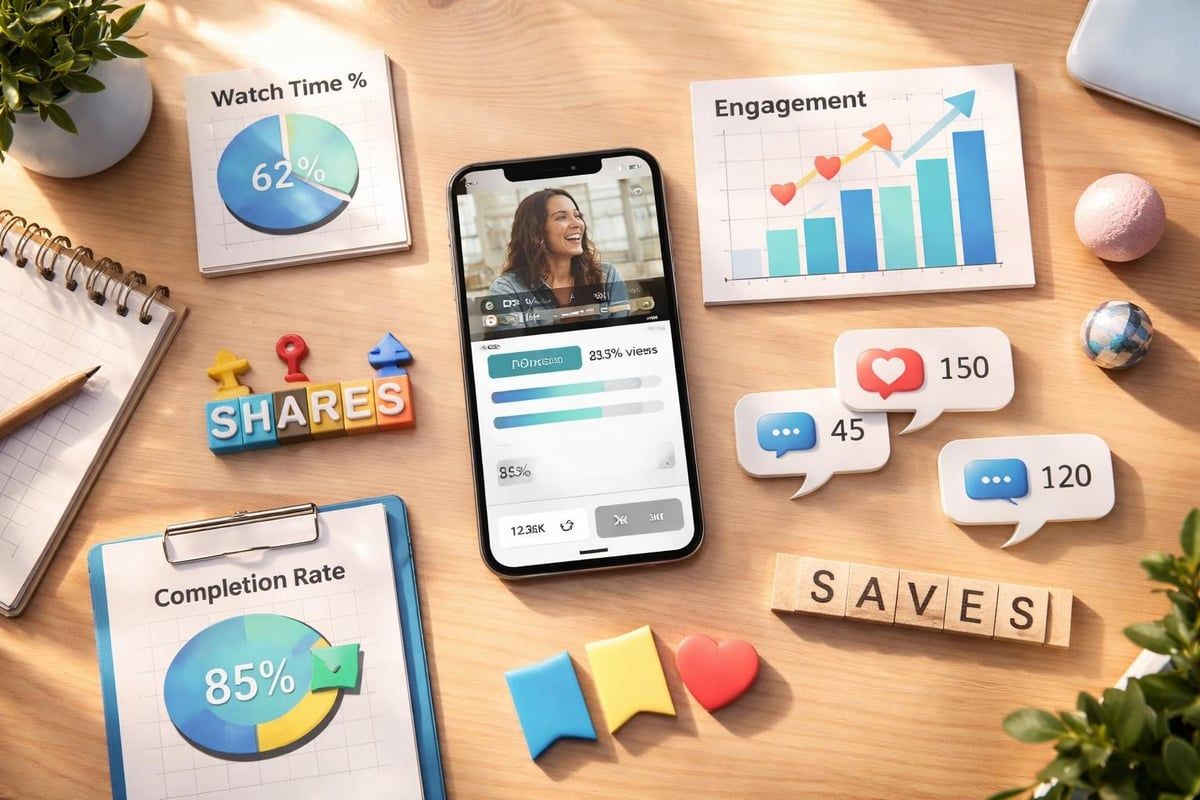
Understanding how social media algorithms evaluate and distribute content directly impacts videography strategy. In 2026, every major platform prioritizes watch time, completion rate, and engagement signals when determining content reach.
Creating content that viewers watch completely requires matching video length to content depth. Don't artificially extend short ideas or rush complex topics. The video production approach focuses on delivering maximum value in minimum time, respecting audience attention while meeting algorithm preferences.
Engagement Optimization Tactics
Algorithm-friendly videography for social media incorporates specific elements that encourage viewer interaction:
| Engagement Type | Implementation Strategy | Algorithm Impact |
|---|---|---|
| Comments | Ask questions, create controversy | High weight |
| Shares | Create valuable, relatable content | Highest weight |
| Saves | Provide reference-worthy information | High weight |
| Likes | Entertaining, emotional content | Moderate weight |
Native uploads consistently outperform shared links or cross-posted content. Film and edit separately for each platform rather than repurposing identical content. This platform-specific approach signals to algorithms that you're creating dedicated content for their audience.
Posting timing influences initial engagement velocity, which algorithms interpret as quality signals. Analyze audience insights to identify when your specific followers are most active, then schedule content for those windows. Strategic video promotion extends beyond posting schedules to include community engagement, responding to comments promptly, and participating in trending conversations.
Measuring Success and ROI
Effective videography for social media ties directly to measurable business outcomes. Vanity metrics like view counts provide limited value without context. Focus instead on metrics indicating genuine audience interest and business impact.
Track these performance indicators systematically:
- Completion rate – Percentage of viewers watching to the end
- Click-through rate – Viewers taking desired actions
- Conversion rate – Viewers becoming customers or leads
- Cost per result – Investment required to achieve specific outcomes
Platform analytics provide extensive data about audience demographics, viewing behaviors, and engagement patterns. Review this information weekly to identify high-performing content characteristics, then double down on what works while eliminating underperforming approaches.
A/B Testing for Continuous Improvement
Scientific testing removes guesswork from content optimization. Test individual variables systematically: thumbnail images, opening hooks, video lengths, calls-to-action, or posting times. Change only one element per test to isolate what drives performance differences.
Document test results in spreadsheets tracking hypotheses, implementations, results, and conclusions. Over time, this data reveals audience preferences specific to your brand and industry. The analytics-driven approach transforms content creation from artistic guesswork into data-informed strategy.
Advanced Techniques and Emerging Trends
Staying current with evolving videography techniques maintains competitive advantage. In 2026, several trends are reshaping social media video content. Artificial intelligence tools now assist with everything from script writing to automated editing, though human creativity remains essential for authentic connection.
Interactive video features encourage viewer participation beyond passive watching. Polls, quizzes, and choose-your-own-adventure formats transform viewers into active participants. These engagement mechanisms satisfy algorithm preferences while creating memorable brand experiences.
Incorporating User-Generated Content
Authenticity trumps production value for certain content types. User-generated content (UGC) and creator partnerships deliver social proof more effectively than polished brand messaging. Effective video marketing strategies increasingly blend professional videography with authentic customer content.
Building relationships with micro-influencers and brand advocates creates sustainable content pipelines. Provide clear creative direction while allowing personality and authenticity to shine through. This balanced approach maintains brand consistency without sacrificing the genuine voice that resonates with social audiences.
Live streaming represents another powerful format gaining momentum. Real-time broadcasts create urgency and FOMO (fear of missing out) that pre-recorded content cannot match. Whether hosting Q&A sessions, product launches, or behind-the-scenes tours, live streaming capabilities expand your videography toolkit significantly.
Budget Considerations and Resource Allocation
Determining appropriate investment in videography for social media depends on business size, goals, and competitive landscape. Bootstrapped startups can create effective content with smartphone cameras and free editing apps. Established brands competing in saturated markets require more sophisticated production to stand out.
Calculate return on investment by tracking revenue attributed to social video content. If videos generate qualified leads worth $500 each and production costs $2,000 per video, you need five conversions to break even. Understanding these economics guides budget decisions and content frequency.
In-House vs. Agency Production
Building internal videography capabilities offers control and cost efficiency for ongoing content needs. However, specialized projects benefit from professional expertise. The decision to hire a video production company versus managing in-house depends on project complexity, timeline constraints, and desired production quality.
Hybrid approaches often work best. Maintain internal capabilities for routine social content while partnering with professionals for flagship campaigns, product launches, or content requiring specialized skills. This balanced strategy optimizes budget allocation while maintaining consistent output.
Understanding video production pricing helps set realistic expectations and budget appropriately. Professional services deliver efficiency, expertise, and equipment access that accelerates results, often justifying higher upfront costs through superior outcomes.
Mastering videography for social media requires blending technical skills, creative storytelling, and strategic business thinking. The platforms, tools, and best practices continue evolving, but core principles of audience understanding, authentic communication, and measurable results remain constant. When you're ready to elevate your social media video strategy with professional expertise that delivers ROI, Viva Media brings proven experience creating high-performance content for Toronto brands. Let's engineer attention-grabbing video experiences that transform your social media presence into a measurable business asset.