
Understanding the full spectrum of video types available for your business is critical in 2026. Companies that leverage the right video format for each objective consistently outperform competitors who treat all video content the same. Whether you're looking to educate customers, showcase products, or build brand authority, selecting the appropriate video type directly impacts your return on investment. This comprehensive guide breaks down the most effective video formats businesses use today and provides strategic insights for implementing each one.
Educational and Instructional Videos
Educational content remains one of the most valuable video types for establishing expertise and building trust with audiences. These videos solve specific problems, answer questions, and guide viewers through processes step by step.
Explainer videos distill complex concepts into digestible visual narratives. Typically running 60 to 90 seconds, they combine clear scripting with engaging visuals to communicate value propositions, product features, or service benefits. Wyzowl's overview of video types highlights how explainer videos consistently drive higher conversion rates when placed on landing pages.
Tutorial and How-To Content
Tutorial videos demonstrate specific skills or processes in detail. These formats work exceptionally well for:
- Software walkthroughs and feature demonstrations
- Product assembly and setup instructions
- Best practices and methodology guides
- Troubleshooting and problem-solving scenarios
A tutorial can address a recurring customer question or demonstrate a specific task. TechSmith's guide to customer video training discusses using FAQs and common support issues to choose tutorial topics. Check that each video still matches the product or process it shows.
Training and Onboarding Videos
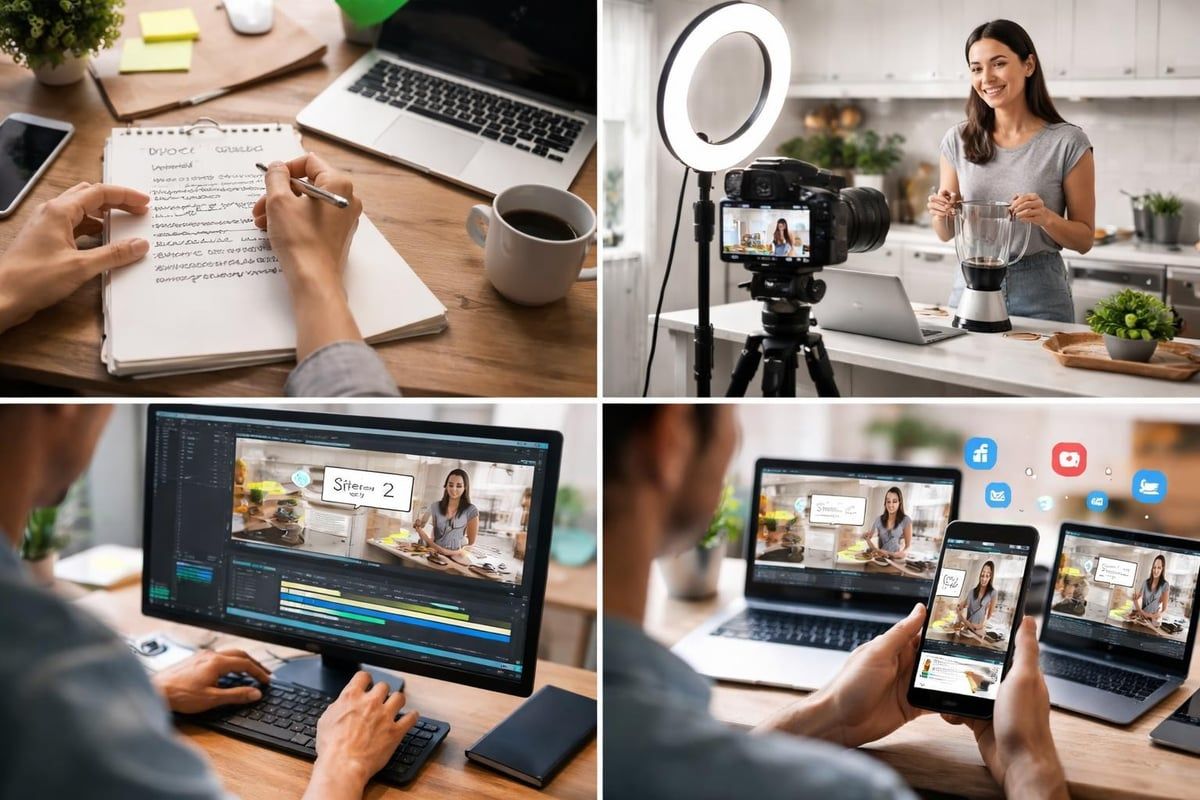
Organizations increasingly rely on video for employee training and customer onboarding. These video types standardize information delivery while allowing viewers to learn at their own pace. Training videos reduce the resources required for repetitive instruction and ensure consistent messaging across teams.
Microlearning videos break complex subjects into focused, bite-sized segments. Each video tackles one specific learning objective, typically lasting three to five minutes. This approach aligns with modern attention spans and improves knowledge retention compared to lengthy training sessions.
Marketing and Promotional Content
Commercial video production encompasses various formats designed to drive awareness, engagement, and conversions. These video types prioritize compelling storytelling and emotional connection over pure information delivery.
Brand Story Videos
Brand story videos communicate your company's mission, values, and unique position in the marketplace. Rather than focusing on products or services, these videos humanize your organization and create emotional resonance with audiences. They answer the fundamental question: why does your company exist?
Effective brand stories follow narrative structures with clear beginnings, middles, and ends. They feature real people, authentic moments, and genuine passion. When executed properly, brand story videos become cornerstone content that defines your identity across all marketing channels.
Product Demonstration Videos
Product demos showcase specific features, benefits, and use cases in action. These video types bridge the gap between marketing claims and tangible proof, helping prospects visualize how solutions solve their problems.
| Demo Video Element | Purpose | Best Practice |
|---|---|---|
| Problem Introduction | Establish relevance | Show real pain points audiences experience |
| Solution Overview | Build interest | Highlight key differentiators clearly |
| Feature Walkthrough | Demonstrate value | Focus on benefits, not just functionality |
| Results Showcase | Drive conviction | Use specific metrics and outcomes |
| Call to Action | Convert viewers | Make next steps obvious and frictionless |
Product demonstrations perform exceptionally well in mid-funnel content strategies, nurturing leads who've already shown initial interest but need additional information before committing.
Social Media Video Formats
Social platforms have created entirely new categories of video types optimized for mobile consumption and platform-specific algorithms. Understanding these video marketing formats helps businesses maximize reach and engagement across channels.
Short-Form Vertical Videos
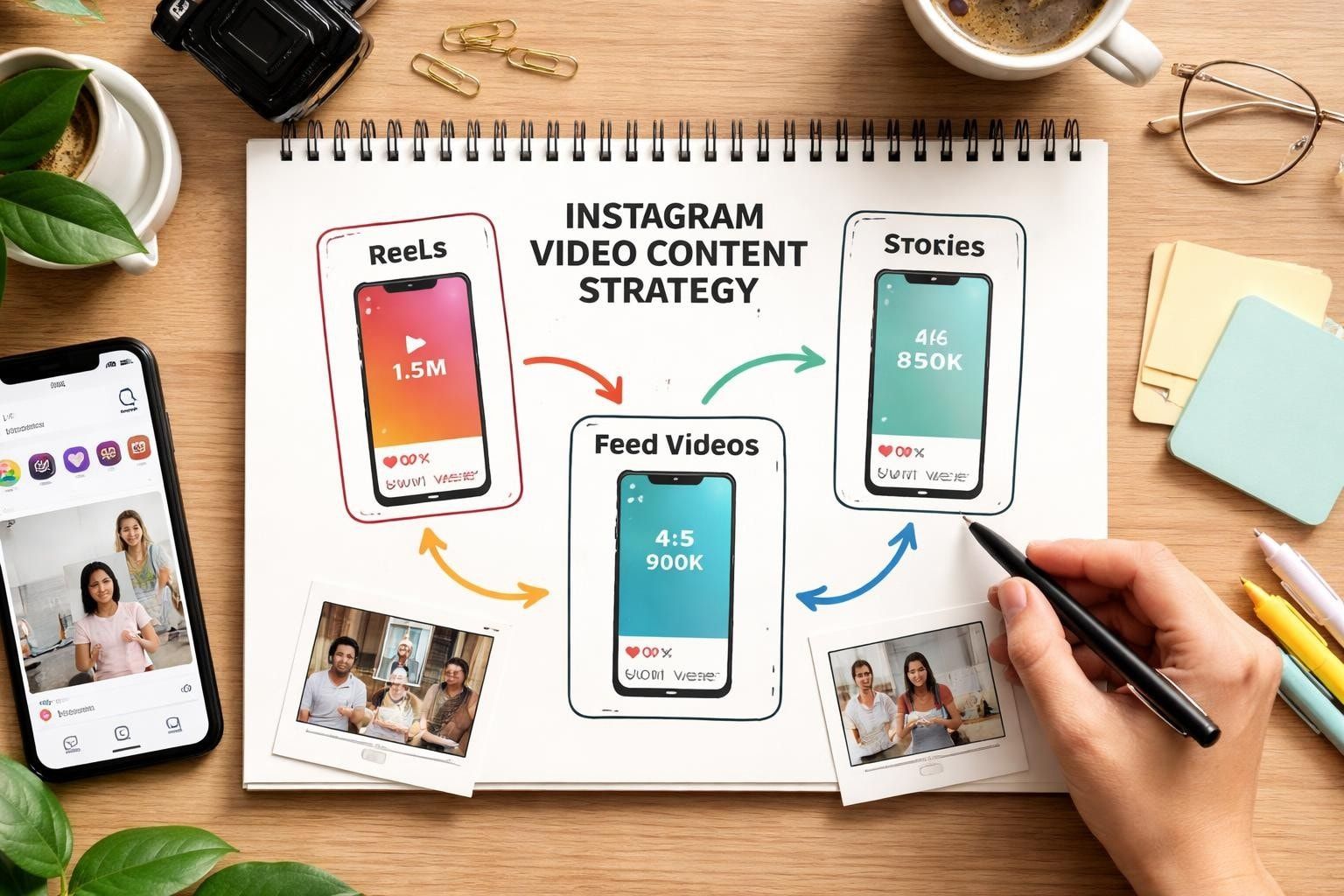
Vertical video formats dominate social media in 2026. Instagram Reels, TikTok videos, and YouTube Shorts all prioritize quick-hitting content designed for thumb-stopping appeal. These videos typically run 15 to 60 seconds and feature:
- Immediate hooks that capture attention in the first second
- Fast pacing with quick cuts and dynamic movement
- Text overlays that communicate key points without sound
- Trending audio that leverages platform algorithms
Short-form content demands different production approaches than traditional video types. Success depends on understanding platform-specific best practices and audience behaviors.

Live Streaming and Real-Time Content
Live video creates urgency and fosters authentic connections with audiences. Whether hosting Q&A sessions, product launches, behind-the-scenes tours, or virtual events, live streams generate higher engagement rates than pre-recorded content.
The ephemeral nature of live video encourages immediate participation. Viewers know they're experiencing moments as they happen, creating FOMO (fear of missing out) that drives attendance and interaction.
Corporate and Internal Communications
Corporate video production serves critical business functions beyond external marketing. These video types facilitate internal communications, preserve institutional knowledge, and strengthen organizational culture.
Company Culture Videos
Culture videos showcase your workplace environment, team dynamics, and employee experiences. They serve dual purposes: attracting top talent during recruitment and reinforcing values among current team members.
Authentic culture videos avoid overproduced corporate speak. They feature real employees discussing genuine experiences, show actual workspaces and activities, and communicate what makes your organization unique. Company culture videos that resonate balance professional polish with authentic moments.
Executive Communications and Announcements
Video messages from leadership humanize executive teams and improve information retention compared to text-based communications. These videos work particularly well for:
- Quarterly updates sharing company performance and strategic direction
- Policy announcements explaining changes and their rationale
- Crisis communications providing transparent, timely information
- Recognition messages celebrating achievements and milestones
Video allows executives to convey tone, emotion, and conviction that written communications cannot match. Even simple, professionally produced talking-head videos outperform email-only announcements for important messages.
Testimonial and Case Study Videos
Customer testimonials rank among the most persuasive video types for building trust and influencing purchase decisions. Prospective customers trust peer recommendations far more than brand messaging, making authentic testimonials invaluable.
Customer Success Stories
Success story videos follow customers' journeys from initial challenges through solution implementation to measurable results. The most compelling testimonials include:
- Specific problems the customer faced before finding your solution
- Decision-making process and evaluation criteria
- Implementation experience and learning curve
- Quantifiable results with concrete metrics
- Unsolicited recommendations in the customer's own words
Strong testimonial videos feel like conversations, not scripted advertisements. They feature customers speaking naturally about their experiences without heavy editing that removes authenticity.
Video Case Studies
Video case studies provide deeper dives than brief testimonials. These typically run three to five minutes and follow documentary-style formats. They combine customer interviews with B-roll footage showing solutions in action, data visualizations highlighting results, and narrative structures that build compelling stories.
| Case Study Component | Content Focus | Production Approach |
|---|---|---|
| Challenge Setup | Customer's initial situation | Interview clips with context visuals |
| Solution Introduction | How customer discovered and chose you | Combination of interview and demonstration |
| Implementation | Deployment process and experience | Behind-the-scenes footage, timeline graphics |
| Results | Specific outcomes and metrics | Data visualization, before/after comparisons |
| Future Outlook | Ongoing partnership and next steps | Forward-looking interview segments |
Event and Documentary Style Videos
Event videos capture moments that cannot be recreated, preserving experiences for those who attended while extending reach to broader audiences. These video types range from simple highlight reels to comprehensive documentary-style productions.
Conference and Event Recaps
Event recap videos condense multi-hour or multi-day experiences into engaging highlight packages. They capture keynote moments, attendee reactions, sponsor activations, and overall atmosphere. These videos serve multiple purposes: thanking participants, promoting future events, and demonstrating value to stakeholders.
Effective event videos balance key content moments with emotional captures. They show not just what happened, but how people experienced and responded to events.

Documentary and Long-Form Content
Documentary-style videos tell deeper stories that require extended runtime to develop properly. These video types work particularly well for mission-driven organizations, complex subject matter, or stories that benefit from multiple perspectives and detailed exploration.
Long-form content demands stronger storytelling skills and viewer investment. Success requires compelling narratives, high production values, and distribution strategies that reach audiences willing to commit extended viewing time. Understanding different video file formats becomes crucial when producing and distributing longer content across various platforms.
Animation and Motion Graphics
Animated videos solve specific challenges that live-action cannot address effectively. They visualize abstract concepts, simplify complex data, and maintain brand consistency across all content.
Explainer Animations
Animated explainer videos excel at communicating intangible services, technical processes, or future-state visions. Animation removes the constraints of physical production, allowing creators to show anything imaginable. This flexibility makes animation ideal for:
- Software and digital product demonstrations
- Process explanations with step-by-step visualizations
- Abstract concept communication (financial services, data analytics)
- Scenarios requiring consistency across multiple iterations
Motion Graphics and Data Visualization
Motion graphics bring static information to life through animated text, icons, charts, and graphical elements. These video types transform boring statistics into engaging visual stories. Working with a creative video agency ensures motion graphics align with brand guidelines while maximizing visual impact.
Data visualization videos make complex information accessible and memorable. They guide viewers through insights using animated charts, infographics, and transitions that highlight relationships between data points.
Selecting the Right Video Types for Your Objectives
Choosing appropriate video types starts with clearly defined objectives. Different formats serve different purposes along the customer journey and organizational needs.
Awareness-stage videos prioritize reach and engagement. Social media content, brand stories, and thought leadership videos work best here. These formats introduce audiences to your organization without requiring significant commitment.
Consideration-stage videos provide detailed information to help prospects evaluate solutions. Product demos, explainer videos, and comparison content excel during this phase. Viewers actively seek information, making longer, more detailed video types appropriate.
Decision-stage videos remove final objections and drive conversions. Testimonials, case studies, and detailed product walkthroughs help prospects commit. These video types address specific concerns and provide social proof.
Budget and Resource Considerations
Different video types require varying investment levels in production resources, time, and expertise. Simple talking-head videos need minimal equipment and post-production. Complex animations, multi-location shoots, or documentary-style content demand significantly greater resources.
Smart video strategies balance ambition with available budgets. Understanding video production pricing helps align expectations with reality. Starting with simpler formats and expanding as you prove ROI creates sustainable video programs.
Production Quality Standards Across Video Types
While all professional videos require baseline quality standards, different video types have different thresholds for acceptable production values. Social media content often succeeds with smartphone-shot authenticity, while commercial advertisements demand cinema-quality production.
Technical Requirements
Audio quality matters more than video quality across virtually all video types. Viewers tolerate imperfect visuals far more readily than poor sound. Investing in quality microphones and sound design pays dividends across every format.
Lighting creates mood, directs attention, and establishes professionalism. Even simple videos benefit enormously from proper lighting techniques. Natural light works well for authentic, casual content, while controlled studio lighting suits polished corporate videos.
Editing and Post-Production
Post-production transforms raw footage into finished videos. Different video types require different editing approaches:
- Fast-paced social content uses quick cuts, dynamic transitions, and energetic pacing
- Corporate communications employ measured pacing with professional transitions
- Documentary videos allow scenes to breathe with longer shots and natural progression
- Product demos balance information delivery with visual interest
Color grading, graphics, music, and sound effects all contribute to final impact. These elements should enhance content without overwhelming core messages.
Distribution and Optimization Strategies
Creating excellent videos represents only half the equation. Strategic distribution ensures content reaches intended audiences and drives desired outcomes. Different video types perform optimally on different platforms.
YouTube favors longer-form educational content, tutorials, and in-depth explanations. Its search functionality makes it ideal for evergreen instructional videos. LinkedIn works best for professional content, thought leadership, and B2B-focused videos. Instagram and TikTok prioritize short, entertaining content with strong visual hooks.
Platform-Specific Optimization
Each platform has unique technical requirements and audience expectations. Aspect ratios, recommended lengths, thumbnail strategies, and caption usage all vary. Optimizing videos for platform-specific best practices dramatically improves performance.
SEO considerations extend beyond YouTube. Video content improves website dwell time, reduces bounce rates, and increases page authority. Proper implementation includes video sitemaps, schema markup, and strategic placement within content hierarchies.
Measuring Video Performance
Different video types require different success metrics. Awareness videos focus on reach and view counts. Educational content tracks watch time and completion rates. Conversion-focused videos measure click-through rates and downstream actions.
Engagement metrics indicate content resonance. Comments, shares, and likes reveal how audiences respond emotionally. High engagement suggests content strikes chords worth amplifying in future videos.
Retention analytics show exactly where viewers lose interest. Analyzing drop-off points identifies opportunities to improve pacing, content structure, or messaging. These insights inform both editing decisions and strategic planning for future video types.
Conversion tracking connects video views to business outcomes. Whether measuring form submissions, product purchases, or sales conversations, attribution shows which video types drive tangible results. This data guides resource allocation toward highest-performing formats.
Understanding and strategically deploying various video types transforms video from a marketing expense into a measurable growth driver. Each format serves specific purposes along customer journeys and organizational needs, from building awareness through social content to closing sales with powerful testimonials. When you're ready to develop a comprehensive video strategy that leverages the right formats for your unique business objectives, Viva Media brings the expertise and creativity needed to engineer attention-grabbing experiences that deliver real ROI throughout the Greater Toronto Area.