
Launching a video in 2026 requires far more than simply uploading content and hoping for the best. A successful video launch demands strategic planning, meticulous execution, and coordinated distribution across multiple channels. For businesses investing in professional video content, the launch phase represents the moment where creative vision meets market reality. Understanding how to orchestrate this critical moment determines whether your video generates measurable results or disappears into the digital void.
Strategic Pre-Launch Planning
The foundation of any successful video launch begins weeks before your content goes live. Strategic planning establishes clear objectives, identifies target audiences, and creates a roadmap for distribution. This preparation phase separates campaigns that generate real business impact from those that fail to gain traction.
Define Measurable Objectives
Start by establishing specific, quantifiable goals for your video campaign. Are you aiming to increase brand awareness by 30%? Generate 500 qualified leads? Drive a 20% increase in product sales? Clear objectives inform every subsequent decision, from creative direction to distribution channels. Businesses should align video goals with broader marketing initiatives to maximize impact.
Audience Research and Segmentation
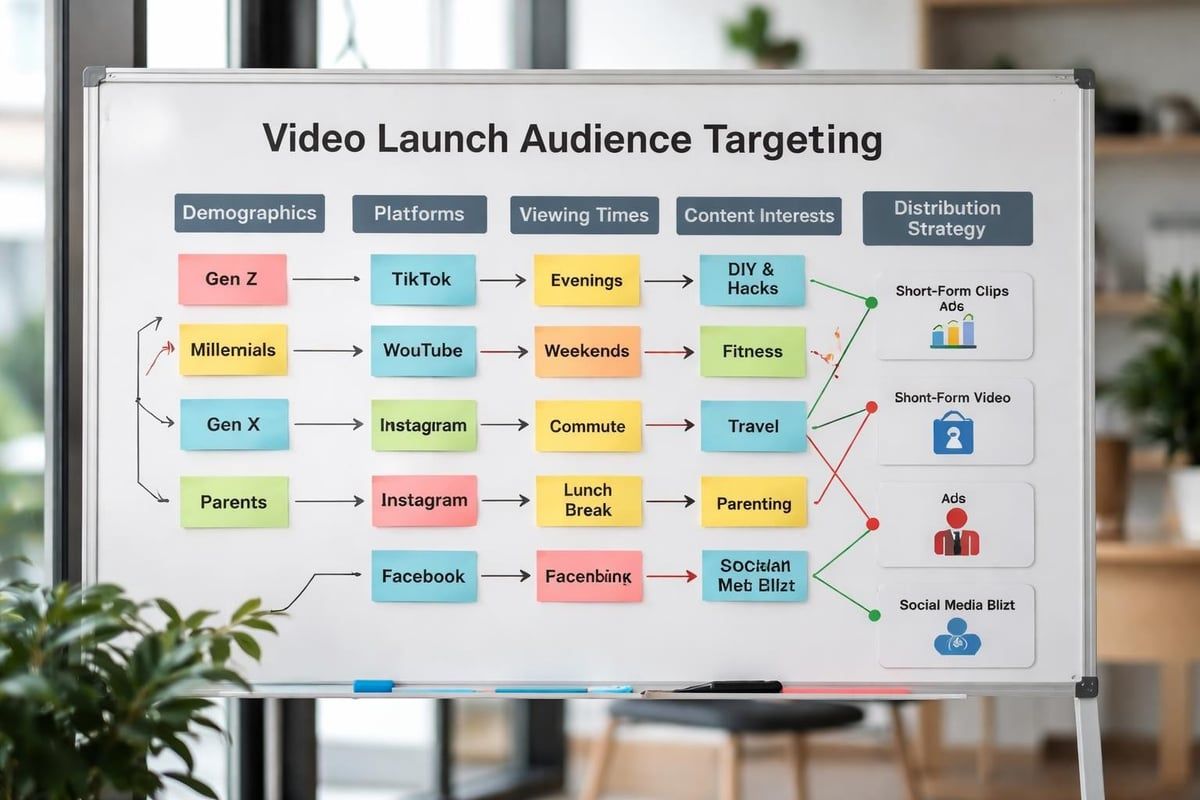
Understanding your target audience shapes content strategy and distribution tactics. Research demographic data, viewing preferences, and platform habits. Consider these critical factors:
- Platform preferences: Where does your audience spend time online?
- Content consumption patterns: When do they typically watch videos?
- Pain points and interests: What problems does your video solve?
- Competitive landscape: What content already exists in your space?
Comprehensive audience research enables you to craft messaging that resonates and select distribution channels that maximize reach. The importance of clear calls to action cannot be overstated when targeting specific audience segments.
Budget Allocation and Timeline Development
Financial planning and scheduling determine what's achievable within your constraints. Professional video production pricing varies significantly based on scope, quality requirements, and deliverables. Allocate resources across production, post-production, distribution, and paid promotion.
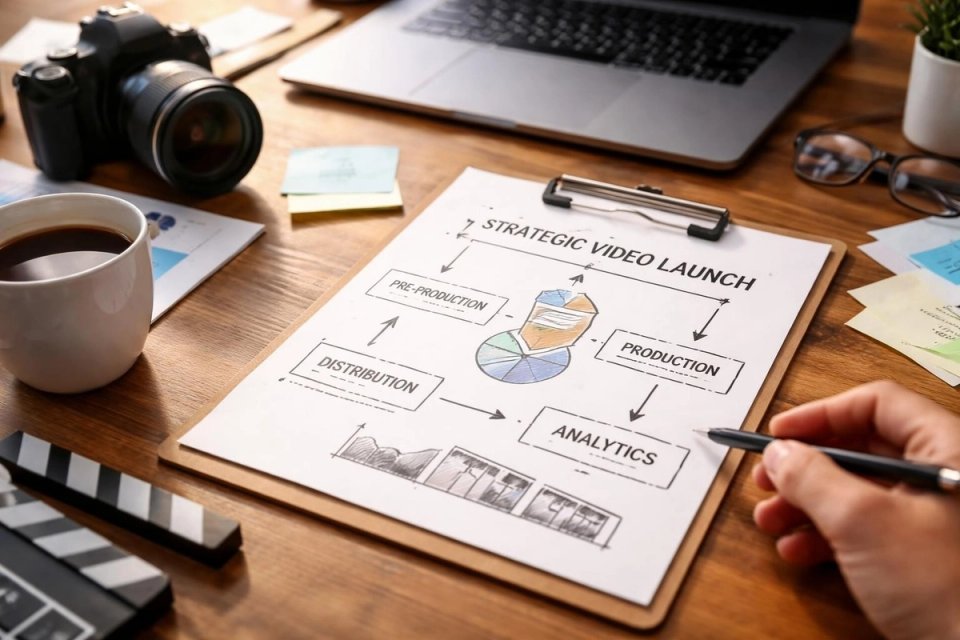
Create a detailed timeline working backward from your target launch date. Include milestones for script completion, filming, editing, revisions, and approval processes. Build buffer time for unexpected delays. A realistic timeline prevents rushed decisions that compromise quality.
| Timeline Phase | Duration | Key Deliverables |
|---|---|---|
| Pre-Production | 2-3 weeks | Script, storyboard, location scouting |
| Production | 1-2 days | Raw footage, B-roll, interviews |
| Post-Production | 2-4 weeks | Editing, color grading, sound design |
| Review & Approval | 1 week | Client feedback, revisions |
| Pre-Launch Prep | 1 week | Thumbnails, metadata, promotional assets |
| Launch Week | Ongoing | Distribution, monitoring, optimization |
Production Excellence for Launch Success
The quality of your video content directly impacts launch performance. Poorly executed videos damage brand credibility regardless of distribution strategy. Professional production values signal that your brand takes its message seriously.
Crafting Compelling Narratives
Effective product launch videos rely on storytelling that connects emotionally while communicating key information. Structure your narrative with a clear beginning, middle, and end. Open with a hook that captures attention within the first three seconds. The average viewer decides whether to continue watching almost immediately.
Story Structure Elements
- Hook: Immediate attention-grabber addressing viewer pain points
- Problem: Clearly articulate the challenge or opportunity
- Solution: Demonstrate how your product or service addresses the need
- Evidence: Provide proof through data, testimonials, or demonstrations
- Call to Action: Direct viewers toward the desired next step
Strong narratives transform information into experiences. Rather than listing features, show how those features improve lives or solve problems. Corporate video production often succeeds when it prioritizes authentic storytelling over promotional messaging.
Technical Quality Standards
Professional-grade video requires attention to multiple technical elements. Poor audio quality destroys viewer engagement faster than any other factor. Invest in professional sound recording equipment or partner with experienced production teams. Lighting establishes mood and ensures subjects appear clearly on screen. Composition guides viewer attention toward key elements.
Consider these technical specifications for 2026 launch standards:
- Resolution: Minimum 1080p, 4K preferred for future-proofing
- Frame rate: 24fps for cinematic feel, 30fps for standard web content, 60fps for action
- Audio: Professional-grade recording with minimal background noise
- Color grading: Consistent look that aligns with brand identity
- Closed captions: Essential for accessibility and silent viewing
Distribution Strategy and Channel Selection
Creating exceptional content represents only half the equation. Strategic distribution determines who sees your video and how they engage with it. A comprehensive video launch leverages multiple channels simultaneously to maximize reach and impact.
Platform-Specific Optimization
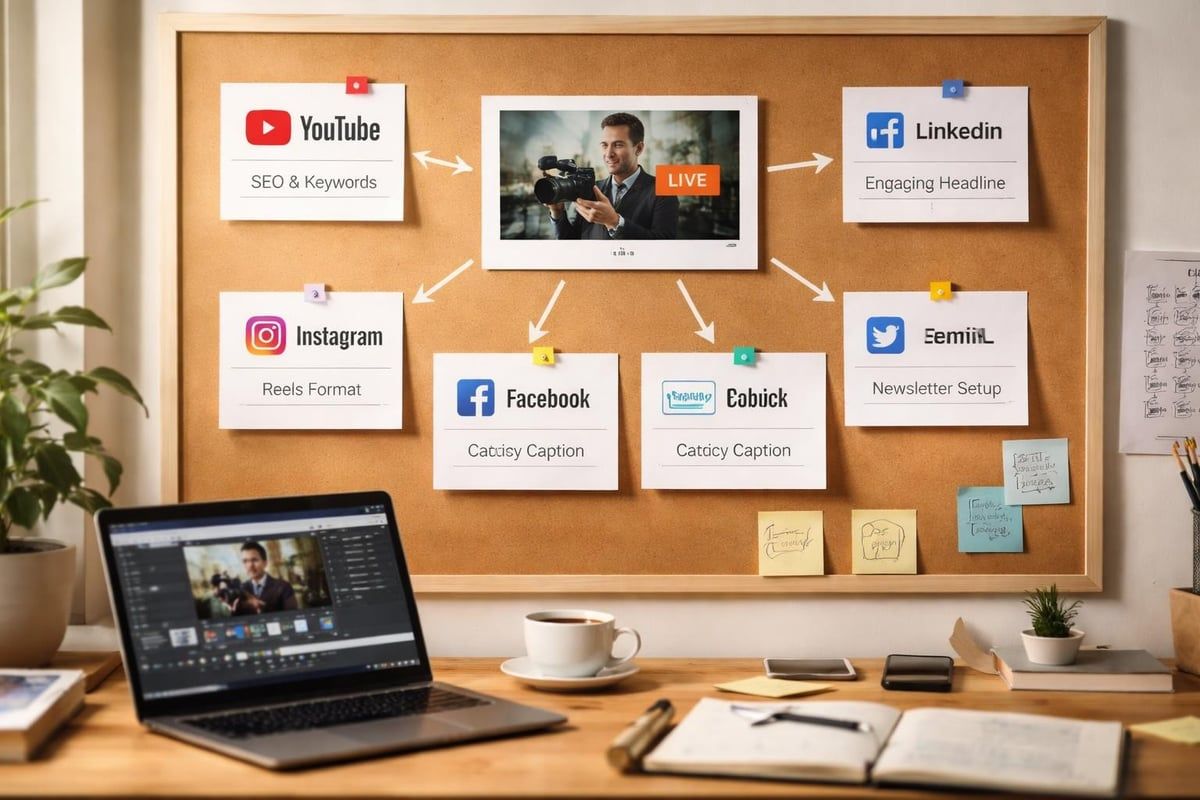
Each platform demands unique optimization approaches. YouTube prioritizes watch time and engagement metrics. LinkedIn favors professional, educational content. Instagram and TikTok reward native vertical video optimized for mobile viewing. Facebook's algorithm considers completion rates and shares.
Optimization Checklist by Platform
| Platform | Optimal Length | Format | Key Optimization |
|---|---|---|---|
| YouTube | 7-15 minutes | 16:9 horizontal | SEO-rich titles, detailed descriptions |
| 1-3 minutes | 16:9 horizontal | Professional tone, value-focused | |
| Instagram Feed | 30-60 seconds | Square or vertical | Strong thumbnail, captions |
| Instagram Reels | 15-30 seconds | Vertical 9:16 | Trending audio, hooks |
| TikTok | 15-60 seconds | Vertical 9:16 | Native editing, trends |
| 1-2 minutes | Square or horizontal | Captions, engagement prompts |
Best practices for landing page videos emphasize the importance of strong thumbnails and accessibility features across all platforms.
Paid Promotion and Organic Reach
Organic reach continues declining across social platforms. Successful video launch strategies combine organic distribution with strategic paid promotion. Allocate budget toward targeted advertising that amplifies reach to specific demographics.
Start with smaller test budgets to identify which creative variations and audience segments perform best. Scale spending on high-performing combinations. Monitor cost per view, engagement rates, and conversion metrics. Adjust targeting and creative based on performance data.
Organic tactics include:
- Email marketing: Share with existing subscribers who already trust your brand
- Employee advocacy: Encourage team members to share across their networks
- Partner promotion: Leverage relationships with complementary brands
- Community engagement: Share in relevant online groups and forums
- Cross-promotion: Feature videos across all owned digital properties
Performance Tracking and Optimization
A video launch doesn't end when content goes live. Continuous monitoring and optimization maximize return on investment throughout the campaign lifecycle. Establish measurement frameworks before launch to track progress toward defined objectives.
Key Performance Indicators
Select metrics that align with campaign goals. Vanity metrics like view counts provide limited insight without context. Focus on indicators that demonstrate business impact:
- View-through rate: Percentage of viewers who watch beyond the first 25%, 50%, 75%
- Engagement rate: Likes, comments, shares relative to views
- Click-through rate: Percentage clicking on calls to action
- Conversion rate: Viewers who complete desired actions
- Return on investment: Revenue generated compared to production and promotion costs
- Audience retention: Specific moments where viewers drop off
Tools like YouTube Analytics, LinkedIn Analytics, and third-party platforms provide detailed performance data. Commercial video production investments should generate trackable business outcomes.
Real-Time Adjustments
Monitor performance during the first 48 hours of your video launch. This critical window often determines long-term success. If engagement rates fall below expectations, consider these adjustments:
Immediate Optimization Tactics
- Thumbnail updates: Test different images that increase click-through rates
- Title refinements: Adjust headlines to improve searchability and appeal
- Description optimization: Enhance keyword inclusion and clarity
- Promotion adjustments: Shift budget toward higher-performing audience segments
- Call-to-action refinements: Test different CTAs to improve conversion rates
Case studies demonstrate the impact of strategic video launches. An AI startup's launch video helped raise $10 million by effectively communicating value proposition to investors. These success stories highlight how well-executed launches deliver measurable results.
Content Amplification Strategies
Extend the lifespan and reach of your video launch through strategic repurposing and amplification. A single video asset can fuel content creation for weeks or months when approached systematically.
Multi-Format Repurposing
Transform your primary video into multiple content formats that serve different platforms and purposes:
- Short clips: Extract 15-30 second highlights for social media teasers
- GIFs: Convert compelling moments into shareable animated graphics
- Quote cards: Combine powerful statements with relevant video screenshots
- Blog content: Transcribe and expand video content into written articles
- Podcast episodes: Extract audio for distribution on podcast platforms
- Infographics: Visualize key data points or processes shown in videos
This approach maximizes content ROI while reaching audiences who prefer different consumption methods. Understanding music and video production integration enhances repurposing opportunities.
Influencer and Partnership Leverage
Collaborate with industry influencers and strategic partners to extend reach beyond owned channels. Identify individuals whose audiences align with your target demographics. Provide them with early access, exclusive content, or partnership opportunities that incentivize sharing.
Partnership strategies include:
- Affiliate programs: Offer commission for conversions driven by partner promotion
- Co-marketing agreements: Exchange promotional support with complementary brands
- Media coverage: Pitch story angles to relevant publications and podcasts
- Expert commentary: Feature industry leaders who will share with their audiences
- User-generated content: Encourage customers to create response videos
Launch Timing and Seasonality
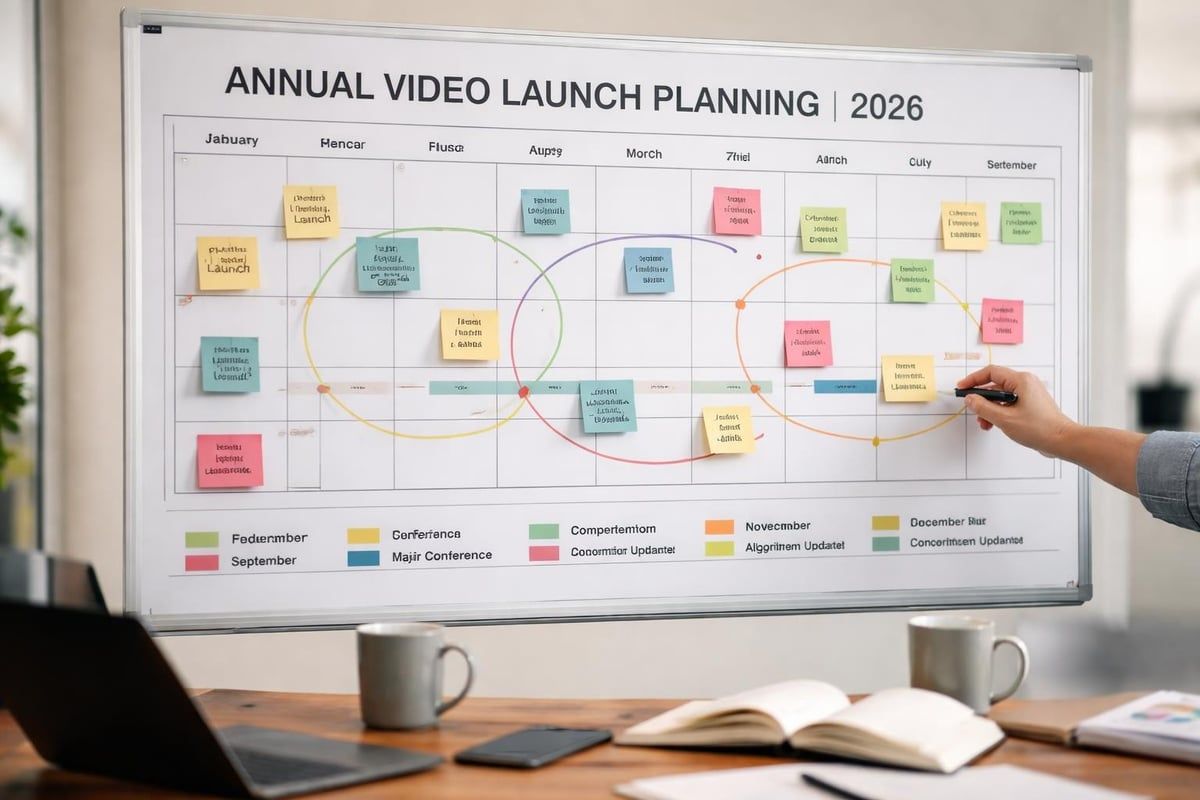
Strategic timing significantly impacts video launch performance. Consider industry cycles, competitor activity, platform algorithms, and audience availability when scheduling your release.
Timing Considerations
Avoid launching during major holidays when attention is divided unless your content specifically relates to that occasion. Research shows Tuesday through Thursday typically generate higher engagement for B2B content, while weekends may perform better for consumer-focused videos.
| Timing Factor | Optimal Approach | Considerations |
|---|---|---|
| Day of Week | Tuesday-Thursday for B2B | Aligns with professional schedules |
| Time of Day | 9-11 AM or 1-3 PM EST | Peak engagement windows |
| Seasonal | Align with industry events | Leverage existing attention |
| Competitor Activity | Avoid direct conflicts | Monitor competitor calendars |
| Platform Trends | Capitalize on trending topics | Balance relevance with brand fit |
The complete playbook for product launch videos provides additional insights on strategic timing decisions.
Building Anticipation Through Pre-Launch Marketing
Generate momentum before your video launch through strategic teaser campaigns. Pre-launch marketing primes audiences, builds anticipation, and ensures strong initial engagement that signals platform algorithms to amplify reach.
Teaser Content Strategy
Release progressive hints about upcoming video content across multiple touchpoints. Start subtle and increase specificity as launch date approaches:
- 3-4 weeks before: Announce upcoming video project without details
- 2-3 weeks before: Share behind-the-scenes content from production
- 1 week before: Release specific teasers highlighting key moments
- 2-3 days before: Countdown campaign with final preview clips
- Launch day: Coordinated release across all channels
Teaser campaigns work particularly well for product launches, company announcements, or series premieres. They transform passive audiences into active participants eagerly awaiting your content.
Email Sequence Development
Email remains one of the highest-converting channels for video distribution. Develop a dedicated email sequence that builds toward launch day:
- Announcement email: Introduce the upcoming video and its relevance
- Behind-the-scenes: Share production insights that humanize the process
- Countdown reminder: Create urgency as launch approaches
- Launch notification: Deliver the video with clear viewing instructions
- Follow-up engagement: Request feedback and encourage sharing
Segment your email list based on interests and engagement history. Personalized messaging significantly outperforms generic broadcasts.
Post-Launch Engagement Maintenance
Initial launch momentum must transition into sustained engagement. Develop plans for maintaining interest and extracting maximum value from your video content over time.
Sustained Engagement Tactics
Respond promptly to comments across all platforms. Engagement signals platform algorithms that content remains relevant, extending organic reach. Pin thoughtful comments to the top of discussions to encourage quality participation.
Create related content that builds on themes introduced in your launch video. Reference the original video in subsequent content to drive continued views. Update video descriptions with links to new related content as it becomes available.
Monitor search terms driving traffic to your video. Optimize metadata to capture additional relevant queries. Consider creating supplementary content targeting related keywords to build topical authority.
Professional video production services include post-launch support that maximizes content lifespan and impact. Strategic ongoing management transforms one-time videos into enduring assets.
Measuring Long-Term Impact
Evaluate video launch success over multiple timeframes. Immediate metrics provide early indicators, but true business impact often emerges over weeks or months.
Measurement Timeframes
- 24-48 hours: Initial engagement, reach, and viral potential
- 1 week: Platform algorithm performance and organic distribution
- 1 month: Sustained engagement and conversion patterns
- 3 months: Long-term SEO impact and evergreen performance
- 6-12 months: Overall ROI and business outcome attribution
Compare performance against historical benchmarks and industry standards. Document learnings to inform future video launch strategies. Successful campaigns create frameworks that compound results over time.
The video marketing best practices landscape evolves continuously. Staying current with platform changes, audience preferences, and technical capabilities ensures your video launch strategies remain effective.
Strategic video launch planning transforms creative content into measurable business results through coordinated execution across production, distribution, and optimization phases. By combining compelling storytelling with data-driven distribution strategies, businesses maximize return on their video investments. Viva Media partners with Toronto-area brands to engineer video launches that capture attention and drive real ROI, from initial concept through post-launch optimization and beyond.