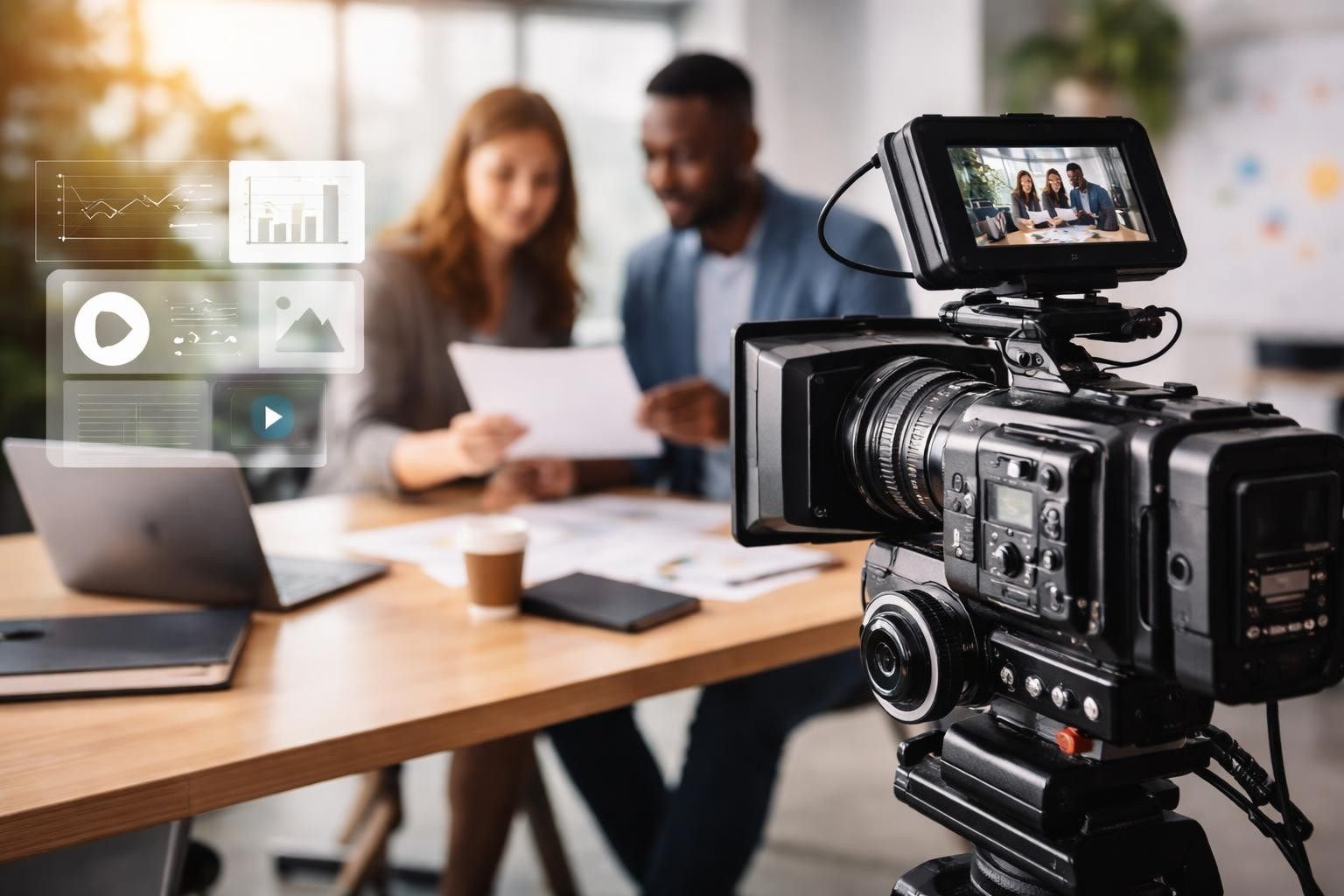

The video industry has undergone remarkable transformation over the past decade, evolving from traditional broadcast models to a dynamic, multi-platform ecosystem that touches every aspect of modern business and entertainment. As we navigate through 2026, organizations across the Greater Toronto Area and beyond are discovering that video content isn't just a marketing tool-it's a fundamental business asset that drives engagement, builds brand authority, and delivers quantifiable returns on investment. Understanding the current landscape, emerging technologies, and strategic opportunities within this sector has become essential for any business looking to maintain competitive advantage.
The Current State of Video Production and Consumption
The video industry continues to experience unprecedented growth, with consumption patterns shifting dramatically across all demographic segments. Recent data indicates that professionals and consumers alike are spending more time engaging with video content than ever before, creating enormous opportunities for businesses that understand how to leverage this medium effectively.
Key consumption metrics shaping the industry:
- Average daily video consumption has increased by 47% since 2024
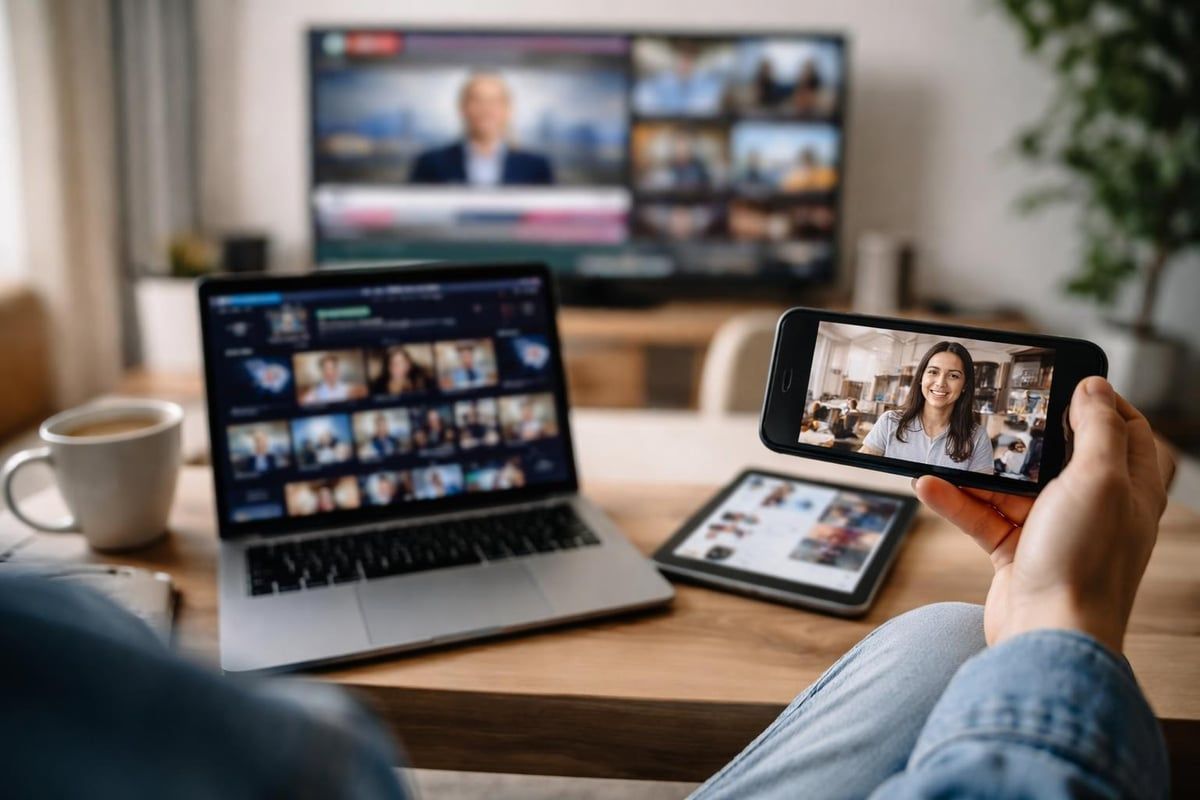
- Mobile devices now account for over 75% of all video views
- Short-form content under 60 seconds captures 82% of social media engagement
- Professional video content generates 12x more shares than text and images combined
What makes 2026 particularly significant is the convergence of accessibility and quality expectations. Audiences demand broadcast-quality production values even on social media platforms, yet they also expect authentic, relatable content that speaks directly to their needs. This paradox has created a sophisticated market where digital video production expertise separates successful campaigns from mediocre ones.
The TiVo Video Trends Report reveals that viewers are increasingly watching more local content, highlighting the value of regionally-focused video strategies for Toronto-based businesses.
Artificial Intelligence Revolutionizing Video Production
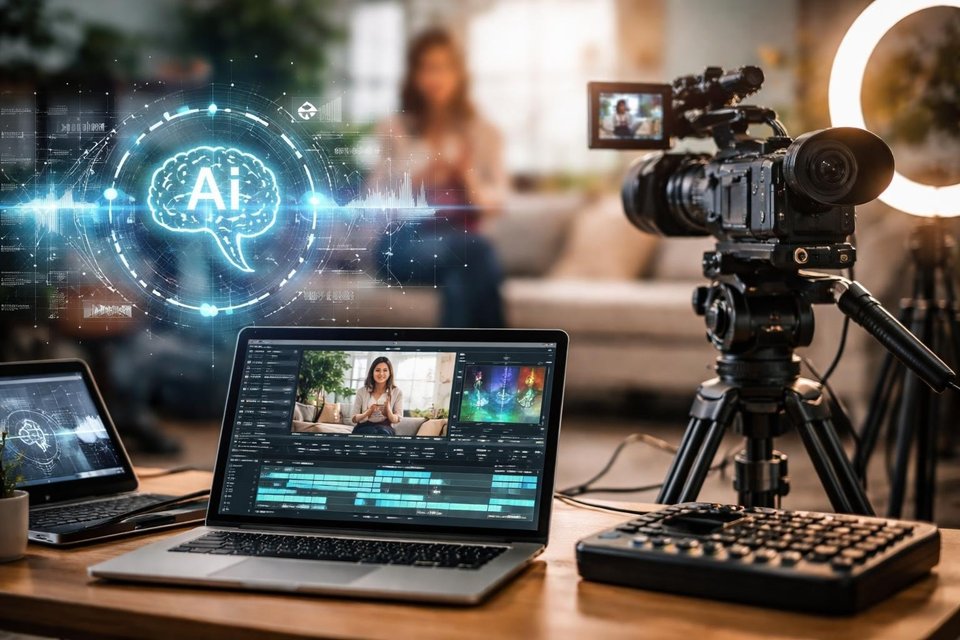
Artificial intelligence has moved from experimental technology to essential production tool within the video industry. Production companies are now integrating AI capabilities across every stage of the workflow, from pre-production planning to post-production refinement.
AI-Powered Production Workflows
Machine learning algorithms now handle tasks that previously required hours of manual labor. Automated color grading adjusts footage to maintain consistent visual standards across multiple shooting days. Speech-to-text transcription generates accurate captions in minutes rather than hours. Content analysis tools identify the most engaging moments within raw footage, streamlining the editing process significantly.
The mainstream adoption of AI-powered video creation has fundamentally changed production timelines and budget requirements. What once required a full production team can now be accomplished with smaller, more agile crews supported by intelligent software.
| AI Application | Time Savings | Quality Impact |
|---|---|---|
| Automated color correction | 60-70% | Consistent brand standards |
| Smart content tagging | 80-85% | Improved searchability |
| Voice synthesis for localization | 75-80% | Faster market expansion |
| Predictive analytics for engagement | N/A | 35% higher performance |
Strategic Considerations for AI Integration
Businesses exploring AI integration must balance automation efficiency with creative authenticity. The most successful video strategies in 2026 use AI to handle repetitive technical tasks while preserving human creativity for strategic storytelling and emotional connection.
When implementing AI tools, consider your specific objectives. A corporate video production project may benefit from AI-powered analytics that identify optimal length and pacing, while social media video campaigns might leverage AI for rapid A/B testing of different creative approaches.
Streaming Platform Evolution and Distribution Strategies
The streaming landscape has matured significantly, with platforms competing fiercely for viewer attention and advertiser dollars. Understanding where and how to distribute video content has become as important as the content itself within the video industry.
Platform Diversification Requirements
No single platform dominates viewer attention anymore. Successful video strategies require content adapted specifically for each distribution channel's unique characteristics, audience expectations, and algorithmic preferences.
According to industry insights on streaming trends, personalized content and diverse programming have become critical differentiators. Businesses must create platform-specific versions of their core messages rather than simply repurposing identical content across channels.
Platform-specific optimization strategies:
- YouTube: Long-form educational content (8-15 minutes) with strong SEO optimization
- Instagram: Short-form vertical video (15-90 seconds) emphasizing visual impact
- LinkedIn: Professional insights and thought leadership (2-5 minutes)
- TikTok: Authentic, trend-aligned content (15-60 seconds) with high entertainment value
- Company websites: Comprehensive video libraries supporting customer journey stages

The rise of ad-supported streaming tiers has created new opportunities for commercial video production focused on connected TV advertising. These placements combine the targeting precision of digital advertising with the impact of traditional television commercials.
Immersive Technologies and Interactive Experiences
Virtual reality, augmented reality, and 360-degree video have transitioned from novelty features to practical business tools within the video industry. Organizations are discovering innovative applications that drive engagement and provide genuine value to audiences.
Practical Applications Beyond Entertainment
Real estate companies use 360-degree video for virtual property tours, allowing prospective buyers to explore spaces remotely. Manufacturing firms create AR-enhanced training videos that overlay instructions directly onto equipment. Event organizers produce VR experiences that extend the lifespan and reach of physical conferences.
These technologies excel when they solve specific problems rather than serve as gimmicks. The most successful implementations focus on convenience, accessibility, or enhanced understanding rather than technological showmanship alone.
| Technology | Primary Business Application | Implementation Complexity |
|---|---|---|
| 360° Video | Property tours, venue showcases | Medium |
| Augmented Reality | Product demonstrations, training | High |
| Virtual Reality | Event experiences, simulations | High |
| Interactive Video | Product exploration, education | Medium-Low |
Short-Form Content Dominance and Attention Economics
The video industry has witnessed short-form content evolve from a social media trend to the dominant format across almost all platforms. Understanding how to communicate effectively within compressed timeframes has become a critical skill for video producers and marketers.
Crafting Impact Within Constraints
Short-form video success requires precise storytelling that captures attention immediately, delivers value rapidly, and concludes with clear next steps. Every second must serve a specific purpose-building curiosity, establishing credibility, or driving action.
Video marketing strategies for small businesses must account for diminishing attention spans without sacrificing message complexity. The solution lies in series-based approaches where multiple short videos build comprehensive understanding over time.
Essential elements of high-performing short-form content:
- Hook viewers within the first 2 seconds with compelling visuals or questions
- Maintain fast pacing with cuts every 2-3 seconds to sustain engagement
- Use text overlays to communicate key points even without audio
- Include clear, single-focused calls to action
- Optimize vertical formatting (9:16) for mobile-first consumption
The video-first revolution in affiliate marketing demonstrates how short-form content has become the primary driver of purchasing decisions across consumer segments.
Production Quality Standards and Equipment Accessibility
The video industry now operates in an environment where professional-quality equipment has become remarkably accessible, yet audience expectations for production values have simultaneously increased. This dynamic creates both opportunities and challenges for businesses investing in video content.
Balancing Investment and Returns
Companies face difficult decisions about production approach: invest in high-end professional services for flagship content, build internal capabilities with accessible equipment, or pursue hybrid strategies that leverage both approaches strategically.
Understanding the specific requirements of different video types helps optimize investment decisions. A comprehensive guide to video production equipment reveals that most business applications don't require cinema-level cameras, but they do demand professional lighting, audio capture, and post-production expertise.
The technical standards outlined in Columbia University's video production best practices provide valuable frameworks for organizations establishing internal video capabilities while maintaining quality benchmarks.
Measurement, Analytics, and Performance Optimization
The maturation of the video industry has brought sophisticated measurement capabilities that transform video from a creative expense into a quantifiable business investment. Modern analytics platforms track viewer behavior with precision, providing actionable insights that drive continuous improvement.
Metrics That Matter for Business Results
Moving beyond vanity metrics like view counts, successful organizations focus on measurements that correlate directly with business objectives. Engagement rate, completion percentage, conversion tracking, and cost-per-acquisition provide meaningful evaluation of video performance.
Key performance indicators by video objective:
| Business Objective | Primary Metrics | Secondary Metrics |
|---|---|---|
| Brand Awareness | Reach, impressions, share rate | Watch time, demographic spread |
| Lead Generation | Conversion rate, cost per lead | Click-through rate, form completions |
| Customer Education | Completion rate, time watched | Support ticket reduction, satisfaction scores |
| Sales Enablement | Sales cycle length, close rate | Content shares by sales team, customer feedback |
Advanced platforms now offer predictive analytics that forecast video performance based on historical data and content characteristics. These insights allow producers to refine creative approaches before investing in full production, reducing risk and improving return on investment.

Sustainability and Ethical Production Practices
Environmental consciousness has emerged as a significant consideration within the video industry. Production companies and brands alike are scrutinizing the carbon footprint of video creation, from energy-intensive rendering processes to travel requirements for location shoots.
Implementing Sustainable Production Workflows
Forward-thinking organizations are adopting practices that reduce environmental impact without compromising creative quality. Virtual production techniques minimize travel requirements. Cloud-based collaboration tools reduce the need for physical media and shipping. Efficient shooting schedules consolidate location work to optimize transportation.
These sustainable approaches often deliver financial benefits alongside environmental ones. Reduced travel decreases production costs. Efficient scheduling shortens timelines. Digital workflows eliminate physical storage and archival expenses.
The integration of advanced AV technologies in educational environments demonstrates how high-quality video production can be achieved with lower environmental impact through strategic technology choices.
Personalization and Dynamic Content Generation
The video industry increasingly leverages data-driven personalization to create more relevant viewer experiences. Dynamic video technology allows single productions to generate thousands of variations customized for specific audience segments, viewing contexts, or individual viewer profiles.
Strategic Applications of Dynamic Video
Financial services firms create account statement videos personalized with individual customer data. E-commerce platforms generate product recommendation videos based on browsing history. Educational institutions produce recruitment videos that highlight programs aligned with prospective student interests.
This technology works most effectively when personalization serves genuine viewer needs rather than creating novelty for its own sake. The goal is relevance-delivering content that addresses specific viewer questions, challenges, or interests with precision.
According to key OTT industry trends, personalized content has become a fundamental expectation rather than a differentiating feature, raising the baseline for competitive video strategies.
Audio Excellence as Competitive Advantage
While visual quality naturally dominates discussions of the video industry, audio excellence has emerged as an often-overlooked competitive differentiator. Poor audio quality immediately signals amateur production, regardless of visual polish, while professional sound design enhances credibility and viewer retention.
Professional audio encompasses multiple elements: clear dialogue capture, appropriate ambient sound, strategic music selection, and balanced mixing that works across diverse playback environments from smartphone speakers to home theater systems.
Investing in professional audio equipment and expertise delivers returns that often exceed comparable visual investments. Viewers forgive minor visual imperfections more readily than they tolerate distracting or unintelligible audio.
The video industry's rapid evolution demands that businesses remain adaptable, informed, and strategic in their content approaches. Understanding emerging technologies, platform dynamics, and audience expectations positions organizations to leverage video as a powerful business asset that drives measurable results. Whether you're launching your first video initiative or refining an established strategy, partnering with experienced production professionals ensures your content meets the high standards today's audiences expect. Viva Media brings Toronto-based expertise in creating high-performance video content engineered to deliver attention-grabbing experiences and quantifiable business outcomes for forward-thinking brands throughout the Greater Toronto Area.