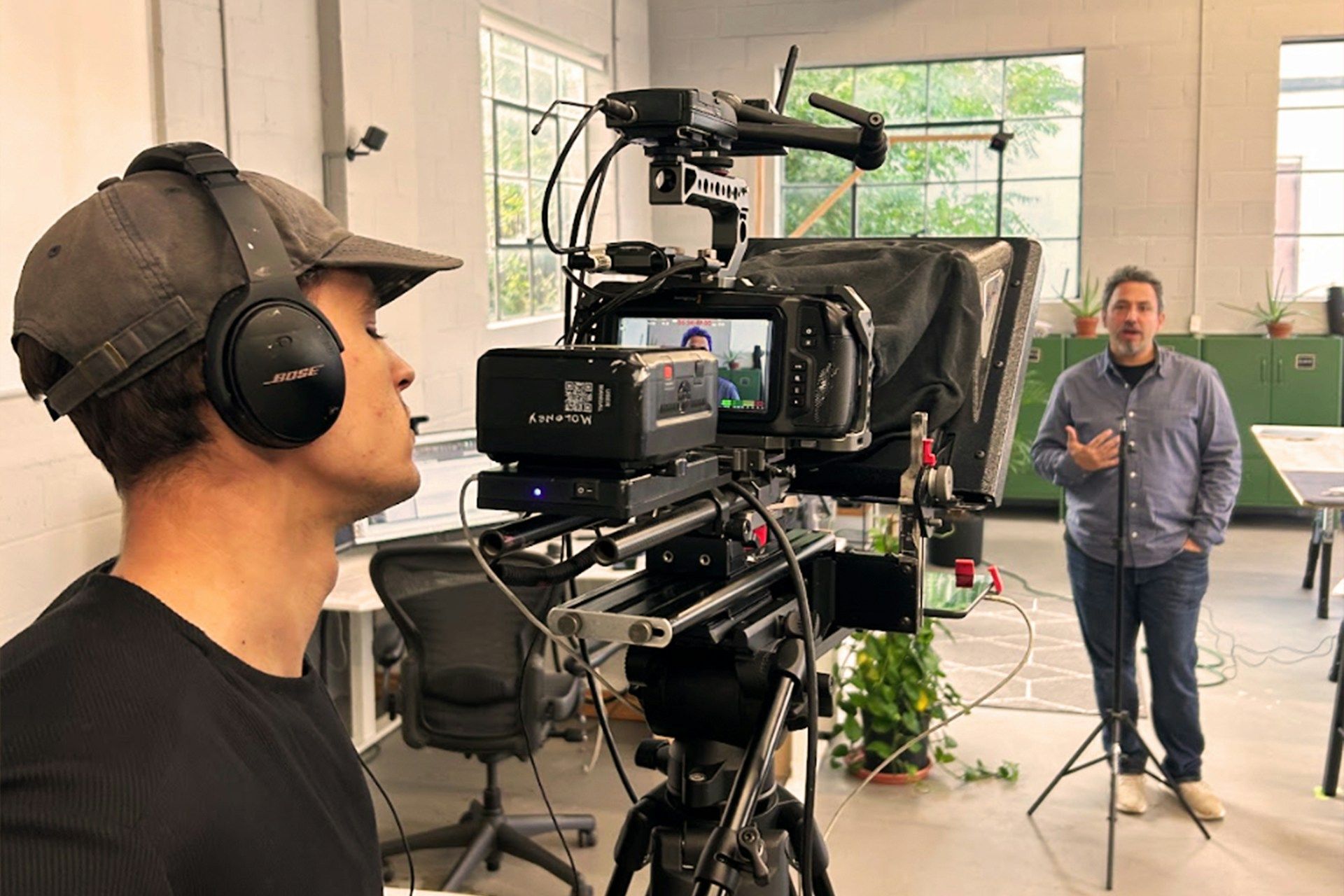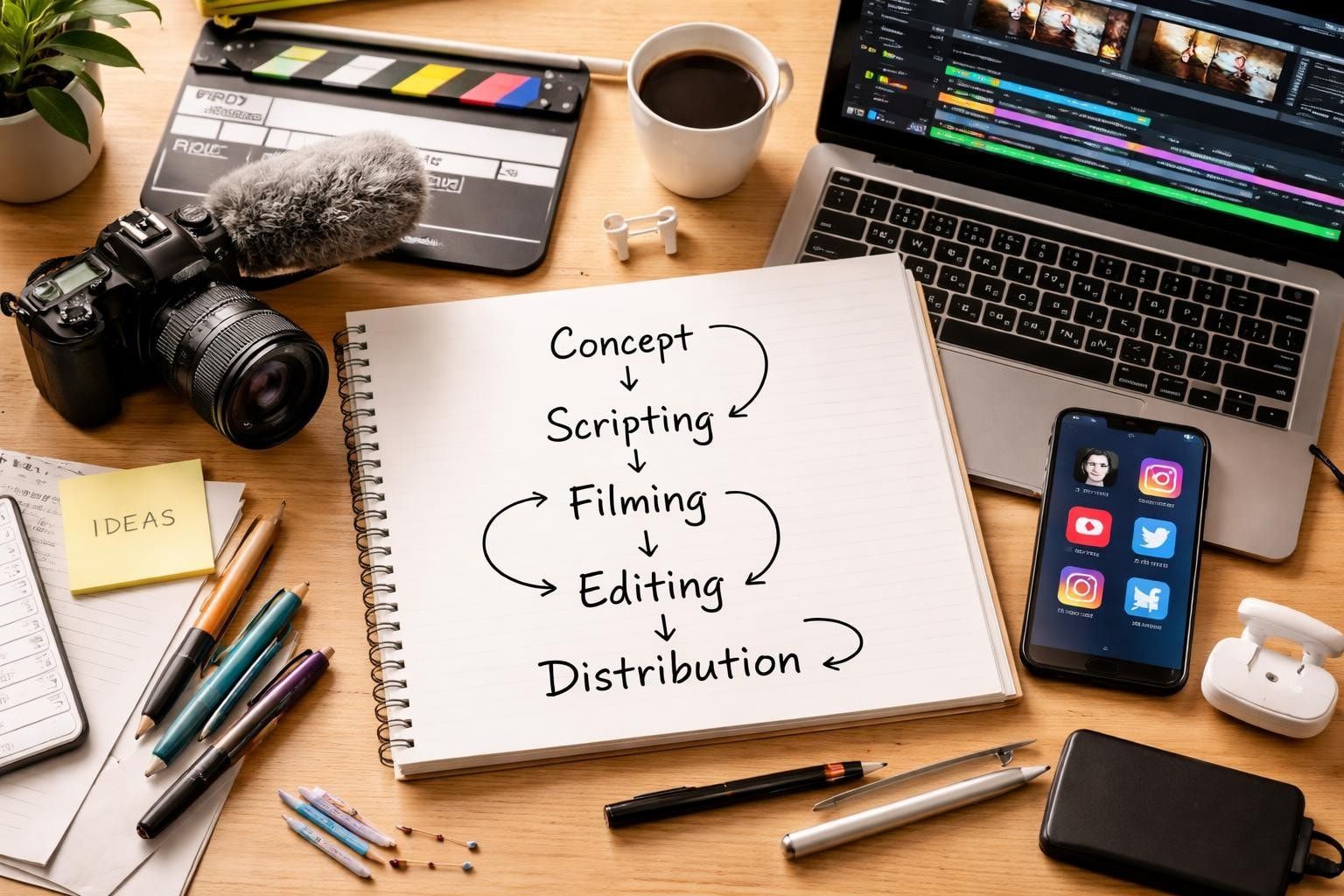

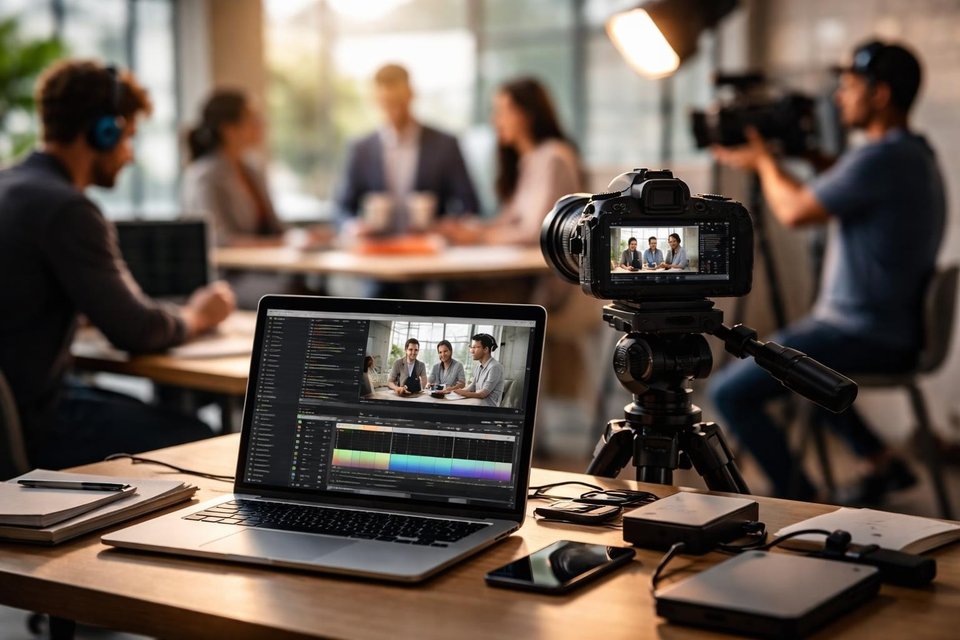
The landscape of digital video production has evolved dramatically, transforming from a specialized skill reserved for broadcasting professionals into an essential business capability. Companies across industries now recognize that video content delivers unmatched engagement rates, conversion metrics, and return on investment compared to traditional marketing channels. Understanding the technical, creative, and strategic elements of digital video production empowers brands to create content that cuts through noise and generates measurable business results.
The Technical Foundation of Modern Digital Video Production
Digital video production begins with understanding fundamental technical specifications that determine content quality and platform compatibility. Resolution standards have progressed from standard definition to 4K and even 8K formats, though most business applications perform optimally at 1080p or 4K resolution. Frame rates typically range from 24fps for cinematic appearance to 60fps for smooth motion, while bitrate settings control file size and visual quality balance.
The Society of Motion Picture & Television Engineers establishes industry standards that ensure interoperability across production equipment and distribution platforms. These technical benchmarks guide everything from color space selection to codec choices, creating consistency throughout the production pipeline.
Essential Equipment Considerations
Selecting appropriate gear represents a critical decision point in digital video production workflows. Modern mirrorless cameras offer exceptional image quality in compact form factors, while professional cinema cameras provide advanced features for complex productions. Audio capture equipment deserves equal attention, as poor sound quality undermines even visually stunning content.
Core equipment categories include:
- Camera bodies with interchangeable lens systems
- Professional-grade microphones and audio recorders
- Stabilization systems ranging from tripods to gimbals
- Lighting kits with adjustable color temperature
- Recording media with sufficient speed and capacity
Budget allocation should prioritize audio equipment and lighting before investing in premium camera bodies. A well-lit, clearly recorded video shot on mid-range equipment outperforms poorly executed content captured on expensive cameras.
Pre-Production Planning and Strategic Development
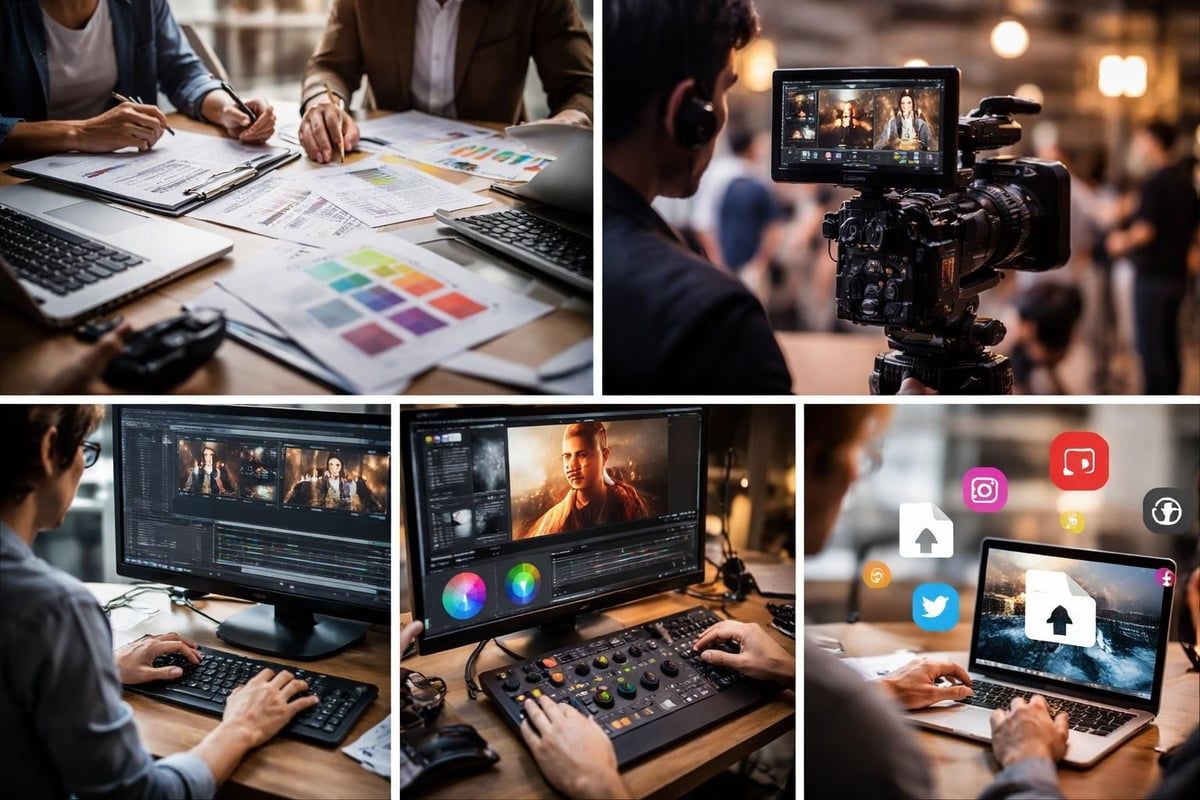
Successful digital video production projects begin long before cameras start rolling. Pre-production encompasses strategic planning, creative development, and logistical coordination that determine whether final content achieves its business objectives. Columbia University's video production best practices emphasize thorough storyboarding and planning as foundational elements of quality output.
Audience Analysis and Content Strategy
Defining target audiences with precision shapes every creative and technical decision throughout production. Demographic research, psychographic profiling, and behavioral analysis reveal what content formats, messaging approaches, and distribution channels will resonate most effectively. Companies investing in corporate video production benefit from aligning video strategy with broader marketing objectives and measurable KPIs.
Creating detailed creative briefs documents project scope, messaging frameworks, visual direction, and success metrics. This document serves as the north star throughout production, ensuring all stakeholders maintain alignment on deliverables and expectations.
| Pre-Production Element | Purpose | Timeline Impact |
|---|---|---|
| Script Development | Establishes narrative structure and messaging | 1-2 weeks |
| Storyboard Creation | Visualizes shots and sequences | 3-5 days |
| Location Scouting | Identifies optimal filming environments | 1 week |
| Casting and Talent | Secures on-camera performers | 1-2 weeks |
| Equipment Logistics | Arranges technical resources | 3-5 days |
Budget development during pre-production prevents costly overruns and scope creep. Understanding video pricing structures helps companies allocate resources strategically across production phases.
Production Techniques for Professional Results
The production phase transforms strategic planning into captured footage through careful execution of technical and creative elements. Digital video production during filming requires balancing artistic vision with practical constraints including time, budget, and environmental conditions.
Lighting design fundamentally shapes visual quality and emotional tone. Three-point lighting remains the foundational setup, utilizing key lights, fill lights, and backlights to create dimensional, professional-looking subjects. Natural light offers cost-effective solutions but demands flexibility as conditions change throughout shooting days.
Professional filming practices include:
- Shooting coverage with multiple angles and shot sizes for editing flexibility
- Maintaining consistent exposure across takes for seamless post-production
- Recording reference audio even when planning ADR or voiceover replacement
- Capturing B-roll footage that supports narrative and covers edit points
- Monitoring focus and framing continuously throughout takes
Camera movement adds production value when executed purposefully. Static tripod shots convey stability and authority, while controlled movements on sliders or gimbals create dynamic energy. Unmotivated camera motion distracts viewers and undermines professional credibility.
Audio Capture Best Practices
Sound quality separates amateur content from professional digital video production. Viewers forgive minor visual imperfections but abandon videos with poor audio almost immediately. Dedicated audio recorders capture higher quality than in-camera microphones, while lavelier and shotgun microphones suit different recording scenarios.
Environmental noise control requires location assessment and mitigation strategies. Recording room tone provides clean audio for smoothing edits, while redundant recording paths protect against equipment failure during critical takes.
Post-Production Workflow and Technical Execution
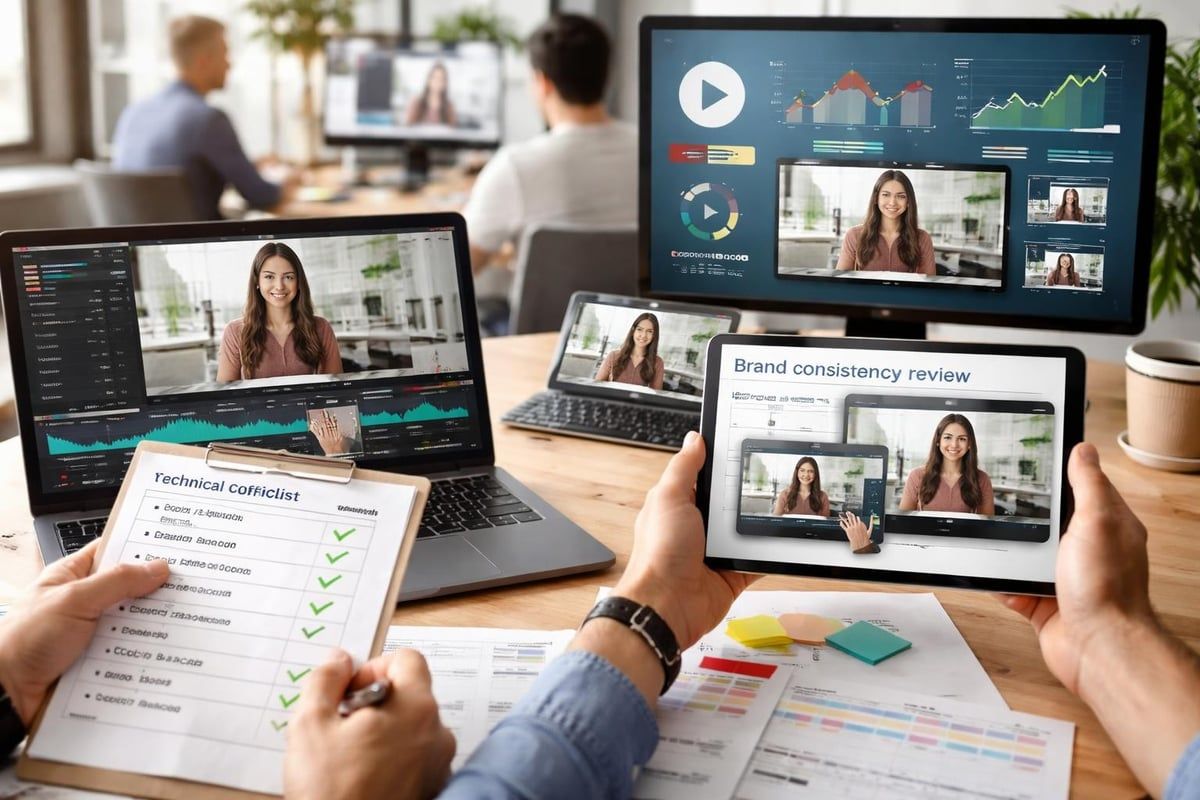
Post-production transforms raw footage into polished final deliverables through editing, color correction, audio mixing, and effects integration. Modern digital video production relies on non-linear editing systems that provide unprecedented creative flexibility and technical capability.
The editing process begins with organizing footage into logical bins and reviewing all captured material. Selects identification marks the strongest takes for timeline assembly, while rough cuts establish pacing and narrative flow before detailed refinement.
Color Grading and Visual Enhancement
Color correction ensures consistent exposure and white balance across shots, while color grading applies stylistic looks that reinforce emotional tone and brand identity. Professional colorists work in dedicated applications offering precise control over hue, saturation, luminance, and contrast across specific tonal ranges.
Arizona State University's production guidelines emphasize brand consistency throughout video content, requiring careful attention to color palettes that align with established visual identity systems. Digital video production for commercial applications demands this level of brand integration to maximize marketing effectiveness.
Color workflow stages:
- Primary correction for technical consistency
- Secondary correction for selective adjustments
- Creative grading for stylistic enhancement
- Output formatting for various delivery platforms
Motion graphics and visual effects enhance storytelling when applied strategically. Lower thirds, transitions, and animated elements should support content rather than distract from core messaging. Subtlety and purposefulness characterize professional motion design.
Distribution Strategy and Platform Optimization
Creating exceptional content represents only half the digital video production equation. Strategic distribution ensures target audiences actually encounter and engage with finished videos. Each platform demands specific technical specifications, aspect ratios, and content approaches for optimal performance.
YouTube prefers 16:9 horizontal video between 7-15 minutes for algorithm favorability, while social media video platforms reward shorter, vertical or square formats designed for mobile consumption. Understanding these platform-specific requirements during pre-production prevents costly reformatting or reduced performance.
| Platform | Optimal Specs | Ideal Length | Format Focus |
|---|---|---|---|
| YouTube | 1920x1080, 16:9 | 8-15 minutes | Educational, entertainment |
| 1080x1080, 1:1 | 30-60 seconds | Visual storytelling, lifestyle | |
| 1920x1080, 16:9 | 2-5 minutes | Professional, thought leadership | |
| TikTok | 1080x1920, 9:16 | 15-60 seconds | Trending, authentic |
Performance Measurement and Optimization
Digital video production achieves maximum ROI when tied to measurable performance indicators. View counts provide surface-level insights, but engagement metrics including watch time, completion rates, click-through rates, and conversion tracking reveal actual business impact. Companies producing commercial video content should establish clear attribution models connecting video performance to revenue outcomes.
A/B testing different thumbnails, titles, opening hooks, and calls-to-action generates data-driven insights for continuous improvement. Successful digital video production operates as an iterative process where each project informs and enhances subsequent efforts.
Advanced Techniques for Competitive Differentiation
As digital video production becomes ubiquitous, advanced techniques separate exceptional content from generic output. Cinematic techniques including depth of field control, intentional camera movement, and sophisticated lighting design elevate production value substantially.
High-quality photography partnerships enhance video projects requiring still image integration. Businesses in markets like Calgary can collaborate with specialists such as Jeff B Photography for headshots and commercial branding photography that maintains visual consistency across multimedia campaigns.
Differentiation strategies include:
- Incorporating drone footage for unique perspectives and scale
- Utilizing professional voice talent for narration and dialogue
- Implementing motion control systems for precise repeatable camera moves
- Designing custom motion graphics and animation sequences
- Recording spatial audio for immersive listening experiences
The National Association of Broadcasters Engineering Handbook provides comprehensive technical guidance on digital video standards that professional productions should reference for broadcast-quality output.

Workflow Efficiency and Team Collaboration
Streamlined workflows separate profitable digital video production operations from those struggling with inefficiency and cost overruns. Project management systems designed for creative work facilitate asset sharing, approval processes, and deadline tracking across distributed teams.
Cloud-based collaboration platforms enable remote review and annotation, reducing revision cycles and accelerating project timelines. Version control systems prevent confusion about file currency while protecting against data loss during active projects.
Building Effective Production Teams
Digital video production quality correlates directly with team expertise and collaboration effectiveness. Clearly defined roles including directors, cinematographers, audio engineers, editors, and colorists ensure accountability and specialization. Even lean teams benefit from role clarity preventing duplicated effort and overlooked responsibilities.
Communication protocols establish expectations for updates, feedback cycles, and decision-making authority. Working effectively with video production companies requires understanding these collaborative dynamics and establishing mutual expectations upfront.
Regular team reviews of completed projects identify lessons learned and process improvements. This continuous refinement approach elevates capabilities over time, building institutional knowledge that compounds competitive advantages.
Emerging Technologies Shaping Production Future
Artificial intelligence integration represents the most significant digital video production evolution currently underway. AI-powered tools automate time-consuming tasks including rough cut assembly, color matching, audio cleanup, and even shot selection based on learned preferences.
Virtual production techniques combining LED volume stages with real-time rendering engines enable previously impossible creative approaches. These technologies democratize access to environments and scenarios that traditional location filming could never accommodate practically.
Emerging technology applications:
- Automated transcription and caption generation
- Intelligent scene detection and metadata tagging
- AI-assisted color grading with style transfer
- Synthetic voice generation for multilingual versions
- Predictive analytics for content performance optimization
Forward-looking content strategies emphasize immersive technologies and cloud-based management systems that position digital video production for evolving audience expectations and consumption patterns.
Quality Control and Delivery Standards
Professional digital video production implements rigorous quality control processes ensuring technical specifications meet platform requirements and creative execution matches client expectations. Technical QC checks verify resolution, frame rate, codec settings, and audio levels fall within acceptable parameters.
Creative review processes involve stakeholder screenings at multiple production phases, from rough cuts through final color-corrected masters. Structured feedback systems using timecoded notes prevent miscommunication and ensure revisions address actual concerns rather than subjective preferences.
The University of Pittsburgh's video production guidelines emphasize technical quality fundamentals including proper lighting, audio clarity, and professional presentation that translate directly to business applications.
Archival and asset management protect production investments long-term. Organized file structures, comprehensive metadata, and redundant backup systems ensure footage remains accessible for repurposing, updates, or compilation projects years after initial creation.
Mastering digital video production requires balancing technical excellence with strategic thinking and creative vision that serves specific business objectives. From pre-production planning through distribution optimization, every decision should advance measurable goals while maintaining production quality that reflects positively on brand reputation. Viva Media partners with forward-thinking Toronto businesses to create high-performance video content that delivers real ROI through strategic planning, professional execution, and data-driven optimization. Ready to transform your video marketing results? Connect with our team to discuss how we can engineer attention-grabbing experiences for your brand.