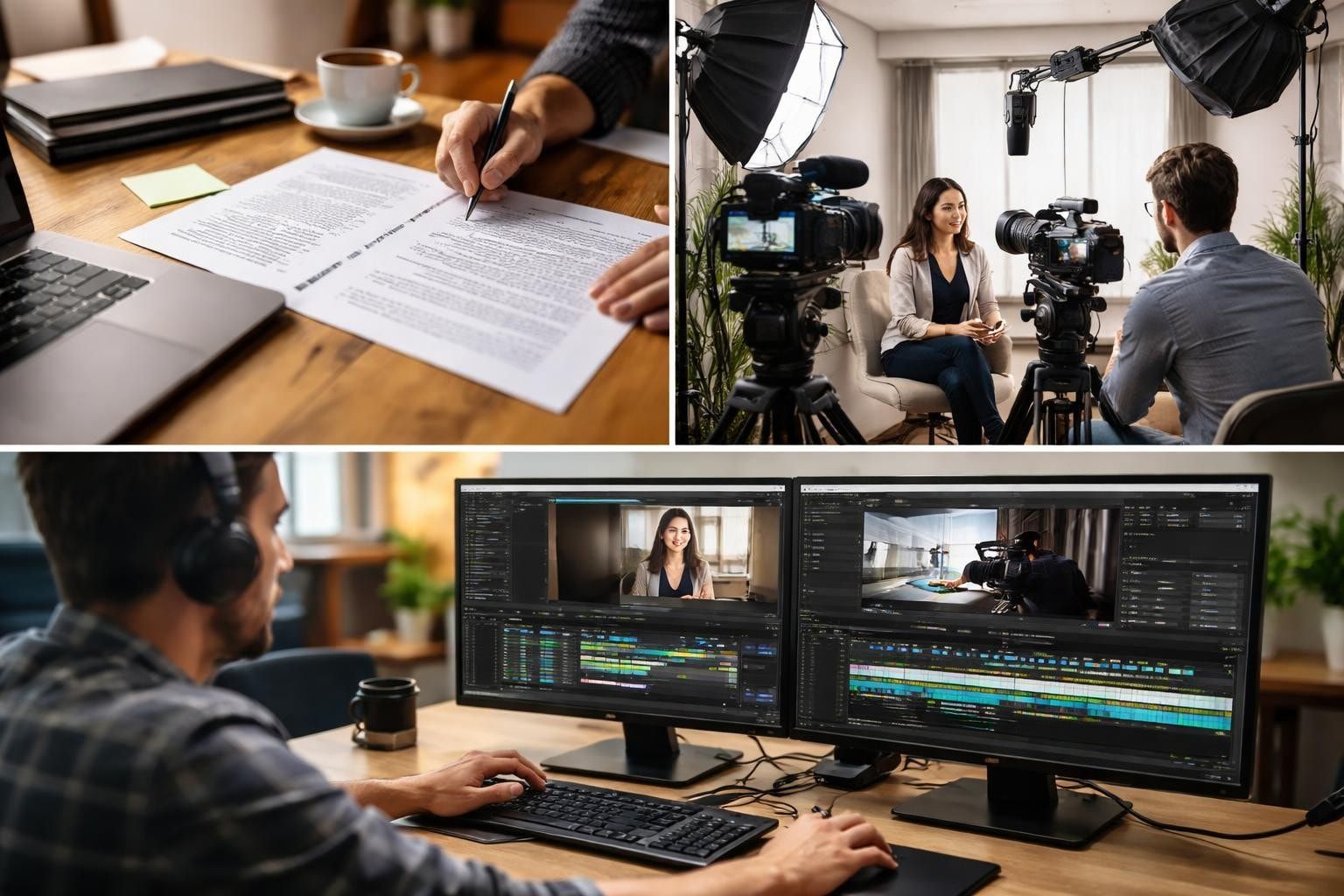


Video campaigns have evolved from optional marketing tactics to essential business drivers. Organizations across industries recognize that strategic video content generates measurable engagement, builds authentic brand connections, and converts prospects into customers. The most successful campaigns combine compelling storytelling with data-driven distribution strategies and rigorous performance measurement. For businesses in competitive markets like Toronto's Greater Toronto Area, understanding how to architect, execute, and optimize video campaigns separates market leaders from those struggling for attention.
Strategic Foundation: Planning High-Performance Video Campaigns
Every effective campaign begins with clear objectives aligned to business outcomes. Rather than producing video content because competitors do, strategic organizations define specific, measurable goals that video campaigns must achieve. These objectives might include increasing qualified lead generation by a specific percentage, reducing customer acquisition costs, improving brand recall among target demographics, or driving direct revenue through e-commerce conversions.
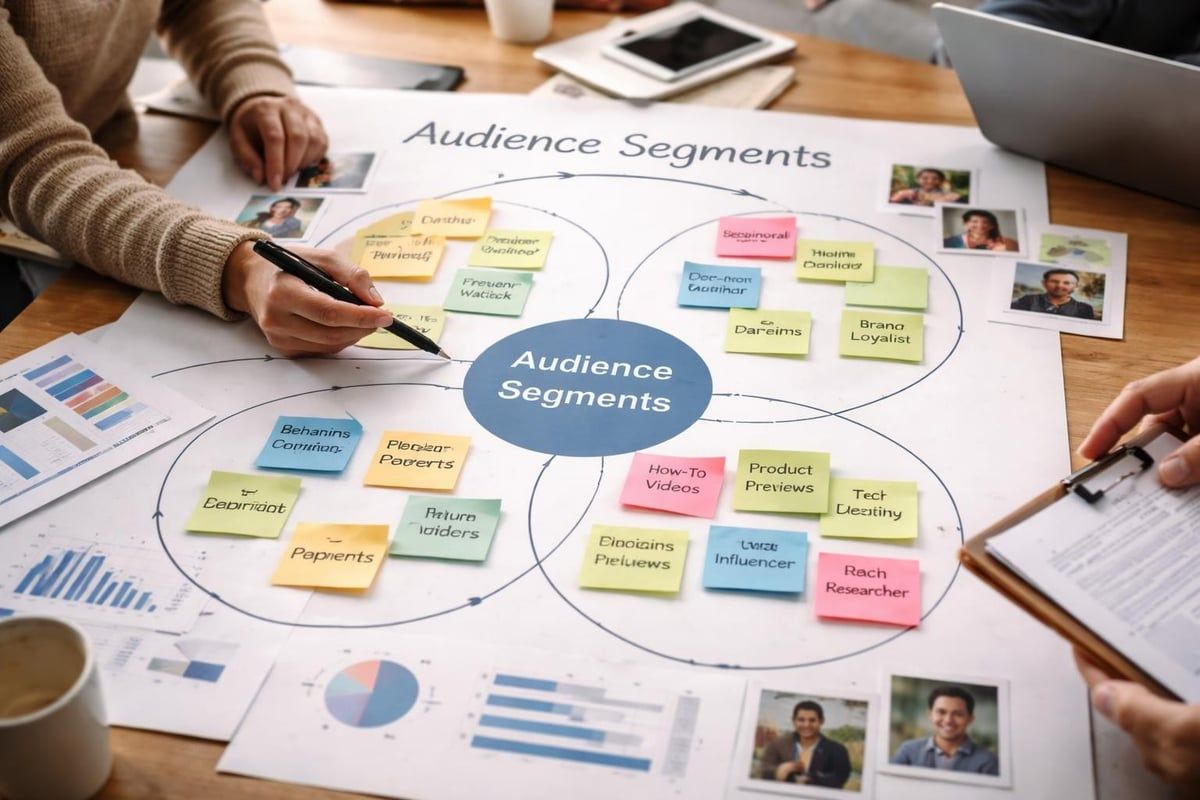
Creating a video marketing strategy requires understanding your audience at a granular level. Demographic data provides a starting point, but psychographic insights reveal the motivations, pain points, and preferences that determine whether your video campaigns resonate or fall flat.
Audience Research and Segmentation
Professional video campaigns segment audiences based on multiple criteria:
- Behavioral patterns: How prospects interact with existing content, their purchase journey stage, and consumption preferences
- Pain points and aspirations: The specific challenges your solution addresses and the outcomes audiences seek
- Content consumption habits: Platform preferences, optimal video length, and engagement patterns
- Decision-making authority: Whether viewers are end users, influencers, or final approvers
This research informs everything from creative direction to distribution strategy. A campaign targeting C-suite executives requires different messaging, pacing, and platforms than content designed for front-line employees or individual consumers.
Content Development: Engineering Campaigns That Convert
The creative execution of video campaigns determines whether strategic planning translates into business results. While production quality matters, the most important factor is message relevance. Working with a creative video agency ensures your content balances production excellence with strategic messaging.
Campaign Architecture and Content Mix
Successful video campaigns rarely rely on a single piece of content. Instead, they deploy multiple video assets tailored to different audience segments and funnel stages:
| Funnel Stage | Video Type | Primary Goal | Typical Length |
|---|---|---|---|
| Awareness | Brand story, educational content | Reach and recognition | 30-90 seconds |
| Consideration | Product demonstrations, case studies | Education and trust-building | 90 seconds - 3 minutes |
| Decision | Customer testimonials, detailed walkthroughs | Conversion and objection handling | 2-5 minutes |
| Retention | Training videos, community content | Engagement and loyalty | Variable |
This multi-asset approach allows video campaigns to nurture prospects through the complete customer journey. Each piece serves a specific purpose while reinforcing consistent brand messaging and visual identity.
Production Excellence and Brand Consistency
Quality standards directly impact campaign performance. Poorly produced videos undermine brand credibility and reduce conversion rates, regardless of message strength. Professional commercial video production ensures technical excellence while maintaining the authentic tone that builds audience connection.
Production considerations include:
- Visual branding: Consistent use of colors, typography, and graphic elements that reinforce brand recognition
- Audio quality: Professional sound recording, music selection, and mixing that maintains viewer attention
- Pacing and editing: Strategic cuts, transitions, and timing that match audience expectations and platform requirements
- Accessibility features: Captions, transcripts, and visual clarity that expand reach and improve engagement
Successful video campaigns demonstrate that production quality serves the message rather than overshadowing it. The goal is creating content that feels professional without appearing overly polished or disconnected from authentic brand personality.
Distribution Strategy: Maximizing Campaign Reach and Impact
Even exceptional video content fails without strategic distribution. Video campaigns require planned deployment across channels where target audiences consume content, with messaging and formatting optimized for each platform's unique characteristics.
Platform Selection and Optimization
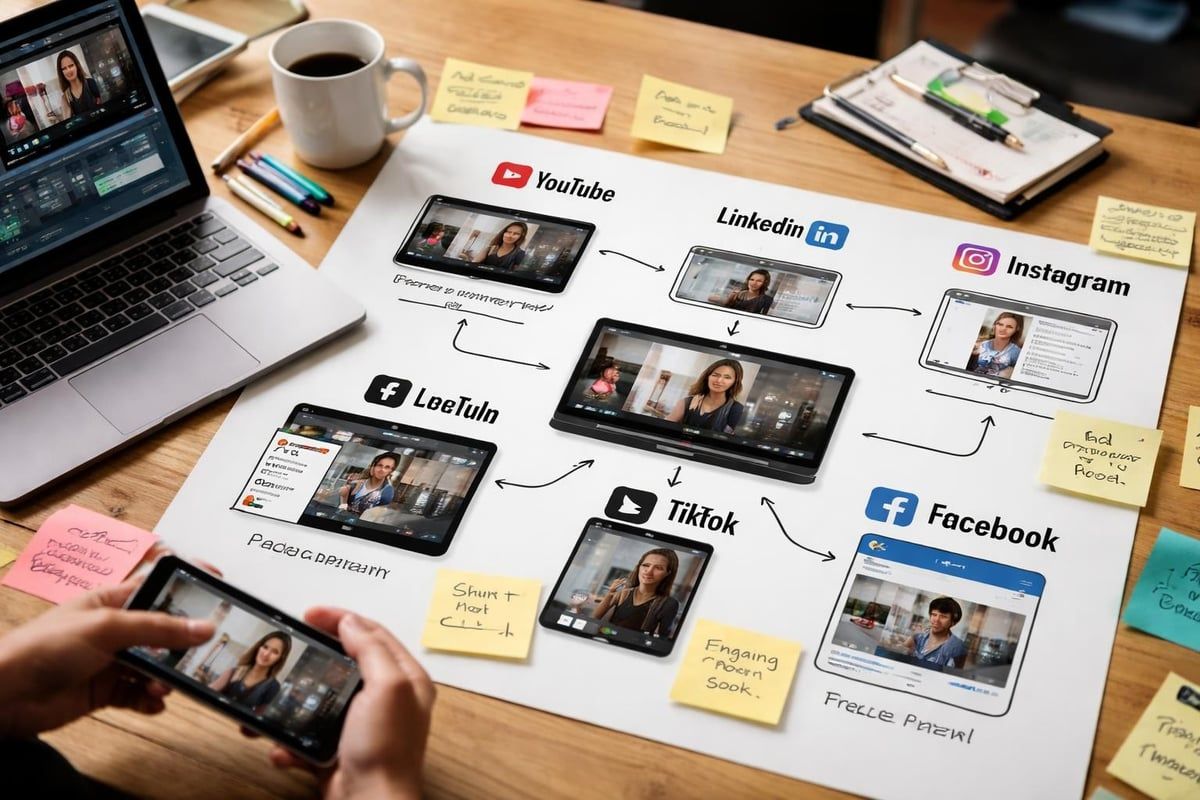
Different platforms serve distinct purposes within comprehensive video campaigns:
YouTube remains the dominant search and discovery platform for long-form content. Videos optimized for YouTube should include keyword-rich titles, detailed descriptions, strategic tags, and custom thumbnails that maximize click-through rates. The platform's recommendation algorithm favors content that retains viewer attention, making the first 15 seconds critical for campaign success.
LinkedIn excels for B2B video campaigns targeting professionals and decision-makers. Native video uploads typically outperform shared YouTube links, and content should emphasize industry insights, thought leadership, and business outcomes rather than entertainment value.
Instagram and TikTok dominate short-form, mobile-first content. Video campaigns on these platforms prioritize visual impact in the first three seconds, vertical formatting, and authentic storytelling over polished production. Social media video production specialists understand the nuances that drive performance on these attention-scarce platforms.
Paid Promotion and Organic Amplification
Video campaigns typically combine organic reach with strategic paid promotion. Paid distribution accelerates initial performance while algorithms assess organic engagement potential. Effective promotion strategies include:
- Audience targeting precision: Using demographic, behavioral, and interest-based targeting to reach high-value prospects
- Sequential messaging: Retargeting engaged viewers with follow-up content that moves them through the funnel
- Budget allocation: Testing multiple creative variations and platforms before concentrating spend on top performers
- Timing optimization: Scheduling video campaigns when target audiences are most active and receptive
The best practices for video advertising emphasize alignment between creative concepts and business goals throughout the customer journey.
Performance Measurement: Tracking ROI and Optimizing Results
Video campaigns generate vast amounts of performance data. The challenge lies in identifying which metrics actually predict business outcomes versus vanity metrics that appear impressive but lack commercial value.
Key Performance Indicators That Matter
Different campaign objectives require different measurement frameworks:
| Campaign Goal | Primary Metrics | Secondary Metrics |
|---|---|---|
| Brand awareness | Reach, impressions, view-through rate | Brand lift studies, share of voice |
| Engagement | Watch time, engagement rate, social shares | Comments quality, click-through rate |
| Lead generation | Conversion rate, cost per lead, lead quality score | Form completion rate, sales acceptance rate |
| Revenue impact | Revenue attributed, customer acquisition cost, lifetime value | Sales cycle length, average order value |
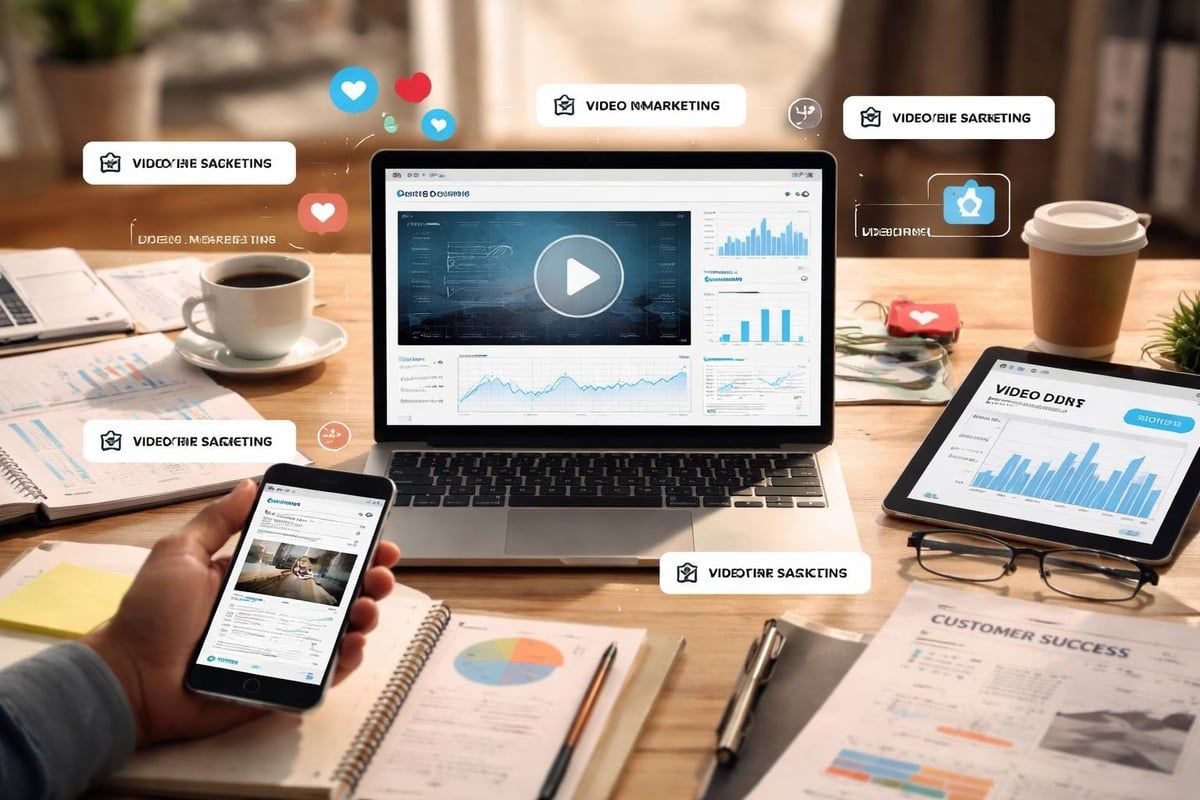
Sophisticated video campaigns track performance across the complete funnel. A video might generate modest direct conversions while significantly improving conversion rates for prospects who viewed it before engaging with other marketing touchpoints. Multi-touch attribution models reveal these hidden contributions that single-source attribution misses.
Continuous Optimization and Testing
The most effective video campaigns treat initial deployment as the beginning rather than the end. Performance data informs ongoing optimization:
Creative testing compares different hooks, messaging approaches, visual styles, and calls-to-action. Even small variations in opening sequences can dramatically impact completion rates and conversion performance.
Audience refinement identifies which demographic and behavioral segments respond most strongly, allowing budget reallocation toward high-value audiences.
Platform performance analysis reveals where video campaigns generate the strongest ROI, enabling strategic channel prioritization. Understanding video pricing helps organizations allocate production budgets effectively across multiple platform variations.
Timing and frequency optimization tests different deployment schedules and exposure frequencies to maximize impact while avoiding audience fatigue.
Advanced Tactics: Elevating Campaign Sophistication
Organizations that master foundational video campaigns can deploy advanced tactics that compound results.
Personalization and Dynamic Content
Technology now enables video campaigns that adapt content based on viewer characteristics. Dynamic insertion can customize:
- Opening messages that reference the viewer's industry, role, or location
- Product demonstrations featuring solutions relevant to specific business challenges
- Testimonials from customers in similar industries or organizational sizes
- Calls-to-action directing viewers to resources matching their funnel stage
These personalized video campaigns generate significantly higher engagement and conversion rates than one-size-fits-all approaches.
Sequential Storytelling Campaigns
Rather than isolated videos, sequential campaigns unfold narratives across multiple installments. This approach builds anticipation, rewards returning viewers, and creates natural opportunities for audience participation and co-creation. Case studies of successful video campaigns demonstrate how episodic content dramatically improves audience retention and brand affinity.
Integration With Broader Marketing Systems
Video campaigns achieve maximum impact when integrated with email marketing, content marketing, sales enablement, and customer success initiatives. Videos become assets that multiple teams deploy across touchpoints:
- Sales teams share relevant case study videos during prospect conversations
- Email campaigns increase open and click-through rates by featuring video thumbnails
- Website content improves conversion rates and SEO performance through embedded video
- Customer onboarding accelerates time-to-value through tutorial and training videos
This integrated approach maximizes return on video production investment while creating consistent brand experiences across channels.
Production Workflow: Executing Campaigns Efficiently
Efficient production workflows ensure video campaigns launch on schedule without sacrificing quality. Professional corporate video production teams follow structured processes that balance creative excellence with operational efficiency.
Pre-Production Planning
Thorough pre-production prevents costly revisions and delays:
- Creative brief development documenting objectives, target audiences, key messages, and success metrics
- Script and storyboard creation establishing narrative flow, visual approach, and technical requirements
- Talent and location scouting identifying ideal on-camera talent and filming environments
- Equipment and crew scheduling ensuring all technical resources are available when needed
- Shot list finalization detailing every required scene to maximize filming efficiency
Production Day Execution
Organized filming days capture required footage while maintaining creative flexibility. Professional crews balance planned shot lists with spontaneous moments that often become campaign highlights. Tips for working with video production companies help clients contribute effectively without disrupting professional workflows.
Post-Production Excellence
Editing transforms raw footage into compelling campaign assets. This phase includes:
- Assembly editing: Organizing footage according to narrative structure
- Fine-cut editing: Refining pacing, timing, and transitions for maximum impact
- Color grading: Ensuring consistent visual tone and brand color accuracy
- Sound design: Mixing dialogue, music, and sound effects for professional audio quality
- Graphics and animation: Adding text overlays, lower thirds, and motion graphics
- Format optimization: Exporting versions optimized for each distribution platform
Emerging Trends Shaping Video Campaigns in 2026
The video landscape evolves rapidly. Organizations building video campaigns must understand emerging trends that will define effectiveness in coming years.
Video marketing best practices for 2026 emphasize authenticity over polish. Audiences increasingly value genuine brand personality over highly produced content that feels disconnected from real customer experiences. This trend favors video campaigns that showcase actual employees, customers, and behind-the-scenes processes rather than scripted scenarios with actors.
Short-form vertical video continues dominating attention. While long-form content maintains importance for educational and consideration-stage material, capturing initial attention requires mastering 15-60 second vertical videos optimized for mobile consumption.
Interactive video elements transform passive viewing into active engagement. Clickable hotspots, branching narratives, and embedded forms turn video campaigns into conversion engines rather than awareness vehicles alone.
Sustainability and corporate responsibility messaging gains prominence. Video campaigns that demonstrate authentic commitment to environmental and social causes resonate strongly with audiences holding brands accountable for broader impacts beyond profit.
Budget Allocation: Maximizing Campaign ROI
Video campaign budgets must balance production quality with distribution effectiveness. Organizations often over-invest in production while under-funding promotion, resulting in excellent content that never reaches intended audiences.
Strategic budget allocation typically divides resources:
- 40-50% for production including pre-production, filming, and post-production
- 30-40% for paid distribution and promotion across selected platforms
- 10-20% for performance measurement, optimization, and reporting tools
This distribution ensures quality content reaches sufficient audience scale to generate meaningful business impact. Understanding the complete cost structure helps organizations plan sustainable video campaign programs rather than one-off projects.
Organizations with limited budgets often achieve better results through multiple lower-budget video campaigns than single high-production projects. Frequency and consistency frequently outperform production extravagance, particularly for building audience relationships over time.
Video campaigns represent powerful tools for organizations ready to invest in strategic content that delivers measurable business results. Success requires balancing creative excellence with distribution strategy, audience understanding, and rigorous performance measurement. As video consumption continues dominating digital attention, campaigns that combine authentic storytelling with platform optimization will separate market leaders from followers. Viva Media partners with forward-thinking Toronto brands to create high-performance video campaigns engineered for attention and built for results, delivering the strategic expertise and production excellence that transforms video content into genuine competitive advantage.