

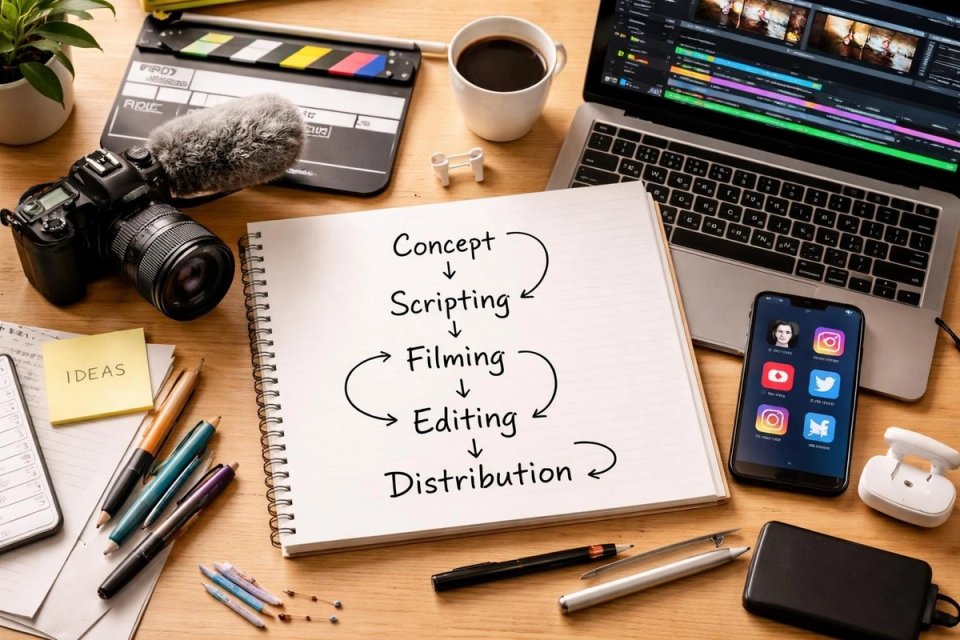
The digital landscape has fundamentally transformed how businesses communicate with their audiences, and short video production has emerged as the dominant content format for 2026. With platforms like TikTok, Instagram Reels, and YouTube Shorts commanding billions of daily views, companies throughout the Greater Toronto Area and beyond are racing to master this powerful medium. The challenge isn't simply creating videos anymore; it's crafting strategically planned content that captures attention within seconds, delivers measurable results, and aligns with brand objectives while competing in an increasingly saturated market.
Understanding the Strategic Foundation
Short video production requires a fundamentally different approach than traditional long-form content. The format demands precision in messaging, creativity in execution, and strategic thinking from concept to distribution.
Before cameras start rolling, successful brands establish clear objectives for their content. Are you driving awareness, generating leads, or nurturing existing customers? Each goal requires distinct creative approaches and metrics for success. Developing a comprehensive short video content plan ensures your production efforts align with broader marketing initiatives rather than creating content in isolation.
Defining Your Target Audience
Understanding who watches your content shapes every production decision. Demographics, psychographics, pain points, and platform preferences determine everything from video length to visual style.
- Age groups consume content differently, with Gen Z preferring rapid cuts while millennials engage with slightly longer narratives
- Professional audiences respond to polished production values and clear value propositions
- Consumer markets often prioritize entertainment and emotional connection over technical specifications
- Geographic considerations matter for Toronto-based businesses targeting local versus national audiences
The most effective short video production starts with audience research that informs creative decisions rather than relying on generic best practices.

Planning Your Production Strategy
Strategic planning separates amateur content from professional campaigns that deliver ROI. Corporate video production requires structured workflows that maximize efficiency while maintaining creative excellence.
Pre-Production Essentials
Every successful project begins with thorough preparation. Scripting, storyboarding, and logistics planning prevent costly mistakes during filming.
| Pre-Production Element | Purpose | Time Investment |
|---|---|---|
| Script Development | Clarify messaging and timing | 2-4 hours |
| Storyboard Creation | Visualize shots and sequences | 3-5 hours |
| Location Scouting | Identify optimal filming environments | 1-3 hours |
| Talent Coordination | Schedule and brief on-camera participants | 1-2 hours |
| Equipment Preparation | Test and pack necessary gear | 1 hour |
Script development for short video production differs dramatically from long-form content. Every word must justify its presence, with most effective scripts running 100-150 words for 60-second videos. The opening three seconds determine whether viewers continue watching, making your hook absolutely critical.
Storyboarding helps visualize how shots will sequence together, even for seemingly simple productions. This step identifies potential issues before arriving on set and ensures everyone shares the same creative vision.
Production Techniques That Drive Engagement
The actual filming process requires technical expertise combined with creative problem-solving. Professional video production services bring experience that elevates content beyond smartphone footage.
Technical Considerations
Quality matters more than ever in 2026, as audiences have developed sophisticated expectations for production values. Poor lighting, muddy audio, or shaky footage signal unprofessionalism that undermines your message.
Lighting creates mood and ensures your subject appears clear and professional. Natural light works beautifully for certain content types, but controlled lighting setups provide consistency across multiple shoots. Best practices for video production emphasize three-point lighting as a foundational technique that flatters subjects while adding visual depth.
Audio quality often matters more than visual perfection. Viewers tolerate imperfect visuals but abandon content with poor sound within seconds. Invest in quality microphones and monitor audio levels throughout filming to avoid costly re-shoots.
- Use lavalier mics for interviews and talking-head content
- Employ shotgun mics for capturing directional audio in controlled environments
- Consider audio interfaces for professional-grade recording when budget allows
- Always capture room tone for editing flexibility
Framing and Composition
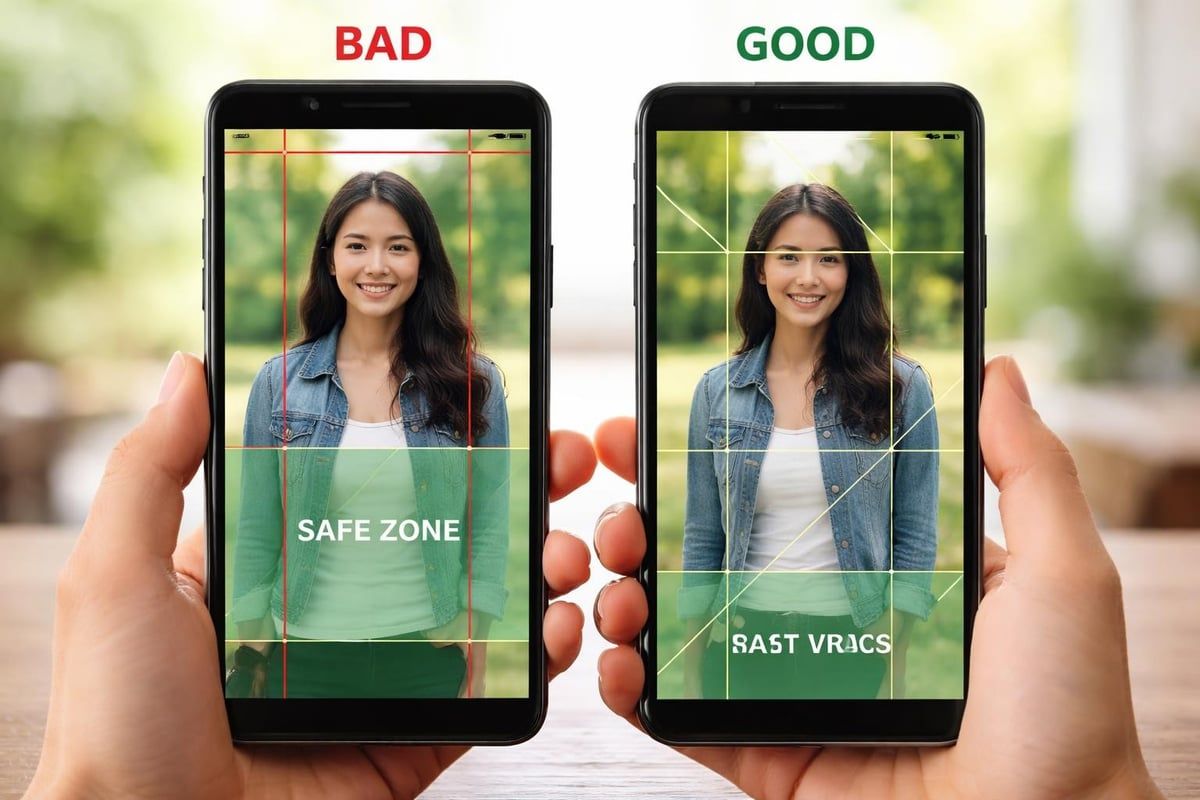
Vertical video dominates short video production in 2026, requiring different compositional approaches than traditional horizontal formats. The 9:16 aspect ratio creates unique challenges and opportunities for visual storytelling.
Position your subject strategically within the frame, using the rule of thirds as a starting point but not a rigid constraint. Headroom, look room, and background elements all contribute to professional aesthetics that keep viewers engaged.
Movement adds energy to short content, whether through camera motion, subject movement, or both. Handheld footage can feel dynamic and authentic, while stabilized shots convey polish and intentionality. Match your movement style to your brand personality and message.
Post-Production Excellence
Editing transforms raw footage into compelling narratives that hold attention and drive action. The post-production phase offers opportunities to enhance messaging, add branding elements, and optimize for platform-specific requirements.
Editing Workflow Fundamentals
Professional editors follow systematic workflows that ensure consistency and efficiency. Mastering short-form video production requires understanding how pace, transitions, and effects impact viewer retention.
Pacing matters enormously in short content. Most successful videos maintain quick cuts, typically changing shots every 2-4 seconds to maintain visual interest. However, intentional pauses can create emphasis when used strategically.
The first three seconds determine whether viewers continue watching. Open with your strongest visual, most compelling statement, or most intriguing question to hook attention immediately. Bury your brand introduction until after establishing value.
Adding Strategic Elements
Graphics, text overlays, and music enhance rather than distract from your core message. Each element should serve a specific purpose in your communication strategy.
| Post-Production Element | Function | Implementation Tips |
|---|---|---|
| Text Overlays | Reinforce key points, ensure comprehension without sound | Use large, readable fonts with high contrast |
| Background Music | Set emotional tone, maintain energy | Keep volume low enough to avoid overwhelming dialogue |
| Sound Effects | Emphasize actions, add production value | Use sparingly for maximum impact |
| Color Grading | Establish visual consistency, enhance mood | Develop brand-specific color profiles |
| Transitions | Connect scenes, maintain flow | Favor cuts over elaborate transitions |
Captions have evolved from accessibility feature to essential component. Over 85% of social video plays without sound, making text overlays critical for message delivery. Auto-generated captions provide a starting point, but professional productions require manual review and styling for brand consistency.
Platform-Specific Optimization
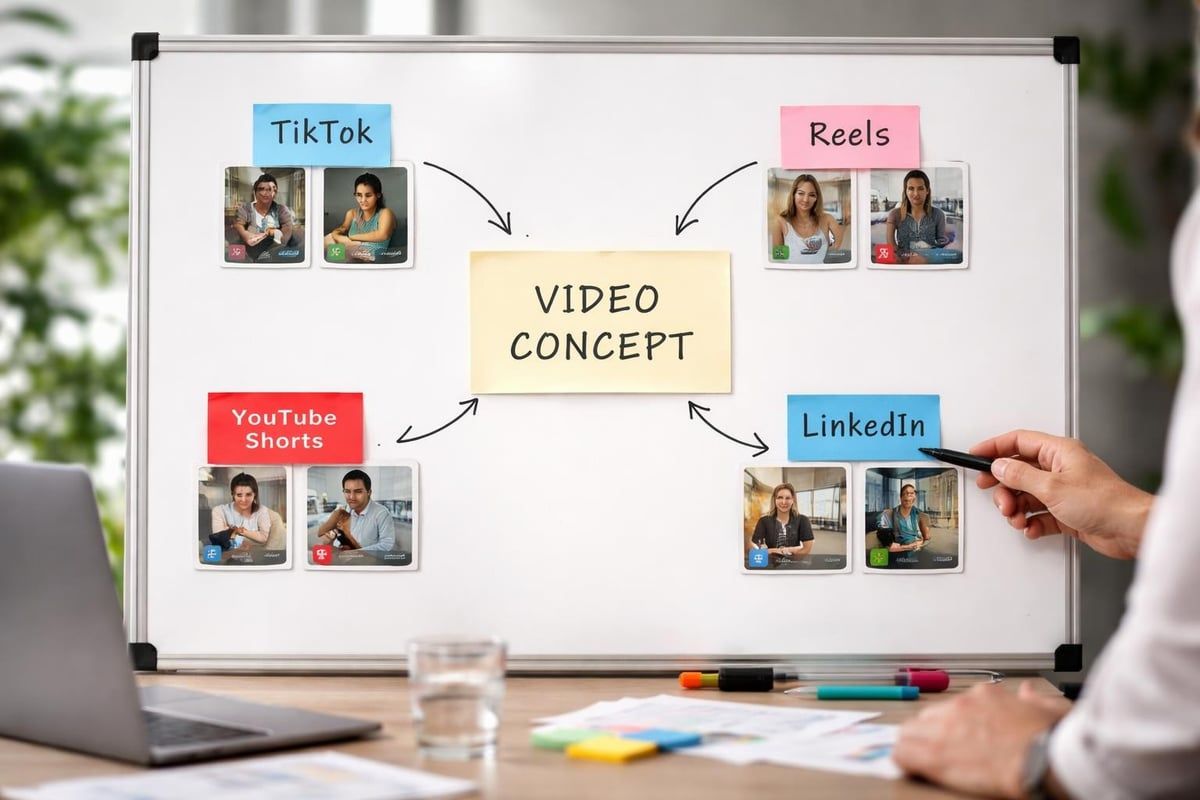
Different platforms demand distinct approaches to short video production. Content that performs brilliantly on TikTok may fail on LinkedIn, requiring strategic adaptation rather than simple cross-posting.
TikTok and Instagram Reels
These platforms reward authentic, trend-aware content that feels native to their ecosystems. Overly polished commercial video production can actually underperform against more casual content that demonstrates genuine personality.
Trending audio provides distribution advantages, as platforms boost content using popular sounds. However, audio selection must align with brand identity rather than chasing every trend indiscriminately.
Hashtag strategy impacts discoverability, with 3-5 targeted hashtags typically outperforming larger quantities. Mix category-specific tags with broader discovery tags to balance reach and relevance.
YouTube Shorts
YouTube Shorts occupies a unique position between traditional YouTube content and ultra-short social clips. The platform favors content between 15-60 seconds that hooks viewers in the first second.
YouTube's algorithm considers watch time and engagement signals like likes, comments, and shares. Ending with clear calls-to-action encouraging engagement improves performance metrics that drive further distribution.
LinkedIn Video
Professional audiences on LinkedIn expect higher production values and substantive content. Short video production for this platform should prioritize industry insights, thought leadership, and educational value over entertainment.
Videos between 30-90 seconds perform best, with captions essential as autoplay defaults to silent. Corporate video services designed for LinkedIn should reflect brand professionalism while maintaining authentic personality.
Distribution and Promotion Strategy
Creating excellent content represents only half the equation. Strategic distribution ensures your short video production reaches and resonates with target audiences.
Multi-Platform Approach
Most successful brands maintain presence across multiple platforms while adapting content appropriately. This doesn't mean identical posts everywhere, but rather strategic variations optimized for each environment.
Native uploads consistently outperform cross-posted content. Platforms prioritize videos uploaded directly to their systems rather than links driving traffic elsewhere. This requires additional effort but delivers significantly better results.
Posting schedules should align with when your specific audience engages most actively. Generic "best times to post" advice provides starting points, but platform analytics reveal your audience's actual behavior patterns.
- Analyze performance data monthly to identify emerging patterns
- Test different posting times systematically rather than randomly
- Consider time zone differences when targeting multiple geographic regions
- Maintain consistency in posting frequency to build audience expectations
Paid Promotion Considerations
Organic reach continues declining across most platforms, making strategic paid promotion increasingly important for business results. Social media video campaigns often combine organic and paid strategies for maximum impact.
Budget allocation should follow performance data rather than equal distribution across platforms. Channel resources toward platforms delivering actual conversions, not just vanity metrics like views or likes.
Measuring Success and Iterating
Analytics transform short video production from creative experimentation into strategic business investment. Tracking the right metrics enables continuous improvement and demonstrates ROI to stakeholders.
Key Performance Indicators
Different objectives require different success metrics. Awareness campaigns focus on reach and impressions, while conversion-focused content prioritizes click-through rates and actual business outcomes.
| Metric Category | Key Indicators | Business Relevance |
|---|---|---|
| Reach Metrics | Views, Impressions, Unique Viewers | Awareness and brand exposure |
| Engagement Metrics | Likes, Comments, Shares, Saves | Audience connection and resonance |
| Retention Metrics | Average Watch Time, Completion Rate | Content quality and relevance |
| Conversion Metrics | Click-throughs, Leads, Sales | Direct business impact |
Completion rate reveals whether your content holds attention throughout its duration. Videos under 30 seconds should target 70%+ completion rates, while longer content naturally sees lower percentages.
Testing and Optimization
Systematic testing identifies what resonates with your specific audience rather than following generic best practices. Variables to test include video length, opening hooks, call-to-action placement, and visual styles.
A/B testing works differently for social content than traditional marketing channels. Small audience sizes make statistical significance challenging, requiring larger sample sizes or longer testing periods for reliable conclusions.
Best practices for creating compelling videos provide frameworks, but your audience's preferences ultimately determine what works. Regular analysis of performance data should inform creative decisions for future productions.
Content Series and Consistency
Single viral videos rarely transform businesses. Sustained success requires consistent content production that builds audience relationships over time.
Developing Content Pillars
Content pillars provide structure for ongoing short video production while ensuring variety that maintains audience interest. Most successful brands organize around 3-5 core themes that align with business objectives and audience interests.
Educational content establishes expertise and provides genuine value that builds trust with potential clients. Behind-the-scenes footage humanizes your brand and creates connection beyond transactional relationships. Product demonstrations showcase offerings while addressing common questions or objections.
Entertainment value shouldn't be overlooked, even for B2B brands. Content that makes people smile or think gets shared, expanding reach beyond existing audiences.
Production Scheduling
Consistency matters more than perfection when building audience loyalty. Regular posting schedules train audiences to anticipate your content while signaling platform algorithms that you're an active creator worth promoting.
- Establish realistic posting frequencies you can maintain long-term
- Batch production sessions to create multiple videos efficiently
- Build content buffers to maintain consistency during busy periods
- Plan around seasonal events and industry trends proactively
Batch filming multiple videos in single sessions maximizes efficiency without sacrificing quality. Plan complementary concepts that share locations, talent, or setups to reduce production overhead.
Emerging Trends and Technologies
Short video production continues evolving rapidly, with new features, formats, and technologies reshaping best practices. Staying current ensures your content remains competitive and resonates with increasingly sophisticated audiences.
AI and Automation
Artificial intelligence tools increasingly assist with video production workflows, from automated editing to intelligent caption generation. Teaching with technology demonstrates how these tools democratize video creation while raising quality baselines across the industry.
However, automation works best supporting rather than replacing human creativity. AI excels at repetitive tasks like color correction or initial rough cuts, freeing creators to focus on strategic and creative decisions that differentiate content.
Interactive Elements
Platforms increasingly support interactive features like polls, questions, and clickable elements within videos. These tools transform passive viewing into active engagement, boosting performance metrics while gathering valuable audience insights.
Shoppable video continues expanding, allowing viewers to purchase products directly from content without leaving the platform. This functionality particularly benefits product-focused businesses seeking direct ROI from content investments.
Building Your Production Capabilities
Businesses face a critical decision: build internal short video production capabilities or partner with professional agencies. Each approach offers distinct advantages depending on objectives, resources, and timeline.
In-House Production
Internal teams offer agility and brand intimacy that external partners struggle to match. They understand company culture deeply and can respond quickly to emerging opportunities or time-sensitive content needs.
However, building professional capabilities requires significant investment in equipment, software, training, and ongoing skill development. Digital video production technology continues advancing rapidly, making maintaining current expertise challenging for teams juggling multiple responsibilities.
Professional Partnership Benefits
Experienced production companies bring refined expertise, professional equipment, and efficient workflows that deliver superior results in less time. They've navigated thousands of projects, developing systems that avoid common pitfalls while maximizing creative impact.
Cost-effectiveness often surprises businesses comparing professional services to internal production. When factoring equipment investments, training time, and opportunity costs of diverting staff from core responsibilities, professional partnerships frequently deliver better value alongside superior quality.
The hybrid approach works well for many organizations, maintaining basic capabilities for simple content while partnering with professionals for high-impact campaigns requiring specialized expertise or equipment.
Mastering short video production requires balancing strategic thinking, technical excellence, and creative storytelling within increasingly constrained timeframes and attention spans. The most successful brands treat video not as isolated tactics but as integrated components of comprehensive marketing strategies that deliver measurable business results. Whether you're just beginning your video journey or looking to elevate existing capabilities, Viva Media specializes in creating high-performance short-form content that cuts through digital noise and drives real ROI for forward-thinking brands throughout Toronto and beyond.