

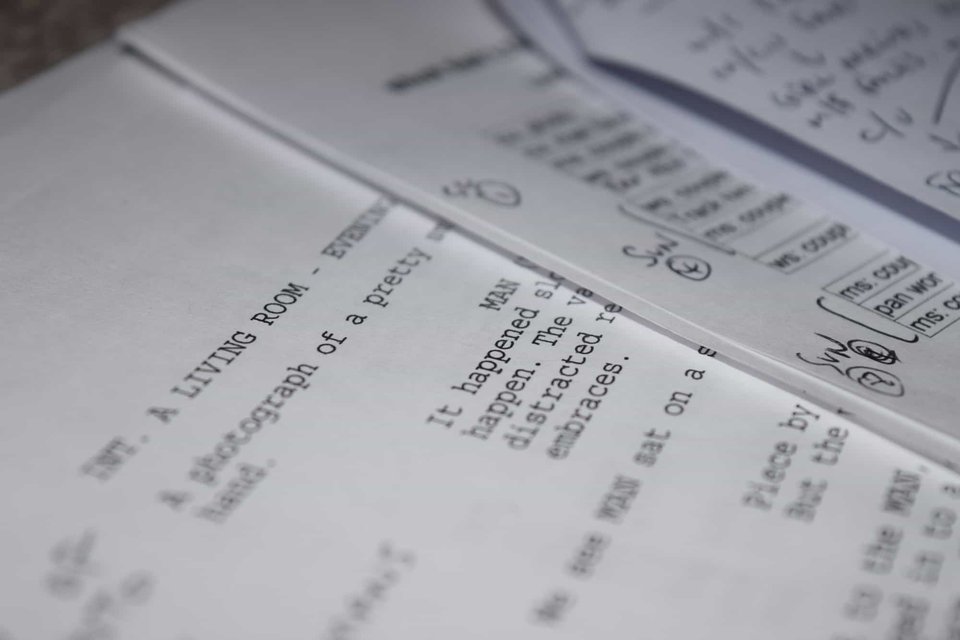
Your script sets out what the audience will see and hear in a commercial. For video marketing, it connects the message, visual idea and call to action before the team commits to filming.
Start your commercial script with the brief and intended placement, then use research, a timed read and feedback to work out what belongs in the finished video.
Do Your Research
Before writing, watch commercials from your industry and examples with a similar audience or placement. Choose references that help you explain a specific idea to the team, rather than trying to copy an entire campaign.
Confirm the duration required for the actual placement before writing. Different video ad formats have different specifications. Ask the media owner or campaign lead to confirm each version you need.
As you watch, jot down notes on what you thought was particularly effective, whether that be the way it was filmed, the actor’s dialogue, the commercial’s setting, or its plotline. These are all elements that you can refer back to as you write your script.
If your business has a well-established branding style or is re-branding, take that into account while writing. Share the approved tone, product names, visual references and any wording the script must include.
Create a Brief
Write a creative brief before drafting the script. It gives everyone involved in the process a shared record of the audience, message, deliverables and approvals.
Your brief should answer a number of key questions, such as:
- What’s the goal: why are we creating this video?
- Who are we making this video for?
- What should those viewers learn after watching the video?
- Are we helping these viewers solve a particular problem?
- Which benefit should the viewer remember, and what evidence supports it?
- What tone should our video use?
- What’s our call to action: what do we want viewers to do after watching the video?
- Will we include an offer, and who needs to approve its terms?
Use the brief to keep your video focused. Each scene, line of dialogue and text overlay should contribute to the agreed message or give the viewer information they need.
Conversational English
Once the creative brief has been agreed, start drafting the commercial script. Use conversational language your target audience understands, and keep specialist terms where they are needed to explain the product accurately.
Read the dialogue aloud as you write. If a presenter would struggle to say a sentence naturally, revise it. Keep contractions and changes of pace when they suit the speaker and the brand.
Include the Details
Include the details the team needs to understand the commercial, such as dialogue, actions, wardrobe changes, scene transitions and text overlays. Separate what viewers see from what they hear, and identify any product claim that still needs approval.
Keep the commercial focused enough to fit its placement without rushing the explanation. Allow time for viewers to read text, understand a demonstration and follow the call to action. Shorter is useful only if the message still makes sense.
Check the script’s duration with a timed read and the planned visuals. Page count changes with layout, font and the amount of visual direction. Record the target duration for each required version.
Format Your Script
Use a format that the writer, client and production team can read easily. Keep scene labels, timing notes and version names consistent so reviewers can refer to the same part of the script.
A two-column format works well for commercial scripts, with video on the left and audio on the right. Line up the corresponding visuals and sound, including any moments where the video continues without dialogue.
Read the audio aloud at the intended pace while allowing time for actions, pauses and on-screen text. For a visual sequence, use a rough storyboard or timed layout to check whether the planned action fits.
Distinguish dialogue from actions, sound effects, music and scene transitions with clear labels or consistent formatting. A word processor or screenwriting tool can both work; choose the format the team has agreed to use.
Get Feedback
Read the script through and ask colleagues to read it back to you. Listen for awkward wording, missing context and claims that need evidence. Acting out a scene can also reveal actions that take longer than the written page suggests.
Ask for constructive critique from the client, production team and relevant subject specialists. Give reviewers the brief and ask for specific comments on the message, accuracy and feasibility.
Approve the Script Before Production
Resolve feedback in one working version and record the approval. Check product claims, offer terms, pronunciations and any text that must appear on screen. If the approved script changes later, ask the producer to check the effect on filming, editing, cost and delivery.
Get a quote with your brief, draft script and intended placements so we can discuss the production your commercial needs.