
The landscape of video production has undergone a revolutionary transformation over the past two decades, fundamentally changing how brands communicate with their audiences. Digital filmmaking has emerged as the dominant force in the industry, enabling creators to produce cinema-quality content with unprecedented efficiency and creative control. For businesses seeking to leverage video content for measurable results, understanding the principles and practices of modern digital production is essential to staying competitive in 2026.
The Evolution of Production Technology
Digital filmmaking represents more than just a shift from film stock to digital sensors. This transformation encompasses every aspect of the production process, from pre-visualization and shot planning to final color correction and delivery. The transition has democratized high-quality video production while simultaneously raising audience expectations for visual storytelling.
Modern digital cameras capture image data that exceeds the dynamic range of traditional film in many applications. Sensors capable of recording 14+ stops of latitude provide filmmakers with extraordinary flexibility in post-production, allowing for precise control over exposure and color grading that was previously impossible or prohibitively expensive.
Workflow Integration and Efficiency
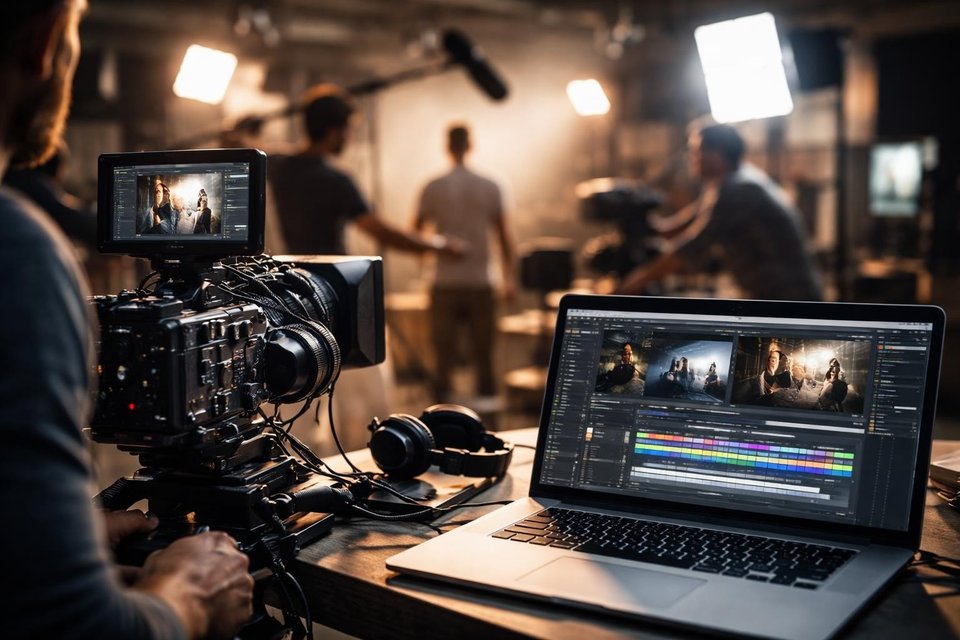
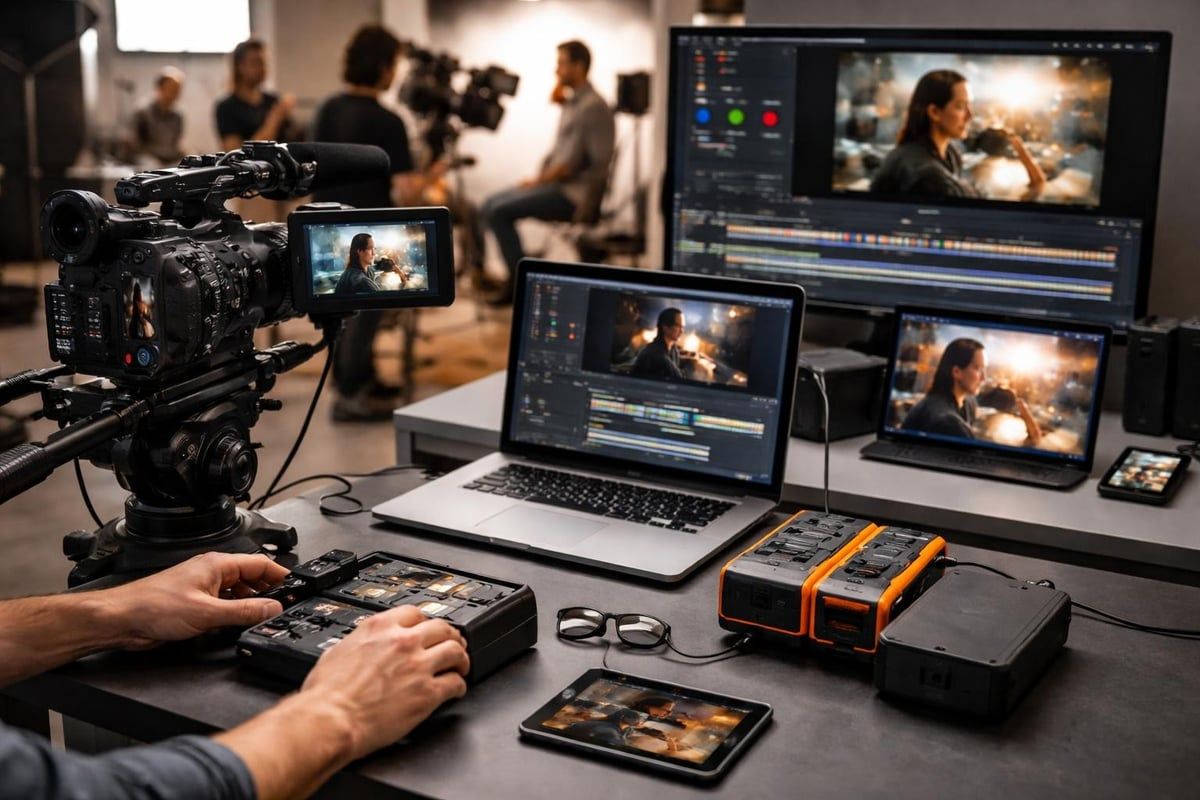
Contemporary production environments demand seamless integration between capture, editing, and delivery systems. Digital workflows eliminate the delays associated with film processing, enabling immediate review of footage and real-time collaboration between directors, cinematographers, and clients.
Key advantages of integrated digital workflows include:
- Instant playback and quality verification on set
- Remote monitoring capabilities for stakeholders
- Simultaneous backup to multiple storage systems
- Streamlined data management and asset organization
- Direct integration with editing and color grading software
The ability to review footage immediately has transformed production methodologies. Directors and cinematographers can verify critical performances and technical elements before moving to the next setup, significantly reducing the risk of costly reshoots. This immediacy proves particularly valuable for corporate video production where client approval and messaging accuracy are paramount.
Technical Foundations for Professional Results
Understanding the technical specifications that define digital filmmaking quality enables producers to make informed decisions about equipment and production approaches. Resolution, bit depth, color sampling, and codec selection all significantly impact the final product's visual quality and post-production flexibility.
Resolution and Image Quality Standards
| Resolution | Pixel Dimensions | Common Applications | Storage Requirements |
|---|---|---|---|
| Full HD | 1920 x 1080 | Social media, web content | Moderate |
| 4K UHD | 3840 x 2160 | Broadcast, commercial work | High |
| 6K | 6144 x 3456 | High-end commercial, cinema | Very High |
| 8K | 7680 x 4320 | Future-proofing, VFX work | Extremely High |
Resolution selection depends on delivery requirements, budget constraints, and post-production needs. While 8K capture provides maximum flexibility for reframing and digital stabilization, the associated storage and processing demands may not justify the investment for all projects. Most commercial video production in 2026 utilizes 4K as the optimal balance between quality and practicality.
Bit depth and color sampling determine how accurately digital sensors capture color and tonal information. Professional productions typically employ 10-bit or 12-bit recording with 4:2:2 or 4:4:4 chroma subsampling to preserve maximum image quality through the grading process.
Codec Selection and Data Management
The codec used for recording directly impacts image quality, file sizes, and editing performance. Modern digital filmmaking relies on sophisticated compression algorithms that maintain visual fidelity while managing data rates.
Professional codec options include:
- ProRes (Apple) - Industry standard for editing workflows
- DNxHD/DNxHR (Avid) - Optimized for Avid Media Composer
- RAW formats (various manufacturers) - Maximum quality and flexibility
- H.264/H.265 - Efficient compression for delivery and web content
RAW recording preserves the sensor's native data without processing, providing unprecedented control over white balance, exposure, and color rendition in post-production. However, RAW files demand substantial storage capacity and processing power. According to industry data on video pricing structures, projects requiring RAW workflows typically command premium rates due to increased technical requirements.
Lighting Techniques for Digital Sensors
Digital sensors respond to light differently than film emulsion, requiring adjusted lighting approaches to achieve optimal results. Modern digital cameras excel in low-light conditions but demand careful exposure management to avoid clipping highlights or crushing shadows beyond recovery.
The dynamic range characteristics of digital sensors necessitate precise light metering and exposure strategies. Unlike film, which handles overexposure relatively gracefully, digital sensors lose detail in blown highlights permanently. Professional cinematographers expose digital footage to protect highlights while utilizing the sensor's shadow recovery capabilities in post-production.
Contemporary Lighting Instruments
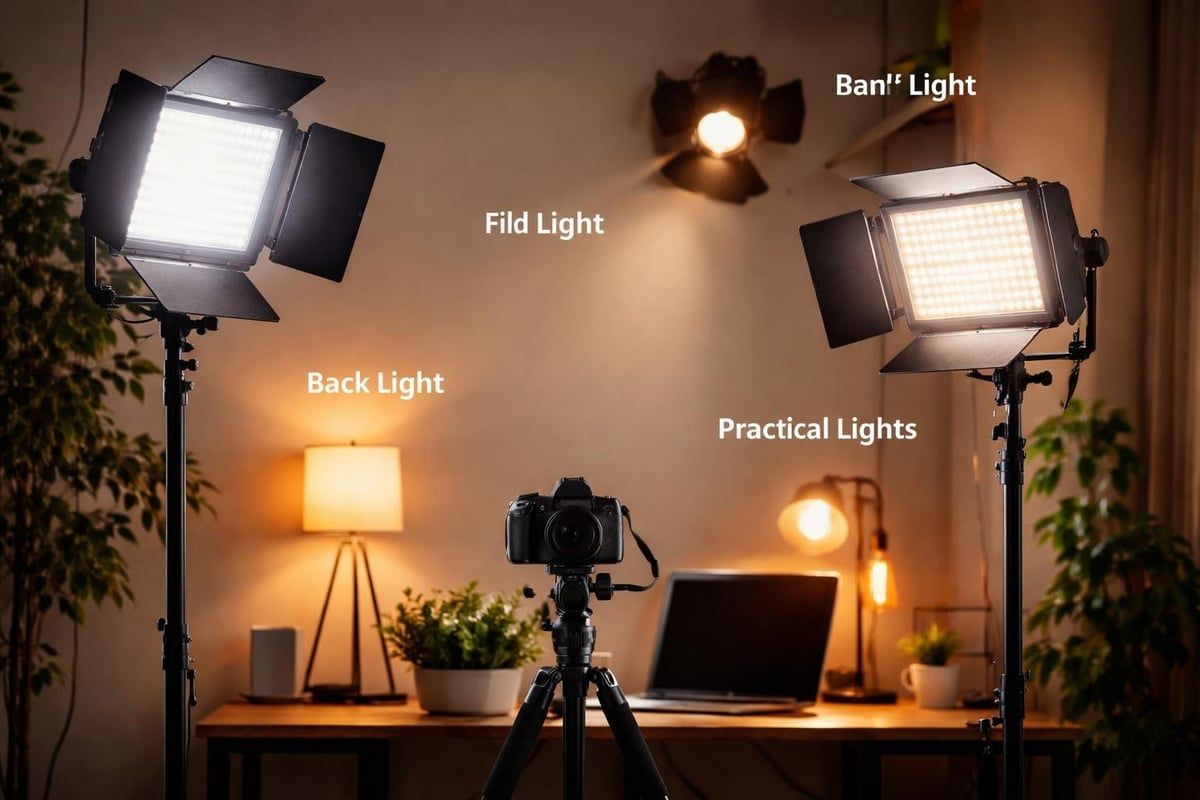
LED technology has revolutionized lighting for digital filmmaking, offering color-temperature adjustability, DMX control, and energy efficiency impossible with traditional tungsten or HMI fixtures. Modern LED panels provide consistent output across the visible spectrum, ensuring accurate color reproduction essential for professional work.
| Lighting Technology | Advantages | Considerations |
|---|---|---|
| LED Panels | Energy efficient, color tunable, cool operation | Initial cost, quality varies by manufacturer |
| HMI | High output, daylight balanced | Power requirements, ballast needed |
| Tungsten | Natural skin tones, inexpensive | Heat generation, energy consumption |
| RGB LED | Infinite color options, effects capability | Color accuracy may vary, higher cost |
The ability to adjust color temperature electronically eliminates the need for gel filters and enables rapid adaptation to changing lighting conditions. This flexibility proves invaluable for documentary-style productions and corporate videos where time constraints limit extensive lighting setups.
Camera Movement and Stabilization Systems
Digital filmmaking has expanded the vocabulary of camera movement through advanced stabilization technologies. Gimbal systems, drones, and electronic image stabilization enable sophisticated camera moves previously requiring expensive specialized equipment.
Three-axis motorized gimbals provide fluid, stabilized movement for handheld and vehicle-mounted shots. These systems compensate for operator movement while maintaining precise control over pan, tilt, and roll axes. The result is cinema-quality moving shots achievable by single operators without traditional Steadicam or dolly setups.
Aerial Cinematography Integration
Drone technology has fundamentally changed establishing shots and aerial perspectives. Professional-grade drones equipped with stabilized camera systems capture broadcast-quality footage at a fraction of traditional helicopter costs. Regulatory frameworks in Canada continue evolving, requiring operators to maintain current Transport Canada certifications for commercial work.
Modern stabilization extends beyond physical systems to include sophisticated in-camera and post-production options. Sensor-shift stabilization and digital stabilization algorithms analyze footage frame-by-frame, compensating for unwanted movement while preserving intentional camera motion. These technologies prove particularly valuable for documentary and event coverage where traditional stabilization systems may be impractical.
Audio Capture in Digital Production
Digital filmmaking encompasses pristine audio recording as essential as visual quality. Modern productions utilize multi-channel digital audio recorders capable of capturing 24-bit, 48kHz or higher quality sound across numerous simultaneous tracks. The relationship between music and video production demonstrates how audio quality directly impacts viewer engagement and message retention.
Professional audio workflows employ wireless lavalier systems, boom microphones, and ambient recording to create layered soundscapes in post-production. Time-code synchronization ensures frame-accurate alignment between multiple cameras and audio sources, streamlining the editing process regardless of project complexity.
Location Sound Challenges
Digital audio recording exposes every environmental sound with clarity that can prove problematic on location. Professional sound recordists employ noise reduction techniques, strategic microphone placement, and acoustic treatment to capture clean dialogue in challenging environments.
Essential audio capture equipment includes:
- Shotgun microphones for directional dialogue capture
- Wireless lavalier systems for talent mobility
- Portable digital recorders with professional preamps
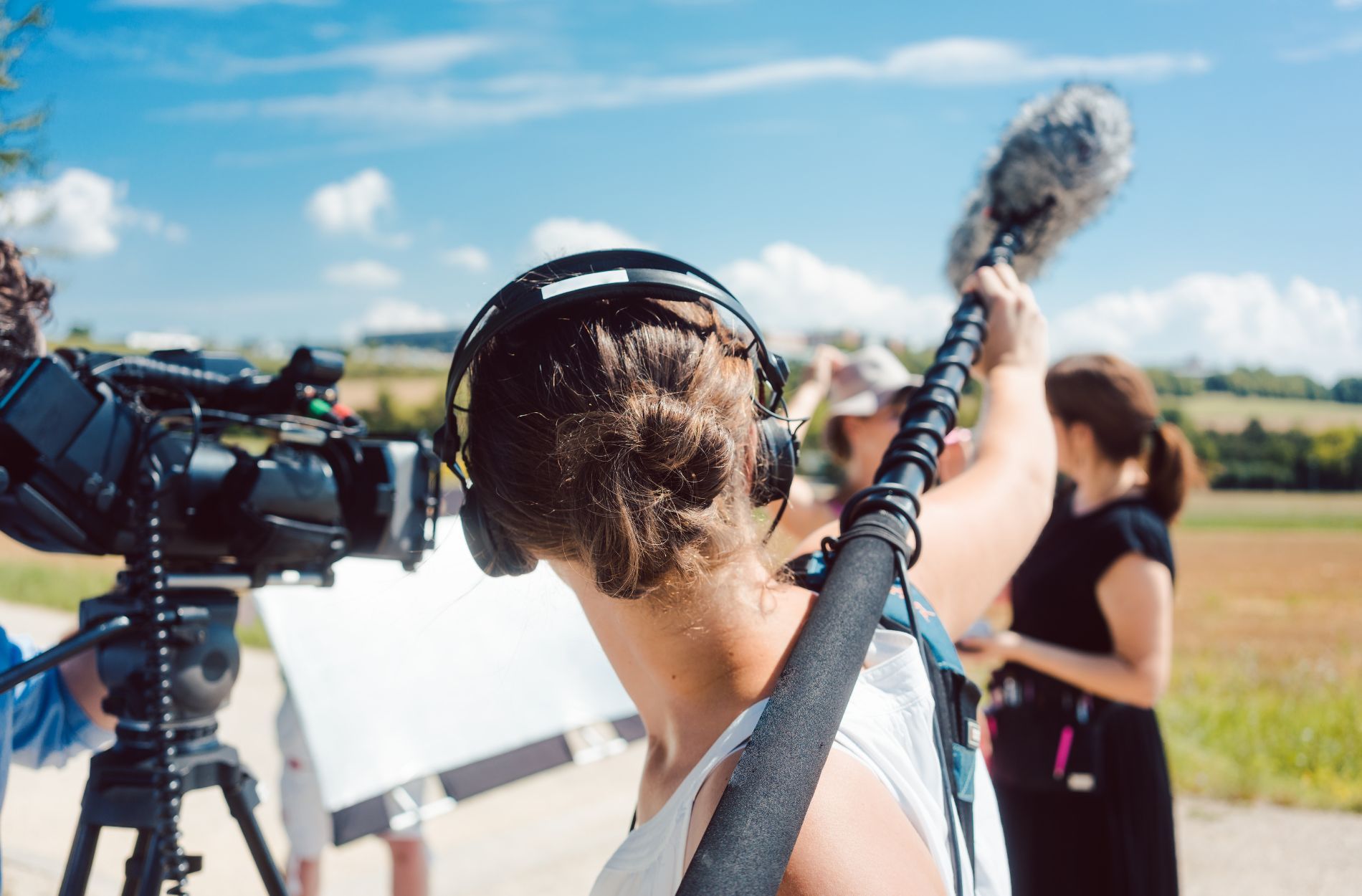
- Monitoring headphones for real-time quality verification
- Wind protection and shock mounting systems
The Filmmaker's Handbook provides comprehensive guidance on audio recording techniques appropriate for various production scenarios, from controlled studio environments to unpredictable location work.
Post-Production Workflows and Color Science
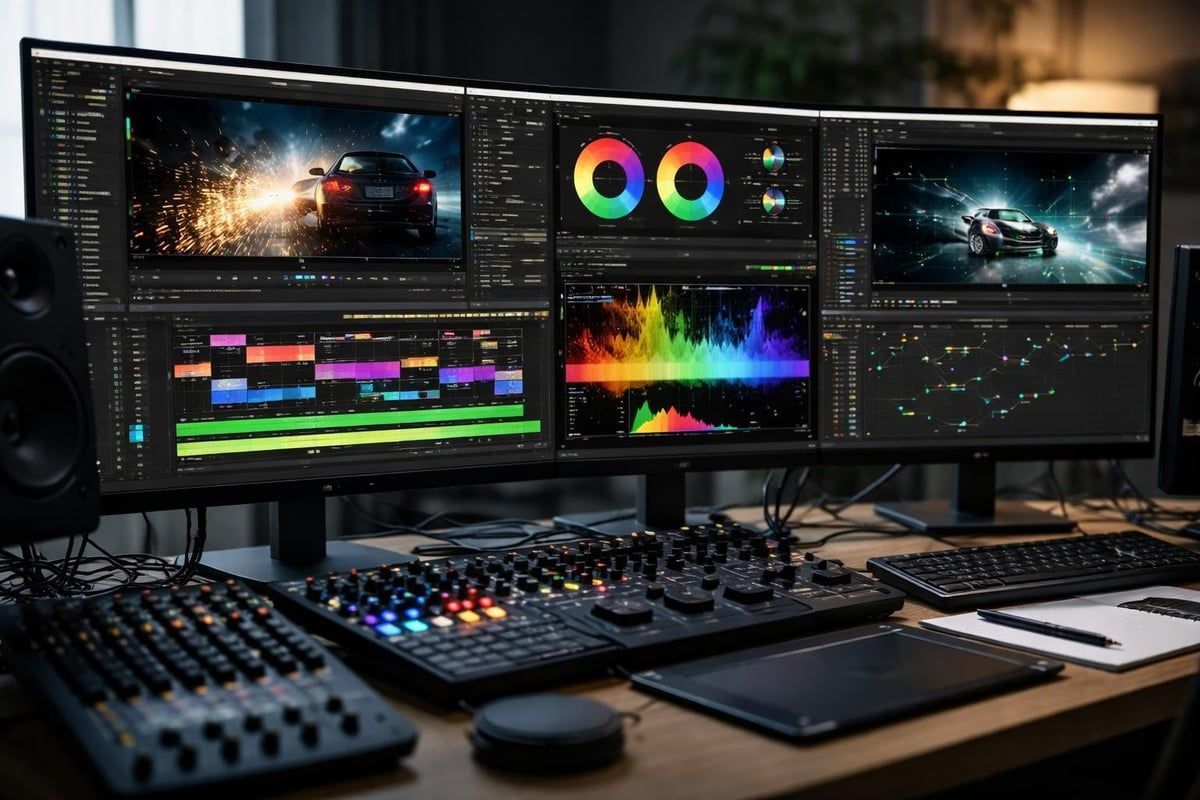
Digital post-production leverages non-destructive editing principles, allowing unlimited experimentation without degrading source material. Non-linear editing systems organize media assets efficiently, enabling editors to focus on creative decisions rather than technical limitations.
Color grading has evolved into a sophisticated art form enabled by digital intermediate workflows. Colorists manipulate individual color channels, create custom look-up tables (LUTs), and match footage from multiple cameras to create cohesive visual styles that support narrative objectives. The principles outlined in In the Blink of an Eye by Walter Murch remain relevant, emphasizing that technical proficiency serves emotional storytelling.
Visual Effects Integration
Modern digital filmmaking seamlessly integrates visual effects at various production stages. Motion tracking, compositing, and CGI elements enhance storytelling capabilities while maintaining photographic realism. Professional VFX workflows require careful planning during pre-production and precise data capture on set to ensure successful integration in post.
The distinction between practical and digital effects continues blurring as real-time rendering engines enable virtual production techniques. LED volume stages running game engine technology allow filmmakers to visualize and capture complex environments in-camera, reducing post-production requirements while providing actors with immersive performance contexts.
Delivery Formats and Distribution Strategies
Digital filmmaking culminates in delivery across multiple platforms, each with specific technical requirements. Master files typically render at the highest quality settings, with subsequent encodes optimized for various distribution channels including broadcast, cinema, web, and social media.
Understanding codec selection for delivery ensures content appears optimally across viewing platforms. H.265 (HEVC) provides excellent compression efficiency for 4K streaming content, while maintaining compatibility with older devices requires additional H.264 encodes. Professional delivery specifications account for color space transformations, ensuring accurate color reproduction across different display technologies.
Platform-Specific Optimization
| Platform | Recommended Specs | Aspect Ratio | Max Duration |
|---|---|---|---|
| YouTube | 4K, H.264, 40-50 Mbps | 16:9 | Unlimited |
| Instagram Feed | 1080p, H.264, 30 Mbps | 1:1 or 4:5 | 60 seconds |
| Instagram Reels | 1080p, H.264, 30 Mbps | 9:16 | 90 seconds |
| 1080p, H.264, 25 Mbps | 16:9 or 1:1 | 10 minutes | |
| TikTok | 1080p, H.264, 30 Mbps | 9:16 | 10 minutes |
Social media platforms increasingly prioritize vertical and square formats, requiring producers to consider framing strategies during capture. Many productions now employ 4K or 6K capture with extraction crops for various aspect ratios in post-production, maximizing asset versatility without additional shooting.
Budget Considerations and Resource Allocation
Digital filmmaking offers scalable production approaches suitable for various budget levels. Understanding where to allocate resources ensures maximum impact regardless of project scope. Camera and lighting packages represent significant investments, but rental options provide access to professional equipment without capital expenditure.
Production efficiency directly correlates with pre-production planning quality. Detailed shot lists, location scouts, and technical rehearsals minimize shooting time while maximizing creative output. The advice in The Guerilla Filmmakers Handbook emphasizes creative problem-solving that achieves professional results within budget constraints.
Cost optimization strategies include:
- Maximizing single-location shooting days
- Leveraging natural lighting when possible
- Employing smaller, more agile crew configurations
- Utilizing owned equipment for non-critical elements
- Strategic scheduling to minimize overtime and equipment rental days
Professional video production companies in Toronto navigate these considerations daily, developing efficient workflows that deliver exceptional quality while respecting budget parameters. The transparency around video pricing helps clients understand value propositions and make informed decisions about production investment.
Future Developments and Emerging Technologies
Digital filmmaking continues evolving at an accelerating pace. Artificial intelligence now assists with various production tasks including audio cleanup, color matching, and even footage upscaling. Machine learning algorithms analyze editing patterns, suggest shot selections, and automate repetitive technical tasks that previously consumed significant post-production time.
Virtual production technologies pioneered for large-scale film productions are becoming accessible for commercial work. Real-time rendering engines combined with LED volumes create immersive environments that respond to camera movement, providing photographic backgrounds while maintaining interactive lighting on talent and props.
Cloud-based collaboration tools enable geographically distributed teams to work simultaneously on projects. Editors, colorists, and sound designers access centralized media repositories, reviewing changes in real-time regardless of physical location. This flexibility accelerates production timelines while expanding the available talent pool beyond local markets.
Computational Photography Advances
The boundary between photography and computational imaging continues dissolving as cameras incorporate sophisticated processing algorithms. Multi-frame noise reduction, HDR merging, and focus stacking occur in-camera, expanding creative possibilities while simplifying workflow complexity.
Sensor technology advances promise even greater dynamic range and low-light performance. Dual-gain architecture and global shutter designs address traditional digital sensor limitations, bringing digital capture closer to the organic characteristics cinematographers appreciate in film emulsion. Resources like the American Cinematographer Manual provide technical foundations that remain relevant as technology evolves.
Digital filmmaking has democratized professional video production while simultaneously elevating quality standards across the industry. The technical capabilities available in 2026 empower creators to realize ambitious visions with efficiency and precision impossible just years ago. If your organization seeks to harness these capabilities for compelling brand storytelling that drives measurable business results, Viva Media brings comprehensive expertise in modern digital production techniques, serving forward-thinking brands throughout the Greater Toronto Area with video content engineered for maximum impact and ROI.