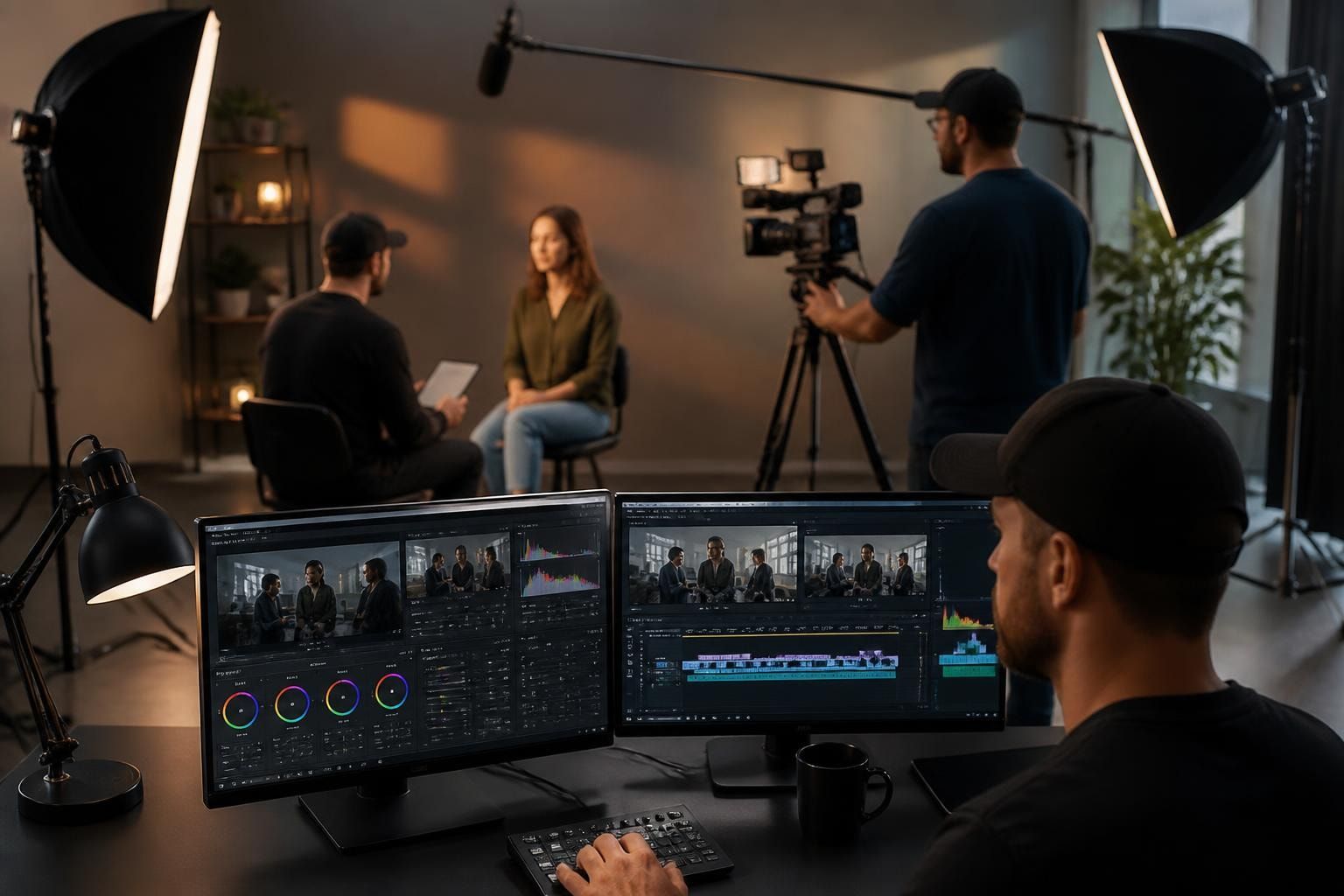


Video advertising has evolved far beyond traditional 30-second television commercials. In 2026, creative video advertising represents a sophisticated blend of storytelling, data-driven strategy, and platform-specific optimization that demands both artistic vision and technical precision. Brands that master this balance create content that not only captures attention but drives measurable business outcomes across every digital touchpoint. Understanding how to craft video advertisements that resonate with modern audiences requires examining the strategic frameworks, creative principles, and production techniques that separate high-performing campaigns from forgettable content.
The Foundation of Effective Video Ad Creative
Creating impactful video advertisements starts with understanding the fundamental differences between traditional content and performance-driven creative. The best campaigns balance brand storytelling with direct response principles, ensuring every frame serves both immediate conversion goals and long-term brand building.
Modern creative video advertising must account for dramatically shortened attention spans and diverse viewing contexts. Best practices for digital video ads emphasize designing for sound-off environments, with research showing that 85% of Facebook videos are watched without audio. This reality shapes everything from visual hierarchy to on-screen text placement.
Capturing Attention in the First Three Seconds
The opening moments of any video advertisement represent the most critical window for engagement. Successful ads hook viewers immediately through one or more proven techniques:
- Pattern interrupts that break scrolling behavior with unexpected visuals or movement
- Immediate value propositions that communicate benefit within the first second
- Visual curiosity gaps that compel viewers to keep watching
- Emotional triggers that create instant connection or recognition
- Brand-forward openings that establish identity before delivering message
Research from platform analytics reveals that videos losing viewer attention in the first three seconds rarely recover, regardless of content quality later in the ad. This makes the opening sequence the highest-value production element in any creative video advertising campaign.

Platform-Specific Creative Optimization
Different advertising platforms demand distinct creative approaches. What performs exceptionally on YouTube may fail completely on Instagram, and vice versa. Understanding these nuances separates competent video production from campaigns that deliver measurable ROI.
Social Media Platform Requirements
Each social platform has unique technical specifications and user behavior patterns that shape creative decisions:
| Platform | Optimal Length | Aspect Ratio | Key Consideration |
|---|---|---|---|
| Instagram Feed | 30-60 seconds | 1:1 or 4:5 | Sound-off design crucial |
| Instagram Stories | 15 seconds | 9:16 | Full-screen immersion |
| 15-30 seconds | 1:1 or 16:9 | Captions required | |
| YouTube | 15-30 seconds | 16:9 | First 5 seconds determine skips |
| TikTok | 9-15 seconds | 9:16 | Native, authentic feel |
| 30-90 seconds | 1:1 or 16:9 | Professional context |
The strategic differences between social video and PPC video highlight why repurposing a single creative across all platforms typically underperforms compared to platform-native approaches. Successful campaigns create variations tailored to each channel's unique characteristics and audience expectations.
YouTube Advertising Strategy
YouTube remains the largest video advertising platform, requiring specialized creative approaches. Pre-roll ads benefit from immediate brand identification and fast-paced editing, while mid-roll placements can develop more narrative depth since viewers have already committed to watching content.
Skippable ads face particular creative challenges. The five-second countdown timer creates urgency but also trains viewers to disengage. High-performing YouTube ads front-load value propositions and use visual momentum to discourage skipping. Non-skippable 15-second ads demand different pacing, typically featuring tighter editing and concentrated messaging.
Creative Production Techniques That Drive Performance
Technical execution quality directly impacts advertising performance. While authentic, rough-cut content works in certain contexts, most commercial applications of creative video advertising benefit from professional production values that signal credibility and investment.
Visual Storytelling Elements
Strong video advertisements leverage specific storytelling techniques that maximize engagement within compressed timeframes:
- Problem-solution frameworks that establish pain points before introducing products
- Testimonial-driven narratives featuring real customers or recognizable influencers
- Demonstration formats showing products in use with clear before-after comparisons
- Lifestyle integration positioning offerings within aspirational contexts
- Educational approaches providing genuine value while building brand authority
The most effective creative video advertising rarely relies on single techniques. Instead, top performers layer multiple storytelling elements, creating density that rewards repeated viewing while remaining accessible on first exposure. This approach particularly benefits social media video production where algorithms favor higher engagement rates.
Motion Graphics and Animation Integration
Strategic use of motion graphics elevates video advertisements by highlighting key information, guiding viewer attention, and maintaining visual interest. Text animations transform static messaging into dynamic elements that reinforce spoken or musical content.
Animation serves multiple functions in modern advertising creative:
- Simplifying complex product features through visual metaphors
- Creating brand consistency across multiple video assets
- Enabling product visualization when physical shooting isn't practical
- Reducing production costs for certain creative concepts
- Maintaining visual momentum during transitional moments
Professional animation video production integrates motion graphics seamlessly with live-action footage, creating polished final products that justify premium ad placements.
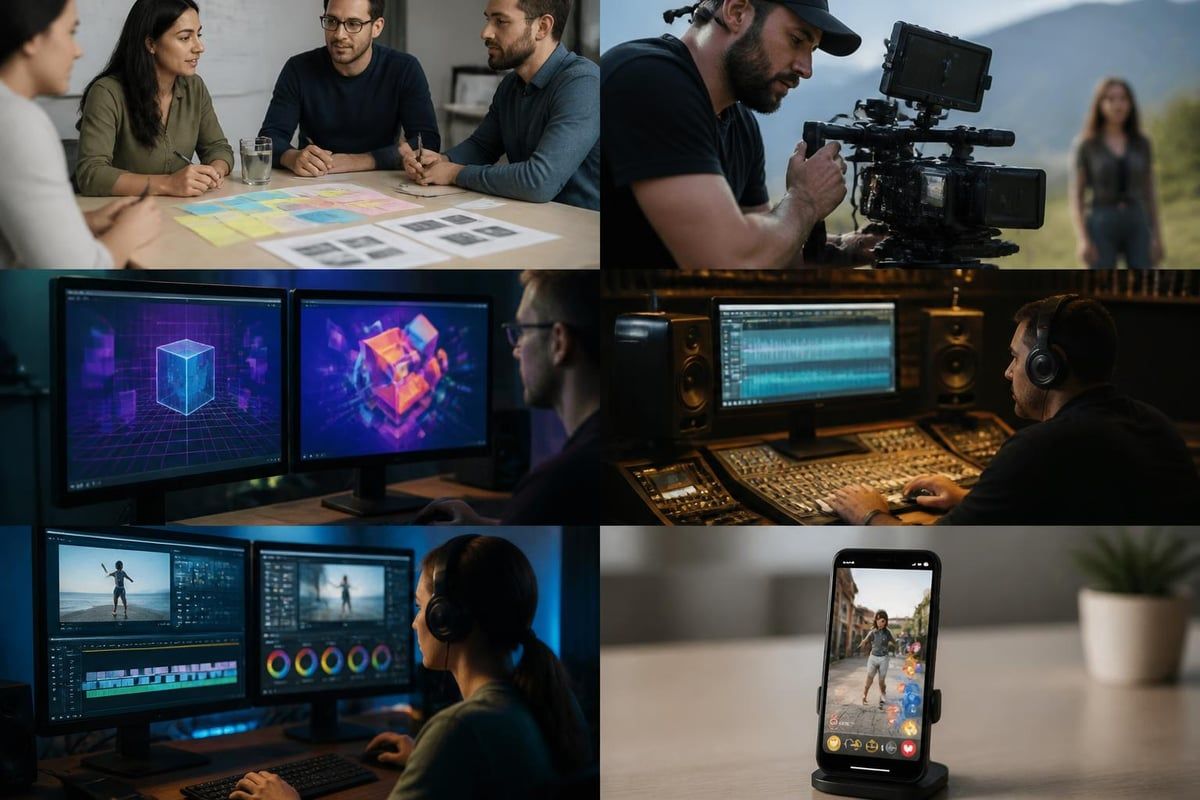
The Role of AI in Modern Video Advertising
Artificial intelligence has transformed creative video advertising production, distribution, and optimization. Nearly 90% of advertisers now use generative AI in some capacity, according to recent industry research on AI adoption in video advertising, fundamentally changing production workflows and creative possibilities.
AI-Assisted Creative Development
Generative AI tools now support multiple stages of video advertisement creation:
- Concept development through AI-powered brainstorming and script generation
- Storyboard creation using text-to-image tools for rapid visualization
- Voiceover production with synthetic voices for testing or final delivery
- Background removal and visual effects that previously required complex compositing
- A/B testing variations created through automated editing of existing footage
However, AI integration requires careful consideration of authenticity. As explored in analysis of why AI-generated ads often fail, audiences increasingly detect and reject purely synthetic content lacking genuine human connection. The most successful applications combine AI efficiency with human creative direction and authentic storytelling.
Algorithmic Optimization and Testing
Beyond content creation, AI powers sophisticated testing frameworks that identify winning creative variations. Platforms now offer automated creative testing that serves multiple ad versions simultaneously, allocating budget toward top performers in real-time.
Machine learning analyzes performance data to identify patterns in successful creative elements. This reveals insights like optimal video length for specific audience segments, most effective opening frames, or color palettes that drive higher conversion rates. These data-driven insights inform future creative video advertising development, creating continuous improvement cycles.
Sound Design and Audio Strategy
Audio represents half of the video experience, yet many advertisers underinvest in sound design relative to visual production. Strategic audio choices significantly impact advertisement effectiveness, even in sound-off viewing contexts where captions carry spoken content.
Music Selection and Licensing
Music establishes emotional tone, reinforces brand identity, and improves viewer retention. The right soundtrack makes advertisements memorable and shareable, while poor music choices distract or undermine messaging.
Key considerations for advertising music include:
- Licensing clarity ensuring commercial use rights for all platforms and durations
- Genre alignment matching music style to target demographic preferences
- Tempo pacing synchronizing musical rhythm with editing cuts and visual momentum
- Cultural relevance selecting tracks that resonate with intended audiences
- Brand consistency maintaining sonic identity across campaign elements
Original composition offers maximum creative control and eliminates licensing restrictions, though it requires larger production budgets. Stock music libraries provide cost-effective alternatives when selected carefully to avoid overused tracks that signal generic content.
Designing for Sound-Off Viewing
With the majority of social media video consumed without audio, effective creative video advertising must function perfectly in silent contexts. This demands intentional design choices that replace audio information with visual equivalents.
Successful sound-off strategies include bold on-screen text that mirrors or enhances spoken dialogue, expressive visual storytelling that communicates narrative without verbal explanation, and clear product demonstrations that show rather than tell benefits. Despite designing for silence, maintaining high-quality audio remains essential for the significant minority who do watch with sound enabled.
Native Advertising and Integrated Content
Native video advertising blends promotional content with platform-standard formats, creating less intrusive ad experiences that often outperform traditional display units. This approach requires understanding platform conventions and user expectations to create content that feels organic rather than advertorial.
Native video advertising best practices emphasize matching the look, feel, and value proposition of surrounding content. On social platforms, this means creating ads that resemble regular posts from friends or followed accounts. In editorial contexts, native ads provide genuine utility or entertainment value while subtly promoting products or services.
Influencer Collaboration and User-Generated Content
Partnering with content creators adds authenticity to creative video advertising campaigns. Influencer collaborations work particularly well when creators maintain their distinctive style while incorporating brand messaging, rather than following rigid scripts that feel inauthentic to their audiences.
User-generated content represents another powerful form of native advertising. Featuring real customers using products in everyday contexts builds trust and relatability that polished studio productions sometimes lack. Smart campaigns collect and curate UGC, obtaining necessary rights and usage permissions while celebrating authentic brand advocates.

Testing, Measurement, and Iteration
High-performing creative video advertising requires systematic testing and data analysis. Even experienced creative teams cannot predict which ad variations will resonate most strongly with target audiences. Structured testing reveals winning formulas while eliminating underperforming creative approaches.
Creative Testing Frameworks
Effective testing isolates specific variables to understand their individual impact on performance metrics:
- Thumbnail testing comparing different opening frames or static images
- Length variations testing 15-second vs. 30-second vs. 60-second edits
- Hook comparison evaluating different opening sequences with identical remaining content
- CTA placement testing calls-to-action at different video timestamps
- Visual style tests comparing editing pacing, color grading, or motion graphics approaches
Testing should extend beyond simple A/B comparisons. Multivariate testing examines multiple variables simultaneously, though it requires larger audience samples to achieve statistical significance. The goal is identifying repeatable patterns that inform future creative decisions across campaigns.
Key Performance Indicators for Video Ads
Different campaign objectives require different success metrics. Brand awareness campaigns prioritize reach and completion rates, while direct response advertising focuses on click-through rates and conversion metrics.
| Metric | What It Measures | When It Matters |
|---|---|---|
| View-through rate | Percentage watching to completion | Brand storytelling campaigns |
| Click-through rate | Percentage clicking ad links | Direct response objectives |
| Cost per view | Budget efficiency per completed view | Awareness campaigns |
| Cost per acquisition | Budget efficiency per conversion | Sales-driven advertising |
| Engagement rate | Likes, comments, shares per impression | Social media virality goals |
| Brand lift | Measured awareness increase | Long-term brand building |
Professional commercial video production services incorporate performance tracking from campaign inception, establishing clear KPIs and measurement frameworks before production begins. This ensures creative decisions align with measurable business objectives rather than purely aesthetic preferences.
Budget Optimization and Production Value
Creative video advertising budgets vary dramatically based on production complexity, talent requirements, and shooting logistics. Understanding where to allocate resources maximizes return on creative investment while avoiding wasteful spending on elements that don't impact performance.
Cost-Effective Production Strategies
High production value doesn't always require massive budgets. Strategic choices deliver professional results within constrained resources:
- Location scouting finding visually interesting free or low-cost shooting locations
- Natural lighting maximizing available light to reduce expensive lighting setups
- Minimal crew using small, efficient teams for straightforward shoots
- Stock footage integration supplementing original footage with licensed b-roll
- Template-based motion graphics customizing existing animation frameworks
However, certain elements justify premium investment. Professional talent, both on-camera and behind the camera, typically delivers superior results that justify higher costs. Similarly, specialized equipment for specific shots often proves more cost-effective than attempting workarounds with inadequate gear.
Scaling Creative Production
As campaigns prove successful, scaling creative production efficiently becomes crucial. Building creative templates and systems enables rapid deployment of new ad variations without starting from scratch each time.
Successful scaling strategies include developing brand-consistent visual frameworks that can accommodate different products or messages, creating modular content elements that combine in different sequences, establishing relationships with reliable production partners who understand brand standards, and maintaining organized asset libraries that enable quick repurposing of existing footage.
Platform-Specific Best Practices Deep Dive
Beyond basic technical specifications, each advertising platform has nuanced best practices that experienced advertisers leverage for superior performance. Understanding these platform-specific strategies separates adequate campaigns from exceptional ones.
Meta Platforms Creative Excellence
Facebook and Instagram, now unified under Meta's advertising system, share many creative principles while maintaining distinct user behaviors. Meta ads creative best practices emphasize mobile-first design, vertical or square aspect ratios, and immediate value delivery in the first second of playback.
Meta's algorithm particularly rewards ads that generate meaningful engagement, not just passive viewing. Creative approaches that encourage comments, shares, or saves receive preferential distribution beyond paid reach. This makes conversation-starting content and genuinely useful information particularly valuable in Meta creative video advertising strategies.
The platform's dynamic creative optimization automatically tests different combinations of video creative, headlines, descriptions, and calls-to-action. Providing multiple asset variations lets the algorithm identify winning combinations for specific audience segments, improving overall campaign performance without manual testing overhead.
YouTube Creative Strategies for 2026
YouTube advertising continues evolving, with 2026 strategy guides emphasizing creative quality over quantity. The platform's sophisticated audience targeting enables highly specific creative messaging that speaks directly to niche viewer interests.
Successful YouTube creative video advertising balances entertainment value with commercial messaging. Pre-roll ads that provide genuine amusement or useful information, even when viewers choose not to skip, build positive brand associations that drive long-term value beyond immediate conversions.
YouTube's brand lift studies and conversion tracking enable precise measurement of creative effectiveness. Advertisers can test whether specific creative approaches increase branded search volume, website visits, or purchase consideration among exposed audiences compared to control groups.
Creating Advertisements That Scale
The ultimate goal of creative video advertising isn't producing a single successful ad, but developing replicable creative systems that consistently generate high-performing content. This requires documenting what works, understanding why it works, and building processes that apply those insights to future campaigns.
Creative Frameworks and Templates
Developing creative frameworks provides structure without stifling innovation. Successful frameworks identify proven formulas-problem-solution-CTA structures, testimonial-driven narratives, or demonstration-focused presentations-while allowing flexibility in execution details.
Templates extend beyond creative structure to production logistics. Shot lists, equipment checklists, and post-production workflows that worked well on previous projects accelerate future production while maintaining quality consistency. This systematic approach to corporate video production enables businesses to maintain steady creative output without reinventing processes for each project.
Building Creative Teams and Partnerships
Whether building in-house creative capabilities or partnering with specialized agencies, assembling the right team determines creative quality and efficiency. Strong creative video advertising requires diverse skills: strategic thinking, visual storytelling, technical production expertise, and data analysis capabilities.
Many businesses find hybrid approaches most effective, maintaining core strategy and creative direction internally while partnering with production specialists for execution. This balances control and brand knowledge with access to specialized expertise and equipment that doesn't justify full-time investment.
Mastering creative video advertising requires balancing artistic vision with data-driven optimization, platform-specific expertise with universal storytelling principles, and production efficiency with uncompromising quality standards. For businesses seeking measurable results from video advertising investments, partnering with experienced specialists transforms creative concepts into performance-driven campaigns that deliver tangible ROI. Viva Media brings strategic expertise and production excellence to brands throughout the Greater Toronto Area, creating video advertising that captures attention and drives business growth.