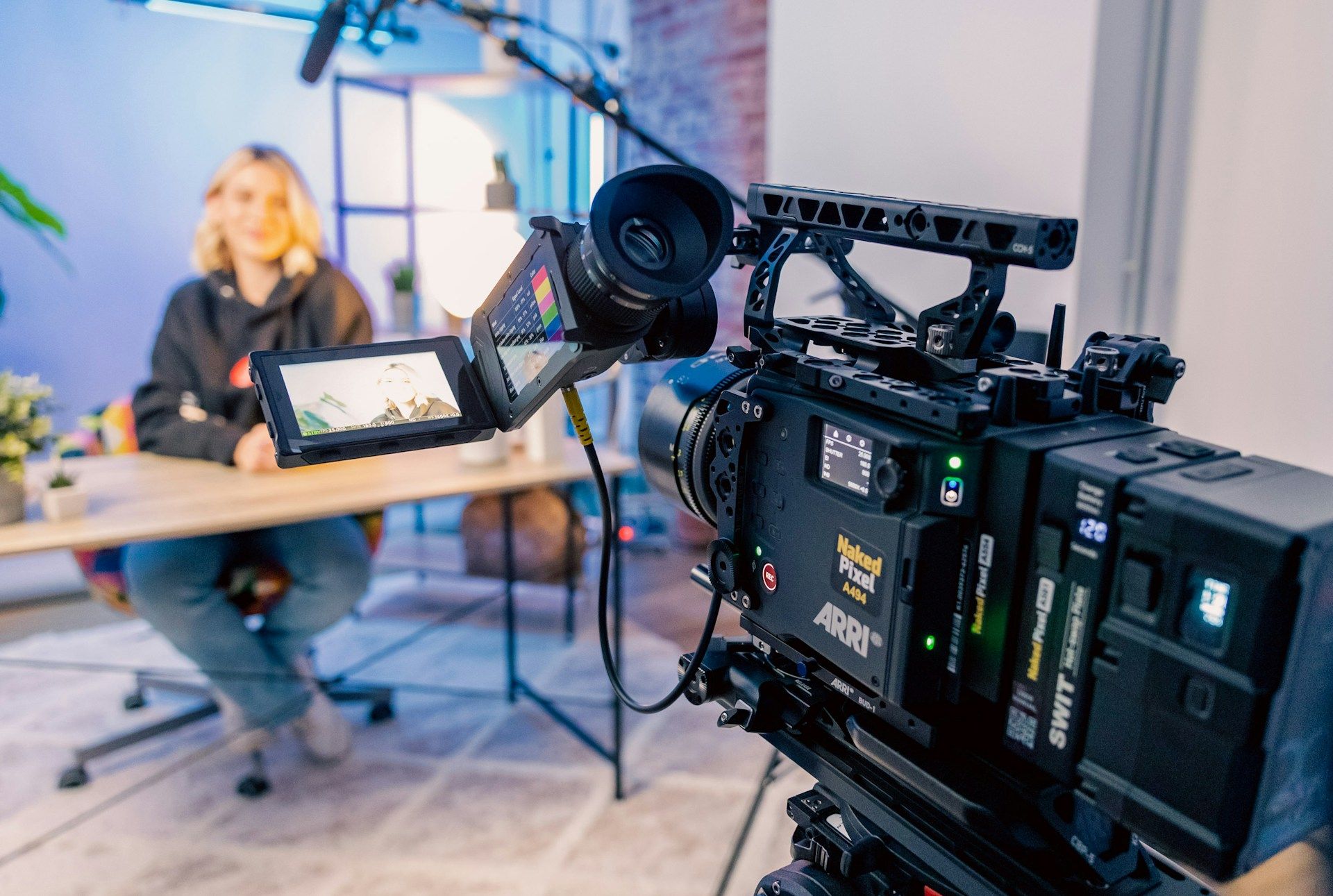


Building an effective video strategy requires more than just creating compelling content and hoping for the best. In 2026, businesses across the Greater Toronto Area and beyond face an increasingly competitive digital landscape where strategic planning separates successful campaigns from wasted budgets. A comprehensive approach to video production and distribution transforms marketing efforts into measurable business outcomes, driving engagement, conversions, and long-term brand growth. Understanding how to align your video initiatives with concrete business objectives creates a foundation for sustainable success in an attention-driven marketplace.
Understanding the Foundation of Video Strategy
Every successful video initiative starts with clarity about what you're trying to achieve. Without defined objectives, even the most beautifully produced content fails to deliver meaningful results.
Defining Clear Business Objectives
Your video strategy must connect directly to specific business outcomes. Revenue growth, brand awareness, lead generation, customer retention, and market education all require different approaches to content creation and distribution. When you establish measurable goals from the outset, every production decision becomes easier to evaluate.
Consider these fundamental questions before producing any content:
- What specific business problem does this video solve?
- Which audience segment needs to see this message?
- What action should viewers take after watching?
- How will success be measured and tracked?
- What timeline and budget constraints exist?
A comprehensive video content strategy ensures alignment between creative execution and business requirements. This approach prevents the common pitfall of creating content that looks impressive but fails to move key performance indicators.

Conducting Audience Research
Understanding your target audience goes beyond basic demographics. Behavioral patterns, content consumption habits, platform preferences, and pain points all influence how your video content should be structured and delivered. Research reveals where your audience spends time online, what formats they engage with most, and which messages resonate with their current challenges.
Primary research methods include customer interviews, survey data, social media listening, and analytics review. Secondary research incorporates industry reports, competitor analysis, and platform-specific insights. The combination provides a complete picture of audience expectations and preferences.
When creating video for business, this research phase determines everything from video length and tone to visual style and call-to-action placement. Content that speaks directly to documented audience needs consistently outperforms generic messaging.
Strategic Content Planning and Format Selection
Once objectives and audience insights are established, the next phase involves selecting appropriate formats and planning a sustainable content calendar.
Choosing the Right Video Formats
Different business goals require different video formats. Product demonstrations serve different purposes than customer testimonials, while educational content operates differently from brand storytelling. Your video strategy should incorporate a mix of formats that support various stages of the customer journey.
| Video Format | Primary Purpose | Best Use Case | Typical Length |
|---|---|---|---|
| Explainer Videos | Education | Product launches, service descriptions | 60-90 seconds |
| Customer Testimonials | Trust building | Consideration stage, case studies | 90-120 seconds |
| Product Demos | Feature showcasing | Mid-funnel conversion | 2-3 minutes |
| Brand Stories | Emotional connection | Awareness, brand positioning | 1-2 minutes |
| Social Clips | Engagement | Audience building, retargeting | 15-60 seconds |
Developing a video content marketing strategy involves matching formats to specific campaign objectives while maintaining brand consistency across all content. This systematic approach ensures every piece of content serves a strategic purpose rather than existing in isolation.
Building a Sustainable Production Calendar
Consistency matters more than perfection in video marketing. A well-structured content calendar balances production capacity with distribution requirements, ensuring regular audience touchpoints without burning out your team or budget.
Monthly planning sessions should address:
- Upcoming business initiatives requiring video support
- Seasonal opportunities and trending topics
- Evergreen content that addresses persistent audience questions
- Repurposing opportunities from existing footage
- Performance data from previous content
This systematic planning prevents last-minute scrambles and allows for proper resource allocation. When you know what needs to be produced three months in advance, quality improves and costs decrease.

Distribution and Optimization Strategies
Creating excellent video content represents only half the equation. Strategic distribution ensures your content reaches the right audiences at the right moments.
Platform-Specific Optimization
Each platform has unique technical requirements, audience behaviors, and algorithmic preferences. Your video strategy must account for these differences rather than using a one-size-fits-all approach.
YouTube optimization requires attention to titles, descriptions, tags, thumbnails, and closed captions. The platform rewards watch time and engagement, making content structure and pacing critical factors. Opening hooks, pattern interrupts, and clear value propositions help maintain viewer attention.
LinkedIn content should answer a relevant professional question. Choose the placement and intended action, then test the length and opening. Add reviewed captions and check their readability in the actual upload.
Instagram and TikTok require a placement-specific plan. Check current format requirements, show the subject clearly at the opening and review any music or effect permissions before use. Test the result with the intended audience.
Implementing Cross-Platform Distribution
Building a robust digital video marketing plan includes systematic repurposing that maximizes the value of each production investment. Plan the required versions in a delivery matrix before the shoot, including crops, captions, rights and approval owners.
A comprehensive commercial video production can be repurposed into:
- Full-length YouTube video with chapter markers
- LinkedIn teaser highlighting key insights
- Instagram Reels focusing on visual moments
- Story highlights with behind-the-scenes content
- Website embed with optimized metadata
- Email campaign thumbnail linking to landing page
This approach multiplies content reach without proportionally increasing production costs. Each platform serves different discovery and engagement functions within your overall marketing ecosystem.
Performance Measurement and Continuous Improvement
A video strategy without measurement remains incomplete. Data-driven optimization separates growing programs from stagnant initiatives.
Establishing Key Performance Indicators
Different business objectives require different success metrics. Awareness campaigns track reach and impressions, while conversion-focused content measures click-through rates and form completions. Your measurement framework should align with the objectives established in your planning phase.
Engagement metrics include view count, watch time, average percentage viewed, likes, comments, shares, and saves. These indicators reveal how well content resonates with audiences and which topics generate the most interest.
Conversion metrics track defined actions, such as enquiries or purchases. Document the attribution model and its limits; credited conversions do not establish incremental impact. Use the measurement worksheet to name the report, period and owner.
Efficiency metrics measure cost per view, cost per engagement, and cost per conversion. These calculations inform budget allocation decisions and help identify which content types deliver the best returns.
Understanding video production ROI blind spots prevents common measurement mistakes that obscure true performance. Many businesses focus exclusively on vanity metrics while ignoring the actions that actually drive revenue growth.
Creating Optimization Workflows
Regular performance reviews should occur monthly, with comprehensive quarterly assessments examining broader trends and patterns. These reviews inform tactical adjustments and strategic pivots based on actual audience behavior rather than assumptions.
A/B testing different elements reveals what drives performance improvements:
- Thumbnail designs and their impact on click-through rates
- Opening hooks and their effect on watch time
- Call-to-action placement and conversion rates
- Video length variations and completion percentages
- Title formulations and search visibility
Document findings in a centralized knowledge base that informs future production decisions. This institutional learning compounds over time, steadily improving results across all content initiatives.
Scaling Production Without Sacrificing Quality
As your video strategy matures, scaling production efficiently becomes essential for maintaining momentum and meeting increased content demands.
Developing Reusable Systems and Templates
Creating a smarter system for strategy and production involves documenting repeatable processes that maintain quality while reducing per-video production time. Standard operating procedures for scripting, filming, editing, and publishing create consistency and efficiency.
Template libraries for common video types accelerate production:
- Animated lower thirds and title cards
- Brand-compliant color grading presets
- Standardized intro and outro sequences
- Caption styling and positioning guides
- Thumbnail design frameworks
These assets ensure brand consistency while freeing creative energy for strategic storytelling rather than repetitive technical work. When team members can access proven templates, production timelines shrink without compromising output quality.
Building Internal Capabilities vs. Partnering with Specialists
Strategic decisions about which capabilities to develop internally versus outsourcing to specialists significantly impact long-term efficiency and effectiveness. Simple social content and basic updates often work well as internal projects, while high-stakes commercial productions benefit from specialized expertise.
Working with a professional video production company for flagship content ensures technical excellence and strategic guidance while internal teams handle ongoing content needs. This hybrid approach optimizes resource allocation and maintains production quality across different content types.
Partnering with experienced corporate video services provides access to specialized equipment, seasoned crews, and proven production workflows without the overhead of maintaining these capabilities full-time. For businesses in the Greater Toronto Area, local partnerships enable responsive collaboration and efficient project execution.
Adapting to Evolving Platform Dynamics
The video landscape continues evolving rapidly, with new platforms emerging and existing ones updating their algorithms and features regularly. Your video strategy must incorporate flexibility to adapt while maintaining core strategic principles.
Monitoring Industry Trends and Platform Updates
Staying informed about platform changes, audience behavior shifts, and emerging formats prevents strategic obsolescence. Monthly reviews of industry publications, platform announcements, and competitor activities keep your approach current and competitive.
However, chasing every trend wastes resources and dilutes brand identity. Strategic trend adoption requires evaluating each opportunity against established objectives and audience preferences. Not every viral format aligns with every business strategy.
Experimenting Within Strategic Guardrails
Controlled experimentation balances innovation with strategic focus. Set an experiment budget and review date that the team can support, and define the decision the test should inform.
Creating an effective video content strategy includes defined processes for evaluating experiments and integrating successful innovations into standard practices. This systematic approach to evolution prevents both stagnation and reckless pivoting.

Integration with Broader Marketing Initiatives
Video rarely operates in isolation within successful marketing programs. Strategic integration amplifies impact across all channels and customer touchpoints.
Aligning Video with Content Marketing
Video content should complement and enhance written content, social media, email campaigns, and other marketing initiatives. Coordinated messaging across formats reinforces key themes and increases message retention.
Blog posts can embed relevant video content for enhanced engagement, while videos can reference detailed written resources for deeper exploration. This symbiotic relationship serves different audience preferences and learning styles while maintaining strategic consistency.
Supporting Sales Enablement
Strategic video content equips sales teams with powerful tools for prospect education and objection handling. Product demonstrations, customer success stories, and explainer videos answer common questions while reducing the burden on sales representatives.
When integrated into CRM systems and sales workflows, video content personalizes outreach and accelerates deal cycles. Tracking which videos prospects watch provides valuable insights into their interests and readiness to purchase.
A comprehensive video strategy transforms content creation from a tactical expense into a strategic growth driver. By aligning production with clear business objectives, understanding audience needs, optimizing distribution across platforms, and continuously measuring performance, organizations create sustainable competitive advantages in increasingly crowded markets. Whether you're just beginning to develop your video capabilities or looking to scale existing initiatives, partnering with experienced professionals ensures technical excellence and strategic guidance throughout the process. Viva Media helps forward-thinking brands throughout the Greater Toronto Area develop and execute video strategies that deliver measurable business results, turning creative vision into quantifiable growth.