Interview videos have become one of the most powerful tools in modern business communication, offering an authentic way to share expertise, build trust, and connect with audiences on a human level. Whether you're capturing customer testimonials, showcasing thought leadership, or documenting employee stories, the interview format delivers compelling content that resonates across digital platforms. For businesses in the Greater Toronto Area and beyond, understanding how to execute professional interview videos can transform marketing strategies and drive measurable engagement.
The Strategic Value of Interview Video Content
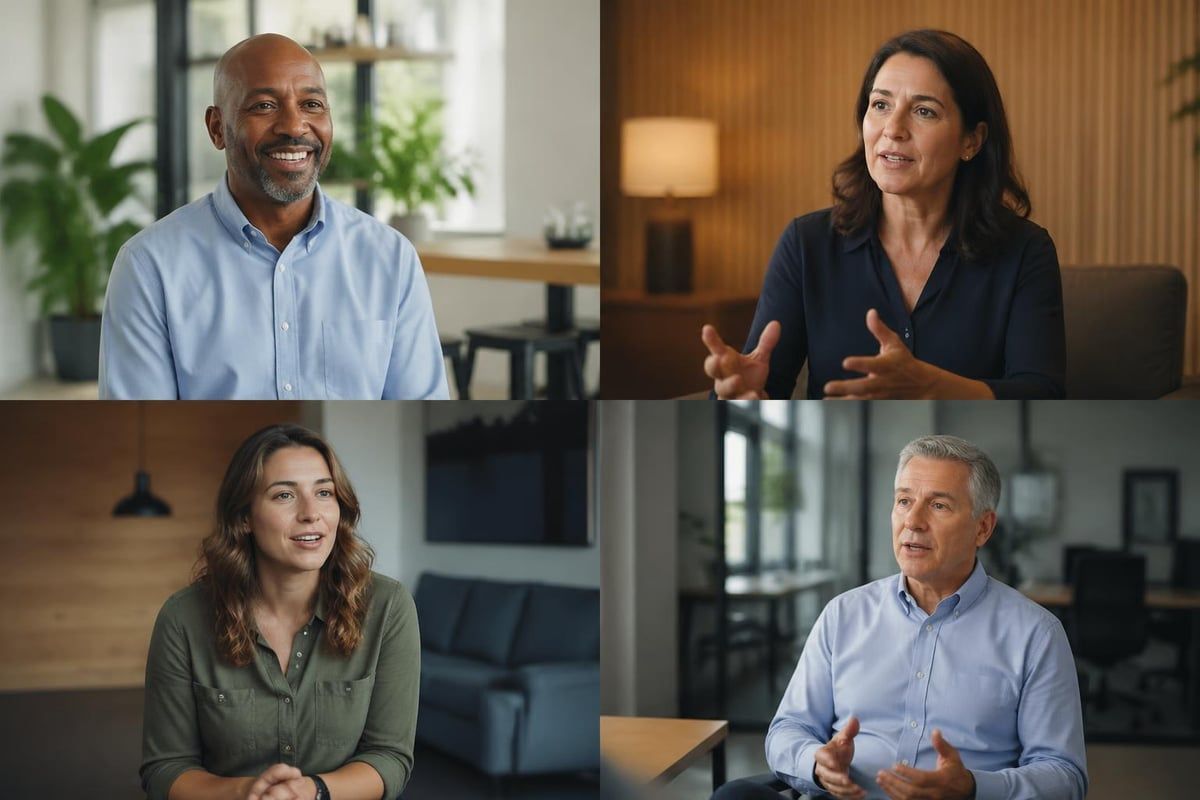
Interview videos serve multiple business objectives simultaneously, making them a versatile investment for organizations of all sizes. These productions capture genuine human emotion and expertise in ways that scripted content simply cannot replicate.
Key business applications include:
- Customer testimonials that build social proof
- Expert interviews establishing thought leadership
- Employee spotlights strengthening company culture
- Product demonstrations with real user experiences
- Case study documentation showing tangible results
The authenticity inherent in corporate video production creates trust with viewers who are increasingly skeptical of traditional advertising. When potential customers see real people sharing genuine experiences, conversion rates typically increase by 20-30% compared to text-based content alone.
Audience Engagement Metrics
Data from 2026 demonstrates that interview-style content consistently outperforms other video formats in watch time and completion rates. Viewers spend an average of 2.3 times longer watching interview videos compared to standard promotional content, primarily because the conversational format feels less like advertising and more like valuable information sharing.
| Metric | Interview Videos | Standard Promotional | Difference |
|---|---|---|---|
| Average Watch Time | 3.2 minutes | 1.4 minutes | +129% |
| Completion Rate | 68% | 42% | +62% |
| Share Rate | 12% | 6% | +100% |
| Conversion Impact | 8.4% | 5.2% | +62% |
Pre-Production Planning for Maximum Impact
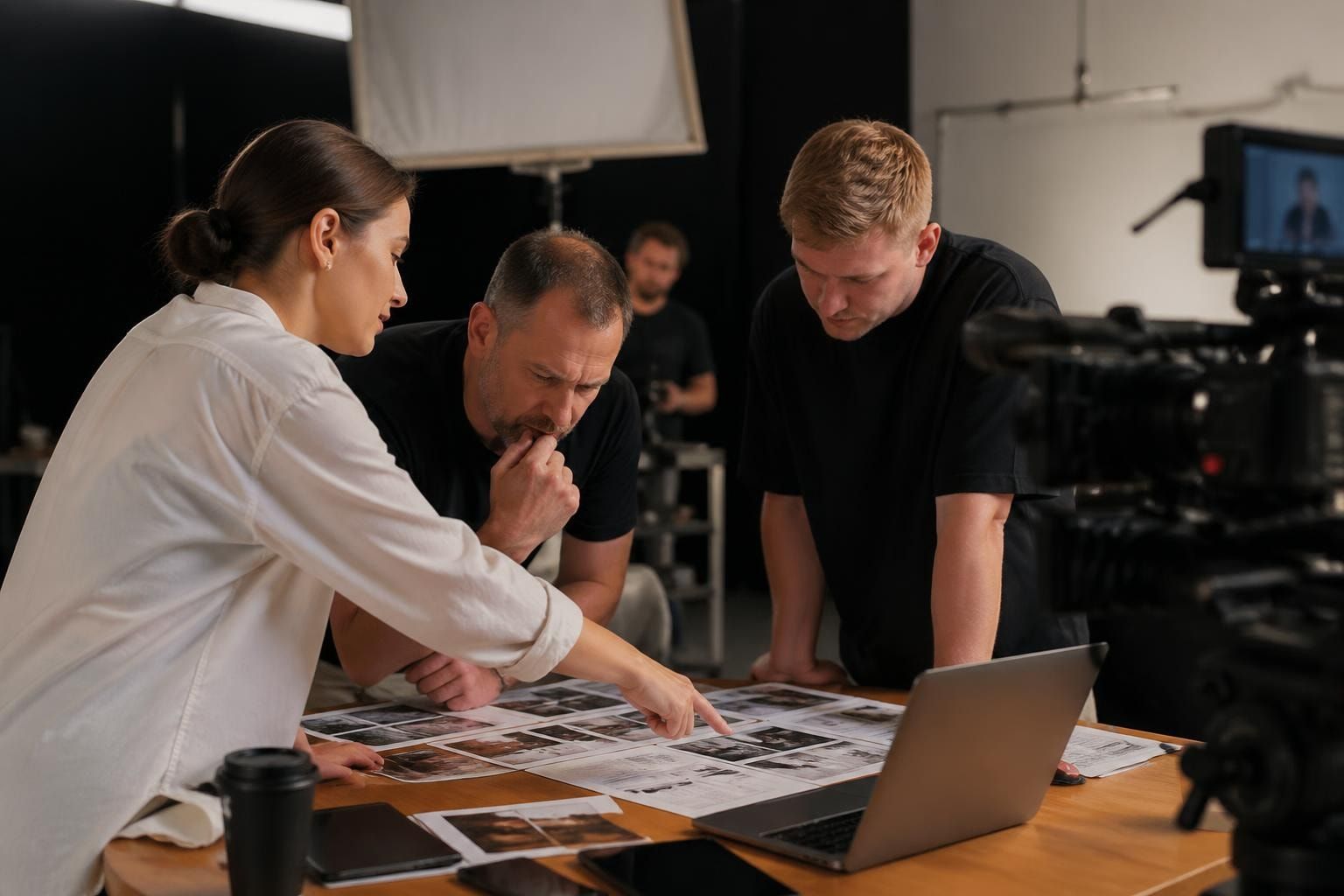
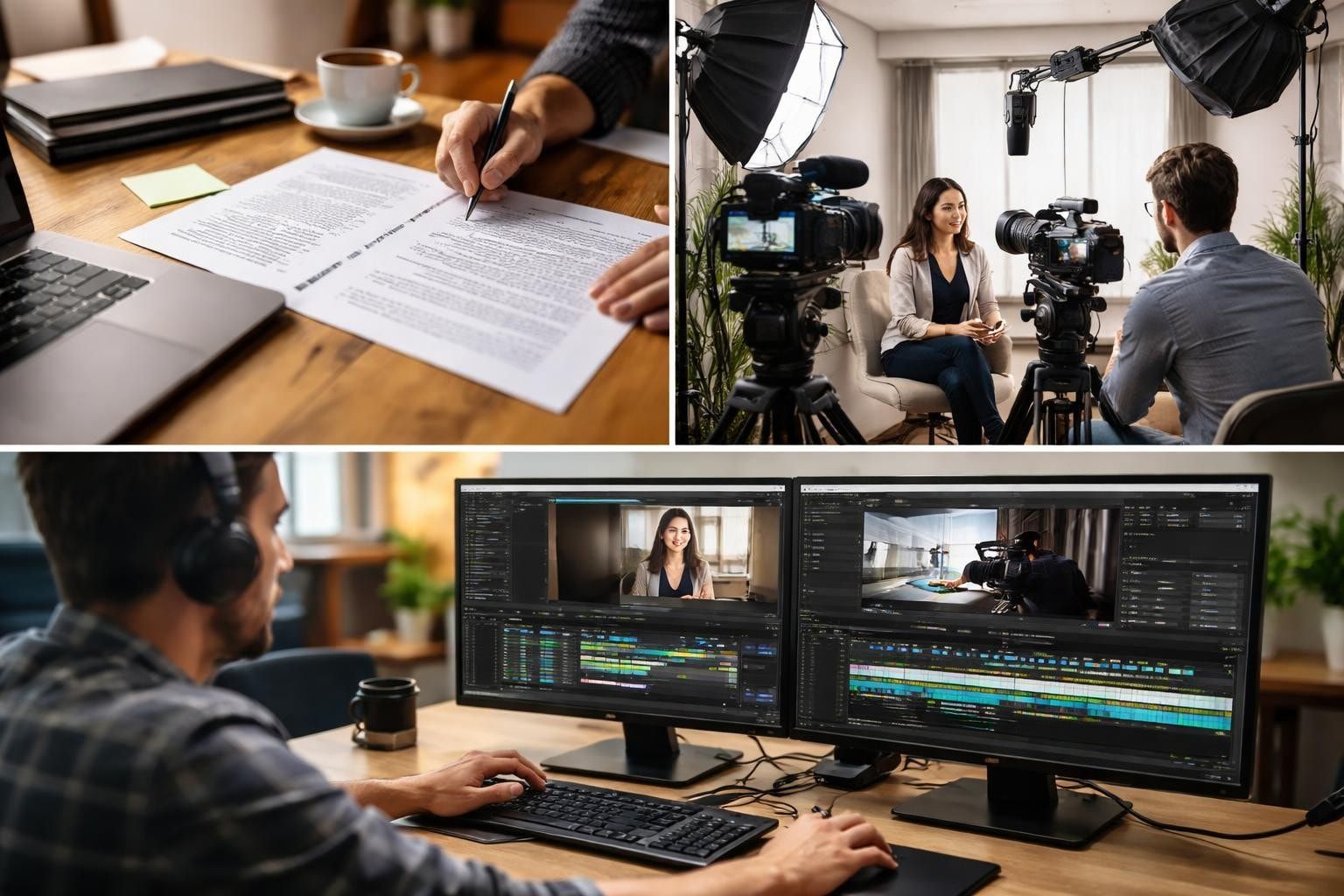
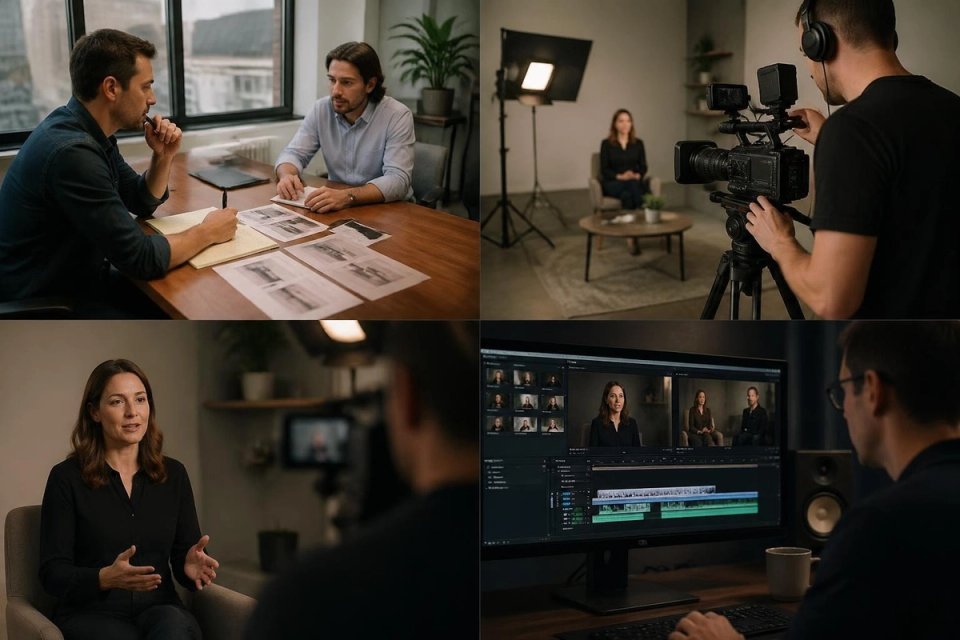
Success with interview videos begins long before cameras start rolling. The planning phase determines whether your final product achieves business objectives or falls flat with audiences.
Defining Clear Objectives
Every interview video should answer a specific question: What action do you want viewers to take after watching? Whether that's scheduling a consultation, downloading a resource, or simply understanding your brand values better, understanding different interview techniques helps align format with goals.
Start by identifying your target audience and what information they need. A recruitment video targeting potential employees requires different questions and tone than a customer testimonial aimed at prospects. Document these parameters in a creative brief that guides all subsequent decisions.
Subject Selection and Preparation
Choosing the right interview subject can make or break your production. Look for individuals who are naturally articulate, passionate about the topic, and representative of your target message. Not everyone who knows the subject matter will translate well on camera.
Preparation steps for interview subjects:
- Share the interview's purpose and intended audience
- Provide general topic areas without scripting exact answers
- Encourage subjects to think about specific examples and stories
- Conduct a pre-interview conversation to build rapport
- Address any concerns about appearing on camera
Best practices for video interviews emphasize the importance of making subjects comfortable while maintaining authenticity. Over-rehearsing leads to stiff, unnatural responses that undermine the format's inherent credibility.
Technical Setup for Professional Quality
The technical execution of interview videos separates amateur content from professional productions that deliver business results. While high-end equipment helps, understanding fundamental principles matters more than gear alone.
Camera Positioning and Framing
Standard interview framing follows the rule of thirds, positioning the subject slightly off-center with looking room in the direction of their gaze. For most business applications, filming at eye level or slightly below creates an approachable, authoritative presence.
Consider shooting with multiple cameras when budget allows. A primary camera captures the main interview angle while a secondary camera provides cutaway options for editing. This approach eliminates jump cuts and maintains visual interest throughout longer interviews. Many commercial video production projects utilize three-camera setups for maximum editing flexibility.
Lighting Fundamentals
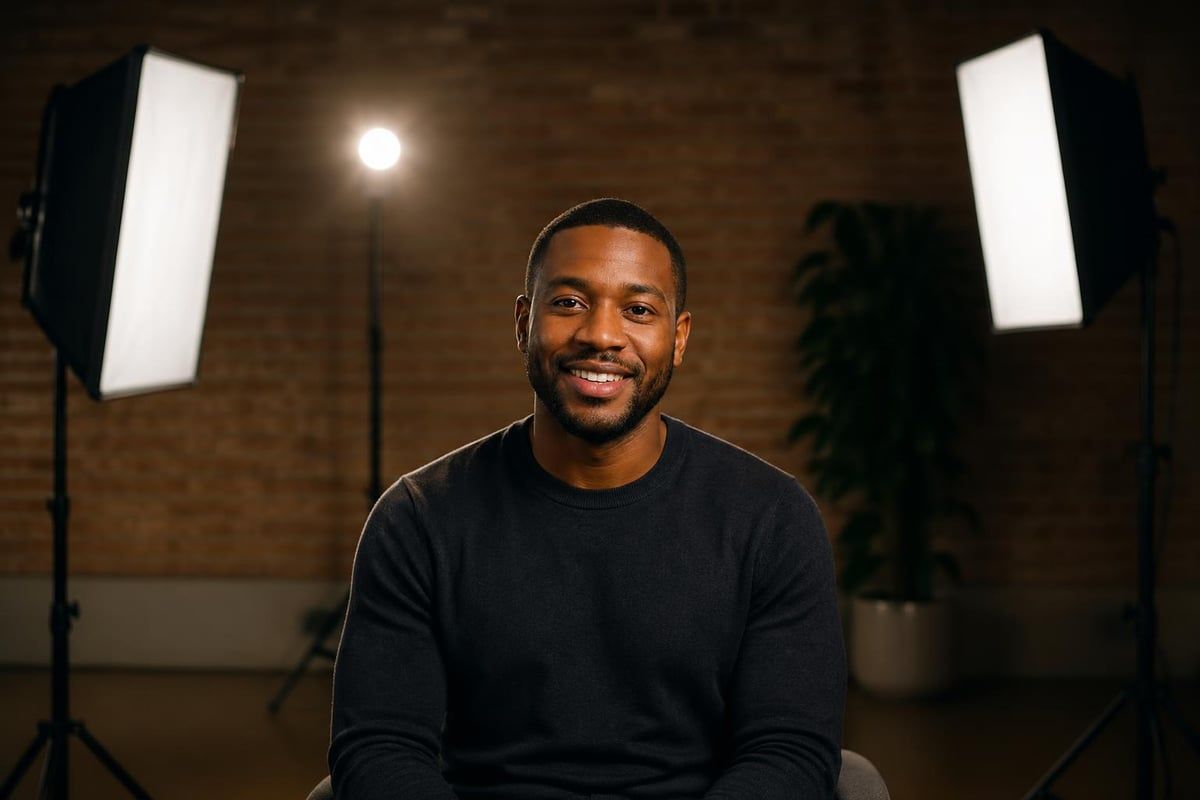
Proper lighting transforms interview videos from acceptable to exceptional. The three-point lighting system remains the industry standard, consisting of key light, fill light, and backlight working together to create dimension and depth.
Professional lighting techniques involve positioning your key light at a 45-degree angle from the subject, typically slightly above eye level. The fill light, placed opposite the key light, softens shadows without eliminating them entirely. Backlighting separates the subject from the background, adding visual depth that elevates production value.
Lighting considerations for different environments:
- Natural window light works beautifully for authentic, soft aesthetics
- LED panels offer controllable, color-accurate illumination
- Softboxes create flattering, diffused light for all skin tones
- Avoid overhead fluorescent lighting that creates unflattering shadows
Audio Excellence in Interview Production
Visual quality attracts viewers, but poor audio drives them away immediately. In fact, audiences tolerate lower video quality far more readily than subpar audio, making sound capture critically important for interview videos.
Microphone Selection and Placement
Lavalier microphones clipped to clothing provide consistent audio while remaining visually unobtrusive. Position them 6-8 inches below the chin, centered on the chest for optimal voice capture. Always hide the cable under clothing to maintain a clean visual aesthetic.
Shotgun microphones mounted on boom poles offer superior sound quality by capturing audio from above while staying outside the frame. This approach requires a dedicated audio operator but delivers professional results worth the investment for high-stakes productions.
Recording audio separately from the camera whenever possible gives you more control in post-production. Use professional audio recorders that capture at 48kHz/24-bit or higher for maximum quality and editing flexibility. Essential interview best practices include monitoring audio with headphones throughout recording to catch issues before they ruin takes.
Controlling Environmental Sound
Scout locations in advance, listening specifically for ambient noise that cameras might not initially reveal. Air conditioning systems, traffic, electronic hums, and echo can all compromise audio quality. When possible, shut down HVAC systems during recording and use sound blankets or acoustic panels to dampen room reflections.
| Audio Challenge | Solution | Implementation |
|---|---|---|
| HVAC Noise | Temporary shutdown | Coordinate with facility management |
| Traffic/Outdoor Sounds | Soundproofing or timing | Record during quieter hours |
| Room Echo | Acoustic treatment | Use blankets, curtains, or panels |
| Electronic Hum | Proper grounding | Check all power connections |
Interviewing Techniques That Generate Authentic Responses
The quality of responses in interview videos depends heavily on the interviewer's skill in creating comfortable environments and asking questions that elicit meaningful answers.
Question Development Strategy
Open-ended questions generate better content than yes/no queries. Instead of "Do you like working here?" ask "What aspects of working here have most surprised you?" This approach encourages storytelling and specific examples that resonate with viewers.
Structure your question sequence to build rapport gradually. Start with easier, comfortable topics before moving into more substantive or potentially sensitive areas. This progression helps subjects relax and provide increasingly genuine responses as the interview progresses.
Effective question frameworks:
- Past experience: "Tell me about when you first..."
- Specific examples: "Can you describe a time when..."
- Emotional connection: "How did that make you feel..."
- Future vision: "Where do you see this heading..."
- Advice format: "What would you tell someone who..."
Managing the Interview Dynamic
Great interviewers disappear from the final product while their questions guide compelling narratives. Maintain eye contact, nod encouragingly, and avoid verbal acknowledgments like "uh-huh" that contaminate audio. Your engagement shows through body language rather than words.
When subjects provide incomplete answers, don't hesitate to ask follow-up questions or request clarification. Phrases like "Can you expand on that?" or "What do you mean by..." often lead to the most valuable content. The comprehensive guide to conducting interviews emphasizes patience in allowing subjects time to think and respond thoughtfully.
Post-Production Strategies for Polished Results
Raw interview footage requires skilled editing to become engaging content that holds viewer attention and drives business outcomes. The post-production phase shapes narrative flow and visual appeal.
Editing for Story and Pacing
Begin by reviewing all footage and identifying the strongest sound bites that align with your objectives. Create a rough assembly that follows a logical narrative arc, even if the conversation didn't originally flow in that sequence. Interview videos benefit from reordering responses to create clearer, more compelling stories.
Trim responses to eliminate verbal pauses, false starts, and tangents that don't serve your message. Most interview subjects speak 20-30% more than necessary, and judicious editing tightens pacing without sacrificing authenticity. Use cutaways to B-roll footage during edits to avoid jarring jump cuts.
Visual Enhancement Through B-Roll
B-roll footage transforms talking-head interviews into dynamic visual experiences. These supplementary shots illustrate points being discussed, provide visual variety, and cover edit points seamlessly. For a customer testimonial about product benefits, show the product in use. For employee interviews about company culture, capture workplace interactions.
Plan B-roll needs during pre-production so you're prepared to capture necessary footage. A general rule suggests shooting at least twice as much B-roll as you anticipate using, providing abundant options during editing. This additional content proves invaluable when creating viral-worthy video content that maintains engagement throughout.
Color Grading and Audio Finishing
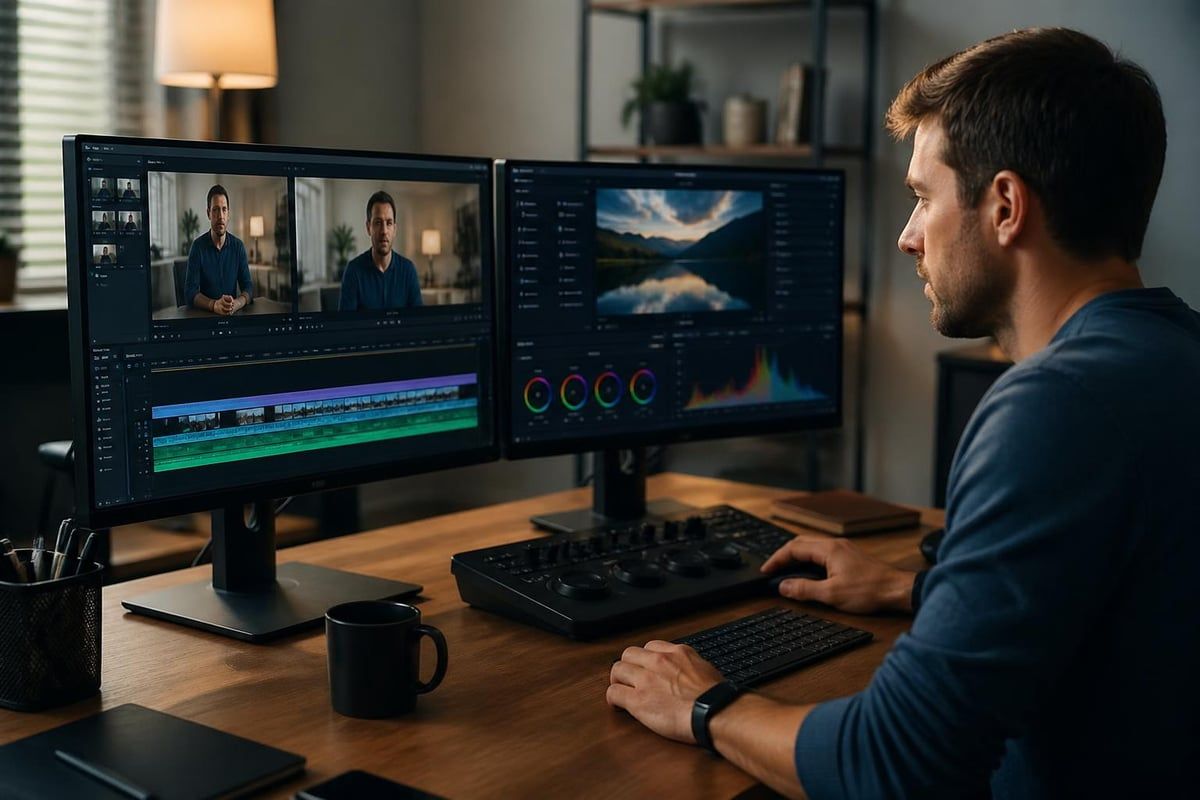
Color correction ensures consistent exposure and white balance across all footage, while color grading adds stylistic enhancement that reinforces brand identity. Subtle adjustments typically work better than dramatic looks for business interview videos, maintaining the authenticity that makes this format effective.
Audio post-production involves equalizing voice frequencies, removing background noise, and ensuring consistent volume levels throughout. Add subtle background music during B-roll sections while keeping it completely absent during speaking portions to maintain focus on the message. Music should enhance emotion without competing for attention.
Distribution and Optimization Across Platforms
Creating exceptional interview videos represents only half the equation. Strategic distribution ensures your content reaches intended audiences and generates measurable business results.
Platform-Specific Formatting
Different platforms require different technical specifications and content approaches. LinkedIn audiences expect professional, value-driven content presented in 1-2 minute segments. Instagram users engage with shorter clips featuring captions for sound-off viewing. YouTube supports longer-form content where 5-10 minute interview videos can dive deeper into topics.
Platform optimization guide:
| Platform | Ideal Length | Aspect Ratio | Key Features |
|---|---|---|---|
| 1-3 minutes | 16:9 or 1:1 | Professional value, captions | |
| Instagram Feed | 30-60 seconds | 1:1 or 4:5 | Visual appeal, quick hooks |
| Instagram Stories/Reels | 15-30 seconds | 9:16 | Vertical format, trending audio |
| YouTube | 3-10 minutes | 16:9 | Longer depth, SEO optimization |
| 1-2 minutes | 1:1 or 16:9 | Native upload, captions |
SEO and Metadata Optimization
Interview videos benefit enormously from proper metadata that helps search engines and platform algorithms understand content. Write detailed descriptions that include relevant keywords naturally while explaining what viewers will learn. Use timestamps to break longer interviews into chapters, improving user experience and search visibility.
Transcripts serve dual purposes: accessibility for hearing-impaired viewers and additional text content that search engines can index. Upload full transcripts or closed captions with every interview video to maximize reach and SEO value. This practice has become standard in professional video production services that prioritize measurable business outcomes.
Measuring ROI and Performance Metrics
Interview videos should generate quantifiable business results, not just vanity metrics like view counts. Establish clear key performance indicators tied to your original objectives before production begins.
Essential Metrics to Track
Engagement metrics:
- Watch time and average view duration
- Completion rate percentage
- Click-through rate on calls-to-action
- Social shares and comments
Business impact metrics:
- Lead generation from video content
- Conversion rates for viewers versus non-viewers
- Sales cycle length for video-engaged prospects
- Customer acquisition cost reduction
Use platform analytics and marketing automation tools to track viewer behavior beyond the video itself. Did they visit your website afterward? Download resources? Request consultations? These downstream actions reveal true ROI better than surface-level engagement numbers.
Iterative Improvement Through Testing
Analyze performance data to inform future interview video productions. Which interview subjects resonated most strongly? What length performed best? Which topics generated the most engagement? Understanding video pricing and production value helps you allocate budget toward approaches that deliver proven results.
Consider A/B testing different elements: thumbnail images, video titles, opening hooks, or call-to-action placement. Small variations can significantly impact performance, and systematic testing reveals what works best for your specific audience. The most successful interview video strategies evolve continuously based on real performance data rather than assumptions.
Advanced Techniques for Standout Interview Content
As interview videos become increasingly common, differentiation requires creative approaches that maintain authenticity while adding visual interest and production value.
Multi-Camera Dynamic Interviews
Using three or more cameras creates editing options that transform standard interviews into cinematic experiences. A wide establishing shot, medium close-up, and tight close-up provide visual variety that maintains engagement throughout longer content. Cut between angles to emphasize key points or emotional moments.
Moving cameras add subtle energy to otherwise static interviews. Slow push-ins during emotional storytelling or gradual pull-outs during broader context setting create subconscious viewer engagement. These movements should be barely perceptible, enhancing rather than distracting from content.
Environmental Storytelling
Location selection communicates as much as words. Interview a manufacturing executive on the production floor rather than a generic office. Capture a nonprofit leader in the community they serve. The environment provides context and authenticity that reinforces the interview's message while offering natural B-roll opportunities.
Consider innovative production techniques like incorporating drone footage to establish location context before transitioning into the interview. This approach works particularly well for businesses with impressive facilities or unique geographic settings.
Interactive and Shoppable Elements
Modern interview videos can include interactive elements that boost engagement and conversions. Clickable product links, resource downloads, or chapter navigation give viewers agency while providing measurable engagement data. Platforms like YouTube support cards and end screens that extend viewer sessions and drive specific actions.
Shoppable video features allow viewers to purchase products discussed during interviews without leaving the video player. For product demonstrations or customer testimonials, this seamless integration between content and commerce significantly improves conversion rates compared to traditional approaches.
Common Pitfalls and How to Avoid Them
Even experienced production teams encounter challenges that compromise interview video quality. Understanding these common mistakes helps you avoid costly errors and deliver consistently excellent results.
Over-Scripting and Losing Authenticity
The greatest strength of interview videos is their genuine, conversational nature. Over-rehearsing or providing subjects with scripts undermines this authenticity, creating content that feels stiff and promotional. Instead, brief subjects on topics while encouraging them to speak naturally about their experiences.
If subjects struggle with on-camera nervousness, minimizing setup complexity helps them relax. A smaller crew, casual conversation before rolling, and reassurance that mistakes can be edited out all reduce anxiety and improve performance.
Technical Failures in Critical Moments
Nothing frustrates production teams more than discovering audio problems or focus issues after wrapping an interview with a difficult-to-reschedule subject. Implement rigorous technical checks before recording begins. Test audio levels with the subject speaking at normal volume. Verify focus, white balance, and exposure. Record a brief test clip and review it fully before proceeding.
Pre-recording checklist:
- Audio levels optimized and monitored
- Camera focus verified and locked
- White balance set for lighting conditions
- Frame composition reviewed
- Recording media with adequate capacity
- Backup batteries available
- Test recording reviewed for quality
Neglecting Post-Production Timeline
Interview videos often face tight deadlines, yet rushing post-production compromises quality. Build realistic timelines that account for multiple review rounds, revisions, and technical deliverables for various platforms. A professionally produced interview typically requires 8-12 hours of post-production for every hour of raw footage, depending on complexity.
Communication with stakeholders about approval processes prevents bottlenecks. Establish clear feedback workflows where decision-makers review work-in-progress exports and provide consolidated notes rather than serial individual comments that extend timelines unnecessarily.
Interview videos represent one of the most effective formats for building authentic connections with audiences while delivering measurable business outcomes. By combining strategic planning, technical excellence, and skilled interviewing techniques, organizations create content that resonates across platforms and drives real results. Viva Media specializes in producing high-performance interview videos that transform business objectives into compelling visual stories, serving forward-thinking brands throughout the Greater Toronto Area with production expertise engineered for ROI and audience engagement.