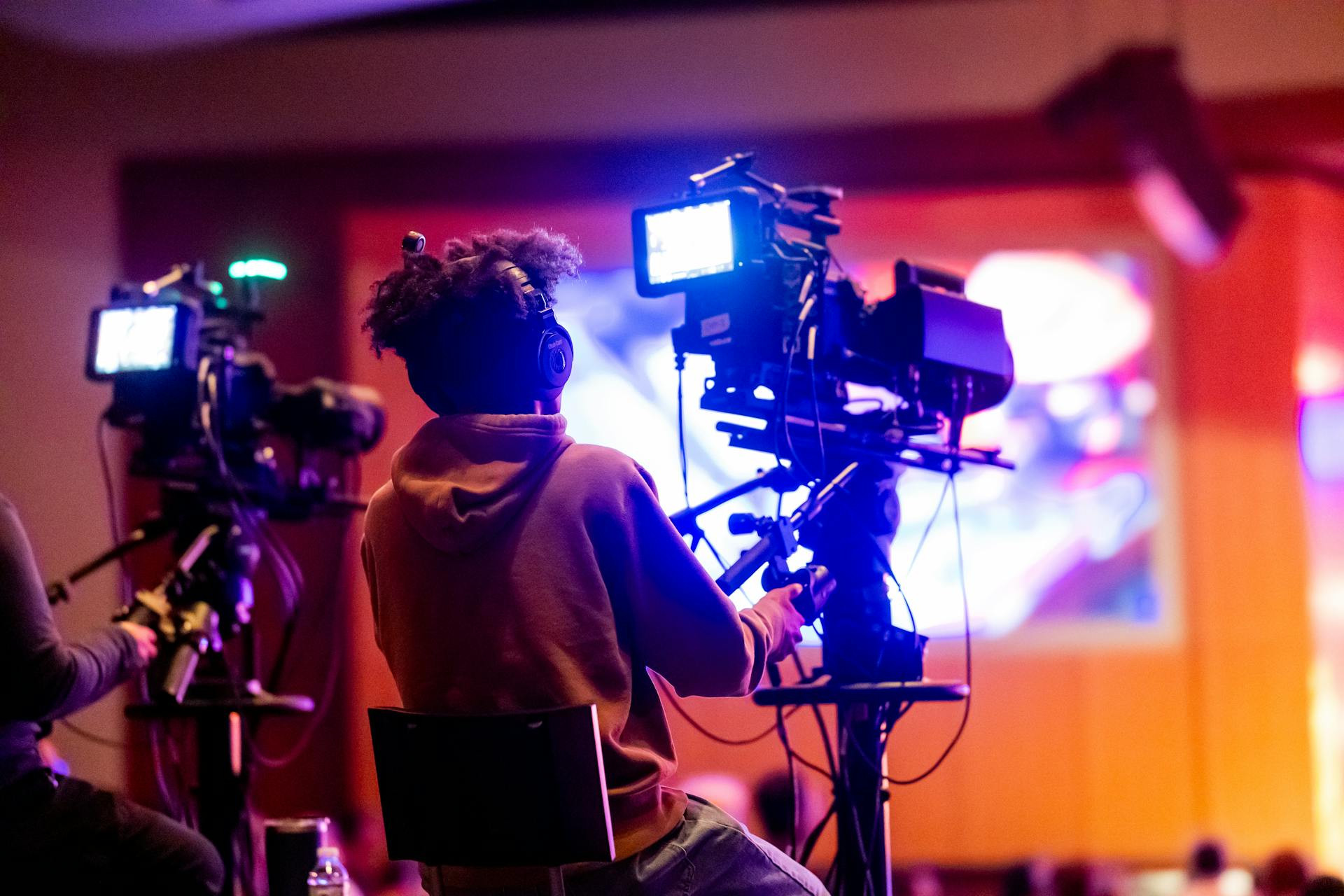

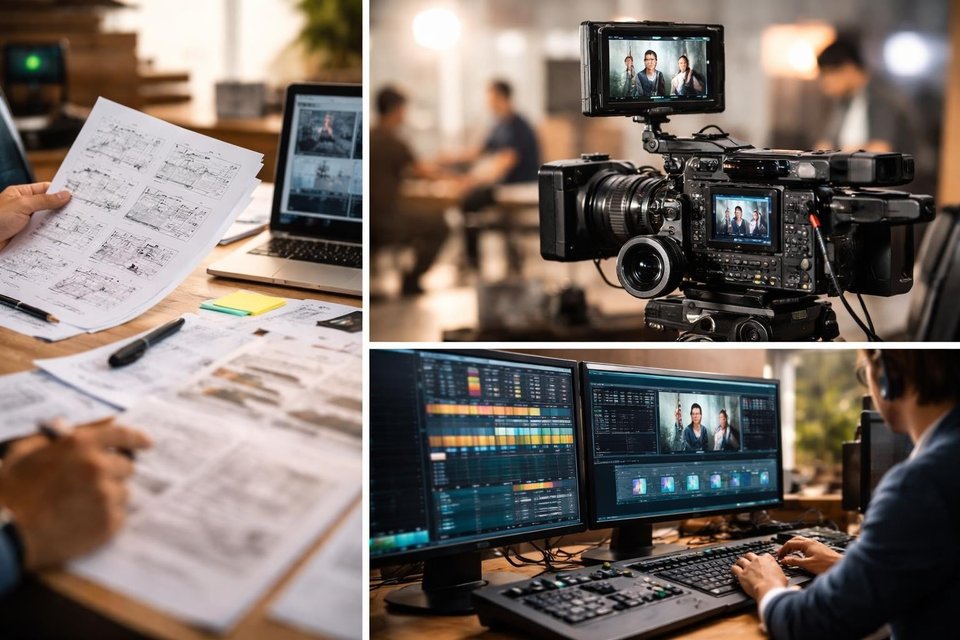
The landscape of video creation has transformed dramatically over the past two decades, with digital film production becoming the industry standard for everything from Hollywood blockbusters to corporate marketing videos. This shift from traditional celluloid to digital formats has democratized filmmaking, making professional-quality video content accessible to businesses of all sizes. For companies in the Greater Toronto Area and beyond, understanding digital film production processes is essential for creating compelling visual content that drives measurable results and connects with audiences across multiple platforms.
The Evolution of Digital Film Production Technology
Digital film production represents a fundamental shift in how visual content is captured, edited, and distributed. Unlike traditional film that required chemical processing and physical handling, digital workflows allow immediate playback, real-time adjustments, and seamless integration with modern editing systems.
The technology behind digital cinematography has advanced exponentially since the early 2000s. Today's digital cinema cameras capture images at resolutions exceeding 8K, with dynamic range and color depth that rivals or surpasses traditional film stock. These advancements have particular implications for businesses investing in commercial video content, where image quality directly impacts brand perception and audience engagement.
Camera Systems and Sensors
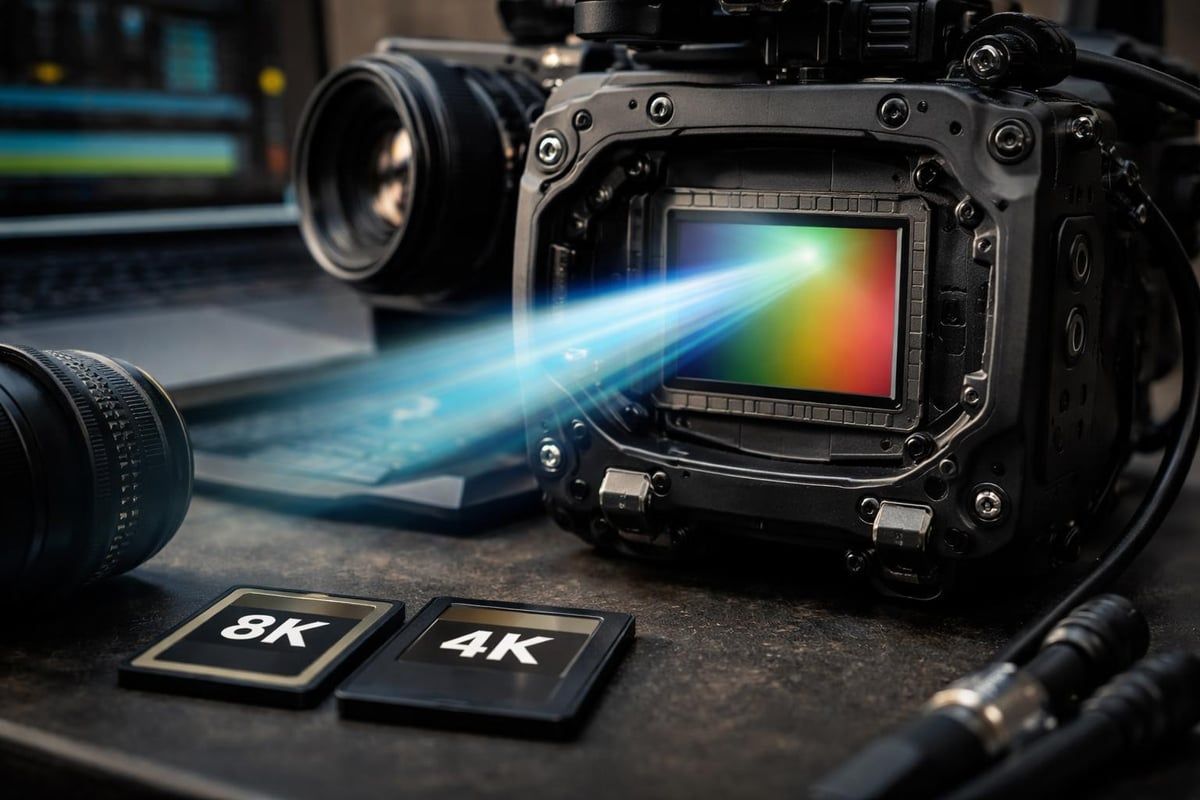
Modern digital film production relies on sophisticated sensor technology that converts light into electronic signals. Full-frame sensors, Super 35 formats, and specialized cinema cameras each offer distinct advantages depending on project requirements.
Key sensor considerations include:
- Resolution capabilities: 4K, 6K, and 8K options for future-proofing content
- Dynamic range: Ability to capture detail in both highlights and shadows
- Low-light performance: Critical for documentary work and run-and-gun shooting
- Color science: Built-in color profiles that determine the final image aesthetic
The choice between camera systems depends heavily on deliverable requirements. A corporate video production project may prioritize workflow efficiency and color accuracy, while a commercial might demand the highest possible resolution for theatrical distribution and digital platforms.
Pre-Production Planning for Digital Workflows
Digital film production demands meticulous planning to maximize efficiency and ensure technical requirements align with creative vision. The pre-production phase establishes the foundation for successful execution, particularly when working with tight budgets and compressed timelines.
Script Development and Storyboarding
Every successful digital production begins with a clear narrative framework. Script development for commercial and corporate content differs significantly from narrative filmmaking, focusing on messaging clarity and brand alignment rather than traditional story arcs.
Storyboarding translates written concepts into visual sequences, allowing teams to identify potential production challenges before cameras roll. Digital storyboarding tools enable real-time collaboration between clients, creative directors, and production teams, ensuring everyone shares the same vision.
| Pre-Production Element | Traditional Film | Digital Film Production |
|---|---|---|
| Shot planning | Paper storyboards, minimal revision | Digital boards, unlimited iteration |
| Location scouting | Physical photos, manual notes | Drone footage, 360° photography, GPS tagging |
| Equipment testing | Film stock tests, processing delays | Immediate digital review, instant adjustments |
| Budget allocation | Higher stock/processing costs | Investment in data management, storage |
Technical Specifications and Delivery Requirements
Understanding final delivery specifications before production begins prevents costly mistakes and ensures footage meets platform requirements. In 2026, content creators must consider multiple distribution channels simultaneously, from social media vertical formats to 4K broadcast standards.
Essential technical specifications include:
- Frame rate: 24fps for cinematic feel, 30fps for broadcast, 60fps or higher for slow-motion
- Aspect ratio: 16:9 for traditional platforms, 9:16 for mobile-first content, 1:1 for social feeds
- Color space: Rec. 709 for standard delivery, Log profiles for maximum post-production flexibility
- Codec requirements: Delivery formats ranging from highly compressed web files to ProRes for broadcast
These decisions directly impact how commercial video production teams approach shooting and post-production workflows. A project designed for Instagram Reels requires fundamentally different planning than one destined for cinema screens.
Production Execution and On-Set Workflows
The production phase of digital film production brings creative vision to life through technical expertise and collaborative execution. Modern digital workflows enable unprecedented flexibility while demanding rigorous data management protocols.
Digital Camera Operation and Image Capture
Operating digital cinema cameras requires understanding both technical parameters and artistic principles. Exposure, white balance, and focus all require precise control, but digital systems provide immediate feedback that was impossible with film.
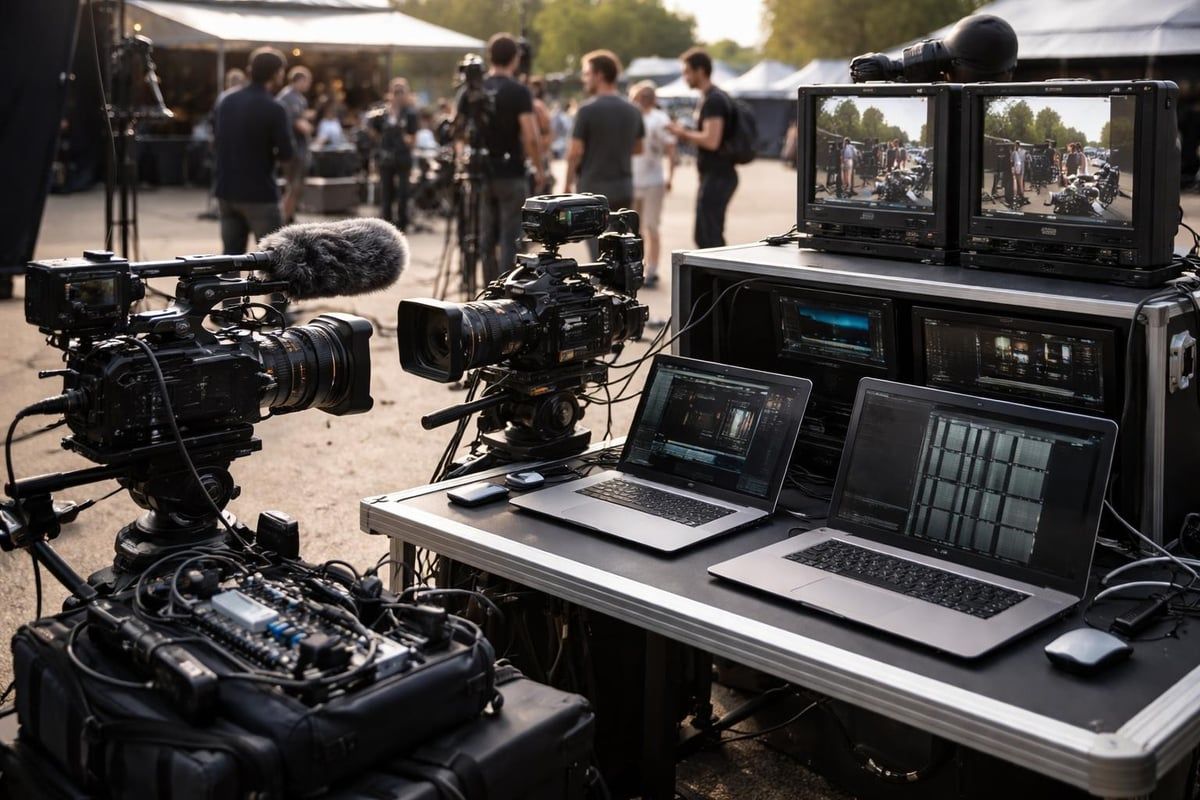
Monitoring technology has revolutionized on-set decision-making. High-resolution field monitors allow directors and cinematographers to evaluate shots in real-time, while false color displays and waveform monitors ensure technical accuracy. This immediate feedback loop reduces uncertainty and enables confident creative choices during production.
The production workflow for digital content also incorporates sophisticated lighting techniques adapted specifically for digital sensors. Unlike film, which responds linearly to light, digital sensors have specific characteristics that influence lighting design and exposure strategies.
Audio Capture in Digital Production
High-quality audio remains equally important as visual elements in digital film production. Modern digital audio recorders capture multiple channels simultaneously, providing flexibility in post-production mixing and ensuring backup recordings for critical dialogue.
Professional audio considerations include:
- Wireless microphone systems with digital transmission for interference-free recording
- Timecode synchronization between cameras and audio recorders for simplified editing
- Redundant recording systems to prevent data loss from equipment failure
- Acoustic environment assessment during location scouting
For businesses creating content across platforms, understanding sound production principles ensures videos perform well whether viewed on mobile devices with earbuds or displayed on large screens with professional audio systems.
Post-Production and Digital Editing
Post-production represents where digital film production truly shines, offering capabilities that would be impossible or prohibitively expensive with traditional film workflows. The editing process transforms raw footage into polished content that drives business objectives and audience engagement.
Non-Linear Editing Systems
Non-linear editing (NLE) software forms the backbone of modern post-production. Platforms like DaVinci Resolve, Adobe Premiere Pro, and Final Cut Pro enable editors to manipulate footage with unprecedented precision and speed. These systems handle multiple video streams, complex effects, and real-time color grading that would require days or weeks using traditional film editing methods.
The editing process for video production services typically follows a structured workflow designed to maintain creative momentum while meeting client deadlines. Assembly edits establish basic structure, rough cuts refine pacing and storytelling, and fine cuts polish transitions and timing before final delivery.
Color Grading and Visual Enhancement
Color grading distinguishes professional digital film production from amateur content. This process goes beyond basic color correction, establishing mood, directing viewer attention, and ensuring brand consistency across all visual assets.
Modern color grading workflows leverage Log or RAW footage formats that capture maximum information from camera sensors. Colorists then apply sophisticated grades that enhance the emotional impact of each scene while maintaining natural skin tones and realistic color relationships.
| Color Grading Stage | Purpose | Tools Used |
|---|---|---|
| Primary correction | Balance exposure, white balance, contrast | Lift/gamma/gain controls, curves |
| Secondary grading | Isolate and adjust specific colors or areas | Qualifiers, power windows, tracking |
| Creative look development | Establish unique visual style | LUTs, film emulation, custom grades |
| Delivery formatting | Ensure consistency across platforms | Output transforms, preview modes |
Visual Effects and Motion Graphics
Digital film production seamlessly integrates visual effects and motion graphics that elevate corporate and commercial content. From simple lower thirds and title sequences to complex compositing and 3D animation, these elements enhance storytelling and reinforce brand identity.
The integration of motion graphics during the editing phase requires careful planning during pre-production. Knowing which elements will be added digitally allows cinematographers to capture appropriate plates and provides editors with necessary assets for seamless integration.
Data Management and Workflow Optimization
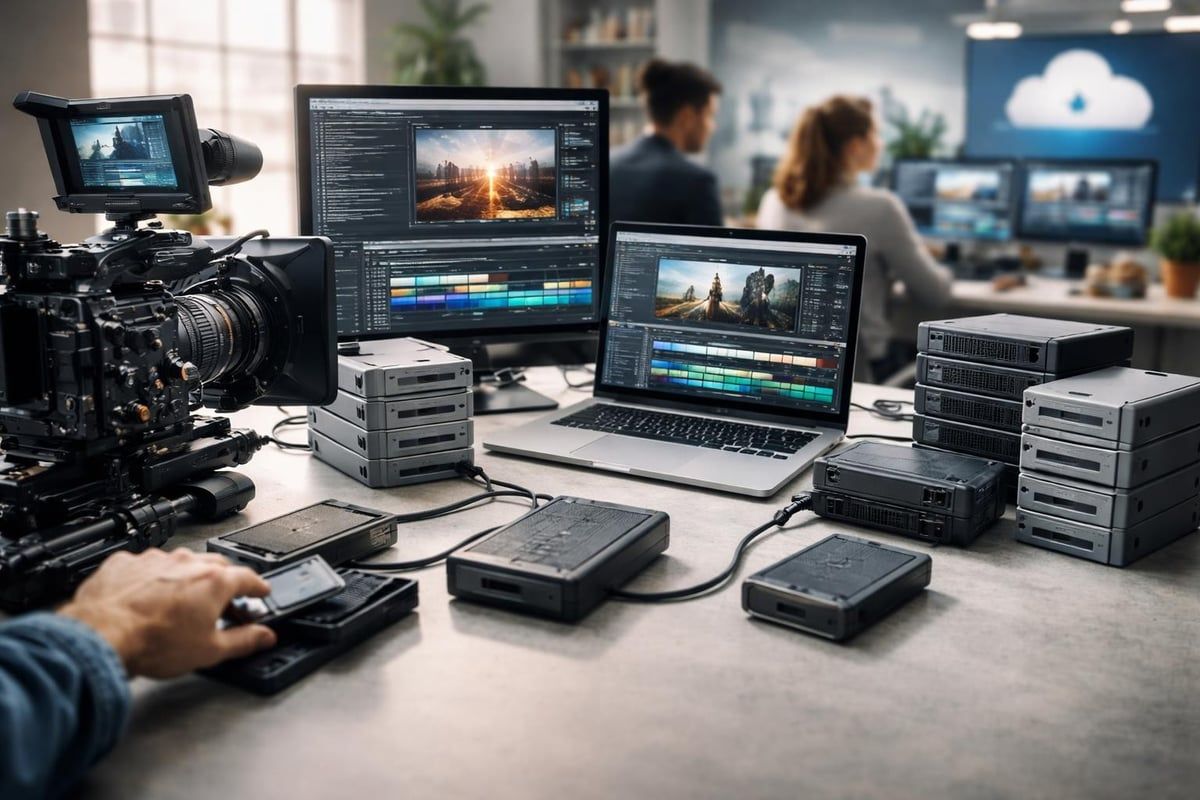
One aspect of digital film production that differs dramatically from film-based workflows is the critical importance of data management. Digital files require systematic organization, backup protocols, and archival strategies to protect client investments and enable efficient collaboration.
On-Set Data Wrangling
Professional productions employ dedicated data wranglers who manage footage from camera cards to secure storage systems. This role prevents data loss, verifies file integrity, and organizes assets according to predetermined naming conventions.
Best practices for digital asset management include:
- Immediate backup to multiple drives upon offloading camera cards
- Checksum verification to confirm files copied correctly without corruption
- Consistent naming conventions that identify shoot day, camera, and scene information
- Metadata tagging for efficient searching and organization during editing
- Secure archival storage for long-term preservation of master files
For businesses working with video production companies, understanding data management protocols ensures their content assets remain accessible for future repurposing and derivative projects.
Cloud-Based Collaboration
Cloud technology has transformed digital film production collaboration, enabling remote review, approval, and editing workflows that were impossible just a few years ago. Production teams can share dailies with clients in different cities, receive feedback in real-time, and implement revisions without physical media exchange.
These cloud-based workflows accelerate project timelines and reduce costs associated with traditional review processes. However, they require robust internet infrastructure and careful consideration of file compression to balance quality with upload/download times.
Distribution and Platform Optimization
The final stage of digital film production involves preparing content for distribution across multiple platforms, each with unique technical requirements and audience expectations. In 2026, successful video content must perform effectively whether viewed on smartphones, desktop computers, or large-format displays.
Format Conversion and Compression
Professional distribution requires creating multiple versions of finished content optimized for different platforms and use cases. Master files preserve maximum quality for archival purposes, while delivery files balance quality with file size constraints.
Understanding codec technology and compression algorithms enables producers to minimize quality loss while meeting platform specifications. H.264 remains the standard for most web delivery, while newer codecs like H.265 and AV1 offer improved compression efficiency for 4K and higher resolutions.
Social Media Optimization
Digital film production for business must account for platform-specific requirements that affect everything from aspect ratios to maximum file sizes. Content created for creative video agencies now requires strategic planning to ensure effectiveness across Instagram, LinkedIn, YouTube, and emerging platforms.
Different platforms favor different content characteristics. Instagram prioritizes vertical video under 60 seconds, LinkedIn performs best with subtitled content between 30-90 seconds, and YouTube rewards longer-form content that maintains viewer engagement. Successful digital film production strategies create assets that can be reformatted and optimized for each platform without losing core messaging or visual impact.
Equipment Investment and Technology Selection
Businesses considering in-house digital film production capabilities or evaluating production partners must understand the equipment landscape and how technology choices impact final results. The democratization of digital technology means professional-quality tools are more accessible than ever, but expertise in using these tools remains the critical differentiator.
Camera and Lens Ecosystems
Building a digital film production kit requires strategic investment in camera bodies, lenses, and supporting equipment. Cinema cameras from manufacturers like ARRI, RED, Sony, and Blackmagic Design each offer distinct advantages and integrate into broader production ecosystems.
Lens selection often represents the most important creative decision, as glass quality and characteristics fundamentally affect image aesthetics. Professional productions typically utilize cinema lenses with precise focus control, minimal breathing, and consistent color rendering across focal lengths.
Essential production equipment categories include:
- Camera systems: Body, media, batteries, mounting accessories
- Lens packages: Prime lenses for maximum quality, zoom lenses for versatility
- Support gear: Tripods, sliders, gimbals, stabilization systems
- Lighting equipment: LED panels, tungsten fixtures, modifiers and control tools
- Audio recording: Microphones, recorders, monitoring headphones
- Monitoring: On-camera displays, wireless video transmission, calibration tools
For businesses evaluating whether to hire video production services or build internal capabilities, the total cost of equipment ownership extends beyond initial purchase prices to include maintenance, insurance, storage, and most critically, the expertise required to use tools effectively.
Emerging Technologies
The digital film production landscape continues evolving with emerging technologies that expand creative possibilities. Virtual production techniques using LED volumes and real-time game engines enable previously impossible visual effects, while AI-powered tools automate tedious tasks and enhance creative workflows.
Drone cinematography has become standard for establishing shots and unique perspectives, requiring specialized equipment and licensed operators. 360-degree cameras open new possibilities for immersive content, while advanced stabilization systems enable smooth handheld footage that mimics expensive crane or dolly moves.
Building Digital Production Teams
Successful digital film production requires specialized expertise across multiple disciplines. Understanding team structure and role definitions helps businesses effectively collaborate with production partners or build internal capabilities.
Key Production Roles
Modern digital productions involve various specialized positions, each contributing essential skills to the final product. While small projects may consolidate roles, larger productions benefit from dedicated specialists who bring deep expertise to their craft.
| Role | Responsibilities | Skills Required |
|---|---|---|
| Director | Creative vision, performance direction | Storytelling, leadership, technical knowledge |
| Director of Photography | Visual style, lighting, camera operation | Cinematography, lighting design, camera systems |
| Producer | Budget, schedule, logistics | Project management, negotiation, problem-solving |
| Editor | Assembly, pacing, storytelling | Software proficiency, rhythm, narrative structure |
| Colorist | Color grading, visual consistency | Technical color theory, software expertise |
| Sound Designer | Audio mixing, sound effects, music | Audio engineering, creative sound design |
When businesses partner with professional production companies, they gain access to these specialized skills without the overhead of maintaining full-time staff. This model provides flexibility to scale production capabilities according to project requirements and budget constraints.
Quality Control and Client Approval Processes
Digital film production workflows must incorporate systematic quality control measures that ensure technical standards and creative objectives are consistently met. Establishing clear approval processes prevents costly revisions and keeps projects on schedule.
Technical Quality Standards
Professional productions maintain rigorous technical standards throughout the production pipeline. This includes monitoring exposure levels during shooting, verifying audio quality in real-time, and implementing standardized color spaces in post-production.
Quality control checkpoints should occur at multiple stages, from initial footage review through final delivery. These checkpoints catch issues early when corrections are less expensive and time-consuming. Modern digital workflows enable automated quality checks that flag technical problems like overexposure, audio clipping, or frame drops.
Structured Approval Workflows
Client approval processes benefit from structured workflows that clearly define revision rounds and feedback mechanisms. Digital review platforms enable frame-accurate comments and facilitate clear communication between production teams and stakeholders.
Effective approval processes balance creative flexibility with project timeline requirements. Establishing the number of included revision rounds during project scoping prevents scope creep while ensuring clients receive content that meets their objectives.
Return on Investment for Digital Production
Understanding the business value of digital film production helps companies make informed decisions about video content investments. In 2026, video continues proving itself as the highest-performing content format across virtually all marketing channels and business applications.
Measuring Video Performance
Digital distribution enables unprecedented measurement capabilities that connect video content directly to business outcomes. View counts, engagement rates, click-through percentages, and conversion tracking provide concrete data about content performance.
Key performance metrics include:
- View duration: How long viewers watch before dropping off
- Engagement rate: Likes, comments, shares indicating audience connection
- Click-through rate: Percentage of viewers taking desired actions
- Conversion rate: Viewers who complete purchases or submit leads
- Cost per acquisition: Total production cost divided by conversions generated
These metrics allow businesses to calculate actual return on investment from video content, justifying production budgets through measurable business results. Companies that track performance data consistently outperform those making content decisions based solely on creative instinct.
Content Longevity and Repurposing
Digital film production assets provide ongoing value beyond initial publication. Master footage can be repurposed into multiple derivative projects, extending the return on initial production investments.
A single production day might generate content for several short-form social media pieces, a longer-form YouTube video, website hero content, and email marketing assets. This strategic approach to content creation maximizes efficiency and ensures consistent brand messaging across all touchpoints.
Industry Standards and Professional Development
Staying current with evolving digital film production standards requires ongoing education and professional development. The technology landscape changes rapidly, with new camera systems, software updates, and distribution platforms emerging constantly.
Professional production companies invest significantly in training and equipment upgrades to maintain competitive advantages. Resources like film production research guides provide valuable information about industry standards and emerging best practices.
For businesses creating video content, partnering with production teams that prioritize professional development ensures access to current techniques and technologies. This expertise translates directly into content that meets contemporary audience expectations and performs effectively across modern distribution channels.
The democratization of digital film production technology has expanded access to professional-quality video creation, but expertise in applying these tools remains the critical factor separating effective content from mediocre results. Technical proficiency combined with strategic thinking about audience needs and business objectives creates video content that drives measurable outcomes and justifies production investments.
Digital film production has revolutionized how businesses create and distribute video content, offering unprecedented quality, flexibility, and measurement capabilities. Success in this evolving landscape requires both technical expertise and strategic thinking about how video content drives business objectives. Viva Media combines cutting-edge production capabilities with a results-focused approach, helping Toronto-area businesses create high-performance video content that delivers measurable ROI. Whether you need commercial production, corporate videos, or social media content that captures attention and drives action, our team brings the expertise and technology to transform your vision into compelling visual experiences.