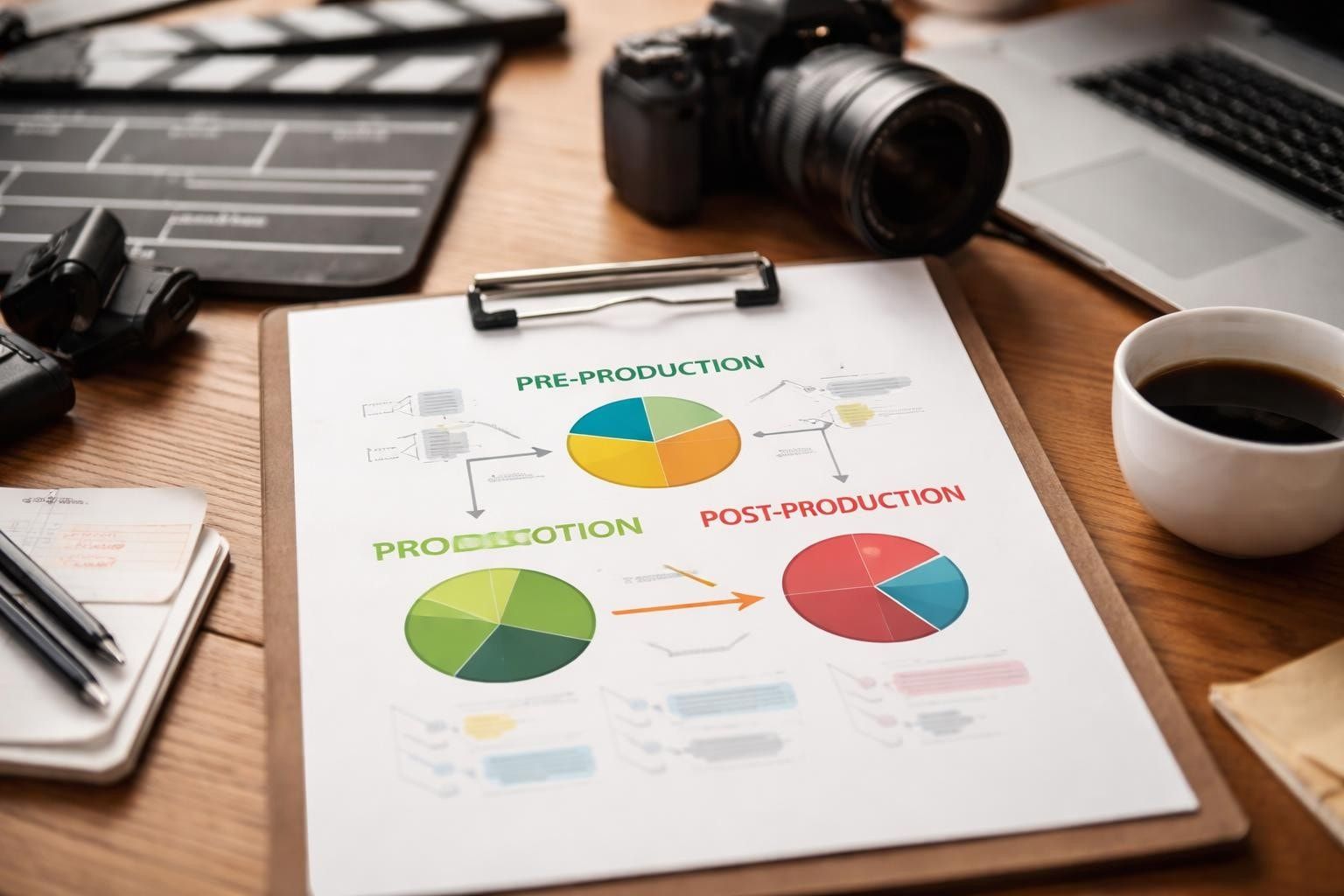

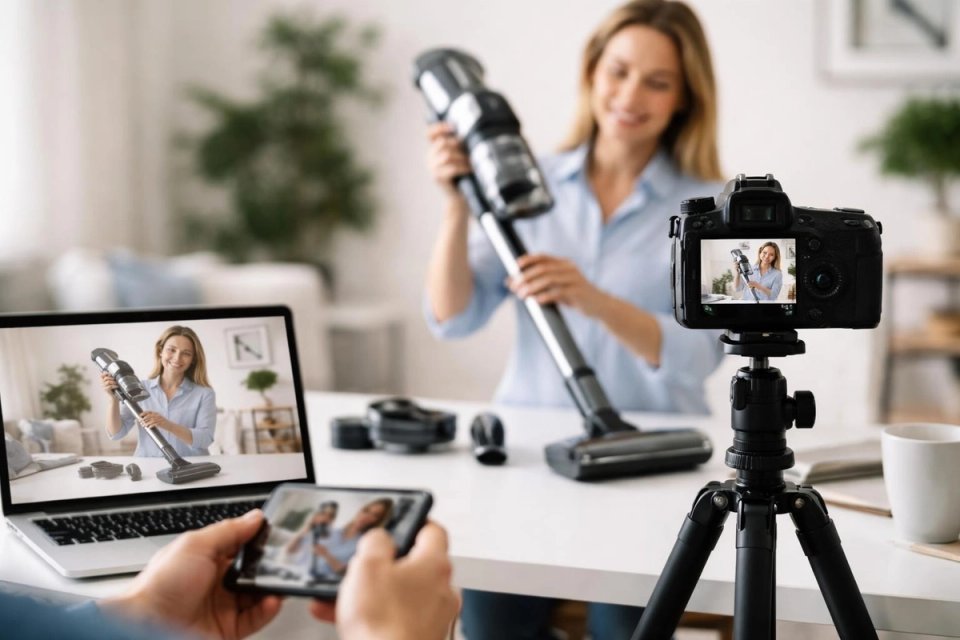
Demonstration videos have emerged as one of the most powerful tools in modern business communication, transforming how companies showcase products, explain services, and connect with audiences. In an era where attention spans are shrinking and consumers demand instant clarity, these videos bridge the gap between curiosity and conversion. Whether you're launching a new product, onboarding customers, or training employees, demonstration videos deliver information in a format that's both engaging and highly effective. For businesses throughout the Greater Toronto Area and beyond, understanding how to leverage this medium can mean the difference between stagnant growth and explosive market expansion.
The Strategic Value of Demonstration Videos in 2026
The business landscape has shifted dramatically toward visual communication, making demonstration videos essential rather than optional. These videos serve as digital sales representatives, working around the clock to educate prospects, answer questions, and remove purchase barriers. Unlike static content, they engage multiple senses simultaneously, creating memorable experiences that drive decision-making.
Accelerating the Sales Cycle
Demonstration videos compress what might take hours of explanation into minutes of compelling content. They showcase product functionality, highlight unique features, and address common objections before prospects even raise them. This efficiency matters significantly in B2B environments where purchasing decisions involve multiple stakeholders.
Key benefits for sales acceleration:
- Reduce back-and-forth communication by answering questions proactively
- Enable prospects to self-educate at their own pace
- Provide consistent messaging across all touchpoints
- Create shareable assets that expand your reach organically
Research from product demonstration video case studies demonstrates how companies using demo videos experience higher engagement rates and faster conversion timelines compared to those relying solely on text-based materials.

Building Trust Through Transparency
Modern consumers are skeptical of marketing claims and demand proof before committing. Demonstration videos provide that proof by showing exactly how products work, what results they deliver, and why they're superior to alternatives. This transparency builds credibility that text descriptions simply cannot match.
When viewers see a product in action, they develop confidence in its capabilities. They can visualize themselves using it, understand its practical applications, and assess whether it solves their specific problems. This emotional connection combined with factual demonstration creates a powerful persuasion mechanism.
Types of Demonstration Videos That Drive Results
Not all demonstration videos serve the same purpose or audience. Understanding the different types helps businesses create targeted content that resonates with specific viewer needs and stages in the buyer's journey.
Product Feature Demonstrations
These videos focus on showcasing specific product capabilities, walking viewers through features and explaining their benefits. They're particularly effective for complex products with multiple use cases or technical specifications that require visual explanation.
| Video Type | Primary Audience | Typical Length | Key Objective |
|---|---|---|---|
| Feature Overview | Early-stage prospects | 2-3 minutes | Awareness and interest |
| Deep-dive Tutorial | Engaged prospects | 5-10 minutes | Education and confidence |
| Quick Tips | Existing customers | 30-90 seconds | Retention and upsell |
| Comparison Demos | Consideration-stage buyers | 3-5 minutes | Differentiation and conversion |
Process and Workflow Demonstrations
These videos illustrate how tasks are completed, workflows optimized, or services delivered. They're invaluable for software companies, service providers, and businesses with intricate processes that benefit from visual explanation. Organizations like SIMUL8 Healthcare use process demonstrations to show how simulation improves healthcare operations and patient outcomes.
Effective process demonstrations include:
- Clear step-by-step progression from start to finish
- Real-world scenarios that viewers can relate to
- Annotations highlighting critical decision points
- Time-stamps for easy navigation and reference
Training and Educational Content
Demonstration videos excel in training environments, whether for employee onboarding, customer education, or professional development. Organizations across industries, from materials science education to specialized technical fields like brazing techniques, rely on demonstration videos to transfer knowledge efficiently and consistently.
These videos reduce training costs, ensure message consistency, and provide on-demand learning resources that accommodate different learning styles and paces. For businesses investing in corporate video production, training videos represent assets with long-term value and measurable ROI.
Creating Effective Demonstration Videos
Production quality matters significantly in demonstration videos because poor execution undermines the credibility you're trying to build. However, "quality" doesn't necessarily mean expensive-it means appropriate for your audience and objectives.
Planning and Scripting
Every successful demonstration video begins with thorough planning. Define your target audience, identify their pain points, and craft a narrative that addresses those specific concerns. Your script should follow a logical progression that mirrors how users would naturally interact with your product or service.
Script structure that works:
- Hook: Capture attention in the first 5 seconds with a compelling problem statement
- Context: Briefly explain why this demonstration matters
- Demonstration: Show features or processes in logical sequence
- Benefits: Connect features to real business outcomes
- Call-to-action: Guide viewers toward the next step
Avoid jargon unless your audience expects technical language. Even complex subjects can be explained clearly when you focus on outcomes rather than inputs. Consider how social media video content requires even tighter scripting due to platform-specific constraints and shorter attention spans.
Visual Best Practices
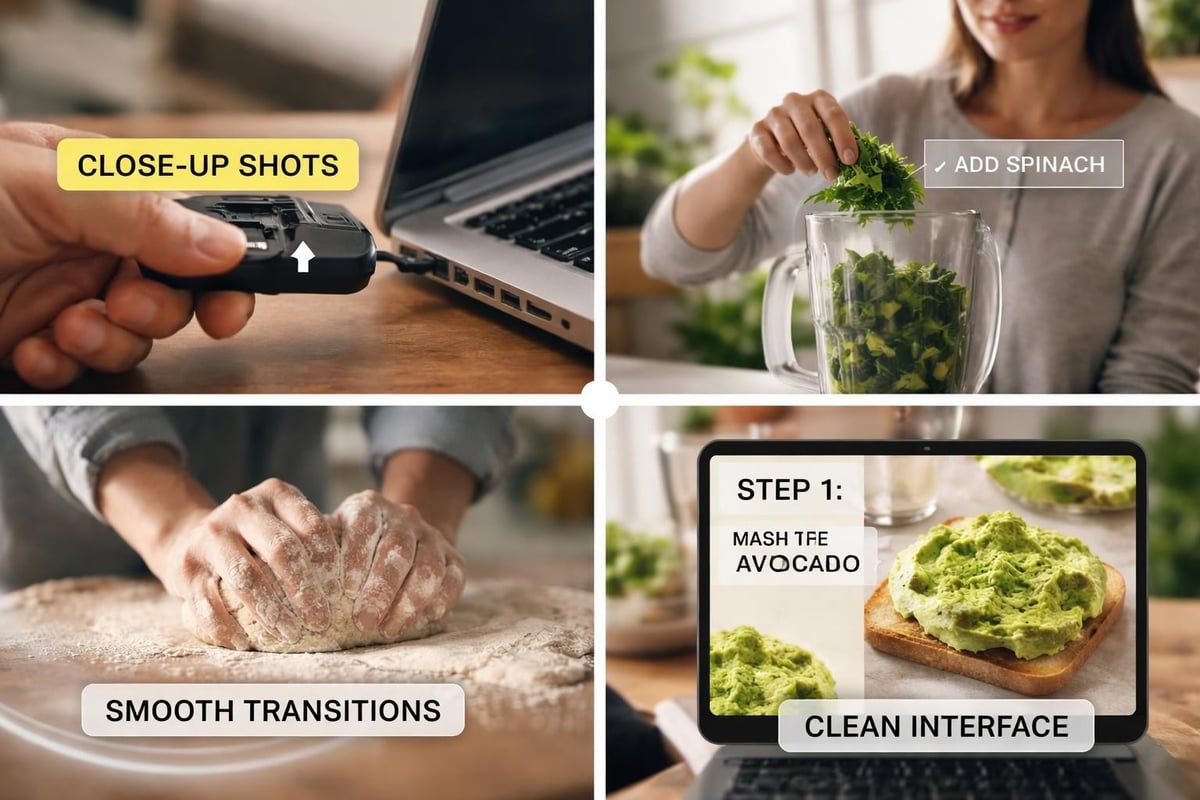
Visual clarity separates amateur demonstrations from professional productions. Every frame should serve a purpose, guiding viewers through your narrative without distraction or confusion.
Use close-ups to highlight important details, wide shots to provide context, and screen captures for software demonstrations. Graphics and annotations should enhance understanding, not clutter the screen. Consider these visual elements:
- On-screen text: Reinforce verbal explanations with concise text overlays
- Callouts and arrows: Direct attention to specific features or areas
- Color coding: Help viewers distinguish between different elements or options
- Split screens: Compare before/after or show multiple perspectives simultaneously
Lighting, audio quality, and camera stability all impact professional appearance. Even smartphone-captured demonstration videos can look polished with proper preparation, adequate lighting, and stable mounting. When considering video pricing, remember that certain production values scale with budget, but planning and creativity remain free.
Pacing and Length Optimization
Respect your viewers' time while providing sufficient detail. Most demonstration videos should run between two and five minutes, though complex topics may justify longer formats when the content remains engaging throughout.
Break longer demonstrations into chapters or segments, allowing viewers to jump to sections most relevant to their needs. This approach works particularly well for commercial video production where different stakeholders might have varying levels of familiarity with your offering.
| Length | Best Use Case | Retention Rate | Platform Fit |
|---|---|---|---|
| Under 60 seconds | Social media teasers | 85-90% | Instagram, TikTok, Twitter |
| 2-3 minutes | Product overviews | 70-75% | LinkedIn, YouTube, Website |
| 5-8 minutes | Detailed tutorials | 50-60% | YouTube, Knowledge bases |
| 10+ minutes | Comprehensive training | 35-45% | LMS platforms, Internal use |
Distribution and Optimization Strategies
Creating excellent demonstration videos is only half the equation. Strategic distribution ensures your content reaches the right audience at the right time in their decision-making process.
Multi-Platform Deployment
Different platforms serve different purposes and audiences. Your demonstration videos should be optimized for each channel where your target audience consumes content. YouTube remains the second-largest search engine, making it essential for discoverability. LinkedIn drives B2B engagement, while Instagram and TikTok capture consumer attention.
Consider creating multiple versions of the same demonstration: a comprehensive version for your website, mid-length cuts for YouTube, and short highlights for social platforms. This approach maximizes content investment while respecting platform-specific consumption patterns. Resources like video demonstration libraries show how organizations can structure extensive video collections for easy navigation and discovery.
Platform-specific optimization checklist:
- Adjust aspect ratios (16:9 for YouTube, 1:1 or 9:16 for social)
- Add platform-appropriate captions and subtitles
- Optimize thumbnails for click-through rates
- Craft compelling titles with search intent in mind
- Include relevant hashtags and keywords in descriptions
SEO and Searchability
Demonstration videos contribute significantly to search engine optimization when properly tagged, titled, and described. Video content increases time-on-page metrics, reduces bounce rates, and provides rich media that search engines value.
Create detailed video descriptions that include relevant keywords, link to related resources, and provide timestamps for major sections. Upload transcripts to improve accessibility and provide additional text for search engines to index. Consider embedding demonstration videos on service pages, product listings, and blog content to enhance those pages' search performance.
Integration with Sales and Marketing
Demonstration videos should integrate seamlessly into your broader sales and marketing ecosystem. Equip sales teams with a library of demonstrations they can share based on prospect needs. Include videos in email nurture sequences, embedding them at strategic points in the customer journey.
Track which videos prospects watch, how long they engage, and where they drop off. This data reveals content gaps, identifies high-intent prospects, and informs future video creation. Many businesses discover that video engagement correlates directly with purchase probability, making it a valuable qualification metric.
Measuring Demonstration Video Performance
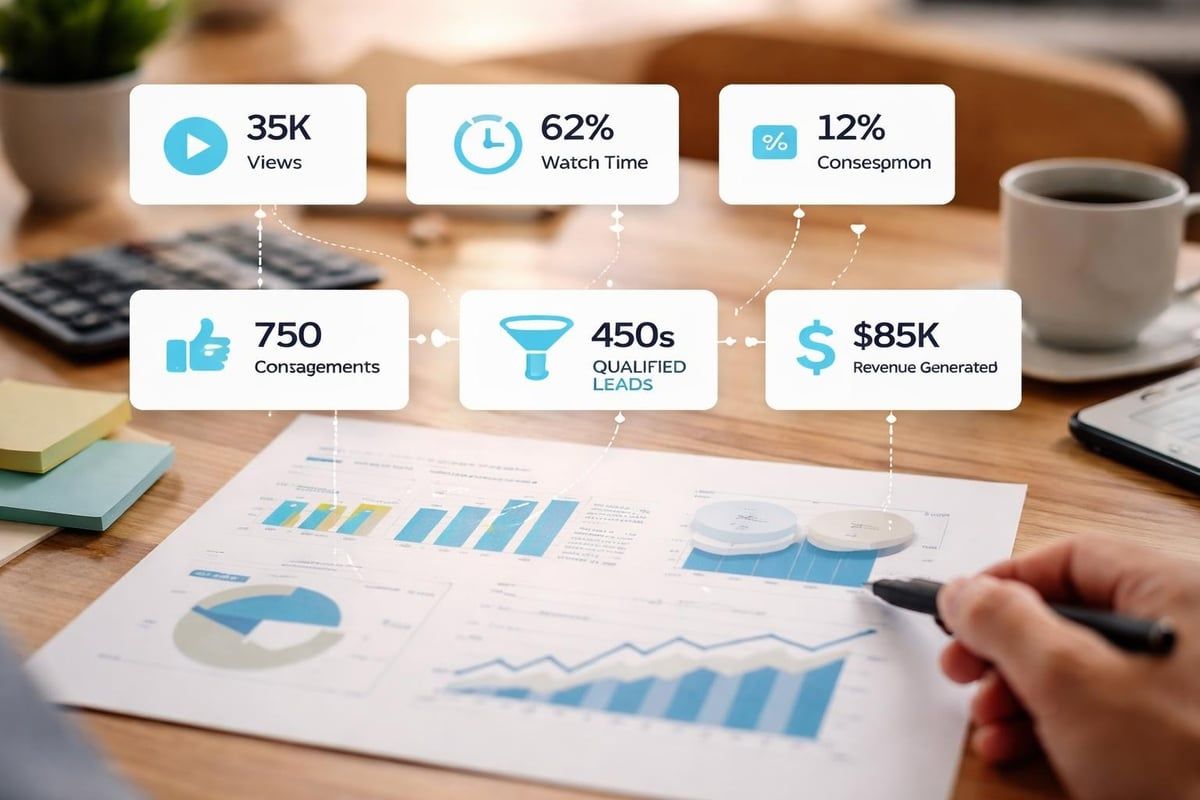
What gets measured gets improved. Tracking the right metrics helps you understand which demonstration videos drive business results and which need refinement.
Engagement Metrics That Matter
Views tell you reach, but engagement reveals impact. Watch time percentage indicates how compelling your content is-if viewers drop off after 30 seconds, your hook isn't working. Average view duration helps you identify exactly where attention wanes.
Critical engagement indicators:
- Watch-through rate: Percentage of viewers who watch to completion
- Engagement rate: Likes, comments, shares relative to views
- Click-through rate: How many viewers take your suggested next action
- Replay rate: Viewers who watch multiple times (indicates high value)
Different demonstration video types warrant different success metrics. Training videos should prioritize completion rates and knowledge retention, while product demos should focus on conversion and sales pipeline impact.
Conversion Tracking
The ultimate measure of demonstration video success is business impact. Track how many viewers convert to leads, request demos, or make purchases after watching. Use UTM parameters, custom landing pages, or marketing automation to connect video views with business outcomes.
Set up conversion goals in your analytics platform that correspond to your business objectives. For B2B companies, this might mean tracking demo requests or sales qualified leads. For e-commerce businesses, it could mean adding to cart or completed purchases. Understanding corporate video benefits requires connecting content to measurable business results.
A/B Testing and Iteration
Treat demonstration videos as living assets, not one-time creations. Test different approaches to identify what resonates most effectively with your audience. Variables worth testing include:
| Element | Test Variations | Potential Impact |
|---|---|---|
| Hook | Problem-focused vs. solution-focused | 25-40% retention difference |
| Length | Comprehensive vs. concise versions | 15-30% completion rate change |
| Presenter | Voiceover vs. on-camera talent | 10-20% engagement shift |
| CTA placement | Mid-video vs. end-only | 20-35% action rate variance |
Small adjustments often yield significant performance improvements. Even changing thumbnail images can dramatically impact click-through rates and initial engagement.
Emerging Trends in Demonstration Videos
The demonstration video landscape continues evolving as technology advances and audience expectations shift. Staying current with trends positions your business as innovative and customer-focused.
Interactive and Personalized Demonstrations
Interactive video technology allows viewers to choose their own path through demonstrations, selecting features most relevant to their needs. This personalization increases engagement and delivers more targeted information than linear videos.
Branching narratives, clickable hotspots, and embedded forms transform passive viewing into active exploration. While these technologies require more sophisticated production, they deliver measurably better results for complex products with diverse use cases.
Augmented Reality Integration
AR-enhanced demonstration videos allow viewers to visualize products in their own environments before purchasing. This trend has accelerated particularly in furniture, home improvement, and fashion industries, but applications extend across nearly every sector.
As AR technology becomes more accessible through smartphones and tablets, demonstration videos incorporating these elements will become increasingly common and expected.
User-Generated Demonstrations
Authentic customer demonstrations often outperform polished corporate productions in terms of trust and relatability. Encouraging satisfied customers to create their own demonstration videos generates social proof while expanding your content library at minimal cost.
These videos work particularly well as testimonials or case studies, showing real people solving real problems with your products. Similar to how registry demonstration videos help users navigate complex systems, customer-created content helps prospects understand practical applications from peer perspectives.
Industry-Specific Demonstration Approaches
Different industries require tailored demonstration approaches that address sector-specific challenges, regulations, and audience expectations.
Healthcare and Medical Demonstrations
Healthcare demonstration videos must balance clarity with compliance, ensuring accuracy while respecting patient privacy. Videos like those used for clinical data collection training demonstrate sensitive procedures while maintaining professional standards.
Medical device manufacturers use demonstration videos to train healthcare providers on proper usage, while pharmaceutical companies create patient education content that simplifies complex treatment protocols.
Software and Technology Demonstrations
SaaS and technology companies rely heavily on demonstration videos to showcase interface functionality, explain integration capabilities, and reduce customer support burdens. Screen recordings combined with clear narration help users navigate complex systems independently.
Tutorial series, feature spotlights, and troubleshooting guides form comprehensive knowledge bases that improve user experience while reducing support costs. The most effective technology demonstrations anticipate user questions and address them proactively.
Manufacturing and Industrial Applications
Industrial demonstrations showcase equipment operation, safety protocols, and maintenance procedures. These videos serve dual purposes: marketing to potential buyers and training existing customers on proper usage.
High-quality industrial demonstration videos reduce liability risks by documenting proper procedures and providing consistent training across locations and shifts.
Demonstration videos represent one of the highest-ROI content investments businesses can make, driving engagement, accelerating sales cycles, and building lasting customer relationships through transparent, valuable communication. Whether you're showcasing complex software, training employees, or launching new products, the right video approach connects with audiences in ways text and static images never could. Viva Media specializes in creating demonstration videos that deliver measurable business results for Toronto-area companies and beyond, combining strategic planning with production excellence to engineer content that converts viewers into customers. Ready to transform how your business communicates? Let's create demonstration videos that drive real growth.