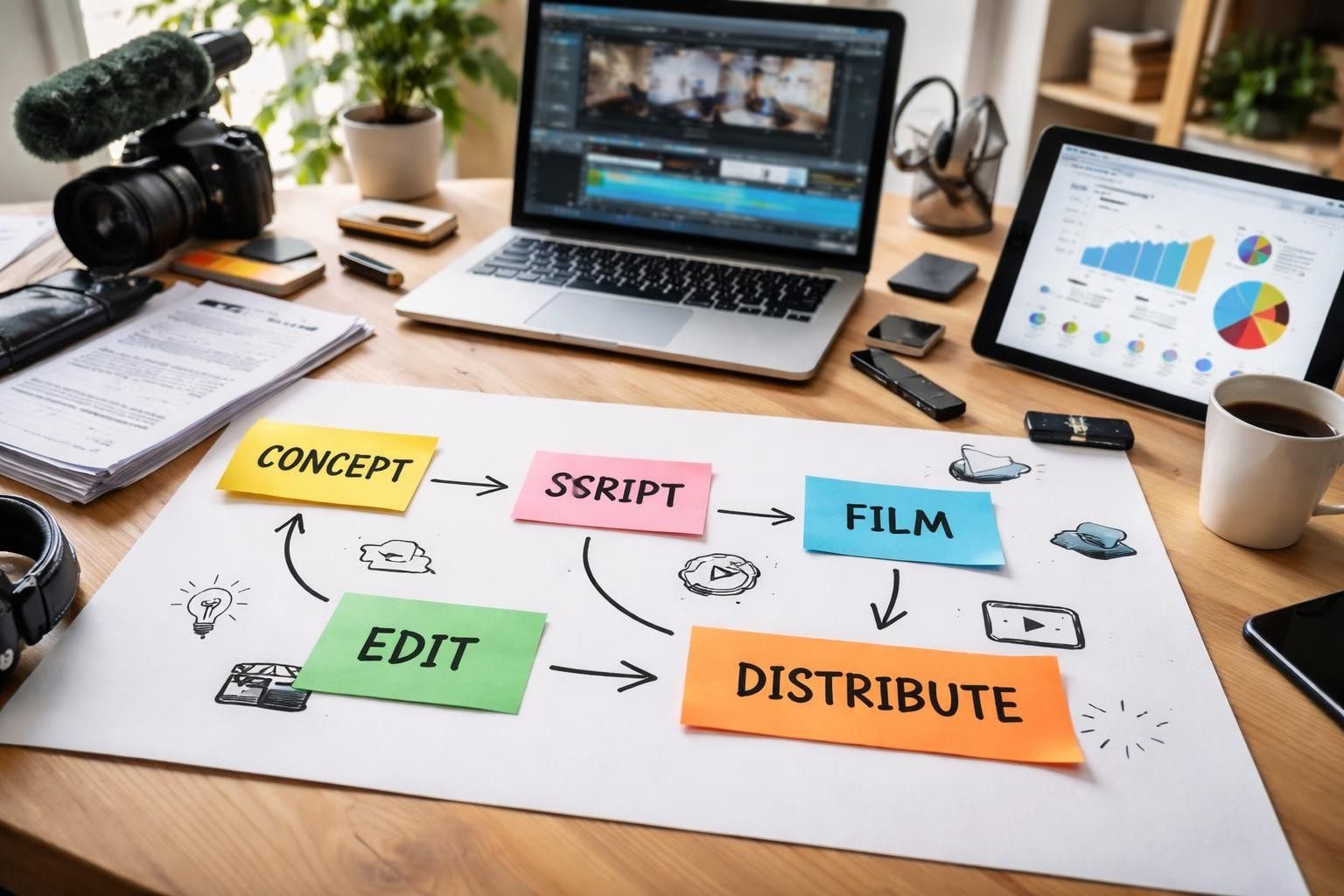

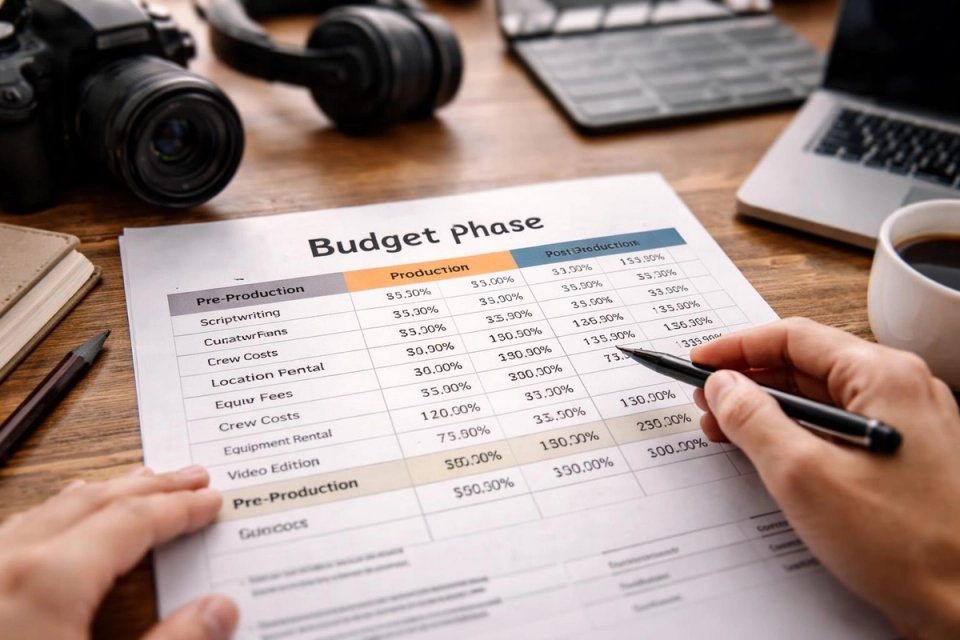
Understanding corporate video production cost is essential for businesses planning to invest in professional video content in 2026. Whether you're creating training videos, brand documentaries, or executive communications, the financial investment varies dramatically based on numerous factors. This comprehensive guide breaks down everything you need to know about budgeting for corporate video projects, from initial planning through final delivery, helping you make informed decisions that align with your business objectives and deliver measurable returns.
Understanding the Core Components of Production Costs
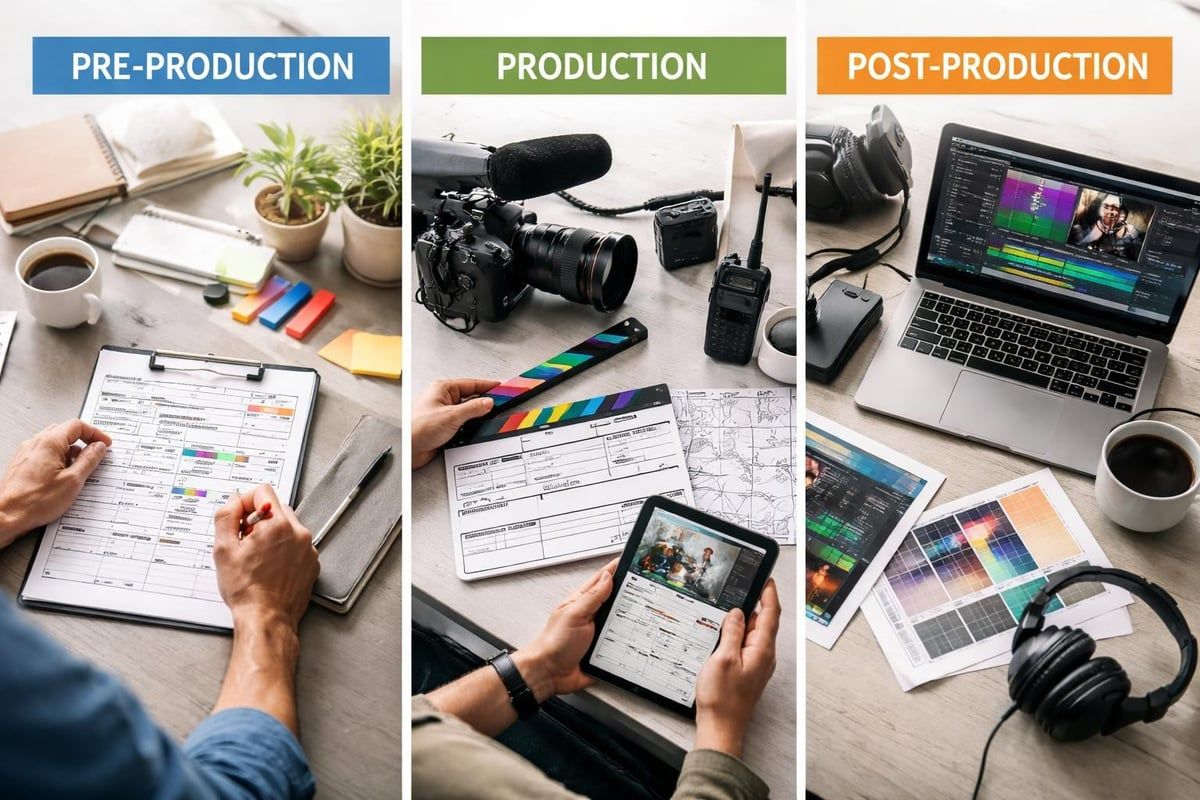
Every corporate video project consists of three distinct phases, each contributing significantly to the overall budget. Pre-production encompasses all planning activities, including scripting, storyboarding, location scouting, and casting. Production covers the actual filming day or days, including crew, equipment, and talent. Post-production involves editing, color grading, sound design, and final delivery.
The distribution of costs across these phases typically follows a 20-30-50 pattern, with pre-production taking 20%, production 30%, and post-production consuming roughly 50% of the total budget. However, this ratio shifts based on project complexity and creative requirements.
Pre-Production Planning Expenses
Pre-production might seem like the smallest cost component, but cutting corners here creates expensive problems later. Professional scriptwriting services range from $1,500 to $5,000 depending on video complexity and length. Detailed pre-production planning ensures your message resonates with target audiences and prevents costly reshoots.
Key pre-production cost factors include:
- Creative development and concept refinement
- Script writing and approval cycles
- Storyboard creation and shot list development
- Location scouting and permit acquisition
- Casting professional talent or coordinating internal staff
- Production timeline scheduling and logistics planning
Companies that invest adequate time and resources in pre-production typically save 30-40% on overall production costs by avoiding unnecessary filming days and post-production revisions. When working with corporate video production services in Toronto, expect detailed pre-production proposals outlining every cost element.
Production Day Cost Variables
The actual filming represents the most visible expense in any corporate video project. Daily crew rates in Toronto range from $3,000 for a basic two-person team to $15,000+ for comprehensive productions requiring multiple camera operators, audio technicians, gaffers, and production assistants.
Equipment costs add another significant layer. Basic camera packages start around $500 per day, while high-end cinema cameras with specialized lenses, lighting kits, and stabilization equipment can exceed $3,000 daily. Understanding production rates helps businesses evaluate quotes and ensure transparent pricing.
| Production Scale | Crew Size | Equipment Level | Daily Rate Range |
|---|---|---|---|
| Basic | 1-2 people | DSLR/mirrorless | $2,000-$4,000 |
| Standard | 3-5 people | Professional cinema | $5,000-$10,000 |
| Premium | 6-10 people | High-end cinema + specialty | $12,000-$25,000 |
| Broadcast | 10+ people | Broadcast + extensive gear | $25,000+ |
Location and Talent Considerations
Account for each filming location in the estimate. Ask the production team to include travel, setup and breakdown time, and identify any location fees or permit requirements that apply to the proposed shoot.
Professional talent expenses vary widely based on experience and usage rights. A corporate spokesperson might charge $500-$2,000 for a single day, while experienced actors for commercial use command $2,000-$10,000 depending on distribution scope. Many companies reduce costs by featuring internal staff rather than hiring external talent, though this requires additional coaching time and may extend filming schedules.
Post-Production: Where Quality Gets Defined
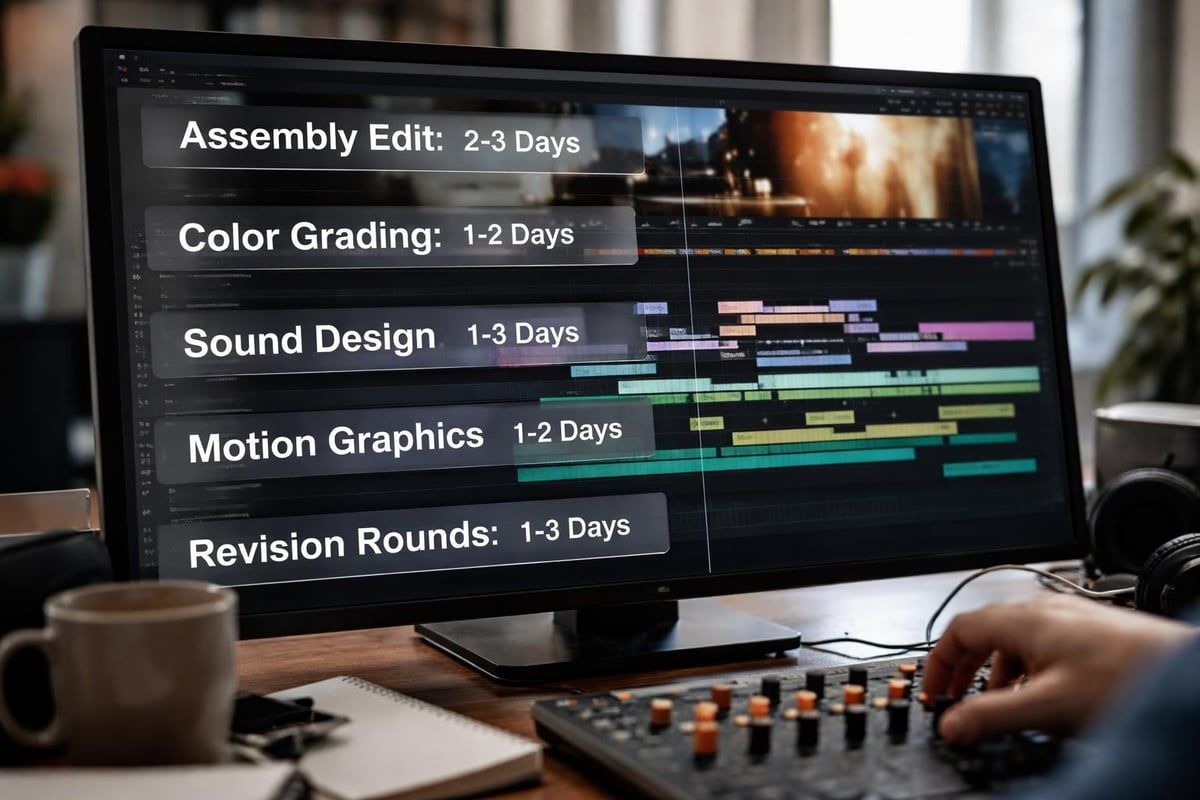
Post-production transforms raw footage into polished, professional content that represents your brand. This phase typically consumes the largest portion of your budget because it's where creative vision becomes reality through editing, color correction, sound design, motion graphics, and final delivery.
Basic editing services start around $75-$150 per hour, with complete projects ranging from $2,000 for simple edits to $20,000+ for complex productions requiring extensive motion graphics, custom animation, and sophisticated sound design. Corporate video pricing varies significantly based on the complexity of post-production requirements.
Common post-production expenses include:
- Video editing and assembly
- Color grading and correction
- Sound mixing and audio enhancement
- Music licensing and custom composition
- Motion graphics and title design
- Visual effects and compositing
- Revisions and client feedback cycles
- Final rendering and multi-format delivery
The revision process significantly affects post-production costs. Professional studios typically include 2-3 revision rounds in their base pricing, with additional changes billed hourly. Clear communication during pre-production and detailed approval processes minimize revision costs.
Video Type and Length Impact on Pricing
Different corporate video formats carry distinct cost profiles based on production complexity and viewer expectations. A simple executive message filmed in one location requires minimal resources compared to a comprehensive brand documentary featuring multiple interviews, locations, and historical footage.
Common corporate video types and typical budget ranges:
- Executive communications: $3,000-$8,000 (single location, prompter, minimal editing)
- Company culture videos: $5,000-$15,000 (multiple locations, b-roll, interviews)
- Product demonstrations: $4,000-$12,000 (detailed shots, graphics, technical accuracy)
- Training videos: $5,000-$20,000 (multiple modules, graphics, interactive elements)
- Brand documentaries: $15,000-$50,000+ (extensive filming, storytelling, high production value)
Video length directly correlates with editing time and overall corporate video production cost. However, the relationship isn't linear. A three-minute video doesn't cost three times more than a one-minute video because setup, planning, and base production costs remain constant. Detailed cost breakdowns by video format help businesses understand pricing variations.
The False Economy of Video Length
Many businesses request shorter videos to reduce costs, but this approach often backfires. A 30-second video with the same production quality as a two-minute video might save 20% on editing but requires identical filming day costs, pre-production planning, and creative development. The sweet spot for cost efficiency typically falls between 90 seconds and three minutes, where production value justifies the investment while maintaining viewer engagement.
Quality Tiers and Their Cost Implications
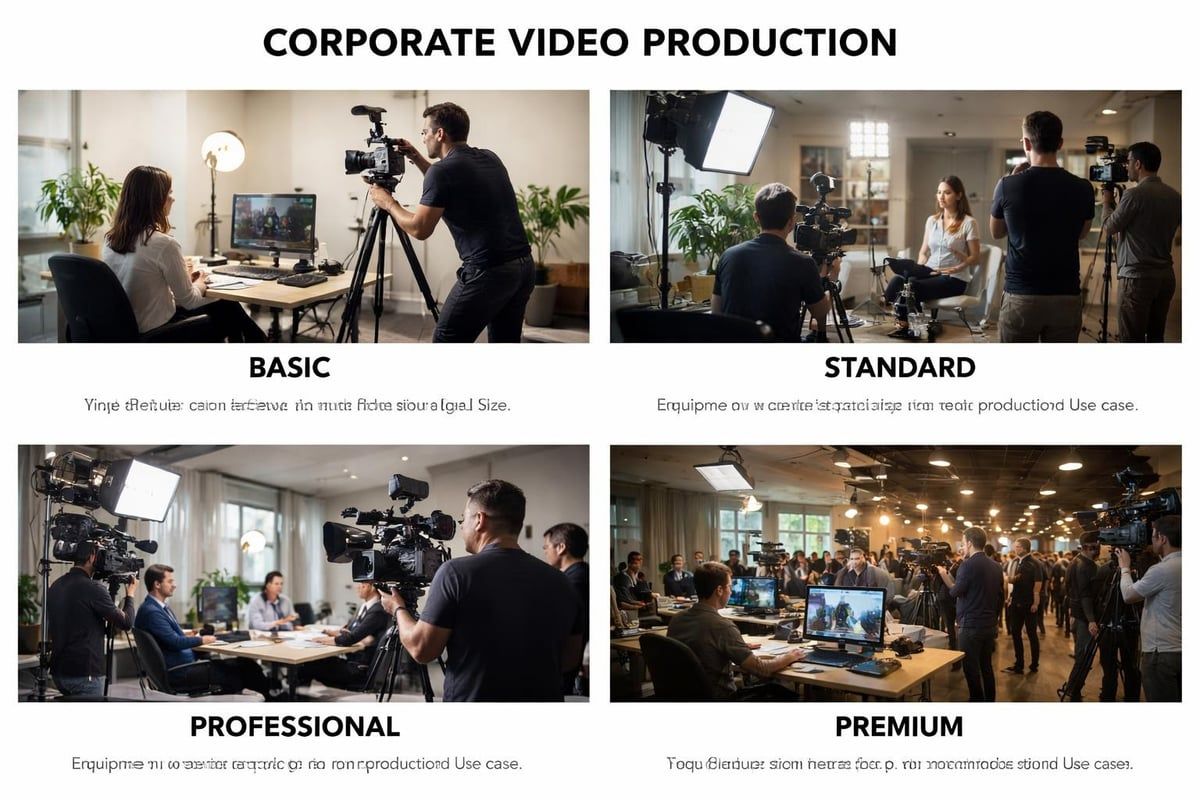
Corporate video production exists across a quality spectrum from basic smartphone footage to broadcast-level cinema production. Understanding these tiers helps align budget expectations with desired outcomes and brand positioning.
| Quality Tier | Characteristics | Typical Budget | Best Use Cases |
|---|---|---|---|
| Basic | Single camera, natural light, basic editing | $2,000-$5,000 | Internal training, quick updates |
| Professional | Multi-camera, professional lighting, polished editing | $5,000-$15,000 | Corporate communications, recruiting |
| Premium | Cinema cameras, advanced lighting, extensive post | $15,000-$35,000 | Marketing campaigns, brand films |
| Broadcast | High-end equipment, large crew, sophisticated post | $35,000+ | National campaigns, major announcements |
The impact of production quality on pricing extends beyond equipment to expertise. A seasoned director of photography commands higher rates but delivers superior results with fewer takes, potentially reducing overall filming time. Similarly, experienced editors work more efficiently, completing complex projects faster than less experienced professionals.
Hidden Costs That Surprise Businesses
Beyond the obvious expenses of crew, equipment, and editing, several hidden costs catch businesses off-guard during corporate video projects. Understanding these additional expenses prevents budget overruns and project delays.
Frequently overlooked cost factors:
- Music licensing fees ($200-$2,000 depending on track and usage)
- Stock footage purchases ($50-$500 per clip)
- Travel expenses for crew and equipment
- Catering and hospitality for filming days
- Parking and location access fees
- Insurance and permits
- File storage and project archiving
- Rush fees for accelerated timelines
Music licensing deserves special attention because it varies dramatically based on usage rights. A track for internal use only might cost $200, while the same music licensed for broadcast or extensive web distribution can exceed $2,000. Many video production companies include stock music libraries in their packages, providing cost-effective alternatives to custom compositions.
Rush Fees and Timeline Considerations
Project timelines significantly impact corporate video production cost. Standard production schedules allow crews to work normal hours and editors to manage multiple projects efficiently. Rush projects requiring weekend filming, overnight editing, or priority scheduling typically carry 25-50% premium fees.
A typical corporate video timeline spans 4-8 weeks from initial consultation to final delivery. Requesting completion in 2 weeks doesn't halve the cost; it increases it because teams must reorganize schedules, potentially decline other work, and work extended hours to meet deadlines.
Maximizing ROI Through Strategic Investment
Smart businesses view corporate video production cost as an investment rather than an expense. A well-produced video generates value for years through multiple uses, repurposing opportunities, and cumulative audience reach.
Multi-Video Packages and Volume Discounts
Producing multiple videos simultaneously reduces per-video costs by 20-40%. When crews and equipment are already on-site, filming additional content requires minimal incremental investment. A company culture video shoot can easily accommodate safety training footage, executive messages, and facility tours with proper planning.
Strategies for maximizing production budgets:
- Bundle multiple video projects in single production days
- Create modular content that supports various campaigns
- Plan annual video calendars to optimize production efficiency
- Invest in master footage libraries for future repurposing
- Develop relationships with production partners for ongoing work
- Consider retainer agreements for consistent monthly content
Working with commercial video production specialists who understand business objectives helps identify opportunities for content multiplication. A single filming day can yield 5-10 short-form videos for social media alongside one comprehensive long-form piece.
DIY Versus Professional Production Trade-offs
The accessibility of quality video equipment tempts many businesses to attempt in-house production. While this approach works for certain applications, understanding the true cost comparison requires honest assessment of internal capabilities, time investment, and opportunity costs.
A basic professional camera kit costs $3,000-$8,000, with necessary accessories, lighting, and audio equipment adding another $2,000-$5,000. Software subscriptions for editing run $600-$1,200 annually. However, equipment represents only a fraction of true production costs.
Staff time learning equipment operation, shooting techniques, and editing software consumes dozens of hours before producing acceptable results. Questions to ask before hiring a video production company include whether internal resources could be better allocated to core business activities rather than developing video production skills.
When Internal Production Makes Sense
Certain video applications justify internal production capabilities, particularly high-volume, quick-turnaround content where production polish matters less than message timeliness. Employee announcements, facility updates, and informal team communications fall into this category.
However, external-facing brand content, marketing videos, and high-stakes communications warrant professional production. The quality differential between amateur and professional work remains immediately apparent to audiences, affecting brand perception and message credibility.
Geographic Location and Market Rates
Corporate video production cost varies significantly by market. Toronto video production rates reflect the city's status as Canada's largest media market, with crew costs, studio rentals, and living expenses influencing pricing structures.
Major market rates typically run 20-30% higher than secondary markets due to deeper talent pools, higher living costs, and greater demand. However, this premium often delivers superior expertise, equipment access, and production efficiency that justifies the investment.
Companies should evaluate video production pricing within their specific market context while recognizing that remote production capabilities have expanded geographic options. Some businesses fly in crews from lower-cost markets, though travel expenses and logistical complexity often negate apparent savings.
Technology Evolution and Cost Implications
The corporate video production landscape continues evolving rapidly through technological advancement. Cinema-quality cameras now fit in backpacks, AI-powered editing tools accelerate post-production, and remote collaboration enables distributed production teams.
These technological shifts create both opportunities and challenges for budget planning. Equipment costs decrease while capability increases, yet client expectations rise correspondingly. A video that would have impressed audiences three years ago now appears dated because production standards continue advancing.
Understanding how AI-generated videos impact budgets helps businesses evaluate emerging technologies. While AI tools streamline certain production elements, they supplement rather than replace human creativity, storytelling ability, and strategic thinking.
Future-Proofing Your Video Investment
Smart budgeting includes planning for content longevity and adaptation. Requesting master files in high-resolution formats ensures videos remain usable as delivery platforms evolve. Obtaining comprehensive usage rights prevents licensing limitations from requiring expensive re-edits or reshoots.
Consider how video content will be repurposed across channels, adapted for different audiences, and updated over time. Upfront investment in modular editing, versioning capabilities, and comprehensive footage libraries pays dividends through extended content utility.
Budget Allocation Frameworks for Different Business Sizes
Corporate video production cost allocation should reflect company size, industry, and marketing priorities. A startup allocating its first marketing budget approaches video investment differently than an established enterprise with comprehensive content calendars.
Recommended annual video budget guidelines:
- Small businesses (under $2M revenue): 5-10% of marketing budget, focusing on foundational brand and service explanation videos
- Mid-size companies ($2M-$50M revenue): 10-20% of marketing budget, building comprehensive video libraries across customer journey stages
- Enterprise ($50M+ revenue): 15-30% of marketing budget, maintaining consistent content production and testing multiple approaches
These percentages translate differently based on overall marketing investment. A company spending $100,000 annually on marketing might allocate $10,000-$20,000 to video production, yielding 2-4 professional videos yearly or 12-24 shorter social media pieces.
Working with experienced Toronto-based production teams helps optimize budget allocation across content types, ensuring strategic investment in high-impact videos while maintaining cost efficiency for supporting content.
Negotiating and Evaluating Production Quotes
Understanding what impacts corporate video production cost empowers effective vendor negotiations and quote evaluation. Professional production companies provide detailed estimates breaking down every cost component, from pre-production planning through final delivery.
Red flags when reviewing quotes include vague line items, unexplained markup percentages, and missing deliverables. Reputable producers clearly itemize crew rates, equipment costs, editing hours, and revision policies. They explain what's included in base pricing and what constitutes additional charges.
Key Questions When Evaluating Quotes
Before committing to a production partner, clarify these critical elements:
- How many revision rounds are included?
- What file formats and resolutions will be delivered?
- Who owns the raw footage and final video?
- What happens if filming extends beyond scheduled time?
- Are music licensing and stock footage included?
- What is the payment schedule and cancellation policy?
Transparent communication about project scope, expectations, and constraints leads to accurate quotes and successful partnerships. The lowest bid rarely delivers the best value when quality, reliability, and strategic thinking are considered.
Scope Creep and Change Management
Even with detailed planning, project requirements sometimes evolve during production. Understanding how changes affect corporate video production cost prevents budget overruns and maintains positive client-vendor relationships.
Professional studios establish clear change order processes, documenting scope modifications and associated cost impacts before proceeding. Adding a filming location, incorporating additional interviews, or requesting complex motion graphics all carry budget implications that should be addressed immediately rather than discovered during final invoicing.
Building 10-15% contingency into initial budgets accommodates minor adjustments without derailing financial planning. Larger scope changes require budget amendments and timeline adjustments, but transparent communication ensures alignment between creative vision and financial reality.
Understanding corporate video production cost enables strategic investment in content that drives measurable business results. By recognizing the factors influencing pricing across pre-production planning, filming execution, and post-production refinement, businesses can budget effectively and maximize return on investment. When you're ready to create high-performance video content that delivers real ROI for your business, Viva Media brings Toronto-based expertise and strategic thinking to every project, transforming marketing objectives into attention-grabbing visual experiences that generate results.