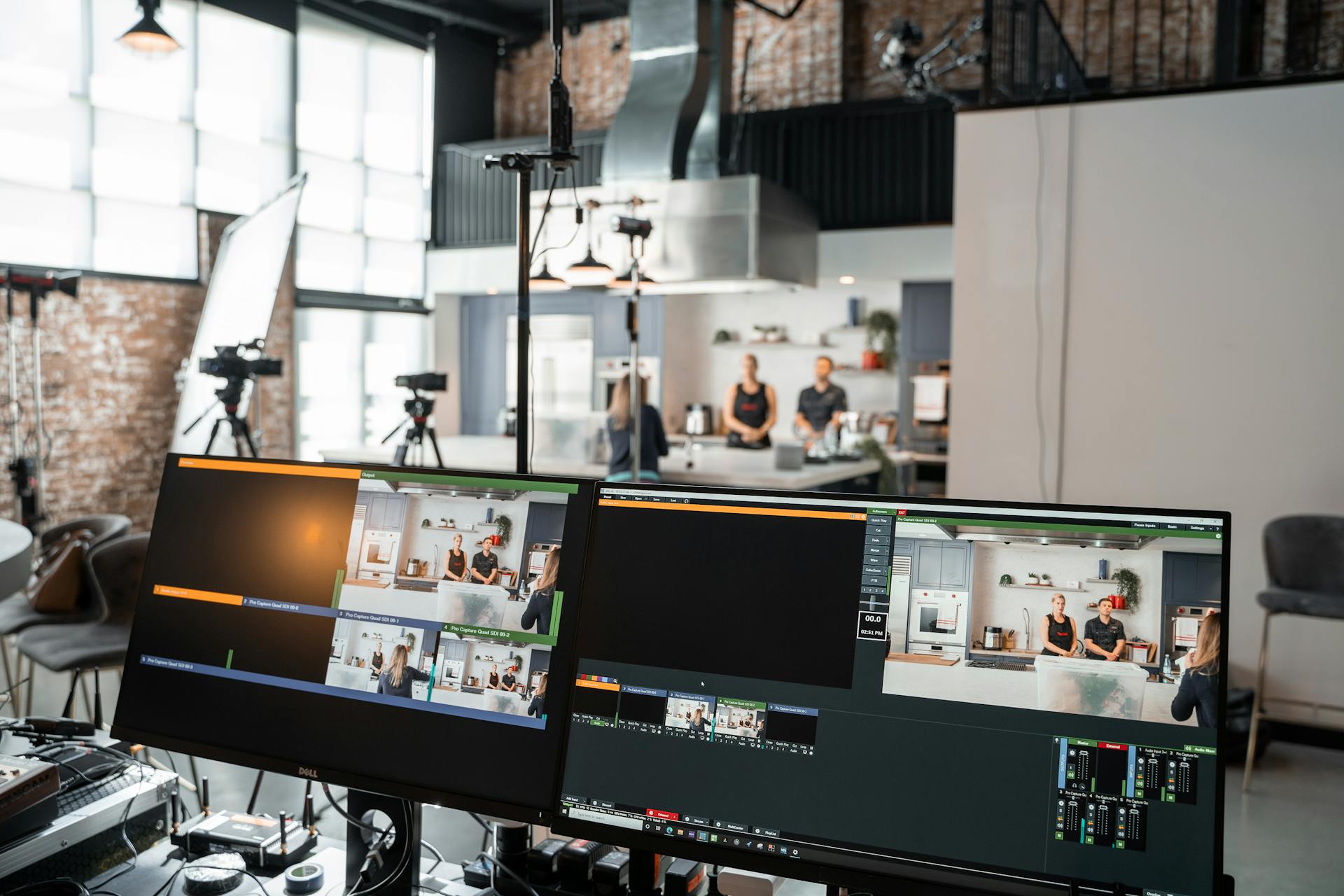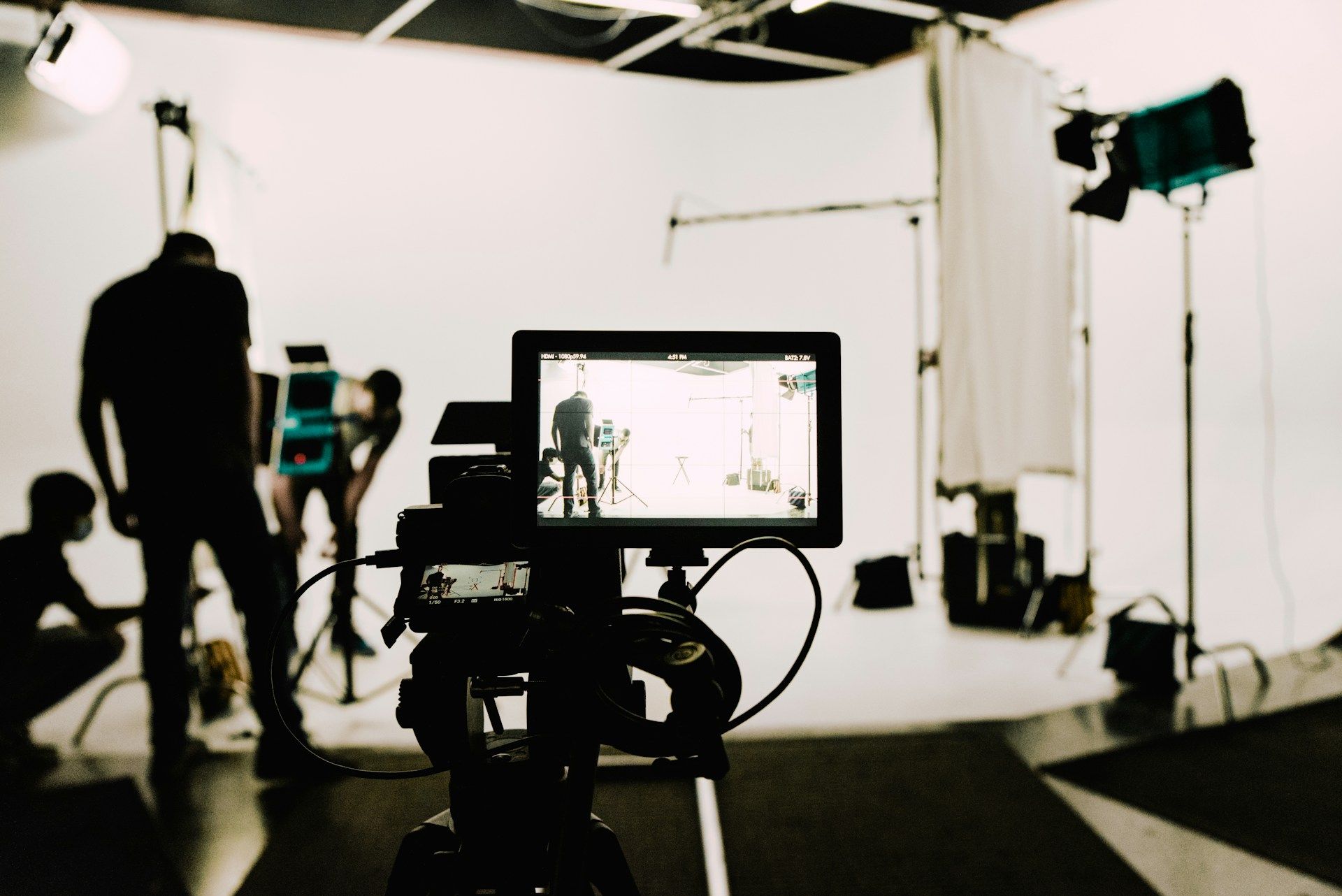

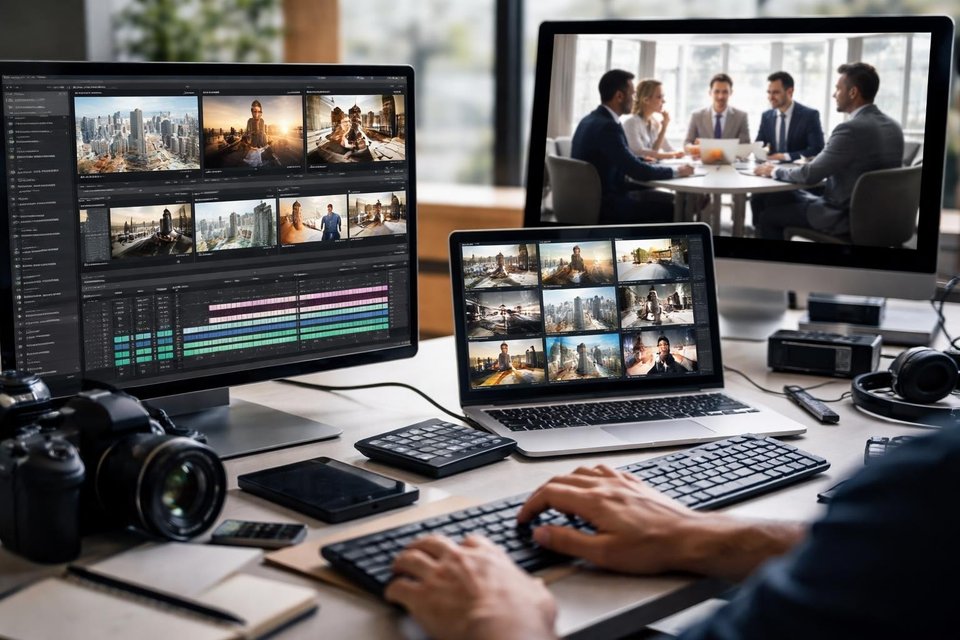
Video production in 2026 demands efficiency, creativity, and strategic resource allocation. For businesses throughout the Greater Toronto Area and beyond, understanding how to leverage clip footage effectively can mean the difference between a project that delivers measurable ROI and one that drains budgets without results. Clip footage, whether sourced from stock libraries, archival collections, or custom shoots, represents pre-recorded video segments that can be integrated into larger productions to enhance storytelling, reduce production costs, and accelerate timelines. This comprehensive guide explores how forward-thinking brands can maximize the value of clip footage in their video marketing strategies.
Understanding Clip Footage in Modern Video Production
Clip footage encompasses any pre-recorded video segment used within a larger production context. These clips range from establishing shots of cityscapes to detailed product demonstrations, from historical archival material to contemporary lifestyle footage.
The fundamental value proposition centers on efficiency and accessibility. Rather than organizing complex shoots for every visual element, production teams can strategically incorporate high-quality clips that complement original footage. This approach proves particularly valuable for corporate video production where timelines are tight and budgets require careful management.
Types of Clip Footage Available
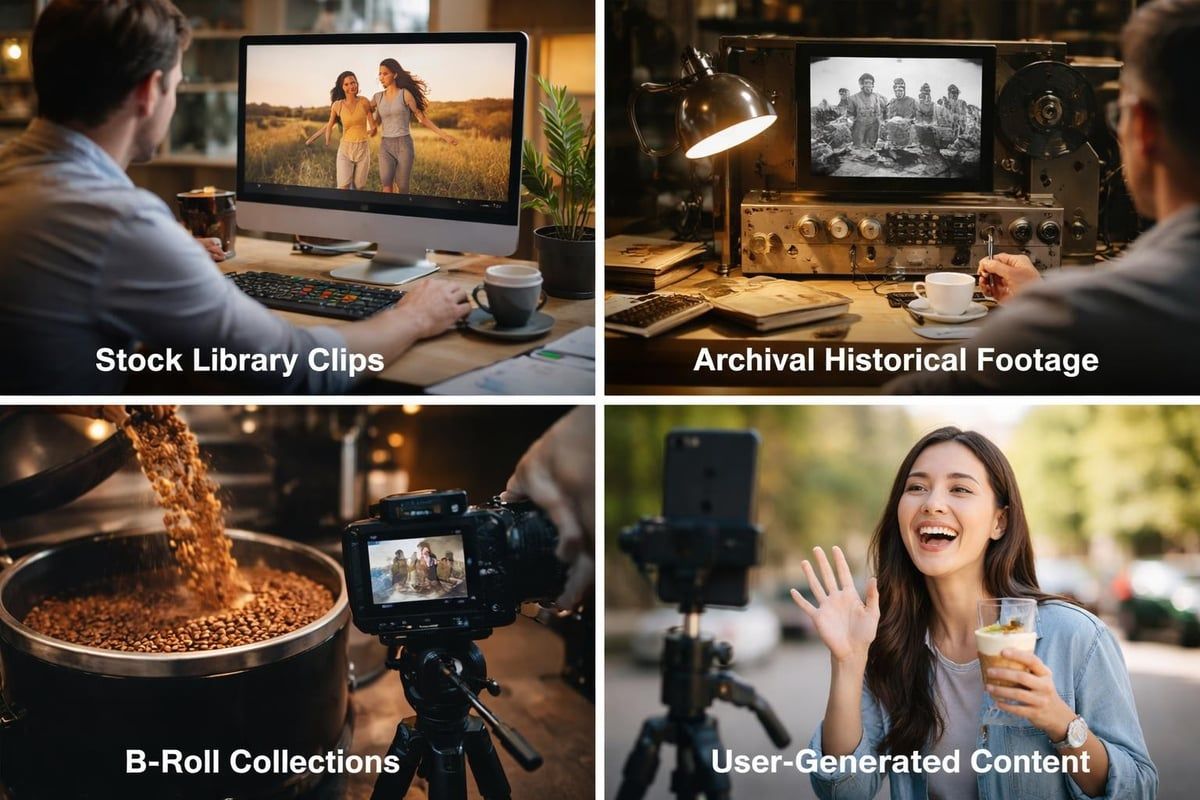
Stock footage represents the most accessible category, available through commercial libraries offering millions of clips across countless categories. These professionally shot segments cover virtually every subject imaginable, from business environments to natural landscapes.
Archival footage provides historical context and authenticity. Organizations seeking to establish credibility or tell stories rooted in specific time periods often license footage from archival sources that maintain historical collections.
B-roll libraries contain supplementary footage shot during productions but not used in final edits. Many production companies maintain extensive b-roll collections that can be repurposed across multiple projects.
User-generated content increasingly serves as clip footage, particularly for brands building authentic connections with audiences through social media campaigns.
Strategic Benefits for Business Video Content
Integrating clip footage into video production workflows delivers quantifiable advantages that directly impact project outcomes and business results.
Cost Efficiency and Budget Optimization
Reduced production expenses rank among the most compelling benefits. Consider these financial impacts:
- Elimination of location fees for establishing shots
- Reduced crew requirements for supplementary footage
- Lower equipment rental costs for specialized shots
- Decreased post-production time through ready-to-use assets
A commercial production requiring aerial city views, for example, can incorporate licensed drone footage rather than hiring a specialized aerial crew. This single decision might save $3,000-$8,000 while delivering equivalent visual impact.
Time Savings and Accelerated Delivery
Production timelines compress significantly when teams leverage existing clip footage strategically. Projects that might require weeks of scheduling, shooting, and editing can be completed in days when high-quality clips fill content gaps.
| Production Element | Traditional Shoot | Using Clip Footage | Time Saved |
|---|---|---|---|
| Location scouting | 3-5 days | 0 days | 3-5 days |
| Crew scheduling | 2-3 days | 0 days | 2-3 days |
| Shoot day(s) | 1-3 days | 0 days | 1-3 days |
| Post-production | 5-7 days | 2-3 days | 3-4 days |
| Total Timeline | 11-18 days | 2-3 days | 9-15 days |
This acceleration proves particularly valuable for commercial video production where market windows demand rapid content deployment.
Licensing Considerations and Legal Compliance
Understanding licensing structures ensures legal compliance and protects both production companies and clients from costly disputes. The licensing landscape for video footage has evolved considerably, requiring careful attention to rights and restrictions.
Royalty-Free vs. Rights-Managed Licenses
Royalty-free licenses grant perpetual usage rights following a one-time payment. These licenses typically permit unlimited uses within specified parameters, making them cost-effective for ongoing campaigns and multiple distribution channels.
Rights-managed licenses calculate fees based on specific usage factors including duration, geographic distribution, and media platforms. While potentially more expensive for broad applications, they offer exclusivity options valuable for major campaigns.
Understanding licensing fundamentals prevents common pitfalls that can derail projects or expose clients to legal liability.
Essential Licensing Terms to Verify
Before incorporating any clip footage into client projects, production teams must confirm:
- Usage rights scope - Which platforms and distribution channels are permitted
- Geographic restrictions - Whether usage is limited to specific regions or countries
- Duration limits - How long the footage can be used before license renewal
- Modification permissions - Whether clips can be edited, color-graded, or otherwise altered
- Attribution requirements - If creator credits must appear in final productions
When working with a creative video agency, clients should expect transparent communication about licensing costs and restrictions incorporated into project estimates.
Technical Quality Standards and Specifications
Clip footage must meet rigorous technical standards to integrate seamlessly with original production footage and deliver professional results across distribution platforms.
Resolution and Format Requirements
4K resolution (3840 x 2160 pixels) has become the baseline standard for professional productions in 2026. However, projects destined for specific platforms may require different specifications:
- Social media content: 1080p often sufficient
- Broadcast television: 4K minimum
- Cinema releases: 4K or higher
- Web streaming: 1080p to 4K depending on platform
Common resolution and aspect ratio issues can compromise footage usability. Production teams must verify that clip footage specifications match project delivery requirements before licensing.
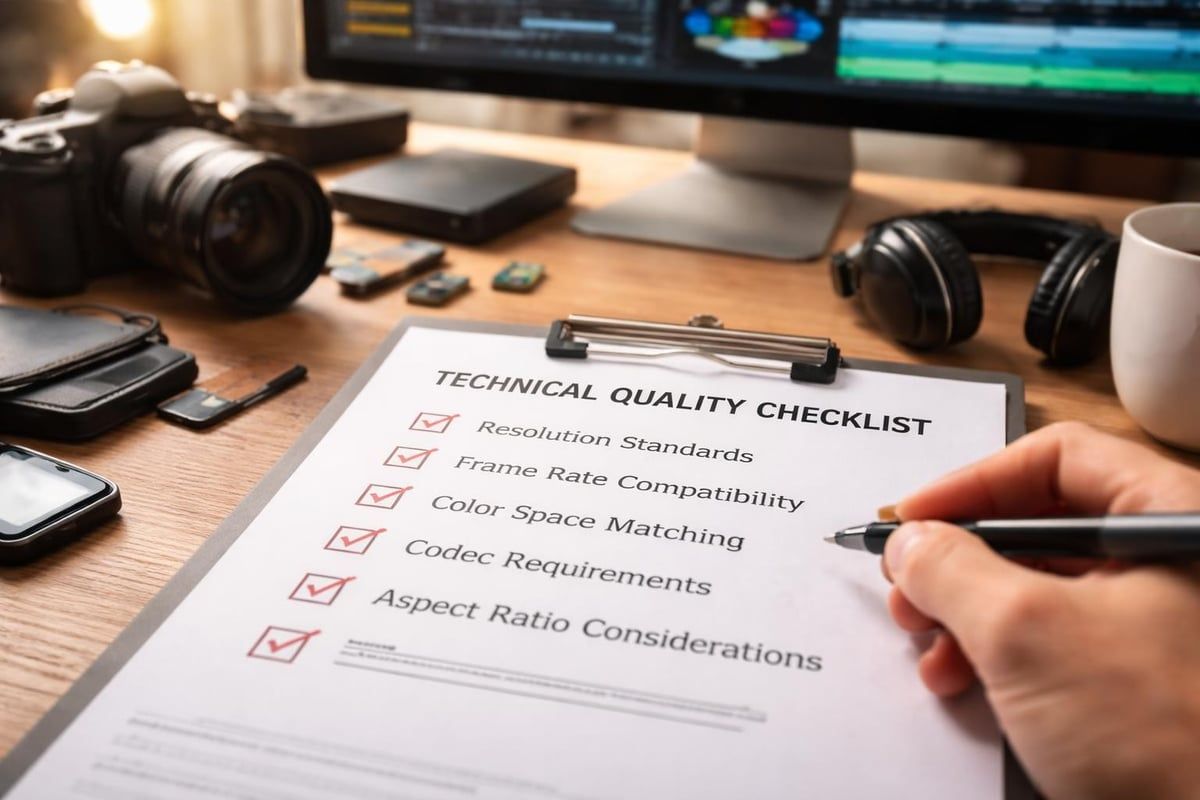
Frame Rate Compatibility
Matching frame rates ensures smooth integration and prevents visual inconsistencies:
- 24 fps: Cinematic standard for film-style productions
- 30 fps: Common for broadcast and web content
- 60 fps: Smooth motion for action sequences and sports
- 120 fps: Slow-motion capabilities when time-stretched
Mixing frame rates requires careful post-production handling. When sourcing clip footage, prioritize clips matching the primary production's frame rate to minimize conversion artifacts.
Strategic Integration in Commercial Productions
Successful clip footage integration requires thoughtful planning and creative vision that extends beyond simply filling gaps in the edit timeline.
Storytelling Enhancement Techniques
Establishing context represents one of the most effective applications. A corporate video for a Toronto-based technology company might open with city skyline clips that immediately communicate urban innovation and Canadian business culture.
Emotional resonance can be amplified through carefully selected footage. A nonprofit campaign about environmental conservation gains impact when interspersed with powerful nature clips that reinforce the message's urgency.
Visual metaphors transform abstract concepts into concrete imagery. Financial services videos often incorporate clip footage of growing plants, ascending graphs, or construction time-lapses to visualize growth and progress.
Seamless Editing Integration
Professional integration requires attention to continuity and flow:
- Color matching: Grade clip footage to match the color palette and mood of original footage
- Motion consistency: Ensure camera movements and pacing align across all footage sources
- Audio design: Layer appropriate sound design over clip footage to maintain immersive experience
- Transition planning: Use clips at natural story breaks rather than as jarring interruptions
Production teams familiar with comprehensive video production equipment understand how technical considerations impact the final integration quality.
Building Efficient Clip Footage Libraries
Forward-thinking production companies develop organized clip footage libraries that accelerate project workflows and reduce recurring licensing costs.
Organization and Metadata Systems
Effective library management depends on robust organization:
- Categorization schemas - Establish consistent categories (locations, subjects, styles, seasons)
- Keyword tagging - Apply detailed, searchable keywords to every clip
- Usage tracking - Document which projects used specific clips and under what licenses
- Quality ratings - Assign quality scores to prioritize premium clips
- Rights documentation - Maintain clear records of licensing terms and expiration dates
| Library Component | Best Practice | Benefit |
|---|---|---|
| File naming | Date_Category_Description_Resolution | Quick identification |
| Folder structure | Category > Subcategory > Year | Logical navigation |
| Metadata fields | 15-20 searchable tags minimum | Comprehensive search |
| Preview files | Low-res proxies for browsing | Faster workflow |
| License database | Centralized rights tracking | Legal compliance |
Custom B-Roll Capture Strategy
Production companies can build valuable proprietary libraries by systematically capturing b-roll during client shoots. This approach creates long-term assets while maximizing the value of each production day.
Planned capture sessions allocate dedicated time during shoots specifically for b-roll collection. When filming a corporate interview, the crew might spend an additional hour capturing office environments, employee interactions, and product close-ups.
Opportunistic shooting capitalizes on unexpected moments or visually compelling scenes encountered during productions. Maintaining ready camera equipment enables quick capture of valuable footage.
Optimizing Clip Footage for Different Platforms
Platform-specific optimization ensures clip footage delivers maximum impact across diverse distribution channels where Toronto businesses need visibility.
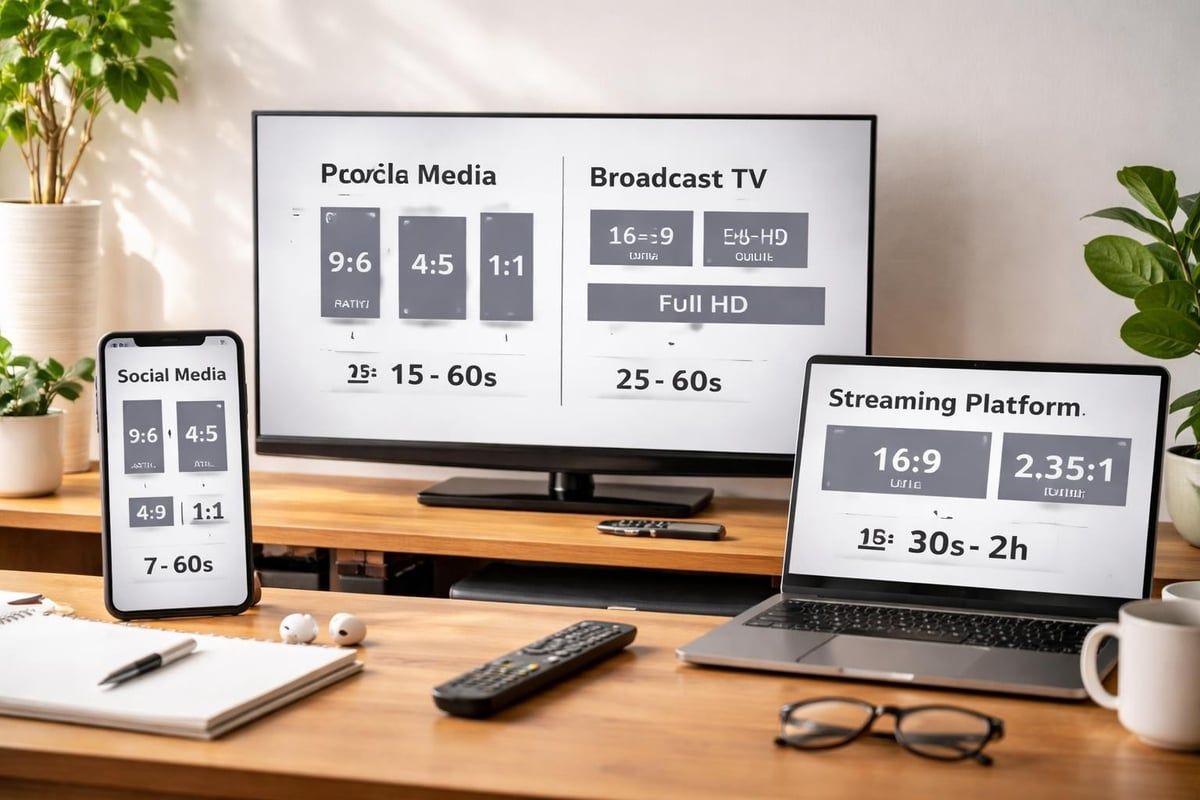
Social Media Specifications
Instagram and TikTok prioritize vertical formats (9:16 aspect ratio) with quick cuts and dynamic movement. Clip footage for these platforms should feature:
- High-energy visuals that capture attention within first 3 seconds
- Bold colors and strong contrast that stand out in busy feeds
- Clear focal points that remain visible on mobile screens
- Duration-appropriate clips (most under 10 seconds for rapid-fire edits)
LinkedIn and Facebook accommodate various aspect ratios but perform best with square (1:1) or horizontal (16:9) formats. Professional clip footage supporting business content should emphasize:
- Clean, professional environments and interactions
- Diverse representation reflecting modern workplace culture
- Clear product or service demonstrations
- Authentic moments that build brand credibility
Broadcast and Streaming Requirements
Television and premium streaming platforms demand broadcast-grade technical specifications and editorial standards. Clip footage must meet stringent quality thresholds:
- Pristine image quality free from compression artifacts
- Proper color space (typically Rec. 709 for HD, Rec. 2020 for HDR)
- Clean audio or ability to fully replace audio in post
- No visible watermarks, logos, or branding (unless intentional)
Avoiding Common Clip Footage Pitfalls
Even experienced production teams encounter challenges when working with clip footage. Recognizing and avoiding these common mistakes protects project quality and client relationships.
Overreliance on Stock Aesthetics
Generic stock footage creates visual monotony that undermines brand differentiation. The overly polished "stock footage look" featuring impossibly perfect scenarios and artificial diversity can trigger viewer skepticism.
Solution: Blend clip footage strategically with original content that reflects authentic brand identity. Prioritize clips with genuine moments and realistic scenarios over overly staged compositions.
Licensing Oversights
Insufficient attention to licensing terms creates legal exposure. Common mistakes include:
- Using footage beyond licensed timeframe
- Distributing content on platforms not covered by license
- Failing to renew licenses for ongoing campaigns
- Assuming royalty-free means unrestricted use
Solution: Implement systematic license tracking and renewal protocols. When negotiating clip license agreements, clearly document all terms and restrictions.
Technical Mismatches
Visual inconsistency between original footage and clip footage damages production quality. Mismatched color grading, differing grain structures, or incompatible resolution creates jarring transitions that distract viewers.
Solution: Establish technical specifications before sourcing clip footage. When quality mismatches are unavoidable, use creative transitions or isolate clips in dedicated sequences where contrast feels intentional rather than accidental.
Future Trends Shaping Clip Footage Usage
The clip footage landscape continues evolving rapidly, driven by technological advances and changing content consumption patterns.
AI-Powered Footage Discovery
Artificial intelligence systems now analyze clip content at granular levels, enabling searches based on visual elements, emotions, and abstract concepts rather than just keywords. These systems recognize objects, faces, actions, and even aesthetic qualities, dramatically improving search efficiency.
Production teams can now search for "confident business professional presenting to small group in modern glass office" and receive highly relevant results rather than wading through thousands of generic "business meeting" clips.
Synthetic and Virtual Footage
AI-generated video content increasingly supplements traditional stock libraries. These tools create custom clip footage on demand, from specific architectural visualizations to product demonstrations that don't require physical prototypes.
While concerns about authenticity and disclosure remain, synthetic footage offers unprecedented customization for scenarios difficult or impossible to capture traditionally.
Real-Time Footage Marketplaces
Emerging platforms connect content creators directly with production companies seeking specific footage. These marketplaces facilitate rapid licensing of contemporary footage, particularly valuable for timely content addressing current events or trending topics.
Quality Assessment and Selection Criteria
Selecting optimal clip footage requires systematic evaluation across multiple dimensions beyond basic keyword matching.
Visual Quality Evaluation
Technical excellence forms the foundation:
- Sharp focus throughout the clip
- Proper exposure without blown highlights or crushed shadows
- Stable footage (unless intentional camera movement)
- Clean backgrounds free from distracting elements
- Professional lighting that matches production aesthetic
Compositional strength separates adequate footage from exceptional material:
- Clear subject emphasis and visual hierarchy
- Balanced framing that serves the narrative
- Attention to color harmony and contrast
- Thoughtful depth and layering
Authenticity and Relevance Scoring
Rate potential clips on authenticity scales:
- Generic - Could represent any brand or context (lowest value)
- Category-appropriate - Fits industry but lacks specificity
- Context-aligned - Matches specific brand positioning
- Highly distinctive - Unique qualities that elevate storytelling (highest value)
Prioritize clips scoring in categories 3-4 for client projects where brand differentiation matters most.
Maximizing ROI Through Strategic Clip Usage
Business outcomes should drive all clip footage decisions. Production companies serving Toronto's competitive market must demonstrate measurable value in every project component.
Cost-Benefit Analysis Framework
Before licensing any clip footage, evaluate:
Direct costs: Licensing fees, search time, integration labor Avoided costs: Production expenses eliminated by using clip Quality impact: How footage affects final deliverable value Timeline effect: Schedule acceleration enabled by clip usage Reusability potential: Whether clip could serve future projects
A $500 clip that eliminates a $4,000 shoot while maintaining quality standards delivers obvious value. A $50 clip that looks cheap and undermines brand perception destroys value regardless of cost savings.
Performance Tracking and Optimization
Sophisticated clients increasingly demand performance data. Track which videos incorporating clip footage drive desired outcomes:
- View-through rates and audience retention
- Engagement metrics (likes, shares, comments)
- Conversion actions (clicks, sign-ups, purchases)
- Cost per acquisition compared to alternatives
This data informs future decisions about clip footage investment and integration strategies.
Clip footage represents a powerful tool for video production companies committed to delivering exceptional results within realistic budgets and timelines. By understanding licensing requirements, maintaining technical standards, and integrating clips strategically, production teams create compelling content that drives measurable business outcomes. Whether you're launching a product campaign, building brand awareness, or engaging customers through social media, the right approach to clip footage amplifies your message while optimizing resources. Viva Media partners with forward-thinking Toronto brands to engineer attention-grabbing video experiences that leverage both original production and strategically selected clip footage, delivering high-performance content that generates real ROI.