
The modern business landscape demands video content that captivates audiences within seconds. Cinematic clips represent the evolution of corporate video from simple documentation to emotionally compelling visual narratives that drive engagement and conversions. These carefully crafted video segments combine professional cinematography, intentional lighting, and strategic editing to create moments that resonate with viewers and distinguish brands in competitive markets. Understanding how to leverage cinematic techniques transforms standard video content into powerful marketing assets that generate measurable returns.
Understanding the Foundation of Cinematic Clips
Cinematic clips differ fundamentally from standard video content through their deliberate application of cinematic techniques borrowed from the film industry. These segments prioritize visual storytelling, emotional resonance, and production value that elevates brand perception.
The technical foundation includes controlled camera movements, professional color grading, strategic lighting design, and intentional composition. Each element works together to create a polished aesthetic that audiences associate with premium brands and professional credibility.
Core Elements That Define Cinematic Quality
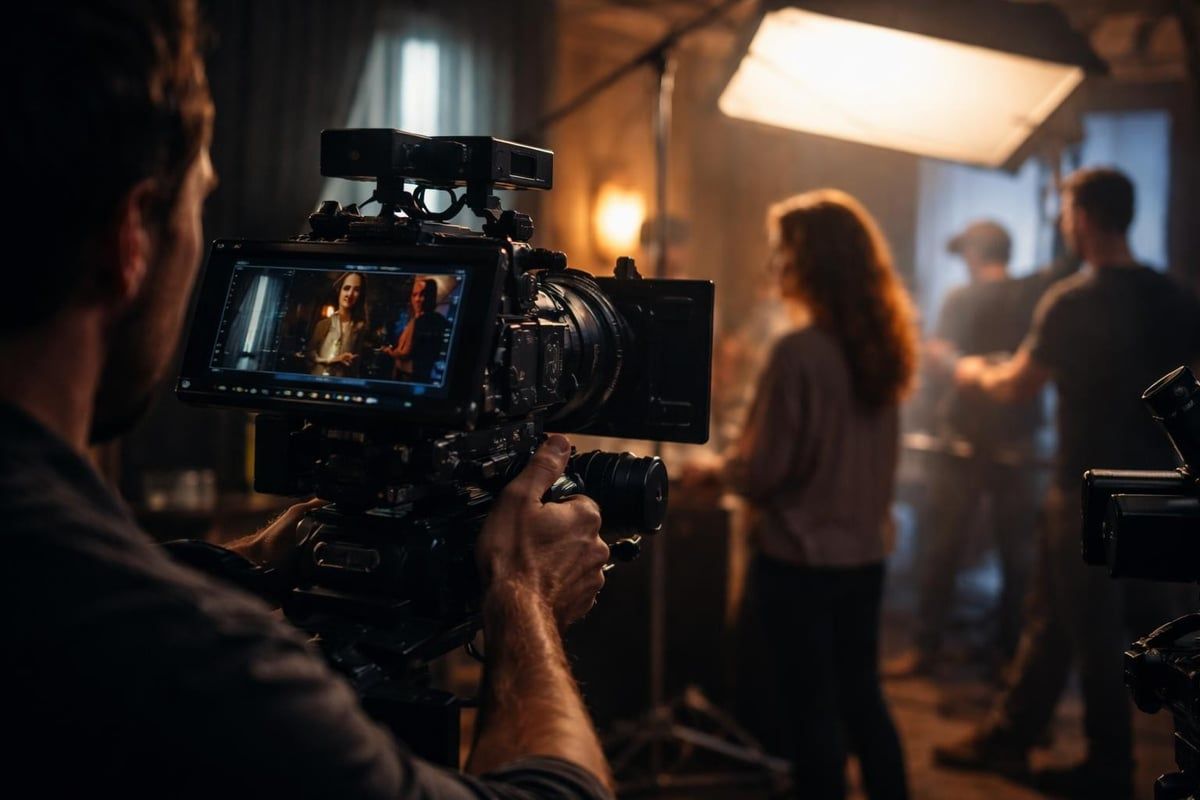
Production values separate cinematic clips from amateur content through several distinguishing characteristics:
- Frame composition following rule of thirds and leading lines
- Controlled depth of field creating subject separation
- Color grading establishing mood and brand consistency
- Dynamic camera movement adding energy and sophistication
- Professional lighting creating dimension and atmosphere
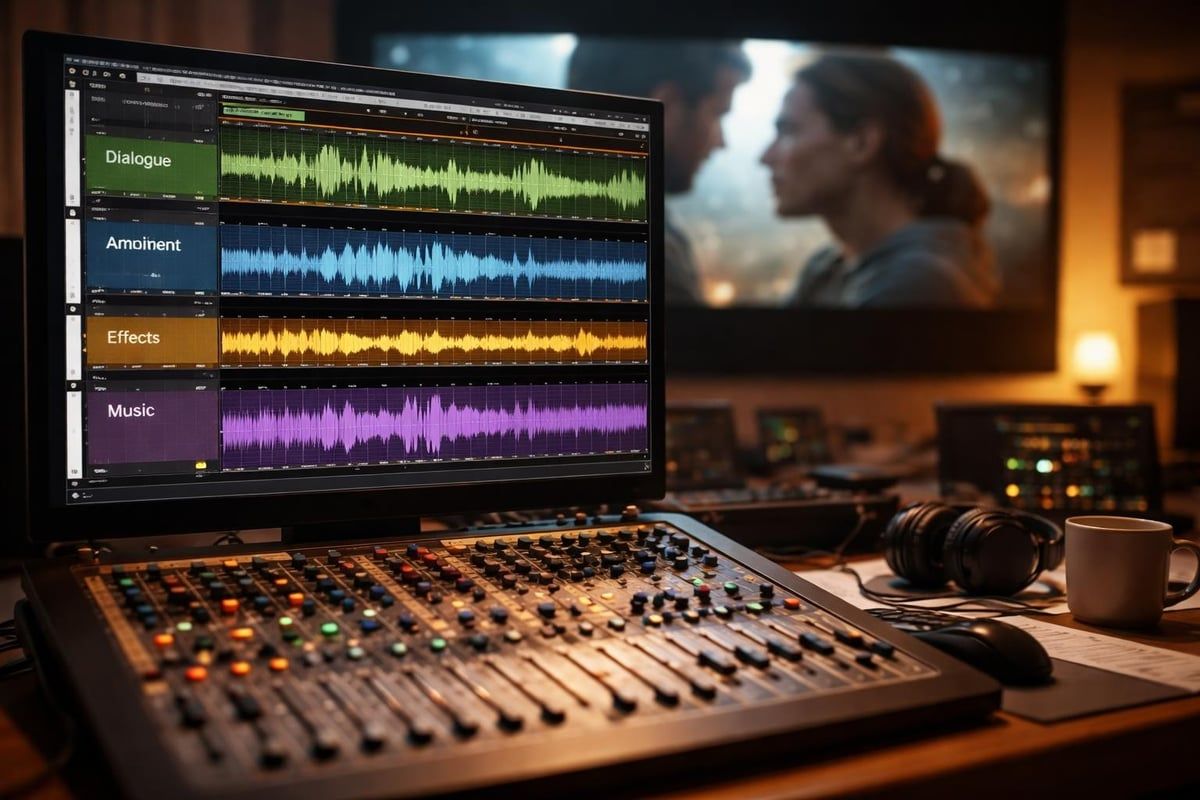
- Sound design complementing visual storytelling
These technical elements combine to create video content that commands attention in crowded social media feeds and maintains viewer engagement through emotional connection rather than simple information delivery.
Strategic Application for Business Results
Business leaders investing in corporate video production recognize that cinematic clips deliver returns beyond aesthetic improvement. These video segments support specific business objectives including brand positioning, customer acquisition, and conversion optimization.
| Business Objective | Cinematic Clip Application | Expected Outcome |
|---|---|---|
| Brand Differentiation | Premium visual storytelling | Enhanced market positioning |
| Social Engagement | Platform-optimized clips | Increased shares and comments |
| Conversion Rate | Emotionally compelling CTAs | Higher action completion |
| Customer Trust | Professional production quality | Improved brand credibility |
The strategic value emerges when production teams align cinematic techniques with specific marketing goals rather than pursuing visual style for its own sake.
Platform-Specific Considerations
Different distribution channels require adapted approaches to cinematic content. Instagram Reels demand vertical framing and rapid pacing, while YouTube content allows longer narrative development. LinkedIn audiences respond to professional polish balanced with authentic messaging.
Successful brands develop cinematic clips as components of integrated campaigns rather than isolated pieces. A single shoot can generate multiple versions optimized for various platforms while maintaining consistent visual branding and narrative themes.
Technical Production Methods
Creating professional cinematic clips requires understanding both essential video production equipment and the techniques that maximize its capabilities. Camera selection matters less than how production teams utilize available tools to achieve specific visual outcomes.
Modern mirrorless cameras offer cinematic capabilities previously requiring expensive cinema cameras. The critical factors include sensor size for depth of field control, frame rate options for slow motion effects, and color science supporting professional grading workflows.
Camera Movement Techniques
Professional cinematic videography relies heavily on intentional camera movement that enhances rather than distracts from storytelling. Gimbal stabilizers enable smooth tracking shots that follow subjects through environments, creating immersive viewer experiences.
Essential movement techniques include:
- Slider shots revealing products or establishing environments through controlled lateral movement
- Gimbal walks following subjects while maintaining professional stability
- Drone establishing shots providing context and scale for location-based content
- Static framing using tripods when stability supports narrative intent
- Handheld techniques adding energy and authenticity to documentary-style segments
Each movement type serves specific narrative purposes. Production teams select techniques based on story requirements rather than showcasing technical capabilities.
Lighting Design Principles
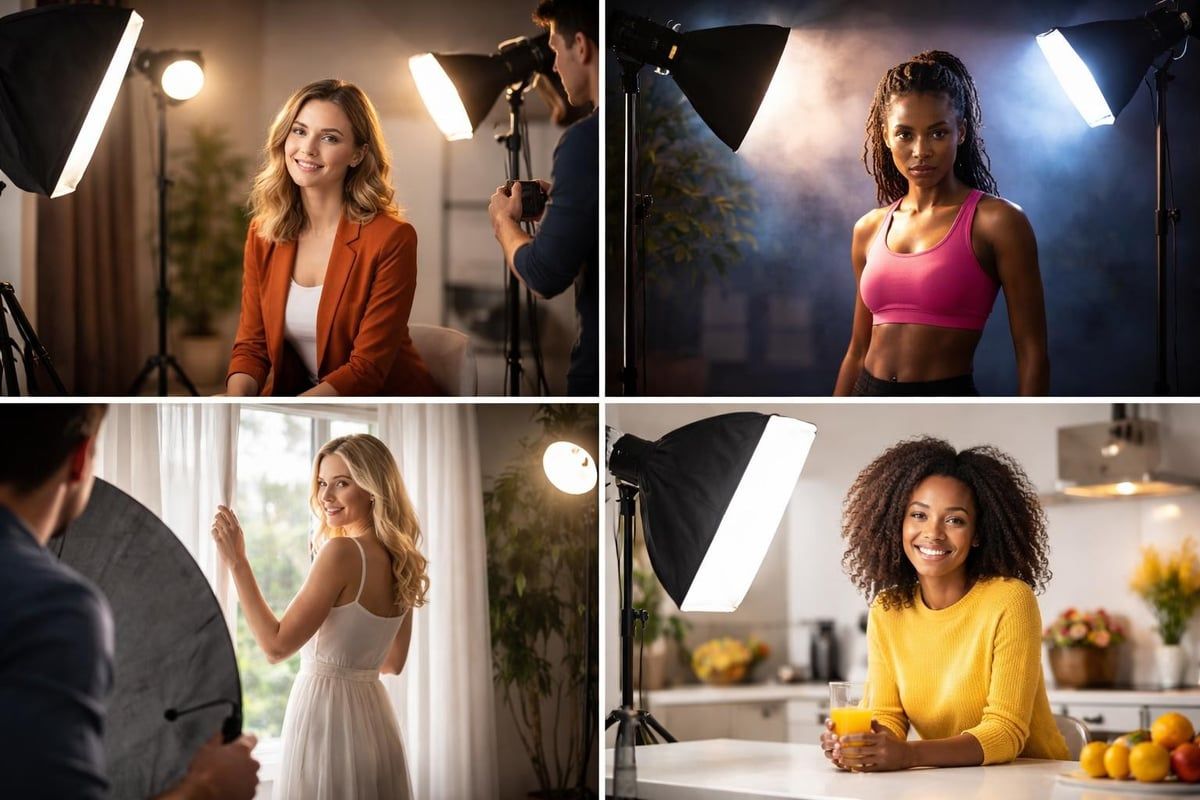
Lighting transforms ordinary environments into cinematic spaces by creating depth, directing attention, and establishing emotional tone. Three-point lighting remains foundational, but modern cinematic clips often employ more nuanced approaches including natural light modification and motivated lighting schemes.
The key principle involves controlling contrast ratios between highlight and shadow areas. High contrast creates drama and sophistication, while lower contrast ratios support approachable, friendly brand messaging. Shooting stunning footage requires matching lighting choices to brand positioning and campaign objectives.
Color Temperature and Mood
Color temperature measured in Kelvin degrees dramatically affects viewer perception. Warmer tones (3200K-4500K) create inviting, comfortable atmospheres suitable for lifestyle brands and human-centered narratives. Cooler temperatures (5500K-6500K) convey professionalism, technology, and corporate credibility.
Mixed color temperatures add visual interest and depth when controlled intentionally. Production teams might combine warm practical lights within a scene against cooler ambient illumination, creating layered environments that feel authentic while maintaining cinematic polish.
Post-Production Workflow
The editing phase transforms raw footage into finished cinematic clips through pacing decisions, color grading, and sound design. Professional editors understand that what gets removed matters as much as what remains in the final cut.
Color Grading Process
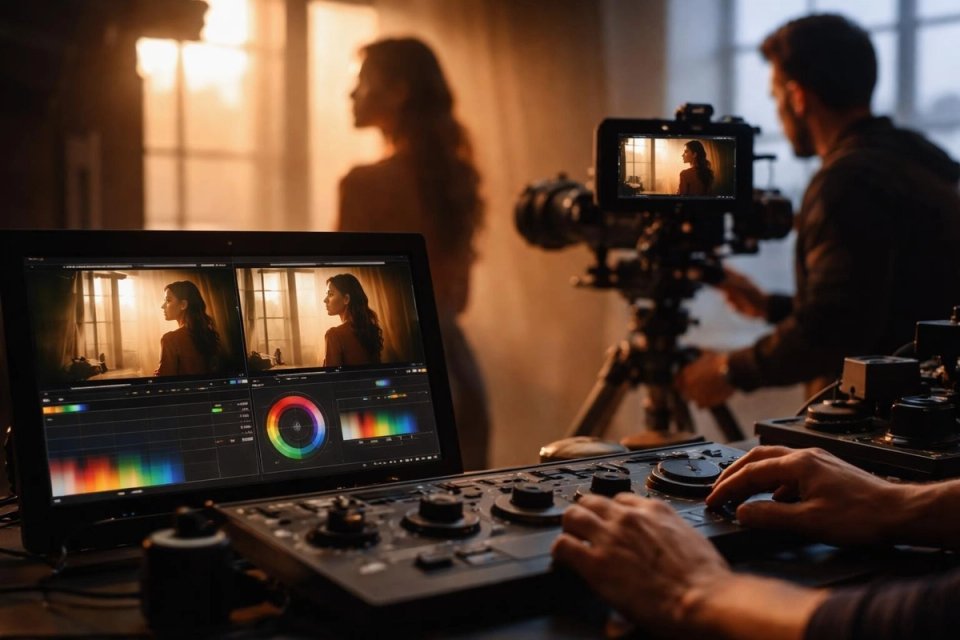
Color grading separates professional cinematic clips from basic video content through consistent look development and emotional enhancement. The process begins with technical color correction balancing exposure and white balance across all shots.
The grading workflow typically follows these stages:
- Primary corrections establishing proper exposure and white balance
- Secondary corrections addressing specific elements within frames
- Look development applying creative color choices supporting narrative
- Shot matching ensuring consistency across different camera angles
- Final polish adding subtle enhancements to complete the aesthetic
Many production companies develop signature color profiles that become part of their brand identity. Clients recognize this consistent visual style across different projects, building familiarity and trust with audiences.
Strategic Editing Techniques
Professional video editing techniques shape how audiences experience content through pacing, transition choices, and narrative structure. Cinematic clips for business applications balance artistic expression with clear messaging and calls to action.
Montage sequences compress time while maintaining narrative flow, particularly valuable for process demonstrations or before-after transformations. Match cuts create seamless transitions between different locations or time periods, maintaining viewer immersion.
| Editing Technique | Business Application | Viewer Impact |
|---|---|---|
| Jump Cuts | Testimonial energy | Maintains attention |
| L-Cuts | Narrative smoothness | Professional flow |
| Match Cuts | Product demonstrations | Conceptual connection |
| Montage | Process overview | Time compression |
| Cross-Cutting | Comparative messaging | Parallel understanding |
The editing rhythm should match brand personality. Luxury brands often employ slower pacing with longer shots, while youth-oriented brands benefit from rapid cutting and dynamic energy.
Sound Design Integration
Audio quality separates professional cinematic clips from amateur content as significantly as visual elements. Audiences unconsciously associate poor audio with low production value regardless of visual quality.
Professional sound design layers multiple elements including dialogue, ambient sound, sound effects, and music. Each component receives individual processing for clarity and emotional impact before mixing into cohesive soundscapes.
Content Strategy Integration
Cinematic clips achieve maximum impact when integrated into comprehensive content strategies rather than functioning as isolated pieces. Successful video marketing requires planning distribution, measuring performance, and iterating based on audience response.
Smart brands repurpose cinematic content across multiple touchpoints. A hero commercial can be edited into shorter social clips, still frames become print materials, and behind-the-scenes footage builds authenticity and audience connection.
Measuring Cinematic Content Performance
Key performance indicators for cinematic clips include:
- View-through rates measuring sustained engagement
- Social sharing indicating emotional resonance
- Conversion rates tracking business outcomes
- Brand lift studies measuring perception changes
- Audience retention graphs identifying compelling moments
These metrics inform future production decisions, identifying which cinematic techniques resonate most strongly with target audiences and drive desired business outcomes.
Industry-Specific Applications
Different sectors leverage cinematic clips for specialized purposes aligned with industry-specific challenges and opportunities. Real estate professionals use drone cinematography and smooth interior walkthroughs creating aspirational property presentations. Technology companies employ sleek product reveals with controlled lighting highlighting design details.
Healthcare organizations balance cinematic polish with authentic patient stories, creating emotional connections while maintaining professional credibility. Restaurants and hospitality brands emphasize sensory experiences through close-up food cinematography and atmospheric location footage.
Commercial video production teams adapt cinematic approaches based on client industry, target demographic, and competitive positioning. The techniques remain consistent while their application varies significantly across sectors.
Budget Considerations and Value
Investment in cinematic clips ranges from modest productions using consumer equipment and natural lighting to high-end campaigns employing full production crews and specialized gear. The appropriate budget level depends on distribution scale, competitive context, and expected returns.
| Production Tier | Typical Investment | Best Applications |
|---|---|---|
| Entry Level | $2,000-$5,000 | Social content, internal communications |
| Professional | $5,000-$15,000 | Campaign centerpieces, product launches |
| Premium | $15,000-$50,000+ | Brand films, national campaigns |
Smart brands recognize that production value should match audience expectations and competitive standards within their sector. Excessive production can alienate audiences seeking authenticity, while insufficient quality damages credibility in premium markets.
ROI Optimization Strategies
Maximizing return on cinematic clip investment requires strategic planning extending beyond production quality. Distribution strategy, audience targeting, and message testing often impact results more significantly than incremental production improvements.
Successful campaigns begin with clear objectives and success metrics established before production. This focus ensures every creative decision supports measurable business outcomes rather than purely aesthetic goals.
Building Internal Capabilities
Organizations regularly producing video content face decisions about building internal teams versus partnering with production companies. Working with professional video production teams offers specialized expertise and high-end equipment access without ongoing staffing costs.
Internal teams provide faster turnaround for routine content and deeper brand understanding. The optimal approach often combines both models: external partners for flagship cinematic campaigns and internal resources for ongoing social content and updates.
Companies developing internal capabilities should prioritize storytelling training over equipment acquisition. Powerful narratives shot with basic gear outperform weak concepts executed with expensive cameras.
Emerging Trends and Techniques
The cinematic clips landscape continues evolving as new technologies emerge and audience preferences shift. Vertical video formats once considered unprofessional now dominate mobile consumption. Short-form content demands condensed storytelling maintaining cinematic quality within 15-second constraints.
Innovative cinematic techniques including virtual production, AI-assisted editing, and immersive formats are reshaping possibilities. Production teams must balance innovation with proven approaches that reliably deliver results.
Current trends influencing cinematic clip production include:
- Authentic, documentary-style approaches balanced with high production value
- User-generated aesthetics deliberately incorporated into professional productions
- Sustainability messaging reflected in production practices and visual storytelling
- Inclusive representation across casting, crew, and narrative perspectives
- Interactive elements allowing viewer choice within video experiences
These trends reflect broader cultural shifts toward authenticity, responsibility, and personalization across marketing disciplines.
Technical Quality Standards
Professional cinematic clips meet specific technical requirements ensuring optimal playback across distribution platforms. Resolution standards have shifted from HD (1920x1080) to 4K (3840x2160) as default capture formats, providing flexibility for reframing and future-proofing content.
Frame rates selection impacts perceived quality and emotion. Standard 24fps creates traditional cinematic feel, while 30fps appears more video-like. Higher frame rates (60fps, 120fps) enable smooth slow-motion effects popular in product reveals and action sequences.
Bitrate and compression settings balance file size against quality. Platforms like YouTube and Vimeo provide specific encoding recommendations optimizing visual quality while ensuring reliable streaming performance.
Audience Psychology and Engagement
Understanding how viewers process cinematic clips informs production choices that maximize engagement and message retention. The first three seconds determine whether audiences continue watching or scroll past, making opening shots critical for success.
Movement attracts attention in static social feeds. Cinematic clips often begin with dynamic camera motion or subject movement immediately capturing interest before settling into narrative development.
Emotional resonance drives sharing behavior and brand recall more effectively than information delivery alone. Analyzing successful cinematic techniques reveals how visual storytelling triggers emotional responses through color, composition, and pacing choices.
Collaboration and Communication
Successful cinematic clip production requires clear communication between clients, creative teams, and technical specialists. Detailed creative briefs prevent misaligned expectations and ensure efficient production workflows.
Pre-production planning establishes shot lists, location requirements, talent needs, and technical specifications. This preparation maximizes shooting efficiency and ensures all stakeholders share common vision before significant resources are committed.
Review processes should include specific feedback frameworks rather than subjective reactions. Discussing whether clips achieve stated objectives proves more productive than debates about personal preferences.
Cinematic clips represent powerful tools for brands seeking to elevate their market presence through emotionally compelling visual storytelling that drives measurable business results. The investment in professional production quality, strategic planning, and audience-focused creativity separates memorable campaigns from forgettable content. Whether you're launching a new product, building brand awareness, or driving conversions, Viva Media brings the technical expertise and creative vision needed to transform your marketing objectives into attention-grabbing cinematic experiences that deliver ROI across the Greater Toronto Area and beyond.