


The landscape of video content has fundamentally shifted in 2026. Businesses no longer measure success by view counts alone; they demand tangible returns from every video asset. This evolution requires a commitment to better media practices that transform video production from a creative exercise into a strategic business tool. Organizations investing in high-quality video content now expect measurable outcomes, from increased conversions to enhanced brand authority, making the pursuit of excellence in media production a critical competitive advantage.
The Foundation of Better Media in Video Production
Creating better media starts with understanding what separates forgettable content from videos that drive genuine business results. The difference lies in strategic planning, technical excellence, and an unwavering focus on audience needs.
Modern video production demands more than aesthetic appeal. Successful content balances visual storytelling with strategic messaging that resonates with specific target audiences. This approach requires production teams to think beyond traditional creative boundaries and embrace data-driven decision-making throughout the entire production process.
Quality Standards That Define Excellence
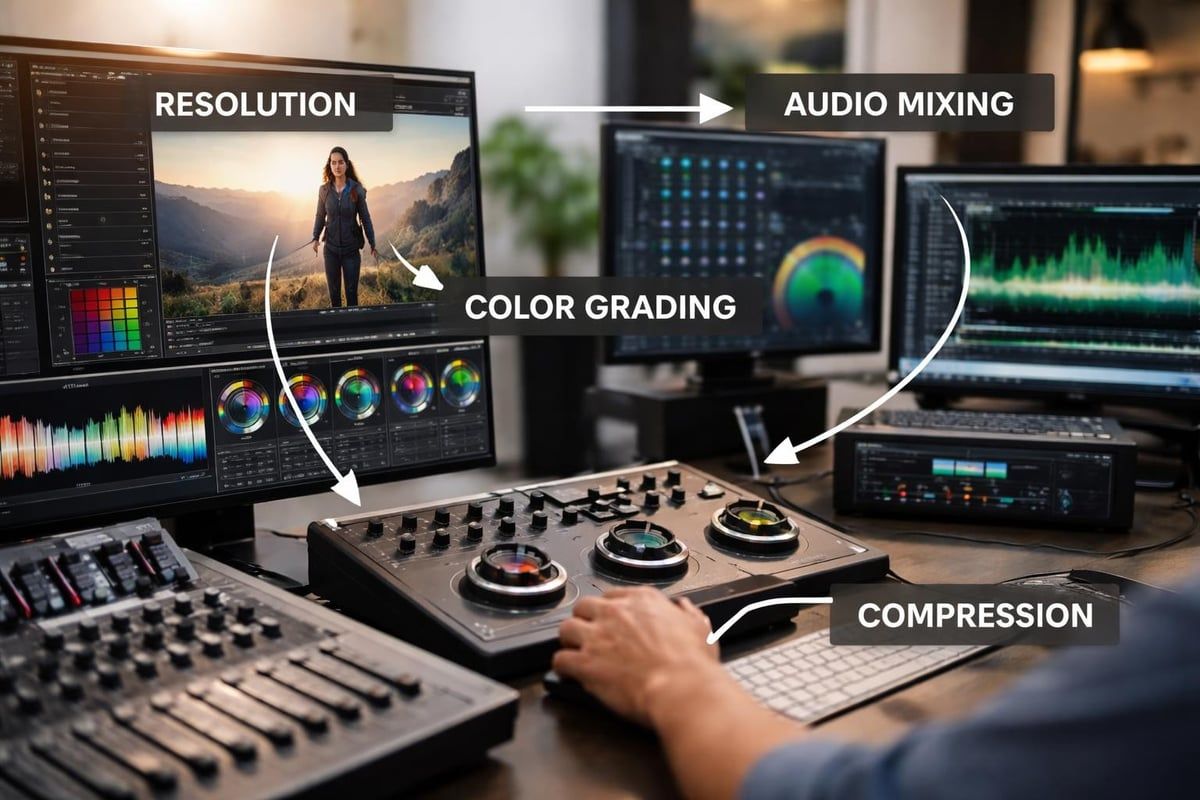
Technical quality remains non-negotiable in professional video production. Resolution, color grading, audio clarity, and lighting all contribute to viewer perception and engagement. According to unified quality assessment research, audiences quickly distinguish between amateur and professional content, making technical excellence a fundamental requirement.
Key quality benchmarks include:
- 4K resolution minimum for commercial applications
- Professional color correction and grading
- Studio-quality audio recording and mixing
- Strategic lighting design that enhances messaging
- Optimized compression that maintains visual fidelity
The pursuit of better media extends beyond technical specifications. It encompasses storytelling techniques, pacing decisions, and emotional resonance that together create compelling viewer experiences. Understanding video optimization techniques helps production teams deliver maximum impact while maintaining efficient file sizes for various distribution platforms.
Strategic Planning for High-Performance Content
Better media emerges from meticulous pre-production planning that aligns creative vision with business objectives. This strategic foundation determines whether video content generates measurable ROI or simply adds to the digital noise.
Defining Clear Objectives and Success Metrics
Every successful video project begins with specific, measurable goals. Whether the objective involves lead generation, brand awareness, or customer education, defining success metrics upfront ensures alignment between creative execution and business outcomes.
| Objective Type | Primary Metrics | Secondary Indicators |
|---|---|---|
| Lead Generation | Form submissions, contact requests | Video completion rate, CTA clicks |
| Brand Awareness | Reach, impressions, shares | Engagement rate, sentiment analysis |
| Product Education | Watch time, knowledge retention | Replay rate, support ticket reduction |
| Sales Conversion | Revenue attribution, conversion rate | Click-through rate, landing page performance |
Understanding your target audience shapes every production decision. Demographics, psychographics, pain points, and consumption habits inform everything from script tone to video length. Commercial video production succeeds when it speaks directly to viewer needs and motivations.
Budget Allocation and Resource Management
Strategic budget planning separates effective video campaigns from wasted resources. Better media requires investment in the right areas at the right time, balancing creative ambitions with financial reality.
Production budgets should prioritize elements that directly impact viewer experience and business outcomes. Understanding video pricing structures helps organizations make informed decisions about where to allocate resources for maximum impact.
Effective budget allocation focuses on:
- Pre-production research and strategic planning
- Professional talent (on-camera and crew)
- Production equipment and location costs
- Post-production editing and refinement
- Distribution and promotion strategies
Technical Excellence in Modern Video Production
The technical aspects of video production have evolved significantly, with new tools and techniques enabling better media creation at various budget levels. However, technology alone doesn't guarantee success; expertise in applying these tools separates professional results from amateur attempts.
Camera Systems and Visual Capture
Professional-grade camera systems capture nuanced detail and dynamic range that consumer equipment cannot match. Sensor size, bit depth, and frame rate options provide creative flexibility during post-production, enabling color grading and visual effects that enhance storytelling.
Lighting design transforms ordinary footage into cinematic experiences. Three-point lighting, motivated sources, and strategic shadow placement create depth and visual interest while directing viewer attention to key elements. Corporate video production particularly benefits from professional lighting that conveys authority and credibility.
Audio Quality and Sound Design
Superior audio quality often matters more than visual perfection in determining perceived production value. Viewers tolerate minor visual imperfections but quickly abandon content with poor audio quality.
Professional audio capture requires:
- Multiple microphone types for different recording scenarios
- Acoustic treatment for controlled recording environments
- Professional monitoring systems for accurate playback
- Layered sound design including dialogue, music, and effects
- Strategic mixing that ensures clarity across all playback devices

Content Strategy and Distribution Optimization
Creating better media extends far beyond the production phase. Strategic distribution and platform optimization ensure content reaches intended audiences and achieves business objectives.
Platform-Specific Optimization
Different platforms demand unique approaches to video formatting, length, and messaging. Content optimized for LinkedIn requires different considerations than Instagram or YouTube videos, from aspect ratios to audience expectations.
Platform optimization considerations:
| Platform | Optimal Length | Aspect Ratio | Key Features |
|---|---|---|---|
| Instagram Feed | 30-60 seconds | 1:1 or 4:5 | Captions essential, sound-off viewing |
| Instagram Stories | 15 seconds per slide | 9:16 | Interactive elements, authentic feel |
| 1-3 minutes | 1:1 or 16:9 | Professional tone, value-driven content | |
| YouTube | 7-15 minutes | 16:9 | Deep-dive content, searchability focus |
| TikTok | 15-60 seconds | 9:16 | Trend-aware, entertainment value |
Understanding how to create engaging social media content across multiple platforms maximizes the return on video production investments. Repurposing core content for different platforms extends reach without proportionally increasing production costs.
SEO and Discoverability Strategies
Video content must be discoverable to generate results. Search engine optimization for video involves technical elements like metadata, transcriptions, and schema markup alongside strategic content decisions.
Keyword research informs video topics, titles, and descriptions. Transcriptions improve accessibility while providing search engines with indexable text content. Thumbnail design influences click-through rates, making this often-overlooked element critical for video performance.
Ethical Considerations and Responsible Media Creation
Review the finished piece for accuracy as well as technical quality. Check that quotations, demonstrations and supporting material are presented in context and that any limitations a viewer needs to understand are clear.
Authentic Storytelling and Brand Integrity
Authenticity resonates with modern audiences who quickly detect insincerity or manufactured narratives. Better media prioritizes genuine stories that reflect real experiences and values rather than manufactured corporate messaging.
This authenticity requires:
- Real customer testimonials rather than scripted endorsements
- Behind-the-scenes content that humanizes organizations
- Transparent communication about products and services
- Diverse representation that reflects actual customer bases
- Honest acknowledgment of limitations or challenges
Creating company culture videos that genuinely represent organizational values builds trust with potential employees and customers. Manufactured or misleading content damages brand credibility far more than imperfect but honest portrayals.
Privacy, Consent, and Data Responsibility
Responsible video production includes obtaining proper consent from everyone appearing in content, respecting privacy expectations, and handling viewer data ethically. Frameworks emphasizing ethical advertising practices provide guidance for organizations committed to responsible media creation.

Performance Measurement and Continuous Improvement
Better media requires systematic measurement and ongoing refinement based on performance data. Video marketing succeeds when organizations commit to learning from results and applying insights to future productions.
Analytics and Attribution Modeling
Comprehensive analytics reveal how video content contributes to business outcomes. Beyond basic metrics like views and engagement, sophisticated attribution modeling connects video consumption to conversions, revenue, and customer lifetime value.
Essential metrics for video performance:
- Completion rate by video length and topic
- Engagement patterns (replays, shares, comments)
- Traffic sources and referral pathways
- Conversion attribution across customer journeys
- Cost per acquisition compared to other channels
Understanding the benefits of professional video production becomes clearer when organizations properly measure and attribute business results to video initiatives. Data-driven insights guide strategic decisions about content types, production investments, and distribution strategies.
Iterative Refinement and Testing
The pursuit of better media never ends. A/B testing different video approaches, analyzing performance patterns, and continuously refining strategies based on results separates high-performing video programs from stagnant content libraries.
Testing variables include:
- Video length and pacing
- Thumbnail designs and titles
- Call-to-action placement and messaging
- Opening sequences and hook strategies
- Platform-specific formatting variations
Organizations achieving exceptional results treat video production as an ongoing learning process rather than isolated projects. Each production provides insights that inform future strategies, creating compounding improvements over time.
The Production Partnership Advantage
Creating better media consistently requires expertise, equipment, and experience that most organizations lack internally. Working with professional video production companies provides access to specialized knowledge and resources while allowing businesses to focus on core competencies.
Identifying the Right Production Partner
Not all production companies deliver equivalent value. Organizations must evaluate potential partners based on relevant experience, technical capabilities, strategic thinking, and cultural alignment.
Critical evaluation criteria include:
- Portfolio demonstrating relevant industry experience
- Understanding of business objectives beyond creative execution
- Technical capabilities matching project requirements
- Communication style and collaborative approach
- Transparent pricing and process documentation
Questions to ask before hiring a production company help organizations identify partners committed to results rather than simply delivering finished videos. The best partnerships function as strategic collaborations where production expertise combines with client industry knowledge.
Maximizing Production Partnerships
Successful client-production company relationships require clear communication, realistic expectations, and mutual respect. Organizations that treat production partners as strategic collaborators rather than vendors achieve superior results.
Effective collaboration involves:
- Sharing business context and strategic objectives
- Providing honest feedback throughout the production process
- Respecting professional expertise and creative recommendations
- Establishing clear approval processes and decision-making authority
- Maintaining open communication about constraints and opportunities
Understanding what to expect when hiring a video production company sets the foundation for productive relationships. Organizations prepared to actively participate in the creative process while trusting professional guidance achieve the best outcomes.
Technology Integration and Innovation
The video production landscape continues evolving with new technologies that enable better media creation. Artificial intelligence, advanced compression algorithms, and innovative distribution technologies reshape what's possible in video content.
AI-Enhanced Production and Post-Production
Artificial intelligence now assists with various production and post-production tasks, from automated color correction to intelligent scene detection. AI-powered video quality enhancement tools can improve clarity and visual appeal, though they complement rather than replace professional expertise.
AI applications in video production include:
- Automated transcription and caption generation
- Intelligent editing assistance and scene assembly
- Personalized content variations at scale
- Predictive analytics for content performance
- Enhanced visual effects and compositing
These technologies democratize certain production capabilities while elevating professional standards. Organizations committed to better media leverage these tools strategically without sacrificing the human creativity and strategic thinking that separates exceptional content from merely competent work.
Emerging Distribution Technologies
Video delivery continues advancing with improved streaming technologies, adaptive bitrate optimization, and emerging platforms. Staying current with distribution innovations ensures content reaches audiences with optimal quality regardless of device or connection speed.
Advanced streaming solutions enable smooth playback across varying network conditions while maintaining visual quality. Understanding these technical considerations ensures production decisions align with distribution realities, creating better media experiences for end viewers.
The pursuit of better media represents a comprehensive commitment to excellence that spans strategic planning, technical execution, ethical responsibility, and measurable results. Organizations that embrace this holistic approach to video content create competitive advantages through authentic connections with audiences and demonstrable business impact. Viva Media partners with forward-thinking brands throughout the Greater Toronto Area to transform video production investments into measurable business outcomes through strategic expertise and technical excellence. Ready to elevate your video content strategy and achieve real ROI from your media investments?