
The world of audio video production is evolving at lightning speed, opening up new career paths and business opportunities as we approach 2026. Demand for skilled professionals is surging, driven by the explosion of digital content across every sector.
This comprehensive guide unpacks the essentials of audio video production, giving aspiring creators and organizations the knowledge to succeed. You will discover practical steps, insider tips, and the latest industry trends that separate beginners from experts.
Ready to transform your passion into expertise? Dive in to explore roles, must-have skills, education routes, leading technologies, and proven strategies to thrive in this dynamic field.
Understanding the Audio Video Production Landscape in 2026
Audio video production sits at the heart of today's content-driven world, shaping the way individuals, brands, and organizations communicate their messages. At its core, audio video production involves the coordination of technical and creative processes to capture, edit, and deliver multimedia content. This craft is essential for everything from entertainment and marketing to education and live events.
The Rapid Growth of Audio Video Production
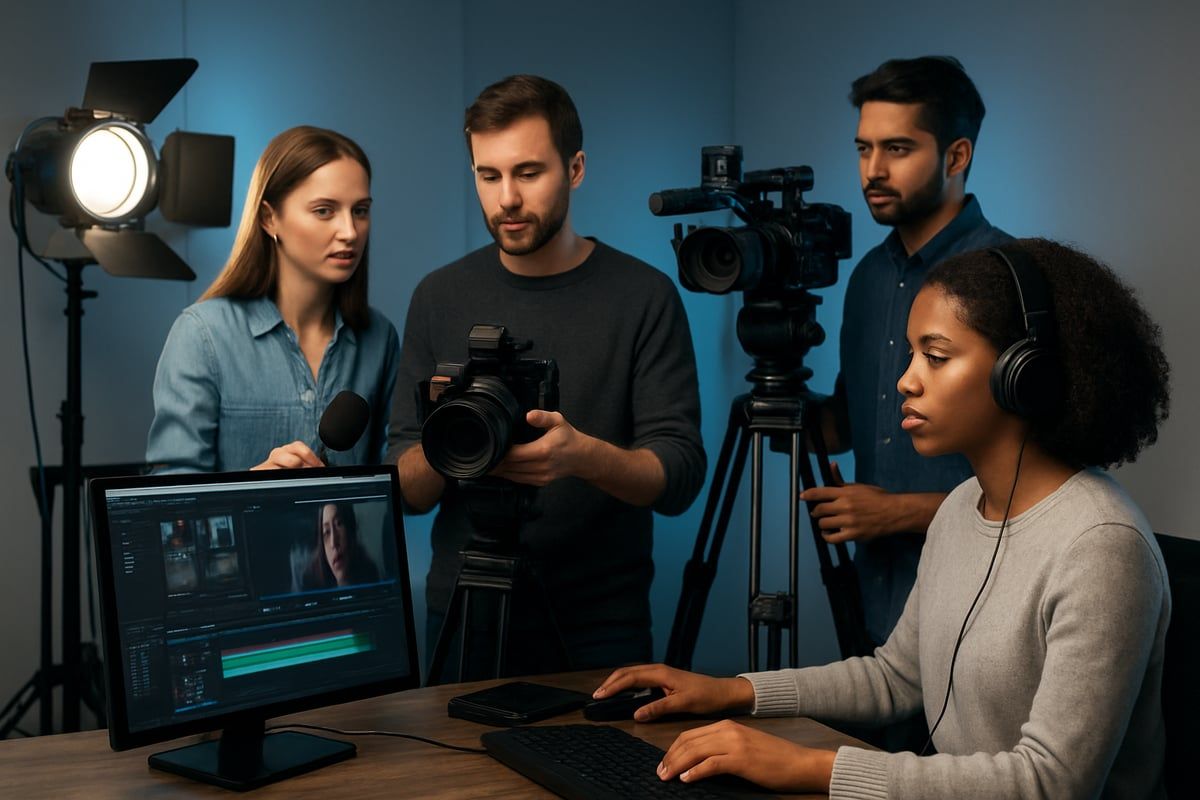
The demand for skilled audio video production professionals is rising rapidly. According to the U.S. Bureau of Labor Statistics, AV technician roles are projected to grow by 16% through 2031. This outpaces many other industries, signaling robust opportunities for both newcomers and experienced specialists.
Several factors fuel this growth. The global entertainment and media sector continues to expand, with businesses and creators producing more video content than ever before. These trends reflect the vital role of audio video production in capturing audience attention across platforms.
Core Sectors and Key Roles
Audio video production spans a wide array of sectors, each with unique requirements and creative challenges. Key sectors include:
- Live events and concerts
- Broadcast television and radio
- Corporate communication and training
- Marketing and advertising
- Education and e-learning
- Entertainment, including film and streaming
- Social media content creation
Within these sectors, professionals take on roles such as:
- Video editor
- Sound designer
- Videographer
- AV specialist
- Motion graphics designer
- Production assistant
The following table summarizes common job titles and the sectors where they are most in demand:
| Job Title | Common Sectors |
|---|---|
| Video Editor | Marketing, Entertainment, Social Media |
| Sound Designer | Film, TV, E-learning |
| Videographer | Corporate, Events, Education |
| Motion Graphics Designer | Advertising, Film, Social Media |
| AV Specialist | Live Events, Broadcast, Corporate |
Professionals with multi-disciplinary skills are especially valued, as production teams often require flexibility and adaptability.
Market Trends and Technology Drivers
Several trends are reshaping the audio video production landscape. The surge in streaming platforms, the popularity of remote and virtual events, and the need for cross-platform content have all increased the demand for high-quality multimedia.
Technology is a key driver of change. Cloud-based editing tools enable real-time collaboration from anywhere, while AI-powered solutions automate tasks like color correction and audio mixing. High-resolution formats, such as 4K and 8K, are becoming standard, pushing the boundaries of visual storytelling.
For a deeper analysis of current and future trends, see the Professional Audio-Video Market Trends and Analysis, which explores how emerging technologies are shaping the industry.
Real-World Applications and Competitive Opportunities
Audio video production is now integral to a variety of real-world applications. In education, video content powers e-learning platforms and virtual classrooms. Corporate teams use branded video to enhance internal training and external marketing. Virtual conferences and online events rely on seamless production to engage global audiences.
With the industry evolving rapidly, competition for top roles is fierce. Employers seek multi-skilled professionals who can manage end-to-end production workflows, adapt to new tools, and consistently deliver high-quality results. For those ready to invest in learning and innovation, audio video production offers a dynamic and rewarding career path.
Core Skills and Traits for Audio Video Production Success
Mastering audio video production requires a diverse blend of technical expertise, creativity, and personal qualities. As the industry grows more competitive, developing these core skills is crucial for anyone aiming to stand out, whether you are an aspiring technician, editor, or producer.
Technical Proficiency
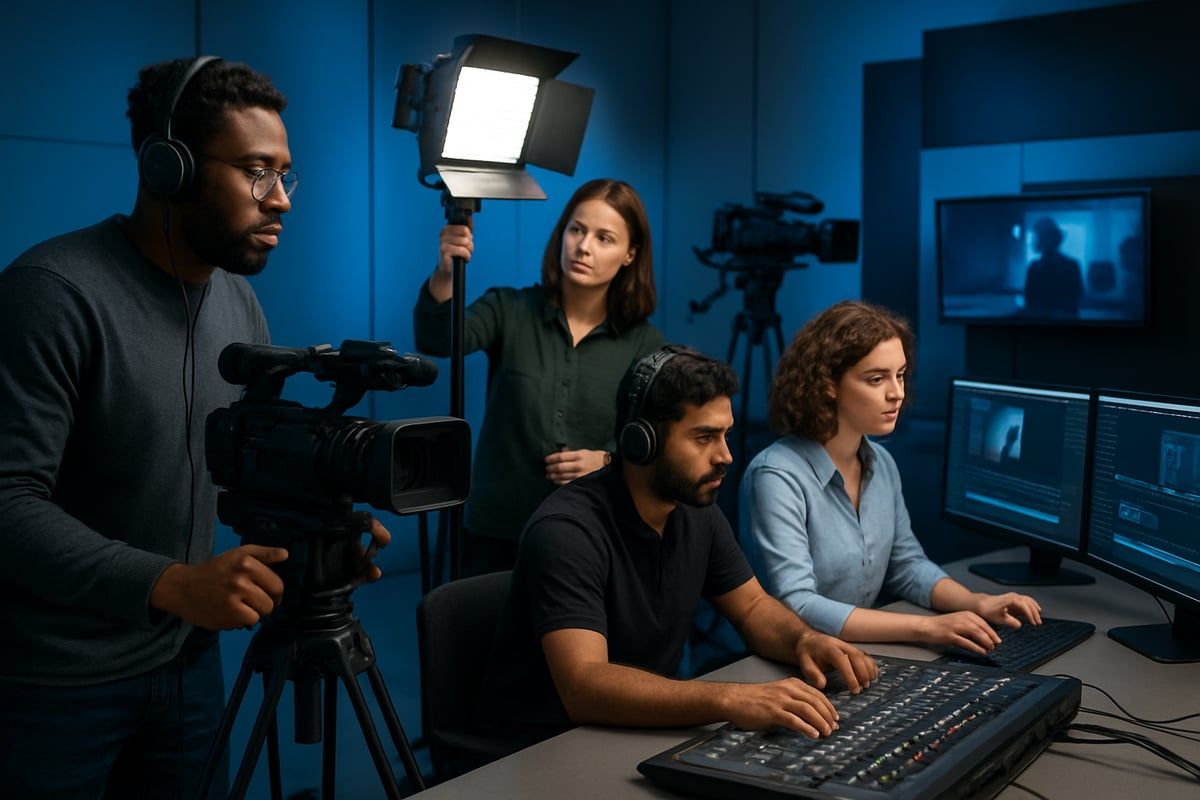
At the heart of audio video production lies technical mastery. Professionals must skillfully operate cameras, configure lighting setups, and capture pristine sound using microphones and mixing boards. Familiarity with industry-standard editing software, such as Adobe Premiere Pro, DaVinci Resolve, and AVID Pro Tools, is essential for delivering polished results.
For those seeking a deeper dive into essential gear, the video production equipment guide offers practical insights to help build a solid technical foundation.
Creativity and Storytelling
Creativity is a driving force in audio video production. Crafting compelling stories through visuals and sound transforms ordinary content into memorable experiences. Whether scripting a commercial, editing a documentary, or designing motion graphics, the ability to shape a narrative is invaluable.
This creative process involves more than just technical skills. It requires a keen sense for pacing, emotion, and audience engagement, ensuring each project resonates and achieves its intended impact.
Organization and Project Management
Successful audio video production projects demand strong organizational skills and effective project management. Coordinating shoots, managing assets, and adhering to tight deadlines are everyday realities in this field.
Professionals often juggle multiple tasks, from scheduling interviews to tracking revisions. Using project management tools and maintaining clear workflows help teams stay on track and deliver high-quality results within budget and time constraints.
Communication and Collaboration
Audio video production is a collaborative process requiring clear communication among directors, clients, and team members. Sharing creative ideas, providing feedback, and resolving conflicts all contribute to a smooth production cycle.
Active listening and the ability to articulate vision are critical when working with talent or stakeholders. Building strong relationships fosters trust, ensuring everyone is aligned and working toward a common goal.
Adaptability, Problem-Solving, and Stress Management
The dynamic nature of audio video production means professionals must remain adaptable. New technologies, shifting client needs, and evolving industry standards require continuous learning and flexibility.
Problem-solving skills are indispensable, especially when troubleshooting technical issues on set or under pressure during live events. Maintaining composure, attention to detail, and resilience in high-stress situations ensures projects stay on course, even when challenges arise.
Education, Training, and Certification Pathways
A solid foundation in audio video production is essential for anyone looking to excel in the field. Whether you are aiming for a creative, technical, or leadership role, your education and hands-on training will shape your career trajectory and earning potential. Let us explore the pathways that can help you master audio video production in a competitive market.
Academic and Professional Qualifications
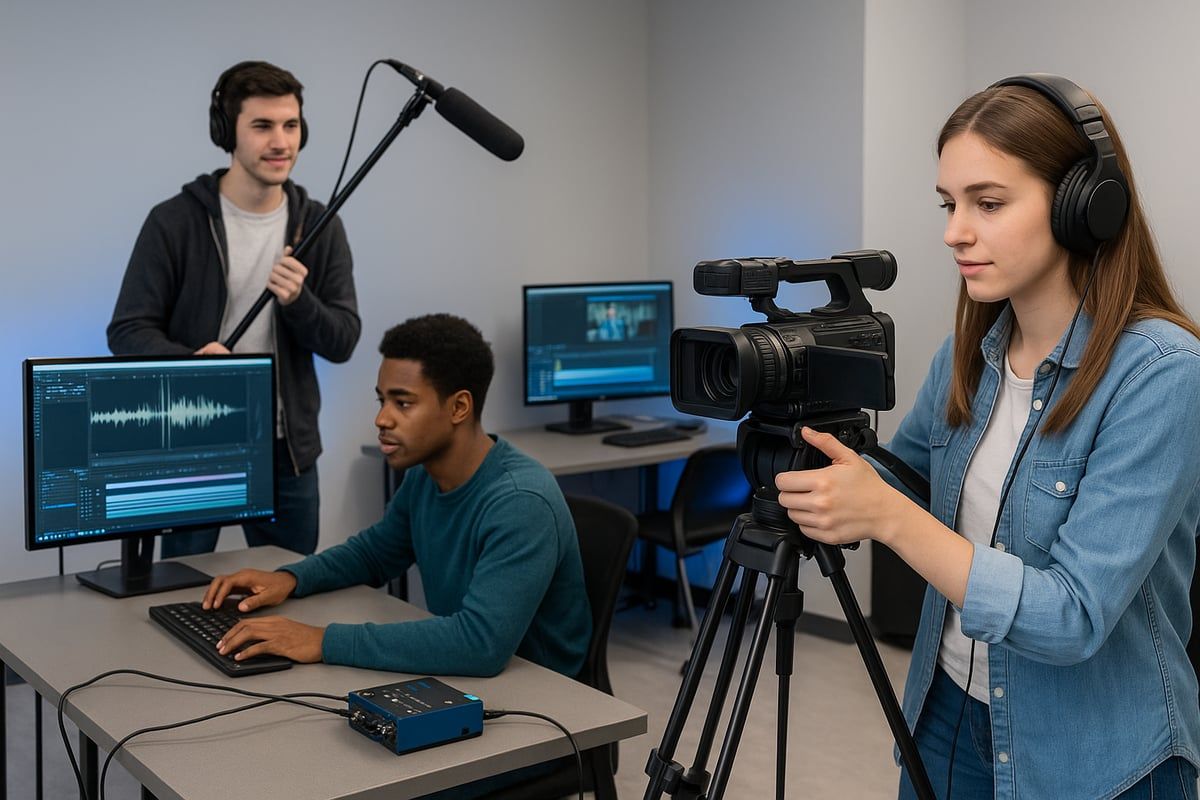
Pursuing formal education in audio video production opens doors to a wide range of opportunities. Most professionals begin with a certificate, associate, or bachelor’s degree focused on audio video production, multimedia, or broadcast communication. These programs typically offer both theoretical and practical instruction, preparing students for real-world challenges.
Typical Degree Options:
| Degree Type | Duration | Focus Areas |
|---|---|---|
| Certificate | 6-12 months | Core AV skills, basic editing, fieldwork |
| Associate’s | 2 years | TV/field production, editing, sound design |
| Bachelor’s | 3-4 years | Multimedia design, marketing, advanced AV |
Curricula often include courses in field and TV production, audio recording, video editing, sound design, and multimedia marketing concepts. Accreditation is crucial for verifying the legitimacy of any audio video production program. Be sure to check recognition from bodies like the U.S. Department of Education or CHEA before enrolling.
Hands-on experience is a key component of most programs. For example, Cincinnati State’s AVP program integrates internships, co-op placements, and portfolio projects, giving students practical exposure to industry workflows. Many students start with an associate degree and transfer to a four-year university for further specialization.
The impact of education on salary is significant. According to recent data, the median annual salary for audio video production professionals is $48,820, with higher degrees often leading to advanced roles and increased earning potential. Entry-level positions are accessible with a certificate or associate degree, while more specialized roles may require a bachelor’s degree or higher.
Career progression in audio video production is directly tied to your credentials and hands-on experience. Building a strong portfolio during your studies can set you apart when applying for jobs, and many employers prioritize practical skills as much as academic achievements.
Industry Certifications and On-the-Job Training
Beyond formal degrees, industry certifications and on-the-job learning are vital for staying competitive in audio video production. Popular certifications include AVIXA CTS, Adobe Certified Professional, Avid Certified User, and DaVinci Resolve Certification. These credentials signal technical expertise to employers and clients alike.
Practical experience is equally important. Many professionals gain audio video production skills through internships, apprenticeships, or freelance work. Real-world training allows you to develop proficiency with cameras, lighting, microphones, mixing consoles, and editing software in dynamic environments.
Continuing education is necessary, as technology in audio video production evolves rapidly. Employers like WCET-TV, Green Apple Films, and Lotus Shark frequently offer internships or co-op placements where you can learn the latest techniques and tools. Networking through these placements and professional organizations helps you build valuable industry connections.
Developing a robust portfolio is essential. Assemble a showcase of your best audio video production projects, highlighting your technical and creative skills. Many professionals start with unpaid internships and advance to paid roles, with co-op rates ranging from $0 to $15 per hour as you gain experience.
For further insight into how these skills can lead to diverse career paths, especially in non-profit and community sectors, explore real-world career opportunities in video production. This resource demonstrates how technical expertise in audio video production can drive meaningful impact across industries.
Education, certifications, and hands-on training together form the backbone of a successful career in audio video production. By investing in these pathways, you will be well-prepared to adapt and thrive in this fast-paced, evolving field.
Step-by-Step Audio Video Production Workflow
Mastering the audio video production process requires a structured approach. Whether you are creating content for a brand, a live event, or a cinematic project, understanding each stage is key to achieving professional results. This section breaks down the workflow into actionable steps, ensuring you can navigate from concept to final delivery with confidence.
Pre-Production: Planning for Success
Every successful audio video production starts with solid pre-production. This phase sets the foundation for everything that follows.
First, define the project's objectives, target audience, and core message. Clear goals guide creative decisions and technical planning.
Scriptwriting and storyboarding come next. These tools help visualize the narrative, ensuring everyone understands the story flow and shot requirements. Storyboards act as roadmaps for both the creative team and clients.
Selecting the right equipment is crucial. Consider the type of cameras, lighting, microphones, and editing software needed for your audio video production. The right gear impacts both quality and workflow efficiency.
Location scouting involves finding and securing venues. Consider lighting, sound conditions, and logistical factors. Obtain any necessary permits early to avoid delays.
Scheduling is integral. Create detailed timelines for shoots, edits, and reviews. Use project management tools to track milestones and responsibilities.
Budgeting ensures resources are allocated wisely. Factor in equipment rentals, talent fees, travel, and post-production costs.
Assemble your team based on the scale and needs of your audio video production. Assign clear roles such as producer, director, camera operator, and sound engineer.
Below is a sample pre-production checklist:
| Task | Responsible | Status |
|---|---|---|
| Define objectives | Producer | In Progress |
| Complete script | Writer | Completed |
| Scout locations | Director | Pending |
| Secure equipment | Tech Lead | Pending |
| Schedule shoot | Project Manager | In Progress |
| Assign team roles | Producer | Completed |
For a deeper dive into best practices, explore this step-by-step video production workflow to enhance your pre-production strategy.
Production: Capturing High-Quality Audio and Video
Production is where your planning comes to life. This stage focuses on capturing visuals and sound that meet the vision set in pre-production.
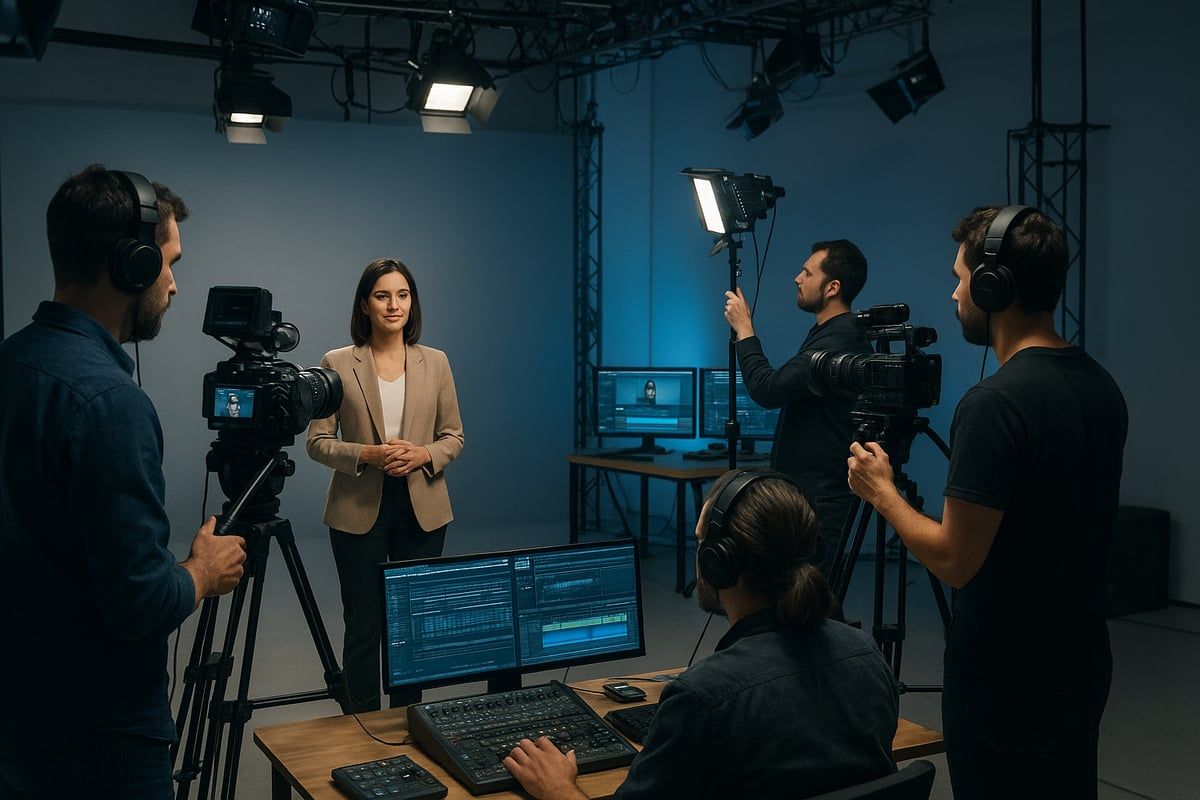
Begin by setting up equipment. Position cameras to cover all necessary angles. Adjust lighting rigs for optimal exposure and mood. Place microphones strategically to capture clear audio and minimize background noise.
Directing talent is a key part of the audio video production process. Provide clear instructions to presenters, actors, or interviewees to ensure natural and effective performances.
Choose between single or multi-camera setups based on the project. Multi-camera setups are ideal for live events, panel discussions, or dynamic scenes.
Monitor quality in real time. Use headphones to check audio levels and video monitors to assess framing and focus. Immediate feedback helps catch issues early.
Manage media diligently. Back up footage after each session, and log takes with notes for easy retrieval during editing.
Troubleshooting is inevitable. Be prepared to address camera malfunctions, lighting inconsistencies, or audio interference quickly. Keep spare batteries and backup gear on hand.
Prioritize health and safety on set. Ensure cables are taped down, equipment is secure, and all team members are briefed on emergency procedures.
Here is a quick production workflow list:
- Set up cameras, lighting, and audio equipment
- Conduct technical checks for sound and image quality
- Direct talent and manage on-set communication
- Capture footage using planned shot lists
- Monitor recordings and make real-time adjustments
- Backup and log all media files
A well-coordinated production phase ensures your audio video production remains on schedule and maintains top-tier quality.
Post-Production: Editing and Delivering the Final Product
Post-production transforms raw footage into a polished final product. This is where storytelling, technical skills, and attention to detail converge.
Start by importing and organizing footage. Create a logical folder structure for video, audio, graphics, and project files. This keeps the audio video production process efficient.
Editing is the heart of post-production. Use professional software like Adobe Premiere Pro or DaVinci Resolve to cut, sequence, and color grade your video. Refine pacing and visual continuity to enhance viewer engagement.
Audio editing is equally important. Balance levels, reduce noise, and synchronize soundtracks with visuals. Add effects, music, or voiceovers as needed to reinforce the message.
Motion graphics and animation add flair. Incorporate titles, lower thirds, and visual effects using tools like After Effects or Blender.
Review and revisions are collaborative. Share drafts with stakeholders for feedback. Incorporate changes promptly to keep the audio video production timeline on track.
Export the final product in required formats and resolutions. Ensure compatibility with distribution platforms, whether for web, broadcast, or social media.
Conduct a final quality assurance check. Watch the entire piece for errors, glitches, or inconsistencies before delivery.
Here is a sample workflow for editing a product showcase video:
- Import and sort all media assets
- Assemble rough cut based on storyboard
- Apply color correction and grading
- Edit and mix audio tracks
- Add motion graphics and brand elements
- Review with stakeholders for feedback
- Export in multiple formats (e.g., 4K, HD, mobile)
- Final quality check before release
By following these steps, your audio video production will consistently achieve professional, impactful results.
Essential Tools and Technologies for 2026
The landscape of audio video production in 2026 is defined by rapid innovation and seamless integration across technologies. Staying current with the latest tools is essential for professionals aiming to deliver high-quality, engaging content in this competitive field. From acquisition to delivery, each stage in audio video production is shaped by specialized equipment, smart software, and powerful automation.
Cameras: The Heart of Visual Storytelling
Choosing the right camera is foundational to audio video production success. In 2026, 4K and 8K resolution cameras are standard, offering exceptional detail for both cinema and corporate work. Mirrorless cameras, prized for their portability and speed, are popular among content creators, while cinema cameras provide advanced controls and dynamic range for high-end productions.
Comparison Table: Mirrorless vs Cinema Cameras
| Feature | Mirrorless Cameras | Cinema Cameras |
|---|---|---|
| Portability | High | Moderate |
| Image Quality | Excellent (4K/8K) | Superior (4K/8K) |
| Price Range | $$ | $$$$ |
| Controls | Basic-Advanced | Advanced |
| Use Case | Social, Events | Film, Broadcast |
Audio Equipment: Capturing Every Nuance
Clear, crisp sound is a non-negotiable in audio video production. Digital recorders ensure reliable capture, while wireless microphones provide freedom of movement for presenters and talent. Mixing consoles enable real-time sound adjustments, crucial for live events and studio settings.
- Digital recorders: Portable and high-fidelity for field and studio use.
- Wireless microphones: Essential for interviews, events, and mobility.
- Mixing consoles: Digital boards with multi-track capabilities and remote control.
Lighting: Shaping the Scene
Lighting transforms the mood and clarity of any audio video production. LED panels dominate the market, offering energy efficiency and adjustable color temperatures. Smart lighting systems allow for app-based control, while portable rigs make on-location shoots flexible and efficient.
- LED panels: Dimmable, color-accurate, and cool-running.
- Smart lighting: Remote and programmable, ideal for dynamic scenes.
- Portable lighting: Battery-powered for shoots in any environment.
Editing Software: The Digital Studio
Post-production relies on robust editing tools. Adobe Premiere Pro, DaVinci Resolve, and AVID Pro Tools are industry standards for video and audio editing. Each offers unique strengths—Premiere for versatility, DaVinci for color grading, AVID for professional audio mixing.
- Adobe Premiere Pro: Broad compatibility, advanced features.
- DaVinci Resolve: Renowned color grading, end-to-end workflow.
- AVID Pro Tools: Industry leader in audio editing and mixing.
Motion Graphics and Animation
Dynamic visuals set productions apart. Tools like Adobe After Effects, Blender, and Cinema 4D enable designers to add motion graphics, 3D animation, and visual effects, elevating the final product’s impact.
- Adobe After Effects: Motion graphics and compositing.
- Blender: Open-source 3D modeling and animation.
- Cinema 4D: Professional-grade 3D motion design.
Cloud-Based Collaboration and Remote Production
Modern audio video production teams leverage cloud platforms for real-time collaboration, remote editing, and efficient media asset management. These tools support distributed teams, accelerate feedback cycles, and streamline workflow across locations.
- Cloud editing: Access and edit footage from anywhere.
- Media asset management: Organize, tag, and share files securely.
- Live review tools: Stakeholders provide instant feedback.
AI and Automation: The New Frontier
Artificial intelligence is revolutionizing audio video production. Automated editing tools, instant transcription, and smart color correction boost productivity and consistency. Emerging technologies like EchoFoley: Event-Centric Hierarchical Control for Video Grounded Creative Sound Generation demonstrate how AI-driven sound design is reshaping creative workflows, enabling new levels of efficiency and creative control.
Streaming and Distribution Platforms
Delivering content to audiences worldwide requires robust streaming and distribution solutions. Platforms support both live and on-demand video, ensuring seamless playback across devices and networks. This has fueled the rise of hybrid events and global campaigns.
- Live streaming: Real-time broadcast to social, corporate, and entertainment platforms.
- On-demand: Hosting and distributing finished videos to targeted audiences.
Example: A Modern Production Stack for Hybrid Events
A typical 2026 audio video production stack for a hybrid event might include 8K mirrorless cameras, wireless microphones, LED lighting, a digital mixing console, and cloud-based editing software. The team collaborates remotely with live review tools, integrates motion graphics via After Effects, and streams the event on multiple platforms for global reach. According to AVIXA's Pro AV industry revenue forecast, these integrated solutions are driving significant growth in the professional AV sector.
Choosing and mastering these essential tools is crucial for anyone seeking to stay competitive in audio video production. The right technology empowers creators to deliver impactful stories, adapt to industry trends, and meet client demands with precision.
Career Opportunities, Specializations, and Industry Outlook
Unlocking a career in audio video production means stepping into a world of creative, technical, and strategic possibilities. As digital content continues to surge, the demand for professionals with specialized skills in this field is at an all-time high. Whether you are passionate about sound, visuals, or the intersection of both, there is a path for you in this dynamic industry.
In-Demand Roles and Career Paths
The audio video production landscape offers a spectrum of career opportunities, each requiring a unique blend of technical expertise and creativity. Popular roles include:
- Audio production: Sound engineer, music producer, podcast producer, audio editor.
- Video production: Videographer, video editor, camera operator, director.
- Hybrid roles: Motion graphics designer, live stream technician, virtual event producer.
Many professionals start as production assistants or interns, gradually advancing to specialized or leadership positions. The choice between freelance and full-time employment is significant. Freelancers enjoy variety and flexibility, while full-time staff often benefit from stability and structured growth.
Here is a quick comparison of typical roles and salary ranges:
| Role | Entry-Level Salary | Experienced Salary |
|---|---|---|
| Video Editor | $35,000 | $65,000 |
| Sound Designer | $38,000 | $70,000 |
| Media Production Assistant | $30,000 | $45,000 |
| Motion Graphics Designer | $40,000 | $80,000 |
Success stories abound, with many professionals leveraging audio video production skills to move from unpaid internships to leadership roles in broadcast, entertainment, or digital media firms.
Industry Sectors and Applications
Audio video production is the backbone of multiple industries. In the corporate world, it powers training videos, executive communications, and brand storytelling. The benefits of corporate video production extend to engagement, retention, and measurable ROI for businesses of all sizes.
Marketing and advertising agencies rely on compelling commercials, product showcases, and social media content to captivate audiences. In entertainment, audio video production is essential for film, television, music videos, and animation. The education sector leverages e-learning modules, lecture capture, and virtual classrooms to expand access and enhance learning outcomes.
Events, both live and virtual, demand skilled professionals for live streaming, hybrid conferences, and sports broadcasting. Non-profit and public sector organizations use audio video production to create awareness campaigns and informational content.
The global appetite for content is fueling industry growth. According to global entertainment and media industry revenue projections, the sector is set to reach $3.5 trillion by 2029, reflecting the expanding need for high-quality production across platforms.
Future Trends and Skills for 2026 and Beyond
The future of audio video production is shaped by innovation, adaptability, and a multi-disciplinary skill set. Remote and virtual production are becoming mainstream, thanks to cloud technology and advanced streaming tools. AI is transforming workflows with automated editing, smart captioning, and new creative possibilities.
As platforms like TikTok, Instagram Reels, and OTT services proliferate, professionals must create content tailored for diverse audiences and formats. Employers increasingly value those who blend video, audio, and graphic design competencies.
Diversity and inclusion are opening doors for underrepresented groups, while sustainability practices are gaining traction through digital distribution and eco-conscious production methods. A recent example is a brand that combined multi-platform video strategies to boost campaign success and audience engagement.
Staying ahead in audio video production means embracing continuous learning, mastering new technologies, and cultivating skills that bridge creativity with technical excellence.
You’ve just explored the essential roadmap to mastering audio video production for 2026—from building core skills to navigating the latest technology and industry trends. Whether you’re an aspiring professional or a business looking to make a bigger impact with video, the next step is about putting knowledge into action. If you’re ready to create high-performance content that truly delivers results, let’s connect and discuss how we can bring your vision to life. Take the first step and start a project—together, we’ll elevate your audio video strategy for the future.