
Production techniques are advancing at a pace never seen before, reshaping how every industry approaches creative work. As we look to 2026, professionals face a turning point where adapting quickly is essential for staying competitive.
This article uncovers the best production tips and trends that will set you apart in 2026. From AI-powered workflows and sustainable practices to immersive technology and data-driven decisions, these insights will help you lead the way. Ready to transform your approach? Explore these strategies now and position yourself for success in the evolving world of production.
The State of Production in 2026: Key Shifts and Industry Drivers
Production in 2026 is in the midst of transformative change. To achieve the best production outcomes, professionals must navigate a landscape shaped by rapid technological advances, shifting regulations, and evolving audience expectations. The following industry drivers are defining this pivotal era.
The Acceleration of Digital Transformation
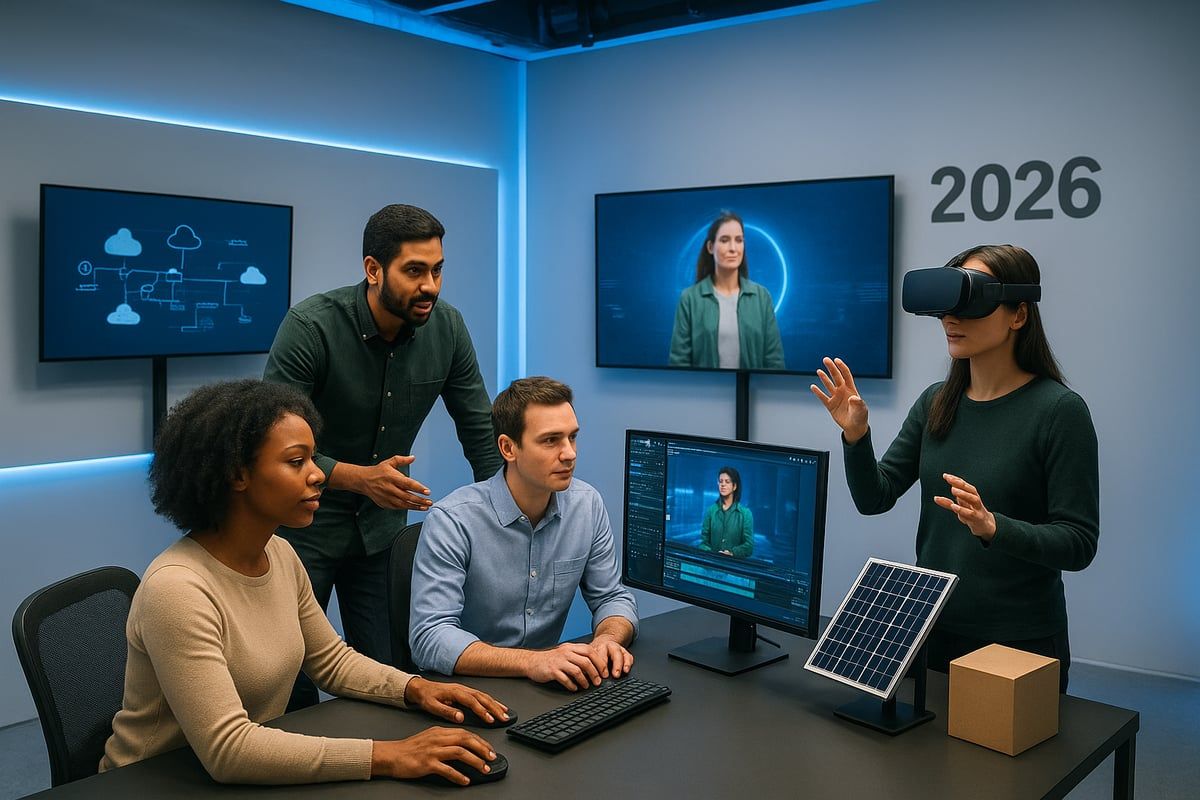
Digital transformation is at the heart of the best production strategies in 2026. Production teams now rely on cloud-based workflows, enabling seamless collaboration across continents. Remote work has become the norm, with 90% of teams using hybrid or fully digital pipelines. This shift not only streamlines communication but also accelerates project timelines and reduces logistical barriers. Embracing digital tools is no longer optional; it is a competitive necessity.
Sustainability as a Non-Negotiable Standard
Sustainability is now a baseline expectation in the best production environments. Regulatory bodies and consumers alike demand eco-friendly practices, pushing studios to integrate carbon footprint tracking into every project. Major studios require detailed sustainability reports as part of their workflow. Techniques such as virtual sets, energy-efficient lighting, and waste minimization are widespread. For a deeper dive into these practices, explore this scientific approach to sustainability in film production. Studios that prioritize green solutions not only comply with regulations but also enhance their brand reputation and unlock new funding opportunities.
Talent, Diversity, and Globalization
The best production outcomes are driven by teams that reflect a broad range of backgrounds and experiences. Producers now build diverse, cross-cultural teams, often sourcing creative talent from across the globe. The rise of remote work has expanded access to international talent pools, with 60% of productions hiring internationally. This global approach fuels creativity and ensures content resonates with a wider audience. Emphasizing diversity is both a moral imperative and a strategic advantage.
The Rise of Data-Driven Decision-Making
Data analytics have become central to the best production planning and execution. Studios use real-time data to optimize budgets, schedules, and audience targeting. AI-powered forecasting tools help predict content success, enabling producers to make informed decisions at every stage. With 80% of major productions employing data analysts, data-driven insights are shaping both creative and business strategies. Balancing analytics with creative intuition is key to maintaining originality while maximizing returns.
Convergence of Entertainment, Marketing, and Corporate Content
The boundaries between entertainment, branded content, and corporate media have blurred. Fortune 500 companies now invest significantly in cinematic-quality internal videos and marketing assets. Productions are designed to serve multiple purposes, leveraging storytelling techniques from film and television to engage employees and customers alike. This convergence signals a new era for the best production, where versatility and adaptability are essential for ongoing success.
7 Best Production Tips and Trends to Know in 2026
Staying ahead in the fast-evolving world of production means staying informed about the latest strategies, tools, and mindsets. The best production teams in 2026 are those that adapt quickly, embrace innovation, and prioritize efficiency and creativity at every step. In this section, we break down the seven best production tips and trends that will define industry success in 2026, helping you future-proof your workflows and maximize results.
1. [Embrace AI and Automation for Smart Workflows]
Artificial intelligence and automation are now integral to the best production workflows. From scriptwriting and scheduling to editing and asset management, AI streamlines repetitive tasks and accelerates timelines.
The best production teams leverage AI-assisted editing tools, which enable faster post-production and real-time feedback. For instance, automated shot listing and scheduling reduces manual errors and ensures consistency across projects. Studios utilizing AI-powered tools have reported up to 30 percent faster post-production times, a game-changer for tight deadlines.
However, the rise of automation brings new considerations. Balancing machine efficiency with human creativity is vital. The recent IATSE agreement on AI use highlights the industry's commitment to transparency and fair practices, ensuring that automation supports rather than replaces creative professionals.
To get started, focus AI integration on repetitive, time-consuming tasks. As your team becomes more comfortable, scale up to advanced applications such as predictive analytics and dynamic asset management. Always prioritize data security and transparency throughout the process.
Key benefits of AI in best production:
- Increased efficiency and reduced costs
- Enhanced accuracy in scheduling and asset tracking
- Real-time insights for creative decision-making
Tip: Begin with AI tools for basic editing and scheduling, then expand as your team's expertise grows. Remember, the best production outcomes stem from a synergy between technology and human intuition.
2. [Prioritize Sustainable and Eco-Friendly Production Practices]
Sustainability is a non-negotiable standard for the best production teams in 2026. Regulatory requirements and consumer expectations have made green practices essential, not optional. Today, over 70 percent of productions must meet strict sustainability benchmarks, influencing every stage from set design to equipment usage.
Eco-friendly strategies include green set construction, energy-efficient lighting, and extensive waste reduction. For example, blockbuster films now use virtual sets to minimize travel and reduce carbon emissions. Digital documentation is replacing paper, further decreasing environmental impact.
Studios that achieve eco-certification not only contribute to a healthier planet but also enhance their brand reputation. Investors and audiences increasingly favor productions that demonstrate accountability and innovation in sustainability.
Best production sustainability practices:
- Reusable set materials and solar-powered equipment
- Carbon footprint tracking integrated into project management
- Mandatory sustainability reports for all major projects
Case study: Major studios now require detailed sustainability reports before greenlighting any project, ensuring eco-friendly standards are met from the outset.
Tip: Transition your documentation and planning processes to digital platforms to minimize paper waste and track sustainability metrics in real time. The best production teams understand that eco-friendly practices are both a responsibility and a strategic advantage.
3. [Leverage Virtual Production and Extended Reality (XR) Technologies]
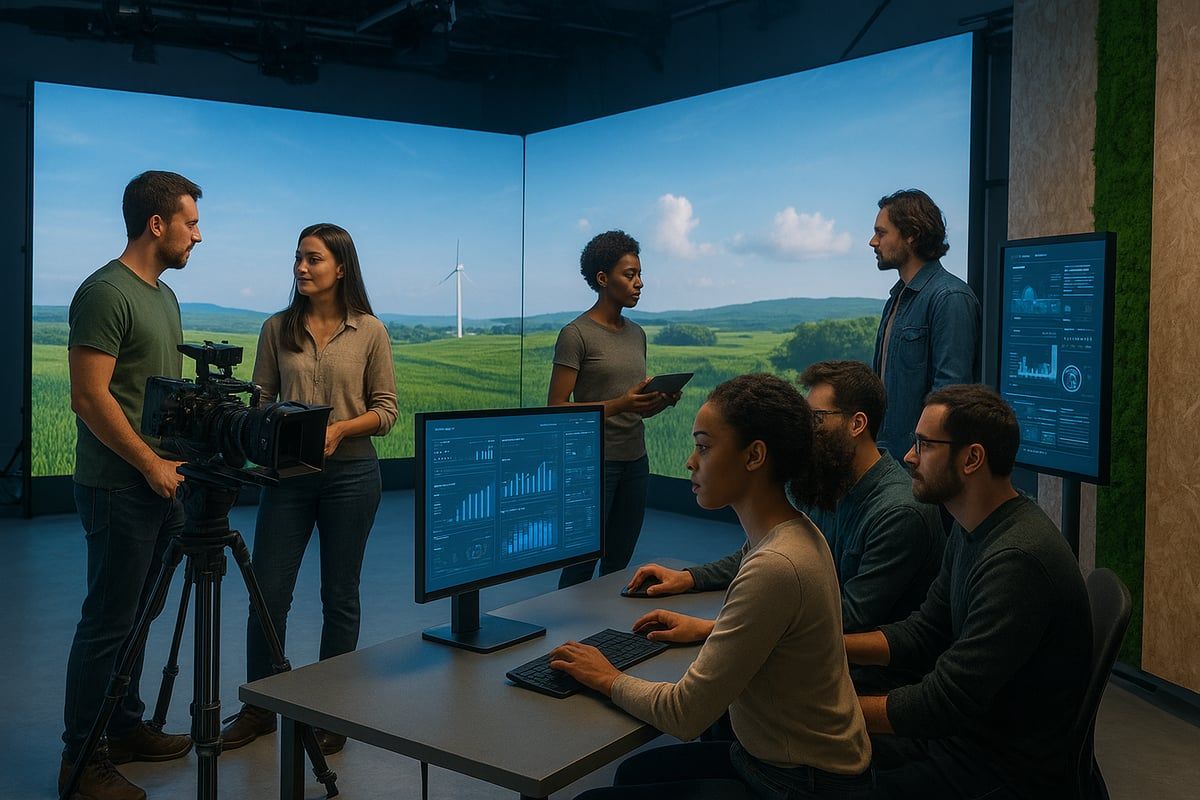
Virtual production and XR are revolutionizing the way the best production teams create immersive environments. Technologies like LED volumes and real-time rendering provide unparalleled creative flexibility, reduce location costs, and enable faster turnarounds.
Adoption of XR in production has doubled since 2024, driven by the need for efficient, visually compelling content. Notable example: Netflix's "Frankenstein" used virtual sets to create atmospheric nautical interiors, saving both time and resources. By collaborating with XR specialists early in pre-production, teams ensure seamless integration and maximize the potential of these tools.
Virtual production methods also allow for simultaneous content creation across platforms, streamlining workflows and expanding audience reach. For the best production outcomes, XR technologies are now a standard part of the toolkit.
Benefits of XR in best production:
- Rapid prototyping and scene adjustments
- Reduced need for on-location shoots
- Enhanced creative experimentation without budget overruns
Tip: Invest in training and partnerships with XR professionals. The earlier they are involved, the smoother the integration into your production pipeline. The best production teams are those that adapt quickly to new immersive technologies.
4. [Harness Data Analytics for Informed Creative and Business Decisions]
Data analytics is transforming decision-making for the best production teams. By leveraging audience insights and predictive analytics, producers can optimize content, budgets, and distribution strategies in real time.
Today, 80 percent of major productions employ dedicated data analysts. Real-time dashboards help guide creative choices and marketing efforts, ensuring content resonates with target audiences. For example, studios can now adjust promotional campaigns mid-release based on live audience feedback, increasing engagement and return on investment.
Balancing data-driven insights with creative intuition is crucial. While analytics reveal patterns and opportunities, human judgment remains essential for storytelling and brand alignment.
Best production analytics strategies:
- Integrate analytics dashboards at every stage of production
- Use predictive models to forecast audience preferences and content success
- Identify untapped market segments for targeted outreach
| Benefit | Description |
|---|---|
| Budget Optimization | Allocate resources where they are most effective |
| Audience Targeting | Tailor content for specific demographics |
| Schedule Efficiency | Predict and resolve bottlenecks proactively |
Tip: Make data analytics a core component of your workflow from pre-production through post-release. The best production teams use analytics to stay agile and informed, helping them outperform competitors.
5. [Foster Agile, Cross-Functional Teams for Maximum Creativity]
The era of siloed departments is over. The best production teams in 2026 are agile, cross-functional, and multi-skilled. By bringing together diverse perspectives and expertise, these teams solve problems faster and generate more innovative ideas.
Agile teams leverage collaborative project management tools to streamline communication and adapt quickly to changing project needs. For instance, Marvel Studios' "The Fantastic Four: First Steps" used cross-disciplinary teams to achieve a distinctive retro-futurist aesthetic.
Data shows agile teams report 25 percent higher satisfaction rates and deliver projects more efficiently. The best production outcomes arise when departments like design, editing, and sound work seamlessly together.
Advantages of agile, cross-functional teams:
- Faster problem-solving and decision-making
- Greater adaptability to shifting project requirements
- Higher morale and job satisfaction
Tip: Implement regular cross-team meetings and use collaborative digital platforms to keep everyone aligned. The best production environments foster open communication and encourage team members to share knowledge across disciplines.
6. [Invest in Talent Development and Diverse Perspectives]
Continuous learning and diversity are core pillars for the best production teams. As technologies and audience expectations evolve, ongoing training is essential. Investing in mentorship, peer learning, and upskilling ensures your team remains competitive.
Diversity is not just a buzzword. Productions with diverse teams are 35 percent more likely to achieve superior ROI. A blend of backgrounds and viewpoints drives creativity, innovation, and deeper audience connection. The "Sinners" production team, for example, combined historical accuracy with modern sensibilities, resulting in a unique and compelling narrative.
Best production talent strategies:
- Offer regular workshops on emerging tools and techniques
- Encourage mentorship and knowledge sharing within teams
- Proactively recruit talent from varied backgrounds
Tip: Prioritize diversity and continuous learning in hiring and team development. The best production leaders understand that nurturing talent and embracing fresh perspectives are key to long-term success.
7. [Optimize Content for Multi-Platform Distribution]
In 2026, the best production teams design content for a landscape that spans social media, streaming, AR/VR, and traditional channels. Multi-platform optimization is essential for maximizing reach, engagement, and revenue.
Eighty-five percent of productions now deliver content to at least three platforms. Studios create platform-specific versions of assets, tailoring formats and storytelling techniques to suit each audience. Planning distribution strategy during pre-production ensures adaptability and efficiency throughout the process.
Best production multi-platform strategies:
- Develop flexible assets that can be repurposed across channels
- Use analytics to determine optimal formats and release schedules
- Tailor messaging and style for each platform's unique audience
| Platform | Content Adaptation Tip |
|---|---|
| Social Media | Short clips, vertical orientation, quick engagement |
| Streaming | Long-form, high-definition, cinematic style |
| AR/VR | Immersive, interactive experiences |
| Traditional TV | Episodic structure, broad appeal |
Tip: Make multi-platform distribution a core part of your production planning. The best production teams anticipate platform needs early, ensuring their content resonates wherever it appears.
Case Studies: Production Success Stories of 2026
Learning from real-world successes is essential for anyone aiming to achieve best production results. The following case studies showcase how top studios and creative teams in 2026 are redefining industry standards through innovation, adaptability, and a focus on best production trends.
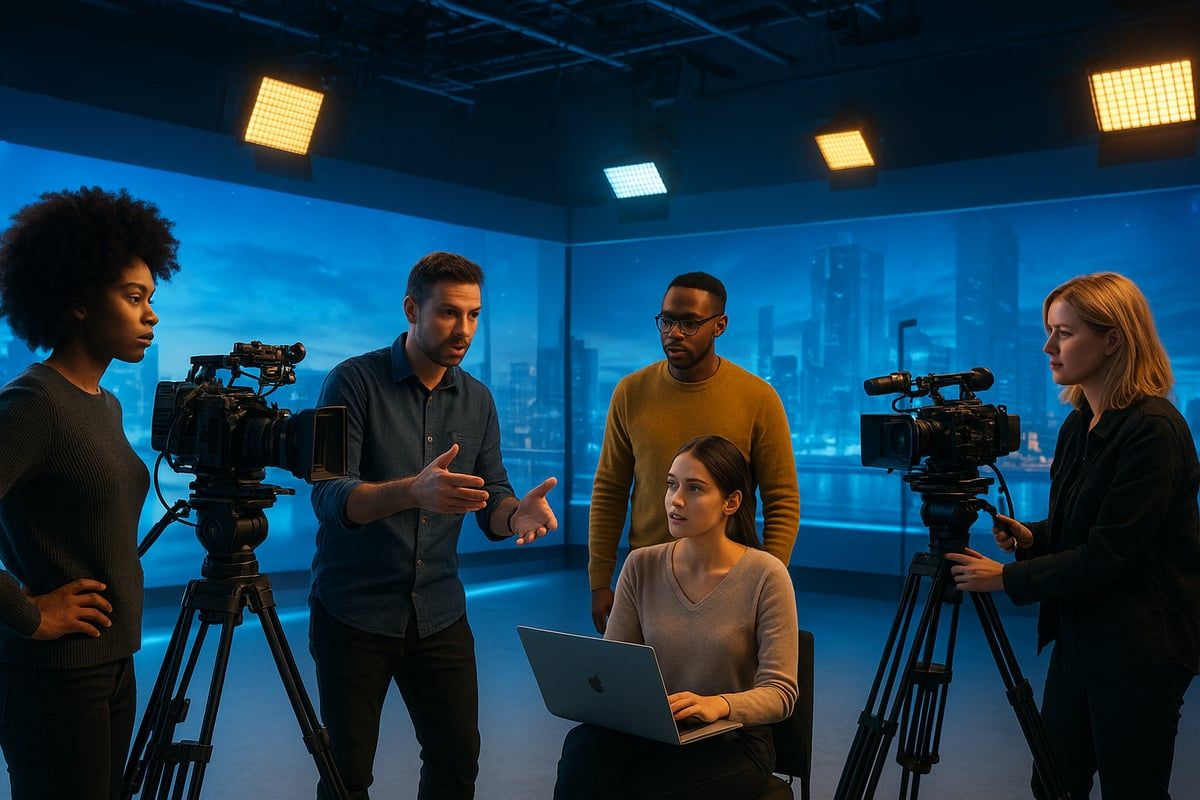
“Frankenstein” (Netflix)
Netflix’s “Frankenstein” stands out as a hallmark of best production practice in 2026. By integrating virtual production and AI-driven workflows, the team rapidly constructed intricate gothic environments. LED volumes and real-time rendering allowed for seamless scene transitions, while AI tools managed scheduling and asset tracking.
This approach reduced production time by 20 percent and set a new benchmark for atmospheric world-building. The collaboration exemplifies how best production strategies can accelerate timelines without sacrificing quality. For more on how AI is transforming filmmaking, see the AI Film Festival showcases innovation.
“Sinners” (Warner Bros.)
“Sinners” by Warner Bros. illustrates the value of agile, cross-functional teams in achieving best production outcomes. The crew blended historical accuracy with cutting-edge storytelling, drawing on specialists in set design, costume, and visual effects.
By prioritizing open communication and diversity, the project achieved critical acclaim for both its visual and narrative depth. This model of best production leverages the strengths of every team member, ensuring the final product resonates with a broad audience. Their process demonstrates that collaboration is as vital as technology in the pursuit of excellence.
“The Fantastic Four: First Steps” (Marvel Studios)
Marvel Studios’ “The Fantastic Four: First Steps” redefined best production in the superhero genre. The team merged retro-futurist design with extended reality (XR) technology, creating immersive worlds that captivated audiences and critics alike.
Utilizing XR specialists from pre-production, they produced content optimized for multiple platforms, expanding the franchise’s reach. This best production approach not only set new visual standards but also showcased how strategic technology adoption can drive creative storytelling. The result was a blockbuster that resonated across generations.
“Marty Supreme” (A24)
A24’s “Marty Supreme” highlights how best production does not always mean large budgets or elaborate effects. The minimalist production emphasized character-driven storytelling and sustainable practices, including digital documentation and reusable set materials.
Despite its modest scale, the film made a major impact by applying best production strategies, such as eco-friendly workflows and audience-focused editing. For more actionable ideas, explore these 10 online video production tips that align with the innovative spirit of 2026 productions.
Future Outlook: Where Production Is Headed Beyond 2026
The future of the best production is unfolding faster than ever, setting the stage for another wave of transformation beyond 2026. As we look ahead, professionals will need to anticipate not just incremental improvements but fundamental shifts in the tools, strategies, and expectations that define industry success.
Emerging Technologies on the Horizon
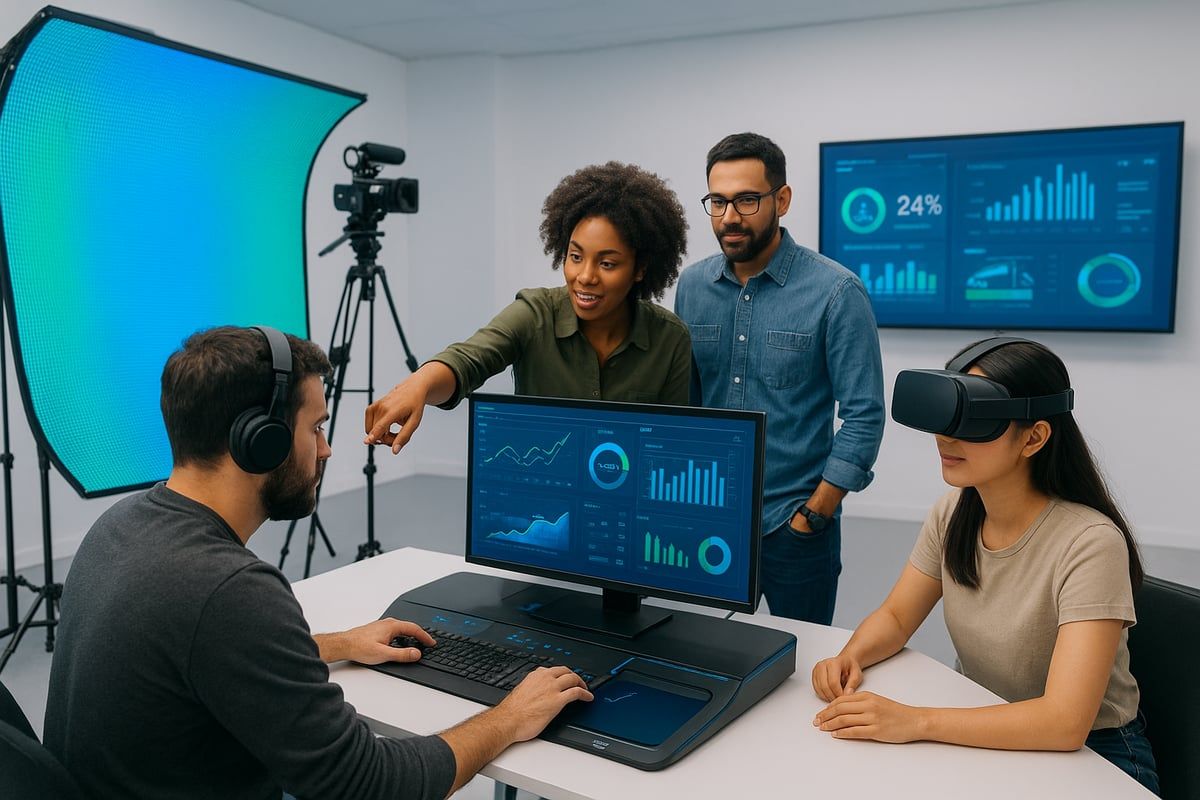
The next era of the best production will be shaped by generative AI, advanced virtual humans, and real-time audience feedback systems. These innovations promise to streamline workflows, personalize content at scale, and create interactive experiences that blur the line between creator and viewer.
Industry data shows that global adoption of AI in production workflows is accelerating, as highlighted by the AI adoption in Italian firms report. Studios are already leveraging machine learning for script development, visual effects, and audience analysis, and this trend will only intensify.
Sustainability as the Baseline
Sustainability will evolve from a competitive edge to a fundamental requirement. Regulatory frameworks around eco-compliance will tighten, and clients will expect robust sustainability documentation as standard practice. Carbon tracking tools and renewable energy sources will become industry norms, influencing every stage of the best production process.
Personalization and Hyper-Targeted Distribution
The evolution of content personalization will demand that teams design assets for increasingly niche audiences. Hyper-targeted distribution powered by sophisticated analytics will ensure content reaches the right viewers, on the right platforms, at the right time. This trend will challenge creators to rethink storytelling and format choices from the outset.
Navigating Regulatory Change
With data privacy regulations expanding globally, the best production professionals must prioritize compliance while embracing innovation. Eco-compliance and transparent data practices will be essential for building trust with both regulators and audiences.
Lifelong Learning and Adaptability
Continuous learning will be the cornerstone of professional growth. Adapting to new tools, technologies, and creative approaches will distinguish industry leaders from followers. Embracing change and fostering a culture of experimentation will ensure teams stay prepared for whatever comes next.
Key Takeaways Table
| Trend | Impact on Best Production |
|---|---|
| Generative AI & Virtual Humans | Higher efficiency, new creative frontiers |
| Sustainability as Standard | Eco-compliance required, brand advantage |
| Personalization & Analytics | More precise audience engagement |
| Regulatory Shifts | Stronger data and environmental governance |
| Lifelong Learning | Future-ready, agile production teams |
To thrive in the future, focus on agility, data-driven strategies, and sustainability as pillars of the best production. For a deeper understanding of pitfalls to avoid and strategies to refine your approach, see the video production mistakes to avoid guide.
As we look ahead to 2026, embracing new production trends like AI-powered workflows, sustainable practices, and immersive technologies is essential for staying competitive and delivering content that truly resonates. If you’re ready to apply these insights and elevate your next project with high-performance video that drives real business results, I encourage you to take the next step. Let’s work together to transform your vision into compelling, measurable outcomes for your brand. Start a project