
As the world of video production rapidly evolves, the vision mixer stands at the heart of every successful live and recorded show. With new formats and technologies emerging ahead of 2026, mastering this crucial tool is more important than ever.
This comprehensive guide offers essential insights into vision mixer technology, modern workflows, and the latest career trends. Whether you are a seasoned professional, an aspiring student, or part of a production team, you will find up-to-date knowledge to stay ahead.
Explore the fundamentals, discover cutting-edge innovations, learn best practices, and navigate the skills and equipment shaping the future of production. Ready to elevate your expertise and lead the next generation of visual storytelling? Let’s begin.
Vision Mixer Fundamentals: Core Concepts and Capabilities
A vision mixer is the heartbeat of any professional video production environment. Whether in a bustling TV studio or a mobile event setup, this device orchestrates the visual experience by managing multiple video sources in real time. Understanding the fundamentals of a vision mixer is essential for anyone aiming to excel in live or recorded video production.
What Is a Vision Mixer? Definitions and Roles
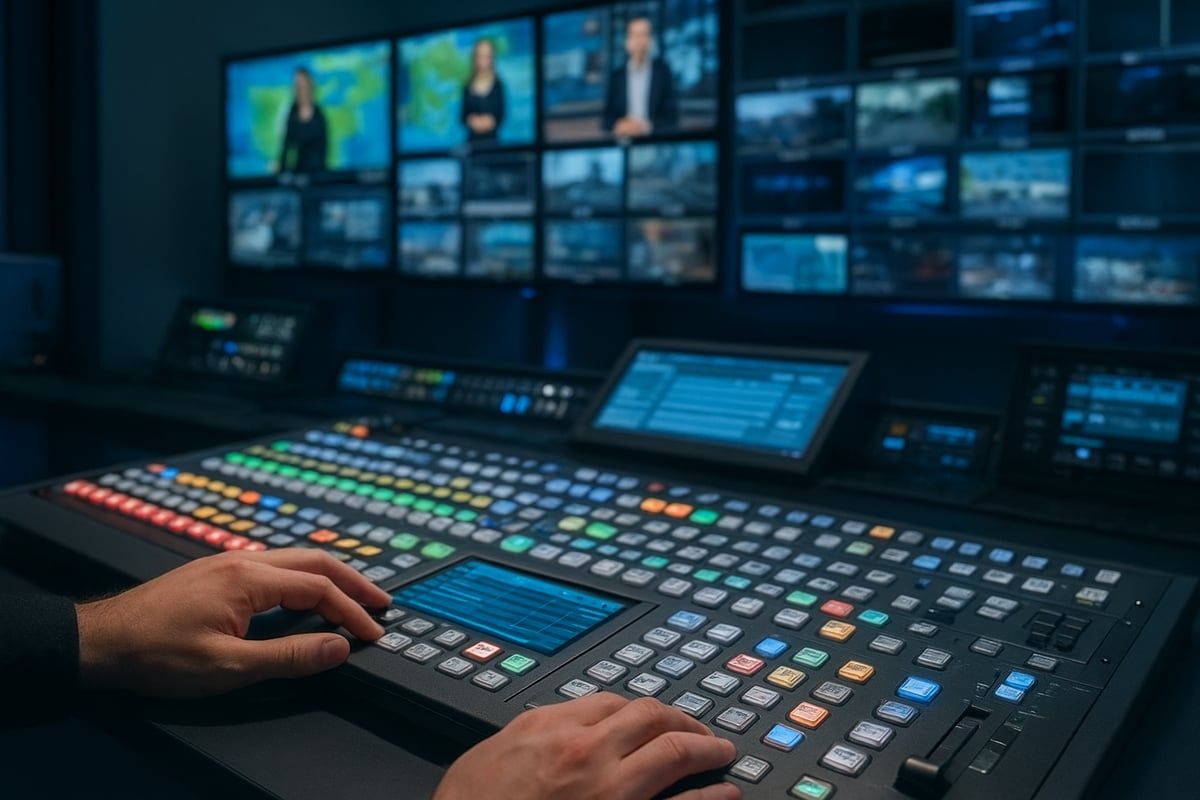
A vision mixer, also known as a video switcher or production switcher, is a device used to select, combine, and manipulate multiple video sources during a live or recorded production. Unlike an audio mixing console, which blends sound from various microphones or sources, a vision mixer focuses on the visual elements, seamlessly transitioning between cameras, graphics, and playback feeds.
The primary function of a vision mixer is to enable real-time switching and compositing of video signals. This makes it indispensable for live television, sports broadcasts, concerts, newsrooms, and even post-production workflows. Operators use the vision mixer to ensure smooth transitions, manage overlays, and maintain the visual narrative throughout a production.
It's important to distinguish between the equipment (the vision mixer itself) and the operator (sometimes called a technical director). The operator is responsible for making creative and technical choices, while the device provides the tools to execute those decisions. For example, during a live sports event, the vision mixer allows the technical director to quickly switch between different camera angles, incorporate slow-motion replays, and add on-screen graphics.
According to industry statistics, the majority of multi-camera professional productions rely on a vision mixer to deliver a polished and engaging output. Whether in large broadcast facilities or compact streaming studios, the vision mixer remains central to visual storytelling.
Key Features and Functions
The vision mixer offers a suite of features that empower operators to create dynamic, high-quality productions. At its core, it enables hard cuts (instant changes between sources), dissolves (smooth fades), wipes (animated transitions), and custom effects. These transitions help maintain viewer engagement and support the pacing of live events.
Keying operations are another vital function. The vision mixer can perform chroma keying (commonly known as green screen), luminance keying, and matte keying to layer graphics, titles, or virtual sets over live video. This capability is essential for news broadcasts, weather reports, and entertainment shows that rely on visual effects.
Modern vision mixers integrate digital video effects (DVE), still stores for graphics, and color generators for branding elements. Professional environments typically use component video, SDI (Serial Digital Interface), or SMPTE 2110 (IP-based video transport) to ensure high-quality, low-latency signal transmission. For smaller or consumer-level productions, composite and S-Video inputs offer budget-friendly alternatives.
The evolution from analog to digital technology has transformed the vision mixer, enabling greater flexibility, enhanced image quality, and advanced automation. Hybrid mixers now combine both analog and digital capabilities, supporting a wider range of production needs. For instance, major live events such as international sports tournaments rely on vision mixers to deliver flawless multi-camera coverage and real-time effects to millions of viewers.
Vision Mixer Types and Their Applications
Vision mixers come in various forms, each tailored to specific production scenarios. Analog vision mixers, once the industry standard, have largely been replaced by digital models that offer superior image quality and more sophisticated features. Hardware-based mixers are common in traditional broadcast studios, providing tactile controls and robust reliability. Software-based mixers, on the other hand, are gaining popularity for their flexibility and integration with computer-based workflows.
Portable or compact vision mixers are designed for mobile productions, live streaming, or small event setups. Full-scale broadcast units, with extensive input/output options and advanced automation, serve large studios and complex multi-camera environments. Increasingly, the industry is moving toward cloud-based and IP-connected mixers, which support remote collaboration and scalable workflows.
For example, the Blackmagic ATEM Mini is a favorite among live streamers for its user-friendly interface and portability, while the Ross Video Vision series is a staple in major TV studios for its advanced features. The shift to software-centric and hybrid systems is covered in depth in resources like Software-Centric Production Switchers in Broadcasting, highlighting how modern vision mixers are evolving to meet the demands of contemporary production environments.
As productions grow more complex, selecting the right vision mixer type is crucial for achieving creative goals and maintaining operational efficiency.
Latest Trends and Innovations in Vision Mixer Technology for 2026
The world of vision mixer technology is advancing rapidly as we approach 2026. Production teams, broadcasters, and content creators are seeing a transformation in how live and recorded video is managed. These changes impact everything from workflow flexibility to the creative possibilities on set.
Advances in Hardware and Software Integration
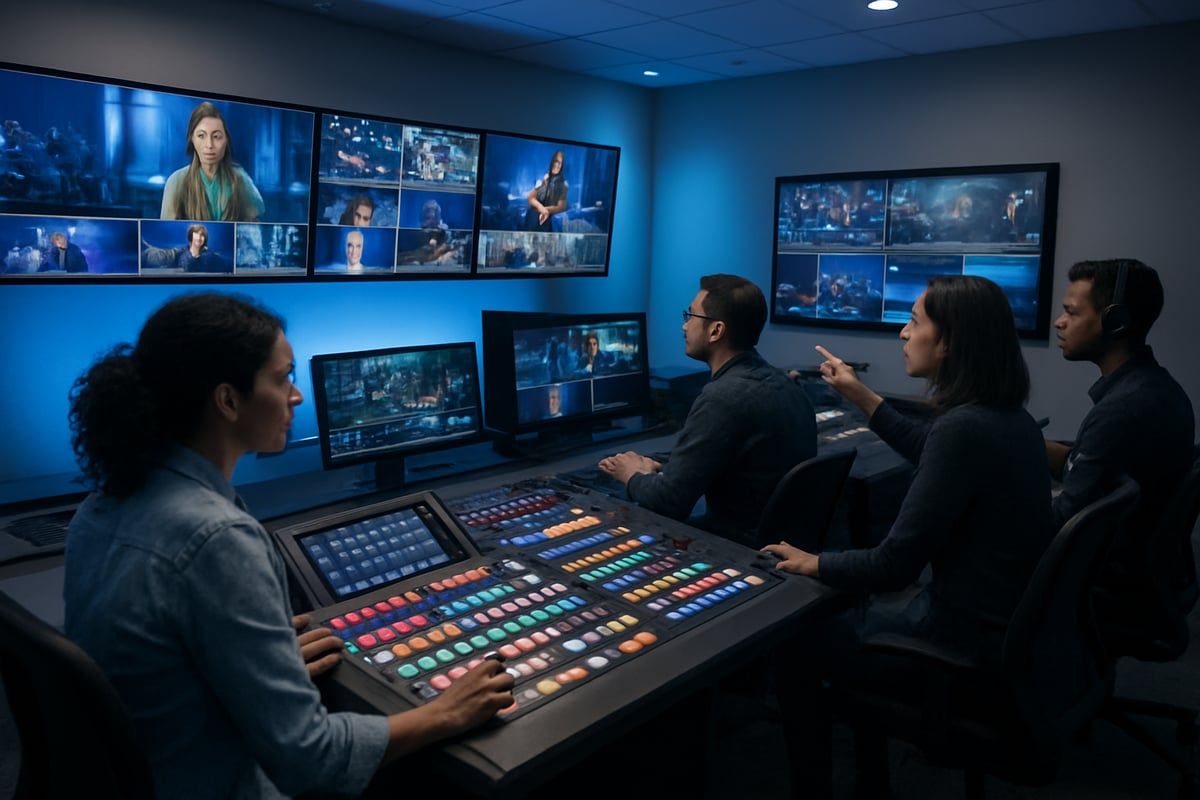
Recent years have seen vision mixer hardware and software become more interconnected than ever. Modern mixers now feature intuitive touchscreen controls, remote operation capabilities, and flexible configurations that streamline both setup and live operation.
AI-driven automation is emerging as a game-changer. These features can automatically switch between camera angles based on action, audio cues, or real-time analytics. This not only reduces manual workload but also elevates production quality. Touchscreen interfaces and app-based control make it easier for teams to collaborate, even when working remotely.
Enhanced connectivity is a hallmark of today's vision mixer systems. Technologies like NDI and SMPTE 2110 allow seamless integration across devices and networks. If you want a broader perspective on how these advances fit into the wider tech landscape, you can read more in the Top 5 Tech Trends to Watch in 2026.
4K, 8K, and HDR Support
The demand for ultra-high-definition content continues to grow. Vision mixer manufacturers are responding by ensuring full compatibility with 4K, 8K, and HDR video formats. This shift brings new challenges, including higher storage requirements and greater processing power.
Productions such as major sports events and concerts now routinely use vision mixer systems to deliver breathtaking UHD and HDR broadcasts. These mixers maintain color accuracy and seamless transitions, even at extreme resolutions. For teams, this means investing in equipment that can handle these demanding formats is essential.
Vision mixer technology is also enabling real-time downscaling or upscaling. This flexibility is crucial for simultaneous streaming to multiple platforms, each with its own technical requirements.
IP-Based and Cloud-Enabled Vision Mixing
One of the most significant trends is the migration from traditional SDI signal routing to IP-based workflows. Vision mixer systems leveraging IP technology offer scalability, flexibility, and improved collaboration among distributed teams.
Cloud-based vision mixer solutions allow for remote production, editing, and live switching from anywhere in the world. By 2026, forecasts predict that over half of new broadcast facilities will use IP-based infrastructure. This change enables multiple operators in different locations to control a production in real time, opening new opportunities for global live streams.
Vision mixer products now often support protocols like NDI and SMPTE 2110, making it easier to route, mix, and distribute signals without extensive cabling. For organizations, this means quicker deployment and greater adaptability.
Enhanced Graphics, AR, and Virtual Sets
Vision mixer technology is at the forefront of integrating advanced graphics, augmented reality, and virtual sets into live productions. Operators can layer real-time data, 3D graphics, and interactive elements directly over video feeds.
Election coverage, sports broadcasts, and XR productions are prime examples where vision mixer systems drive immersive viewer experiences. High-end keying and layering features allow for seamless integration of virtual backgrounds or animated overlays.
As AR and virtual set technology advances, vision mixer capabilities for compositing and real-time effects are becoming essential. This evolution gives producers the creative freedom to experiment and deliver engaging content that stands out.
Sustainability and Power Efficiency
Sustainability is a top priority for manufacturers designing the next generation of vision mixer products. Eco-friendly hardware reduces power consumption, while modular systems help minimize electronic waste.
Energy-efficient design is increasingly important for both large-scale studios and mobile production units. Modern vision mixer equipment often features low-power standby modes, recyclable components, and firmware updates that extend hardware lifespan.
For production teams, choosing a sustainable vision mixer setup supports both operational efficiency and environmental responsibility. As the industry evolves, expect these considerations to become standard when evaluating new equipment.
Vision Mixer Workflow Best Practices: From Pre-Production to Live Output
Mastering the vision mixer workflow is crucial for delivering seamless, professional video productions. Each stage, from pre-production to live output, demands a blend of technical precision and creative foresight. By following best practices at every step, teams can avoid common pitfalls, ensure broadcast quality, and adapt to evolving production demands.
Pre-Production Planning and Setup
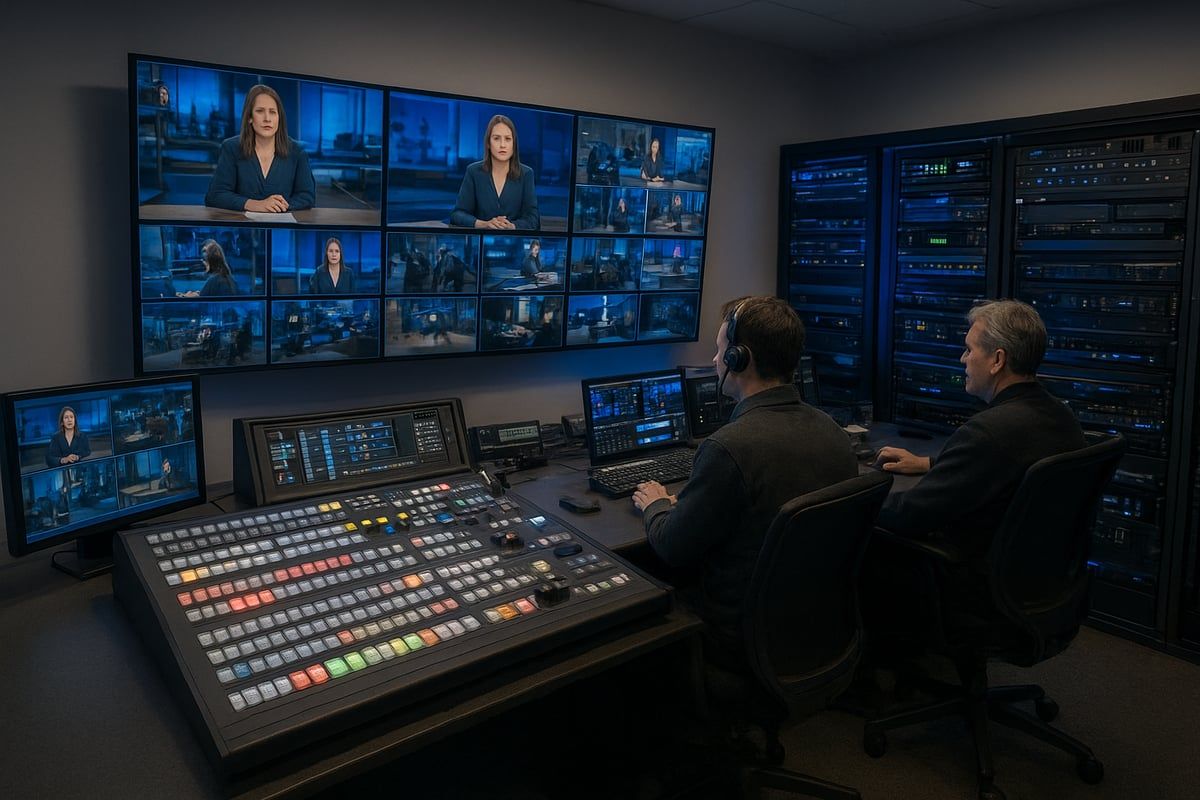
Effective pre-production is the foundation of any successful vision mixer workflow. The first step is source synchronization, which requires genlock or tri-level sync to align all cameras and video feeds. Proper input and output mapping is essential, often visualized with detailed signal flow diagrams that clarify how each source connects to the vision mixer.
Frame synchronizers and time base correctors can resolve mismatches when using non-synced sources. Thorough testing, including dry runs and system checks, helps identify potential issues before going live. Redundancy planning, such as backup power supplies and spare cables, minimizes risk during critical broadcasts.
For those new to multi-camera setups, following video production best practices can streamline planning and improve reliability. These steps ensure the vision mixer operates smoothly from the outset.
Live Production Operation Techniques
Operating the vision mixer during live production requires precision and multitasking. The bus structure is central to this process, with program, preview, and key buses allowing the operator to manage multiple sources and effects. The transition lever, or T-bar, enables manual control over cuts, dissolves, and wipes, while auto-transition buttons provide quick, consistent results.
Keying workflows are vital for overlaying graphics and effects. Operators select fill and source channels for chroma or luma keying, enabling features like lower thirds or virtual sets. Downstream keyers (DSK) handle last-minute graphics and clean feed management, keeping outputs organized and professional.
A well-trained vision mixer operator executes these tasks in real time, ensuring smooth transitions and precise timing. This role is essential for live broadcasts, where even a minor error can be immediately visible to the audience.
Post-Production and Multi-Output Management
Post-production workflows with a vision mixer focus on recording and managing various outputs. Clean and mixed feeds are captured for later editing, ensuring flexibility for highlight reels or on-demand viewing. The vision mixer can route multiple outputs simultaneously, such as program feeds, in-vision screens, and streaming channels.
Layering graphics for replays or event highlights requires careful planning and execution. Consistency across all outputs is critical, especially when content is re-used or distributed through different platforms. Operators should document each setup, noting signal paths and output assignments for future reference.
With the increase in multi-platform broadcasting, the vision mixer’s role in output management has grown. Teams must coordinate to maintain quality and branding across live and recorded content.
Troubleshooting and Quality Assurance
Troubleshooting is an integral part of any vision mixer workflow. Common issues include sync loss, transition glitches, and keying errors. Operators must respond quickly, using monitoring tools and visual cues to spot problems in real time.
Rapid decision-making is essential under pressure. For example, if a source loses sync, switching to a backup feed or running a system reset may be necessary. Regular monitoring and output adjustments help maintain broadcast standards throughout the production.
A quick reference table can help operators address frequent issues:
| Issue | Cause | Solution |
|---|---|---|
| Sync Loss | Unsynced source | Use frame synchronizer |
| Transition Glitch | Software/hardware lag | Reset mixer, check cables |
| Keying Error | Poor lighting/chroma spill | Adjust lighting, refine key |
By prioritizing quality assurance at every stage, the vision mixer team ensures a flawless final product.
Essential Skills, Training, and Career Pathways for Vision Mixers in 2026
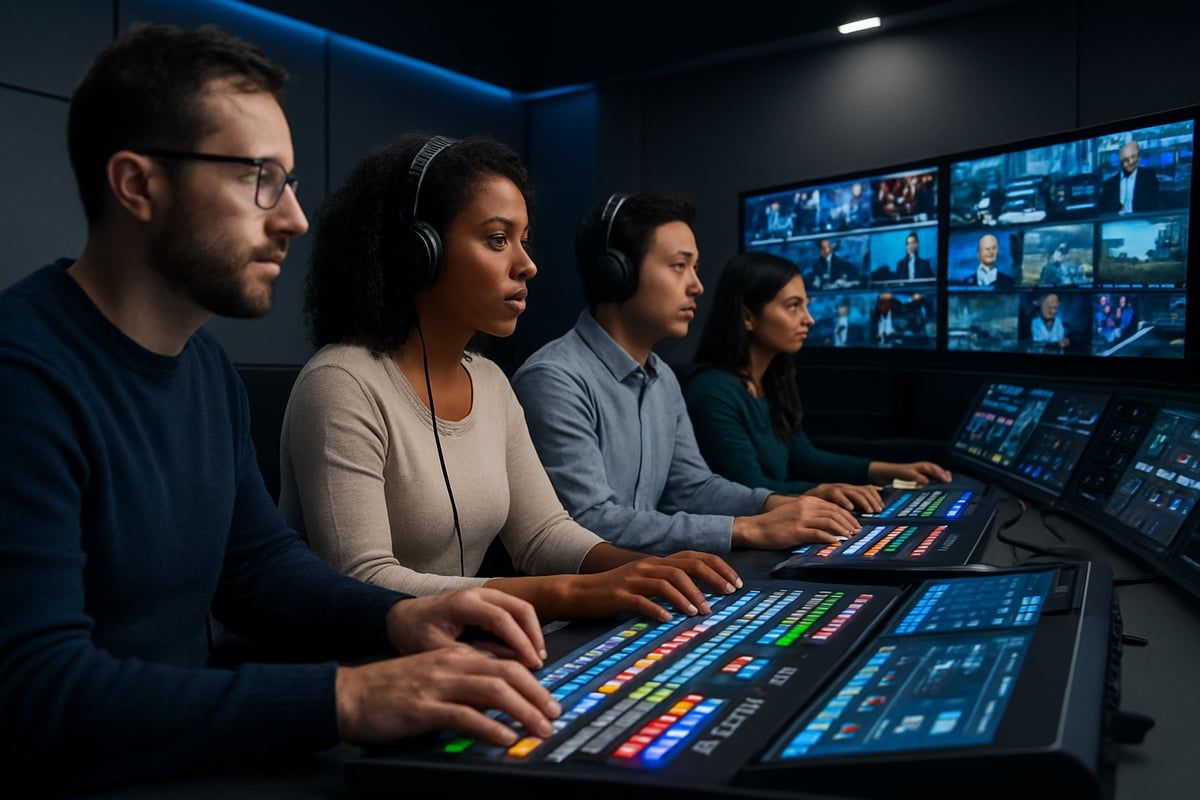
The vision mixer role is evolving rapidly, requiring a blend of creative, technical, and interpersonal abilities. As production teams adapt to new workflows, professionals must sharpen their skills to stand out in this competitive field. Whether you are just starting or aiming to advance, understanding the latest expectations is key for anyone working as a vision mixer.
Core Skills and Competencies
Excelling as a vision mixer means mastering both the art and science of live production. Operators must have a sharp eye for storytelling, using shot selection and sequencing to enhance narratives. The ability to multitask—monitoring multiple screens, listening to the director, and operating the desk—is crucial.
Key competencies include:
- Strong visual awareness and instinctive timing
- Technical understanding of signal flow, synchronization, and keying
- Calmness under pressure with quick decision-making
- Clear communication with directors and crew
Vision mixer professionals are increasingly expected to handle complex graphics, AR elements, and real-time effects. Staying updated with new features ensures you remain an invaluable part of any production team.
Training and Education Pathways
A successful vision mixer career often begins in entry-level roles such as runner, autocue operator, or production coordinator. Progression typically involves moving into positions like graphics operator, script supervisor, and eventually operating the vision mixer desk.
Education options include:
- BTEC, UAL, or OCR Technical Diploma in media production
- Apprenticeships with broadcasters or production companies
- Specialized courses and certifications, such as ScreenSkills Select or NFTS diplomas
Hands-on learning is vital. Training programs often combine classroom instruction with real-world production scenarios, ensuring you build both technical and creative confidence.
Building Experience and Networking
Experience is the foundation of a vision mixer’s expertise. Seek out opportunities to work in multi-camera environments, such as internships or placements with studios and broadcasters. Volunteering for live events can also provide valuable exposure.
Effective networking strategies:
- Attend industry events and join professional groups like the Royal Television Society
- Connect with peers and mentors on platforms such as LinkedIn or ScreenSkills
- Participate in online communities and local meetups
Developing a strong portfolio and professional relationships can open doors to new projects and career advancement.
Career Growth and Specialization
Vision mixer professionals can choose to specialize in genres such as entertainment, sports, music, or politics. With experience, many vision mixers transition into multi-camera directing or technical director roles, overseeing larger teams and productions.
Career pathways include:
- Freelance work for flexibility and diverse projects
- Staff positions with broadcasters for stability and benefits
The demand for skilled vision mixer operators is growing, especially in streaming and digital events. By staying adaptive and continually learning, you can progress quickly and shape your own path in this dynamic industry.
Top Vision Mixer Equipment and Manufacturers to Watch in 2026
Keeping pace with the rapid evolution of vision mixer technology is essential for production teams aiming to deliver high-quality content. In 2026, the market offers a diverse range of equipment, from advanced broadcast consoles to portable mixers for streaming and events. Understanding the top brands, emerging features, and best practices for equipment selection ensures your productions are both future-ready and competitive.
Leading Brands and Their Flagship Models
When selecting a vision mixer, the reputation and innovation of the manufacturer play a pivotal role. Industry leaders such as Ross Video, Blackmagic Design, Sony, Grass Valley, and Snell have set benchmarks in reliability, feature set, and support.
Let’s compare some flagship models:
| Brand | Model | Inputs/Outputs | UHD/HDR Support | Connectivity | Notable Features |
|---|---|---|---|---|---|
| Ross Video | Carbonite Ultra | 24/14 | Yes | SDI, IP, SMPTE 2110 | Modular, cloud-ready |
| Blackmagic Design | ATEM Constellation 8K | 40/24 | 4K/8K, HDR | SDI, Ethernet | 8K, multi-view, DVE |
| Sony | XVS-9000 | 80/32 | 4K, HDR | SDI, IP | Hybrid workflow, AR |
| Grass Valley | K-Frame XP | 192/96 | 4K, HDR | SDI, IP, SMPTE 2110 | Scalability, DVE |
These vision mixer models serve a variety of production scales, from live sports and entertainment to remote and hybrid workflows. Each offers robust performance, ensuring the vision mixer remains the backbone of complex, multi-source environments.
Evaluating Equipment for Your Production Needs
Choosing the right vision mixer requires careful consideration of your workflow, technical requirements, and budget. Key criteria include scalability, compatibility with UHD/HDR/IP, user interface design, and the ability to integrate with existing systems.
Professional-grade mixers offer advanced features and redundancy for large productions, while compact or portable models like the Blackmagic ATEM Mini target smaller studios and live streamers. Assess your needs for input/output capacity, transition effects, and future expansion.
For additional guidance on selecting essential video production tools, refer to this Video production equipment guide, which covers factors from camera compatibility to signal routing.
Notable Innovations and Product Releases
The vision mixer landscape is seeing remarkable innovation as manufacturers integrate AI, automation, and cloud capabilities. Recent product launches in 2026 feature AI-powered scene switching, real-time AR/VR layering, and seamless cloud control. These advancements are transforming how vision mixers are operated, making productions more efficient and flexible.
Manufacturers now prioritize remote workflows and touch-based interfaces, supporting distributed teams and hybrid events. Industry trends also highlight eco-friendly hardware and modular upgrades to minimize waste. For a glimpse into these trends, explore AI-Powered Meeting Rooms and Cloud AV Management Trends, which details how AI and cloud integration are reshaping AV systems and vision mixer usage.
Future-Proofing Your Equipment Investment
Investing in a vision mixer should be a strategic decision with an eye toward evolving standards and workflows. Look for modular systems that allow for hardware expansion and firmware updates, ensuring your equipment adapts with technology shifts like IP-based production and UHD adoption.
Ongoing manufacturer support, training resources, and a strong user community are equally important. Many top brands offer extensive learning materials and responsive support teams, helping operators maximize their vision mixer’s capabilities and lifespan.
By staying informed and investing wisely, you’ll position your production team for long-term success in the fast-changing world of vision mixing.
The Future of Vision Mixing: Emerging Roles and Industry Outlook
As video production evolves, the vision mixer is stepping into dynamic new territory. This role is no longer confined to technical operations, but is now central to creative storytelling and collaborative workflows. The future promises even more diverse opportunities, driven by technology shifts, inclusive hiring, and rising industry demand.
The Expanding Role of Vision Mixers in Modern Productions
The vision mixer is now seen as both a creative and technical force in production. Operators shape narratives through real-time shot selection, transitions, and graphic overlays. By collaborating closely with directors, vision mixers help deliver immersive viewer experiences across genres like sports, entertainment, and live events.
Modern productions demand vision mixers who understand not just hardware and software, but also the language of storytelling. With the rise of augmented reality and interactive graphics, vision mixers are increasingly responsible for integrating visual effects and dynamic elements. This expanded scope transforms the vision mixer into a key creative partner.
Impact of Remote and Hybrid Production Models
Remote and hybrid production models are redefining how teams use vision mixer technology. Cloud-based workflows now enable real-time collaboration between operators, directors, and graphics teams across continents. Distributed teams can mix live feeds, manage transitions, and deliver polished output without being physically present.
The benefits of live streaming extend beyond audience reach. For vision mixer professionals, remote production means increased flexibility, cost savings, and access to global talent. Case studies from major events show how remote vision mixing allows seamless multi-location broadcasts, making high-quality production accessible to more organizations.
Diversity, Inclusion, and Accessibility in the Profession
The vision mixer profession is embracing diversity and inclusion as essential drivers of innovation. Broadcasters and production companies are investing in mentorship and training programs for underrepresented groups. These efforts help build creative teams that reflect diverse perspectives and foster fresh ideas.
Key diversity initiatives include:
- Outreach programs in schools and colleges
- Scholarships for technical training
- Accessible workspaces and adaptive technologies
Promoting accessibility ensures that vision mixer roles are open to all, regardless of background or ability. As the industry moves forward, inclusive hiring will be vital for building vibrant, innovative teams.
Industry Demand and Job Market Trends
Demand for skilled vision mixer professionals is surging, especially in streaming, eSports, and digital events. Industry forecasts predict a 15% increase in vision mixer roles by 2026, reflecting the rapid expansion of video content across platforms.
| Sector | Growth Rate | Key Opportunity |
|---|---|---|
| Streaming | +20% | Live events, sports |
| eSports | +25% | Multi-camera mixing |
| Broadcast TV | +10% | UHD/HDR productions |
As highlighted in 2021 video marketing trends, the push for high-quality, interactive content is fueling this demand. Vision mixer expertise is now a sought-after skill set in both traditional and digital media.
Resources and Continued Learning
Staying competitive as a vision mixer requires ongoing professional development. Leading organizations offer training, networking, and certification opportunities tailored to production professionals.
Recommended resources:
- BBC Academy: Workshops and online courses
- Royal Television Society: Networking events and mentorship
- BAFTA Guru: Industry insights and masterclasses
- Online platforms: Certification programs and technical tutorials
Continuous learning helps vision mixer operators keep pace with evolving technology and industry standards. Engaging with these resources ensures long-term career growth and adaptability.
As we look ahead to the future of video production, staying ahead of vision mixer technology and best practices is essential for delivering impactful, high-performance content. Whether you're fine-tuning your workflow for live broadcasts or exploring the latest equipment for 2026, having expert support can make all the difference. If you're ready to elevate your next project or need guidance on integrating these insights into your production strategy, let's connect. You can start a project with Viva Media and put your vision into action.