
The landscape of video productions is set for a dramatic shift in 2026 as evolving technology, changing audience expectations, and new business demands converge.
This expert guide offers a complete roadmap to mastering video productions using the latest trends, innovative tools, and proven strategies for measurable success.
Consider these facts: by 2026, video content will make up over 85% of all consumer internet traffic. Brands using advanced video strategies experience up to 49% faster revenue growth. Imagine harnessing new storytelling techniques and platforms to maximize engagement and real results.
Explore this guide for industry-defining trends, pre-production essentials, workflows, post-production innovations, distribution tactics, and future-proofing strategies.
Key Trends Shaping Video Productions in 2026
The landscape of video productions is rapidly evolving as technology, audience preferences, and industry standards shift. In 2026, several transformative trends are reshaping how businesses, creators, and marketers approach video productions. Understanding these key drivers is essential for anyone aiming to create impactful, future-ready content.

Rise of AI and Automation in Video Production
Artificial intelligence is revolutionizing video productions by streamlining editing, scriptwriting, and post-production. AI-driven tools now handle color grading, sound mixing, and motion tracking, allowing creators to focus on storytelling and strategy. Major studios have reported up to a 30 percent reduction in post-production time thanks to these innovations.
Automated systems not only lower costs but also accelerate speed-to-market and enhance creative potential. However, challenges exist, such as ensuring ethical use, maintaining creative control, and addressing biases in AI algorithms. For an in-depth look at these changes, the AI's impact on film and TV industry provides valuable insights into how AI is transforming video productions at every level.
Immersive Technologies: AR, VR, and 360° Video
Demand for immersive and interactive video productions is surging. Brands and educators increasingly leverage AR, VR, and 360° video to create engaging experiences that go beyond passive viewing. For instance, marketing campaigns using 360° video have boosted user engagement by 60 percent.
Advancements in both hardware and software are making these technologies accessible to a wider range of creators. This opens up new storytelling possibilities, allowing audiences to explore content from multiple perspectives or participate in real time. As immersive video productions become mainstream, they offer powerful ways to stand out in a crowded digital space.
Vertical and Short-Form Video Dominance
The dominance of platforms like TikTok, Instagram Reels, and YouTube Shorts has transformed video productions, pushing a shift toward vertical and short-form formats. Consumers increasingly prefer mobile-first, snackable content, with predictions indicating that 70 percent of video views in 2026 will come from mobile devices.
To succeed, creators must focus on best practices for vertical video, such as concise storytelling and visually engaging elements. Brand case studies consistently show higher engagement and shareability with short-form video productions, making this format a vital part of any modern content strategy.
Personalization and Data-Driven Storytelling
Personalization is at the forefront of video productions, with AI enabling dynamic content tailored to individual viewer profiles. E-commerce brands, for example, are using personalized product videos to increase conversions and drive customer loyalty.
These advancements rely on sophisticated data analytics, allowing marketers to measure effectiveness and refine campaigns in real time. However, privacy concerns and data management remain critical, requiring brands to balance personalization with transparency and compliance in all video productions.
Sustainability and Green Production Practices
Eco-friendly video productions are no longer optional. The industry is adopting green practices, such as using virtual sets and enabling remote collaboration to minimize environmental impact. Major production houses have achieved up to a 40 percent reduction in emissions by embracing sustainable workflows.
Certifications and new standards are emerging to guide responsible content creation. As consumers increasingly demand ethical practices, brands prioritizing sustainable video productions are gaining a competitive edge and building lasting trust with their audiences.
Pre-Production Essentials: Planning for Success in 2026
Pre-production is the foundation of successful video productions in 2026. Effective planning aligns creative vision with business goals, ensuring every resource is maximized and risks are minimized. Each step below paves the way for high-impact, data-driven video content that resonates with your target audience.

Strategic Goal Setting and Audience Analysis
Every successful video productions campaign begins with clear objectives. Define what you want to achieve, whether it is brand awareness, lead generation, or customer education. Align these goals with overall business strategy for maximum impact.
Deep audience analysis is critical. Move beyond demographics to segment by interests, behaviors, and psychographics. Use advanced analytics tools to uncover what drives your audience’s engagement.
B2B campaigns may focus on decision-makers, while B2C efforts often target broader emotional triggers. Measure progress with KPIs such as view-through rates, conversions, and social shares. For more practical tips on optimizing for a diverse audience, explore 10 Online Video Production Tips.
Creative Development and Scripting
Innovative storytelling is at the heart of modern video productions. Leverage AI brainstorming tools to generate fresh ideas and accelerate the ideation process. In 2026, interactive, nonlinear, and adaptive scripts are trending, allowing viewers to engage and influence the narrative.
Collaboration between creative and analytics teams ensures stories are both engaging and data-informed. Use script templates to standardize workflows and maintain quality. A well-developed script not only captivates but also drives measurable engagement, making each second of your video count.
Budgeting and Resource Allocation
Accurate budgeting is essential for efficient video productions. Predictive analytics help estimate costs, considering everything from equipment and talent to post-production. Balance budget constraints with creative ambition by prioritizing elements that drive the most value.
Decide whether to produce in-house or outsource, weighing factors like expertise and scalability. A typical mid-tier commercial might allocate funds as follows:
| Expense | Percentage |
|---|---|
| Talent & Crew | 35% |
| Equipment & Tech | 25% |
| Post-Production | 20% |
| Locations & Permits | 10% |
| Contingency | 10% |
Use ROI forecasting to justify investments and optimize spend.
Assembling the Right Team and Technology Stack
Modern video productions require specialized roles, including XR specialists, AI editors, and data analysts. Carefully vet partners and freelancers to ensure they align with your vision and technical needs.
Equip your team with the latest hardware and software for 2026, such as cloud-based collaboration tools. Regular training and upskilling are vital to keeping pace with rapidly evolving technologies. Building a flexible, tech-savvy team accelerates production and enhances creative output.
Legal, Compliance, and Accessibility Considerations
Navigating legal and compliance requirements is non-negotiable for video productions. Secure all necessary rights, including copyright, licensing, and distribution clearances, before filming begins.
Prioritize accessibility with AI-driven captioning and localization, making your content inclusive and expanding reach. Stay updated on privacy laws like GDPR and CCPA to safeguard viewer data. Implement features such as audio descriptions and multi-language support to meet global standards. These practices not only reduce legal risks but also boost audience engagement.
The Modern Video Production Workflow: Step-by-Step
Mastering video productions in 2026 requires a streamlined, adaptive workflow. Every stage, from concept to delivery, integrates cutting-edge tools and collaborative practices. Here is a step-by-step breakdown of the modern process, ensuring content is impactful, efficient, and ready for the digital landscape.

Step 1: Concept Development and Storyboarding
Every successful video productions journey begins with a solid concept. Creative teams transform initial ideas into compelling visual blueprints, using AI-assisted storyboard generators to boost efficiency and spark innovation.
Collaboration is central. Remote teams now utilize interactive platforms, allowing real-time input from stakeholders across locations. This ensures that creative vision aligns with business goals, even before filming begins.
- Use AI tools for brainstorming and visual drafting.
- Conduct interactive storyboard review sessions.
- Foster alignment through transparent feedback loops.
Visual consistency is vital. By establishing clear storyboards early, video productions teams avoid costly revisions later. This step lays the foundation for a cohesive narrative that resonates with target audiences.
Step 2: Casting, Location Scouting, and Scheduling
The next phase of video productions focuses on assembling the right talent and selecting optimal settings. Virtual casting calls and AI-driven talent matching speed up the process, ensuring diverse and skilled participants.
Location scouting has evolved. Teams now use VR technology to explore sites remotely, reducing travel and enabling quick comparisons. Predictive analytics streamline scheduling, minimizing downtime and optimizing resource allocation.
- Implement virtual casting platforms for efficiency.
- Leverage VR for detailed location previews.
- Use analytics to build flexible shooting schedules.
Legal clearances and permits remain essential. Early attention to compliance helps video productions avoid delays and ensures smooth operations throughout the shoot.
Step 3: Production – Filming and Directing
On set, technology transforms how video productions come to life. Real-time VFX and virtual production stages blend physical and digital elements, creating immersive environments with unprecedented speed.
Drone and robotic camera systems offer dynamic perspectives, while remote direction tools allow creative leads to provide live feedback from anywhere. Health and safety protocols, supported by digital checklists, maintain team well-being throughout production.
- Integrate real-time virtual backgrounds.
- Use drones for aerial and dynamic shots.
- Employ remote feedback tools for cross-location directing.
Choosing the right equipment is crucial. For a deeper dive, explore this Guide to Video Production Equipment to ensure your production setup matches industry standards.
Step 4: Post-Production – Editing, VFX, and Sound
Post-production is where raw footage evolves into polished content. Cloud-based editing suites enable seamless collaboration, allowing editors, VFX artists, and sound designers to work simultaneously from different locations.
AI-powered editing tools automate rough cuts and suggest optimal takes, while advanced VFX integration enhances storytelling with immersive visuals. Machine learning applications in sound design ensure audio quality is both rich and accessible.
- Use cloud platforms for collaborative editing.
- Automate repetitive editing tasks with AI.
- Integrate advanced VFX for dynamic impact.
Quality control is continuous. Iterative review cycles help video productions teams deliver content that meets both creative and technical standards.
Step 5: Review, Feedback, and Iteration
Effective review and iteration are key to refining video productions. Teams use real-time platforms where stakeholders can annotate directly on video drafts, speeding up the feedback process and reducing approval cycles.
Iterative feedback loops enable rapid improvements, as data-driven insights guide revisions. This ensures that content remains aligned with brand guidelines and audience expectations.
- Adopt platforms for real-time review and annotation.
- Implement structured feedback cycles.
- Use analytics to inform key changes.
Consistency is paramount. By focusing on clear communication and agile iteration, video productions achieve higher quality and faster turnaround.
Step 6: Finalization, Formatting, and Delivery
The last step in video productions involves preparing and distributing the final assets. Teams export content in multiple formats and aspect ratios for various platforms, ensuring optimal viewing experiences.
Automated compliance checks, covering accessibility and copyright, are now standard. Secure delivery systems and version management tools help teams distribute assets globally, often to multiple markets simultaneously.
- Format videos for each target platform.
- Conduct automated technical and legal checks.
- Use secure cloud delivery for asset management.
Proper archiving practices ensure that video productions assets are preserved for future use, supporting long-term content strategies.
Post-Production Innovations: Maximizing Impact and Efficiency
The post-production phase is where video productions achieve their final polish and impact. In 2026, new technologies and workflows are transforming how teams maximize both creative output and operational efficiency. Let us explore the most important innovations shaping this stage.
AI-Enhanced Editing and Automation
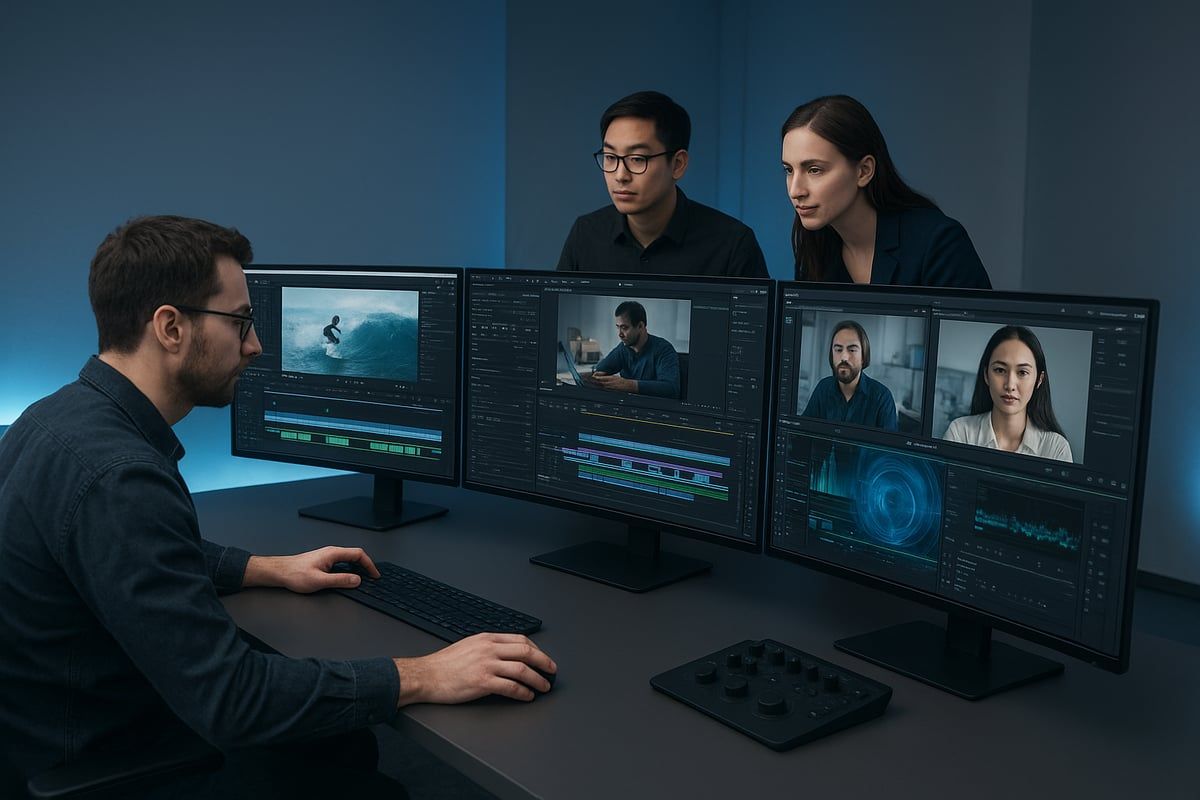
AI is revolutionizing video productions by automating labor-intensive editing tasks. Editing suites now feature automated rough cuts, color grading, and sound mixing. Machine learning identifies the best takes based on facial expressions and audience data, reducing human error.
For example, leading studios report that AI tools can cut editing time by 40 percent, freeing up creators for higher-level storytelling. However, balancing automation with creative control remains essential. While machines handle repetitive work, editors oversee narrative flow and artistic vision.
The cost and scalability benefits are clear. Automated processes allow video productions to deliver more content, faster, and at a lower cost. For deeper insight into how AI is driving success, see Leveraging AI for YouTube video success.
Advanced Visual Effects and Motion Graphics
Visual effects technology has advanced, making real-time VFX integration a standard in video productions. Editors can now add 3D animation and augmented reality overlays directly during the post-production phase.
Brands use motion graphics to launch products in more engaging ways. Dynamic visuals capture attention and help stories stand out in crowded digital spaces. The latest trends include interactive graphics that respond to viewer input, increasing engagement.
Budgeting for advanced VFX is now more accessible, thanks to cloud-based rendering and subscription-based software. These innovations help video productions stay competitive and creative.
Audio Innovation: Spatial Sound and Voice AI
Audio technology is evolving alongside video, bringing immersive experiences to video productions. Spatial sound creates a three-dimensional audio environment, making viewers feel like they are part of the scene.
AI-generated voiceovers and dubbing simplify localization. Brands running multilingual campaigns can use synthetic voices to reach global audiences quickly. For instance, companies are now able to deliver campaigns in multiple languages without costly studio sessions.
Accessibility is enhanced through audio descriptions and adaptive soundtracks. Leading tools in 2026 offer seamless integration of these features, ensuring video productions are inclusive and impactful.
Collaborative Cloud Workflows and Remote Teams
Remote collaboration is now standard for video productions. Cloud-based editing suites allow teams to work together from anywhere, sharing assets and feedback in real time.
Teams report significant reductions in project timelines, as editors, VFX artists, and sound designers can contribute simultaneously. Security and version control are prioritized, with encrypted storage and automated backups.
Best practices include using centralized asset management and clear communication protocols. Distributed teams can now deliver high-quality video productions on tight schedules without compromising quality.
Quality Control, Compliance, and Accessibility
Quality control in video productions is enhanced by AI-driven checks for technical specifications and compliance. Automated systems flag issues with resolution, audio levels, and copyright metadata before final delivery.
Captioning, localization, and translation are now automated, helping brands expand their reach. For example, accessible content increases viewership and meets global distribution standards.
Future-proofing assets is also key. Video productions that follow these best practices can adapt content for new platforms and regulatory changes, ensuring long-term value from every project.
Distribution, Promotion, and ROI Measurement in 2026
In 2026, distribution and promotion are the engines that drive the success of video productions. To maximize reach and ROI, businesses must leverage cutting-edge strategies, data-driven tools, and compliance standards. Let’s break down the essential elements shaping the landscape.
Multi-Platform Distribution Strategies
Effective video productions in 2026 demand a multi-platform approach. Optimizing content for TV, web, social media, OTT, and emerging platforms is now standard practice. Each platform has unique formatting requirements, metadata needs, and audience behaviors.
Leading brands use automated distribution tools to launch content simultaneously across channels. For example, a campaign may go live on YouTube, Instagram, and connected TV at once, ensuring maximum initial impact. Reviewing video production market growth statistics highlights why investment in these strategies is at an all-time high.
A table summarizing key distribution platforms:
| Platform | Format | Key Benefit |
|---|---|---|
| Social Media | Vertical | Fast reach, engagement |
| OTT/Streaming | 16:9/4K | Premium audience |
| TV | 16:9 | Broad awareness |
The right distribution mix ensures your video productions reach the right audience at the right time.
Social Media Amplification and Influencer Integration
Social media is the heartbeat of video productions in 2026. Brands are partnering with micro and nano influencers to target niche segments, achieving authentic engagement. Paid and organic strategies work hand-in-hand, with precise scheduling based on audience analytics.
Video productions optimized for each platform—think TikTok Shorts or Instagram Reels—see higher view-through rates. Influencer partnerships can rapidly amplify reach, and real-time social listening tools help refine content in response to trends.
Best practices include:
- Tailoring videos for platform-specific algorithms
- Collaborating with influencers for co-created content
- Monitoring performance and adjusting campaigns quickly
By integrating these tactics, brands keep video productions at the forefront of audience attention.
Paid Advertising and Programmatic Video
In 2026, paid advertising is more sophisticated, with programmatic video buying enabling real-time bidding and advanced targeting. Video productions that utilize dynamic ad insertion and personalization see higher ROI, especially in e-commerce.
For example, shoppable video ads allow viewers to purchase products instantly, merging entertainment and commerce. Marketers leverage granular targeting to reach high-intent audiences, optimizing spend for the best results.
Key trends include:
- Increased spend on interactive and short-form ads
- AI-powered optimization for budget allocation
- Compliance with privacy regulations during ad delivery
Staying ahead in paid video productions requires continual adaptation to the evolving ad tech landscape.
Data Analytics and Performance Measurement
Measurement is the backbone of successful video productions. Brands track metrics such as watch time, engagement, and conversion rates using AI-powered dashboards. Granular viewer data supports attribution modeling, revealing which channels and creatives drive results.
For those seeking to refine their strategies, Best Corporate Video Insights offer expert guidance on optimizing content for measurable business impact. Continuous improvement, driven by data, keeps video productions relevant and effective.
A simple performance metrics table:
| Metric | Description | Importance |
|---|---|---|
| Watch Time | Total minutes viewed | Indicates engagement |
| Conversion | Actions taken post-view | Measures ROI |
| Retention | Repeat viewers | Gauges loyalty |
Data-driven decisions ensure every video production delivers lasting value.
Legal, Copyright, and Brand Safety Considerations
With increased automation and user-generated content, legal and brand safety are top priorities in video productions. Navigating global copyright laws, securing licenses, and ensuring platform compliance protect your brand and assets.
Brand safety tools monitor content environments, while automated moderation helps avoid copyright strikes on major platforms. Staying informed on regulatory trends is essential, especially as privacy laws evolve.
To mitigate risk:
- Secure rights for all creative assets
- Use AI tools for compliance checks
- Establish clear brand safety guidelines
Prioritizing these safeguards ensures your video productions are both impactful and protected in a complex digital ecosystem.
Future-Proofing Your Video Production Strategy
Staying ahead in video productions requires more than keeping up with trends. It demands a proactive approach that positions your content, teams, and workflows for long-term success. Let’s explore how to ensure your video productions remain relevant, resilient, and high-impact in 2026 and beyond.
Adapting to Emerging Technologies and Platforms
To future-proof video productions, brands must monitor new technologies such as AR, VR, and interactive video. Early adoption of these formats can give your business a crucial edge. For example, piloting immersive experiences on new platforms allows you to engage audiences before competitors do.
Allocate part of your budget to R&D, experiment with pilot projects, and stay informed about shifts in viewer behavior. Build flexible workflows that can pivot as new video platforms or trends arise. Remember, continuous learning and experimentation are essential for maintaining relevance in the competitive video productions landscape.
Building Scalable, Agile Production Pipelines
Modern video productions demand agility and scalability. Modular production processes allow rapid iteration, making it easier to adapt content for different platforms or markets. Utilizing cloud infrastructure supports seamless collaboration and resource sharing across global teams.
Train your staff to embrace flexible workflows and cross-functional roles. When scaling up for global campaigns, maintain quality by standardizing processes and leveraging trusted vendors. Agile video productions can quickly respond to changing business needs, ensuring consistent output and efficiency.
Investing in Talent, Training, and Diversity
The future of video productions will be shaped by teams skilled in AI, XR, and data analytics. Upskilling current staff through continuous learning programs ensures your team is ready for new challenges. Fostering a culture of creativity and innovation leads to breakthrough content.
Diversity is also key. Inclusive teams bring fresh perspectives, helping your video productions resonate with wider audiences. Develop talent retention strategies and provide opportunities for growth, so your organization remains a leader in the evolving video landscape.
Measuring Long-Term Impact and Iterating
Establish long-term KPIs and benchmarks for your video productions. Build feedback loops to gather insights from performance analytics, audience responses, and industry trends. Iterative content strategies allow brands to sustain growth and adapt to evolving viewer preferences.
To avoid stagnation, regularly evaluate your processes and learn from past campaigns. For practical insights on avoiding common pitfalls, review 7 Video Production Mistakes and Solutions to strengthen your improvement efforts. By continuously refining your approach, you ensure your video productions are prepared for any regulatory or market changes ahead.
As you look ahead to 2026, navigating the evolving world of video production requires more than just technical skills—it’s about crafting meaningful stories, embracing new technology, and achieving measurable results for your brand. Whether you’re planning your next campaign or reimagining your video strategy, it helps to have a partner who understands both the creative and business sides of content. If you’re ready to turn insights from this guide into actionable steps and real ROI, let’s connect and discuss your goals. Book a strategy session to start shaping your vision for the future of video.