
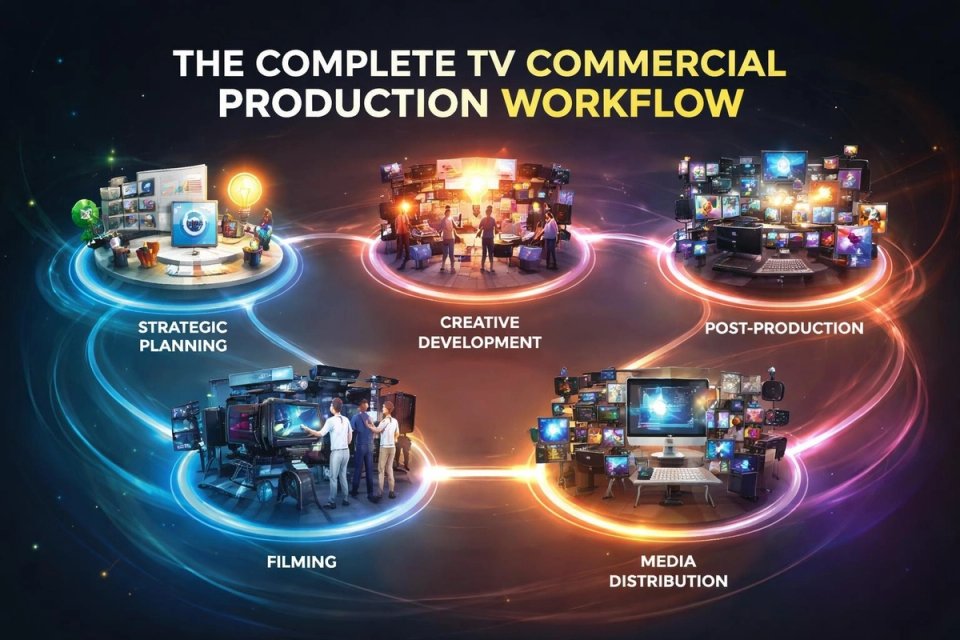
Television advertising remains one of the most powerful marketing channels for businesses seeking to build brand awareness and drive consumer action at scale. Despite the rise of digital platforms, tv commercial production continues to evolve as a sophisticated process that combines strategic storytelling, technical expertise, and creative innovation. Understanding the complete production workflow empowers brands to create compelling commercials that resonate with audiences and deliver measurable business results. Whether you're launching a new product, building brand recognition, or driving seasonal sales, mastering the fundamentals of commercial production ensures your investment generates meaningful returns.
The Strategic Foundation of Commercial Production
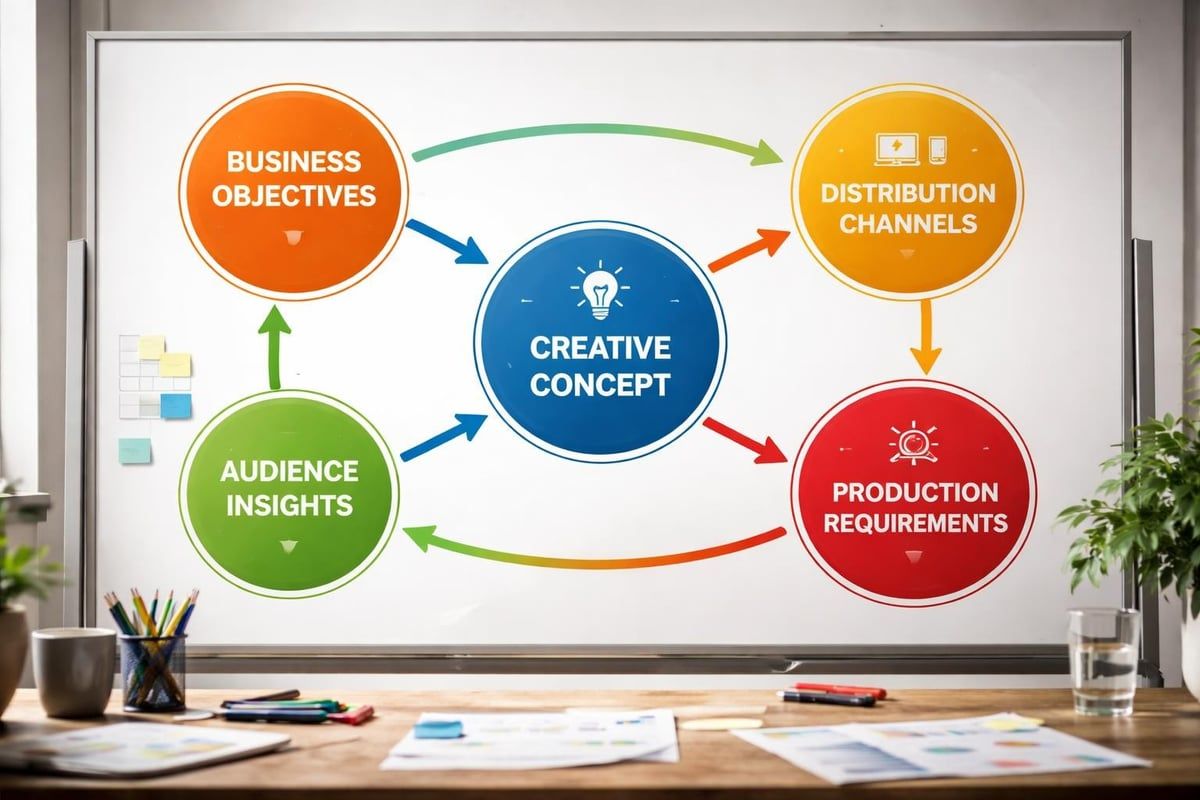
Every successful television commercial begins with a clear strategic framework that aligns creative execution with business objectives. Before cameras roll or scripts are written, brands must establish specific goals, target audience parameters, and key performance indicators that will measure campaign success.
Strategic planning encompasses several critical elements:
- Business objective definition (brand awareness, product launch, sales conversion)
- Target audience demographic and psychographic profiling
- Competitive landscape analysis and positioning strategy
- Budget allocation across production and media placement
- Timeline development including production and broadcast schedules
- Distribution channel selection (broadcast TV, cable, streaming platforms)
Understanding the TV commercial production process from a strategic perspective ensures that creative decisions serve business goals rather than artistic preferences alone. This alignment between strategy and execution separates commercials that simply look impressive from those that drive quantifiable business outcomes.
The budget conversation deserves particular attention during strategic planning. Television commercial production involves significant financial investment, with costs varying dramatically based on creative ambition, production complexity, and talent requirements. Establishing realistic budget parameters early prevents creative concepts from exceeding financial capacity while ensuring adequate resources for quality execution.
Defining Success Metrics
Modern tv commercial production demands accountability through measurable performance indicators. Unlike traditional brand advertising that relied on impressions and reach alone, today's commercials must demonstrate concrete business impact.
Smart brands establish both immediate and long-term success metrics. Immediate indicators include viewer engagement rates, website traffic spikes, and direct response conversions. Long-term metrics track brand awareness shifts, purchase intent changes, and sustained sales performance over quarterly or annual periods.
Understanding the television advertising workflow helps marketers identify appropriate measurement points throughout the campaign lifecycle. This knowledge enables more sophisticated attribution modeling that connects commercial exposure to business outcomes across multiple touchpoints.
Pre-Production: Building the Creative Framework
Pre-production represents the planning phase where creative concepts transform into actionable production blueprints. This stage requires meticulous attention to detail, as decisions made during pre-production directly impact both production efficiency and final commercial quality.
Script Development and Messaging Architecture
The script serves as the foundational document that guides all subsequent production decisions. Effective commercial scripts balance emotional resonance with clear messaging, delivering brand value propositions within tight time constraints (typically 15, 30, or 60 seconds).
Professional scriptwriting for television demands exceptional economy of language. Every word must serve a strategic purpose, advancing the narrative while reinforcing brand positioning. Common mistakes in commercial video production often stem from unclear messaging or attempting to communicate too many ideas within limited runtime.
| Script Element | Purpose | Best Practice |
|---|---|---|
| Opening Hook | Capture attention immediately | Lead with conflict, surprise, or emotional trigger |
| Problem Presentation | Establish audience relevance | Show authentic scenarios target viewers recognize |
| Solution Introduction | Present brand/product benefit | Demonstrate value clearly and credibly |
| Call to Action | Drive viewer response | Use specific, actionable language with urgency |
The most effective television commercials establish emotional connections before delivering rational product benefits. This sequence mirrors how consumers actually make purchasing decisions, leading with feeling and justifying with logic.
Storyboarding and Visual Planning
Storyboards translate written scripts into visual sequences, providing the production team with a frame-by-frame blueprint for filming. This visualization process identifies potential production challenges, refines camera angles, and ensures alignment between creative vision and practical execution.
Professional storyboarding captures key frames, camera movements, transitions, and visual effects requirements. This detailed planning reduces on-set uncertainty, minimizes expensive reshoots, and keeps production on schedule and within budget.
During this phase, production teams also make critical decisions about set construction requirements, location scouting, talent casting, and technical specifications. Each visual element must support the overall creative concept while remaining technically achievable within budget constraints.
Production: Executing the Creative Vision
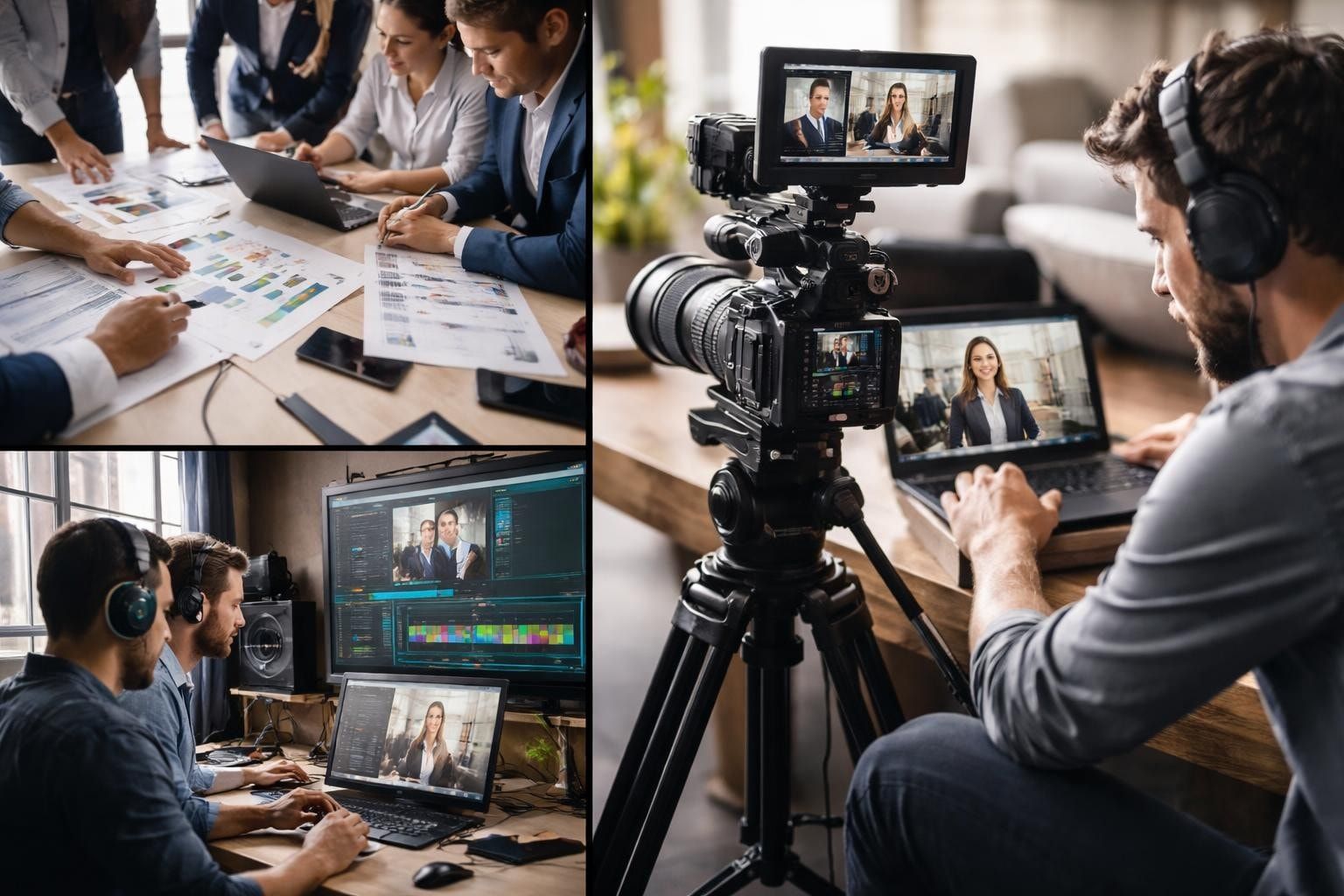
The production phase transforms careful planning into captured footage, bringing together cast, crew, equipment, and locations in coordinated execution. Successful tv commercial production during this stage requires military-level logistics coordination combined with creative flexibility to capture unexpected moments of brilliance.
Key production day elements include:
- Crew call and equipment setup - Technical teams prepare lighting, camera, and audio systems
- Talent preparation - Actors or brand representatives undergo makeup, wardrobe, and rehearsal
- Scene blocking and rehearsal - Director works with talent to refine performance and camera moves
- Principal photography - Multiple takes captured from various angles and focal lengths
- Client review and approval - Stakeholders confirm desired shots are captured before moving forward
- Continuity management - Script supervisors ensure consistency across takes and scenes
Professional production teams maintain detailed shot lists that break down the storyboard into specific camera setups, angles, and takes. This systematic approach ensures no critical footage is missed while maximizing shooting efficiency.
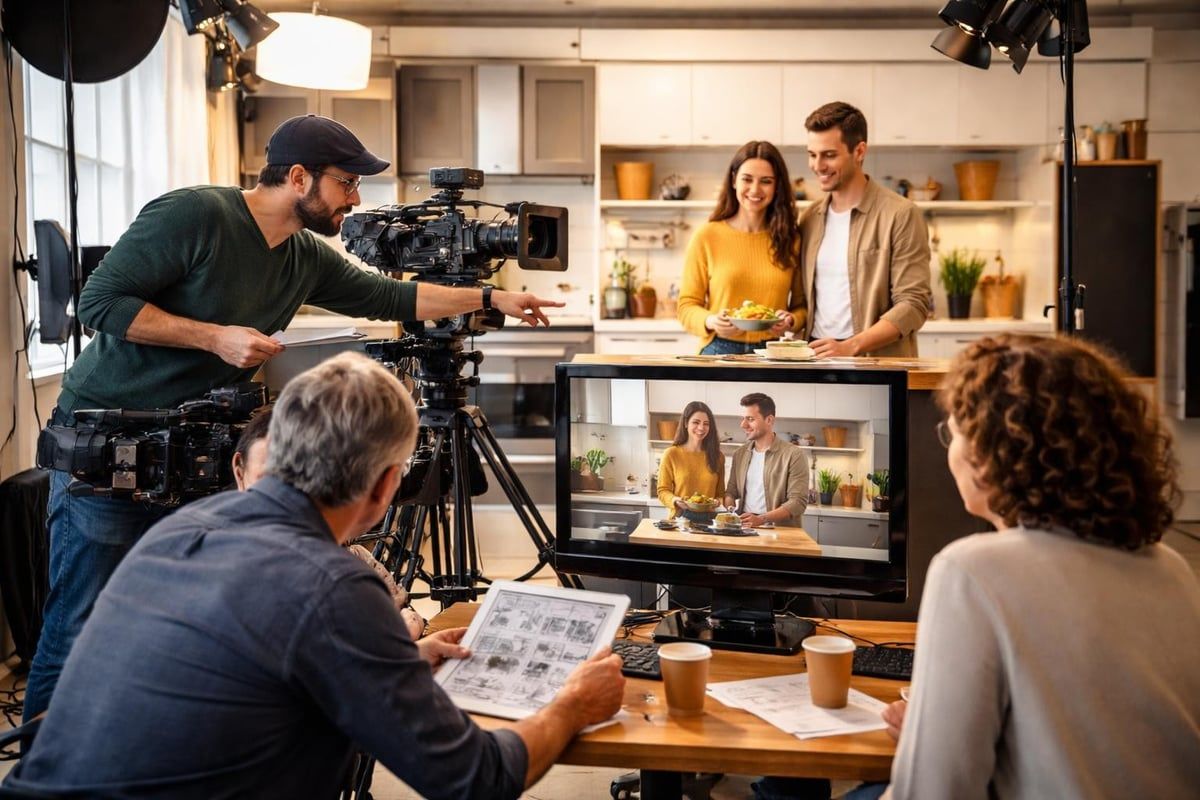
The director serves as the central creative authority during production, translating strategic objectives and creative concepts into specific performance and technical directions. Experienced commercial directors balance artistic vision with practical constraints, making real-time decisions that keep production moving forward productively.
Technical Excellence and Production Value
Modern audiences expect broadcast-quality commercials to demonstrate exceptional technical execution. Lighting, camera work, audio capture, and production design all contribute to perceived production value, which directly influences brand perception.
Many brands partner with experienced production companies to access professional-grade equipment and specialized expertise. Companies like Viva Media bring years of commercial production experience, ensuring technical excellence across every production element.
Production value extends beyond expensive equipment to encompass artistic choices in composition, color palette, movement, and pacing. These creative decisions work together to create distinctive visual styles that make commercials memorable and reinforce brand identity.
Post-Production: Crafting the Final Narrative
Post-production represents where captured footage transforms into a polished, broadcast-ready commercial. This phase involves editing, color grading, sound design, visual effects, and final output preparation. The post-production process often takes longer than actual filming, with multiple revision rounds refining the commercial to perfection.
Editorial Process and Story Refinement
The editorial process begins with reviewing all captured footage and selecting the strongest takes for each shot. Editors assemble these selections into a rough cut that follows the script structure while allowing for creative discoveries that emerged during production.
Multiple editorial versions typically follow the rough cut. Each iteration refines pacing, strengthens emotional beats, tightens messaging, and improves overall flow. This iterative process benefits from collaborative input between editors, directors, and clients, though too many stakeholders can complicate decision-making.
Professional editors understand the rhythm and pacing that television commercials require. Unlike longer-form content, commercials must communicate complete narratives within severely limited timeframes, demanding exceptional economy in every frame.
Audio Design and Musical Integration
Sound design contributes significantly to commercial effectiveness, often working subconsciously to enhance emotional impact and reinforce brand identity. Professional audio post-production encompasses dialogue editing, sound effects design, music selection or composition, voiceover recording, and final audio mixing.
Music and video production work in close coordination to ensure audio elements support rather than compete with visual storytelling. The right musical choice can elevate a good commercial to greatness, while poor audio choices can undermine even exceptional visuals.
| Audio Element | Function | Consideration |
|---|---|---|
| Dialogue/Voiceover | Deliver verbal messaging | Clarity, tone, pacing match brand voice |
| Music | Set emotional tone | Original vs. licensed, lyrics vs. instrumental |
| Sound Effects | Add realism and impact | Naturalistic vs. stylized approach |
| Ambient Sound | Create environment | Support authenticity without distraction |
Many commercial productions invest in original music composition to ensure unique sonic branding that distinguishes their advertising from competitors. This investment creates audio assets that can extend across multiple campaigns and platforms.
Visual Effects and Color Grading
Visual effects (VFX) in tv commercial production range from subtle enhancements to spectacular impossible scenarios. Modern VFX capabilities enable brands to visualize abstract concepts, demonstrate product benefits that would be difficult to film practically, or create memorable brand characters and environments.
Color grading represents the final visual polish that ensures consistent aesthetic across all footage while supporting the commercial's emotional tone. Professional colorists adjust exposure, contrast, saturation, and specific color values to create distinctive looks that reinforce brand identity.
The color grading process also ensures technical compliance with broadcast standards. Different television networks and streaming platforms maintain specific technical requirements for commercial submissions, and professional color grading ensures commercials meet these specifications.
Broadcast Preparation and Distribution
Creating an exceptional commercial means little without strategic distribution that reaches target audiences effectively. The broadcast preparation phase ensures technical compliance while planning media placement that maximizes commercial exposure and impact.
Technical Compliance and Clearance
Before commercials can air on television, they must pass through various approval and clearance processes. In many markets, organizations like Clearcast review commercial content to ensure compliance with advertising standards and regulations.
This clearance process examines claims made in commercials, ensuring they are substantiated and not misleading. Health claims, comparative advertising, and certain product categories face particularly rigorous scrutiny. Building clearance considerations into the creative development process prevents expensive revisions or rejections.
Technical delivery specifications typically include:
- Resolution and frame rate requirements (1080p or 4K, 24fps or 30fps)
- Audio specifications (stereo or 5.1 surround, specific loudness standards)
- Color space and bit depth parameters
- Closed captioning and subtitle files
- Multiple aspect ratios for different platforms (16:9, 4:3, 1:1, 9:16)
Professional production companies maintain current knowledge of evolving technical standards across broadcast, cable, and streaming platforms, ensuring deliverables meet all distribution requirements without requiring expensive reformatting.
Media Planning and Strategic Placement
Strategic media placement determines when and where commercials air, directly impacting who sees the advertising and how frequently. Media planning balances reach (total audience exposure) with frequency (how often individuals see the commercial) within budget constraints.
Modern media strategies increasingly integrate traditional broadcast television with streaming platforms, social media advertising, and digital video placements. This integrated approach extends commercial assets across multiple touchpoints, reinforcing messaging through coordinated exposure.
Understanding your target audience's media consumption habits enables more efficient media buying. Rather than pursuing broad reach across general audiences, strategic placement focuses investment on programs, networks, and time slots that over-index with priority customer segments.
The Evolution of Television Commercial Production
The television advertising landscape continues evolving rapidly as viewer behaviors shift and new technologies emerge. Streaming platforms, connected TV devices, and addressable advertising capabilities are transforming how commercials reach audiences in 2026.
Streaming and Connected TV Considerations
Traditional broadcast television viewership continues declining, particularly among younger demographics who prefer streaming platforms. This shift requires production companies to create commercials optimized for streaming environments, where viewers may have different skip behaviors and attention patterns.
Connected TV advertising enables unprecedented targeting precision, allowing brands to serve different commercial versions to different household types watching the same program. This capability demands more flexible production approaches that create modular commercial components that can be customized for specific audience segments.
The rise of streaming also impacts commercial duration and format. While traditional broadcast favors 30-second spots, streaming platforms experiment with 15-second, 6-second, and even non-skippable 5-second formats. Creating effective commercials across this duration spectrum requires strategic thinking about message hierarchy and creative adaptation.
Production Efficiency and Technology Integration
Modern tv commercial production increasingly leverages technology to improve efficiency and expand creative possibilities. Virtual production techniques using LED wall environments allow commercial shoots to take place in controlled studio environments while capturing realistic background environments.
These technological advances don't replace creative fundamentals but rather enable more efficient execution of creative visions. Understanding the comprehensive commercial video production guide helps brands leverage new capabilities while maintaining focus on strategic messaging and audience connection.
Artificial intelligence and machine learning tools are beginning to impact post-production workflows, automating certain editing tasks and enabling faster iteration. However, the creative judgment that distinguishes exceptional commercials from merely competent ones remains fundamentally human.

Measuring Commercial Performance and Optimization
The final critical element in tv commercial production involves measuring actual performance against established objectives and using these insights to optimize future efforts. Modern attribution capabilities enable more sophisticated performance tracking than ever before.
Attribution Modeling and Performance Tracking
Advanced attribution modeling connects commercial exposure to specific business outcomes, even when consumer journeys span multiple touchpoints and extended time periods. This requires integrating television viewing data with digital analytics, CRM systems, and sales data.
Many brands implement unique promotional codes, dedicated phone numbers, or custom URLs in commercials to enable direct response tracking. While not every commercial aims for immediate conversion, these mechanisms provide concrete data about commercial effectiveness.
Brand lift studies measure changes in awareness, consideration, and purchase intent among audiences exposed to commercials compared to control groups. These studies provide quantitative evidence of commercial impact on brand perception and positioning.
Continuous Improvement Through Testing
The most sophisticated advertisers treat tv commercial production as an ongoing optimization process rather than discrete projects. By testing different creative approaches, messaging strategies, and production styles, brands identify what resonates most powerfully with target audiences.
A/B testing different commercial versions in similar media placements isolates creative variables and their performance impact. This systematic approach to creative development reduces reliance on subjective preferences in favor of data-driven decisions.
Learning from each commercial production cycle should inform strategic planning for subsequent efforts. Working with questions to ask production companies helps establish this continuous improvement mindset from project initiation.
Maximizing Return on Production Investment
Television commercial production represents significant financial investment, making return optimization critical for marketing efficiency. Several strategies help brands maximize value from their production spending.
Investment optimization approaches include:
- Creating modular footage that can be edited into multiple commercial lengths
- Capturing additional content during production days for social media adaptation
- Designing campaigns with episodic structures that spread production costs across series
- Negotiating usage rights that allow commercial reuse across multiple campaign flights
- Investing in evergreen creative concepts with extended relevance periods
The relationship between production value and commercial effectiveness isn't always linear. Modest production budgets can generate exceptional results when strategic thinking and creative excellence guide execution. Conversely, expensive productions with weak concepts rarely deliver proportional returns.
Understanding what successful promotional videos require helps brands allocate resources appropriately across strategy, production, and media placement. The optimal balance varies by industry, competitive context, and specific campaign objectives.
Building Long-Term Production Partnerships
Brands that achieve consistent commercial success often maintain ongoing relationships with trusted production partners. These partnerships enable more efficient workflows, deeper strategic alignment, and accumulated knowledge about what resonates with specific audiences.
Long-term production partnerships reduce the learning curve on each project, as production teams develop institutional knowledge about brand guidelines, approval processes, and strategic priorities. This familiarity translates to more efficient production processes and creative work that requires fewer revision cycles.
When evaluating potential production partners, consider their strategic capabilities alongside technical execution skills. The best partners function as true collaborators who challenge conventional thinking and bring strategic insights that elevate commercial effectiveness beyond beautiful imagery alone.
Television commercial production remains a powerful tool for brands seeking to build awareness and drive action at scale, combining strategic planning, creative excellence, and technical expertise into compelling narratives that resonate with target audiences. Success requires understanding each phase of the production process while maintaining focus on measurable business outcomes rather than creative awards alone. Viva Media partners with forward-thinking brands throughout the Greater Toronto Area to create high-performance commercial content that generates real ROI, bringing strategic insight and production excellence to every project from concept through final broadcast.