
Social video has exploded in 2026, now accounting for nearly 25 percent of all video consumption worldwide. This rapid growth is reshaping digital marketing, revolutionizing brand storytelling, and transforming how businesses connect with audiences.
In this essential guide, you will discover actionable insights, the latest strategies, and future-focused steps to achieve social video success. Explore evolving platforms, content creation tactics, algorithm trends, production best practices, analytics, and monetization.
Stay ahead of the curve as we break down what matters most for digital leaders in 2026. Dive in and unlock the keys to mastering social video now.
The State of Social Video in 2026: Trends & Landscape
The social video landscape in 2026 is nothing short of transformative. According to recent Social Media Marketing Statistics 2026, social video now accounts for over 25 percent of all video consumption worldwide, reflecting its explosive rise in both reach and influence. This rapid expansion is not only reshaping how people consume content but is also fundamentally changing how brands, creators, and audiences connect.
Platforms such as YouTube, TikTok, and Instagram Reels dominate the social video ecosystem. YouTube alone represents more than 11 percent of total TV viewing, while TikTok and Instagram Reels have become cultural powerhouses, driving trends across generations. New entrants continue to emerge, each bringing unique interactive features, vertical video formats, and user-generated content that push the boundaries of creativity.
| Platform | Share of Video Consumption | Key Features |
|---|---|---|
| YouTube | >11% of TV viewing | Long-form, Shorts, Live |
| TikTok | Massive mobile audience | Short-form, Trends, UGC |
| Instagram Reels | Fast-growing engagement | Vertical, Edits, Filters |
| Snapchat Spotlight | Youth-centric | Snaps, Stories, UGC |
| New Entrants | Rising | Interactivity, AI tools |
The second major disruption of traditional media is underway. Social video has shifted audiences away from professionally produced formats to content that feels more immediate and relatable. This shift is especially pronounced among Gen Z and Millennials, who now prefer social video over legacy TV or studio productions. Their appetite for authenticity and community-driven experiences is redefining what quality means in digital storytelling.
The definition of high-quality content has evolved. Instead of studio polish, audiences value authenticity, relatability, and digestibility. Social video thrives on real moments, behind-the-scenes access, and content that feels personal. This change means creators and brands must embrace an agile, conversational style to engage viewers and foster loyalty.
A major driver behind the stickiness of social video is its ability to trigger dopamine-driven engagement. The endless scroll, algorithmic recommendations, and instant feedback loops keep users watching longer and returning more often. Research shows that these platforms are designed to maximize retention and shares, making social video highly addictive and viral by nature.
Longer-form and episodic social video content are also on the rise. Platforms are investing in features that support series, live events, and community-building experiences, allowing creators to develop deeper story arcs and build loyal followings. This encroachment on "Hollywood turf" demonstrates social video's growing influence in the broader entertainment landscape.
Major brands and creators have quickly adapted to this environment. Companies like Nike, Red Bull, and Duolingo consistently top engagement charts with innovative, platform-native campaigns. Influencers and independent creators are also thriving, leveraging the power of social video to reach massive audiences, launch products, and even build their own media franchises.
In summary, the state of social video in 2026 is defined by rapid growth, evolving platforms, shifting audience preferences, and a new standard of authenticity. Brands and creators who understand these trends are well positioned to capture attention, drive engagement, and unlock new opportunities in the ever-changing social video world.

Crafting Winning Social Video Content in 2026
Creating standout social video content in 2026 is both an art and a science. As competition intensifies, brands and creators must embrace new strategies to connect with viewers, drive engagement, and deliver measurable results. The secret to success lies in understanding the evolving landscape, mastering emerging tools, and focusing on what truly resonates with audiences.
Key Elements of High-Performing Social Video Content
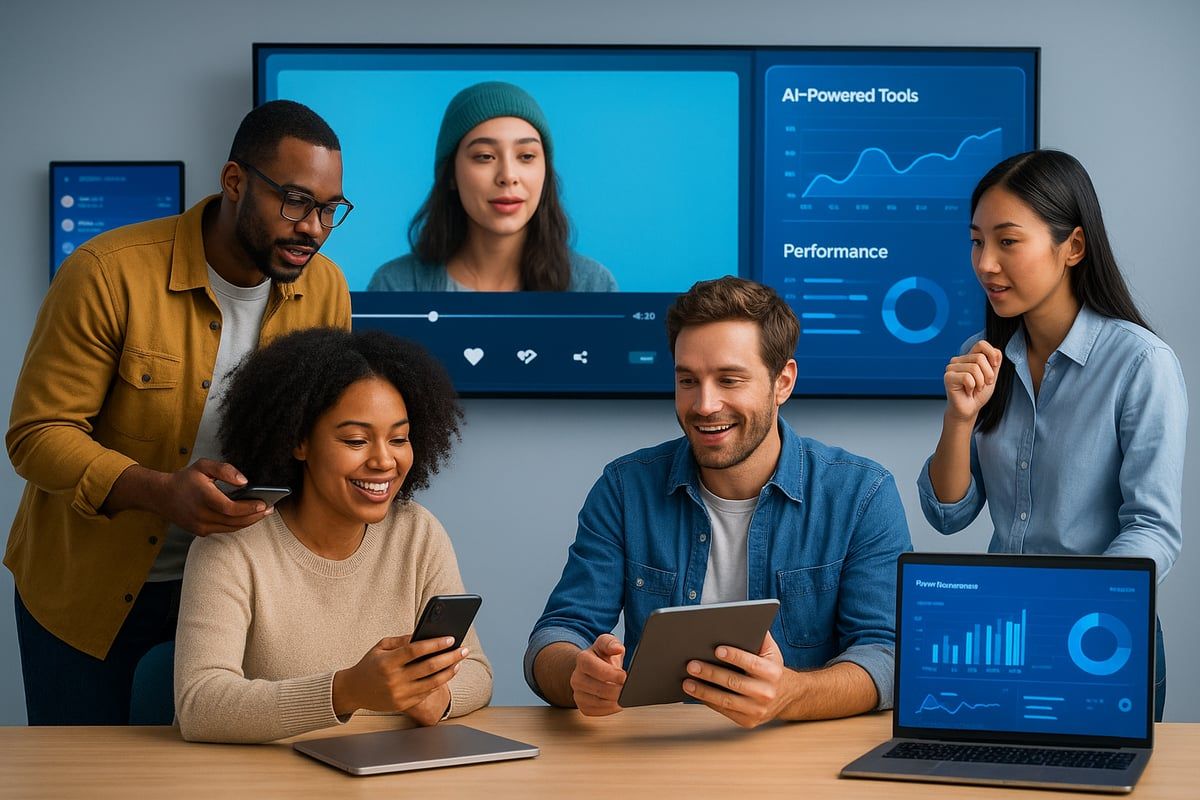
In 2026, high-performing social video is defined by authenticity, brevity, compelling storytelling, and an element of surprise. Audiences crave content that feels real and relatable, rather than overly polished.
- Authenticity: Viewers want genuine moments and personalities.
- Brevity: Short, focused videos capture attention fast.
- Storytelling: Every social video should have a clear narrative arc.
- Surprise: Unexpected twists or creative visuals keep viewers engaged.
For a deeper dive into what truly makes content thrive, check the Elements of viral video success for actionable insights. By focusing on these traits, you can consistently produce social video that stands out.
Strategic Content Planning for 2026
Effective planning is vital for social video campaigns. Start by understanding your audience’s interests and behaviors on each platform. Use audience personas, trend analysis, and feedback to guide your content calendar.
Align your content with platform-specific algorithms. For instance, prioritize retention and watch time on YouTube, while focusing on shares and comments for TikTok. Always map your objectives back to business goals, ensuring every social video serves a clear purpose.
Creative Formats and Innovation
Variety is key in social video formats. Vertical video is now the standard for mobile-first platforms, while horizontal formats still excel on connected TVs and desktops. Experiment with interactive elements like polls, quizzes, and clickable overlays to boost engagement.
Live streaming and episodic series offer deeper audience connection. Mixing formats keeps your content fresh and appeals to different viewing preferences. The table below summarizes popular formats in 2026:
| Format | Best For | Engagement Driver |
|---|---|---|
| Vertical Video | Mobile, Reels, TikTok | Quick attention, shares |
| Horizontal Video | TV, YouTube | Immersion, storytelling |
| Live Streaming | All platforms | Real-time interaction |
| Episodic Series | YouTube, Instagram | Loyalty, retention |
The Role of GenAI in Social Video Production
Generative AI (GenAI) is revolutionizing social video creation. These tools help with ideation, scripting, editing, and even generating personalized content at scale. AI-powered editors automate tedious tasks like captioning, localization, and highlight extraction.
By leveraging GenAI, creators can produce more content in less time, respond to trends quickly, and maintain consistent quality. AI also enables rapid A/B testing, so you can refine your social video approach based on real data.
Using Data and Trends to Inform Content
Data-driven decision-making is essential for social video success. Analyze metrics such as watch time, retention, and engagement rates to identify what resonates with your audience. Monitor trending topics, hashtags, and competitor activity to stay ahead.
Use analytics to inform content topics, posting times, and creative direction. Continually refine your strategy by testing new ideas and learning from performance insights. This adaptive approach ensures your social video remains relevant and impactful.
Case Studies and Best Practices
Leading brands and creators consistently win with social video by embracing innovation and agility. For example, brands that quickly jump on viral challenges or memes often see exponential reach. Creators who develop episodic series foster deeper community and anticipation.
Breakout moments often come from unexpected places—a behind-the-scenes glimpse or a spontaneous live Q&A can outperform a highly produced campaign. Study what works in your niche, adapt best practices, and always be ready to experiment.
Balancing Entertainment, Education, and Brand Messaging
A winning social video strategy combines entertainment, education, and brand storytelling. Audiences expect value, whether it’s in the form of practical tips, inspiration, or humor.
Balance is crucial. Overly promotional content can alienate viewers, while pure entertainment may not drive business goals. Weave your brand message organically into stories that educate or amuse, ensuring every social video delivers both engagement and measurable outcomes.
Crafting standout social video content in 2026 means embracing authenticity, leveraging technology, and staying agile. By focusing on your audience’s needs and continuously refining your approach, you’ll position your brand for lasting success in the fast-evolving social video landscape.
Mastering Social Video Algorithms & Discovery
Cracking the code of social video algorithms in 2026 is essential for brands and creators aiming for visibility and engagement. As platforms evolve, algorithms have become more sophisticated, relying on AI to personalize feeds and predict what users want to watch next. Social video discovery now depends on a blend of watch time, interaction, and content diversity, making it critical to understand how these signals work together. Maximizing reach is not about luck but about aligning your strategy with what algorithms prioritize. In this section, we explore how to optimize content for discovery and stay ahead of ongoing platform changes.

The Power of Thumbnails, Titles & Hooks
In 2026, first impressions matter more than ever in social video. Thumbnails, titles, and opening hooks are the gatekeepers to higher click-through and watch rates. A compelling thumbnail should be visually distinct, readable on any device, and hint at the story or emotion within the video. Use bold colors, expressive faces, and clear imagery to grab attention instantly.
Titles must balance curiosity and clarity. Incorporate key themes or questions that resonate with your target audience, but avoid clickbait. A/B testing different title variations and thumbnail designs is now standard practice, allowing you to refine your approach based on real performance data.
The opening three seconds of your social video are critical. Employ a strong hook by starting with a surprising statement, a bold visual, or a direct question. This keeps viewers engaged long enough for algorithms to register strong retention and recommend your content more widely.
Analytics tools can reveal which combinations of thumbnails and titles drive the most engagement. Review metrics like click-through rates, average view duration, and user comments to inform future creative decisions. Consistently optimizing these elements will help your social video stand out in crowded feeds.
Navigating Platform-Specific Algorithm Updates
Each major platform introduces regular algorithm updates, often shifting the landscape of social video discovery. In 2026, YouTube, TikTok, and Instagram Reels have leaned into AI-driven personalization, favoring content that sparks high retention, shares, and meaningful interactions. For creators, this means focusing less on subscriber counts and more on how viewers actually behave.
YouTube’s 2026 updates prioritize watch time and session starts, so content that encourages viewers to continue exploring is rewarded. TikTok’s algorithm now highlights diverse content types, pushing not only trending formats but also unique, niche videos. Instagram Reels emphasizes authentic engagement, such as comments and shares over passive views.
Stay current by monitoring official platform blogs and analytics dashboards. Adapt quickly by experimenting with new features, like interactive polls or shoppable video, which algorithms may spotlight. Avoid outdated tactics such as keyword stuffing or clickbait, which can reduce reach or even trigger penalties.
For more on how AI and interactive formats are shaping the future of social video algorithms, see Social Media Trends 2026. Learning from these shifts, and iterating your approach, ensures ongoing discoverability and growth in the competitive social video ecosystem.
Production, Distribution & Optimization Best Practices
Creating high-performing social video in 2026 requires more than creativity. Success hinges on seamless workflows, strategic distribution, and continuous optimization. Brands and creators who master these essentials are best positioned to capture attention, maximize ROI, and stay ahead of trends.
Streamlining Production for Speed & Scale
Efficiency is crucial in the fast-paced world of social video. With trends evolving rapidly, teams must produce content at scale without sacrificing quality. Batch production allows creators to film multiple videos in a single session, saving time and resources. Using templates for intros, outros, and graphics ensures consistency while accelerating editing.
A modular approach to content creation—filming core segments that can be mixed and matched—enables quick adaptation to new trends or platform requirements. Brands often debate between outsourcing and in-house production. Outsourcing offers access to specialized talent and advanced equipment, while in-house teams provide greater control and agility. Many organizations now adopt hybrid models, combining agency expertise with internal oversight for optimal results.
Collaboration tools and cloud-based editing platforms have become standard, allowing real-time feedback and rapid iteration. Embracing these streamlined workflows empowers brands to maintain a steady pipeline of engaging social video content.
Platform Optimization & Cross-Posting
Adapting social video for each platform is essential for maximizing reach and engagement. Every channel—YouTube, TikTok, Instagram Reels, and Snapchat Spotlight—has unique specifications for video length, aspect ratio, and caption styles. Tailoring content to fit these requirements increases discoverability and viewer retention.
Effective cross-posting strategies involve more than simply sharing the same video everywhere. Editing for vertical or horizontal formats, adding platform-specific calls-to-action, and customizing captions can dramatically improve performance. Automation tools help schedule posts for optimal times, ensuring a consistent publishing cadence across multiple social video channels.
Distribution strategies blend organic reach with paid promotion and influencer partnerships. Paid amplification is particularly effective for targeting specific demographics and boosting high-priority campaigns. For brands aiming to refine their approach, actionable tips for boosting social media ad performance can help optimize video advertising and extend impact.
Repurposing content—such as turning long-form videos into short clips or adapting highlights for Stories—maximizes content value. Real-time feedback loops using analytics help teams iterate quickly, responding to audience preferences and algorithm changes.
Partnering with Professional Video Agencies: Viva Media
Collaborating with a professional agency can accelerate social video results. Agencies like Viva Media bring deep expertise in strategic planning, creative storytelling, and technical production. Their results-driven approach aligns video campaigns with measurable business objectives, ensuring every piece of content supports brand growth.
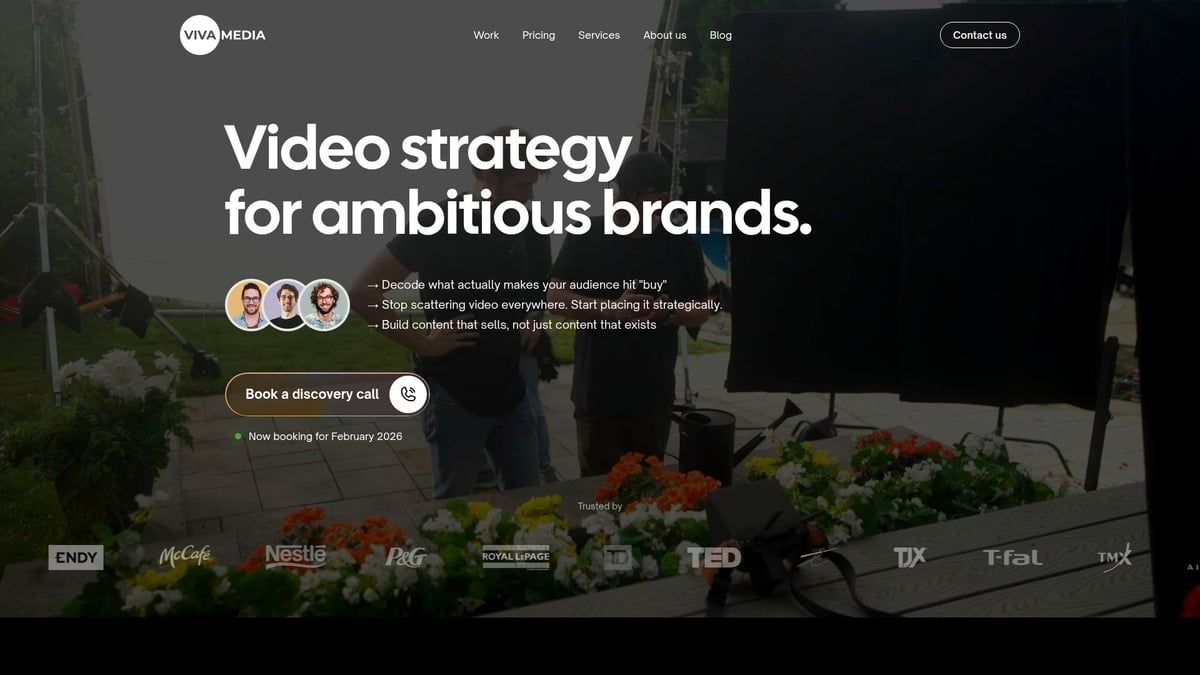
Viva Media offers a full range of services, from commercial and corporate video to animation and platform-tailored social media content. Their experience with leading brands demonstrates how agency partnerships can elevate quality and consistency. By leveraging advanced production tools and analytics, agencies help brands navigate the evolving social video landscape with confidence.
A strategic partnership provides access to industry insights, creative innovation, and scalable production resources. For businesses aiming to lead in 2026, working with a specialized agency is often the key to unlocking the full potential of social video.
Measuring Success: Analytics, ROI & Monetization
Measuring success in social video is now more critical than ever, as brands and creators compete for attention in a crowded digital ecosystem. In 2026, advanced analytics and creative monetization strategies separate the leaders from the rest. According to the Digital 2026 Report, social video platforms account for over a quarter of global video consumption, making performance tracking essential for sustainable growth.
Key Metrics for Social Video Performance
To accurately evaluate social video efforts, focus on metrics that align with business objectives and audience engagement. Here’s a summary table of essential metrics and their impact:
| Metric | What It Measures | Why It Matters |
|---|---|---|
| Views | Number of times video is watched | Indicates reach and initial interest |
| Watch Time | Total minutes viewed | Reflects content value and retention |
| Engagement Rate | Likes, shares, comments per view | Shows audience interaction |
| Retention | Percentage of video watched | Measures content stickiness |
| Shares | Number of times content is re-shared | Drives organic growth |
| Conversions | Actions taken post-viewing (sign-ups, sales) | Links video to business outcomes |
| ROI | Return relative to investment | Assesses overall effectiveness |
Each metric reveals unique insights. For example, high watch time and retention signal compelling storytelling, while strong conversion rates tie social video directly to business goals.
Analytics Tools and Dashboards
To harness these metrics, leverage robust analytics platforms provided by each social video channel. YouTube Studio, TikTok Analytics, and Instagram Insights offer granular data on viewer demographics, traffic sources, and engagement. Third-party solutions such as Sprout Social and Tubular Labs provide unified dashboards, making it easier to compare performance across multiple platforms.
Key features to look for include:
- Real-time tracking of views and engagement
- Audience segmentation and behavior analysis
- Customizable reporting for KPIs
- Integration with CRM and sales tools
Understanding where your social video traffic originates—be it organic search, direct links, or social shares—enables smarter content distribution and audience targeting. Analytics dashboards are now more intuitive, displaying data in actionable formats that empower rapid decision-making.
Setting Benchmarks and KPIs
Success in social video hinges on realistic benchmarks tailored to each platform. For instance, a 50% retention rate may be exceptional on long-form YouTube content, while a 20% engagement rate is a strong result for Instagram Reels. Use historical data and industry standards to define your targets.
Common KPIs for social video include:
- Average view duration
- Click-through rate (CTR) on calls-to-action
- Follower or subscriber growth
- Cost per acquisition (CPA) for paid campaigns
Regularly reviewing these KPIs ensures your strategy remains aligned with evolving platform algorithms and audience preferences.
Iterative Improvement and Data-Driven Growth
Embrace a culture of continuous optimization. Analyze performance after each campaign, identify patterns, and refine your approach. A/B testing thumbnails, titles, and hooks can reveal what resonates most. Real-time feedback loops, enabled by advanced analytics, allow you to pivot quickly—capitalizing on viral trends or adjusting underperforming content.
For foundational insights on adapting to evolving video marketing landscapes, refer to Video marketing trends for business.
Monetization Models in Social Video
Monetizing social video in 2026 involves diverse revenue streams. Major options include:
- Ad Revenue: Partner programs on YouTube, TikTok, and other platforms share ad income based on views and engagement.
- Brand Partnerships: Sponsored content and influencer collaborations yield direct payments.
- Affiliate Marketing: Promoting products and services with unique links drives commissions.
- Social Commerce: Shoppable videos and integrated storefronts enable viewers to purchase instantly.
Forward-thinking creators and brands are combining these models to maximize earnings and reduce dependency on a single source. For example, a successful YouTuber may blend ad revenue with exclusive brand deals and merchandise sales, turning social video into a multi-channel business engine.
Real-World Examples and Future Outlook
Leading brands like Nike and creators such as Zach King have demonstrated how data-driven strategies and creative monetization can generate significant revenue from social video. By staying agile, investing in analytics, and prioritizing audience value, you can transform video content from an expense into a high-performing asset.
As platforms evolve and new monetization tools emerge, those who master analytics and ROI measurement will shape the future of digital storytelling.
Future-Proofing Your Social Video Strategy
Staying ahead in the rapidly evolving world of social video requires foresight, agility, and a commitment to innovation. As platforms, audience expectations, and technologies continue to shift, brands and creators must future-proof their social video strategies to remain competitive and relevant.
Embracing New Technologies & Formats
The future of social video is defined by rapid technological advancement. In 2026, generative AI tools are transforming every stage of video creation, from ideation and scripting to editing and personalization. Brands leveraging GenAI are producing content at scale, enabling them to quickly respond to trends and audience preferences.
Immersive formats are also rising. Augmented reality (AR) and virtual reality (VR) features are now commonplace, offering viewers interactive experiences that go beyond passive watching. Interactive storytelling, such as polls, quizzes, and choose-your-own-adventure narratives, is driving deeper engagement. Early adopters of these technologies are not only capturing attention but also building brand authority as innovators in the social video landscape.
For actionable strategies on integrating AI and AR into your approach, see this Social Media Marketing Strategy for 2026 guide. Staying ahead means continuously experimenting with new formats, measuring their impact, and refining your approach based on real results.
- Explore GenAI-powered video editing to speed up production.
- Incorporate AR filters to increase viewer interaction.
- Test immersive video experiences to differentiate your brand.
The brands that thrive are those willing to embrace change and experiment with emerging social video technologies.
Building Sustainable Communities & Brand Loyalty
While viral content can spark short-term growth, sustainable success in social video depends on cultivating loyal communities. In 2026, audiences seek authentic connections with brands and creators. Building trust requires consistent engagement, transparency, and genuine two-way communication.
Active audience participation is essential. Hosting live streams, responding to comments, and offering exclusive content help foster a sense of belonging. Brands that encourage user-generated content and highlight community stories see greater loyalty and organic reach.
Consider these key tactics for building lasting relationships through social video:
- Schedule regular Q&A sessions and live events to interact in real time.
- Create private groups or channels for your most engaged fans.
- Reward loyal viewers with behind-the-scenes footage or early access to new series.
Over time, these efforts transform viewers into brand advocates, amplifying your message and expanding your influence. In the competitive social video space, community is your strongest asset for long-term growth.
Adapting to Platform & Audience Evolution
Adaptability is at the heart of future-proofing any social video strategy. Platforms frequently update their algorithms, features, and content guidelines. Audiences, in turn, shift their behaviors and preferences in response to these changes.
Successful brands monitor platform updates closely and invest in continuous learning. They analyze data, track emerging trends, and are not afraid to pivot when something is not working. Rapid experimentation, such as A/B testing new formats or messaging, allows teams to refine their social video approach with agility.
Here are practical steps to remain agile:
- Subscribe to platform update blogs and creator resources.
- Set up real-time alerts for major trend shifts and viral content.
- Foster a culture of experimentation within your team.
By staying informed and responsive, you ensure your social video content remains relevant, engaging, and aligned with evolving audience expectations. Future-proofing is not a one-time action but an ongoing commitment to learning and adaptation.
Now that you have a clear roadmap to mastering social video in 2026, you might be wondering how to put these strategies into action and truly stand out. If you’re ready to turn insights into measurable results, let’s take the next step together. At Viva Media, we specialize in crafting high-performance video content that not only captures attention but also drives ROI for forward-thinking brands across the Greater Toronto Area. Whether you’re building your first social campaign or scaling your video strategy, our experts are here to help you succeed.
Book a strategy session