

In 2026, video content is not just a trend but the entire digital landscape. Audiences spend more time watching, sharing, and engaging with video than ever before, making it the most powerful tool for brands and creators alike.
This guide explores what it takes to achieve the highest quality for videos in a rapidly evolving market. You will learn about new standards, breakthrough technologies, and practical strategies to make your content stand out.
We will reveal the latest metrics, the influence of AI, innovative codecs, step-by-step production methods, and expert tips for measuring real-world results. Ready to elevate your video strategy? Let’s dive in.
Defining Video Quality in 2026: New Standards and Expectations
Understanding quality for videos in 2026 means looking beyond traditional benchmarks. Today, creators and brands must consider a holistic picture that includes technology, accessibility, emotion, and compliance. Let us explore how the definition of quality for videos has evolved to set new standards and expectations.
Evolution of Video Quality Metrics
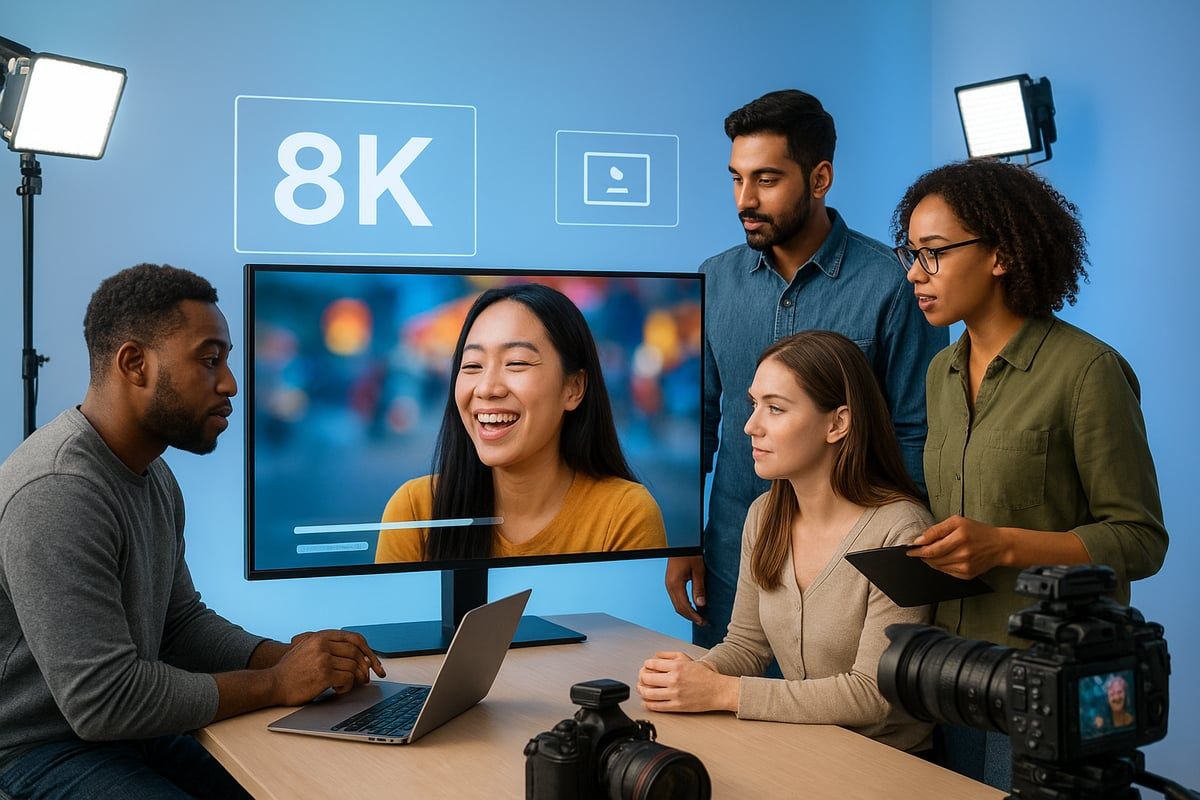
The meaning of quality for videos has shifted dramatically. In the past, resolution and framerate were the main yardsticks. Today, video quality is measured by color accuracy, high dynamic range, audio clarity, and even audience engagement.
Immersive formats like 8K, VR, and AR set higher benchmarks. For instance, Netflix’s VMAF metric blends technical and perceptual data to optimize streams, while YouTube updates its standards to reflect new formats. These changes highlight that quality for videos now demands a blend of technical precision and viewer experience.
Viewer Expectations and Platform Demands
Viewers expect seamless playback, regardless of device or network. This means quality for videos must adapt to smartphones, tablets, VR headsets, and even slow connections. Platforms have unique requirements: TikTok prioritizes vertical video and quick loading, YouTube supports 8K and HDR, and Instagram Reels needs sharp, fast content.
Consider the data: By 2025, video makes up 82 percent of internet traffic, and 4K adoption is rising quickly. Brands must tailor quality for videos to fit each platform’s technical and audience demands.
| Platform | Key Requirement | Format Example |
|---|---|---|
| TikTok | Vertical, fast load | 9:16, 4K |
| YouTube | 8K, HDR, AV1 codec | 16:9, 8K |
| Reels, mobile-first | 9:16, 4K |
Accessibility and Inclusivity as Quality Factors
Modern audiences expect quality for videos to include everyone. Captioning, audio descriptions, and localization are now essential features. Brands that invest in accessibility see higher engagement and broader reach.
For practical guidance, see The importance of subtitles and captions, which outlines how accessibility boosts both user experience and brand reputation. Making content inclusive is not just a legal requirement, it is a core aspect of quality for videos in 2026.
Emotional Resonance and Storytelling Impact
Quality for videos is not limited to technical excellence. A powerful narrative, emotional connection, and authenticity are now key indicators of quality. Brands that tell relatable stories often see their content go viral.
For example, campaigns that focus on genuine storytelling rather than flashy visuals can drive more shares and engagement. Measuring the impact of quality for videos now includes analyzing emotional response and narrative strength.
Compliance and Regulatory Shifts
Regulatory changes have redefined quality for videos. New global standards address accessibility, data privacy, and content authenticity. The EU Digital Services Act, for example, sets strict requirements for AI disclosure and accessibility.
Producers must ensure their videos comply with these evolving rules. Compliance is no longer optional, it is a critical part of quality for videos, protecting both creators and audiences in a rapidly changing landscape.
Technologies Shaping Video Quality: AI, Codecs, and Beyond
The landscape of quality for videos in 2026 is defined by rapid advances in technology. From artificial intelligence to immersive audio, each innovation raises the bar for what audiences expect. Let’s explore how these technologies are shaping the future of video content.
Artificial Intelligence in Video Production and Enhancement
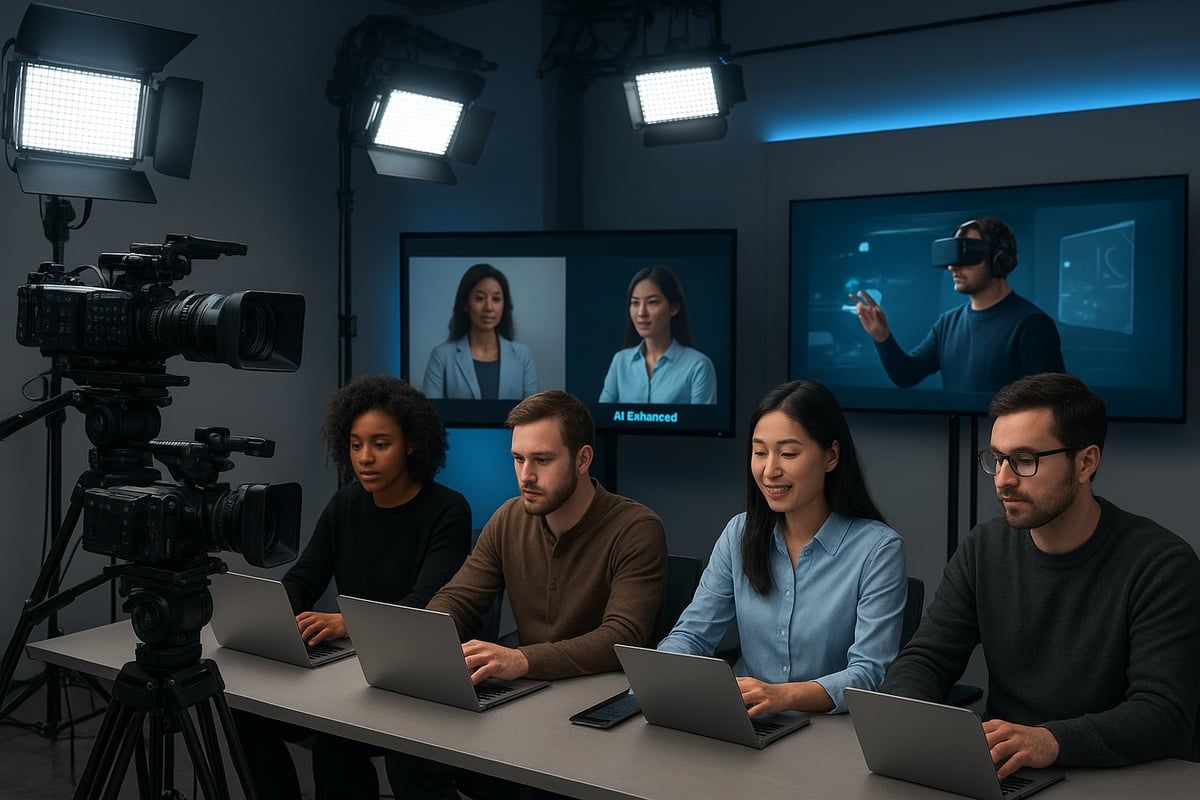
Artificial intelligence is revolutionizing quality for videos at every stage of production. AI-driven tools now handle upscaling, denoising, real-time color grading, and even personalize content for individual viewers. Platforms like Adobe offer AI-powered editing that streamlines workflows and enhances consistency.
In 2026, 60% of production houses rely on AI for faster, smarter editing and quality control. For a deeper dive into the latest tools and trends, see AI in Video Production: Tools and Trends for 2026. As AI becomes essential, it ensures creators meet rising expectations for quality for videos across platforms.
Next-Generation Codecs and Compression
The shift to next-generation codecs is transforming quality for videos by enabling higher fidelity at lower bitrates. AV1 and VVC are rapidly replacing H.264, allowing 4K, 8K, and even 12K video streaming without overwhelming bandwidth or storage.
Major platforms like YouTube and Netflix have adopted AV1 for their highest quality streams. Here’s a quick comparison:
| Codec | Efficiency | Max Resolution | Platform Adoption |
|---|---|---|---|
| H.264 | Moderate | 4K | Legacy |
| AV1 | High | 8K | YouTube, Netflix |
| VVC | Very High | 12K+ | Emerging |
Choosing the right codec is vital for optimizing quality for videos and ensuring smooth playback everywhere.
Camera and Sensor Innovations
Modern cameras are at the heart of quality for videos in 2026. The latest 8K and 12K cameras, such as the RED Komodo-X and Canon EOS R1, deliver unmatched resolution and dynamic range. Computational photography enhances detail, color accuracy, and low-light performance.
Hybrid mirrorless systems dominate, offering flexibility for both cinematic and immersive formats. This leap in hardware empowers creators to achieve studio-level quality for videos, whether shooting on location or in controlled environments.
Cloud-Based Production and Remote Collaboration
Cloud technology is redefining how teams achieve quality for videos. Real-time cloud editing, review, and delivery workflows enable seamless collaboration across continents. In 2026, 70% of agencies use cloud solutions for post-production, boosting efficiency and reducing turnaround times.
Benefits include:
- Instant access to high-res footage
- Secure version control
- Scalable resources for rendering
Cloud workflows keep quality for videos consistent, even in distributed production environments.
Immersive Video and Interactive Formats
Immersive experiences are setting new standards for quality for videos. Formats like VR180, 360-degree video, and AR overlays engage audiences by creating interactive, memorable moments. Major brands are launching campaigns that blend storytelling with user participation.
These formats require meticulous attention to quality for videos, from spatial resolution to latency. As hardware and software mature, immersive and interactive content is becoming a benchmark for innovation in video production.
Audio Quality and Spatial Sound
Audio quality for videos is just as critical as visuals. Spatial audio, Dolby Atmos, and advanced mixing techniques create immersive soundscapes that draw viewers deeper into the story. Apple’s integration of spatial audio in video content reflects the industry’s commitment to a holistic sensory experience.
Capturing and delivering high-fidelity audio ensures that quality for videos is maintained across all genres and platforms. As viewers expect more, investing in audio innovation is essential for standout content.
Step-by-Step Guide to Producing High-Quality Videos in 2026
Creating standout video content in 2026 requires more than just technical skill. Every phase, from concept to distribution, must align with the latest standards of quality for videos. This guide breaks down each stage, ensuring you know exactly how to achieve superior results and meet audience expectations.
Step 1: Strategic Planning and Pre-Production
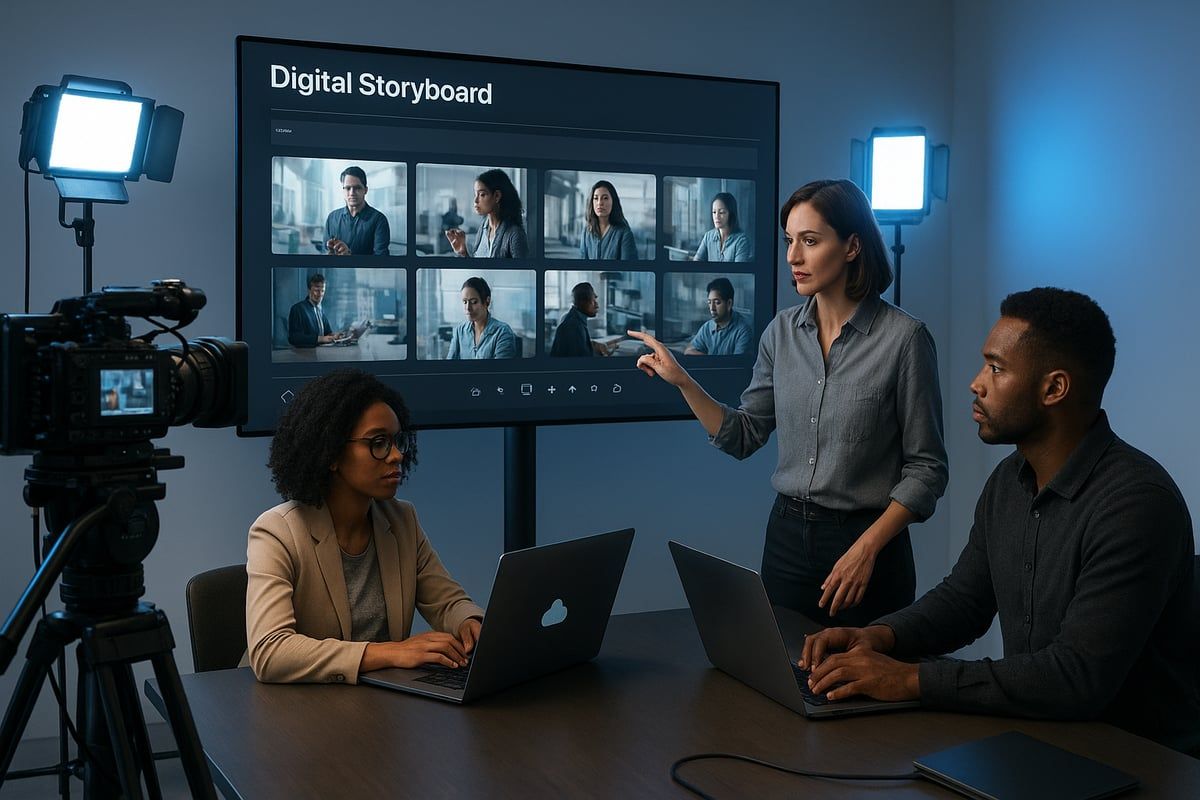
Success in video starts with a strong foundation. Strategic planning sets the tone for achieving true quality for videos. Begin by defining clear objectives that connect with your target audience and business goals. Ask: What message should your video deliver? What emotional response do you want to evoke?
A detailed script is crucial. It should blend compelling storytelling with precise calls to action. Storyboarding helps visualize each scene, ensuring consistency and alignment with visual and audio benchmarks.
Use a pre-production checklist:
- Confirm video goals and audience insights.
- Finalize script and storyboard.
- Identify required accessibility features.
- Set a production timeline with quality milestones.
Leading agencies rely on these steps to minimize costly revisions later. By integrating quality for videos into every planning decision, you create a roadmap for success. Remember, the best videos captivate both the eyes and the heart.
Step 2: Choosing the Right Equipment and Technology
Selecting the right gear is pivotal for meeting the highest quality for videos. In 2026, hybrid mirrorless cameras capable of 8K or 12K capture are the industry standard. These tools, combined with advanced lenses and dynamic lighting, enable true-to-life visuals and immersive formats.
Integrating AI tools on set is now common. Real-time enhancement technology helps monitor color, exposure, and focus, ensuring footage meets platform requirements instantly. Compatibility is key: always check your chosen equipment against the specs of your target platforms, from YouTube’s 8K support to vertical video on TikTok.
For a comprehensive breakdown of cameras, lenses, and must-have accessories, consult this Video production equipment guide. High-performing brands know that investing in advanced tech pays off in both quality and efficiency. By making smart choices here, you set the stage for every other aspect of quality for videos.
Step 3: Capturing Footage with Quality Controls
The moment of capture is where planning meets execution. On set, continuous monitoring is essential for maintaining quality for videos. Use waveforms and vectorscopes to verify color accuracy and exposure in real time. Focus peaking ensures every shot is razor-sharp, especially for immersive or high-resolution formats.
Lighting plays a central role. HDR lighting setups bring out vibrant colors and deep contrast, while minimizing shadows and glare. For audio, capture multi-channel sound using spatial microphones to enhance realism and immersion.
Best practices from commercial shoots include:
- Double-checking all equipment settings before each take.
- Running test shots to confirm quality benchmarks.
- Logging metadata for easier post-production.
Every detail matters. By emphasizing quality for videos during capture, you reduce errors and elevate the final product’s impact.
Step 4: Post-Production Excellence
Editing is where video comes to life. Post-production excellence is essential for achieving the highest quality for videos. Use AI-assisted color grading tools to balance hues, enhance vibrancy, and match scenes seamlessly. Advanced noise reduction eliminates unwanted grain, while intelligent cut optimization creates a smooth narrative flow.
Audio mastering is equally critical. Spatial mixing and normalization ensure clarity, while adding accessibility features like captions and audio descriptions broadens your audience. Set up multiple review cycles: test renders across devices, gather team feedback, and implement quality control checks.
Industry leaders follow workflows that prioritize both technical and emotional aspects. By refining every detail in post, you guarantee your video not only looks stunning but also resonates with viewers. This attention to quality for videos sets your content apart in a competitive market.
Step 5: Optimization for Distribution
The final step is delivering your video to the world. Optimize encoding using the latest codecs, such as AV1 or VVC, to balance file size and quality for videos. Adaptive bitrate streaming ensures smooth playback across devices and varying network speeds.
Enhance discoverability with engaging thumbnails, accurate metadata, and accessibility enhancements. Always test playback on multiple devices and platforms to verify consistency. In 2026, 92% of videos are optimized for mobile-first viewing, reflecting the dominance of handheld devices.
A final checklist includes:
- Encoding for target platforms.
- Verifying accessibility features.
- Running playback tests in different environments.
By perfecting this phase, you maximize reach and impact, ensuring your commitment to quality for videos is maintained from start to finish.
Measuring and Ensuring Video Quality: Metrics, Tools, and Analytics
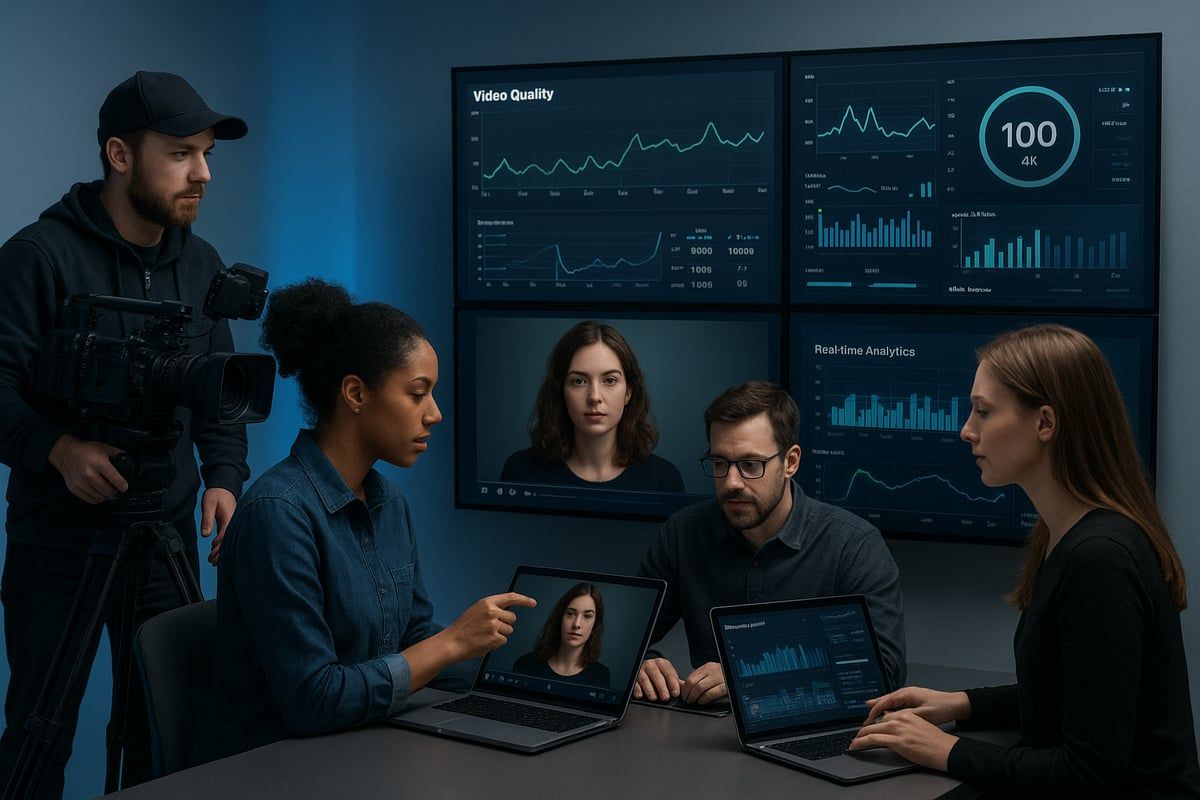
Achieving the highest quality for videos in 2026 means going far beyond pixel counts. With a flood of content competing for attention, creators and brands must use a blend of objective metrics, real-time analytics, and audience feedback to ensure every video delivers on its promise. Let’s explore the tools and strategies that define quality for videos in today’s digital landscape.
Objective Quality Assessment Tools
The foundation of measuring quality for videos is objective assessment. Tools like VMAF (Video Multi-Method Assessment Fusion), SSIM (Structural Similarity Index), and PSNR (Peak Signal-to-Noise Ratio) analyze video files using algorithms that predict human perception of quality.
For example, Netflix relies heavily on VMAF to optimize streaming quality, ensuring that compression does not compromise the viewing experience. These metrics allow producers to compare different encodes, spot issues like blurring or artifacts, and standardize quality for videos across platforms.
A simple comparison:
| Metric | What It Measures | Common Use |
|---|---|---|
| VMAF | Perceptual quality, multi-factor score | Streaming optimization |
| SSIM | Structural similarity to original | Codec evaluation |
| PSNR | Signal-to-noise ratio | Basic compression checks |
Objective tools are essential, but they tell only part of the story when it comes to quality for videos.
Subjective and Engagement-Based Metrics
While algorithms provide consistency, the ultimate judge of quality for videos is the audience. Metrics like viewer retention, average watch time, and sentiment analysis reveal how well content connects with viewers.
Platforms such as YouTube use engagement metrics to surface high-quality videos, with data showing that higher retention directly correlates with perceived quality. New frameworks, such as those discussed in Transforming Video Subjective Testing with Training, Engagement, and Real-Time Feedback, are enhancing how subjective feedback is gathered, making it more actionable.
These insights allow creators to refine their approach, ensuring quality for videos is not just technical, but also emotional and resonant.
Real-Time Monitoring and Automated Alerts
Modern production environments rely on real-time monitoring tools to maintain quality for videos throughout distribution. AI-powered dashboards track playback issues, buffering events, and device compatibility as viewers watch content.
For example, enterprise platforms now offer automated alerts, notifying teams instantly if there are spikes in buffering or drops in resolution. This rapid response helps maintain a consistently high quality for videos, even as conditions change across networks and devices.
Accessibility and Compliance Audits
Ensuring quality for videos also means making content accessible and compliant with regulations. Automated tools can audit captions, audio descriptions, and localization efforts, verifying that content meets standards like the EU Digital Services Act.
Editing suites such as Adobe Premiere and DaVinci Resolve now include built-in accessibility reporting, helping creators catch issues early. By prioritizing accessibility, brands not only expand their reach but also elevate the overall quality for videos.
Feedback Loops and Continuous Improvement
Maintaining quality for videos is an ongoing process. By gathering audience feedback, running A/B tests, and analyzing performance data, brands can iterate and improve with each release.
Successful brands leverage these feedback loops to boost ROI, adapting their content based on what resonates with viewers. In 2026, continuous improvement is not optional, but a core component of achieving and sustaining the highest quality for videos.
Best Practices for Distribution and Platform Optimization in 2026
Distributing high-quality video in 2026 means tailoring every step to evolving platform standards and user expectations. Each channel imposes unique demands on quality for videos, from technical specs to accessibility. Mastering these differences is essential for maximizing reach and engagement.
Platform-Specific Quality Requirements
Every major platform sets distinct benchmarks for quality for videos. YouTube now supports 8K, HDR, and AV1 encoding, demanding advanced metadata and thumbnails for optimal discoverability. Instagram and TikTok prioritize vertical formats, short-form content, and automated captioning for accessibility. Facebook and LinkedIn require adaptive streaming and strict compliance with accessibility guidelines.
Viral campaigns increasingly succeed by leveraging these platform-specific features. For example, short-form TikTok challenges with integrated captions outperform generic uploads. Understanding and meeting these requirements ensures your quality for videos remains consistently high, regardless of where your content lives.
Adaptive Streaming and Network Optimization
Ensuring seamless playback worldwide depends on adaptive streaming and robust network optimization. Multi-bitrate encoding and intelligent CDN strategies allow quality for videos to adjust dynamically, maintaining high standards even over fluctuating mobile networks.
With 80% of global viewers accessing video on mobile, optimizing for device and network conditions is crucial. For actionable strategies, see Optimizing mobile video quality, which covers practical steps to maintain top performance across platforms. Delivering adaptable, resilient streams guarantees that quality for videos is never compromised by bandwidth constraints.
Accessibility and Localization at Scale
Accessibility is now a defining element of quality for videos. Automated captioning, accurate audio descriptions, and multi-language support are essential for inclusivity and regulatory compliance. Leading brands localize content for cultural nuances, expanding reach and driving deeper engagement.
Implementing scalable tools for accessibility and localization not only meets legal standards but also enhances user experience. Brands that prioritize these features see measurable increases in both audience size and satisfaction, proving that quality for videos extends far beyond visuals alone.
SEO and Discoverability Enhancements
Effective video SEO is critical for discoverability in 2026. Embedding video schema markup, providing full transcripts, and using AI-powered tagging help search engines understand and rank your content. With video snippets appearing in 60% of search results, optimizing for search visibility directly impacts the quality for videos by boosting organic reach.
Key steps include:
- Adding structured data to every upload
- Generating accurate, complete transcripts
- Leveraging automated tagging tools
Strategic SEO ensures your videos are not just high quality but also easily found by your target audience.
Security, Privacy, and Compliance Considerations
Protecting your content and user data is a core part of quality for videos. Implementing DRM, watermarking, and robust rights management tools safeguards intellectual property. Adhering to new privacy regulations, such as updated GDPR and CCPA requirements, is mandatory for video distribution in 2026.
Staying compliant requires regular audits and updated security protocols. These best practices ensure that quality for videos includes ethical standards and regulatory alignment, building trust with both viewers and partners.
Future Trends: The Next Frontier in Video Quality
The landscape of quality for videos is on the brink of dramatic transformation. As we look beyond 2026, several groundbreaking trends are redefining what audiences, creators, and platforms expect from video content. Staying ahead in this evolving space means understanding and adapting to these emerging standards.
Hyper-Personalized and Interactive Video Experiences
AI is ushering in a new era of personalization, making quality for videos more dynamic and user-centric. Imagine videos that adapt in real time, offering shoppable features, interactive storylines, or content tailored to individual preferences. E-commerce brands, for example, now use interactive video to boost conversions, turning passive viewers into active participants.
This shift means creators must design for engagement and adaptability, not just resolution. Personalized video quality for videos is measured by how well content resonates and responds to each viewer, setting a high bar for future campaigns.
Real-Time Rendering and Live Video Innovation
Advances in 5G and 6G networks are fueling ultra-low latency streaming and live interactions. Real-time rendering is becoming standard, enabling augmented reality overlays and seamless live content delivery. With 40% of video content projected to be consumed live in 2026, the demand for reliable, high-performance streaming is higher than ever.
AI-driven compression is also playing a pivotal role. Learn more about the latest AI video compression standards shaping the industry. These technologies are pushing the boundaries of quality for videos, allowing richer visuals without compromising speed or accessibility.
Sustainable Video Production and Delivery
Sustainability is quickly becoming a core metric of quality for videos. Studios are adopting green workflows, energy-efficient codecs, and carbon-neutral shoots to reduce environmental impact. Cloud rendering and optimized delivery pipelines are minimizing resource consumption while supporting high-resolution formats.
More brands are measuring their success not just by view counts, but by their ability to deliver quality for videos responsibly. This trend is expected to accelerate as environmental, social, and governance (ESG) standards evolve.
Deepfake Detection and Authenticity Verification
As synthetic media tools proliferate, verifying authenticity is now a fundamental aspect of quality for videos. New detection technologies are being integrated into production and distribution workflows, helping brands and platforms ensure content integrity.
Regulatory bodies are also stepping in, with mandatory disclosure requirements for AI-generated content. These measures build trust and set clear expectations for both creators and audiences, reinforcing that quality for videos is about truth as much as technical excellence.
The Expanding Role of Video in Business and Society
Video is rapidly becoming the primary medium for communication, education, and engagement across industries. From remote onboarding to immersive healthcare modules, organizations are leveraging quality for videos to drive better outcomes and reach wider audiences.
This expansion means that accessibility, localization, and compliance are now essential pillars of quality. As video permeates every aspect of life, maintaining high standards ensures content remains impactful and inclusive.
Preparing for the Next Leap: What’s Beyond 2026?
Looking ahead, the horizon is filled with possibilities like holographic video, neural rendering, and even more immersive experiences. Industry conferences such as the Technical Program | ACM Mile-High Video 2026 offer a glimpse into the innovations shaping the next generation of quality for videos.
Continuous learning and agility will be key. By staying informed and adaptable, creators and brands can meet the challenges of tomorrow and set new benchmarks for quality for videos.
As you’ve seen, achieving standout video quality in 2026 means more than just keeping up with the latest tech—it’s about thoughtful strategy, immersive storytelling, and measurable results. Whether you’re aiming to elevate your brand or simply want your video content to make a real impact, having an expert partner makes all the difference. If you’re ready to turn these insights into action and create videos that truly move the needle, let’s connect and map out the best approach for your business. Book a strategy session and let’s engineer your next breakthrough together.