


Video content is more crucial—and more expensive—than ever in 2026. As demand skyrockets, many wonder if they are truly paying the right price.
This guide is here to demystify pricing video in today’s competitive landscape. Whether you are a business owner, marketer, or creator, understanding how pricing video works will help you budget wisely and maximize your return on investment.
We will break down the latest pricing models, explore what drives costs, and show you how to set your budget with confidence. Expect industry benchmarks and actionable strategies that help you avoid overpaying, get better results, and plan smarter investments.
Use this guide to navigate pricing video with clarity and make your next project a success.
The State of Video Pricing in 2026: Trends & Market Shifts
The video landscape in 2026 looks vastly different from just a few years ago. Businesses, marketers, and creators face record-breaking demand for content, with evolving platforms and innovative formats reshaping the industry. As a result, understanding pricing video projects has become more complex and strategic.

Unprecedented Demand and Evolving Platforms
In 2026, video is the dominant force across digital marketing, e-commerce, education, and entertainment. The surge in mobile-first platforms, the rise of shoppable videos, and the integration of augmented reality are pushing brands to diversify their content strategies. Short-form, vertical, and interactive videos are now standard, requiring nimble approaches to pricing video for each unique channel.
Key Market Trends Driving Costs
Talent and equipment costs have climbed steadily, fueled by inflation and increased competition for skilled professionals. Directors, producers, and on-camera talent now command higher day rates, while advanced cameras, drones, and specialty gear add to overall expenses. The adoption of AI-powered production tools is helping some brands control costs, but most still find that pricing video projects has edged upward.
Cost Benchmarks in 2026
According to recent industry research, average video production costs in 2026 range from $2,500 for basic projects to over $100,000 for high-end campaigns. These figures vary widely by project type, platform, and deliverables. For a detailed look at the latest statistics and breakdowns by format, see the Video Production Costs in 2026 report.
| Project Type | Typical Cost Range (2026) |
|---|---|
| Social Shorts | $2,500 - $8,000 |
| Corporate Videos | $10,000 - $50,000 |
| Commercial Campaigns | $50,000 - $100,000+ |
| Animated Explainers | $8,000 - $30,000 |
Value-Based and Results-Driven Pricing Models
A major shift in 2026 is the move toward value-based and results-driven pricing video models. Agencies and production companies increasingly tie their fees to campaign performance, engagement metrics, or business outcomes. This approach helps brands align spend with measurable ROI, rather than just paying for deliverables.
The Influence of New Formats and Multi-Platform Distribution
Short-form, vertical, and interactive videos now dominate social media and digital advertising. Pricing video for these formats requires flexible budgeting, as brands must create multiple versions for each platform. Companies are also investing in multi-platform distribution, allocating budgets to cover TV, digital, and social channels. This trend has led to more granular cost planning and agile resource allocation.
Remote Production, Global Talent, and Technology
Remote production workflows and access to global talent pools have redefined the industry. Brands can now source specialized skills from anywhere, affecting both quality and pricing video projects. New technologies, such as virtual production and cloud-based editing, offer efficiencies but also introduce new cost variables.
Client Expectations and Industry Responses
Clients in 2026 expect transparency, accountability, and clear value from every video investment. In response, agencies are adopting more consultative roles, guiding clients through discovery phases, and setting success metrics upfront. This evolution in pricing video services ensures that every dollar spent is aligned with broader business goals.
The market for video content in 2026 is more competitive and dynamic than ever. Staying informed on trends, costs, and emerging pricing models empowers brands to make smarter, more impactful video investments.
Key Factors That Influence Video Pricing
Understanding the key elements that shape pricing video in 2026 is essential for any business or creator looking to maximize value. Modern video production involves a complex web of decisions, each impacting the final cost. By breaking down these factors, you can approach pricing video with clarity and confidence.

Project Scope and Video Type
The foundation of pricing video begins with project scope. The complexity, length, and number of deliverables set the baseline for your budget. A simple 15-second social media ad will have a very different scope than a five-minute corporate documentary.
Video type is also a primary driver. Commercials, corporate videos, animated explainers, and documentaries each demand unique resources and workflows. For example, animation requires specialized artists and software, while live-action commercials often involve larger crews and higher location costs.
Choosing the right format and deliverables early enables accurate pricing video from the outset. For a deeper look at common pricing structures and models, refer to this Video Production Pricing Guide.
Talent, Equipment, and Location
Talent and crew are pivotal in pricing video. Day rates for producers, directors, camera operators, and on-screen talent can range from $250 to $1,500 or more, depending on experience and project demands.
Equipment and technology further shape the budget. Decisions about camera and lens packages, specialty lighting, drones, or virtual production tools can significantly affect costs. High-end gear delivers cinematic quality but comes at a premium.
Location and logistics introduce additional variables. Shooting in a fully-equipped studio versus on-location impacts not only rental fees but also travel, permits, and set design. Each choice must be weighed carefully as you plan your pricing video strategy.
Post-Production, Licensing, and Distribution
Post-production is where your footage becomes a finished product. Editing, color grading, visual effects, and sound design are billed hourly, typically from $65 to $300 or more per hour. The more complex your vision, the more time and expertise required.
Licensing and music are often underestimated in pricing video. Stock footage, original scores, and music rights can add line items to your budget. The same applies to managing rights for talent and locations.
Distribution and media buying round out the process. Your chosen ad platforms, audience targeting, and campaign reach all influence total investment. For a mid-tier commercial video in 2026, here is a typical cost breakdown:
| Component | Estimated Cost (USD) |
|---|---|
| Pre-production | $2,000 - $5,000 |
| Talent & Crew | $4,000 - $10,000 |
| Equipment | $3,000 - $8,000 |
| Location/Permits | $1,500 - $4,000 |
| Post-production | $5,000 - $12,000 |
| Licensing/Music | $500 - $2,000 |
| Distribution | $2,000 - $6,000 |
| Total | $18,000 - $47,000 |
Every project will have its own nuances, but understanding these elements ensures you approach pricing video with a comprehensive, strategic mindset.
Step-by-Step Guide: How to Set Your Video Budget in 2026
Setting a realistic budget for your next video project in 2026 does not have to be overwhelming. With record demand and evolving pricing video models, a clear, structured approach is essential to maximize value and ROI.

Step 1: Define Your Objectives
Start by clarifying why you need video content. Are you aiming to drive sales, build brand awareness, train staff, or engage on social platforms? Pinpoint your target audience and the platforms where your video will live. This foundation guides every aspect of pricing video, ensuring your spend aligns with business outcomes.
Step 2: Map Out Project Scope
Outline your story, preferred format, video duration, and all required deliverables. Will you need multiple length versions or platform-specific edits? The broader and more complex the scope, the more it will influence pricing video and the resources required.
Step 3: Decide on Production Value
Choose between basic, premium, or cinematic production levels. Higher production value means larger crews, advanced gear, and longer timelines. For example, cinematic projects may require specialty lenses and experienced directors, significantly impacting pricing video.
Step 4: List Required Talent and Crew
Identify every role needed, from producers and directors to on-screen presenters and voice actors. Research 2026 day rates, which can range from $250 to $1,500 or more. Factor these into your pricing video calculations, noting that experience level and project complexity can shift costs.
Step 5: Itemize Equipment and Location Needs
Determine if your video will be shot in a studio or on location. Consider costs for permits, travel, set design, and gear rentals such as camera/lens packages, lighting, or drones. Specialty equipment can quickly increase pricing video, so assess what is essential versus optional.
Step 6: Plan Post-Production
Account for editing, color grading, VFX, animation, and music. Typical hourly rates in 2026 range from $65 to $300. Estimate the number of revision rounds needed, as each impacts timelines and pricing video. Remember that high-quality post-production often distinguishes standout content.
Step 7: Factor in Distribution
Budget for media buying, platform fees, and campaign management. Distribution strategy directly affects pricing video, as reach and targeting can drive up costs. Consider the platforms—TV, YouTube, Instagram, TikTok—and their specific requirements.
Step 8: Build in Contingency
Unexpected changes are common. Allocate 10–15% of your total budget for contingencies. This buffer will protect your pricing video plan from surprises like reshoots, new creative requests, or last-minute talent changes.
Step 9: Review and Optimize
Gather multiple quotes, compare line items, and negotiate where possible. Align your budget with clear ROI targets. Review each cost against your objectives and prioritize essentials. This step ensures your pricing video strategy is both competitive and effective.
Example Budget Templates and Tips
Here are sample budget ranges based on 2026 industry data:
| Project Size | Budget Range | Typical Scope |
|---|---|---|
| Small | $2,500 – $10,000 | Social shorts, simple interviews, basic edits |
| Medium | $10,000 – $50,000 | Corporate, explainer, multi-platform, some animation |
| Large | $50,000 – $150,000 | Commercials, cinematic, advanced VFX, multiple versions |
- Prioritize must-haves over nice-to-haves.
- Document all assumptions and expectations up front.
- Use a template to track expenses and avoid scope creep.
- For more on maximizing ROI with your pricing video approach, review Budgeting for Video ROI for actionable strategies.
Careful planning and transparent communication are the keys to successful pricing video in 2026. By following these steps, you can balance ambition with budget realities and ensure every dollar contributes to your business goals.
Video Production Pricing Models Explained: What’s Best in 2026?
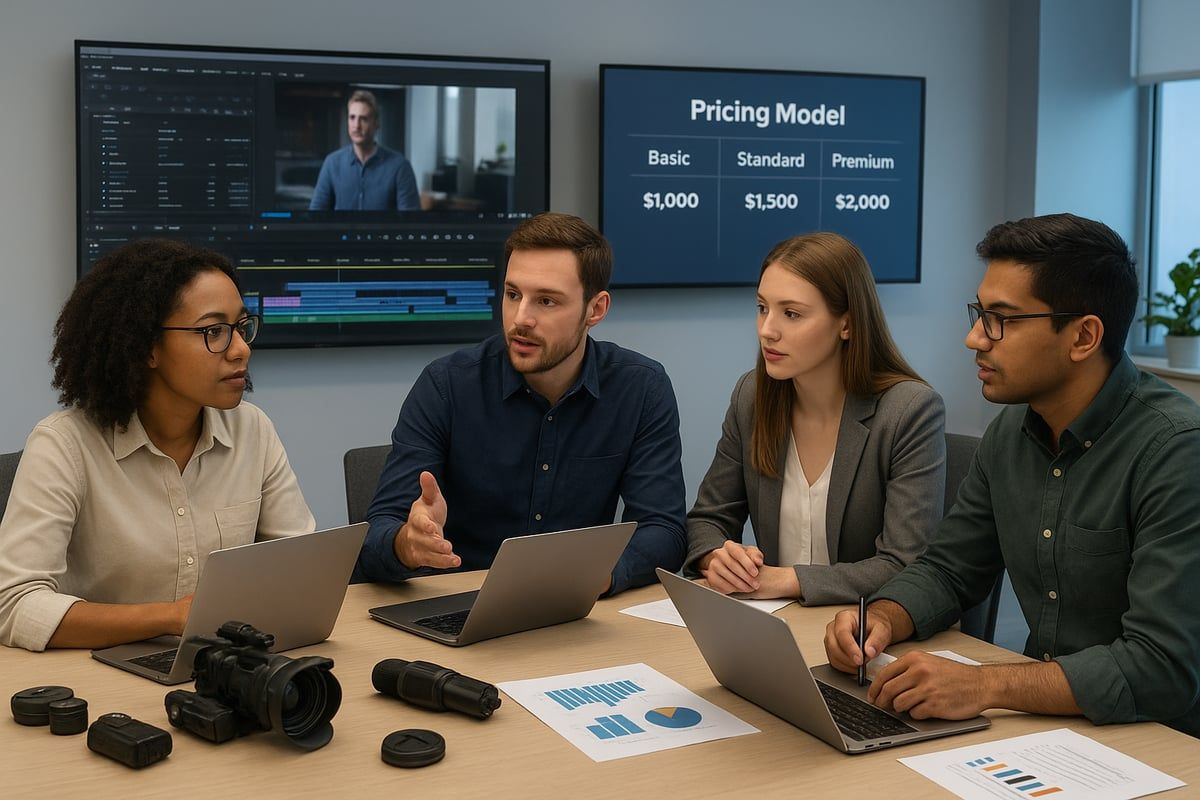
Choosing the right pricing video model in 2026 is critical for budgeting and ROI. The landscape is more complex than ever, with agencies and creators offering an array of options to suit diverse business needs. Understanding these models allows you to select what aligns best with your goals and expectations.
What Are the Main Pricing Models?
The most common pricing video structures include flat-rate, hourly, day-rate, retainer, and value-based or performance pricing.
- Flat-rate means you pay a set fee for the entire project, regardless of hours spent.
- Hourly and day-rate models charge by the time invested, offering transparency but potentially variable costs.
- Retainer models are popular for ongoing content, with a monthly fee covering a set scope.
- Value-based or performance pricing ties payment to results, such as engagement or conversions.
Each model fits different project types, so it is important to match the structure to your video’s goals.
Comparing Models: Pros and Cons
A flat-rate pricing video approach offers predictability, making it popular for one-off projects with a clear brief. However, if your scope changes, costs can rise unexpectedly.
Hourly and day-rate models are flexible for evolving projects, but they can make budgeting unpredictable. Retainers are ideal for brands producing frequent content, providing stability and often lower per-video costs.
Value-based pricing video models are gaining traction. They incentivize agencies to deliver results, aligning their interests with yours. However, defining metrics and tracking outcomes adds complexity.
How Pricing Video Has Evolved Since 2024
Since 2024, pricing video models have shifted toward hybrid and value-driven approaches. Many agencies now blend flat-rate production fees with bonuses for performance outcomes.
Subscription and retainer models have surged, especially for brands needing regular social content. This evolution reflects the demand for flexibility and ongoing partnership, not just one-time deliverables.
To ensure you are making the right choice, clarify expectations and deliverables with your producer. Reviewing a resource like Questions to Ask Video Producers will help you understand what to confirm before signing any agreement.
Package vs. Custom Quotes: Which Works Best?
Package pricing video deals offer bundled services at a fixed cost, suitable for standard projects like explainer videos or testimonials. These packages streamline the process and simplify budgeting.
Custom quotes, in contrast, are tailored to unique needs, such as high-end commercials or interactive experiences. They provide flexibility but require detailed scoping and negotiation.
A quick comparison:
| Model | Best For | Predictability |
|---|---|---|
| Flat-rate | Standard, well-defined projects | High |
| Hourly/Day-rate | Flexible, evolving projects | Low |
| Retainer/Subscription | Ongoing, frequent content | High |
| Value-based | ROI-driven, measurable campaigns | Medium |
Negotiating for Value and Accountability
When negotiating pricing video agreements, transparency is key. Ask for detailed breakdowns, revision policies, and clear KPIs if performance is part of the deal.
Hybrid models, blending flat-rate with performance incentives, offer both predictability and motivation for results. Always insist on written agreements that outline scope, timelines, and success criteria.
In summary, the best pricing video model in 2026 balances your project needs, budget, and desired outcomes. Understanding the evolving landscape and asking the right questions puts you in control of your investment.
Benchmarks & Real-World Examples: What Are Brands Paying in 2026?
Businesses in 2026 face a wide spectrum when it comes to pricing video projects. The market is more transparent than ever, yet costs vary based on goals, format, and distribution strategy. Understanding what other brands are paying helps you benchmark your own investments and avoid overspending.
Video Production Price Ranges
Pricing video in 2026 reflects significant shifts in technology, demand, and talent costs. Here is a snapshot of typical price ranges:
| Project Type | Price Range (USD) |
|---|---|
| Basic Social Video | $2,500 – $7,000 |
| Corporate Video | $8,000 – $20,000 |
| Campaign (Multi-Platform) | $10,000 – $50,000 |
| High-End Commercial | $100,000+ |
These figures align with industry research, helping you gauge where your project might land. For deeper insight into the value of corporate video, see Corporate Video Production Costs.
Detailed Cost Breakdowns by Video Type
Every video format comes with its own cost drivers. Let’s break down typical budgets:
- 30-second commercial: $15,000 – $60,000. Includes scripting, talent, high-end production, and extensive post.
- 2-minute corporate video: $10,000 – $25,000. Covers interviews, b-roll, and on-site filming.
- Animated explainer: $7,000 – $18,000. Animation complexity and voiceover affect the final price.
- Social shorts/reels: $2,500 – $8,000. Fast turnaround, optimized for platforms like TikTok or Instagram.
Factors such as animation, VFX, and multi-language versions can increase costs. Brands are investing more in interactive, vertical, and platform-specific content, which shapes pricing video in 2026.
Budget Allocation: Pre-Production, Production, and Post
A typical video budget splits into several key phases. Here’s how brands allocate resources:
- Pre-production (15%–20%): Concept, scripting, casting, planning.
- Production (40%–50%): Crew, talent, equipment, locations.
- Post-production (30%–40%): Editing, color, sound, graphics.
For a $20,000 project, expect $3,000–$4,000 for pre-production, $8,000–$10,000 for production, and $6,000–$8,000 for post. This structure ensures each stage receives proper attention, maximizing the impact of your pricing video strategy.
In-House vs. Agency vs. Freelancer Pricing
Choosing between in-house teams, agencies, or freelancers impacts pricing video outcomes.
- In-house: Lower hourly rates, but often limited by equipment or creative range.
- Agencies: Higher costs ($10,000+ per project), but offer end-to-end service, strategy, and accountability.
- Freelancers: Flexible, with day rates from $350 (editor) to $1,500 (director), ideal for focused projects.
The right choice depends on your goals, complexity, and the need for creative direction. Many brands blend approaches, using agencies for campaigns and freelancers for quick-turn social content.
Optimizing Spend and Benchmarking
Brands now use AI, stock assets, and modular content to stretch every dollar. AI-powered editing and virtual sets are cutting costs for certain formats, as detailed in AI vs Traditional Video Production.
When pricing video, benchmark your quotes against industry averages, ask for itemized estimates, and clarify deliverables. Smart brands review ROI post-campaign, ensuring each video investment delivers measurable business results.
Strategies to Maximize Value and ROI from Your Video Spend
Maximizing your ROI when pricing video in 2026 requires a balance of strategic choices, smart planning, and ongoing measurement. With evolving trends and rising costs, businesses must be intentional about each dollar spent. The goal is not just to create content, but to ensure every video investment delivers measurable results.
Prioritize High-Impact Investments
When pricing video, focus your budget on elements that drive the most value. Storytelling remains the backbone of effective content. Allocate resources to strong creative direction, scripts, and on-screen talent.
Production value matters, but it is not always about the most expensive gear. Choose the right level of polish for your goals and platforms. Invest in distribution to ensure your video reaches the intended audience, multiplying its impact.
- Prioritize story and messaging
- Allocate for targeted distribution
- Match production quality to business objectives
Leverage In-House Resources and Outsourcing Wisely
Deciding when to use in-house talent versus hiring professionals can significantly affect pricing video. In-house teams are ideal for simple, repeatable content or when agility is key. Outsource complex, high-stakes, or brand-defining projects to agencies or freelancers for higher production value.
Balance cost savings with quality. For hybrid approaches, let your team handle pre-production or editing, while experts manage filming or animation.
Plan Smart: Pre-Production and Clear Briefs
Thorough pre-production is the foundation of cost-effective video. Investing time in clear briefs, well-defined goals, and detailed storyboards minimizes revisions and scope creep.
A precise project outline helps avoid unexpected expenses and keeps pricing video transparent. Include stakeholders early to streamline approvals and align on vision.
Negotiate Transparent Quotes and Manage Scope
When collecting quotes, request detailed breakdowns for every line item. This ensures you understand where your budget is going and prevents hidden fees.
Negotiate for flexibility, especially if deliverables or timelines shift. Set milestones and include contingencies to maintain control over pricing video throughout the project.
Optimize Budget with Stock Assets and Templates
Using high-quality stock footage, royalty-free music, and customizable templates can stretch your budget further. These tools reduce production time and allow for quick turnarounds without sacrificing professionalism.
Technological advancements, such as virtual production and AI-driven editing, are driving new efficiencies. The Virtual Production Market Growth report highlights how these innovations are influencing the cost and scalability of pricing video in 2026.
Use Analytics and KPIs to Prove ROI
Implement analytics from the outset to track video performance. Define KPIs tied to your business goals, such as engagement, leads, or conversions.
Regularly review results to refine your strategy and justify ongoing investment. Data-driven insights help you optimize future pricing video decisions and demonstrate value to stakeholders.
Future-Proof by Investing in Versatile Content
Create video content that can be repurposed across multiple platforms and campaigns. Modular assets and adaptable formats extend the lifespan of your investment.
Stay ahead by embracing trends like interactive video and immersive formats. Resources like 2026 Video Production Trends offer guidance on emerging strategies to keep your pricing video approach competitive.
By applying these strategies, brands can ensure every dollar spent on video delivers measurable returns, supporting both immediate goals and long-term growth.
Now that you have a clear understanding of what drives video pricing in 2026 and how to strategically plan your investment, it’s the perfect time to put your insights into action. Whether you’re looking to launch a high-impact campaign or simply want to ensure your next video delivers measurable results, Viva Media is here to help you navigate every step with confidence. Let’s work together to create video content that truly moves the needle for your brand. Ready to take the next step? Start a project and see how we can turn your vision into results.