
Searching for music video production near me has become increasingly critical for artists looking to establish their visual identity in 2026's competitive music landscape. Whether you're an independent artist releasing your first single or an established act expanding your creative vision, finding the right local production partner can transform your music into a captivating visual experience. The proximity of your production team matters more than you might think, affecting everything from pre-production meetings to location scouting efficiency and post-production collaboration. Understanding how to evaluate local production companies, budget effectively, and maximize your creative investment will determine the success of your music video project.
Understanding Local Music Video Production Services
Music video production requires specialized expertise that extends far beyond standard commercial filming. When searching for music video production near me, you're looking for teams that understand the unique rhythm, pacing, and storytelling demands of musical content.
Local production companies bring distinct advantages to music video projects. Geographic proximity enables face-to-face creative meetings during pre-production, where you can discuss concepts, review storyboards, and align on artistic vision without the communication barriers of remote collaboration. Toronto-based studios like Viva Media understand regional aesthetics, have established relationships with local venues and permit offices, and can respond quickly when production challenges arise.
Core Services in Music Video Production
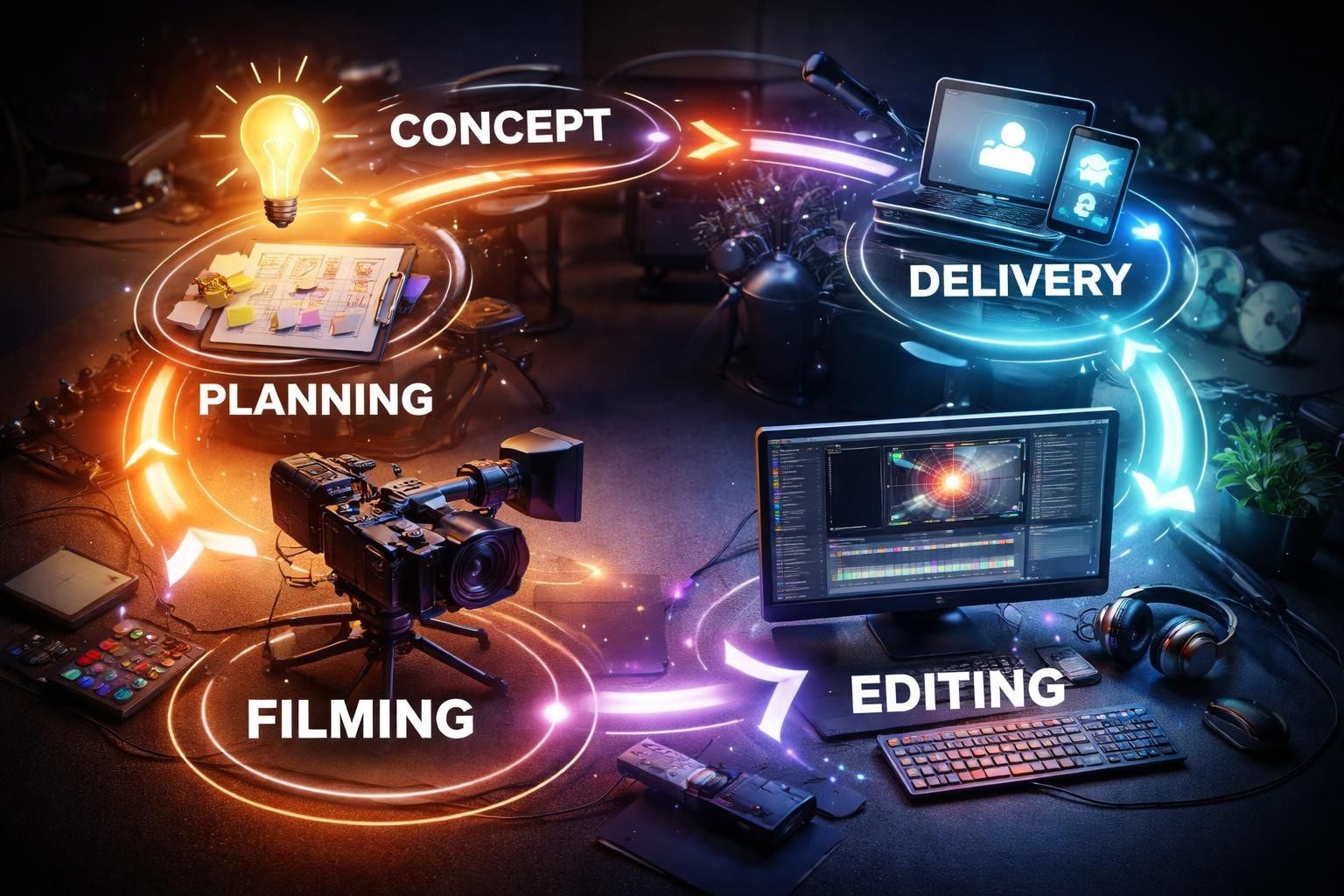
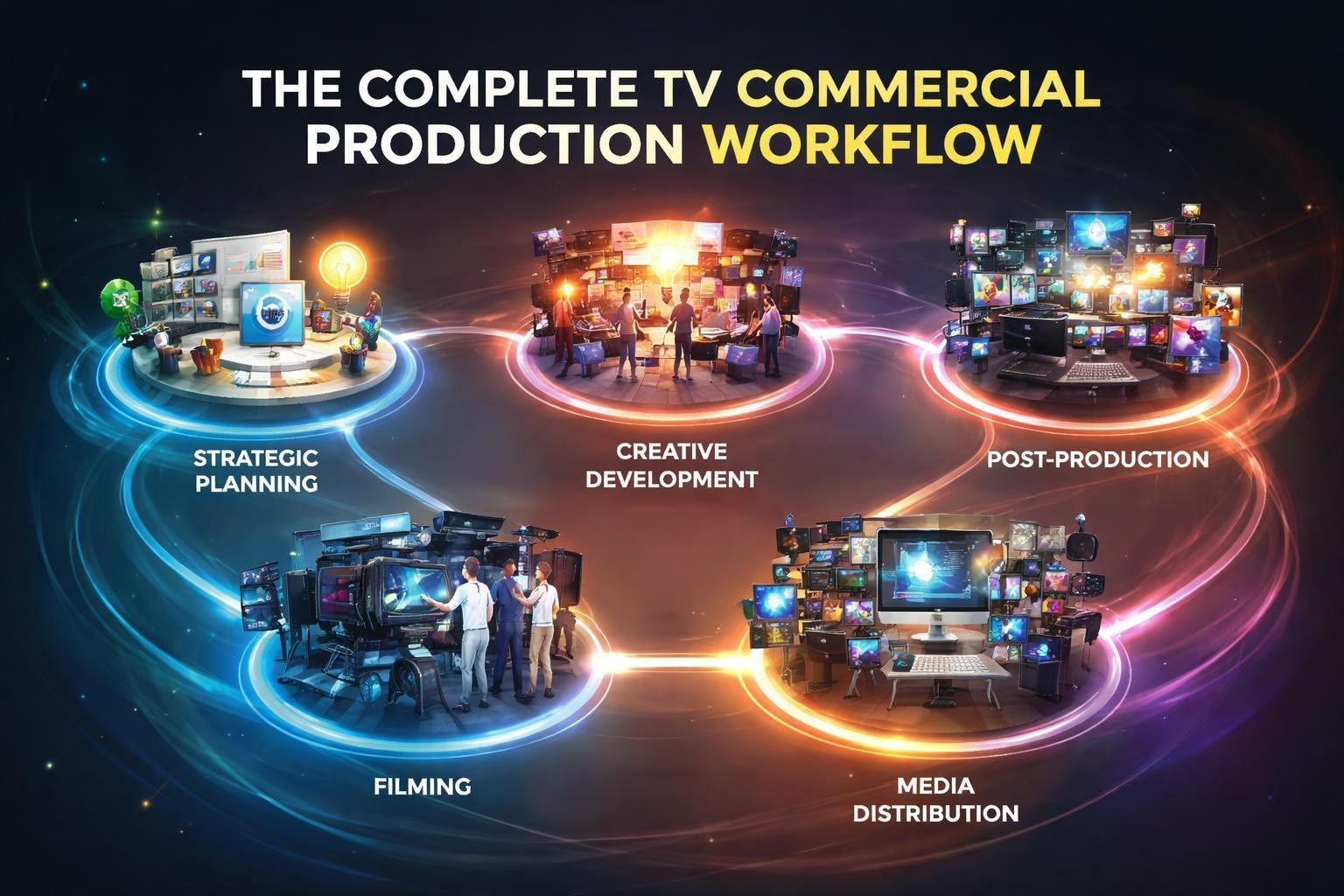
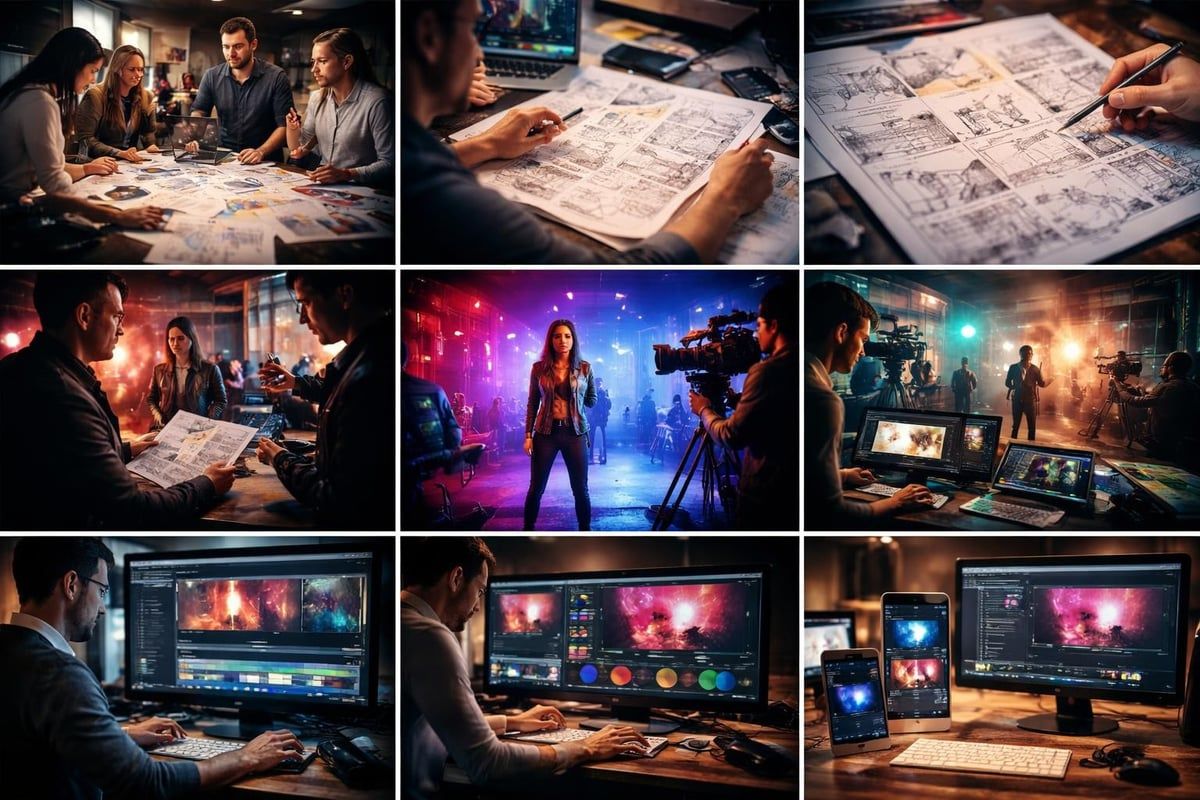
Professional music video production encompasses several critical phases:
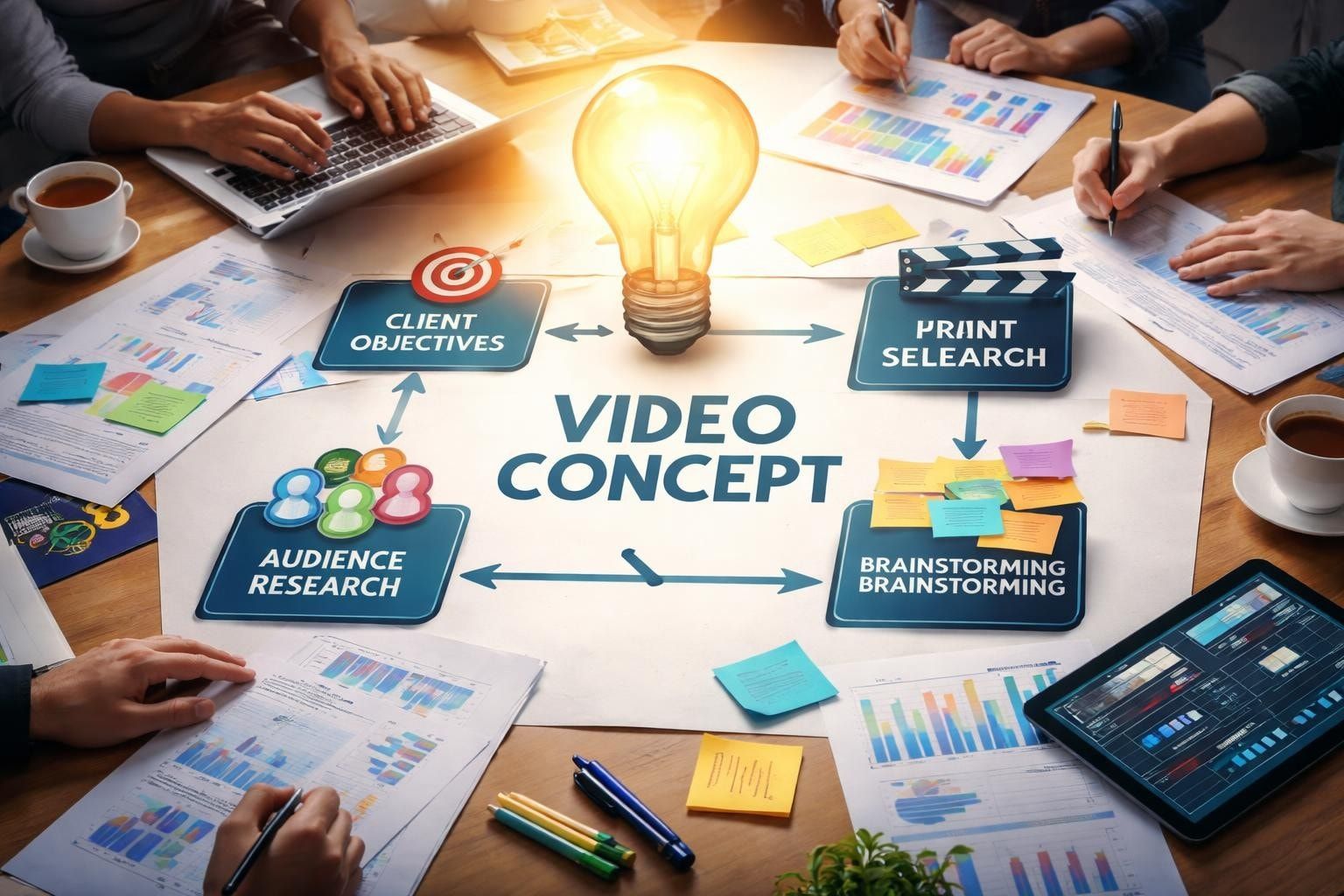
- Pre-production planning including concept development, storyboarding, and location scouting
- Production coordination managing crew, equipment, talent, and shooting schedules
- Post-production editing incorporating color grading, visual effects, and sound synchronization
- Deliverable preparation optimizing files for various platforms and distribution channels
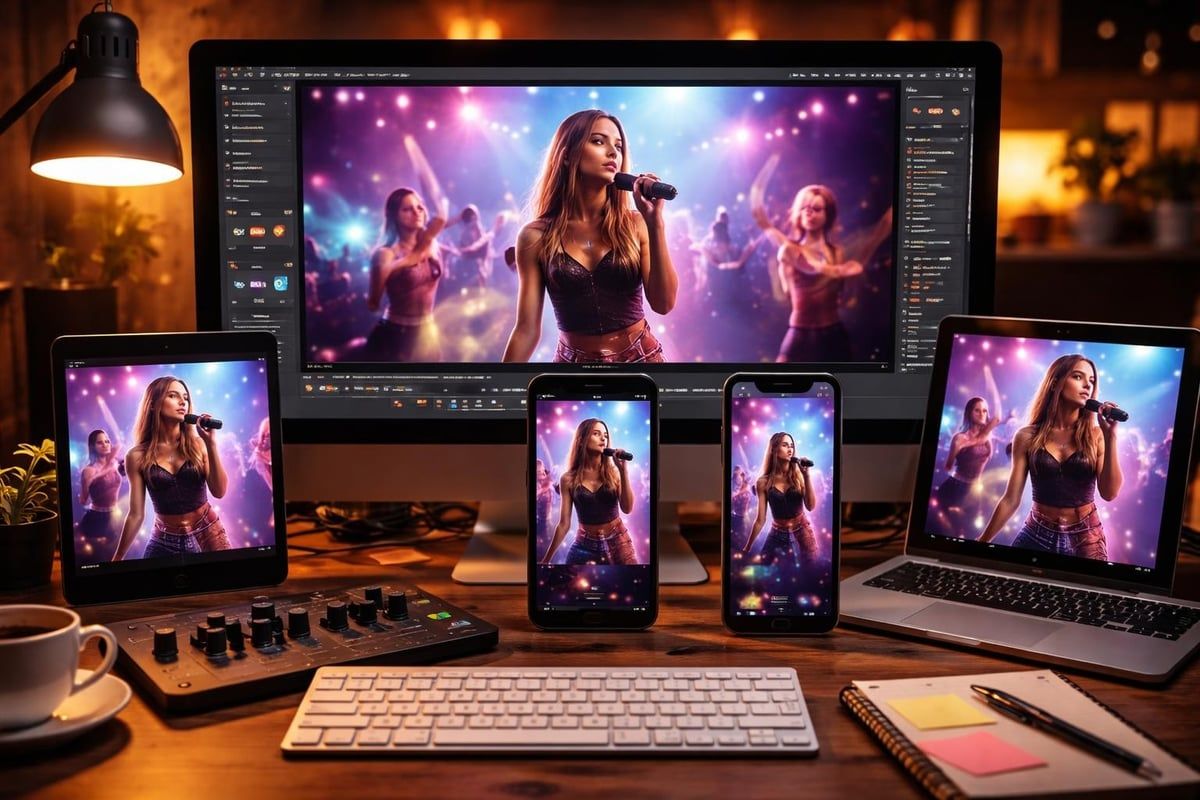
The music and video production landscape has evolved significantly, with producers now required to deliver content optimized for YouTube, Instagram, TikTok, and streaming platforms simultaneously. Each platform demands specific aspect ratios, durations, and stylistic approaches.
Budgeting for Professional Music Videos
Understanding production costs represents one of the most important aspects of planning your music video. According to recent music video industry statistics, production budget range dramatically based on creative complexity, crew size, and technical requirements.
| Budget Tier | Price Range | Typical Deliverables |
|---|---|---|
| Basic | $2,000-$5,000 | Single-location shoot, small crew, basic editing |
| Mid-Range | $5,000-$15,000 | Multiple locations, professional crew, advanced effects |
| Premium | $15,000-$50,000 | Complex concepts, large crew, extensive post-production |
| High-End | $50,000+ | Multi-day shoots, celebrity talent, broadcast quality |
When evaluating music video production near me, request detailed budget breakdowns. A comprehensive breakdown of music video production costs reveals that expenses typically distribute across pre-production (15-20%), production day costs (40-50%), and post-production (30-35%).
Key Budget Considerations
Pre-production expenses include creative development fees, location permits, insurance, and casting costs. Many artists underestimate these foundational costs, which can consume 20% of your total budget before cameras start rolling.
Production costs represent your largest single expense category. This includes crew wages (director, cinematographer, gaffer, production assistants), equipment rental, talent fees, location fees, catering, and transportation. A typical one-day shoot with a professional crew requires 8-12 team members.
Post-production investments cover editing, color correction, motion graphics, visual effects, and sound mixing. This phase often takes 2-4 weeks depending on complexity. Rushing this timeline increases costs significantly.
Consider using an interactive music video budget calculator to estimate project-specific costs based on your creative requirements. This tool helps identify where budget adjustments create the most impact.
Finding the Right Local Production Partner
Selecting the ideal production company requires more than proximity. When searching for music video production near me, evaluate candidates across multiple dimensions to ensure creative alignment and professional capability.
Essential Evaluation Criteria
Review portfolio work carefully, focusing on production quality, creative diversity, and technical execution. Quality production companies maintain extensive portfolios showcasing various styles, from narrative storytelling to performance-based videos and experimental visual approaches.
Technical capabilities matter significantly in 2026. Ask potential partners about their camera equipment (RED, ARRI, Sony cinema lines), lighting packages, stabilization systems (Steadicam, gimbal, drone), and post-production software. Advanced equipment doesn't guarantee great results, but it expands creative possibilities.
Crew experience directly impacts production efficiency and creative execution. Request information about the director's background, cinematographer's reel, and editor's previous music video work. Teams that specialize in music videos understand pacing, rhythm, and visual storytelling unique to musical content.
Before making final decisions, consult this checklist of important questions to ask a video production company to ensure comprehensive evaluation.
- Timeline flexibility and scheduling availability
- Rights and licensing clarity for all deliverables
- Revision policies and included editing rounds
- Insurance coverage and permit handling
- Equipment backup plans for technical failures
- Communication protocols during production phases
Location Scouting and Permit Management
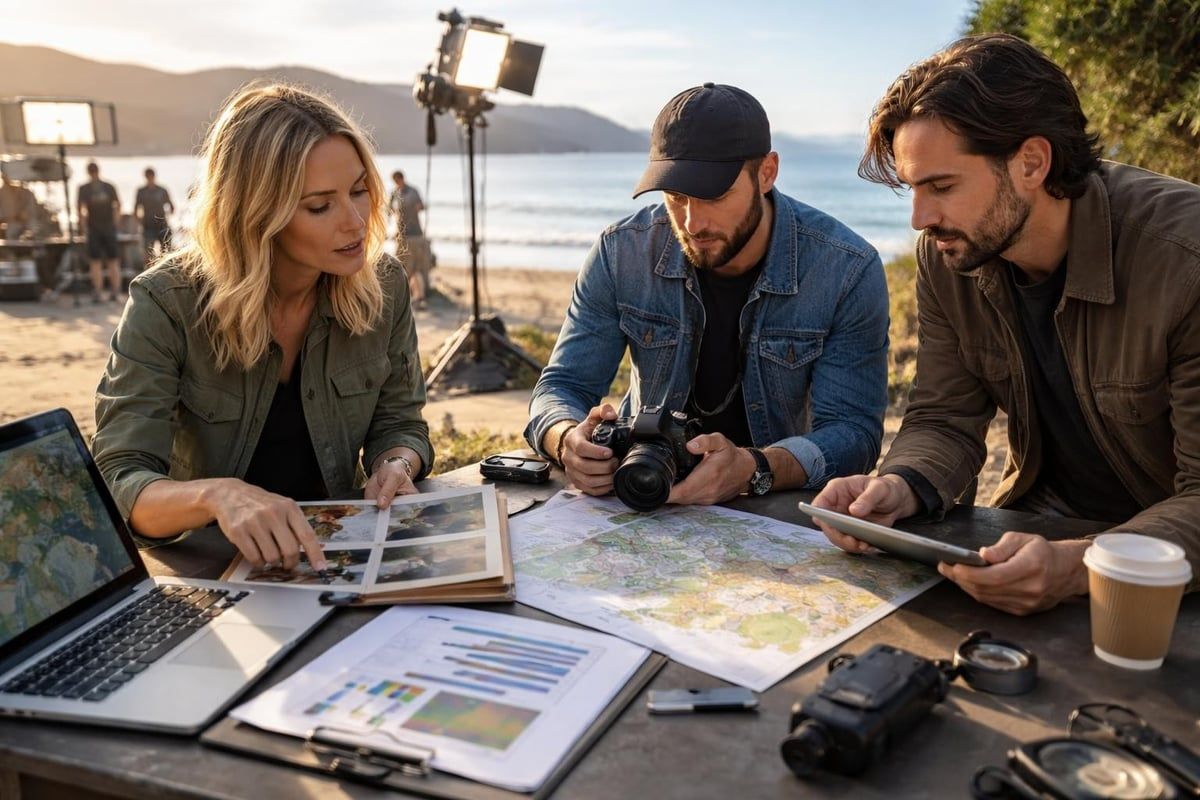
Local production companies excel at location scouting because they possess intimate knowledge of regional venues, outdoor spaces, and hidden gems. This expertise proves invaluable when searching for music video production near me.
Toronto-Specific Location Advantages
The Greater Toronto Area offers remarkable location diversity within compact geographic areas. Productions can access urban streetscapes, waterfront settings, industrial warehouses, natural parks, and architectural landmarks within 30-minute drives.
Permit requirements vary dramatically by location type. Public spaces typically require city permits, while private venues need owner permissions and potentially insurance certificates. Experienced local crews navigate these requirements efficiently, saving time and preventing costly production delays.
| Location Type | Typical Permit Cost | Processing Time | Key Considerations |
|---|---|---|---|
| Public Parks | $200-$500 | 2-3 weeks | Time restrictions, noise limits |
| City Streets | $500-$1,500 | 3-4 weeks | Traffic management, insurance |
| Private Venues | $500-$3,000 | 1-2 weeks | Owner agreements, damage deposits |
| Indoor Studios | Included in rental | Immediate | Climate control, power access |
Working with local production companies streamlines permit acquisition because they maintain relationships with city film offices and frequently-used venues. These connections often accelerate approval timelines and sometimes reduce permit fees.
Production Quality Enhancement Techniques
Elevating your music video above amateur productions requires attention to technical and creative details. Professional teams implement proven techniques to enhance production quality throughout every production phase.
Cinematography Excellence
Lighting design separates professional productions from amateur efforts. Three-point lighting serves as the foundation, but creative music videos employ dramatic lighting schemes that reinforce mood and enhance visual storytelling. Colored gels, practical lights, and motivated lighting sources create depth and visual interest.
Camera movement adds production value when executed purposefully. Static shots communicate stability or tension, while fluid camera movements create energy and momentum. Professional crews combine techniques including dolly tracking shots, crane movements, handheld dynamism, and Steadicam fluidity to match visual style with musical energy.
Shot composition requires understanding visual balance, leading lines, and depth creation. The rule of thirds provides a starting framework, but innovative music videos intentionally break compositional rules to create visual tension or unexpected beauty.
Editorial Sophistication
Editing rhythm must synchronize with musical pacing. Beat-matching cuts represent the most fundamental music video editing technique, but sophisticated editors vary cutting speed, use J-cuts and L-cuts for smooth transitions, and employ visual effects strategically rather than gratuitously.
Color grading transforms raw footage into polished visual experiences. Professional colorists create consistent looks across all footage, enhance skin tones naturally, establish mood through color temperature choices, and ensure technical specifications meet platform requirements.
The importance of professional editing earned recognition through awards like the MTV Video Music Award for Best Editing, highlighting how editorial decisions shape viewer experiences and cultural impact.
Platform-Specific Optimization Strategies
Music videos in 2026 must perform across multiple platforms simultaneously. When evaluating music video production near me, prioritize teams that understand platform-specific requirements and optimize content accordingly.
YouTube Optimization
YouTube remains the dominant music video platform, requiring specific technical specifications and strategic approaches:
- Video resolution: Minimum 1080p, 4K increasingly standard
- Aspect ratio: 16:9 for traditional viewing
- File format: H.264 codec, AAC audio
- Thumbnail design: Custom thumbnails with 1280x720 resolution
- Metadata optimization: Strategic titles, descriptions, and tags
YouTube's algorithm favors watch time and audience retention, making the first 15 seconds critical for viewer engagement. Professional editors structure opening sequences to capture attention immediately while introducing your artistic identity.
Social Media Adaptations
Instagram, TikTok, and Facebook each demand unique formatting:
Instagram requirements include 1:1 square format for feed posts, 9:16 vertical for Reels and Stories, and 4:5 for optimized feed viewing. Many successful artists release multiple versions, with video solutions that help businesses reach customers across platforms effectively.
TikTok specifications emphasize vertical 9:16 video, hook-driven openings within 3 seconds, and 60-second maximum duration for organic reach. The platform's music-first culture makes it particularly valuable for artist discovery.
| Platform | Optimal Aspect Ratio | Recommended Length | Key Engagement Factor |
|---|---|---|---|
| YouTube | 16:9 | 3-5 minutes | Watch time percentage |
| Instagram Feed | 4:5 or 1:1 | 60 seconds | First 3-second hook |
| Instagram Reels | 9:16 | 30-60 seconds | Audio trending status |
| TikTok | 9:16 | 15-60 seconds | Completion rate |
| 16:9 or 1:1 | 60-90 seconds | Share likelihood |
Creative Concept Development
Compelling music videos begin with strong conceptual foundations. Professional music video production near me should include robust creative development processes that transform your musical vision into visual storytelling.
Narrative vs Performance Approaches
Performance videos focus on showcasing the artist performing the song, often in visually striking locations or sets. This approach emphasizes artist personality, stage presence, and musical skill. Performance videos typically cost less than narrative productions because they require fewer actors, simpler logistics, and straightforward shooting schedules.
Narrative videos tell stories that complement or expand song lyrics. These productions require scripting, casting actors, coordinating multiple locations, and often multiple-day shoots. While more expensive, narrative videos create memorable experiences that distinguish your work from performance-only content.
Hybrid approaches combine performance and narrative elements, offering creative flexibility and visual variety. Artists perform while narrative sequences unfold around them, creating layered storytelling that maintains artist visibility while expanding creative scope.
Storyboarding and Pre-visualization
Professional teams invest significant pre-production time in visual planning. Storyboards translate concepts into shot-by-shot visual roadmaps, ensuring efficient production days and aligned creative vision between artists and production teams.
Shot lists complement storyboards by detailing specific camera angles, movements, and technical requirements for each scene. This documentation prevents on-set confusion, optimizes shooting schedules, and ensures no planned shots get forgotten during production intensity.
Location tech scouts allow directors of photography to evaluate lighting conditions, identify electrical access points, plan camera positions, and anticipate technical challenges before production day. This preparation dramatically improves shooting efficiency.
Technical Innovation in Music Video Production
Technological advancement continues reshaping music video possibilities. Research into video-to-music generation frameworks demonstrates how artificial intelligence and machine learning integrate into creative workflows, though human artistic vision remains irreplaceable.
Emerging Production Technologies
Virtual production using LED wall technology, pioneered by high-budget film productions, now reaches music video budgets. This technology enables real-time background changes, eliminates green screen limitations, and reduces location costs while expanding creative possibilities.
Drone cinematography provides aerial perspectives previously requiring expensive helicopter rentals. Professional drone operators capture sweeping establishing shots, dynamic tracking movements, and unique perspectives that enhance production value significantly.
360-degree video and VR-ready content create immersive experiences for platforms supporting these formats. While niche in 2026, forward-thinking artists experiment with immersive formats to differentiate their content and create memorable fan experiences.
Post-Production Innovations
AI-assisted editing tools accelerate initial assembly cuts, identify best takes, and suggest beat-synchronization points. Professional editors use these tools to streamline workflows while maintaining creative control over final decisions.
Real-time color grading enables directors and colorists to preview final looks during production, reducing post-production surprises and ensuring captured footage achieves intended aesthetics.
Cloud-based collaboration platforms allow artists to review edits, provide feedback, and approve final versions remotely, eliminating geographic barriers while maintaining creative involvement throughout post-production.
Maximizing Return on Your Video Investment
Music videos represent significant financial investments requiring strategic approaches to maximize returns. Understanding how to leverage your completed video across multiple channels ensures your production investment generates ongoing value.
Distribution Strategy Development
Release your music video strategically rather than simply uploading when production completes. Coordinate release timing with single drops, album launches, or tour announcements to create integrated marketing momentum.
YouTube optimization includes custom thumbnails, keyword-rich descriptions, strategic tagging, and playlist inclusion. Consider video marketing strategies that extend beyond simple uploads to include targeted promotion and audience engagement.
Social media teasers build anticipation before full release. Share behind-the-scenes content, short clips, and countdown posts across Instagram, TikTok, and Twitter to generate pre-release excitement and prime audiences for your full video launch.
Press outreach to music blogs, local publications, and genre-specific media outlets expands reach beyond your existing audience. Quality productions earn editorial coverage, particularly when accompanied by compelling artist stories or innovative visual approaches.
Analytics and Performance Tracking
Monitor video performance metrics to understand audience engagement and inform future creative decisions:
- View counts and view velocity (views per day/week)
- Average watch time and audience retention graphs
- Traffic sources revealing how viewers discover your content
- Demographic data showing audience age, location, and gender distribution
- Engagement metrics including likes, comments, shares, and saves
Platforms like YouTube provide detailed analytics dashboards. Regular review of these metrics reveals which visual elements resonate, where viewers disengage, and how your content performs compared to previous releases.
Long-term Content Repurposing
Professional music video production creates assets extending far beyond the primary video:
Behind-the-scenes footage provides bonus content for superfans, social media posts, and documentary-style material that humanizes your artistic process.
Alternative edits repurpose master footage into platform-specific versions, lyric videos, acoustic versions, or extended cuts for different distribution channels.
Photography stills from production days serve as press materials, social media content, album artwork, and promotional graphics, multiplying your production investment value.
Working Effectively with Production Teams
Successful music video production requires collaborative partnerships between artists and production companies. Understanding how to work effectively with video production companies ensures smooth production processes and superior creative outcomes.
Communication Best Practices
Clear creative briefs prevent misalignment and wasted effort. Document your artistic vision, reference videos illustrating desired styles, mood boards capturing intended aesthetics, and specific technical requirements before production planning begins.
Regular check-ins throughout pre-production, production, and post-production maintain alignment and address concerns before they become problems. Schedule calls or meetings at key milestones including concept approval, pre-production completion, rough cut review, and final delivery.
Constructive feedback accelerates post-production and improves final results. When reviewing edits, provide specific, actionable notes rather than vague direction. Reference timestamps, suggest alternatives, and explain reasoning behind requested changes.
Managing Production Day Logistics
Production days demand organization and flexibility. Professional teams handle technical execution, but artists contribute to successful shoots through preparation and collaboration:
Wardrobe planning includes multiple outfit options, backup clothing for unexpected situations, and outfits appropriate for planned activities and locations.
Performance preparation means knowing your song completely, practicing lip-sync timing, preparing for multiple takes without vocal strain, and maintaining energy throughout long shooting days.
Trust professional expertise while maintaining creative input. Production teams bring technical knowledge and experience, so remain open to their suggestions while ensuring final decisions align with your artistic vision.
Industry Recognition and Quality Standards
Understanding industry benchmarks helps evaluate production quality and set appropriate expectations when searching for music video production near me. Awards like the Grammy Award for Best Music Video recognize exceptional creative and technical achievement, establishing quality standards across the industry.
Quality Indicators
Professional productions demonstrate consistent technical excellence across multiple dimensions:
Visual consistency maintains color balance, exposure accuracy, and stylistic coherence throughout the video. Amateur productions often show inconsistent looks between scenes or lighting setups.
Audio quality ensures perfect synchronization between visuals and music, professional sound mixing, and proper audio levels across all deliverable formats.
Technical polish eliminates visible errors including boom microphones in frame, continuity mistakes, awkward edits, or poor visual effects integration.
Building Portfolio-Worthy Content
When investing in music video production near me, consider how the finished product contributes to your long-term artistic portfolio. Quality videos:
- Demonstrate artistic evolution and creative ambition
- Showcase production values matching or exceeding industry standards
- Create shareable, memorable content that attracts new audiences
- Generate press coverage and industry attention
- Provide evergreen content maintaining relevance beyond initial release
Working with experienced production companies ensures your investment produces portfolio pieces that represent your artistry professionally and compete effectively in crowded digital markets.
Professional music video production requires careful planning, strategic budgeting, and collaborative partnerships with experienced production teams. Whether you're an emerging artist building your visual identity or an established act elevating your creative output, finding the right local production partner transforms your musical vision into compelling visual experiences that resonate with audiences and generate measurable results. Viva Media brings Toronto-based expertise, technical excellence, and results-driven creative approaches to music video productions throughout the Greater Toronto Area, helping artists create high-performance video content that delivers real ROI and builds lasting audience connections.