
The music video industry has evolved dramatically over the past decade, transforming from MTV-dominated broadcast content into a digital-first medium that drives streaming revenue, social engagement, and brand partnerships. Music video production companies now serve a diverse client base ranging from independent artists seeking YouTube visibility to major labels investing millions in visual spectacles. Understanding how these specialized production houses operate, what they deliver, and how to select the right partner can make the difference between a forgettable release and a career-defining visual statement that generates measurable business results.
What Music Video Production Companies Actually Do
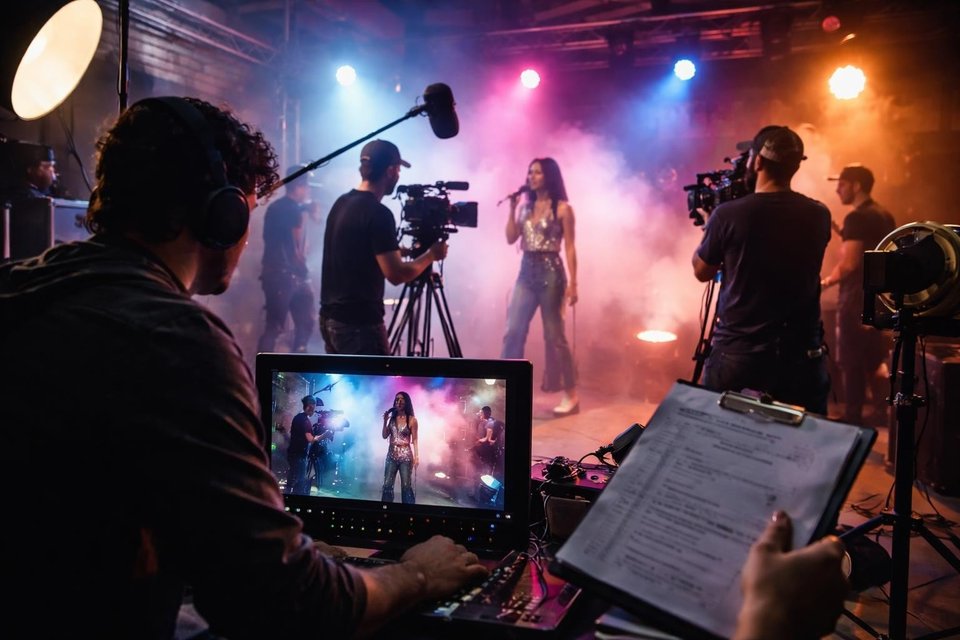
Music video production companies handle the complete creative and technical process of transforming an audio track into a compelling visual experience. These specialized firms bring together directors, cinematographers, production designers, choreographers, and post-production specialists who understand the unique demands of music-driven content.
The scope of services extends far beyond simply filming performers lip-syncing to their tracks. Professional production companies develop creative concepts that amplify the song's message, coordinate complex logistics across multiple locations, manage talent and crew scheduling, and deliver finished content optimized for various distribution platforms. They understand the technical considerations and best practices for filming music videos that separate amateur efforts from professional results.
Full-Service Capabilities
Modern music video production companies typically offer comprehensive packages that include:
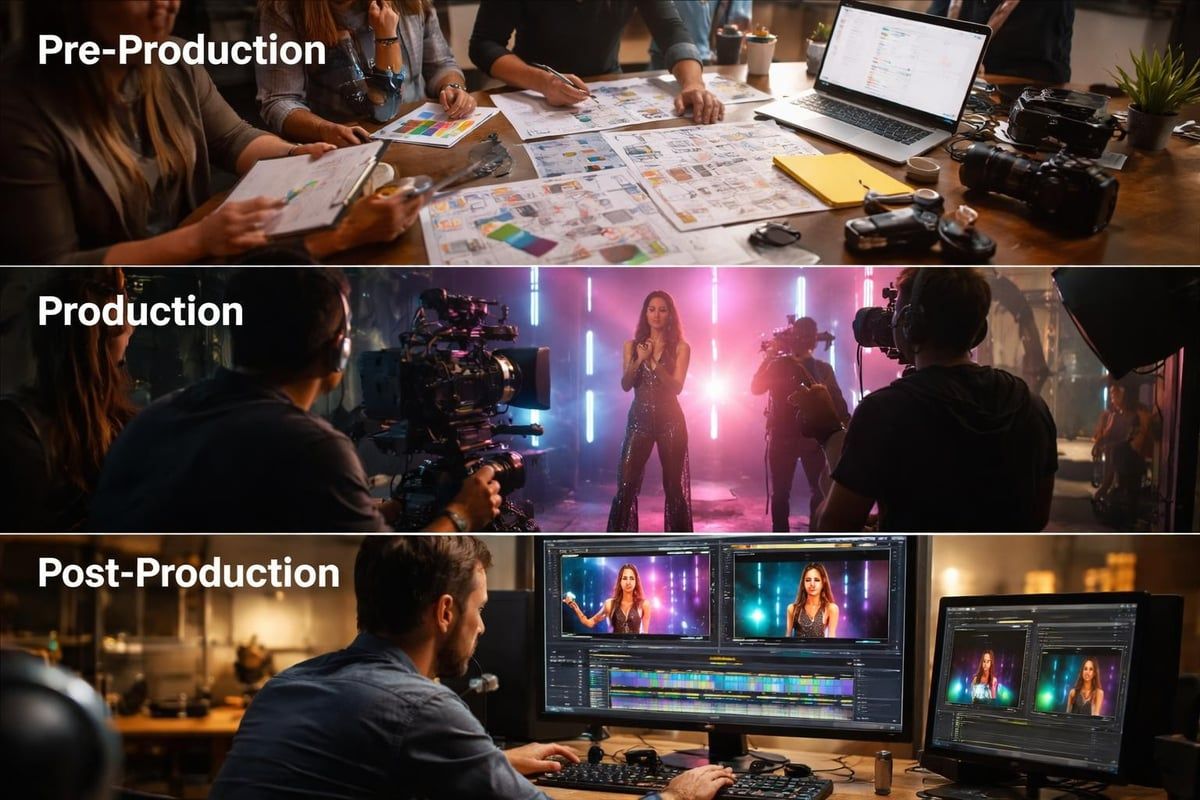
- Pre-production planning covering concept development, storyboarding, location scouting, and casting
- Production management including crew coordination, equipment rental, permits, and on-set execution
- Post-production services encompassing editing, color grading, visual effects, and audio synchronization
- Distribution optimization preparing files in multiple formats for YouTube, Vevo, social platforms, and broadcast
The most effective production partners understand that music videos serve multiple business objectives simultaneously. They function as marketing tools, artistic statements, revenue generators through platform monetization, and brand-building assets that extend an artist's visual identity.
Budget Tiers and What They Deliver
Music video production companies operate across a wide spectrum of budget levels, each offering distinct production values and creative capabilities. Understanding these tiers helps artists and labels make informed decisions about their investment.
| Budget Range | Production Value | Typical Features | Best For |
|---|---|---|---|
| $5,000-$15,000 | Entry-level professional | Single location, small crew, minimal VFX | Independent artists, debut releases |
| $15,000-$50,000 | Mid-tier production | Multiple locations, experienced crew, basic effects | Emerging artists, label-backed singles |
| $50,000-$150,000 | High production value | Elaborate sets, large crew, advanced VFX | Established artists, priority releases |
| $150,000+ | Premium/Broadcast | Multiple shoot days, A-list talent, cinematic quality | Major label flagship releases |
These figures reflect 2026 market rates in major production centers like Toronto, Los Angeles, and New York. Understanding video pricing structures helps clients evaluate quotes and identify potential budget optimization strategies.
The relationship between budget and creative impact isn't always linear. Talented music video production companies can deliver exceptional creative concepts at modest budgets through intelligent resource allocation, strategic location selection, and innovative visual techniques that prioritize storytelling over expensive production elements.
Hidden Costs to Consider
Beyond the base production fee, clients should budget for additional expenses that commonly arise during music video projects. Licensing fees for filming in commercial locations can range from $500 to $5,000 per day depending on the venue. Talent fees for dancers, actors, or featured performers add $200 to $2,000 per person for non-union productions, with union rates significantly higher.
Insurance requirements, equipment rentals beyond the standard package, catering for extended shoot days, and expedited post-production timelines can each add 10-20% to the initial budget. The most transparent music video production companies provide detailed line-item estimates that account for these variables upfront.
Selecting the Right Production Partner
The decision of which music video production company to hire requires evaluating multiple factors beyond portfolio quality and pricing. The ideal partner demonstrates both creative excellence and operational reliability while understanding your specific goals for the finished video.
Portfolio Analysis and Style Compatibility
Begin by examining each company's previous work to assess visual style, storytelling capability, and production quality. Look beyond surface-level aesthetics to evaluate how effectively their videos serve the artist's brand and musical genre. Genre specialization matters significantly in music video production, as companies that regularly work within hip-hop, country, or electronic music develop distinct visual languages and industry connections.
Request to see complete projects rather than just highlight reels. This reveals consistency in quality throughout a full video and demonstrates how the company handles pacing, narrative structure, and visual variety across a three to four-minute runtime. Companies that maintain strong portfolios often showcase work that has received industry recognition, such as MVPA Awards nominations or viral performance metrics.
The production company's client list provides valuable insights into their operational scale and industry relationships. Firms that regularly work with established labels understand the approval processes, timeline pressures, and technical specifications required for major releases. Those focused on independent artists often offer more flexible creative processes and budget structures.
Communication and Creative Process
During initial consultations, assess how the production company approaches creative development. The best partners ask detailed questions about your artistic vision, target audience, and distribution strategy before proposing concepts. They should demonstrate genuine enthusiasm for your music while offering professional guidance that elevates your initial ideas.
Red flags include companies that rush creative discussions, provide generic treatments that could apply to any song, or resist incorporating your input into the creative process. Music video production companies that prioritize collaboration typically schedule multiple creative meetings, provide detailed visual references, and remain flexible as concepts evolve.

Technical Excellence and Industry Standards
Professional music video production companies distinguish themselves through technical capabilities that ensure your finished video meets or exceeds current industry standards for visual quality, audio synchronization, and platform optimization.
Camera and Lighting Technology
Top-tier production companies invest in cinema-quality camera systems that capture at 4K or higher resolutions with high dynamic range capabilities. This technical foundation ensures your video maintains professional appearance across platforms from IMAX theater pre-shows to mobile phone screens. The choice of camera system impacts not just resolution but color science, low-light performance, and the overall cinematic quality of the final product.
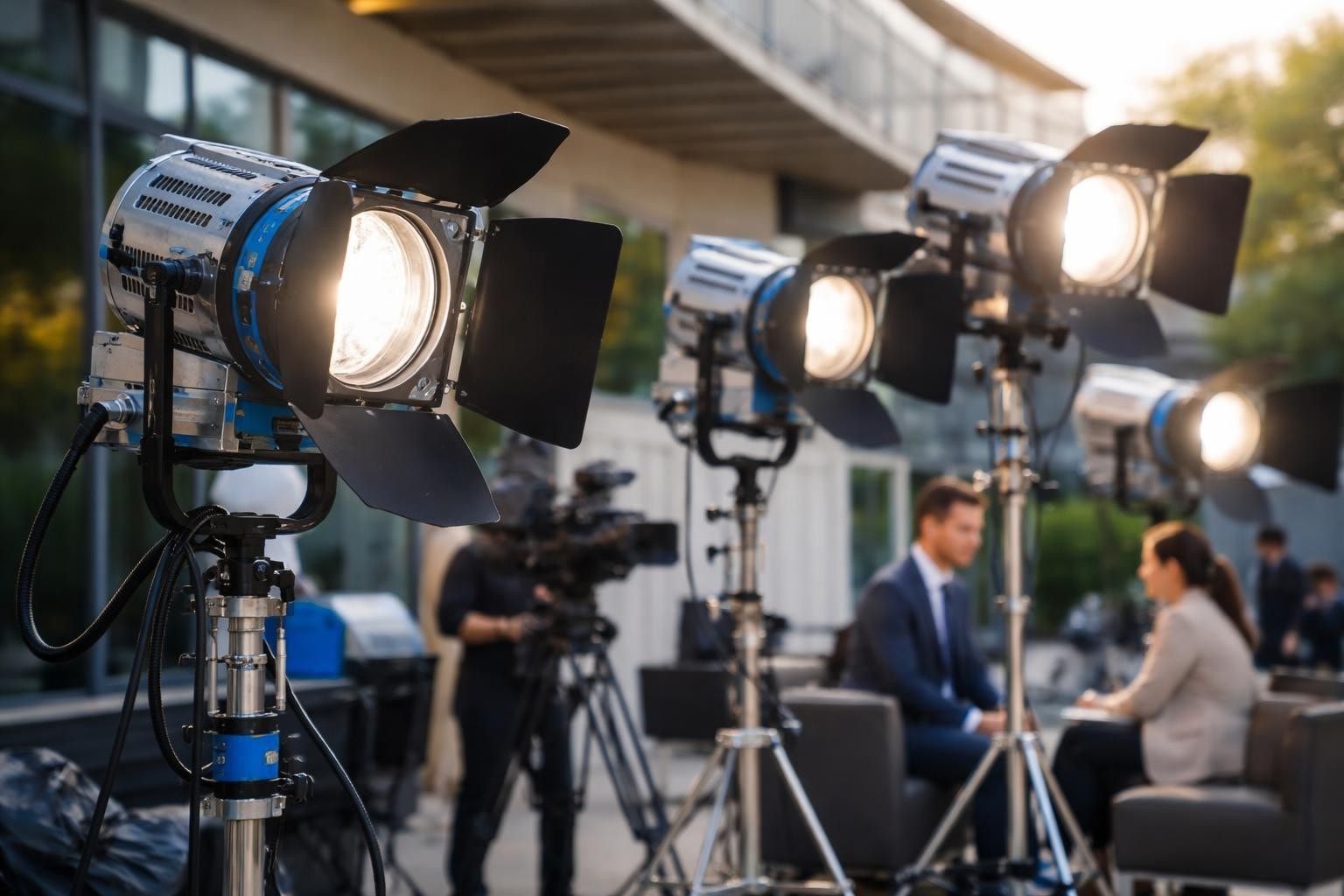
Lighting design separates competent music videos from exceptional ones. Professional lighting packages allow cinematographers to create mood, direct viewer attention, and establish visual consistency that reinforces the song's emotional tone. Companies that own or maintain long-term relationships with lighting rental houses can execute more ambitious lighting designs within budget constraints.
Many innovative music video production companies now incorporate emerging technologies into their workflow. Recent developments in video-to-music generation frameworks and music-guided video generation systems are transforming how creators approach the relationship between audio and visual elements, though human creative direction remains essential for authentic artistic expression.
Post-Production Capabilities
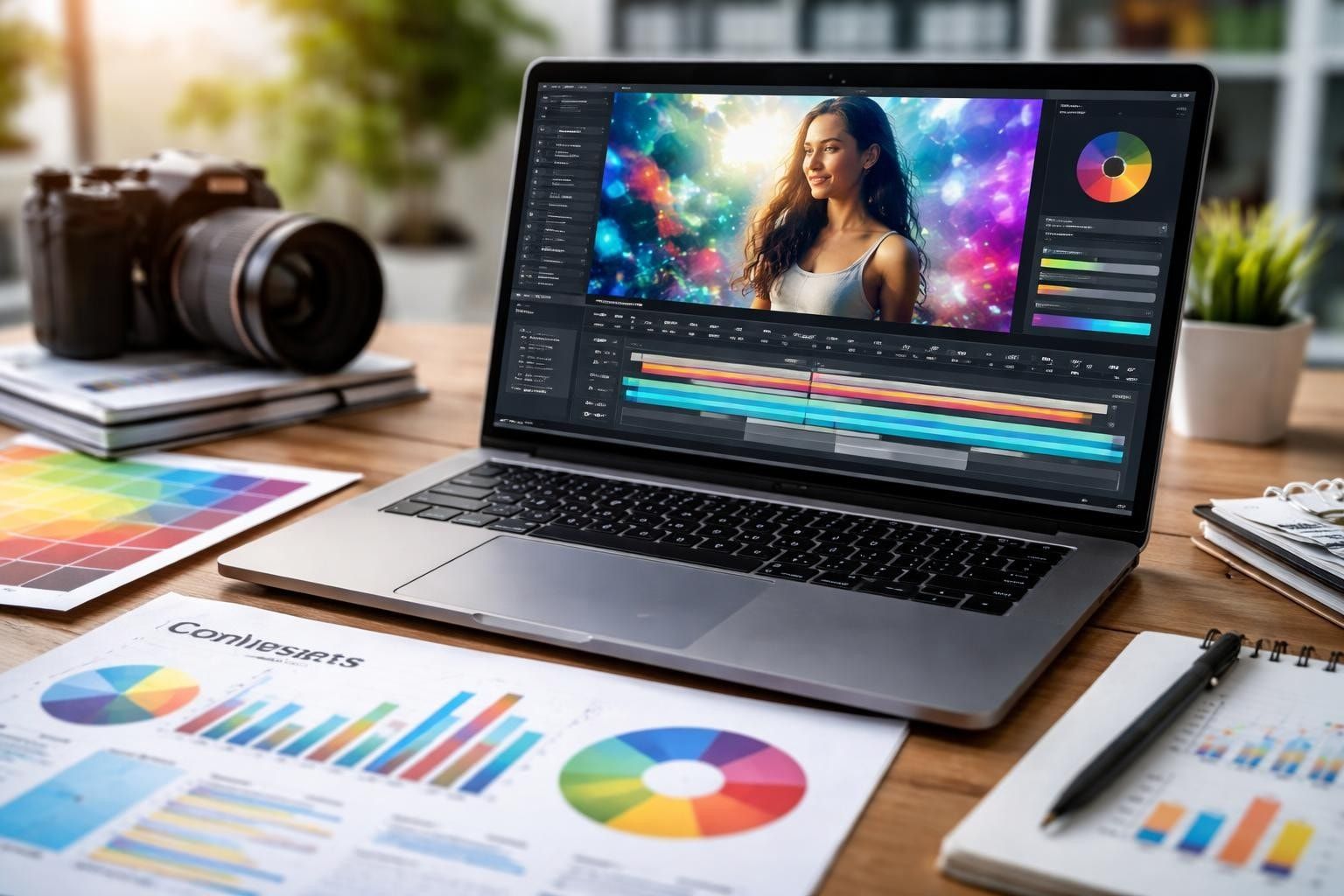
The post-production phase determines whether a well-filmed music video achieves its full potential or falls short due to technical limitations. Professional editing suites equipped with DaVinci Resolve, Adobe Premiere Pro, or Final Cut Pro X allow editors to craft precise timing relationships between musical elements and visual cuts.
Color grading transforms raw footage into a cohesive visual aesthetic that enhances mood and maintains consistency across scenes filmed under different lighting conditions. Music video production companies with dedicated colorists can achieve the cinematic looks that distinguish premium content from standard productions.
Visual effects capabilities range from basic compositing and text animation to complex 3D environments and character animation. Understanding a production company's VFX capabilities helps set realistic expectations for what can be achieved within your budget and timeline.
Distribution Strategy and Platform Optimization
Creating an exceptional music video represents only half the equation for achieving business results. Music video production companies that understand distribution requirements deliver files optimized for each platform's technical specifications and viewing context.
Multi-Platform Delivery Requirements
Each major distribution platform maintains specific technical requirements for optimal performance. YouTube prefers H.264 encoded files at various resolutions with particular attention to aspect ratio consistency and audio synchronization. Instagram requires vertical (9:16), square (1:1), and horizontal (16:9) versions to maximize engagement across feed, stories, and IGTV placements.
TikTok's algorithm favors videos that capture attention within the first three seconds and maintain visual momentum throughout. Forward-thinking production companies create primary horizontal versions while simultaneously planning vertical adaptations that work within mobile-first viewing contexts. This multi-format approach maximizes the content investment by ensuring the video performs effectively across all distribution channels.
Music video production companies with distribution expertise also understand metadata requirements, thumbnail optimization, and premiere scheduling strategies that influence algorithmic promotion and viewer discovery. These technical details significantly impact a video's ability to reach beyond existing fan bases and attract new audiences.
Measuring Video Performance
Professional production partners help establish key performance indicators before filming begins, ensuring the finished video aligns with measurable business objectives. Engagement metrics including watch time percentage, likes-to-views ratio, and comment quality provide insights into how effectively the video resonates with viewers.
Conversion tracking reveals whether the video drives desired actions such as streaming platform follows, concert ticket purchases, or merchandise sales. Music video production companies focused on business results help clients implement tracking pixels, custom URLs, and platform analytics that connect video performance to revenue generation.
The most valuable production relationships extend beyond delivery of the finished file to include performance analysis and optimization recommendations for future projects. This data-driven approach transforms music video production from an artistic expense into a strategic marketing investment with measurable returns.
The Pre-Production Process
Successful music video projects require extensive planning before cameras start rolling. Music video production companies guide clients through structured pre-production phases that transform creative concepts into executable production plans.
Concept Development and Treatment Writing
The creative journey typically begins with a discovery session where the production company learns about the song's themes, the artist's visual aesthetic, and the intended audience. Directors then develop multiple concept options presented as written treatments that describe the video's narrative structure, visual style, and key moments.
Treatment documents serve as creative blueprints that align all stakeholders around a shared vision before significant resources are committed. They describe opening sequences, performance sections, narrative elements, locations, wardrobe choices, and the overall emotional arc. The planning and execution strategies outlined by experienced producers emphasize the importance of detailed treatments in preventing costly misunderstandings during production.
Storyboarding translates written treatments into visual references that show specific shot compositions, camera movements, and scene transitions. While not every music video requires frame-by-frame storyboards, key sequences benefit from visual planning that helps cinematographers prepare lighting setups and camera equipment.
Location Scouting and Production Design
Location selection dramatically impacts a music video's visual impact and production budget. Urban environments offer architectural variety and dynamic backdrops but require permits, parking coordination, and crowd control. Natural locations provide scenic beauty while introducing weather dependencies and accessibility challenges.
Music video production companies with extensive local knowledge can recommend locations that deliver high visual value within budget constraints. They understand which venues offer film-friendly policies, reasonable rental rates, and the infrastructure needed for efficient shooting. Toronto-based companies like Viva Media leverage deep familiarity with Greater Toronto Area locations to maximize production value.
Production design encompasses all visual elements within the frame including set decoration, props, wardrobe, and styling. Professional production designers source items that reinforce the creative concept while remaining mindful of budget limitations. They create visual consistency across scenes and ensure every element serves the story rather than distracting from it.

Working With Professional Crews
Music video production companies assemble specialized crews whose collective expertise determines the technical quality and creative execution of the final product. Understanding key crew roles helps clients appreciate the collaborative nature of professional video production.
Essential Crew Positions
The Director serves as the creative leader who translates the concept into specific visual choices, guides performance, and makes final decisions on framing, blocking, and shot selection. Directors with music video specialization understand how to maintain energy throughout long shoot days and extract authentic performances from artists who may feel uncomfortable on camera.
The Director of Photography (DP) or cinematographer controls all aspects of the image including camera movement, lens selection, lighting design, and exposure. Exceptional DPs elevate production value through technical mastery and artistic vision that complements the director's creative intent.
Production management falls to the Line Producer or Production Manager who coordinates logistics, manages budgets, ensures crew and talent arrive prepared, and solves problems that inevitably arise during filming. Their organizational skills directly impact whether shoots stay on schedule and within budget.
Specialized Talent
Depending on the creative concept, music video production companies may incorporate choreographers who design and teach movement sequences, stunt coordinators who ensure safety during action sequences, or costume designers who create wardrobe that supports character development and visual storytelling.
The post-production team includes editors who shape pacing and timing, colorists who establish the final look, VFX artists who create visual effects, and sound engineers who ensure pristine audio quality. This specialized expertise transforms raw footage into polished final deliverables.
Music video production companies that maintain relationships with talented crew members can assemble teams specifically suited to each project's creative requirements and technical challenges. This network represents a significant competitive advantage over companies that rely entirely on freelance hiring for every position.
Common Challenges and Solutions
Even well-planned music video productions encounter obstacles that require creative problem-solving and professional expertise to overcome. Experienced music video production companies anticipate common challenges and implement strategies to minimize their impact.
Weather and Environmental Factors
Outdoor filming introduces weather-related uncertainties that can derail shooting schedules. Backup plans including covered locations, flexible scheduling, or creative adjustments that incorporate unexpected conditions demonstrate professional production management. Some directors view weather challenges as opportunities to capture unique footage that wouldn't exist under perfect conditions.
Production companies that maintain equipment insurance and scheduling flexibility can reschedule rained-out shoot days without catastrophic budget implications. They build contingency time into production schedules and maintain communication with all stakeholders when conditions require plan adjustments.
Performance and Comfort
Artists unfamiliar with video production may feel self-conscious or uncertain about how to perform for the camera. Professional directors create comfortable environments, provide clear performance direction, and schedule rehearsal time that builds confidence before cameras roll. They understand that authentic performances emerge when artists feel supported rather than judged.
Lip-sync synchronization requires practice and patience. Music video production companies that allow adequate time for this technical requirement and employ editors skilled in precise audio-visual alignment ensure the finished product maintains professional polish throughout.
Budget Overruns
Scope creep, unexpected location fees, and production delays can push costs beyond initial estimates. Transparent music video production companies provide detailed quotes with clearly defined deliverables and change-order processes that document any scope modifications. They recommend asking specific questions before hiring to establish clear expectations upfront.
Productions that prioritize essential creative elements and remain flexible on secondary details can deliver exceptional results within budget constraints. The most effective production companies help clients distinguish between must-have elements and nice-to-have additions that can be deferred if necessary.
Industry Trends Shaping Music Video Production
Music video production companies that remain competitive continuously adapt to evolving technologies, distribution platforms, and audience preferences. Understanding current trends helps artists make strategic decisions about their visual content investments.
Vertical Video and Mobile-First Content
The dominance of mobile viewing has fundamentally changed how music video production companies approach framing and composition. Vertical video formats optimized for Instagram Stories, TikTok, and Snapchat require different creative approaches than traditional horizontal videos. Progressive production companies film with both orientations in mind or create separate vertical versions that work within mobile viewing contexts.
This multi-format approach increases production complexity but significantly expands potential audience reach. Videos that perform well across horizontal and vertical platforms maximize the return on production investment by effectively serving viewers regardless of their preferred consumption method.
Interactive and Immersive Experiences
Some music video production companies now offer interactive video experiences that allow viewers to choose narrative paths, explore 360-degree environments, or participate in augmented reality activations. While these premium experiences require substantial budgets, they generate exceptional engagement metrics and media coverage that amplifies reach beyond standard video releases.
Virtual production technologies using LED volume stages and real-time rendering enable creative possibilities previously achievable only through expensive location shoots or extensive post-production. Forward-thinking music video production companies invest in these technologies to offer clients cinematic production values at mid-tier budgets.
Sustainability and Ethical Production
Environmental consciousness increasingly influences production decisions, with artists and labels requesting sustainable approaches to music video creation. Green production practices include minimizing travel through strategic location selection, using energy-efficient lighting, reducing single-use plastics on set, and offsetting carbon emissions from production activities.
Ethical considerations extend to fair crew compensation, safe working conditions, and inclusive hiring practices. Music video production companies that prioritize these values attract clients who view their visual content as extensions of their personal and professional ethics.
Maximizing Return on Your Music Video Investment
Music videos represent significant financial investments that should generate measurable returns through increased streaming numbers, fan engagement, and brand-building outcomes. Strategic approaches maximize the business impact of your video production budget.
Release Strategy and Promotion
The most visually stunning music video achieves limited impact without proper release planning. Coordinated promotion across social platforms, email lists, and media outlets builds anticipation before release and drives initial viewing numbers that influence algorithmic promotion. Music video production companies with marketing expertise help clients develop comprehensive release strategies.
Timing releases to coincide with touring announcements, album launches, or cultural moments amplifies organic discovery and media coverage. The production timeline should account for these strategic considerations rather than rushing to meet arbitrary deadlines that compromise creative quality or promotional planning.
Content Repurposing
Professional music video production companies capture additional footage beyond the primary video edit that serves multiple marketing purposes. Behind-the-scenes content generates social media engagement before and after the official release. Alternate edits create platform-specific versions optimized for different audience segments or viewing contexts.
Still photography from the video shoot provides promotional materials for streaming platforms, press releases, and social media posts. This content ecosystem approach extracts maximum value from the production investment by creating diverse assets from a single filming session. Understanding how to leverage video content across multiple channels helps justify production budgets through comprehensive content strategies.
Long-term Brand Building
Beyond immediate promotional value, exceptional music videos become permanent components of an artist's visual identity. They serve as evergreen content that continues attracting new fans years after initial release. Music video production companies that understand this long-term perspective prioritize timeless creative choices over trendy visual effects that quickly date the content.
Archival-quality deliverables ensure videos remain technically relevant as display technologies evolve. Professional production companies provide multiple file formats and resolution versions that accommodate future distribution requirements and platform specifications.
Music video production companies transform artistic vision into compelling visual content that drives measurable business results across streaming platforms, social media, and traditional broadcast channels. The selection process requires evaluating creative capabilities, technical expertise, production values, and strategic understanding to identify partners who align with your specific objectives and budget. When you're ready to create high-performance video content that generates real ROI for your music project, Viva Media brings Toronto-based production expertise and a track record of delivering attention-grabbing experiences that serve forward-thinking artists and brands throughout the Greater Toronto Area.