
Multimedia video is redefining how audiences experience content in 2026, transforming ordinary moments into immersive, interactive journeys powered by AI and cutting-edge technology. As brands and creators compete for attention in a video-first digital world, understanding these rapid shifts is essential.
This guide will give you a clear roadmap: explore the evolution of multimedia video, discover best practices, unlock new technologies, and learn actionable strategies for success. Ready to master the trends, tools, and tactics that will set you apart? Dive in and become a leader in the next era of digital storytelling.
The Evolution of Multimedia Video: 2020–2026
The rapid transformation of multimedia video between 2020 and 2026 has redefined the digital landscape. This period saw technology, user expectations, and creative strategies converge to set new standards for engagement and innovation.
Key Milestones in Multimedia Video Development
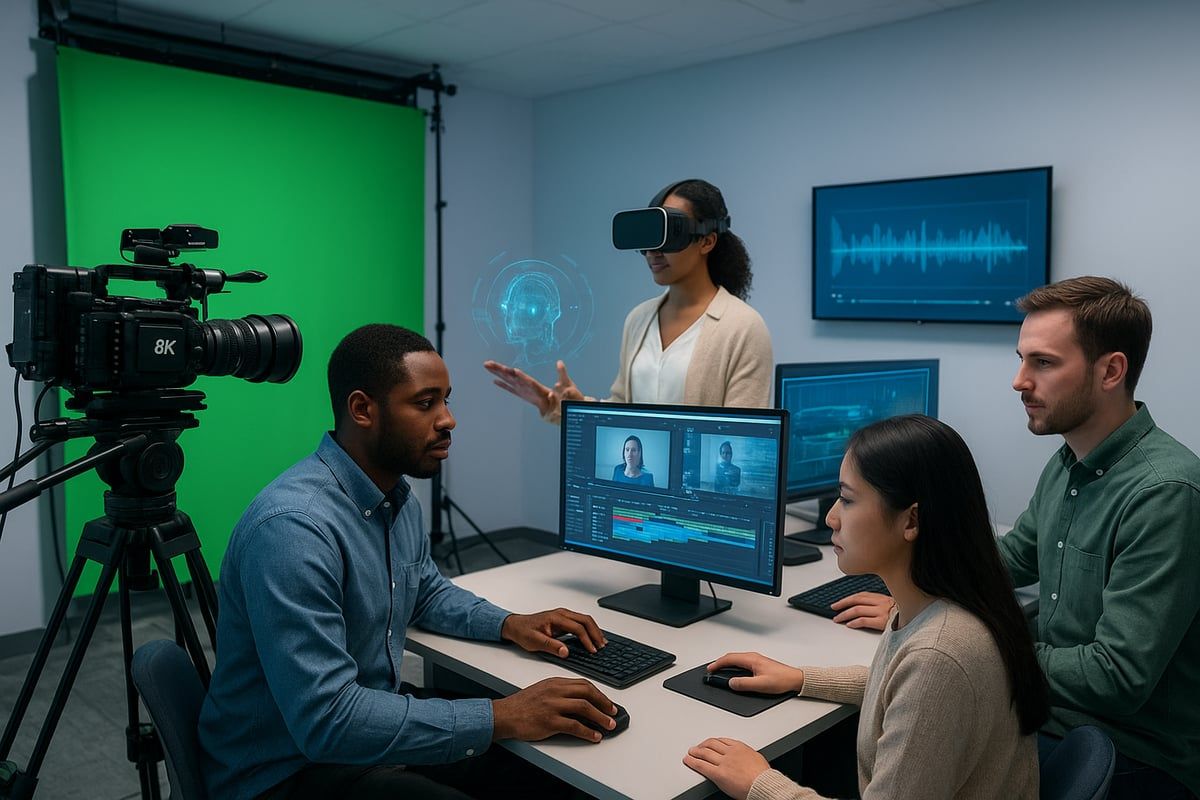
The evolution of multimedia video over these years is marked by several significant milestones. Early in the decade, static video gave way to dynamic, interactive experiences. Audiences craved more than passive viewing, prompting creators to experiment with clickable hotspots, live polls, and real-time feedback.
Advancements in resolution brought 4K and 8K video to mainstream audiences. Virtual reality (VR) and augmented reality (AR) became accessible, allowing viewers to immerse themselves in entirely new environments. AI-powered tools revolutionized content creation, automating editing, scene selection, and even generating scripts.
The shift to vertical and mobile-first formats was pivotal. Platforms like TikTok and Instagram Reels drove explosive growth in short-form video, changing how stories are told and consumed. Streaming platforms multiplied, enabling on-demand access to content anywhere, anytime.
Shoppable and clickable video content emerged, letting viewers interact directly with products within the video. Real-time analytics became integral, allowing brands to adapt strategies instantly for maximum impact. For a deeper dive into these shifts and the strategies driving them, see Video marketing trends and strategies.
Shifts in Audience Behavior and Consumption Patterns
Audience behavior has undergone a dramatic transformation in the multimedia video era. Video has overtaken text as the preferred content type, with mobile devices now accounting for over 75 percent of video plays according to industry data.
Viewers expect personalized and interactive experiences. The desire for content tailored to individual interests has fueled the rise of adaptive streaming, recommendations, and custom playlists. Micro-content, such as 15-second clips and stories, is in high demand as attention spans shorten.
Live streaming and event-based videos have surged. Audiences want to participate in real time, whether through Q and A sessions, product launches, or live performances. This interactivity not only increases engagement but also builds stronger connections between brands and viewers.
The multimedia video landscape is now defined by flexibility and immediacy. Audiences switch devices seamlessly, expecting flawless playback and consistent quality across platforms. The focus on mobile and real-time content continues to shape consumption patterns.
Industry Data and Insights
The impact of multimedia video is measurable across industries. By 2026, video is predicted to account for 82 percent of all internet traffic, reflecting its dominance as a communication medium. AI-driven editing and automation tools are streamlining production, reducing turnaround time by up to 50 percent.
Brands leveraging multimedia video see tangible benefits. Case studies reveal increased engagement and higher retention rates when video is integrated into marketing and education strategies. For instance, companies adopting interactive video elements report a significant boost in viewer participation and conversions.
The integration of real-time analytics enables ongoing optimization. Content creators can monitor watch time, drop-off points, and interaction rates, refining their approach for better results. The future of multimedia video promises even greater personalization, efficiency, and creative possibilities as technology continues to advance.
Core Components of Multimedia Video in 2026
Staying competitive in 2026 means understanding every layer of a successful multimedia video. Each component, from core visuals to analytics, shapes how audiences interact and respond. Let’s break down the essential building blocks that define impactful multimedia video experiences today.
Essential Multimedia Elements
A multimedia video in 2026 is far more than moving pictures and sound. It is a combination of high-definition visuals, spatial audio, and layered graphics that create an immersive environment. Animation, both 2D and 3D, brings stories to life and supports complex topics with clarity.
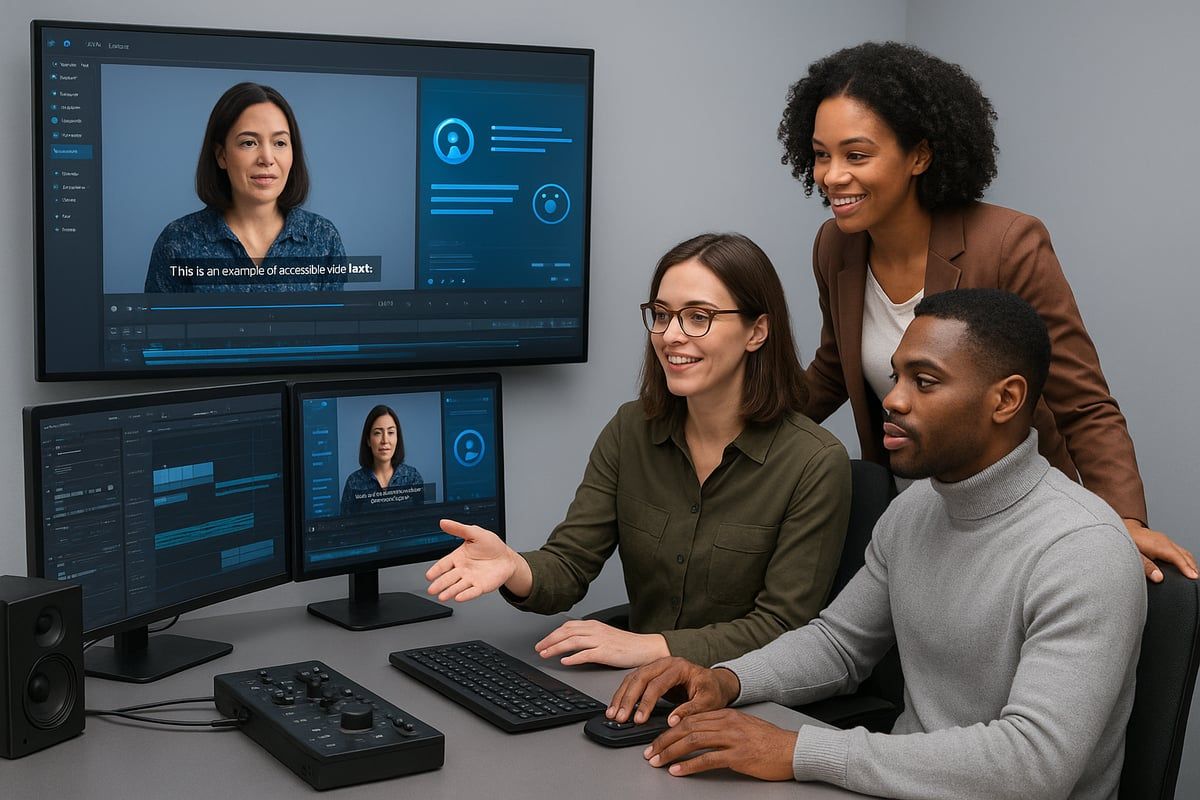
Text elements, like captions and on-screen prompts, ensure accessibility and keep viewers engaged. Interactivity is now a standard, with embedded quizzes, polls, and clickable calls-to-action boosting participation. For a deeper dive into the importance of interactive features, explore these interactive video elements for engagement.
- High-definition video with immersive and interactive formats
- Spatial audio, adaptive soundtracks, and professional voice-overs
- Motion graphics, overlays, and dynamic infographics
- Animation for storytelling and explainer content
- Captions, subtitles, and on-screen text for accessibility
- Built-in interactive elements for real-time engagement
Each element is selected and designed to maximize the multimedia video’s impact and retention.
Platform and Device Compatibility
A multimedia video must perform seamlessly across all platforms, including web, mobile, tablets, and smart TVs. Responsive design guarantees optimal playback, adapting resolution and controls to fit any screen. With the rapid adoption of VR, AR, and mixed reality, support for emerging formats is now expected.
Content creators must optimize their multimedia video for every device, ensuring fast load times, sharp visuals, and consistent user experiences. Cross-platform compatibility is not just a technical requirement—it is essential for reaching audiences wherever they are.
- Cross-platform optimization for all devices
- Responsive layouts for seamless playback
- Support for VR, AR, and mixed reality formats
A well-optimized multimedia video ensures viewers stay engaged, no matter the device.
Accessibility and Inclusivity
Making multimedia video accessible to all viewers is a top priority. Closed captions, audio descriptions, and multiple language options break down barriers for diverse audiences. Compliance with global standards like WCAG 2.1+ is essential for legal and ethical reasons.
Innovative accessibility features, such as interactive subtitles and sign language overlays, further expand reach. For example, educational multimedia video content benefits greatly from these enhancements, ensuring every learner can participate fully.
- Closed captions and subtitles for hearing impairments
- Audio descriptions for visually impaired viewers
- Language localization for a global audience
- Compliance with accessibility regulations
- Interactive subtitles and sign language overlays for education
Prioritizing inclusivity in multimedia video not only widens audience reach but also demonstrates brand responsibility.
Data-Driven Personalization
Personalization is a defining trait of successful multimedia video in 2026. AI-driven recommendations and adaptive streaming tailor content to individual viewers’ preferences. Integration with user profiles enables personalized journeys, while real-time analytics provide immediate feedback on engagement.
Content creators use data insights to refine multimedia video, adjusting content and delivery based on viewer behavior. This ensures each video remains relevant, engaging, and effective for its target audience.
- AI-powered content recommendations
- Adaptive video streams for personalized viewing
- Integration with user profiles and preferences
- Real-time analytics for content optimization
By leveraging data-driven personalization, brands make every multimedia video experience unique and impactful.
Creative Strategies for High-Impact Multimedia Video
In 2026, creative strategies define the success of any multimedia video. Brands and creators must master new techniques to stand out in a crowded digital landscape. This section explores actionable approaches that drive engagement, foster brand loyalty, and deliver measurable results.
Storytelling Techniques for 2026
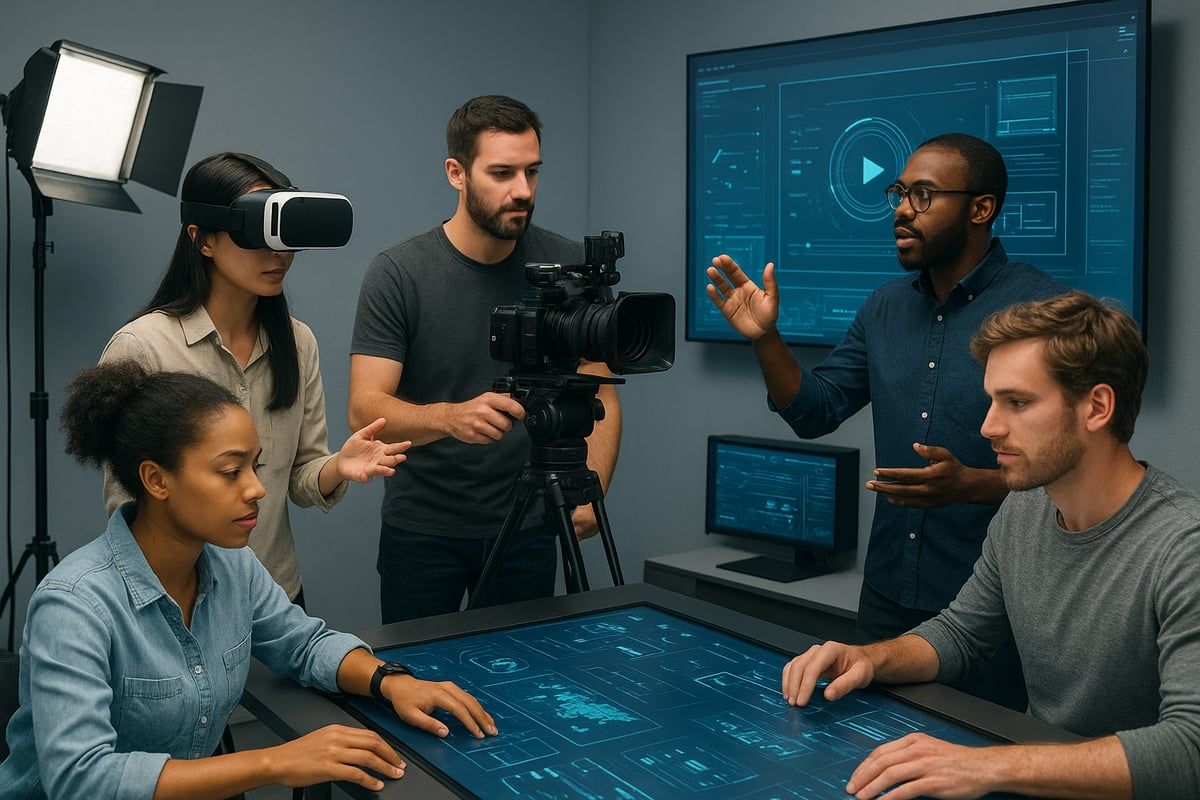
Storytelling remains at the heart of every compelling multimedia video. In 2026, audiences crave narratives that feel authentic and immersive. Brands combine live-action footage with animation and motion graphics to create hybrid stories that captivate viewers. Micro-storytelling, especially in short-form content, delivers impactful messages in just a few seconds.
Successful creators use emotional arcs, relatable characters, and clear calls to action. For deeper insights on how animation enhances video narratives, see Animation and video storytelling techniques. Keeping stories concise and visually engaging helps maintain attention from start to finish.
Interactivity and Engagement
Modern audiences expect to interact with multimedia video rather than passively watch. Interactive elements such as clickable calls to action, polls, and branching paths significantly increase viewer participation. Gamification strategies, like unlocking bonus content or rewards, keep viewers returning.
- Clickable product tags in shoppable videos
- Live polls during webinars or events
- Choose-your-own-adventure storylines
These techniques transform the viewer experience, making multimedia video an active journey rather than a passive one.
Leveraging AI and Automation
AI is revolutionizing multimedia video creation in 2026. Automated editing tools speed up workflows, while AI-driven scene detection ensures seamless transitions. Generative AI writes scripts, produces voiceovers, and even creates custom visual effects.
Automation also supports A B testing for thumbnails and intros, optimizing every element for maximum impact. By integrating AI, creators can personalize content at scale, making each multimedia video more relevant to individual viewers.
Branding and Consistency
Consistency is crucial for brand recognition in multimedia video. Brands use signature color palettes, logo animations, and catchphrases across all video assets. Visual and tonal consistency helps audiences instantly identify content, no matter the platform.
A strong branding strategy ensures each multimedia video aligns with the company’s values and messaging. Leading brands achieve this through standardized templates, branded intros and outros, and regular audits of creative assets.
Measuring and Optimizing Performance
To maximize results, creators must measure every aspect of multimedia video performance. Setting clear KPIs—such as watch time, engagement rates, and conversions—provides a roadmap for improvement. Advanced analytics tools offer heatmaps, audience retention graphs, and real-time feedback.
Regular analysis enables continuous refinement. For example, if viewers drop off early, editing the opening seconds can boost retention. Data-driven optimization keeps multimedia video content effective and competitive.
Example-Driven Insights
Learning from real-world campaigns is invaluable. Interactive videos have shown to increase engagement rates by up to 300 percent, underscoring the power of audience participation. On the flip side, projects that neglect accessibility or personalization often see lower performance.
Successful multimedia video campaigns share common traits: clear objectives, creative storytelling, and a willingness to iterate based on feedback. By studying both wins and losses, creators can avoid common pitfalls and achieve lasting impact.
Technical Considerations and Best Practices
Staying ahead in multimedia video production in 2026 requires a deep understanding of evolving technical standards, smart workflows, and the right tools. Let us break down the core technical considerations and best practices that define success in this dynamic landscape.
Video Production Workflow in 2026
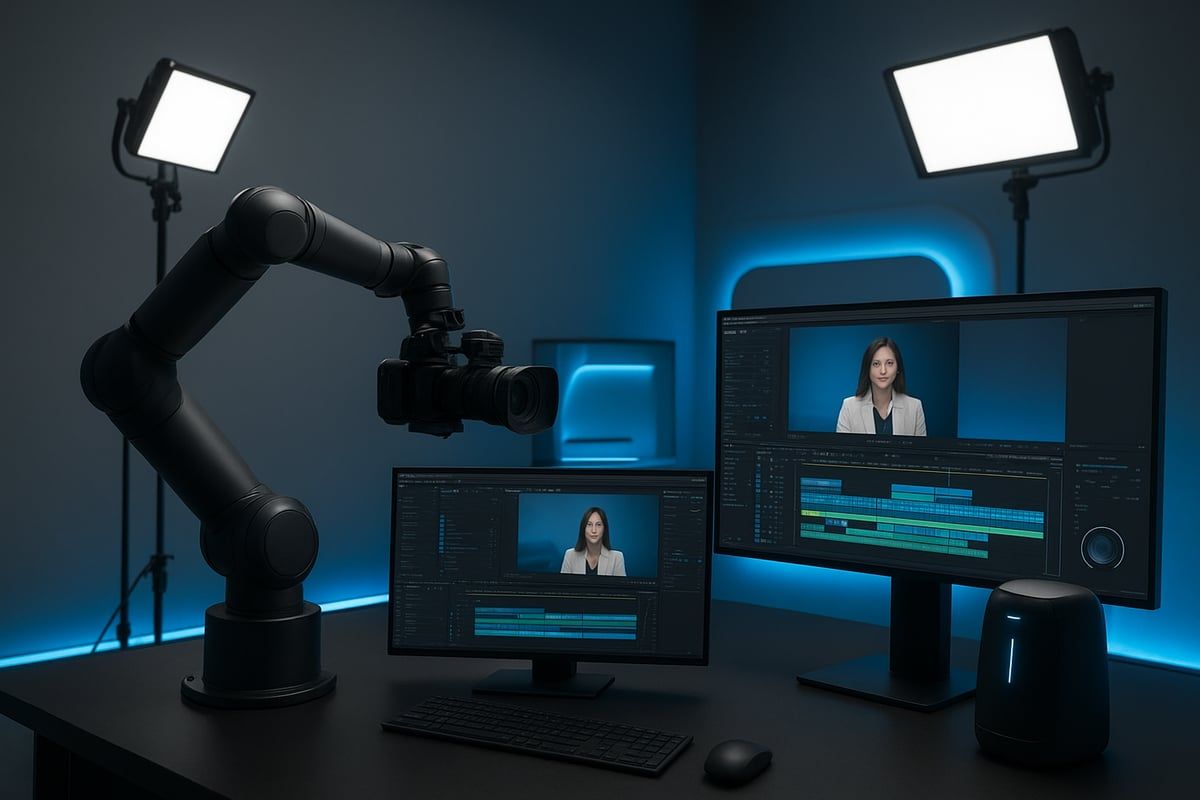
The multimedia video workflow in 2026 is both streamlined and sophisticated. Pre-production involves detailed scripting, digital storyboarding, and asset management. During production, crews leverage multi-camera setups, drones, and even virtual sets to capture footage from new perspectives.
Post-production is where innovation shines. AI-driven tools automate editing, color grading, and audio balancing, reducing time and human error. Teams collaborate seamlessly in the cloud, allowing editors, animators, and sound designers to work in real time, regardless of location.
Embracing this workflow boosts efficiency and helps creators deliver multimedia video content that stands out in a crowded digital space.
Choosing the Right Tools and Platforms
Selecting the optimal tools is crucial for multimedia video success. In 2026, industry leaders rely on advanced video editing suites with AI-powered features, such as automatic scene detection and voiceover generation. Collaboration tools built for distributed teams enable synchronized editing and instant feedback.
Platform-specific considerations are vital. For example, content destined for YouTube, TikTok, or proprietary mobile apps must be formatted for each platform's requirements. Cloud-based solutions provide scalability and accessibility, while new research on AI in digital video production highlights the importance of integrating AI-driven tools for speed and creative flexibility.
Staying informed about the latest advancements ensures your multimedia video projects remain competitive and future-ready.
Quality, Compression, and Delivery
Delivering high-quality multimedia video requires careful attention to both visual fidelity and efficient distribution. The challenge is to balance stunning visuals with fast load times and low bandwidth usage.
Adaptive bitrate streaming is now standard, automatically adjusting quality based on the viewer's connection. Compression formats like H.265/HEVC, AV1, and emerging codecs optimize file size without sacrificing clarity.
| Codec | Compression Efficiency | Playback Support |
|---|---|---|
| H.265 | High | Widely supported |
| AV1 | Very High | Growing, future-proof |
Choosing the right settings for each platform ensures seamless playback and a positive viewer experience for every multimedia video.
Accessibility and Compliance
Inclusive multimedia video content is non-negotiable in 2026. Closed captions, transcripts, and audio descriptions broaden access for all audiences. Compliance with WCAG 2.1+ and regional accessibility laws is essential.
Best practices include:
- Adding accurate captions and subtitles
- Offering multiple language tracks
- Integrating sign language overlays when relevant
Testing with assistive technologies ensures that your multimedia video content meets or exceeds global standards, helping you reach a wider audience.
Security and Content Protection
Protecting multimedia video assets is critical, especially for premium or proprietary content. Digital Rights Management (DRM) and watermarking deter unauthorized sharing, while secure hosting platforms prevent data breaches.
Educational institutions and enterprise brands often require advanced security features. Regular audits and monitoring help maintain content integrity while supporting compliance with privacy regulations.
A robust security strategy safeguards both creative investment and audience trust in your multimedia video offerings.
Troubleshooting and Maintenance
Maintaining peak performance for multimedia video involves routine checks and proactive problem-solving. Common playback issues, such as buffering or desynchronization, can often be resolved by updating codecs or refining compression settings.
Best practices for ongoing success:
- Schedule regular content audits
- Monitor analytics for drop-off points
- Update assets and metadata for platform changes
Iterative improvements, guided by real-time data, keep your multimedia video content fresh and effective, ensuring long-term engagement and value.
Emerging Trends and the Future of Multimedia Video
The landscape of multimedia video is transforming at a rapid pace, presenting new opportunities and challenges for brands, creators, and audiences. As we look to the future, several pivotal trends are shaping how multimedia video will be produced, distributed, and consumed in 2026 and beyond.
Immersive Technologies: VR, AR, and XR
Virtual reality (VR), augmented reality (AR), and extended reality (XR) are redefining the boundaries of multimedia video. These technologies empower brands to create interactive product demos, immersive virtual tours, and engaging training simulations that captivate viewers. As more devices become compatible with VR and AR, audiences expect richer, more lifelike experiences. Integration of these tools into multimedia video enables deeper storytelling and user interaction, fostering stronger emotional connections. Brands leveraging immersive formats can stand out in competitive digital spaces while offering memorable, multi-sensory engagement for their audiences.
AI and Machine Learning Innovations
Artificial intelligence and machine learning are revolutionizing multimedia video production and personalization. Tools powered by AI can automate editing, optimize content for different platforms, and generate hyper-personalized recommendations for viewers. Innovations such as deepfake technology and dynamic content assembly are pushing creative boundaries, but they also raise important ethical considerations. For a deeper look at how AI is transforming the industry, explore AI's impact on film and TV industry. As AI continues to evolve, its role in multimedia video will only expand, streamlining workflows and enhancing viewer experiences.
Social and Shoppable Video
Social platforms are at the forefront of multimedia video innovation, driving the rise of shoppable and interactive content. Short-form videos, live commerce events, and in-video purchasing are becoming standard features, enabling seamless transitions from inspiration to purchase. With platforms like YouTube reporting exponential growth in music and Shorts content, as highlighted in YouTube's growth and video trends, creators and brands must adapt strategies to leverage these trends. The future of multimedia video is inherently social, blending entertainment, engagement, and commerce within a single, dynamic environment.
Sustainability in Video Production
Sustainability is increasingly central to multimedia video production. Many organizations are adopting virtual sets, remote collaboration, and eco-friendly workflows to reduce their carbon footprint. Industry data reveals a substantial decrease in travel-related emissions as more teams shift to cloud-based processes and virtual shoots. These sustainable practices not only benefit the environment but also streamline production timelines and lower costs. As audiences become more environmentally conscious, showcasing sustainable approaches within multimedia video can enhance brand reputation and foster consumer trust.
Regulatory and Ethical Considerations
With advancing technologies, regulatory and ethical challenges are coming to the forefront in multimedia video. Content creators must navigate issues like data privacy, consent for personalized experiences, and the responsible use of AI-generated visuals. Copyright and intellectual property compliance are also critical as multimedia video integrates more interactive and user-generated elements. Adhering to evolving regulations and maintaining transparency is essential for building lasting audience relationships and avoiding legal pitfalls in the rapidly changing digital landscape.
Predictions for 2027 and Beyond
Looking ahead, multimedia video is expected to embrace emerging technologies such as holographic and spatial video, delivering even more immersive and interactive experiences. The rise of decentralized platforms and blockchain-based rights management will offer creators greater control over their work. As audience expectations shift toward authenticity and transparency, successful brands will prioritize genuine storytelling and ethical innovation in multimedia video. Staying ahead of these trends will be key to thriving in the evolving digital ecosystem.
Step-by-Step Guide: Creating Effective Multimedia Video in 2026
Crafting a high-impact multimedia video in 2026 requires a strategic approach from concept to launch. Whether you are a brand, educator, or content creator, following a clear workflow ensures your multimedia video stands out, engages your audience, and delivers measurable results.
Step 1: Define Objectives and Audience
Start your multimedia video journey by setting clear objectives. Are you aiming for brand awareness, education, lead generation, or conversions? Clarify your goals before moving forward.
Identify your target audience and study their preferences, behaviors, and pain points. Analyze demographics, platforms they frequent, and content formats they respond to. For example, a B2B multimedia video strategy may focus on explainer content, while B2C campaigns often prioritize storytelling and entertainment.
Research competitors and recent trends to ensure your approach resonates with viewers. Setting a foundation at this stage maximizes the impact of your multimedia video.
Step 2: Plan Content and Structure
Once your objectives are clear, choose the right multimedia video format. Consider explainer videos, testimonials, tutorials, or product showcases based on your audience's needs.
Develop detailed scripts, storyboards, and shot lists to streamline production. Align your narrative with brand messaging and visual identity for consistency. Break down the video into segments, each serving a specific purpose, such as introduction, main content, and call to action.
Use tables or timelines to organize your production schedule and asset requirements. Planning ensures your multimedia video is both engaging and efficient to produce.
Step 3: Produce High-Quality Visuals and Audio
Invest in quality equipment, such as 4K cameras, professional microphones, and proper lighting. Incorporate animation, graphics, and interactive elements to elevate your multimedia video and captivate viewers.
Consider leveraging automation and AI-powered tools to enhance production value and efficiency. For example, innovations like AI-powered cameraman robots are revolutionizing how creators capture dynamic shots, track subjects, and streamline workflows.
Prioritize sound design and voiceover quality to ensure clarity and immersion. The right technical setup is vital for a standout multimedia video.
Step 4: Edit and Optimize for Platforms
Edit your multimedia video for clarity, pacing, and engagement. Use motion graphics to highlight key points, and add captions or subtitles for accessibility and reach.
Optimize aspect ratios and resolutions for each platform, such as vertical video for social media or widescreen for web. For more tips, see Optimizing mobile video content, which covers best practices for mobile compatibility and responsiveness.
Test playback on different devices to ensure seamless viewing. Your multimedia video should look and sound exceptional everywhere it is seen.
Step 5: Integrate Interactivity and Personalization
Enhance engagement by embedding interactive elements into your multimedia video. Add clickable calls to action, quizzes, polls, or branching paths that let viewers choose their journey.
Leverage AI tools to personalize content based on user profiles or behavior. For instance, onboarding videos for SaaS products can adapt messages for each viewer, increasing relevance and retention.
Interactive multimedia video not only entertains but also drives higher participation and conversions.
Step 6: Publish, Promote, and Analyze
Distribute your multimedia video across relevant channels, from YouTube and TikTok to proprietary apps. Schedule releases for optimal reach and use SEO, metadata, and compelling thumbnails to boost discoverability.
Monitor analytics closely, tracking engagement rates, watch time, and conversions. Use heatmaps and viewer data to understand where audiences engage or drop off.
Promotion and analysis are crucial to maximizing the ROI of your multimedia video campaigns.
Step 7: Iterate and Improve
Gather feedback from viewers and stakeholders after your multimedia video is live. Conduct A/B tests with different versions, creative approaches, or calls to action.
Regularly review performance data and update your content based on emerging trends and analytics. Continuous optimization ensures your multimedia video stays relevant and effective in a rapidly evolving digital landscape.
By following these steps, you can consistently create multimedia video content that captivates, educates, and drives results.
Now that you’ve explored the latest strategies, trends, and technologies shaping multimedia video in 2026, you might be wondering how to put these insights into practice for your own brand. At Viva Media, we specialize in helping forward-thinking businesses like yours create high-performance video content that captures attention, drives engagement, and delivers real results. If you’re ready to apply what you’ve learned and elevate your video strategy, let’s connect and discuss your unique goals. You can take the next step and book a strategy session with our team—we’re here to help you succeed.