
Understanding corporate video cost requires more than looking at a simple price tag. Business leaders throughout the Greater Toronto Area face complex decisions when budgeting for video content, from determining what production quality aligns with their brand to identifying which features justify additional investment. The video production landscape in 2026 offers unprecedented flexibility, but navigating pricing structures demands insight into what drives costs and how to allocate resources for maximum return on investment.
Breaking Down Corporate Video Cost Components
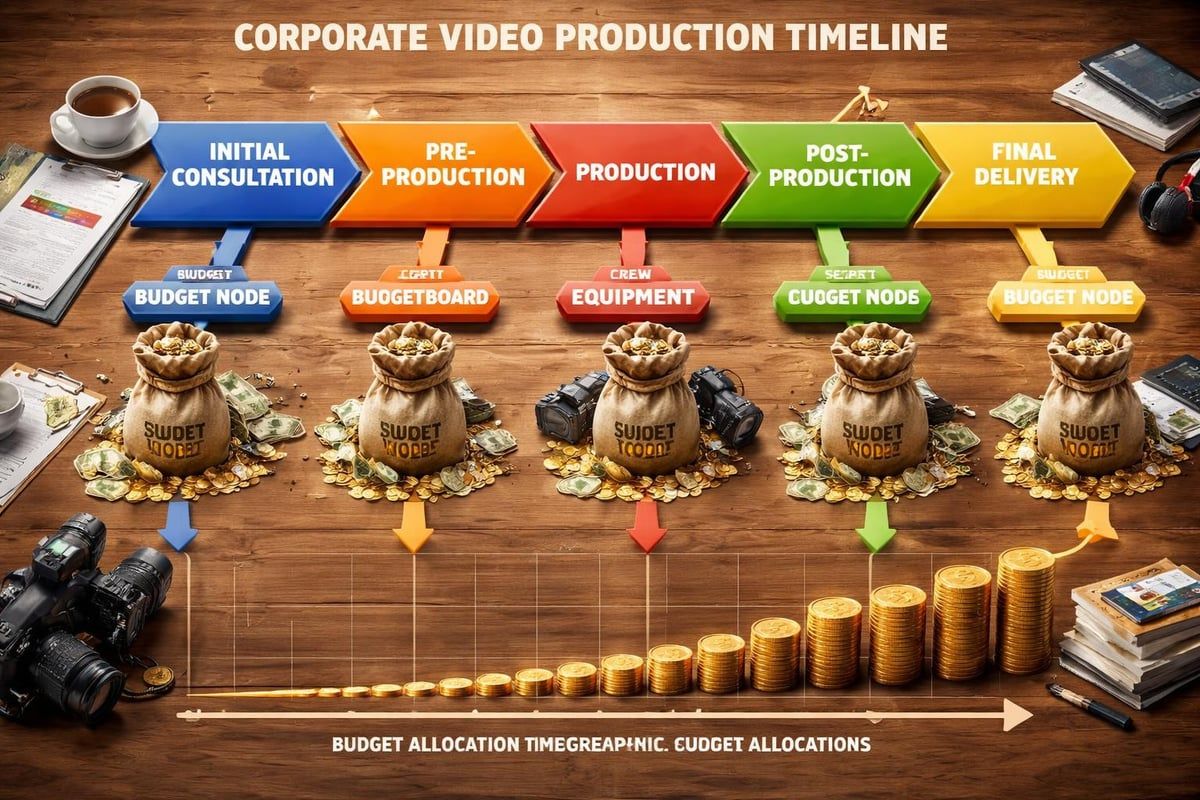
Corporate video production involves multiple distinct phases, each contributing to the overall investment. Pre-production planning encompasses script development, location scouting, casting, and creative concepting. Production itself includes crew salaries, equipment rentals, location fees, and talent compensation. Post-production covers editing, color grading, sound design, motion graphics, and revisions.
Pre-Production Investment Areas:
- Script writing and storyboard development
- Location scouting and permit acquisition
- Talent casting and scheduling
- Shot list creation and technical planning
- Project management and coordination
The production phase typically represents 40-50% of total corporate video cost, though this varies based on shoot complexity. A single-location testimonial requires minimal crew and equipment, while multi-location brand stories demand sophisticated logistics. Equipment choices significantly impact budgets-basic DSLR setups versus cinema cameras with specialized lenses create substantial cost differences.
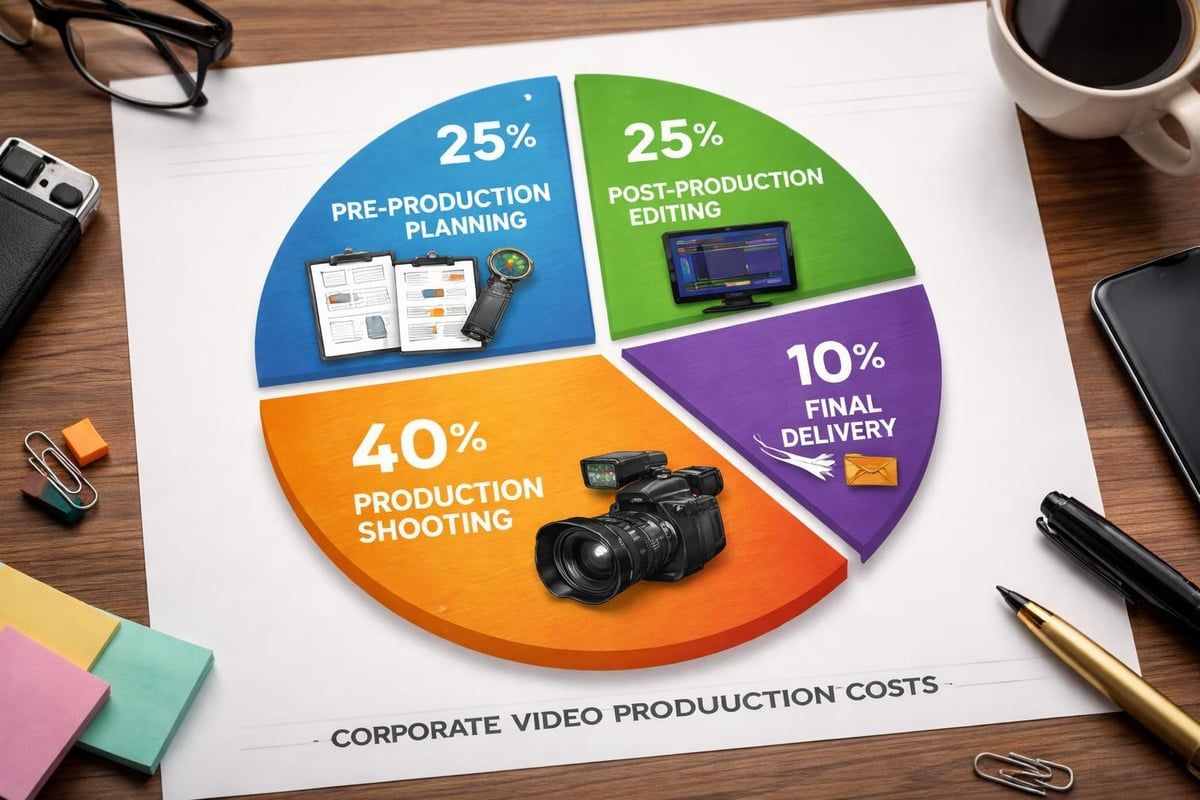
Post-production represents where creative vision transforms into finished content. Basic editing with simple cuts differs dramatically from projects requiring extensive motion graphics, custom animation, or complex visual effects. Sound design, music licensing, and color grading add polish that separates professional corporate videos from amateur content.
Production Tier Pricing Models
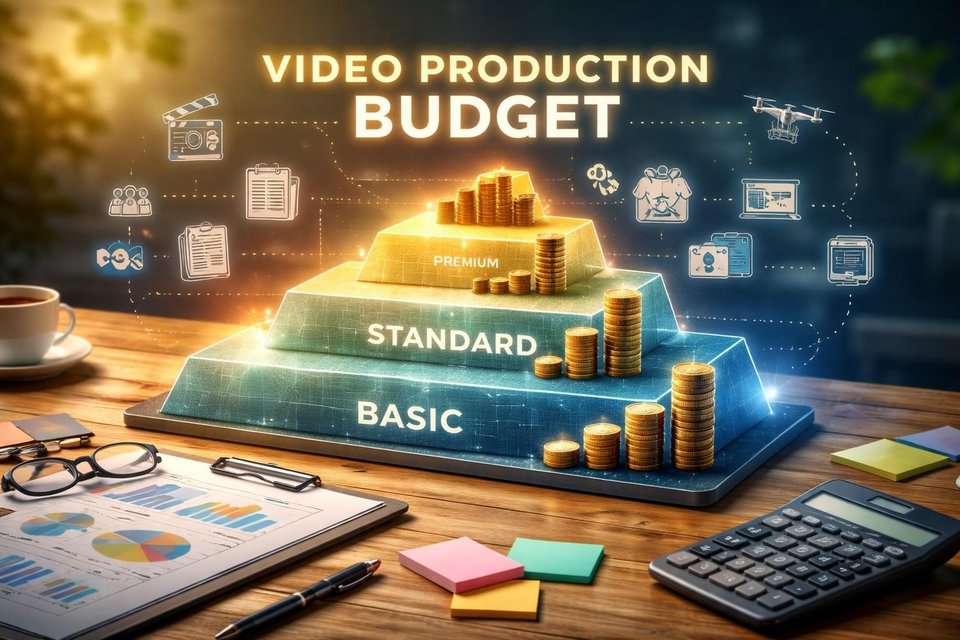
Understanding corporate video production rates helps businesses align budgets with expectations. The industry generally recognizes three distinct tiers, each offering specific capabilities and deliverables suited to different organizational needs.
| Production Tier | Typical Investment Range | Included Services | Best For |
|---|---|---|---|
| Basic | $3,000 - $8,000 | Single camera, minimal crew, basic editing | Internal communications, simple testimonials |
| Mid-Tier | $10,000 - $25,000 | Multi-camera, professional crew, advanced editing | Marketing videos, product launches |
| Premium | $30,000 - $100,000+ | Cinema cameras, large crew, extensive post-production | Brand films, commercial campaigns |
Basic tier productions offer reliable quality for organizations prioritizing content volume over cinematic polish. These projects typically involve smaller crews, straightforward shooting schedules, and efficient editing workflows. Video pricing at this level makes regular content creation accessible for businesses building consistent video libraries.
Mid-Tier Production Value
Mid-tier corporate video cost reflects enhanced production value through better equipment, experienced crews, and sophisticated post-production. Projects at this level incorporate multiple cameras for dynamic coverage, professional lighting packages, and dedicated audio recording. The editing process includes color correction, graphics integration, and refined sound design that elevates the final product.
This tier suits businesses requiring polished content that represents their brand professionally while maintaining reasonable budgets. Companies exploring benefits of corporate video production often find mid-tier investments deliver optimal balance between quality and cost-effectiveness.
Factors Influencing Final Investment
Several variables significantly impact corporate video cost beyond basic tier selection. Understanding these factors enables more accurate budgeting and helps identify where strategic investments yield maximum impact. Key factors that determine video production costs extend beyond obvious considerations like video length.
Location Complexity Considerations:
- Single versus multiple shooting locations
- Travel requirements and logistics
- Location permit fees and access restrictions
- Environmental challenges (weather, noise, lighting)
- Setup and breakdown time requirements
Talent selection creates meaningful budget variations. Using internal staff members reduces costs compared to hiring professional actors, though performance quality and comfort on camera vary considerably. Voice-over talent ranges from entry-level narrators to industry-recognized voices, with corresponding price differences.
Video length directly correlates with editing time and production complexity. However, a concise 60-second commercial often requires more planning and precision than a straightforward 3-minute interview. The relationship between duration and cost isn't linear-short-form content demanding rapid cuts, graphics, and effects may exceed longer, simpler formats.
Technical Specifications and Deliverables
Distribution requirements influence corporate video cost through technical specifications. Creating versions optimized for broadcast, web, social media, and internal presentations multiplies editing time. Each platform demands specific aspect ratios, resolutions, and file formats requiring dedicated exports and potential content adjustments.
Motion graphics and animation add substantial value but increase investment. Simple lower-thirds and transitions represent baseline expectations, while custom character animation or complex data visualization require specialized skills. Understanding what impacts corporate video production cost includes recognizing how visual effects complexity scales budgets.
| Deliverable Type | Additional Cost Impact | Typical Use Case |
|---|---|---|
| Basic editing package | Baseline | Standard corporate communications |
| Color grading | +10-15% | Brand consistency, professional finish |
| Motion graphics | +15-30% | Explanatory content, data visualization |
| Custom animation | +25-50% | Brand stories, product demonstrations |
| Visual effects | +30-60% | Premium commercials, creative campaigns |
Hidden Costs and Budget Considerations
Experienced businesses account for expenses beyond obvious production line items. Revision rounds, extended post-production, and unforeseen production challenges create budget pressure when not anticipated upfront. Establishing clear revision policies and approval processes prevents scope creep that inflates final corporate video cost.
Music licensing represents a frequently underestimated expense. Stock music libraries offer affordable options for basic needs, while custom composition or licensing recognizable tracks dramatically increases budgets. The intersection of music and video production deserves careful consideration during planning phases.
Often-Overlooked Budget Items:
- Script revisions beyond initial drafts
- Additional shooting days for weather delays
- Rush editing fees for accelerated timelines
- Licensed stock footage or photography
- Closed captioning and accessibility features
- Long-term file storage and archival
Insurance and permits vary by location and project scope. Filming in public spaces throughout Toronto requires specific permissions, while commercial insurance protects against equipment damage and liability. These administrative costs add up but remain essential for professional operations.
ROI-Focused Budget Planning
Smart businesses evaluate corporate video cost against expected returns rather than viewing production as pure expense. Video content generates measurable results through increased conversions, enhanced brand awareness, and improved customer engagement. Calculating potential ROI helps justify appropriate budget allocation.
Detailed breakdowns of corporate video production costs reveal how strategic investments in specific areas yield disproportionate returns. Allocating budget toward exceptional scripting often delivers better results than expensive equipment when content strategy drives engagement.
Strategic Investment Allocation
Different video types warrant different budget approaches. Evergreen content like company overviews or product demonstrations justifies higher investment since these assets deliver value over extended periods. Time-sensitive promotional content may suit leaner budgets given shorter useful lifespans.
Creating multiple videos simultaneously reduces per-video costs through shared pre-production, location efficiency, and batch editing. Organizations planning quarterly content benefit from consolidated production schedules that maximize bulk video production savings. This approach also ensures consistent quality and branding across campaigns.
Budget Optimization Strategies:
- Plan multiple videos during single production days
- Repurpose footage across different video formats
- Invest in evergreen content with long-term value
- Balance premium flagship videos with cost-effective supplementary content
- Build relationships with production partners for ongoing projects
Modern Production Approaches
Technology evolution continuously reshapes corporate video cost structures. Remote collaboration tools reduce travel expenses while enabling distributed teams to contribute effectively. Cloud-based editing platforms streamline revision workflows and approval processes, minimizing time-intensive back-and-forth communication.
AI-assisted tools are beginning to influence corporate video production approaches, particularly for routine editing tasks and initial rough cuts. While human creativity remains essential for strategic direction and nuanced storytelling, automation handles repetitive technical processes more efficiently. This technological integration gradually shifts where production budgets deliver maximum value.
Smartphone cameras and accessible editing software enable certain basic video needs in-house. However, professional production companies bring expertise in storytelling, technical execution, and strategic planning that transcends equipment capabilities. Understanding when DIY approaches suffice versus when hiring a video production company makes sense represents crucial budget wisdom.
Partnership and Transparency
Reputable production companies provide transparent pricing that clearly outlines included services, potential additional costs, and deliverable specifications. Vague estimates or reluctance to discuss pricing details signal potential problems. Detailed quotes prevent misunderstandings and establish mutual expectations that keep projects on budget.
Long-term partnerships often reduce corporate video cost through established workflows, brand familiarity, and relationship-based pricing. Working effectively with a video production company over multiple projects creates efficiency that benefits both parties. Production teams familiar with your organization require less onboarding time and better understand brand guidelines.
Value-Driven Decision Making
The question isn't whether corporate video cost seems high or low in absolute terms, but whether the investment generates appropriate business value. A $50,000 video that drives millions in new business represents exceptional value, while a $5,000 video generating no engagement wastes resources regardless of its affordability.
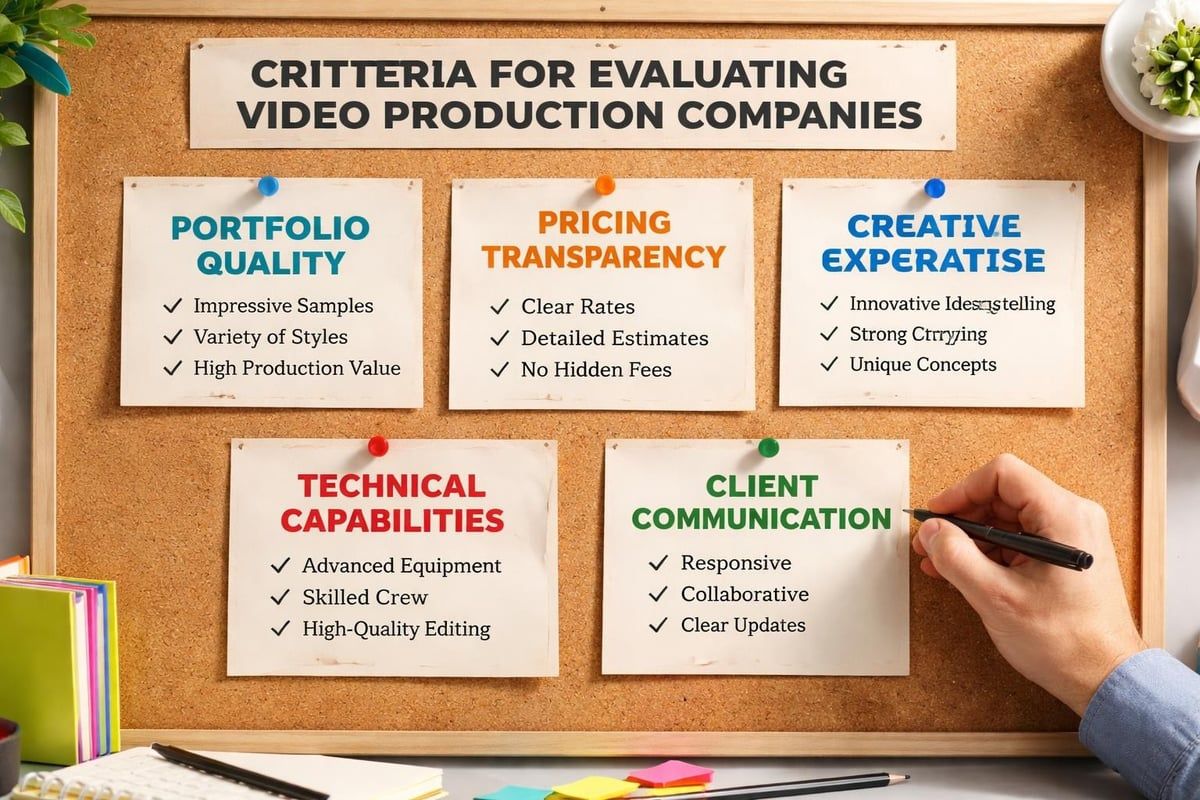
Compare estimates against the same scope. Check the crew, equipment, locations, editing, versions and review stages included in each proposal. Ask the supplier to explain exclusions before deciding whether a lower price meets the brief.
Professional video production companies should function as strategic partners who understand business objectives beyond simply executing technical tasks. The most valuable collaborations occur when production teams contribute insights about audience engagement, platform optimization, and content strategy that maximize return on corporate video cost.
| Budget Consideration | Questions to Ask | Impact on Success |
|---|---|---|
| Target audience needs | What content resonates with our viewers? | High - drives engagement |
| Distribution strategy | Where will this video be seen? | High - affects technical specs |
| Brand alignment | Does this reflect our positioning? | Medium - influences perception |
| Timeline requirements | What's our deadline flexibility? | Medium - affects resource allocation |
| Internal resources | What can we provide versus outsource? | Medium - impacts total cost |
Making Informed Investment Decisions
Successful corporate video projects begin with clear objectives, realistic budgets, and aligned expectations between clients and production partners. Businesses that articulate specific goals-whether lead generation, brand awareness, or employee engagement-enable production teams to recommend appropriate investment levels and creative approaches.
Requesting detailed proposals from multiple production companies reveals market rates while showcasing different creative perspectives. These proposals should outline specific deliverables, timelines, revision policies, and itemized costs that facilitate meaningful comparison. Generic estimates that lack detail make it impossible to evaluate true corporate video cost or compare offerings accurately.
The most successful organizations view video production as ongoing investment rather than isolated projects. Building content libraries, maintaining consistent publishing schedules, and refining approach based on performance data creates compounding returns. This long-term perspective informs smarter budget allocation and partnership selection that delivers sustained business impact.
Planning your corporate video investment requires balancing quality expectations with budget realities while focusing on measurable business outcomes. Understanding the factors that influence corporate video cost empowers smarter decisions about where to allocate resources for maximum impact. Whether you're creating your first company overview or building a comprehensive content library, Viva Media brings Toronto-based expertise in engineering high-performance video content that delivers real ROI, helping forward-thinking brands throughout the Greater Toronto Area transform video investments into tangible business results.