
Businesses across North America are discovering that partnering with a specialized commercial video company represents one of the most effective strategies for cutting through digital noise and capturing audience attention. As global entertainment and media industry revenue trends toward unprecedented growth, video content has emerged as the cornerstone of successful marketing campaigns. Companies that invest in professional video production see tangible improvements in brand awareness, customer engagement, and conversion rates. This strategic approach to visual storytelling enables brands to communicate complex messages efficiently while building authentic connections with their target audiences.
Understanding the Role of a Commercial Video Company
A commercial video company serves as more than just a production house. These specialized firms function as strategic partners that translate business objectives into compelling visual narratives designed to generate measurable returns on investment.
The core difference between hiring freelancers and working with an established commercial video company lies in the comprehensive approach to content creation. Professional firms bring together creative directors, cinematographers, editors, and strategists who collaborate to ensure every frame serves a specific business purpose. This integrated methodology addresses everything from initial concept development through final distribution strategy.
Key Services Provided by Leading Production Firms
Modern commercial video companies offer diverse capabilities tailored to different business needs:
- Brand commercials that establish market positioning and emotional connections
- Product demonstrations that showcase features and benefits clearly
- Corporate communications for internal and external stakeholder engagement
- Social media content optimized for platform-specific algorithms
- Testimonial videos that leverage authentic customer experiences
- Explainer videos that simplify complex products or services
Each service category requires distinct technical skills and creative approaches. For instance, social media video content demands rapid pacing and immediate hooks, while corporate communications prioritize clarity and professional polish.
Strategic Planning and ROI Measurement
Successful partnerships with a commercial video company begin with clear objective definition and performance metrics. Forward-thinking production firms invest significant time understanding client business goals before cameras start rolling.
Defining Success Metrics Before Production
The most effective video campaigns establish specific, measurable targets aligned with broader marketing initiatives. These metrics might include:
| Metric Category | Key Performance Indicators | Measurement Tools |
|---|---|---|
| Awareness | Impressions, reach, view count | Platform analytics, Google Analytics |
| Engagement | Watch time, completion rate, shares | YouTube Studio, social media insights |
| Conversion | Click-through rate, lead generation, sales | CRM integration, attribution modeling |
| Brand Perception | Sentiment analysis, brand lift studies | Survey tools, social listening platforms |
According to recent industry analysis, advertising revenue drives the media industry's expansion, emphasizing why measurable results matter more than ever. Companies cannot afford vanity metrics when stakeholders demand demonstrated returns.
A reputable commercial video company should help establish realistic benchmarks based on industry standards and your specific market position. This collaborative approach to goal-setting ensures everyone shares the same definition of success from day one.
Budget Allocation and Cost Considerations
Understanding video pricing structures helps businesses allocate resources effectively. Commercial video production costs vary dramatically based on scope, complexity, and distribution requirements.
Production budgets typically break down across these categories:
- Pre-production (15-20%): scriptwriting, storyboarding, location scouting, casting
- Production (30-40%): crew, equipment, talent, location fees, production insurance
- Post-production (25-35%): editing, color grading, sound design, motion graphics
- Distribution (10-20%): platform optimization, paid promotion, analytics setup
The Evolution of Commercial Video Production
The industry has undergone radical transformation over recent years, driven by technological advancement and changing viewer behaviors. Understanding these shifts helps businesses make informed decisions when selecting a commercial video company.
Technology Integration and Artificial Intelligence
The landscape of commercial production continues evolving rapidly. Nearly 90% of advertisers now leverage generative AI for video ad creation, signaling a fundamental shift in content development workflows.
This doesn't mean artificial intelligence replaces human creativity. Instead, sophisticated commercial video companies integrate AI tools to enhance efficiency while maintaining the artistic vision that resonates with audiences. AI assists with tasks like automated transcription, rough cut assembly, and color correction baseline establishment, freeing creative professionals to focus on storytelling nuances.
The future of commercial video production points toward hybrid approaches where technology amplifies human creativity rather than supplanting it. Smart production companies adopt these tools strategically while preserving the authentic human connection that makes content compelling.
Platform-Specific Content Optimization
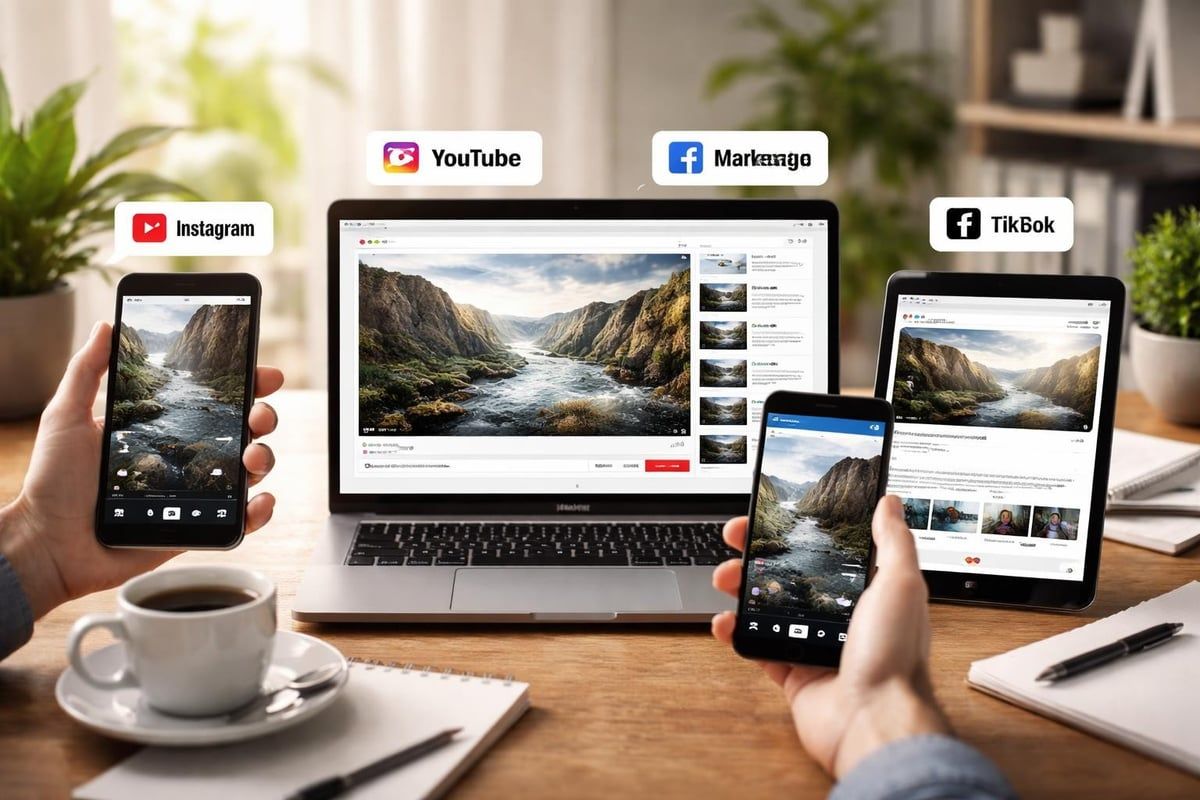
Generic video content no longer performs effectively across diverse platforms. A professional commercial video company understands that successful campaigns require tailored versions optimized for each distribution channel.
Consider these platform-specific requirements:
YouTube: Long-form content (8-15 minutes) with strong hooks in the first 15 seconds, optimized for search discovery
Instagram: Square or vertical formats (1:1 or 9:16), subtitle overlay for sound-off viewing, 30-90 second duration
LinkedIn: Professional tone, educational value, native uploads for algorithm preference, 1-3 minute duration
TikTok: Vertical format, trend integration, authentic feel over polished production, 15-60 seconds
This multi-format approach requires additional planning and production considerations. Leading firms build platform optimization into their workflow from initial concept development, ensuring efficient adaptation without sacrificing quality.
Selecting the Right Production Partner
Choosing a commercial video company represents a significant decision that impacts both immediate campaign success and long-term brand perception. Several critical factors separate exceptional partners from mediocre vendors.
Portfolio Assessment and Industry Experience
Review potential partners' previous work carefully, looking beyond production polish to strategic thinking. Ask yourself whether their portfolio demonstrates understanding of business objectives and measurable outcomes.
Questions to ask before hiring a video production company should include:
- What results did previous campaigns achieve for similar clients?
- How do you approach strategy development before creative execution?
- What does your typical production timeline look like?
- How do you handle revisions and client feedback?
- What post-production support do you provide for content distribution?
Industry-specific experience matters significantly. A commercial video company with healthcare sector expertise understands regulatory compliance requirements that general production firms might overlook. Similarly, firms experienced in technology sector marketing speak the language of innovation and understand rapidly evolving product cycles.
Production Capabilities and Technical Resources
Evaluate the technical infrastructure a commercial video company brings to projects. Modern production demands sophisticated equipment and specialized expertise across various disciplines.
| Capability | Why It Matters | Quality Indicators |
|---|---|---|
| Camera Equipment | Image quality, low-light performance, dynamic range | Cinema-grade cameras (RED, ARRI, Sony FX series) |
| Audio Gear | Clear dialogue, professional sound design | Wireless systems, boom mics, field recorders |
| Lighting | Mood creation, product showcase, brand consistency | LED panels, HMI lights, grip equipment |
| Post-Production | Color grading, effects, motion graphics | DaVinci Resolve, Adobe Suite, Cinema 4D |
Understanding video production equipment requirements helps assess whether a production partner can execute your vision technically. However, equipment alone doesn't guarantee success. The expertise to deploy these tools creatively matters more than the gear list itself.
Creating High-Performance Commercial Content
The distinction between adequate video content and high-performance commercial work lies in strategic execution. Professional commercial video companies approach each project with systematic methodology designed to maximize impact.
Storytelling Frameworks That Drive Results
Effective commercial videos follow proven narrative structures that guide viewers toward desired actions. These frameworks provide scaffolding for creative development while ensuring business objectives remain central.
The Problem-Solution Framework: Present a relatable challenge, amplify the pain points, introduce your solution, demonstrate transformation. This classic approach works particularly well for B2B services and complex products.
The Testimonial Journey: Follow real customers through their experience with your brand, highlighting authentic reactions and measurable outcomes. This builds trust through social proof while maintaining emotional connection.
The Educational Approach: Position your brand as the expert guide helping audiences navigate challenges. This content marketing strategy builds authority while providing genuine value, creating positive brand associations.
A skilled commercial video company selects the appropriate framework based on your target audience, product category, and campaign objectives. Cookie-cutter approaches fail because different audiences respond to different narrative structures.
Visual Identity and Brand Consistency
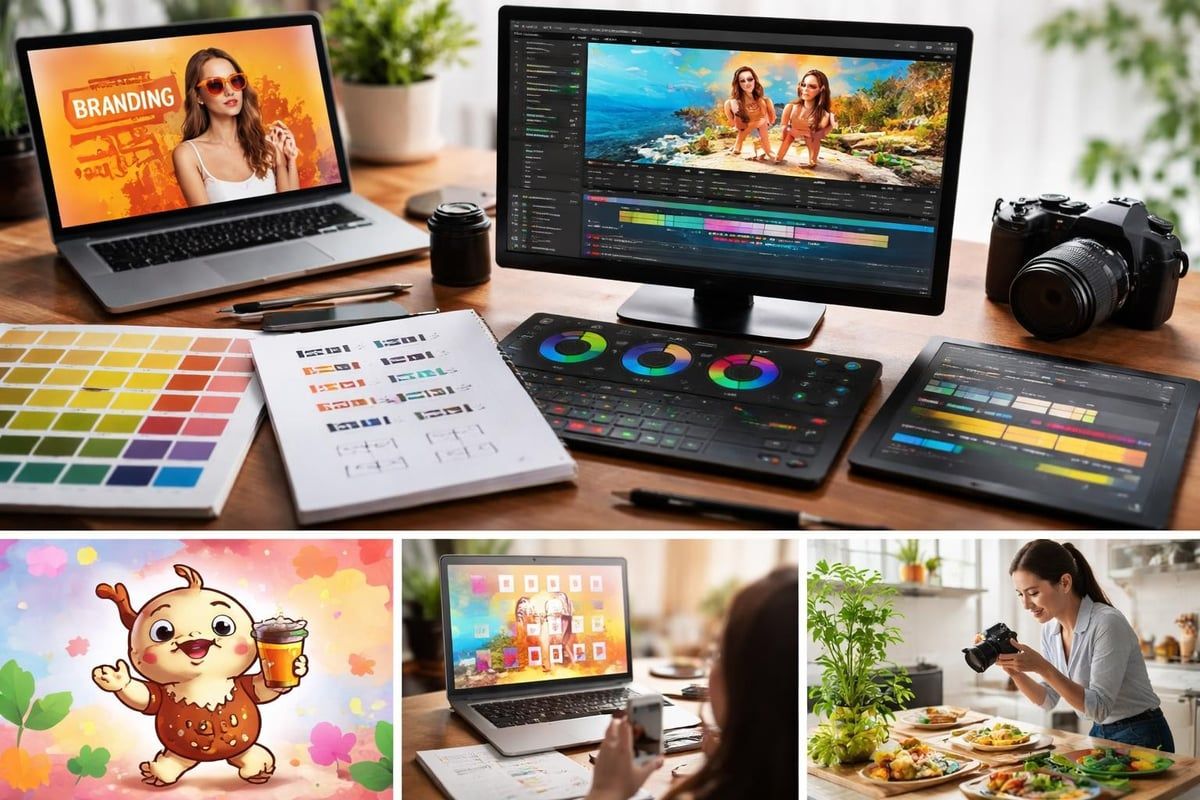
Maintaining cohesive visual language across video content reinforces brand recognition and professional credibility. Your commercial video company should act as brand steward, ensuring every production element aligns with established guidelines.
Visual consistency encompasses:
- Color palettes that reflect brand identity and evoke appropriate emotions
- Typography choices for on-screen text that match brand fonts and hierarchy
- Animation styles for motion graphics that feel cohesive with other brand assets
- Pacing and editing rhythm that reflects brand personality (energetic vs. contemplative)
- Music and sound design that reinforces emotional tone and brand values
This attention to detail separates professional work from amateur production. When viewers encounter your content across different platforms and contexts, visual consistency builds familiarity and reinforces memory encoding.
Distribution Strategy and Content Amplification
Creating exceptional video content represents only half the equation. Strategic distribution determines whether your investment generates returns or disappears into the digital void.
Organic Reach Versus Paid Promotion
A comprehensive commercial video company understands the interplay between organic content performance and paid amplification strategies. Both approaches serve distinct purposes within an integrated marketing ecosystem.
Organic distribution builds long-term assets through:
- Search engine optimization for video content
- Platform algorithm optimization (watch time, engagement signals)
- Community building and subscriber cultivation
- Cross-promotion across owned channels
Paid promotion accelerates results through:
- Targeted audience segmentation based on demographics and behaviors
- Retargeting campaigns that nurture interested prospects
- A/B testing to optimize creative performance
- Budget allocation toward highest-performing content
The most effective campaigns blend these approaches, using paid promotion to jumpstart visibility while organic optimization compounds returns over time. Understanding advertising clips effectiveness helps determine appropriate budget allocation between organic and paid strategies.
Performance Analytics and Iteration
Data-driven optimization separates high-performing campaigns from stagnant content. Your commercial video company should provide comprehensive analytics reporting that informs ongoing strategy refinement.
Key metrics to track include:
- View-through rates by platform and audience segment
- Engagement patterns showing where viewers lose interest
- Conversion tracking connecting video views to business outcomes
- Cost per result calculating efficiency of different distribution channels
- Audience retention graphs identifying optimal video length
This analytical approach enables continuous improvement. Rather than treating each video as an isolated project, leading firms apply learnings across campaigns, building institutional knowledge that drives progressively better results.
Industry Trends Shaping Commercial Production
Staying current with emerging trends helps businesses maintain competitive advantage. The commercial video landscape continues evolving rapidly, creating new opportunities for brands willing to embrace innovation.
Short-Form Content Dominance
Viewer attention spans continue fragmenting, driving demand for concise, impactful content. While long-form video maintains importance for certain objectives, short-form content now dominates social media engagement.
This shift requires rethinking traditional production approaches. A modern commercial video company develops content specifically for short-form consumption rather than simply trimming longer videos into excerpts. This might mean structuring production days to capture multiple short pieces rather than single comprehensive narratives.
Successful brands develop video marketing strategies that embrace both content lengths, deploying each format strategically based on audience behavior and campaign objectives.
Sustainability and Authentic Storytelling
Audiences increasingly value transparency and environmental responsibility. Commercial video production approaches that prioritize sustainable practices and authentic narratives resonate more effectively than traditional advertising polish.
This manifests through:
- Location choices that minimize transportation and environmental impact
- Diverse casting that reflects actual customer demographics
- Behind-the-scenes content that humanizes brands and builds connection
- Purpose-driven messaging that aligns with audience values beyond product benefits
A thoughtful commercial video company incorporates these considerations naturally rather than treating them as afterthoughts or checking boxes. Authenticity cannot be manufactured; it must permeate the entire production process.
Technical Excellence and Creative Innovation
The convergence of technical proficiency and creative vision defines exceptional commercial video work. Both elements must coexist in perfect balance to generate content that captivates audiences while achieving business objectives.
Cinematography and Visual Storytelling
Professional cinematography transforms ordinary scenes into compelling visual experiences. A skilled commercial video company employs cinematographers who understand how camera movement, lens selection, and composition choices affect emotional response.
Consider these technical decisions and their psychological impacts:
| Technique | Emotional Effect | Common Applications |
|---|---|---|
| Wide-angle lenses | Expansiveness, inclusion | Establishing shots, environmental context |
| Telephoto lenses | Intimacy, isolation | Product close-ups, emotional moments |
| Shallow depth of field | Focus, importance | Hero shots, subject emphasis |
| Deep depth of field | Context, information | Wide scenes, group interactions |
| Static tripod shots | Stability, professionalism | Talking heads, formal presentations |
| Handheld movement | Energy, immediacy | Behind-scenes, dynamic action |
These choices should never feel arbitrary. Every technical decision serves the strategic objective and reinforces the intended message.
Sound Design and Audio Excellence
Audio quality dramatically impacts perceived production value, yet many businesses underestimate its importance. Poor audio quality undermines even exceptional visuals, while professional sound design elevates the entire viewing experience.
A complete commercial video company invests in:
Location sound recording with professional microphones and monitoring equipment that captures clean dialogue and ambient atmosphere
Sound design layers including Foley effects, environmental ambience, and strategic silence that create immersive sonic environments
Music licensing and composition that enhances emotional resonance without overwhelming the message or creating copyright issues
Audio mixing and mastering that ensures consistent levels across different playback systems and platforms
The technical aspects of digital video production encompass far more than camera work. Audio represents half the sensory experience, demanding equivalent attention and expertise.
Maximizing Long-Term Value From Video Investments
Strategic businesses view commercial video production as asset creation rather than expense. Content developed today continues generating returns for months or years when approached with longevity in mind.
Content Repurposing and Asset Management
A single production day can generate assets for multiple campaigns when properly planned. Your commercial video company should help maximize this efficiency through smart production design.
Effective repurposing strategies include:
- Capturing multiple framings (wide, medium, close-up) for editing flexibility
- Recording extra B-roll footage for future projects
- Shooting evergreen content that remains relevant beyond immediate campaigns
- Creating modular segments that combine in different configurations
- Developing brand asset libraries for ongoing use
This systematic approach reduces per-video costs over time while maintaining fresh content flow. Rather than starting from scratch for each campaign, you build upon existing assets strategically.
Building Internal Video Capabilities
While partnering with a professional commercial video company provides expertise and resources most businesses cannot maintain internally, some organizations benefit from developing complementary in-house capabilities for rapid-response content.
This hybrid model allows external partners to handle flagship campaigns requiring full production resources while internal teams manage timely social content and quick-turnaround pieces. The commercial video company can provide training, equipment recommendations, and ongoing consultation that elevates internal work quality.
The strategic partnership between businesses and a specialized commercial video company represents a powerful catalyst for growth in 2026's attention-driven marketplace. By combining creative excellence with measurable business strategy, professional video production transforms how brands connect with audiences and drive tangible results. Whether you're launching a new product, building brand awareness, or nurturing customer relationships, Viva Media delivers high-performance video content engineered for the Greater Toronto Area's most forward-thinking brands. Ready to turn your vision into measurable business outcomes? Let's create something remarkable together.