
In 2026, commercial making is more than storytelling—it is a strategic blend of creativity, data, and technology. As the landscape shifts rapidly, brands face unprecedented competition to capture attention and drive results.
Standing out requires more than traditional approaches. Innovative strategies in commercial making are essential to break through the noise and connect with audiences on a deeper level.
To succeed, you must master the latest creative tactics that turn ideas into high-impact visuals. This comprehensive guide uncovers the cutting-edge strategies shaping commercial making in 2026. Explore trends, pre-production planning, creative development, production advances, post-production innovations, and distribution methods—all designed to elevate your next commercial campaign.
Understanding 2026 Commercial Trends
In 2026, the world of commercial making is defined by rapid shifts in technology, audience behavior, and creative expectations. Staying ahead of these trends is crucial for brands aiming to craft impactful, memorable commercials that resonate across a crowded media landscape.
Evolution of Audience Preferences
Audiences in 2026 are seeking authenticity and relatability in every aspect of commercial making. Consumers increasingly value brands that reflect real-life experiences and diverse perspectives. Personalized content is now expected, with inclusivity serving as a core driver of engagement.
A growing trend is the use of user-generated content. Brands invite real customers to share stories, images, or videos, creating a sense of community and trust. This approach not only boosts engagement but also aligns with the demand for relatable, human-centric messaging.
To succeed, commercial making strategies must focus on genuine storytelling, feature real people, and address the unique needs of each target segment.
Technological Advancements Shaping Commercials
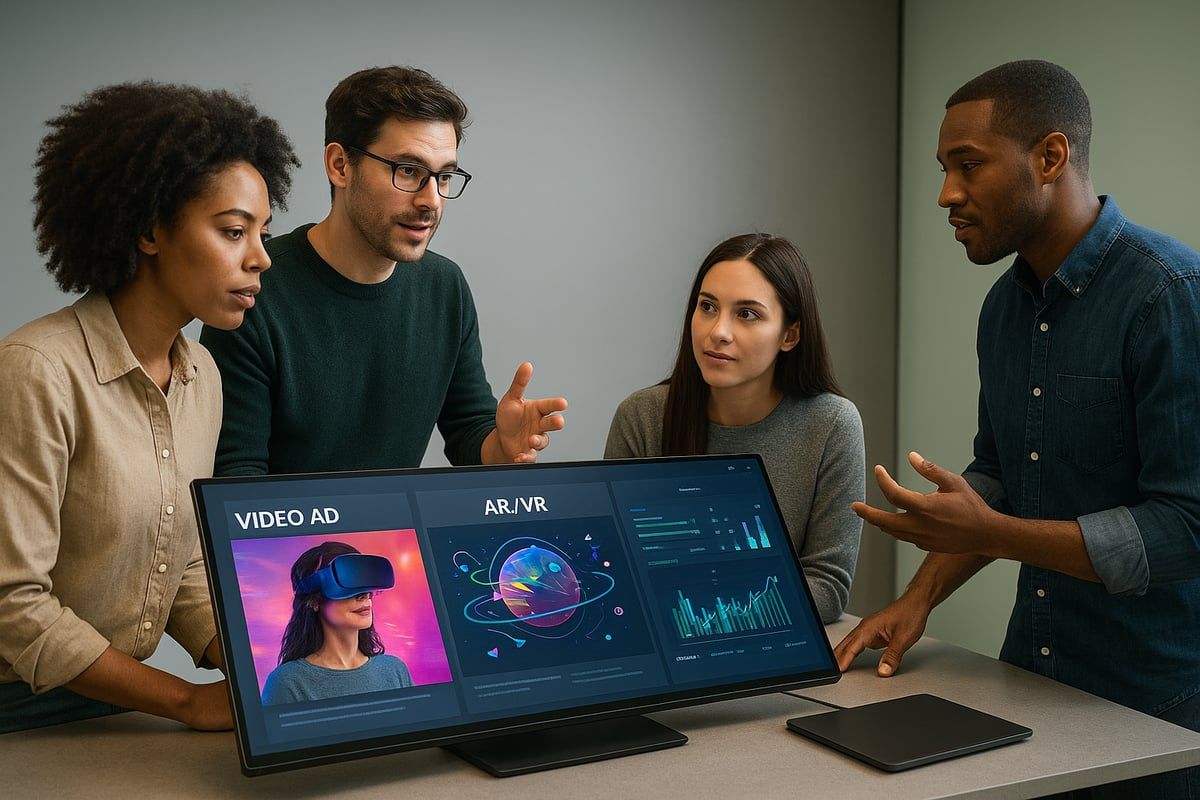
Technology is transforming every stage of commercial making. Artificial intelligence, augmented and virtual reality, and real-time rendering are now standard in high-impact campaigns. These tools enable brands to create immersive experiences and tailor creative assets with precision.
Data analytics play a pivotal role, allowing marketers to target audiences more effectively and optimize creative decisions based on real-time feedback. Interactive commercials, such as those incorporating AR, encourage deeper engagement and memorable brand interactions.
For a deeper look at how these innovations are influencing commercial production, explore current Digital Advertising Trends 2026, which highlight the rise of digital out-of-home and in-game advertising.
Multi-Platform Consumption Habits
The rise of short-form video continues to shape commercial making, with platforms like TikTok and Instagram Reels dominating audience attention. Consumers expect tailored content that fits seamlessly across devices, from smartphones to smart TVs.
Cross-device compatibility is critical. Campaigns must adapt visuals, formats, and messaging to suit each platform’s unique requirements. According to Cisco, video now accounts for over 82 percent of global internet traffic, underscoring the importance of video-first strategies.
Success in commercial making means creating flexible assets and prioritizing omnichannel delivery to reach audiences wherever they are.
Sustainability and Social Responsibility
Sustainability is no longer optional in commercial making. Consumers expect brands to communicate eco-conscious values and demonstrate genuine social responsibility in their messaging.
Commercials highlighting sustainable practices, such as using green production methods or supporting community initiatives, resonate strongly with modern viewers. Brands that prioritize transparency and long-term impact are rewarded with deeper loyalty and positive brand perception.
Incorporating these values authentically into commercial making can set a brand apart in a competitive market.
Regulatory and Privacy Considerations
Evolving data privacy laws are reshaping commercial making, particularly in how campaigns target and communicate with audiences. Transparency in data usage is essential, as consumers are increasingly aware of and sensitive to privacy concerns.
Brands must ensure that all data collection and targeting practices comply with current regulations. Clear consent mechanisms and open communication about data use are now standard expectations.
Staying updated on legal requirements helps protect brand reputation and builds trust through responsible commercial making.
Competitive Benchmarking
Analyzing top-performing commercials from 2025 provides valuable insights for commercial making in 2026. Award-winning campaigns often share common threads, such as compelling narratives, innovative use of technology, and authentic representation.
Key lessons include the importance of adapting to emerging trends quickly, leveraging audience data, and maintaining creative agility. Studying successful campaigns helps brands refine their own strategies, ensuring each new commercial making effort is informed by proven best practices.
Step 1: Strategic Pre-Production Planning
Strategic pre-production planning forms the backbone of successful commercial making. This stage determines the direction, efficiency, and impact of your campaign. A well-executed pre-production process ensures your team is aligned, resources are used wisely, and the final output resonates with your target audience.

Defining Campaign Objectives and KPIs
Clear objectives are essential for every commercial making project. Start by identifying what you want to achieve. Are you looking to increase brand awareness, drive sales, or launch a new product?
Set measurable KPIs such as:
- Reach and impressions
- Engagement rate
- Conversion rate
- Brand lift
Align these goals with your overall brand vision. Regularly revisit objectives throughout the process to ensure all creative decisions support these targets. This focus makes commercial making results-driven and purposeful.
Audience Research and Persona Development
Knowing your audience is fundamental to commercial making in 2026. Use social listening, surveys, and analytics to gather insights on behaviors, preferences, and pain points.
Develop detailed buyer personas to guide your messaging and creative tone. Consider factors like age, location, interests, and media consumption habits. Staying updated with 2026 Marketing Trends by Kantar can help you understand shifting audience expectations and inclusivity standards.
These insights ensure your commercial making efforts resonate with the right viewers and drive engagement.
Budgeting and Resource Allocation
Effective budgeting is crucial for commercial making projects. Outline all anticipated costs, including:
- Talent and crew fees
- Equipment and technology
- Location permits
- Post-production expenses
- Distribution and media buying
Allocate resources strategically based on your objectives and desired production value. Building flexibility into your budget allows for creative pivots and unforeseen challenges. Proper planning helps you maximize ROI and avoid costly overruns.
Creative Brief Development
A comprehensive creative brief is the blueprint for your commercial making process. It communicates your vision and expectations to all stakeholders. Key elements include:
- Campaign objectives and KPIs
- Target audience personas
- Core messaging and brand voice
- Visual style and tone
- Calls-to-action
Share the brief early and update it as needed. This document keeps the team unified and focused, ensuring all creative work aligns with your strategy.
Storyboarding and Scripting
Storyboarding and scripting are where your ideas take shape. Visualize your commercial making concepts through detailed storyboards, mapping out each scene and transition.
Write scripts that are concise, engaging, and on-brand. Balance creativity with clarity, ensuring your core message stands out. Use visuals and language that connect emotionally with your target audience. Iterative reviews help refine the narrative and enhance overall impact.
Compliance and Legal Checks
Legal compliance is a critical step in commercial making. Ensure your concepts adhere to advertising regulations, copyright laws, and privacy standards.
Obtain all necessary releases and permissions for talent, music, and locations. Review scripts and storyboards with legal counsel to mitigate risk. Transparent processes protect your brand and ensure a smooth production journey.
Step 2: Creative Development and Conceptualization
Creative development is where commercial making truly comes to life. In 2026, this phase is shaped by a blend of innovative thinking, strategic use of data, immersive storytelling, advanced technology, rapid prototyping, and seamless collaboration. Each element plays a crucial role in building commercials that break through the noise and capture audience attention.

Ideation Techniques for 2026
Ideation is the foundation of effective commercial making. Teams are increasingly adopting structured brainstorming frameworks such as SCAMPER and mind mapping to generate fresh, innovative ideas. These methods encourage participants to substitute, combine, adapt, modify, put to another use, eliminate, or reverse elements in a concept.
Cross-disciplinary collaboration is also vital. Bringing together creatives from design, strategy, technology, and production fosters a broader perspective. This approach ensures commercial making stays ahead of trends and resonates with modern audiences.
Leveraging Data-Driven Insights
Data is transforming commercial making by informing creative decisions at every stage. Teams utilize audience analytics, social listening, and real-time feedback to tailor concepts to specific demographics.
For example, analyzing viewer behavior can reveal which storylines and visuals are most likely to spark engagement. This insight allows for personalized content that feels relevant and timely. By grounding ideas in data, commercial making achieves both creativity and measurable impact.
Visual Storytelling and Emotional Resonance
Storytelling remains the heart of commercial making. In 2026, audiences crave authentic, emotionally resonant narratives that reflect real experiences and diverse perspectives. Brands are focusing on stories that inspire, connect, and drive action.
Incorporating a mix of voices and backgrounds not only broadens appeal but also builds trust. For deeper insights into shaping compelling creative strategies, see these corporate commercials strategies that highlight successful examples and best practices.
Integrating Technology in Concepts
Technology is unlocking new creative possibilities in commercial making. Interactive elements, such as shoppable videos and augmented reality features, are becoming standard for audience engagement.
Blending live-action footage with CGI creates immersive experiences that were once unattainable. Campaigns now often invite viewers to interact directly, making commercial making a two-way conversation instead of a monologue.
Prototyping and Testing Concepts
Rapid prototyping allows teams to explore ideas quickly without heavy investment. Creating low-fidelity storyboards, mockups, or simple video drafts helps identify what works and what does not.
Focus groups and A/B testing provide actionable feedback, enabling data-driven refinements before large-scale production. This iterative process is essential for ensuring commercial making delivers the intended message and impact.
Collaboration with Creative Partners
Successful commercial making depends on strong partnerships among directors, copywriters, designers, and strategists. Open communication and clear documentation of the creative vision help align all contributors.
Iterative development, where feedback is encouraged and incorporated throughout, ensures that the final commercial remains cohesive and compelling. Collaboration is the thread that weaves together all elements of commercial making into a unified campaign.
Step 3: Innovative Production Techniques
In 2026, innovative production techniques are transforming commercial making into a high-impact, agile process. Brands are embracing new technologies and workflows to produce commercials that captivate and convert, efficiently adapting to the demands of a digital-first world.
Advanced Filming Technology
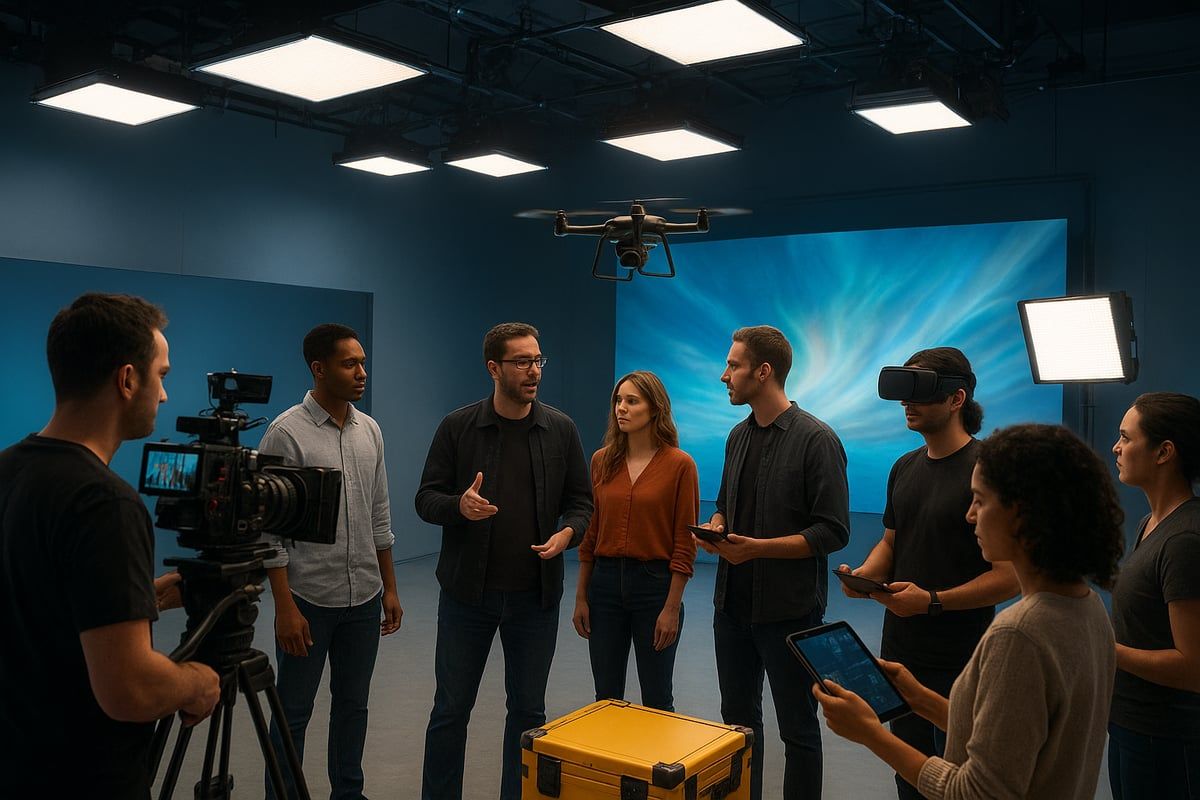
The commercial making landscape now features ultra-high-definition 8K cameras, drones for aerial perspectives, and virtual production stages. LED walls replace traditional green screens, creating immersive, dynamic backgrounds that adapt in real time.
Below is a comparison of key filming technologies:
| Technology | Benefit | Use Case |
|---|---|---|
| 8K Cameras | Extreme clarity, flexibility | Post-production cropping |
| Drones | Unique aerial shots | Outdoor product reveals |
| LED Walls | Realistic, dynamic settings | Sci-fi, automotive commercials |
To maximize these tools, many brands partner with specialized commercial production companies insights for technical expertise and streamlined workflows in commercial making.
Virtual and Remote Production
Virtual and remote production methods are now standard in commercial making. Teams collaborate from anywhere using cloud-based platforms, making it easier to manage distributed talent and assets.
Virtual sets powered by real-time rendering cut costs and timelines, while directors oversee scenes through live video feeds. This approach not only increases flexibility, but also allows for rapid creative adjustments during shoots, making commercial making more efficient and scalable.
Lighting, Sound, and Set Design Trends
Sustainability is at the forefront of commercial making. Productions are opting for energy-efficient LED lighting and sets built from recycled or sustainable materials.
Immersive sound design ensures commercials translate seamlessly across devices, from TV to mobile. By prioritizing eco-conscious choices and high-quality audio, commercial making teams create engaging, responsible content that resonates with modern audiences.
Talent Casting and Direction
Authenticity is key in commercial making, with brands seeking diverse, real-world talent to reflect their audience. Casting now emphasizes inclusion, relatability, and genuine emotion.
Directing non-actors and influencers has become common, requiring flexible, empathetic approaches. Effective commercial making relies on clear communication and fostering a comfortable environment, allowing authentic performances to shine on screen.
On-Set Data Capture and Analytics
Data-driven decision-making is reshaping commercial making. On set, real-time analytics tools track performance metrics—such as scene timing and actor engagement—enabling immediate creative tweaks.
Some productions even use biometric feedback, like heart rate sensors, to gauge audience reactions during test shoots. This ensures that commercial making is not just creative, but also optimized for impact and relevance.
Risk Management and Contingency Planning
Risk management is now integrated into every stage of commercial making. Teams anticipate potential production delays, supply chain issues, and technical disruptions, building contingency plans to minimize impact.
Health and safety protocols are rigorously enforced, and compliance with industry regulations is non-negotiable. By staying prepared, commercial making teams ensure projects stay on track, no matter the challenge.
Step 4: Post-Production and Creative Enhancement
Post-production is where commercial making transforms raw footage into polished, high-impact content. In 2026, innovation in editing, effects, and feedback cycles enables brands to craft commercials that resonate across diverse audiences and platforms.
AI-Powered Editing and Automation
Artificial intelligence has revolutionized commercial making in post-production. Modern editing suites integrate AI for rapid video editing, automated color grading, and intelligent sound mixing. These tools not only speed up workflows but also enable multiple creative variations tailored to different audiences.
For example, AI can instantly generate several ad versions optimized for different platforms, reducing manual work. The adoption of generative AI is widespread, with nearly 90 percent of advertisers expected to use it for video ads in 2026. Learn more about this trend in Generative AI in Video Ads.
Motion Graphics and Visual Effects
Motion graphics and advanced visual effects are now essential in commercial making, adding depth and energy to every frame. Dynamic CGI, 3D animation, and immersive visual layers help brands stand out in crowded markets.
Trends include seamless integration of live-action with CGI and visually striking transitions. VFX artists employ real-time rendering to make creative adjustments quickly, ensuring commercials remain fresh and engaging. These enhancements are vital for brands aiming to leave a memorable impression.
Sound Design and Music Licensing
Sound design is a cornerstone of successful commercial making. Brands use layered audio, custom soundtracks, and signature jingles to build emotional connections and reinforce brand identity. High-quality audio elevates the viewer's experience, whether on TV or mobile.
Legal compliance is equally crucial. Securing rights for music tracks and sound effects prevents costly disputes. Many brands now opt for original compositions or royalty-free libraries to streamline licensing while maintaining a unique sound profile.
Personalization and Localization
Personalization is a defining trend in 2026 commercial making. Post-production teams create multiple commercial versions, each tailored to specific demographics, languages, or regions. Dynamic ad insertion technology enables hyper-targeted messaging that resonates more deeply with viewers.
Localization efforts extend beyond translation. They include adapting visuals, cultural references, and even color schemes to fit local markets. This approach increases engagement and ensures the message feels authentic across global audiences.
Quality Control and Compliance Review
Rigorous quality control safeguards the integrity of commercial making. Post-production teams review every asset for technical and creative standards, ensuring consistency across platforms. Accessibility checks, like captions and audio descriptions, are now standard practice.
Compliance reviews are also essential. Commercials must adhere to regional advertising regulations and privacy standards. Teams conduct thorough legal checks before launch, reducing risks and building trust with audiences.
Feedback Loops and Iterative Improvement
Continuous improvement defines modern commercial making. Before release, brands test commercials with sample audiences, gathering feedback on clarity, emotional impact, and effectiveness. Data-driven insights guide final tweaks, optimizing performance.
Iterative feedback loops continue post-launch. Teams monitor analytics, social sentiment, and viewer responses, making rapid adjustments if needed. This commitment to refinement ensures each commercial achieves its full potential in a dynamic media landscape.
Step 5: Distribution, Measurement, and Optimization
Distributing your commercial making efforts effectively in 2026 requires a dynamic, data-driven approach. Brands must navigate an intricate media landscape, leveraging smart strategies to maximize reach and ROI. The right distribution, measurement, and optimization tactics can transform a great commercial into a high-impact campaign.
Omnichannel Distribution Strategies
A successful commercial making campaign in 2026 demands omnichannel planning. Brands must tailor content for TV, streaming platforms, social media, and digital out-of-home displays. Each channel requires specific adaptations to suit its audience and format.
Timing is essential. For example, launching a commercial during a major live event can sharply increase visibility. Brands also need to ensure seamless delivery across devices, from smartphones to connected TVs.
A table can help summarize platform-specific considerations:
| Platform | Key Adaptation | Audience Focus |
|---|---|---|
| TV | High production value | Broad demographics |
| Social Media | Short-form, vertical video | Gen Z, Millennials |
| Streaming Apps | Skippable, interactive ads | Cord-cutters |
| Digital Out-of-Home | Location-based triggers | Urban consumers |
Staying agile in your commercial making distribution plan ensures your message reaches the right audience at the right moment.
Programmatic Advertising and Media Buying
Programmatic tools revolutionize commercial making by automating ad placement across channels. Brands can use real-time bidding to secure high-impact ad slots, optimizing budgets and targeting.
These platforms analyze data in milliseconds, placing commercials where they are most likely to engage viewers. Programmatic buying supports hyper-targeted delivery, adjusting spend based on performance.
For example, a brand launching a new product can target specific demographics during peak browsing hours. This adaptability is essential for maximizing the impact of commercial making campaigns.
To learn more about how effective video ads drive results, see Boost your brand's success with effective video ads.
Performance Tracking and Analytics
Measuring success is central to commercial making in 2026. Brands track metrics such as view-through rate, engagement, conversions, and brand lift. Advanced analytics platforms provide real-time dashboards, enabling rapid insights and adjustments.
Key metrics include:
- View-through rate (VTR)
- Engagement rate (likes, shares, comments)
- Conversion rate (clicks, purchases)
- Brand lift (awareness, recall)
Data-driven decision-making helps refine distribution and creative strategies. Brands that monitor performance closely can pivot quickly to capitalize on trends and audience reactions.
Emerging tools also support cross-platform measurement, ensuring commercial making efforts are evaluated holistically.
A/B Testing and Creative Optimization
A/B testing is a cornerstone of commercial making optimization. By running multiple versions of a commercial, brands identify which creative elements resonate best with audiences.
Testing variables might include:
- Opening imagery
- Call-to-action phrasing
- Music and sound design
- Visual effects
Continuous improvement is vital. Brands that embrace iterative testing can boost engagement, refine messaging, and increase ROI. A/B insights inform future commercial making strategies, fostering innovation and adaptability.
Adapting to Feedback and Market Shifts
Listening to audience feedback is crucial for commercial making success. Social sentiment analysis and competitor monitoring reveal how campaigns are received and where adjustments are needed.
Rapid creative pivots can address emerging trends or negative feedback. For instance, if a commercial faces criticism for lacking inclusivity, brands should update messaging promptly.
Monitoring market shifts also uncovers new opportunities. Staying responsive ensures commercial making campaigns remain relevant and effective in a fast-changing landscape.
For deeper insights into 2026 trends, consult BIA's 2026 Local Ad Market Trends.
Case Studies: Successful 2025-2026 Commercial Campaigns
Learning from recent high-impact campaigns is invaluable for commercial making professionals. Award-winning commercials from 2025 and 2026 reveal key lessons:
- Authenticity drives engagement and trust.
- Interactive features, such as AR, boost participation.
- Sustainable messaging resonates with younger consumers.
- Cross-platform distribution amplifies reach.
By analyzing these case studies, brands can extract best practices and avoid common pitfalls. This knowledge empowers marketers to craft commercial making strategies that deliver measurable results.
As you’ve seen throughout this guide, creating commercials that truly stand out in 2026 means blending creativity with data-driven strategy and embracing the latest production technologies. If you’re ready to take your brand’s video content to the next level and turn creative ideas into high-performance results, let’s connect. At Viva Media, we work closely with innovative brands across Toronto to craft attention-grabbing experiences that deliver measurable ROI. Whether you have a vision in mind or need guidance shaping your next campaign, I invite you to start a project with us today.