

In 2026, the world of corporate commercials is evolving faster than ever. Brands face fierce competition, but they also have access to groundbreaking tools and creative possibilities.
This guide is designed to help you cut through the noise. Whether you are launching your first campaign or refining your video strategy, you will find a clear, data-driven roadmap for success.
You will discover how top brands use storytelling, technology, and smart strategy to create memorable corporate commercials that drive real results. Ready for actionable insights and proven frameworks? Let us explore planning, creative development, production, distribution, measurement, and future trends together.
Understanding the 2026 Corporate Commercial Landscape
The landscape for corporate commercials in 2026 is evolving rapidly, with brands facing new challenges and opportunities. Businesses must navigate shifting consumer expectations, embrace advanced technologies, and adapt to regulatory changes to achieve meaningful impact. Understanding these dynamics is essential to crafting commercials that resonate and deliver measurable results.

Shifting Consumer Behaviors and Expectations
Audiences in 2026 consume video in short, mobile-first bursts, expecting brands to deliver authentic and transparent messages. Consumers now demand that corporate commercials reflect real stories, genuine diversity, and a commitment to social responsibility. According to Think with Google (2024), 78% of consumers prefer brands that “get real” in their messaging.
Brands must also address ad fatigue, as repeated exposure to generic ads leads to disengagement. To combat this, marketers are adopting more personalized and relevant storytelling in their corporate commercials, ensuring each ad feels fresh and meaningful.
The Role of Technology and AI in Modern Commercials
Technology is redefining how corporate commercials are created and delivered. AI-driven personalization enables brands to serve dynamic ad creative tailored to each viewer, increasing relevance and engagement. Automation streamlines ad buying, targeting, and optimization, while AR and VR offer immersive experiences that set brands apart.
For example, Statista (2023) reports that 65% of global marketers plan to increase their AR and VR ad spend by 2026. Embracing these advancements not only boosts campaign performance but also positions brands as innovators in the crowded world of corporate commercials.
Key Platforms and Channels for 2026
The dominance of social video platforms like TikTok, Instagram Reels, and YouTube Shorts is shaping where audiences engage with corporate commercials. Connected TV (CTV) and OTT advertising are also gaining traction, offering targeted reach for both B2C and B2B campaigns. On the B2B front, LinkedIn video ads and industry-specific platforms are proving effective for professional audiences.
Engagement data shows that platform choice directly impacts ad performance. To maximize ROI, brands must tailor their corporate commercials for each channel’s unique format and audience. For actionable tactics on optimizing video ads for these platforms, explore Boost your brand's success with effective video ads.
Regulatory Trends and Brand Safety
Evolving privacy laws such as GDPR and CCPA are reshaping how brands target and measure corporate commercials. Increased scrutiny on data collection and usage means marketers must prioritize consumer data protection and ethical advertising standards. Brand safety tools now offer greater transparency in ad placements, reducing risk and maintaining trust.
Salesforce (2024) found that 84% of consumers are more loyal to brands with strong privacy practices. By staying compliant and transparent, brands not only safeguard their reputation but also build lasting relationships through responsible corporate commercials.
Step 1: Strategic Planning for Impactful Corporate Commercials
Strategic planning is the foundation of successful corporate commercials. In 2026, brands must align creative vision with business outcomes, audience needs, and market realities. This step transforms a good idea into a measurable, high-impact campaign.

Setting Clear Business Objectives and KPIs
Every campaign for corporate commercials starts with well-defined objectives. Is the goal to build brand awareness, drive sales, recruit talent, or launch a new product?
Select quantifiable KPIs, such as click-through rate, conversion rate, or brand lift, to track progress. Aligning commercials with business objectives is proven to boost ROI. For example, B2B brands saw a 32% higher ROI when commercials directly supported strategic goals.
Clarity here ensures every decision, from creative to distribution, serves the larger business vision.
Audience Research and Persona Development
Deep audience understanding is essential for effective corporate commercials. Analyze demographics, psychographics, and customer pain points using social listening, analytics, and first-party data.
Empathy drives relevance. The more you know your audience, the more likely your message will resonate. Develop detailed buyer personas and tailor messaging to their needs.
Tools like surveys, interviews, and behavioral data help uncover insights that inform every stage of commercial creation.
Budget Allocation and Resource Planning
Careful budgeting is critical when producing corporate commercials. Allocate funds for production, creative development, and media placement.
Data shows 40% of marketers increased video budgets in 2025, reflecting the growing importance of video content. Decide what work stays in-house and when to engage agencies or production partners.
Smart resource planning balances creative ambition with financial discipline, ensuring optimal results without overspending. For more strategic benefits, see the 7 reasons to create a commercial.
Competitor Analysis and Industry Benchmarking
Stay ahead by analyzing top-performing corporate commercials in your industry. Review competitors’ messaging, creative style, and channel selection.
Identify gaps and find opportunities for differentiation. For instance, a leading fintech brand outperformed rivals by adopting a data-driven ad strategy and unique storytelling.
Benchmark performance against industry standards to set realistic targets and inspire fresh approaches.
Integrating Stakeholder Feedback and Compliance
Involving key stakeholders early ensures your corporate commercials meet all requirements. Include legal, compliance, and executive teams in the planning phase.
Navigate brand guidelines and regulatory standards to avoid costly revisions or delays. Streamline approval workflows for faster campaign launches.
Collaboration from the outset reduces friction and helps deliver commercials that are both creative and compliant.
Step 2: Creative Development—From Concept to Script
Creative development sits at the heart of high-impact corporate commercials. This phase transforms strategy into stories, visuals, and scripts that connect with audiences on a human level. With fierce competition in 2026, brands must blend creativity, clarity, and inclusivity to stand out.
Crafting a Compelling Brand Story
Every memorable corporate commercial begins with a story. The most effective narratives balance conflict, resolution, and emotional resonance to forge a real connection. Focus on relatable problems, show authentic solutions, and wrap it all in your brand’s unique perspective.
- Conflict: What challenge does your audience face?
- Resolution: How does your product or service help?
- Emotional payoff: What feeling do you want viewers to remember?
Align your story with your brand’s core values and your audience’s needs. For more practical tips, see this Creating great corporate video guide, which covers proven storytelling frameworks for corporate commercials.
Message Clarity and Value Proposition
Clarity drives action in corporate commercials. Simplify complex ideas into a single, powerful message that viewers can grasp instantly. Use the “one big idea” rule: focus on what sets your brand apart and why it matters. Test your message with real users to ensure it is memorable and easy to recall.
Table: Message Testing Checklist
| Test Type | Purpose | Example Outcome |
|---|---|---|
| Comprehension | Is it clear? | 85% recall main point |
| Emotional Impact | Does it resonate? | 70% feel inspired |
| Memorability | Is it sticky? | 60% can repeat slogan |
A clear value proposition makes your corporate commercials more persuasive and effective.
Visual and Audio Branding Elements
Consistent branding is essential for recognition in corporate commercials. Use your logo, signature colors, and brand voice in every frame. Equally important is audio—music, sound effects, and sonic logos can anchor your brand in viewers’ memories.
- Visual: Logo placement, color palette, branded graphics
- Audio: Theme music, jingles, sonic branding
According to Ipsos, 60% of viewers recall a brand better when audio cues are consistent. Integrate these elements seamlessly for a stronger, more memorable presence.
Scripting for Multiple Platforms and Formats
Corporate commercials must be tailored to different platforms and runtimes. Adapt your script for 6, 15, 30, or 60-second spots. Consider platform-specific requirements—vertical video for TikTok and Instagram Reels, horizontal for YouTube or LinkedIn.
- Short-form: Grab attention quickly, deliver one core message
- Long-form: Build narrative, add context or testimonials
Customize calls-to-action and visuals for each channel to maximize engagement and ensure your corporate commercials perform optimally everywhere.
Inclusivity, Accessibility, and Ethical Storytelling
Modern audiences expect corporate commercials to reflect real diversity and be accessible to all. Represent a range of voices and backgrounds in your cast and creative. Use captions, audio descriptions, and high-contrast visuals for accessibility.
Avoid clichés and stereotypes—focus on authentic representation. Ethical storytelling also means highlighting positive social impact and aligning with causes your brand genuinely supports. This approach builds trust and loyalty.
Iterative Creative Review and Testing
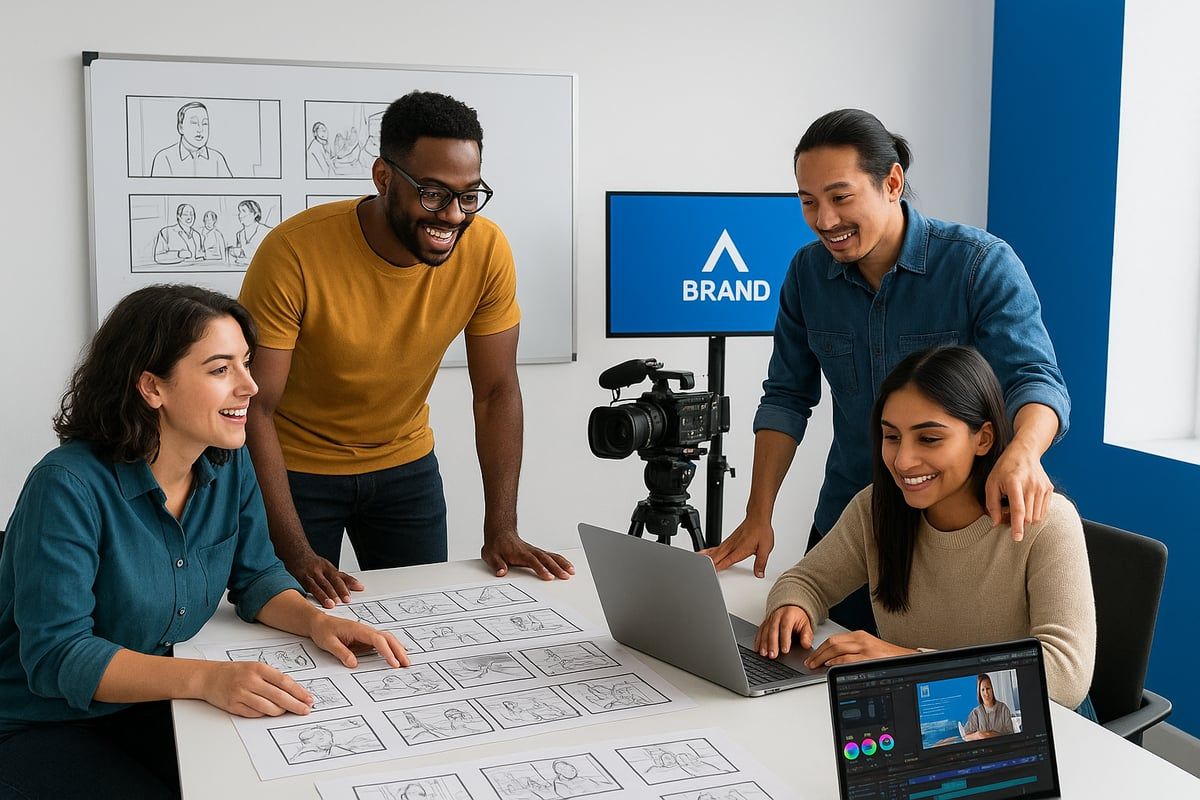
Refinement is crucial for effective corporate commercials. Begin with storyboarding and animatics to visualize the concept before production. Gather feedback from internal teams and, when possible, external focus groups.
- Storyboard review: Visual flow and pacing
- Panel feedback: Emotional and brand impact
- A/B testing: Compare alternate ideas
Use these insights to fine-tune your script and visuals. Testing before production saves time and ensures your corporate commercials meet both creative and business goals.
Step 3: High-Performance Production Techniques
Producing standout corporate commercials in 2026 requires a seamless blend of strategic planning, advanced technology, and creative execution. Each stage of the production process is critical for ensuring that your commercial not only captures attention but also delivers measurable results. Let us explore the essential techniques that deliver high-performance outcomes for corporate commercials today.
Pre-Production Planning and Logistics
Every successful corporate commercial begins with meticulous pre-production. This phase covers everything from location scouting and casting to scheduling and securing permits. A detailed production calendar helps keep each task on track, minimizing costly delays.
Legal considerations are essential. Obtain all necessary releases and usage rights before filming. Engage with stakeholders early to align on messaging and compliance requirements. Smart resource allocation, like leveraging in-house talent or multi-use locations, can help maximize your budget.
For a deeper dive into the planning process, refer to this Corporate video production guide, which outlines best practices for preparing corporate commercials efficiently.
Leveraging Modern Production Technology
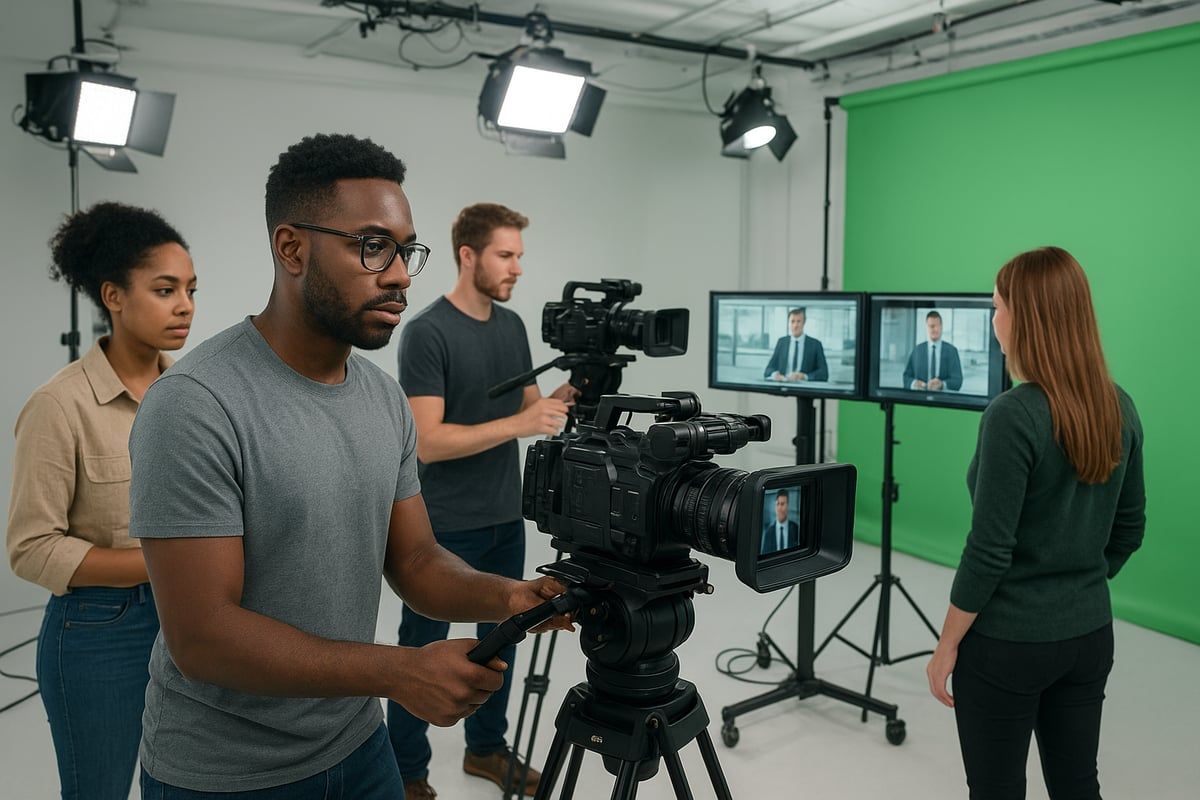
The technology behind corporate commercials has evolved rapidly. Production teams now use 4K and 8K cameras for ultra-clear visuals, drones for dynamic aerial shots, and remote collaboration tools to streamline workflows. Virtual production techniques, including green screens and real-time rendering, allow for flexible, cost-effective shoots.
Volumetric capture is changing how brands visualize products and experiences in commercials. This innovation enables interactive, 3D visual assets that engage viewers on a deeper level. Embracing these technologies ensures your corporate commercials are visually compelling and future-ready.
Directing for Engagement and Authenticity
Directing high-impact corporate commercials is about more than just visuals. Genuine performances drive connection and recall. Many brands feature real employees instead of actors for authentic storytelling. Coaching talent to deliver natural, relatable messages increases audience trust.
First impressions matter. Capture attention within the opening seconds, using dynamic visuals and clear messaging. In fact, 70 percent of ad recall occurs in these initial moments, highlighting the importance of thoughtful direction for corporate commercials.
Post-Production: Editing, Motion Graphics, and Sound Design
Post-production is where corporate commercials come to life. Fast-paced editing keeps viewers engaged, especially on digital platforms. Adding motion graphics and branded overlays reinforces key messages and ensures visual consistency.
Sound design is equally vital. Professional mixing and music selection enhance emotional impact and brand recall. Animation and captions improve accessibility, broadening your commercial's reach. Each detail in post-production supports the effectiveness of your corporate commercials.
Quality Assurance and Compliance Checks
Before launching, rigorous quality assurance ensures your corporate commercials meet all brand and technical standards. Review every asset for consistency, legal compliance, and accuracy. Use a checklist to verify accessibility features like subtitles and translations.
Localization is crucial for global campaigns. Tailor content for different markets, ensuring cultural relevance and adherence to local regulations. These checks protect your brand and maximize your commercial's impact across diverse audiences.
Viva Media: Your Partner for High-Impact Commercial Production
Viva Media is a Toronto-based video production company trusted by top brands for delivering high-performance corporate commercials. Their end-to-end services span strategy, creative development, production, and post-production, ensuring every commercial is crafted for measurable business outcomes.
With a focus on premium quality and rapid turnaround, Viva Media helps brands engineer commercials that grab attention and drive results in 2026 and beyond. Their expertise in corporate commercials makes them an ideal partner for brands seeking to stand out in a crowded market.
Step 4: Distribution, Optimization, and Amplification
Getting corporate commercials in front of the right audience at the right time is just as crucial as creating them. In 2026, successful distribution strategies combine data-driven media buying, platform-specific optimization, and omnichannel amplification to maximize ROI and impact.
Channel Selection and Media Buying Strategies
Channel selection is the foundation for ensuring corporate commercials reach their intended audience. Marketers now balance TV, digital, social, CTV, OTT, and out-of-home options to optimize reach and budget.
Programmatic ad buying has become the norm, offering precision in targeting and real-time adjustments. According to 2026 Marketing Trends by Kantar, digital video now commands over half of all corporate ad spend, reflecting a shift in consumer attention and engagement.
Key strategies include:
- Mapping audience segments to preferred platforms
- Allocating budgets to channels with proven engagement
- Leveraging data to inform media buys
Selecting the right mix empowers brands to amplify the impact of corporate commercials and drive measurable outcomes.
Platform-Specific Optimization
Optimizing corporate commercials for each platform is essential for maximizing engagement. Different channels require unique aspect ratios, runtimes, and calls to action. For example, vertical video performs best on TikTok and Instagram Reels, while horizontal formats suit YouTube and Connected TV.
Best practices to optimize for each platform include:
- Customizing creative assets (aspect ratio, duration)
- Adapting messaging to platform norms and audience expectations
- Using platform-specific features like interactive overlays or shoppable links
Tailoring corporate commercials ensures they resonate with viewers and take advantage of each platform’s algorithm, boosting organic reach and effectiveness.
Paid vs. Organic Promotion Tactics
A balanced approach to promotion combines paid campaigns with organic strategies. Paid media guarantees reach, but organic tactics like influencer partnerships or employee advocacy build authenticity and trust for corporate commercials.
Consider these tactics:
- Deploying retargeting and lookalike audiences to boost conversion
- Leveraging brand advocates to amplify share of voice
- Measuring cost per lead and cost per acquisition to refine strategy
Combining paid and organic efforts helps corporate commercials cut through noise and drive sustained results.
Real-Time Performance Monitoring and Iteration
Continuous monitoring is vital for optimizing corporate commercials during live campaigns. Advanced analytics dashboards track KPIs like reach, engagement, and conversions in real time.
Agile teams use these insights to:
- Quickly identify underperforming creatives
- Implement rapid A/B testing for message or format tweaks
- Adjust targeting on the fly to improve outcomes
By iterating based on real-time data, brands ensure their corporate commercials remain effective and responsive to changing audience behaviors.
Integrating Commercials into Omnichannel Campaigns
The most effective corporate commercials serve as the centerpiece of broader omnichannel campaigns. Consistent messaging across web, email, social media, and offline channels reinforces brand recognition and drives higher purchase rates.
Key integration strategies:
- Aligning creative themes and CTAs across platforms
- Sequencing commercials within customer journeys for maximum impact
- Using commercials as anchor content to unify campaign touchpoints
Omnichannel execution ensures corporate commercials deliver cohesive, memorable experiences that boost ROI and long-term brand loyalty.
Step 5: Measuring Success and Maximizing ROI
In today's fast-moving digital environment, measuring the effectiveness of corporate commercials is essential for maximizing return on investment. Brands that set clear metrics and analyze performance data can transform insights into strategic advantage. This step guides you through the process of defining, tracking, and optimizing outcomes for your corporate commercials.
Defining and Tracking Success Metrics
Success with corporate commercials begins by establishing clear, measurable objectives. Determine which metrics align with your campaign goals, whether you are focused on brand awareness, engagement, or conversions. Common KPIs include:
- Reach and impressions
- Video view rate and watch time
- Click-through rate (CTR)
- Conversion rate and sales impact
- Brand lift
Utilize attribution models to understand the full customer journey. For example, a B2B tech brand tracked reach and conversions, resulting in a 42% lift in qualified leads from video ads. As video ad strategies evolve, 86% of digital video buyers are now leveraging generative AI to build and measure campaigns, according to Generative AI in Video Advertising.
Analyzing Viewer Behavior and Sentiment
Deep analysis of viewer behavior is vital for improving corporate commercials. Use tools that provide heatmaps and drop-off analysis to see where audiences engage or lose interest. Sentiment tracking helps you gauge emotional response and brand perception.
By integrating these insights, marketers can refine creative, messaging, and targeting strategies. Data shows that 68% of marketers now use sentiment analysis to optimize campaign performance. These techniques ensure that your corporate commercials resonate and adapt to evolving audience expectations.
Post-Campaign Review and Reporting
After your campaign ends, conduct a thorough review to capture key learnings. Build actionable reports for stakeholders, focusing on:
- What worked well and why
- Areas that underperformed
- Insights gained from data and feedback
Benchmark your results against industry standards. This reporting process for corporate commercials should be concise and data-driven, enabling your team to share results and foster continuous improvement across future campaigns.
Continuous Improvement and Learning Loops
The most successful brands use a cycle of feedback and learning to enhance future corporate commercials. Incorporate insights from performance reviews, creative tests, and evolving audience data. Stay agile by updating creative and media strategies based on real-time results.
Advanced frameworks, such as those outlined in the AI-Driven Competitive Advertising Framework, empower teams to leverage AI for ongoing optimization and hyper-personalization. Brands that embrace iterative improvement see up to 30% higher ROI year-over-year, ensuring their corporate commercials remain effective and future-ready.
Future Trends: The Evolution of Corporate Commercials Beyond 2026
The landscape of corporate commercials is evolving rapidly as brands look to connect with audiences in new and imaginative ways. Emerging technologies, changing consumer habits, and the demand for authenticity are shaping the next generation of advertising. Let us explore the key trends that will define corporate commercials in the years to come.
AI-Generated Content and Hyper-Personalization
Artificial intelligence is transforming how corporate commercials are created and delivered. Brands are now using AI to script, edit, and optimize content at scale, enabling more personalized ad experiences for every viewer.
Through dynamic creative optimization, marketers can deliver tailored messages based on user behavior, demographics, and preferences. For example, the adoption of AI-powered ad campaigns has scaled quickly, with over 15,000 such campaigns deployed by leading media companies. This shift is highlighted in the AI-Powered Ad Campaigns Deployment case, demonstrating the growing impact of automation in corporate commercials.
As a result, brands can achieve greater relevance and engagement, making every touchpoint count in the customer journey.
Interactive and Shoppable Video Experiences
The next wave of corporate commercials will be more interactive, offering viewers the ability to engage directly with content. Clickable hotspots, choose-your-own-adventure formats, and in-video shopping are becoming mainstream.
Gen Z consumers, in particular, are leading this shift, with nearly half having made purchases directly from shoppable videos. These interactive experiences not only boost engagement but also shorten the path from discovery to conversion. For marketers, integrating these features into corporate commercials will be crucial for driving measurable results and meeting evolving consumer expectations.
Sustainability and Social Impact Storytelling
Sustainability is now a core focus in the production and messaging of corporate commercials. Brands are adopting eco-friendly practices, such as carbon-neutral shoots and responsible sourcing of materials.
Audiences increasingly expect brands to showcase their commitment to environmental and social causes. Campaigns like Unilever’s “Dirt Is Good” are setting new benchmarks by championing sustainability through powerful storytelling. By weaving social impact narratives into their commercials, brands can foster deeper loyalty and align with the values of modern consumers.
The Blurring Line Between Entertainment and Advertising
Corporate commercials are embracing entertainment elements to capture and retain audience attention. The rise of branded content, influencer collaborations, and advertainment formats is making advertising feel less intrusive and more engaging.
Consumers now expect corporate commercials to be as entertaining as the shows they watch. By investing in high-quality production values and storytelling, brands can create memorable experiences that drive both brand affinity and measurable outcomes. This fusion of content and commerce will continue to shape the future of corporate commercials.
As you look ahead to making your brand stand out in 2026, it’s clear that crafting impactful corporate commercials means more than keeping up with trends—it’s about delivering real, measurable results. We’ve explored strategies from planning and storytelling to leveraging the latest production tech and optimizing for every platform. If you’re ready to turn these insights into high-performance video content that delivers true ROI, let’s talk about your goals and how Viva Media can help bring them to life. Take the first step and Book a strategy session with us today.